

Deep Drawing Stamping
Deep drawing is one of the most widely used processes in sheet metal forming. Apart from its use in many other sectors, it is applied in the automotive, furniture, kitchen, Electric industries. BE-CU is a professional manufacture for different kinds of deep drawn parts in China,We regularly perform over 15 operations in the transformation of a metal blank to the finished part, and we offers deep drawn metal forming, stamping, polishing, plating, powder coating, and lacquering, with expertise in led, medical,electronic, and writing instruments, backed by over 30 years of experience. We are ISO9001 and ITAR registered..
>>>All uploaded drawings are strictly confidential, check the confidentiality agreement
Deep Drawing Sheet Metal Forming – China Top Deep Draw Stamping Companies
Deep drawing stamping is a specialized and widely used metal forming process that involves the use of a press to convert flat sheet metal into three-dimensional shapes, often with considerable depth. This process is highly essential in industries such as automotive, aerospace, electronics, and household goods manufacturing due to its ability to produce complex, durable, and cost-effective parts from a range of materials. The primary objective of deep drawing stamping is to shape a piece of sheet metal into a finished product with significant depth, often without compromising the integrity or quality of the material.
Looking for high quality sheet metal deep drawing stamping by an experienced and reliable components manufacturer? As one of the leading metal stamping services companies in China, Be-cu can provide you with the best cheap deep draw parts whether you are looking for Single-Action Press Deep Drawing Stamping,Double-Action Press Deep Drawing Stamping or Compound Die Deep Drawing Stamping. We provide one-stop customized Deep Drawing Stamping parts with competitive prices to the global marketplace, plus a multitude of related services, including engineering, designing, machining, finishing and assembly. Enable to process the deep drawing parts with stable and reliable quality according to customers’ specifications. BE-CU has been china leader in providing deep drawing services for decades now. From our humble beginnings in 1995 to our now ever expanding and adapting company we have provided nothing but the best work for our customers.
Deep Drawing Manufacturing Capabilities
Low to high run production volumes are provided.Deep drawing manufacturing step is essential in producing parts with specific shapes, sizes, and mechanical properties. We offers:
- Capabilities include handling material thickness from .005 in.-.190 in., blank size of 12 in. x 12 in. maximum & draws of 8 in. dia. & 3 in. deep maximum.
- Forming operations include beading, bulging, coining, marking/lettering in all languages, side stabbing, multi-side piercing, holes, reverse draw, step drawing, threading.
- Secondary services such as laser cutting, machining, powder coating, silk screening, digital printing, stamping, fabrication, and deburring, tapping, reaming, counterboring, spotfacing & certified & commercial welding are provided.
- Tapered draw process can produce tubing configurations from .080 in. – 2.00 in. diameter & from .006 in. – .030 in. wall over lengths of up to 10-ft.
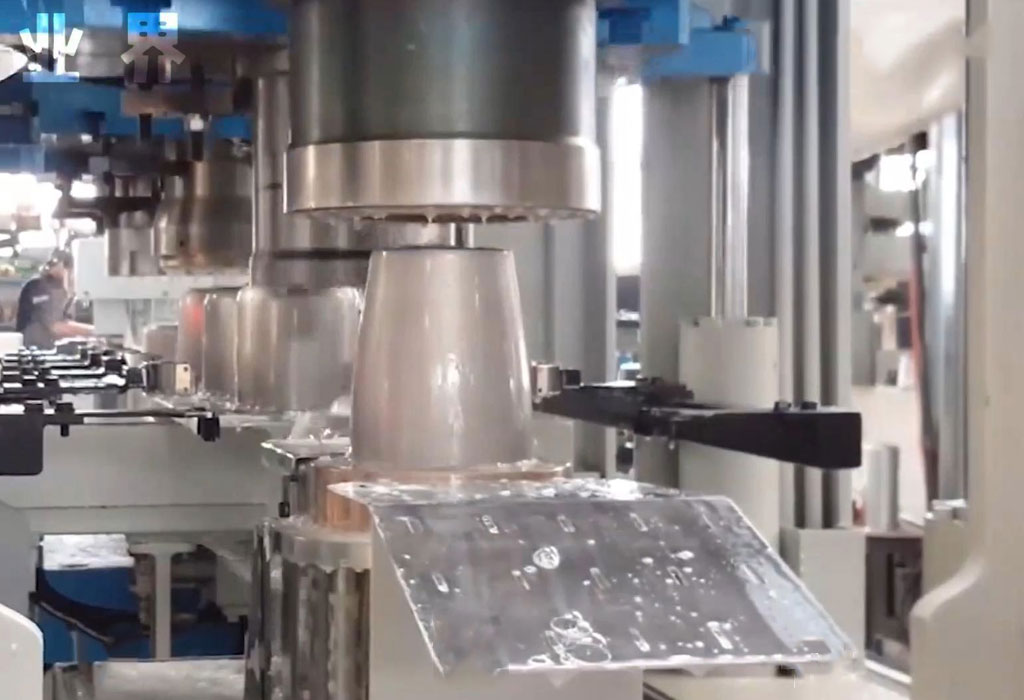
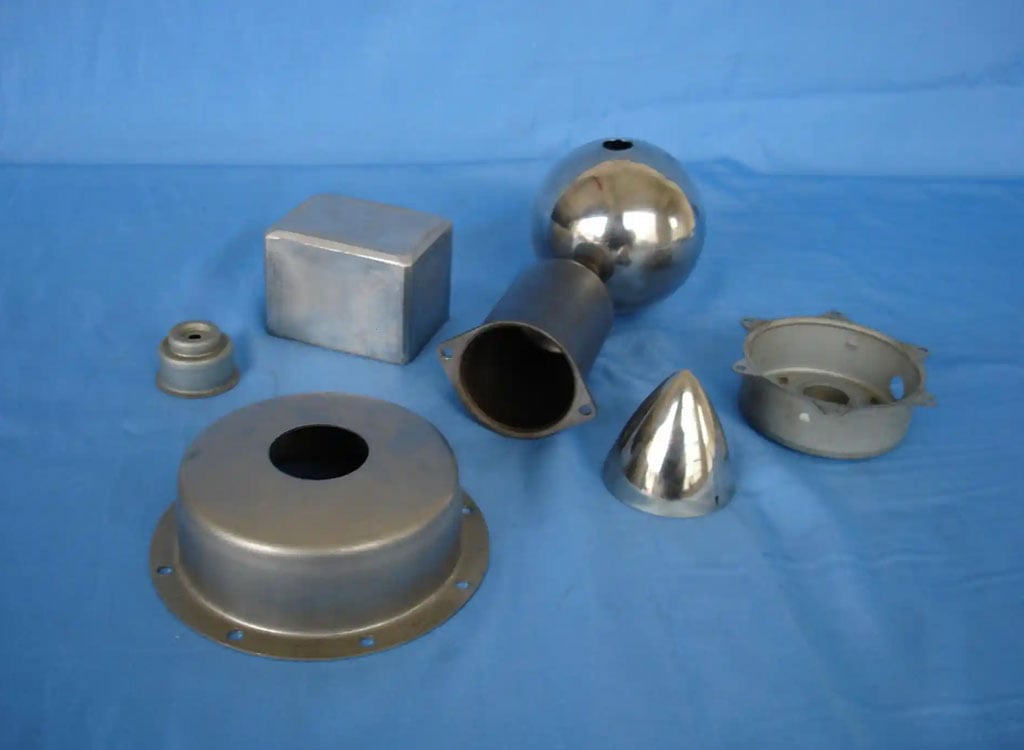
Deep Drawing Forming Dimensions
We offers unmatched quality and repeatability, with accuracies up to +/- .00005 (0.00127mm) across a wide range of materials. BE-CU can draw lengths up to 23.62” (600mm) and length-to-draw ratios in excess of 50:1
| Measure | Inches | Millimeters |
|---|---|---|
| Internal diameter | 0.010 to 1.300 | .25 to 33.00 |
| Outside diameter | 0.012 to 1.340 | .30 to 34.00 |
| Length | 0.050 to 23.62 | 1.25 to 600 |
| Wall thickness | 0.0012 to 0.060 | 0.30 to 1.500 |
| Finished part tolerance | Minimum +/- .0002 | Minimum +/- .005 |
| I.D./O.D. tolerance | Minimum +/- .0002 | Minimum +/- .005 |
| Length tolerance | Minimum +/- .001 | Minimum +/- .025 |
Best Metal Material For Deep Drawn Stamping
Deep drawing can be performed on a wide variety of materials, though the selection of material is an important factor in determining the success of the process. The most commonly used materials in deep drawing are:
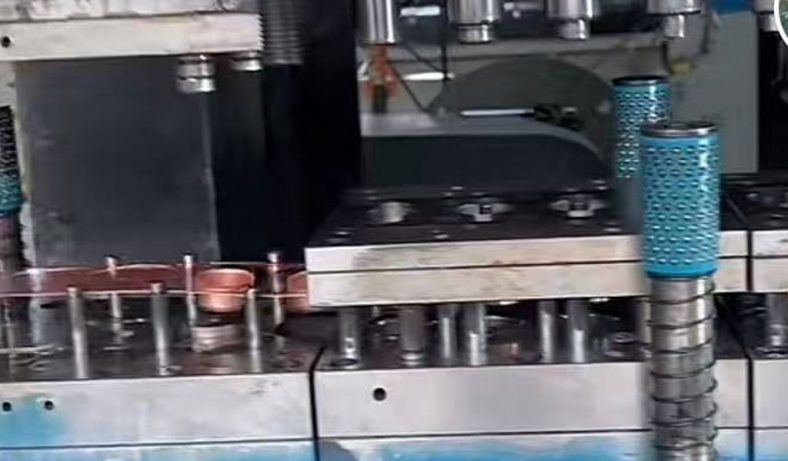
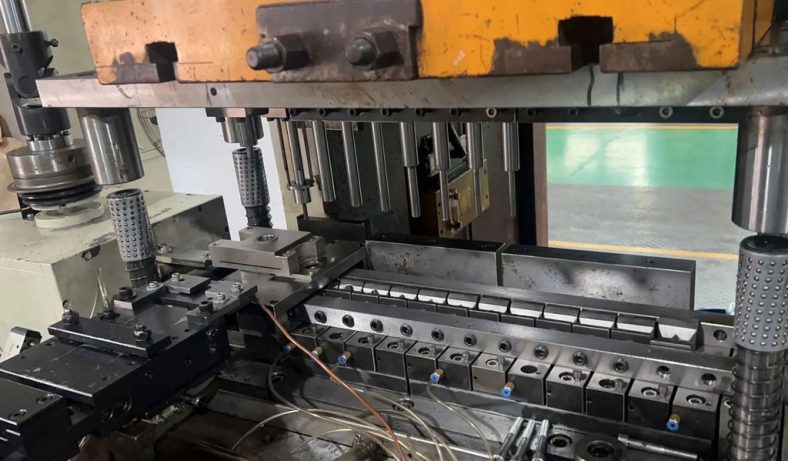
Deep Drawing Forming Applications
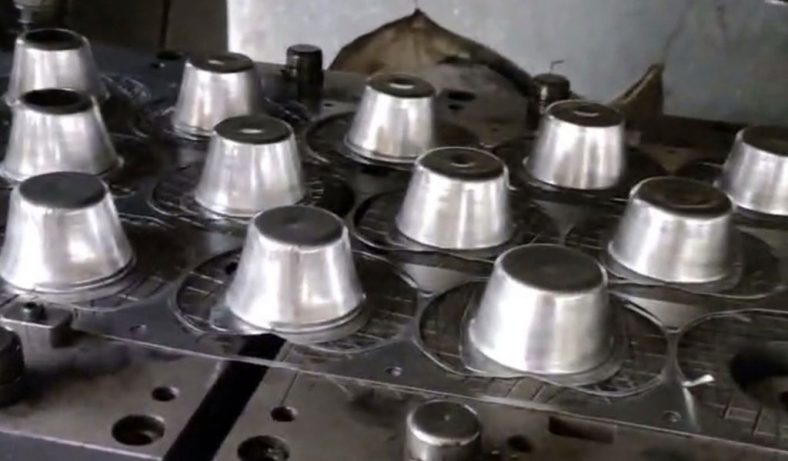
Deep drawing is an effective technique for producing concentric and symmetric parts in low to medium production volumes, especially when the expense of metal stamping dies is too high. For larger production runs, metal stamping becomes more cost-efficient and faster compared to sheet metal fabrication and metal spinning.Certain metal shapes are too intricate for high speed stamping to handle efficiently and are best created through Deep drawing due to their unique design requirements.
- Deep Drawn Cans
- Deep Drawn Caps
- Deep Drawn Cases
- Deep Drawn Covers
- Deep Drawn Cups
- Deep Drawn Eyelets
- Deep Drawn Ferrules
- Deep Drawn Housings
- Deep Drawn Nozzles
- Deep Drawn Shells
- Hoods & Shrouds
- Deep Drawn Sleeves
- Deep Drawn Probes
- Deep Drawn Tubes
- Deep Draw Enclosure
Deep Drawing Stamping Parts Case Studies and Examples
BE-CU is a deep draw metal stamping leading manufacturer for the aerospace, communications, industrial, lighting, medical, military, and furniture sectors. Our expert engineers prepare each metal punching blank in advance of the deep drawing process to ensure that the results are free from tears and other defects. With more than 30 years of experience, our deep drawing products not only service china customers, we are also exporting to Europe and American.
Our workers drawing a sheet metal blank around a punch as it’s pulled through a die and formed the parts required dimensions and shapes. To get the deep drawn products visual, we browse through the examples below. Some of these examples represent multiple draws to achieve deeper results. You’ll also see examples of our secondary operations, such as black zinc plating, anodizing, polishing, CNC machining, heat treating, piercing, blanking, forming, welding, laser cutting and son on.
-
Deep Drawn Aluminum Cans
-
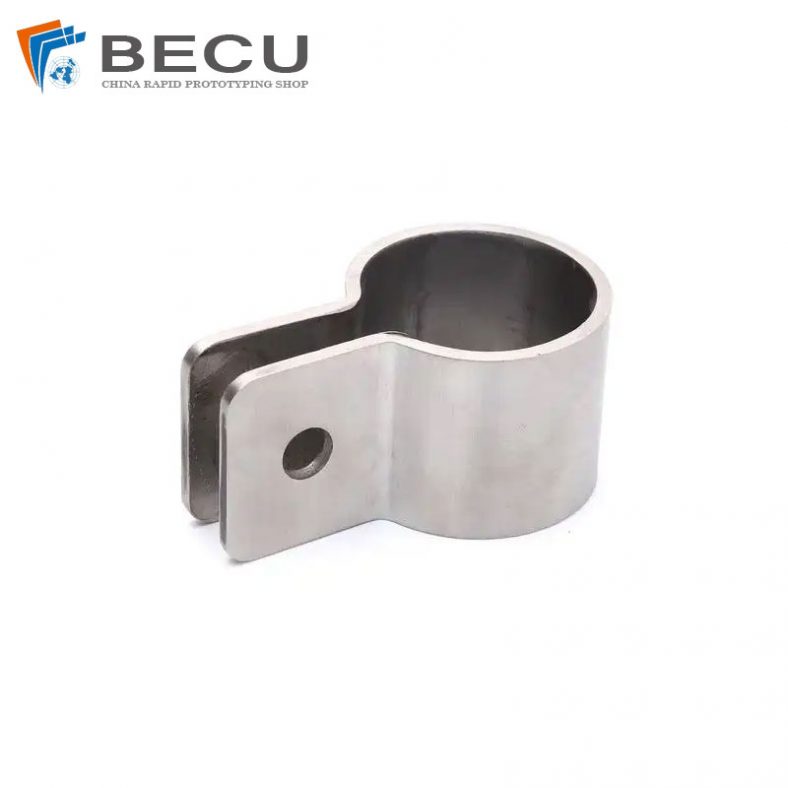
High Speed Deep Drawing Stamping TC4 Fastener
-

Deep Drawing Iron LED Lampshade Accessories
-
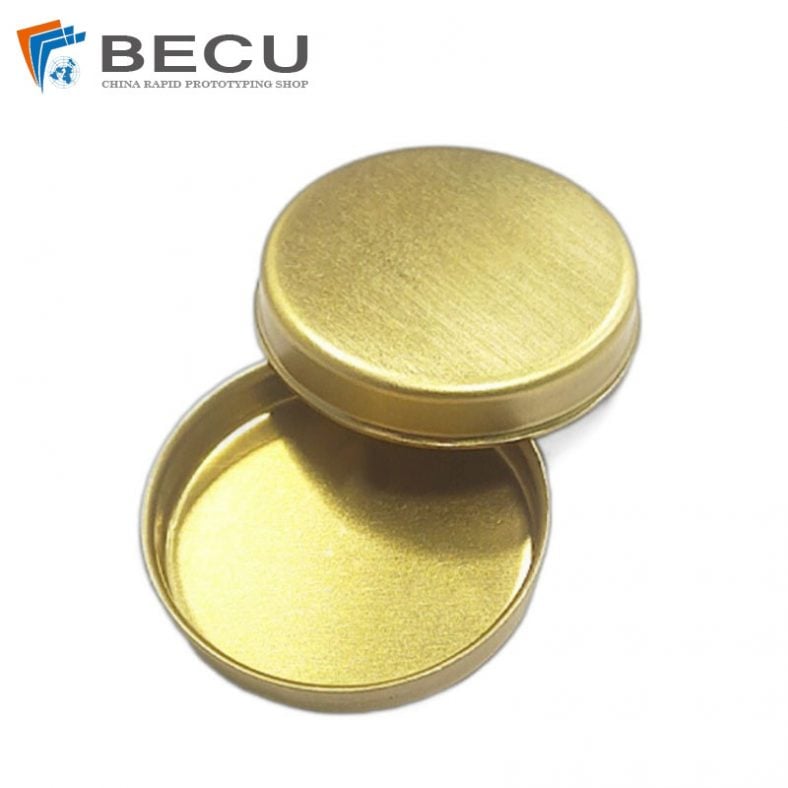
Deep Drawing Stamped Brass 360 High-End Perfume Box
-

Stainless Steel 316 Electronic Deep Drawing Stamping Parts
-
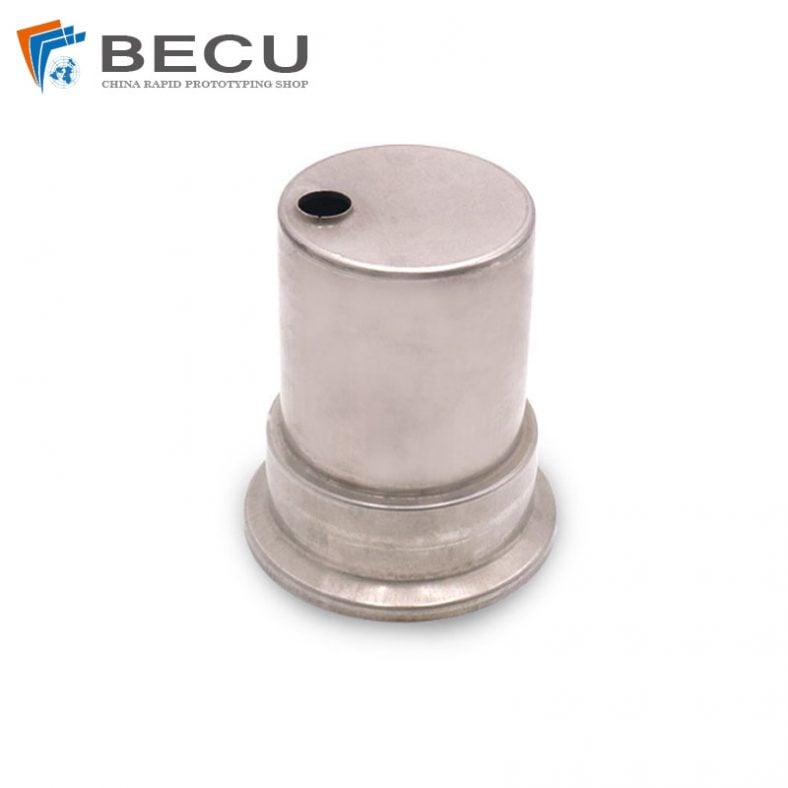
Aluminum Deep Drawing Small Downlight Housing
-
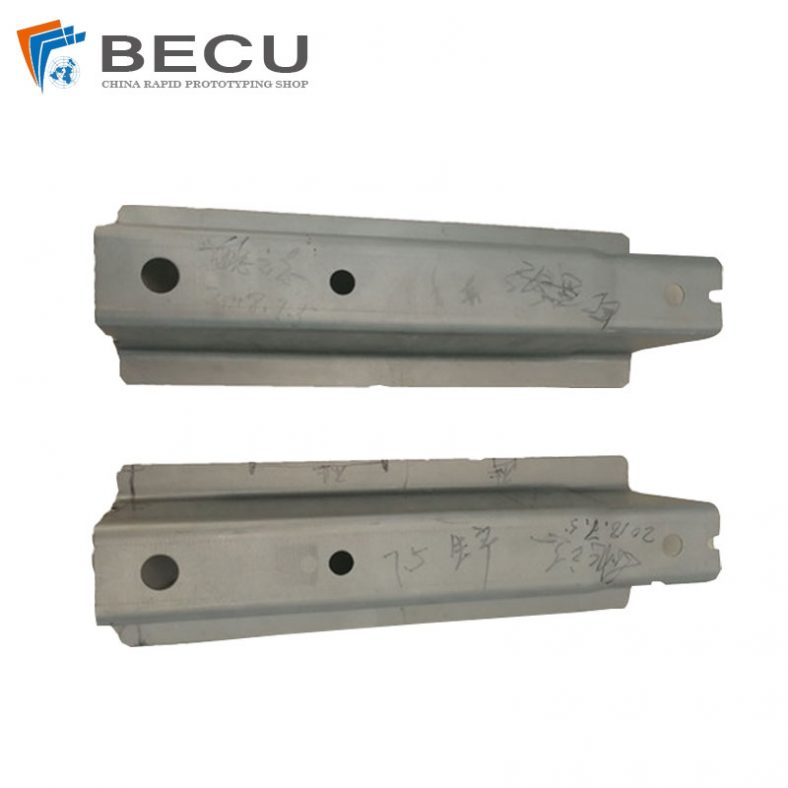
Stamping Motor Vehicle Connection Plate Assembly
-
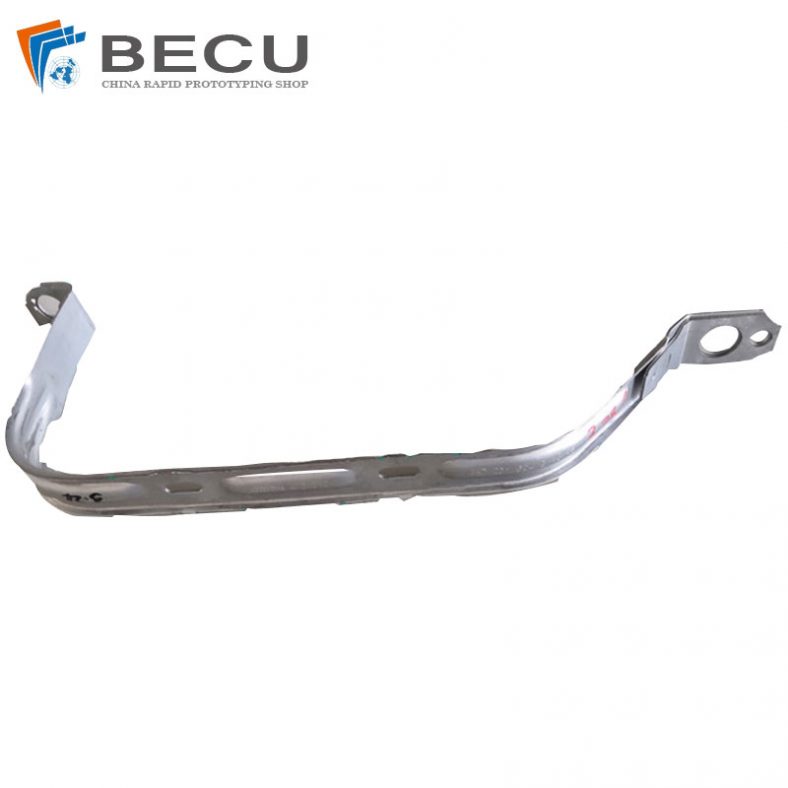
Car Fuel Tank Strap With Aluminum Stamping
-
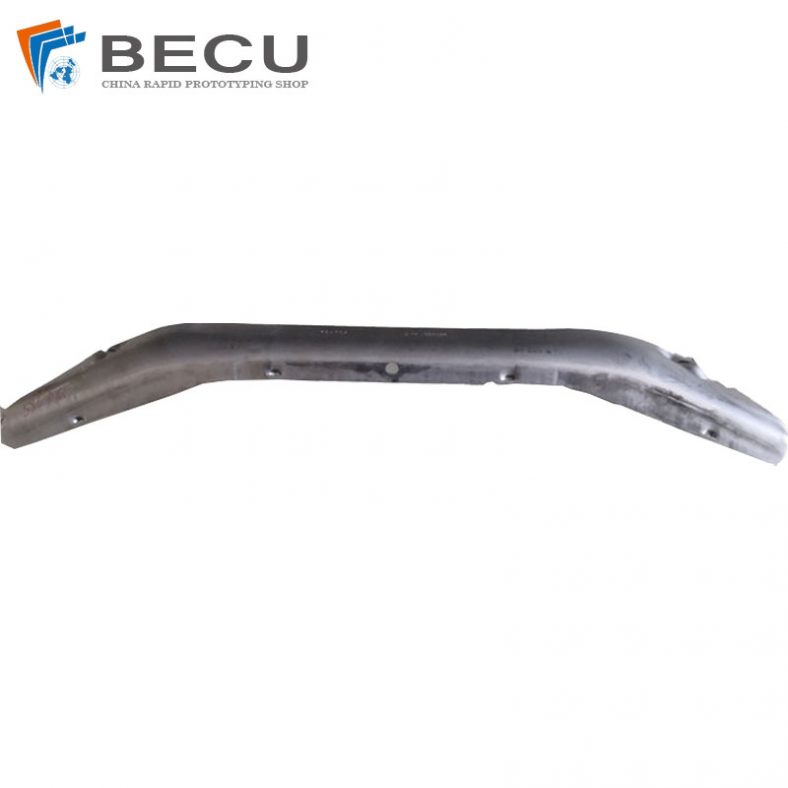
Stamping Car Front Cross Member Front Housing
-
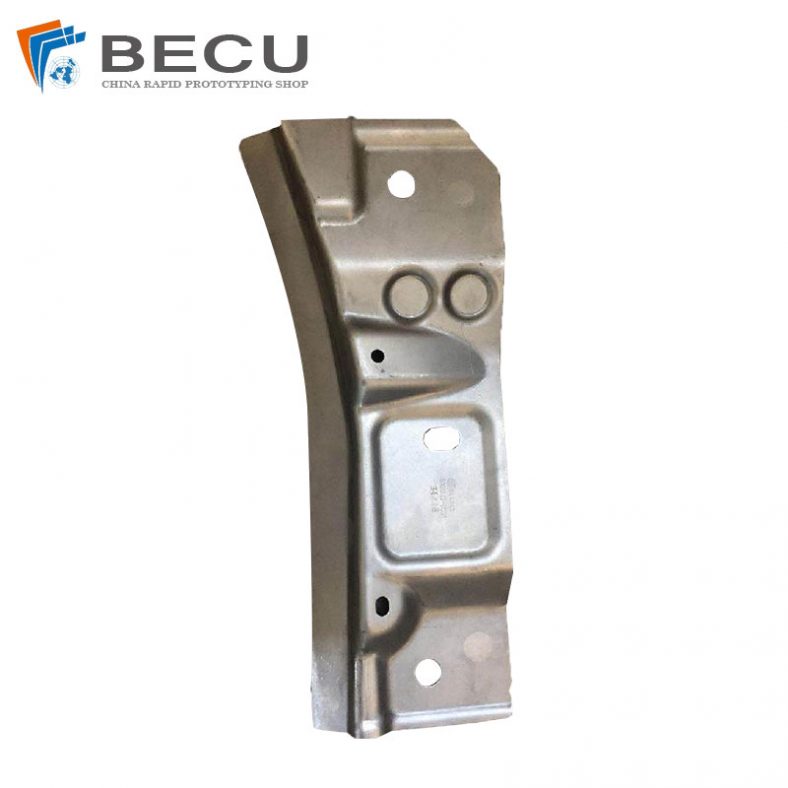
Precision Stamping Automotive Sink Reinforcement Plates
Deep Drawing Process – The Type Of Deep Drawing Stamping
The use of stamping equipment for stretching and forming of products includes: stretching, re-stretching, reverse stretching, and thinning stretching. When using stamping equipment for metal stamping and stretching, there are 16 types:
Deep Drawing Stamping FAQs
FAQ – We are usually asked about:
History of Deep Drawing Stamping
In the early stages, metal forming methods were labor-intensive, relying heavily on manual labor and rudimentary tools. Over time, the invention of stamping presses and the development of advanced die technologies made the deep drawing process more efficient and scalable. These advancements played a crucial role in the mass production of automobiles, which required the creation of deep-drawn parts such as car body panels, engine components, and other intricate shapes.
Equipment Used in Deep Drawing Stamping
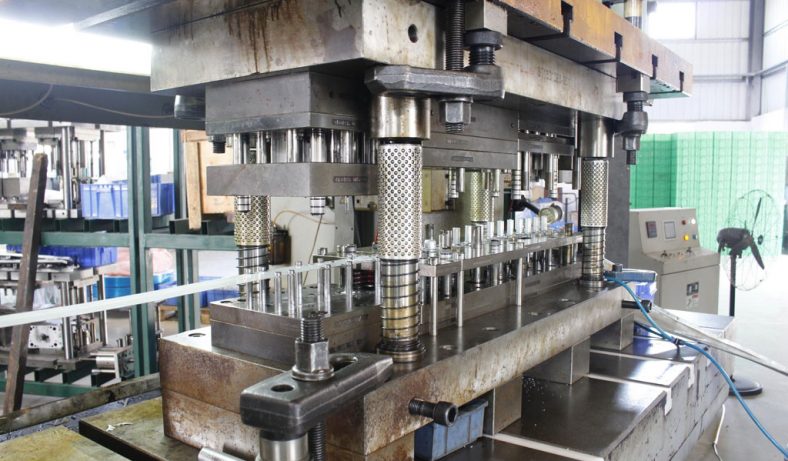
Deep drawing stamping requires specialized equipment to achieve the desired results. The two primary types of equipment used are presses and dies.
- Presses: A variety of presses are used in deep drawing, including mechanical presses, hydraulic presses, and pneumatic presses. Hydraulic presses are the most commonly used type for deep drawing because they provide the necessary force for shaping the material and offer greater control over the process.
- Dies: The die is the tool that forms the material into the desired shape. Dies consist of two main parts: the die cavity and the punch. The punch pushes the material into the die cavity, while the die cavity forms the outer shape of the part. The die must be carefully designed to ensure proper material flow and to avoid defects such as wrinkling, tearing, or thinning.
Advanced computer-aided design (CAD) and computer-aided manufacturing (CAM) software are commonly used to design and simulate the deep drawing process, ensuring that the dies and presses are optimized for the specific material and part design.
Benefits of Deep Drawing in Manufacturing
Deep drawing is an efficient and cost-effective method for producing high volumes of components, offering significant reductions in unit costs as production scales up. Once the necessary tooling and dies are established, the process can proceed with minimal downtime and maintenance, resulting in continuous, high-output production. Compared to other manufacturing techniques, such as progressive die stamping, deep drawing tends to incur lower tool setup costs, making it an economically advantageous choice even for smaller production runs.
The advantages of deep drawing extend beyond cost savings, particularly in the context of product performance. This process is ideal for producing components that require high strength-to-weight ratios, making it particularly suitable for industries that demand lightweight yet durable materials. Additionally, deep drawing is capable of achieving complex geometries that may be difficult or impossible to produce using alternative manufacturing methods.
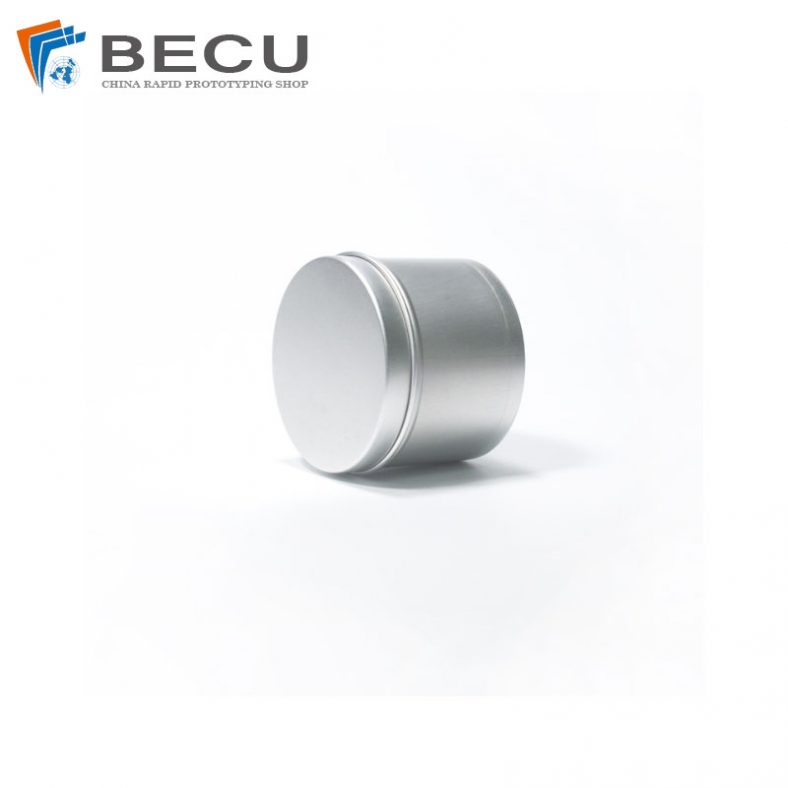
One of the primary applications of deep drawing is the production of cylindrical components. By drawing a flat, circular metal blank into a three-dimensional cylindrical shape with a single draw ratio, manufacturers can achieve both time and cost savings. A common example of this application is in the production of aluminum cans.
Although the process can present challenges when forming more complex shapes—such as squares, rectangles, or other intricate geometries—deep drawing remains highly effective. As the complexity of the desired geometry increases, so too may the number of required draw ratios and associated production costs. However, even with these considerations, deep drawing remains a viable and efficient choice for manufacturing such components.
Deep drawing is particularly advantageous for producing parts with specific requirements, including:
- Seamless Components: Deep-drawn parts are formed from a single sheet of metal, ensuring uniformity and integrity.
- Rapid Production Cycles: The process is well-suited to high-volume production, facilitating the quick manufacture of large quantities.
- Complex Axis-Symmetric Geometries: Deep drawing excels in creating intricate, precise, and symmetrical shapes with high dimensional accuracy.
- Enhanced Production Efficiency: Compared to methods such as steel spinning and welding, deep drawing offers superior efficiency in terms of both speed and cost-effectiveness.
- Integral Parts from Single Sheets: A single piece of sheet metal or plate material is readily transformed into an integral part, without the need for welding or assembly.
- Uniform Material Thickness: The process ensures relatively consistent material thickness throughout the formed component, contributing to better structural integrity.
- Symmetry and Precision: Deep drawing is ideal for achieving symmetrical material distribution in sheet metal shapes, maintaining uniformity throughout the part.
- Avoidance of Welding and Dimensional Distortion: The ability to create deep, complex parts without welding minimizes the risk of dimensional distortions often associated with other methods.
In summary, deep drawing presents a versatile, cost-effective, and precise solution for producing a wide range of components, from simple cylindrical shapes to more intricate geometries, while maintaining high production efficiency and part integrity.
Blank Optimization for Deep Drawing
A key objective in deep drawing is to optimize the blank shape to facilitate uniform material flow. Excess material may impede flow and increase forces during drawing, potentially leading to defects. For example, in deep drawing of a square box, the metal flows more readily from the edges than from the corners, where the material encounters more resistance. This uneven flow results in a thinner, less uniformly drawn part. By refining the blank shape, material flow can be optimized, reducing the forces required and improving the process. Advanced computer modeling can predict ideal blank shapes, though real-world testing remains essential for successful design and production.
Wrinkling, Earing, and Other Defects
Earing, characterized by wavy protrusions at the open end of the drawn cup, is primarily caused by the material’s anisotropy. This defect can often be addressed by adjusting the blank’s orientation or composition. In addition, careful attention to surface smoothness and die design is necessary to prevent scratches and irregularities during the drawing process.
Irregular Deep Drawings
The Principles of Deep Drawing Stamping
Blanking: A flat sheet of metal, referred to as a blank, is cut to the desired shape using a die. The blank is the starting point for the deep drawing process.
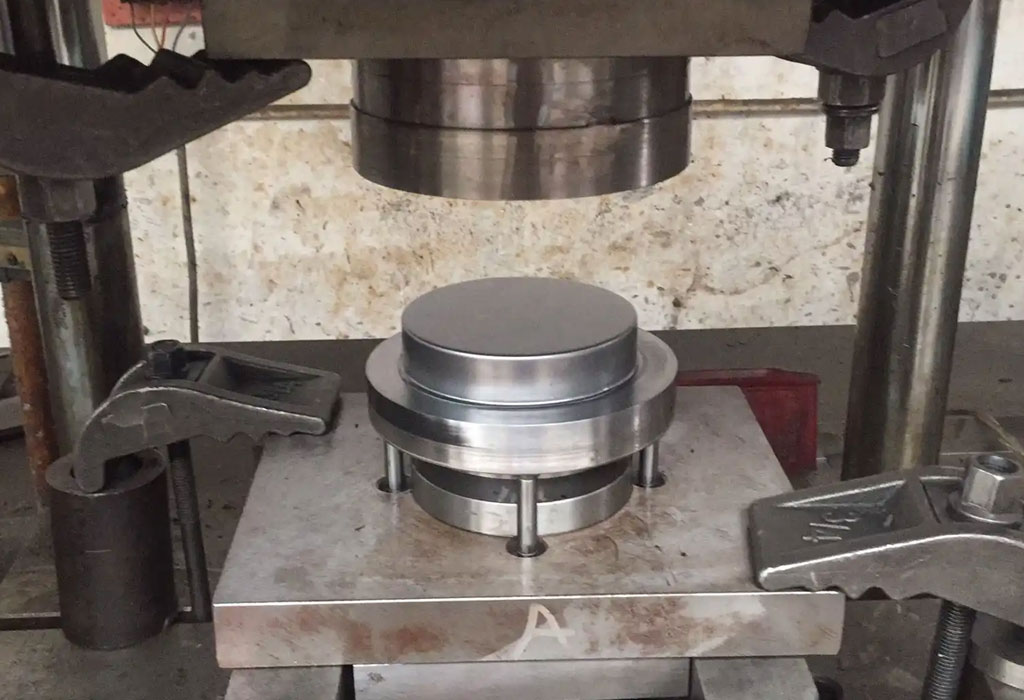
Drawing: The blank is placed into a die cavity, and a punch presses the metal downward into the cavity, causing the metal to flow and form the desired shape. The material must undergo substantial deformation to achieve the required depth and form.
Ejection: Once the part has been fully formed, it is ejected from the die, completing the drawing process.
Several factors influence the deep drawing process, including material type, thickness, die geometry, and the lubrication used. These elements must be carefully controlled to ensure the final product maintains its shape, dimensional accuracy, and surface quality.
Applications of Deep Drawing Stamping
Deep drawing stamping is used in a wide range of industries to produce parts with varying degrees of complexity and precision. Some of the most common applications include:
- Automotive Industry: Deep drawing is extensively used in the automotive sector to produce parts such as car body panels, engine components, and structural parts. These components often require high strength, precise geometry, and high-quality surface finishes, making deep drawing a suitable process for mass production.
- Aerospace Industry: The aerospace industry relies on deep drawing for the production of lightweight, high-strength components that meet strict quality and safety standards. Parts such as aircraft fuselage panels, engine components, and wing sections are often made using deep drawing techniques.
- Electronics and Appliances: The production of housings for electronic devices and household appliances such as refrigerators, washing machines, and dryers frequently involves deep drawing. These parts must be durable and resistant to corrosion while offering smooth surfaces for functional and aesthetic purposes.
- Medical Industry: Deep drawing is used in the medical industry to produce parts such as surgical instruments, implants, and medical device components. The precision and reliability of the deep drawing process are crucial for ensuring the safety and functionality of these parts.
- Consumer Goods: Various consumer goods, including kitchenware, decorative items, and packaging materials, are often produced using deep drawing techniques. These parts are typically made from metals such as aluminum or stainless steel to enhance durability and appearance.
Cost Saving Tips for Deep drawing stainless steel products
- The metal will become strain hardened, and the potential of fracture will become big during drawing, so minimal deformation is ideal.
- Diameter and depth ratio will affect the difficult of forming, the ratio number much big will more difficult to draw. Try to minimize the ratio is a good way to save money.
- Typically limit to 2 reductions before needing stress relieving, ratio of depth to diameter ratio in 304 or 316 to no more than 1:1 in thicker material.
- Through annealing to relieve stress of stainless steel, ration of depth to diameter for 304 or 316 is better no more than 1:1.
- The thickness of stainless steel material also will affect the draw ability.
Defects in Deep Drawing
Excessive forces, especially from poor blank shape or material impediments, can also contribute to tearing. Tearing that occurs at the corners of the wall often indicates an issue with blank geometry. Surface imperfections such as gouges, scratches, or pits can exacerbate the problem, serving as initiation points for cracks. In addition, blank holder force must be carefully calibrated. Excess friction between the blank, blank holder, and die surfaces can impede material flow, increasing the force needed for drawing and leading to potential failure, especially near the cup’s base. Thus, friction must be minimized by ensuring smooth, well-lubricated die and blank holder surfaces.
Role of Draw Beads in Deep Drawing
Designing a Deep Drawing Operation
The design of a deep drawing process is a multifaceted task involving detailed planning, calculations, and potentially some in-house testing. To begin, the surface area of the finished part must be calculated, accounting for any cutting allowances. The surface area of the blank is initially set equal to the required part surface area, and then the blank diameter (Db) is determined. It is often beneficial to add extra material to the blank—typically around 10% of Db—to accommodate the forming process and allow for a flange to be cut off after drawing. This extra material ensures that the blank shape is optimized for the operation.
To assess the material flow and potential for wrinkling, the thickness ratio must be calculated. This ratio is defined as t/Db×100%t / Db \times 100\%, where tt represents the thickness of the material and DbDb is the blank diameter. A thickness ratio exceeding 1% is essential to avoid wrinkling during deep drawing. Additionally, a percentage reduction (R) can be calculated to determine the extent of material thinning during the process, using the formula:
R = (Db − Dp)/Db × 100%where DpDp is the diameter of the part after deep drawing. If the percentage reduction for redrawing exceeds 50%, intermediate shapes may need to be introduced to ensure proper material flow and reduce the risk of defects. When designing for redrawing, the surface area of the blank, intermediate shapes, and final parts should all be carefully aligned to ensure consistency and prevent material wastage.
Once the blank shape and thickness are established, further calculations must be made to determine the required forces. These include the punch force, blank holder force, and die and punch shape. Key parameters like the corner radius of the die and punch, material properties of the sheet metal, and friction between the blank, die, and punch surfaces all play a crucial role in the final force calculations.
The deep drawing process is iterative, and optimizing production efficiency may require adjustments to key variables such as blank shape, thickness, corner radius, or blank holder force. These adjustments are based on trial-and-error testing and analysis of past process outcomes. Over time, the method can be refined through repeated iterations, leading to improved results and more efficient manufacturing processes.
Techniques and Variants of Deep Drawing
There are several variations of the deep drawing stamping process, each tailored to specific applications and materials. These include:
- Single-Action Deep Drawing: The most common form of deep drawing, where a single punch is used to create the desired shape. The metal flows into the die cavity under the force of the punch. This method is widely used for producing shallow cups and other relatively simple shapes.
- Double-Action Deep Drawing: In this method, the die is equipped with two punches, one that provides the initial drawing force and another that helps to push the metal into the die cavity for further shaping. This method is particularly useful for producing deeper parts or parts with complex geometries.
- Ironing: Ironing is a process used in conjunction with deep drawing to reduce the thickness of the drawn material in a controlled manner. The metal is passed through a die set that uses a secondary punch to further compress and elongate the material, improving the consistency of the part’s thickness and enhancing its mechanical properties.
- Progressive Die Stamping: A more complex form of deep drawing, progressive die stamping is a multi-stage process where the blank moves through multiple dies in a single press stroke. Each die progressively shapes the part until it reaches its final form. This method is highly effective for producing high volumes of complex parts.
You should consider when design deep drawing part
Content you should consider when design a deep drawing part:
- Basics of formability
- Materials: steel, aluminum and high-strength steel
– material properties
– formability
– theoretical principles - Forming methods
– deep drawing
– hydromechanical deep drawing
– hydroforming
Cost-Effectiveness of Deep Drawing
The expenses of manufacturing are increasing, the subsequent attraction of deep drawing is decreasing. Obviously, more complicated products will boost the cost of maintenance, labor costs and expenses of manufacturing. The following variables are probable to boost the anticipated cost when considering the cost of profound drawing:
- A. Number of part features
- B. Location of part features
- C. Direction of part features
- D. Protruding part features
- E. Part size
- F. Material thickness