
Iron Alloy In Metal Spun
Iron spinning, also known as metal spinning, is a manufacturing process that involves the shaping of a thin metal disk or blank into cylindrical, conical, or spherical forms.
It is a versatile technique that has been employed for centuries in various industries, from aerospace and automotive to the creation of artistic and decorative items. Iron, due to its unique properties, is a favored material for spinning due to its strength, malleability, and ability to be manipulated at both low and high temperatures.
Iron spinning process involves securing a circular metal disk, typically made of iron or an iron alloy, onto a spinning lathe. As the disk rotates at high speeds, a tool is applied to the surface of the disk. The tool, typically a roller or a pressure die, pushes the material outward, forming the desired shape.The shape formed is influenced by several factors, including the type of iron used, the temperature of the material, the speed of the lathe, the pressure applied by the tool, and the geometry of the final product. The process relies on the material’s ductility, which allows it to be stretched and shaped without cracking or breaking.
Types of Iron Used in Spinning
The selection of iron for the spinning process is crucial because it determines the quality, performance, and characteristics of the final product. Different types of iron exhibit varying degrees of malleability, strength, and resistance to wear, which makes them more suitable for specific applications in metal spinning. Below are the main types of iron commonly used in the spinning process:
1. Cast Iron Spinning
Cast iron is one of the most widely used forms of iron for spinning due to its good castability, wear resistance, and relatively low cost. It is an alloy of iron with a higher carbon content (typically between 2% and 4%), which gives it a unique set of properties that make it suitable for various applications. However, the higher carbon content also makes cast iron more brittle than other forms of iron.
2. Wrought Iron Spinning
Wrought iron is a type of iron that is known for its high malleability and ductility, which makes it ideal for the spinning process. It is produced by heating and hammering iron to remove impurities and reduce the carbon content, resulting in a material that is more flexible and tougher than cast iron. Wrought iron does not contain as much carbon as cast iron, which gives it better ability to withstand impact and deformation without cracking.
3. Steel Spinning (Carbon Steel and Alloy Steel)
Steel, particularly carbon steel and alloy steel, is a versatile material that offers higher strength and durability than both cast and wrought iron. Steel can be used in metal spinning when high-performance properties are needed, such as when the component must endure high stresses or operate in harsh environments. Steel, which contains a controlled amount of carbon (typically between 0.05% and 2%), can be further alloyed with various elements like chromium, nickel, or molybdenum to enhance specific properties like corrosion resistance, heat resistance, or wear resistance.
4. Ductile Iron Spinning(Nodular Cast Iron)
Ductile iron, also known as nodular cast iron or spheroidal graphite iron, is a type of cast iron that contains small amounts of graphite in the form of spherical nodules, rather than the flake-like structure found in traditional cast iron. The nodular graphite structure gives ductile iron enhanced ductility and toughness compared to regular cast iron, while retaining many of the desirable properties of cast iron, such as excellent castability and wear resistance.
Iron Spinning Service – Spun Iron Parts Suppliers & Company
Spun iron and manufacturing is one of the main services provided by Be-cu.com, and the iron metal sheets are the primary materials of the products for diverse industries. From cooker projects to electronic accessories, our iron metal spinning services will deliver custom iron parts or spun product that fit your exact standards. Iron cnc spinning parts are generally fabricated through processes including forming, lathe spinning, and rolling, brazing, punching, pressing, etc.Parts up to 60 inches in diameter, and thicknesses ranging from .012 to .190 inches can be fabricated within a tolerance of +/-0.005 inches.Be-cu(Pintejin Group) will also offer a full array of surface finishing services to achieve a unique appearance and effect according to your needs. With decades of years from metal machining to fabrication, Be-cu.com is a full-service company that provides almost any manufacturing service with well-equipped facilities and seasoned professionals.
The Advantage Of Iron Spinning
Metal spinning offers a range of advantages to those looking for a very versatile, streamlined process, including:
- Lower Costs – Compared to the tools employed in alternative forming methods, iron spinning tools are typically 10% of the cost.
- Shorter Lead Times – The iron spinning process amounts to significantly shorter turnaround times – tools and spun components can be available within weeks rather than months.
- Maximum Design Flexibility – iron spinning tools can be quickly and easily changed to accommodate evolving product designs, enabling flexibility when it’s needed most.
- Seamless, High-Quality Construction – iron spinning produces smooth, durable objects without seams or welds, for parts require feature superior strength and great aesthetics.

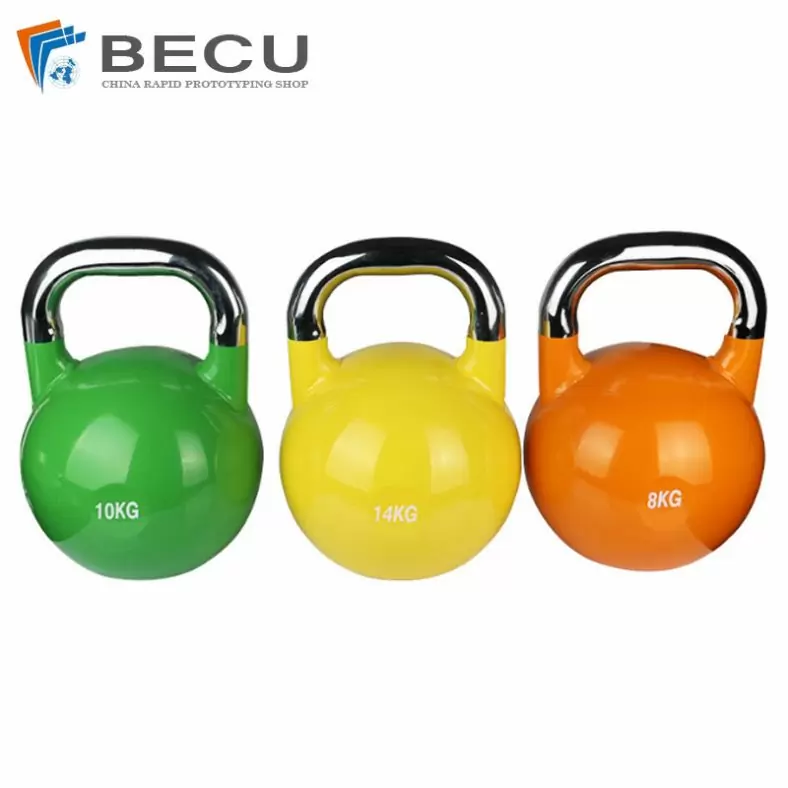
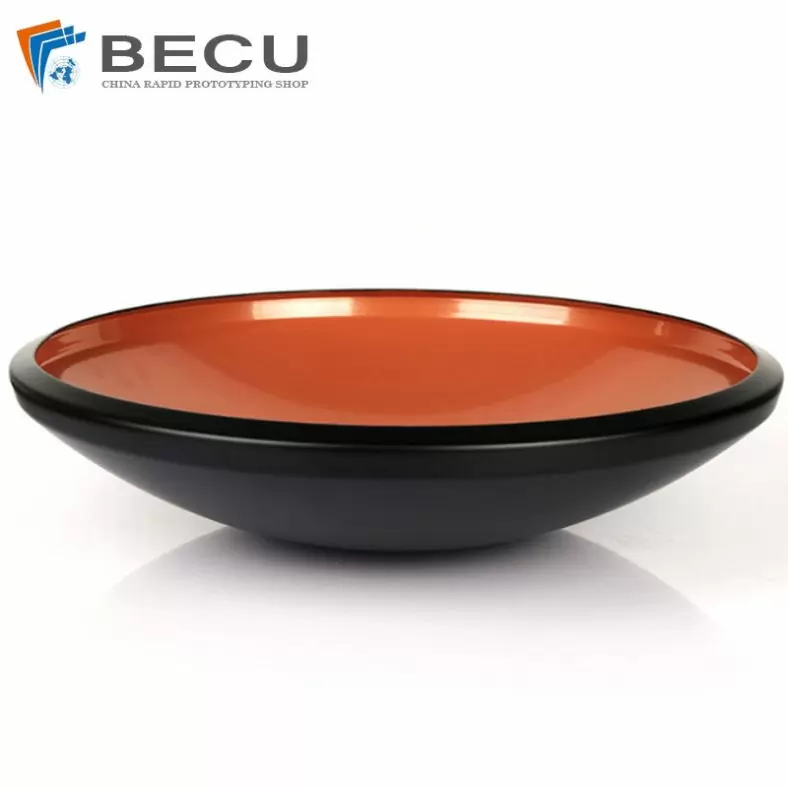
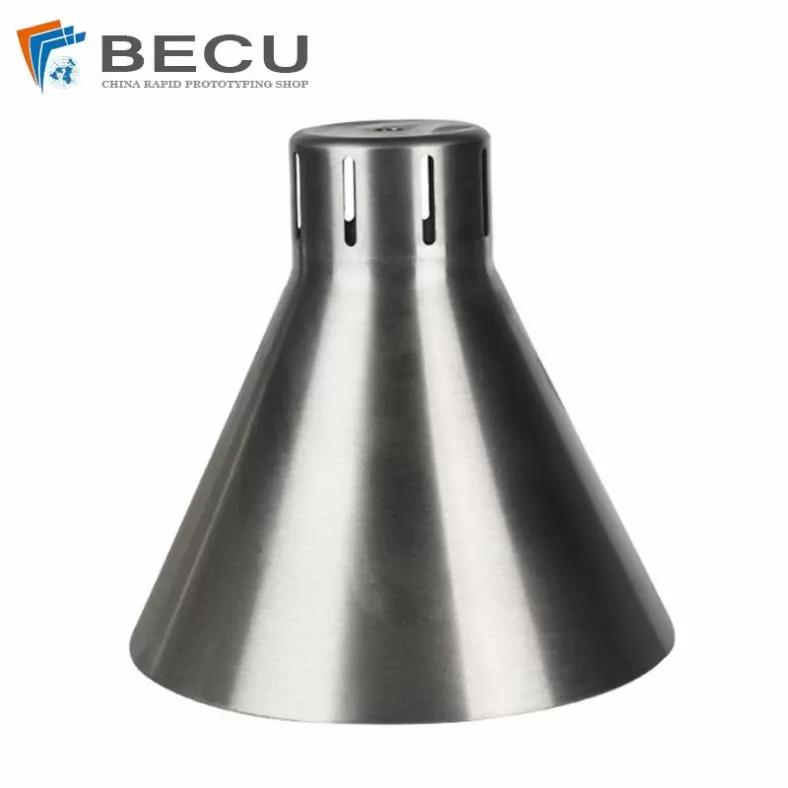
Our Case Studies Gallery Of Spun Iron CNC Spinning
Put Be-cu.com’ experience to work for all of your iron spinning and spin forming needs—from traditional manual aluminum spinning to cutting edge CNC iron spinning. The spun iron spinning process is perfect for a wide variety of industries that require consistent tolerances, fast turn-around, and uncompromising quality.