

Wire cutting, commonly referred to as wire EDM (Electrical Discharge Machining), is a precise and highly effective machining process used in the manufacturing of intricate components, often in industries such as aerospace, automotive, medical, and electronics.
The process involves the use of a thin wire electrode to cut through conductive materials, typically metals such as steel, aluminum, titanium, and brass.
Wire cutting is prized for its ability to achieve high precision, tight tolerances, and complex shapes that are difficult to attain with traditional machining methods.
Calculating the price and cost of wire cutting involves considering multiple factors, including machine operation costs, material costs, labor, tool wear, electricity usage, and overheads. Each of these components contributes to the final price of a wire cutting job, and understanding them is crucial for accurately estimating costs and determining competitive pricing for customers.
Factors Affecting Wire Cutting Time
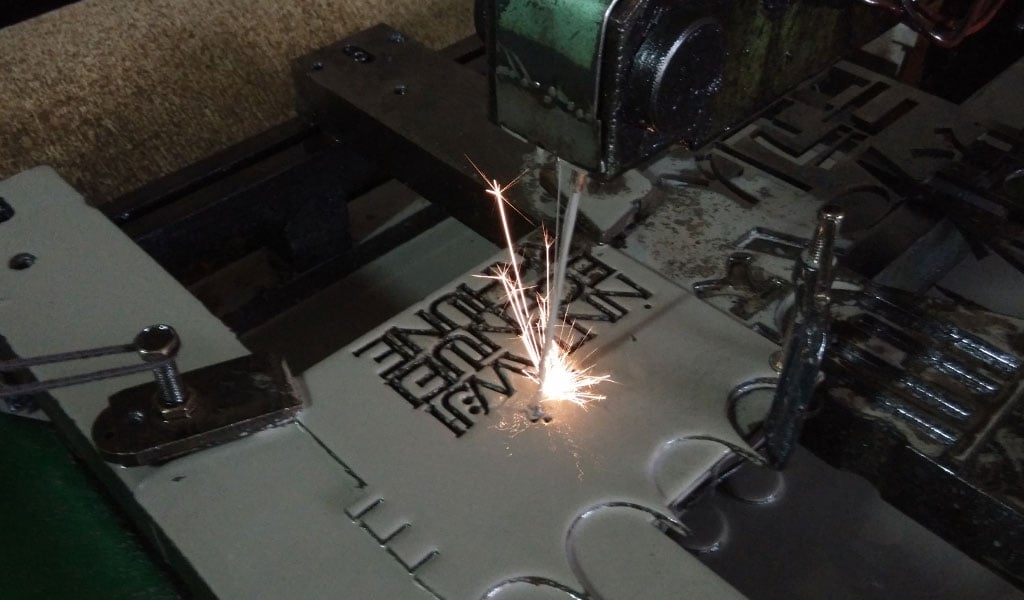
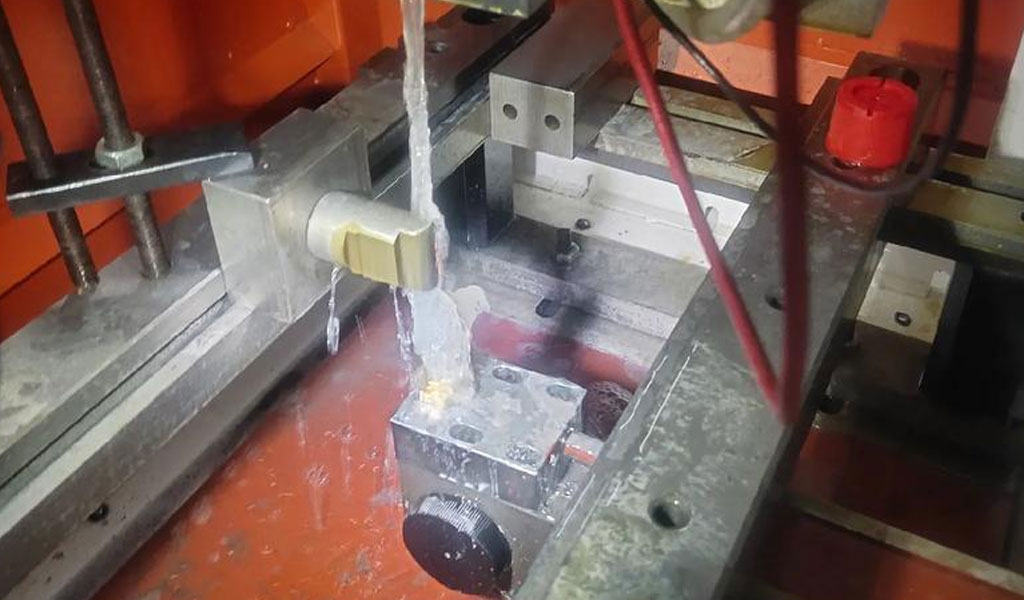
Wire cutting is typically performed using a thin wire electrode, usually made of brass or copper, which continuously moves along the cutting path while the workpiece is submerged in a dielectric fluid.
The electrical discharges between the wire and the workpiece cause localized melting and vaporization, enabling the wire to cut through the material.Understanding how to calculate the time required for a wire cutting operation is crucial for estimating costs, setting appropriate job deadlines, and ensuring efficient utilization of resources.

The cutting time is influenced by various factors, including material properties, machine settings, cutting parameters, and part complexity. Accurately estimating wire cutting time and price requires an understanding of these variables and their interactions.
1. Material Properties
The material being cut plays a significant role in determining the cutting time. Different materials have distinct electrical and thermal properties, which affect how efficiently they can be machined with wire EDM. These properties influence the rate of material removal, the required power settings, and the cutting speed.
- Hardness: Harder materials, such as high-carbon steels, tool steels, and titanium alloys, require more power and slower cutting speeds, which increases cutting time. Hardness directly impacts the energy required to create a discharge and remove material.
- Thermal Conductivity: Materials with low thermal conductivity, such as stainless steel or titanium, tend to retain heat during the cutting process, causing a slower material removal rate. Conversely, materials with high thermal conductivity, like copper and aluminum, dissipate heat more efficiently, leading to faster cutting times.
- Electrical Conductivity: The electrical conductivity of the material determines how well the wire electrode can generate discharges. Materials with higher electrical conductivity, such as brass and copper, are more easily cut by wire EDM, resulting in faster cutting times. On the other hand, materials with lower conductivity, such as hardened steels, may require higher power inputs and more time to cut.
2. Workpiece Thickness
The thickness of the workpiece is a key factor in calculating wire cutting time. The thicker the material, the more energy and time are required to penetrate it completely.
As the cutting process progresses, the material is gradually removed in layers, and a thicker workpiece demands more passes of the wire electrode to achieve a full cut.
The cutting time increases as the thickness of the material increases due to the following reasons:
- Longer Discharge Duration: Cutting thicker materials requires more time for each discharge to vaporize and remove material.
- Increased Cutting Path: A thicker workpiece often requires the wire to travel further or follow a longer cutting path, which in turn increases cutting time.
- Power Settings: Higher power settings are typically required for thicker materials, leading to an increase in the cutting time per pass.
3. Cutting Speed
Cutting speed refers to how fast the wire electrode moves relative to the workpiece. It is determined by several parameters, including wire feed rate, spark duration, and gap distance between the wire and the workpiece. Higher cutting speeds typically result in shorter cutting times, but the cutting speed must be optimized to balance speed with precision.
- Wire Feed Rate: The wire feed rate is a critical parameter that directly influences cutting speed. A higher feed rate means the wire moves more quickly through the material, reducing cutting time. However, too high a feed rate can compromise the quality of the cut, leading to rough surfaces or dimensional inaccuracies.
- Spark Duration and Frequency: The duration and frequency of electrical discharges also affect cutting speed. Longer spark durations provide more energy to the workpiece, which may reduce cutting time but also generate more heat and increase wear on the wire. The frequency of sparks impacts the overall speed of material removal.
- Cutting Gap: The gap distance between the wire and the workpiece is another important factor that influences cutting speed. A larger gap reduces the likelihood of wire breakage but also slows down the cutting process. Conversely, a smaller gap can improve cutting speed but may lead to wire breakage or reduced surface quality.
4. Wire Diameter
The diameter of the wire used in the EDM process is a critical factor in determining the cutting time. Thicker wires remove material more quickly, but they also require more power and generate more heat. Thinner wires, on the other hand, are more precise and can achieve finer cuts but may remove material more slowly. The choice of wire diameter affects cutting speed and time in the following ways:
- Thicker Wires: While thicker wires are suitable for cutting thicker or harder materials, they require more energy and longer cutting times. Additionally, they can produce less precise cuts, which may require additional finishing operations to achieve the desired tolerance.
- Thinner Wires: Thinner wires are ideal for making intricate cuts or achieving finer tolerances. They generate less heat and remove material more slowly, which can increase cutting time. However, the increased precision they provide may reduce the need for additional post-processing steps.
5. Part Geometry and Complexity
The complexity of the part being cut is another crucial factor in determining wire cutting time. Parts with intricate or irregular shapes require more time to cut, as the wire must follow more complex paths. The following factors related to part geometry influence cutting time:
- Straight vs. Curved Cuts: Straight cuts are typically faster to execute than curved cuts, as the wire follows a more direct path. Complex curves and angles require more time and precision to achieve.
- Internal Cuts: Parts with internal cuts or small features, such as holes or slots, require additional programming and setup time. The wire must travel through the material in a specific sequence, which can add to the cutting time.
- Sharp Corners and Small Radii: Sharp corners and small radii require slower cutting speeds to prevent wire breakage and ensure a smooth, precise finish. These areas of the part geometry can significantly increase cutting time.
6. Cutting Conditions and Power Settings
The power settings used in the wire EDM process directly affect cutting time. Higher power settings generally lead to faster cutting speeds, but they can also increase the wear on the wire and the amount of heat generated, which can result in longer post-processing times or reduced surface quality. The following factors related to cutting conditions and power settings influence cutting time:
- Peak Current: The peak current setting controls the intensity of the electrical discharges. Higher peak currents lead to faster material removal, but they also increase the risk of thermal damage to the workpiece.
- Pulse Width: The pulse width controls how long the electrical discharge lasts. Longer pulses provide more energy to the material, accelerating the cutting process but also generating more heat. Shorter pulses may result in slower cutting speeds but offer better precision.
- Duty Cycle: The duty cycle defines the ratio of “on” time to “off” time for the electrical discharges. A higher duty cycle means more discharges per unit of time, which can increase cutting speed. However, this can also lead to more wear on the wire and heat buildup in the workpiece.
7. Dielectric Fluid
The dielectric fluid used in wire EDM plays a crucial role in both the cutting process and the calculation of cutting time. The dielectric fluid serves several functions, including cooling the workpiece, flushing away debris, and insulating the wire from the workpiece. The type and flow rate of dielectric fluid can influence cutting efficiency and, consequently, the time required to complete the cut.
- Cooling Effect: The dielectric fluid cools the wire and the workpiece during the cutting process. A more effective cooling system can reduce the time needed for cutting by maintaining optimal temperature conditions.
- Flush Efficiency: The efficiency of the flushing system determines how well debris is removed from the cutting zone. Poor flushing can slow down the cutting process by causing the wire to become clogged with debris.
The Relationship Between Wire Cutting Time and Price
The relationship between wire cutting time and price is crucial for determining the cost of a wire EDM (Electrical Discharge Machining) operation. Wire cutting time directly influences the overall pricing structure for machining jobs, as it determines the amount of labor, machine usage, and materials involved. Several factors contribute to how wire cutting time translates into pricing, and understanding this relationship helps manufacturers optimize both cost and efficiency.
Labor Costs
Machine Operating Costs
Overhead and Facility Costs
Pricing Models Based on Cutting Time
Per Hour Pricing: Some companies charge a flat hourly rate for machine time. The longer the cutting process, the higher the total cost. This model is transparent, as customers are charged based on the actual time the machine is running, including setup time, cutting time, and any downtime.
Per Part Pricing: For certain types of jobs, pricing may be based on the complexity and material of the part being cut, with an estimated cutting time factored into the price. In this case, the cutting time is indirectly related to the price, but the more intricate and time-consuming the cut, the higher the cost.
Cost-Plus Pricing: In this model, the cost of wire cutting (including labor, machine time, consumables, etc.) is calculated first, and then a markup is applied to cover overhead and profit margin. Longer cutting times lead to higher base costs, and thus a higher price for the customer.
Consumable Materials Costs
Machine Setup and Programming Costs
Material Thickness and Part Complexity
Time-Based Efficiency Optimization
Wire cutting time is directly tied to the pricing structure of wire EDM services. The longer the cutting time, the higher the overall cost due to increased labor, machine operating time, consumables, and overhead expenses. Pricing models are often designed to reflect these time-based factors, with more complex or longer jobs commanding higher prices. Optimizing wire cutting time not only improves efficiency but also has a significant impact on reducing costs and offering more competitive pricing. For customers, understanding the factors that influence wire cutting time can help in estimating costs and selecting the best service providers for their specific needs.
Understanding Wire Types and Their Impact on Cost
The type of wire used in a cutting project significantly affects the overall cost. Different wires have varying properties, such as conductivity, tensile strength, and resistance to corrosion, which influence their price. Common types of wires include:
- Copper Wire: Known for its excellent conductivity, copper wire is widely used in electrical applications. Its high demand and limited supply make it relatively expensive.
- Aluminum Wire: Lighter and less conductive than copper, aluminum wire is often used in applications where weight is a concern. It is generally less expensive than copper.
- Steel Wire: Used in construction and mechanical applications, steel wire is strong and durable but less conductive than copper and aluminum. Its cost varies based on the grade and quality.
- Nickel and Alloy Wires: These specialty wires are used in high-temperature and corrosive environments. Their cost is typically higher due to their specialized applications.
Cutting Methods and Their Cost Implications
The method used to cut wire also plays a crucial role in determining the cost. Common cutting methods include:
- Manual Cutting: This involves using hand tools like wire cutters or pliers. While it is the least expensive in terms of equipment, it is labor-intensive and time-consuming, leading to higher labor costs.
- Automated Cutting: Machines like wire cutting machines and CNC (Computer Numerical Control) machines can cut wire with high precision and speed. Although the initial investment in equipment is high, the long-term cost savings from reduced labor and increased efficiency can be significant.
- Laser Cutting: This method uses high-powered lasers to cut wire with extreme precision. It is ideal for complex shapes and high-volume production but comes with a high equipment cost.
- Water Jet Cutting: This method uses a high-pressure stream of water to cut wire. It is versatile and can cut through various materials without heat distortion, but it also requires expensive equipment.
Labor Costs in Wire Cutting
Labor costs are a significant component of the overall wire cutting cost. Factors influencing labor costs include:
- Skill Level: Highly skilled workers command higher wages. The complexity of the cutting task and the precision required will determine the skill level needed.
- Work Hours: The number of hours required to complete the cutting task will directly impact labor costs. Efficient cutting methods and well-trained workers can reduce the time needed.
- Overhead Costs: These include benefits, insurance, and other indirect costs associated with employing workers.
Overhead Costs and Their Influence
Overhead costs are the indirect expenses associated with wire cutting operations. These costs are not directly tied to the production process but are necessary for the overall operation. Examples include:
- Facility Costs: Rent, utilities, and maintenance of the workshop or factory.
- Equipment Maintenance: Regular maintenance and repair of cutting machines and tools.
- Administrative Costs: Salaries for administrative staff, office supplies, and other operational expenses.
- Insurance: Liability insurance, worker’s compensation, and other insurance costs.
Calculating Wire Cutting Price
To calculate the wire cutting price, it is essential to consider all the costs involved and add a profit margin. The following steps outline the process:
Material Cost Calculation: Determine the cost of the wire based on its type and the quantity needed. This can be calculated as:
Material Cost=Unit Price of Wire×Quantity of Wire
Labor Cost Calculation: Estimate the labor cost based on the skill level required and the number of work hours needed. This can be calculated as:
Labor Cost=Hourly Wage×Number of Work Hours
Overhead Cost Calculation: Allocate a portion of the overhead costs to the wire cutting project. This can be calculated as:
Overhead Cost=Total Overhead Costs×Allocation Factor
The allocation factor is the proportion of the total overhead costs attributed to the wire cutting project.
Total Cost Calculation: Sum the material, labor, and overhead costs to get the total cost. This can be calculated as:
Total Cost=Material Cost+Labor Cost+Overhead Cost
Profit Margin Addition: Add a profit margin to the total cost to determine the final price. The profit margin is typically a percentage of the total cost. This can be calculated as:
Final Price=Total Cost×(1+Profit Margin)
Example Calculation
Let’s consider an example to illustrate the calculation process. Suppose a company needs to cut 100 meters of copper wire using an automated cutting machine. The following data is provided:
Unit price of copper wire: $5 per meter
Hourly wage of the worker: $20
Number of work hours needed: 5
Total overhead costs: $10,000
Allocation factor: 0.05 (5% of total overhead costs)
Desired profit margin: 20%
Material Cost Calculation:\text{Material Cost} = 5 \times 100 = \\$500
Labor Cost Calculation:\text{Labor Cost} = 20 \times 5 = \\$100
Overhead Cost Calculation:\text{Overhead Cost} = 10,000 \times 0.05 = \\$500
Total Cost Calculation:\text{Total Cost} = 500 + 100 + 500 = \\$1,100
Profit Margin Addition:\text{Final Price} = 1,100 \times (1 + 0.20) = \\$1,320
How to Optimize Wire Cutting Price and Cost
Optimizing wire cutting price and cost requires a systematic approach that focuses on minimizing the variables that contribute to higher expenses while ensuring that quality, precision, and productivity are not compromised. Below are several strategies that manufacturers can employ to optimize the cost-efficiency of their wire cutting operations:
1. Optimizing Machine Settings and Parameters
Fine-tuning machine settings can help achieve faster cutting speeds without sacrificing quality. By adjusting parameters such as pulse width, peak current, wire tension, and cutting speed, manufacturers can improve cutting efficiency. Here are some techniques for optimizing machine settings:
- Optimal Pulse Settings: Use shorter pulses for faster cutting speeds, or longer pulses for materials that require higher power levels. Balancing the pulse settings based on material type can reduce cutting time and improve efficiency.
- Fine-Tuning Cutting Speed: Experiment with cutting speeds to find the balance between speed and part quality. Cutting too quickly can degrade part precision, while cutting too slowly may increase costs without offering tangible benefits.
- Wire Selection and Tensioning: Use the appropriate wire diameter for the job and ensure proper wire tension to prevent deflection and improve cutting precision. A higher-quality wire with lower wear will reduce the frequency of wire changes and improve overall efficiency.
2. Selecting the Right Material and Thickness
Choosing the right material for a given application is key to optimizing wire cutting costs. Materials with higher electrical conductivity and lower hardness generally cut faster and more efficiently. When feasible, opting for materials that are easier to machine with wire EDM can reduce cutting time and consumable usage.
- Material Hardness: If a material is too hard for efficient wire cutting, consider alternative machining processes or modify the material to reduce hardness before cutting.
- Thicker Materials: Consider the cost-effectiveness of cutting thicker materials. If the material is too thick, it may be more cost-effective to use a different process or break the material into smaller parts.
3. Improving Part Design for Wire EDM
The design of the part being cut has a significant impact on wire cutting time and cost. Optimizing the geometry and complexity of the part can help reduce cutting time, consumable wear, and overall machining expenses.
- Simplifying Geometries: Reduce the number of internal features or intricate details that would require additional machine passes. Simplified geometries generally lead to faster cutting times and reduced labor and machine costs.
- Minimizing Sharp Corners: Avoid sharp corners or tight radii, as these require slower cutting speeds and more precise machine settings. Using filleted or rounded corners can help reduce cutting time and improve the quality of the final part.
4. Utilizing Advanced Wire EDM Technology
New advancements in wire EDM technology, such as high-speed cutting (HSC) and advanced wire management systems, can significantly reduce cutting time and material consumption. High-speed cutting technology allows for faster discharge rates and improved material removal, while advanced wire tension and feeding systems improve cutting stability.
- High-Speed Cutting (HSC): High-speed cutting technologies can drastically reduce cutting time, particularly for simple parts. These technologies utilize faster wire speeds and optimized power settings to accelerate the process.
- Wire Management: Advanced wire management systems reduce wire waste by ensuring the wire is used as efficiently as possible. This can help lower consumable costs and reduce overall material wastage.
5. Automation and Process Monitoring
Automation in wire EDM operations can help reduce labor costs, improve machine utilization, and increase throughput. Automated systems can manage the machine setup, part monitoring, and quality control tasks, reducing the amount of manual labor required during the process.
- Automated Loading and Unloading: Automated systems can quickly load and unload parts, reducing downtime between machining operations.
- Real-Time Process Monitoring: Real-time monitoring systems can detect any issues during the cutting process, such as wire breakage or inconsistent cutting quality, allowing for quick adjustments that minimize downtime and material waste.
6. Reducing Downtime and Setup Time
Optimizing the time spent on setup, calibration, and maintenance can significantly reduce wire cutting costs. Techniques such as standardized setups, rapid tool change systems, and preventative maintenance programs can minimize downtime and improve machine efficiency.
- Standardized Setup Procedures: By creating standardized processes for machine setup, operators can reduce setup time and ensure consistency across jobs.
- Preventative Maintenance: Regular maintenance of machines ensures that they operate at optimal performance levels, reducing the likelihood of breakdowns and reducing unexpected downtime.
Optimizing wire cutting prices and costs requires a multifaceted approach that balances efficiency with quality and precision. By considering factors such as material properties, part geometry, machine settings, consumable usage, and labor costs, manufacturers can identify opportunities for cost reduction and process improvement. Implementing strategies like optimizing machine settings, using high-speed cutting technology, simplifying part designs, and utilizing automation can all help reduce wire cutting costs while maintaining high precision and meeting customer expectations.
As manufacturers continue to adopt new technologies and refine their processes, the ability to optimize wire cutting prices and costs will remain a key determinant of success in competitive industries. Through careful analysis and process optimization, wire cutting can be made more cost-effective while maintaining the high-quality standards demanded by industries such as aerospace, automotive, and electronics.
Conclusion
Calculating the price and cost of wire cutting involves a comprehensive analysis of material costs, labor costs, overhead costs, and profit margins. Understanding the various factors that influence these costs is crucial for accurate pricing and optimal resource allocation. By implementing efficient strategies and staying informed about market trends, companies can optimize their wire cutting operations and achieve long-term success.
This article has provided an in-depth exploration of the methods and considerations involved in calculating wire cutting prices and costs. By adopting a scientific and practical approach, companies can ensure accuracy and profitability in their wire cutting projects.
The Detail Of BE-CU Wire Cutting Company
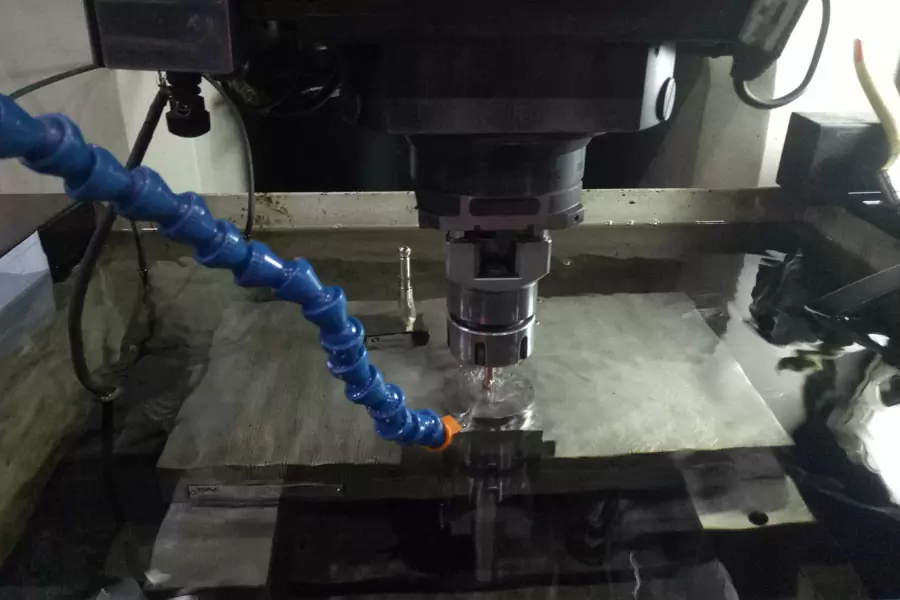
BE-CU is a specialist that can fabricate industrial parts and custom machined parts using a wide variety of manufacturing techniques. With Wire Cutting Services at be-cu.com, you can get your wire EDM parts in a much more accurate and fast way, compared to conventional machining. Our newest wire cutting machines can meet your needs of high volume while maintaining high repeatability, top quality and tight tolerance. Over the past years, we have earned a good reputation for producing custom parts with reasonable pricing and on-time delivery, and also capable of working with electrical discharge machining equipment to provide wire cut EDM parts and services for our customers. Our EDM services offer experience and excellence in all types of EDM machining, welcome to submit an inquiry online.
-

Precision Grinding Tungsten Steel Mold Parts
-

5 Axis CNC Machining Medical Olecranon Plate
-
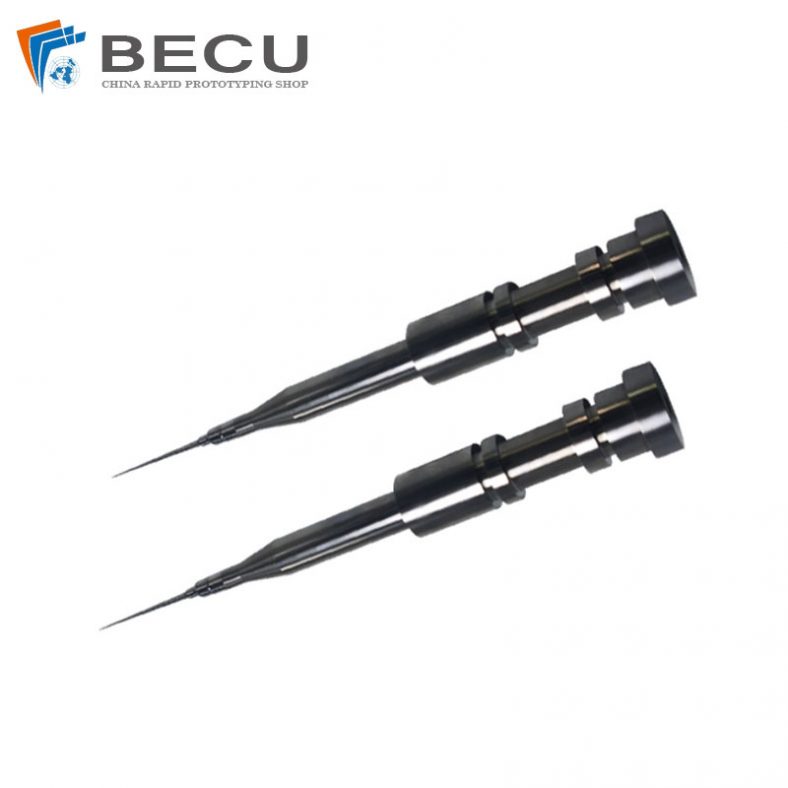
Special-Shaped Non-Standard Medical Device Needles
-
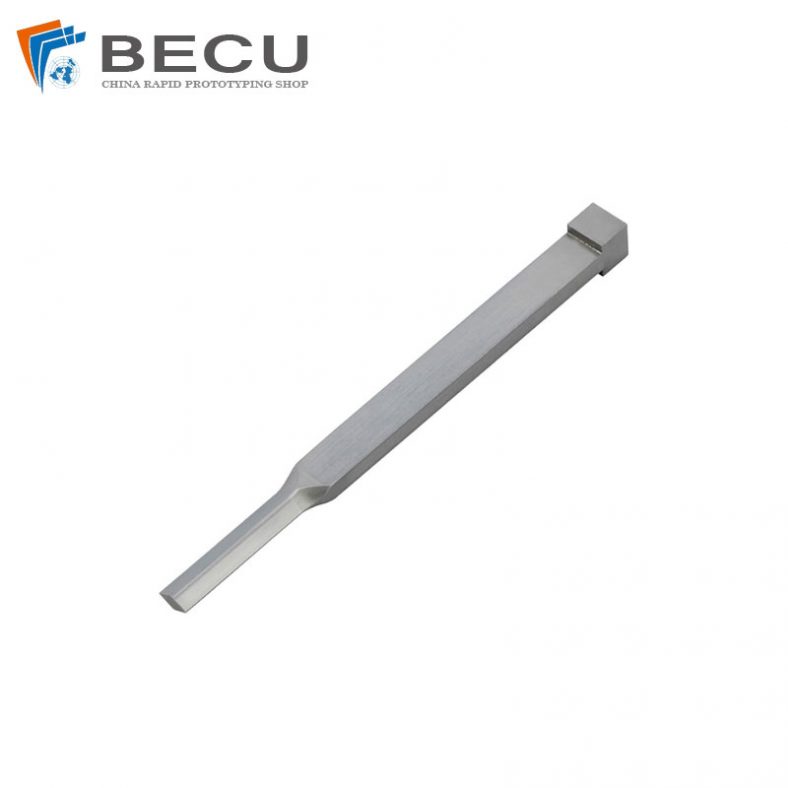
High-Speed Steel (HSS) Die Punching Needles