
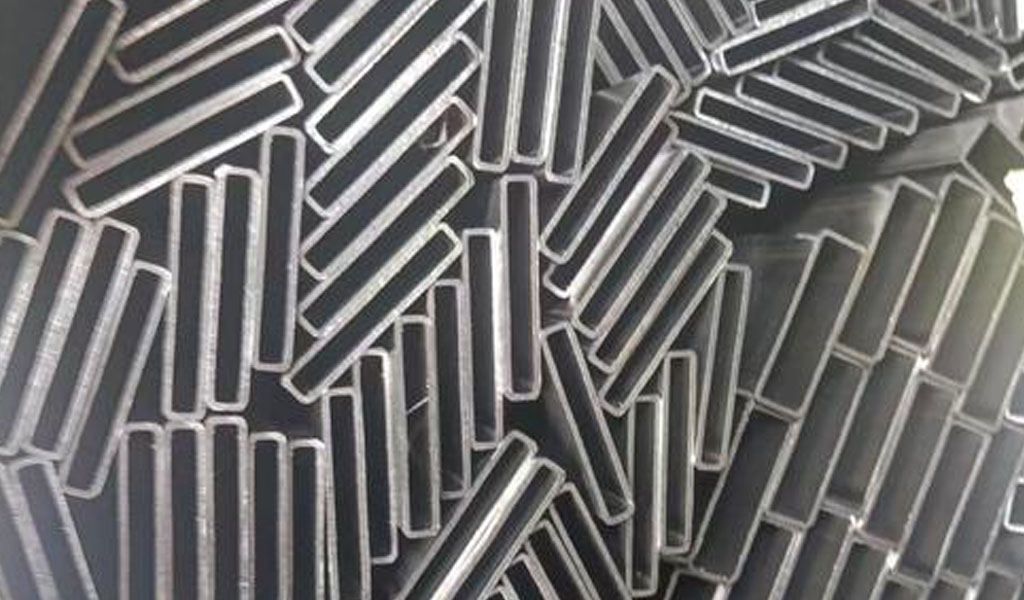
Black iron and galvanized iron are two widely used materials in construction, plumbing, manufacturing, and various industrial applications. Despite their shared origins as iron-based materials, they differ significantly in composition, physical and chemical properties, applications, cost, and performance under specific environmental conditions. Black iron, known for its untreated, dark surface, is valued for its strength and versatility in applications where corrosion resistance is not a primary concern. Galvanized iron, on the other hand, is coated with a protective zinc layer, making it highly resistant to rust and suitable for outdoor or moisture-prone environments. This article provides a comprehensive examination of black iron and galvanized iron, detailing their composition, properties, uses, cost, and differences, with an emphasis on scientific rigor and practical insights.
The comparison between these materials is critical for engineers, architects, builders, and manufacturers who must select the appropriate material for specific projects. Factors such as durability, environmental exposure, maintenance requirements, and budget constraints play a pivotal role in material selection. This article aims to elucidate these factors through a detailed analysis, supported by comparative tables and references to industry standards. By exploring the metallurgical, mechanical, and economic aspects of black iron and galvanized iron, this discussion seeks to provide a definitive resource for understanding their roles in modern applications.
1. Composition and Manufacturing
1.1 Black Iron: Composition and Production
Black iron is a term commonly used to describe mild steel or low-carbon steel that has not undergone surface treatment to enhance corrosion resistance. The term “black iron” originates from the dark, oxide-coated surface that forms during the hot-rolling process. Chemically, black iron consists primarily of iron (Fe) with small amounts of carbon (typically 0.05–0.25% by weight), manganese (0.3–1.5%), silicon (0.1–0.5%), and trace elements such as sulfur and phosphorus. The low carbon content distinguishes black iron from high-carbon steels, contributing to its ductility and malleability.
The manufacturing process for black iron involves several stages:
- Raw Material Extraction: Iron ore is mined and processed to extract iron, which is then combined with carbon and other alloying elements in a blast furnace to produce pig iron.
- Steelmaking: Pig iron is refined in a basic oxygen furnace or electric arc furnace to reduce impurities and adjust the carbon content, resulting in mild steel.
- Hot Rolling: The steel is heated to high temperatures (around 1,200°C) and passed through rollers to form pipes, sheets, or other shapes. During this process, a thin layer of iron oxide (Fe₃O₄, magnetite) forms on the surface, giving black iron its characteristic dark appearance.
- Cooling and Finishing: The material is cooled and cut to size, with minimal surface treatment to preserve the oxide layer.
The oxide layer on black iron provides limited protection against corrosion but is not as robust as coatings applied to other materials, such as galvanized iron. Black iron is typically produced in the form of pipes, fittings, sheets, and structural components, making it a staple in industries requiring affordable, strong materials.
1.2 Galvanized Iron: Composition and Production
Galvanized iron is mild steel or iron that has been coated with a layer of zinc to enhance its corrosion resistance. The base material of galvanized iron is compositionally similar to black iron, consisting of iron with low carbon content and minor alloying elements. However, the defining feature of galvanized iron is the zinc coating, which is applied through a process known as galvanization. The zinc layer typically constitutes 0.5–2% of the total weight of the material, depending on the thickness of the coating.
The galvanization process can be performed using several methods, with hot-dip galvanizing and electro-galvanizing being the most common:
- Hot-Dip Galvanizing: The steel or iron component is submerged in a bath of molten zinc at approximately 450°C. This process forms a metallurgically bonded zinc-iron alloy layer on the surface, topped by a pure zinc layer. The thickness of the coating varies (typically 50–150 micrometers) depending on the immersion time and zinc bath composition.
- Electro-Galvanizing: A thinner zinc layer is applied through an electrolytic process, where zinc ions are deposited onto the steel surface in an electrochemical cell. This method produces a smoother, more uniform coating but is less durable than hot-dip galvanizing.
- Sherardizing: A less common method where the steel is heated in the presence of zinc dust, forming a diffusion-bonded zinc coating.
The zinc coating serves as a sacrificial anode, corroding preferentially to protect the underlying iron from rust. The manufacturing process for galvanized iron includes the same steelmaking and shaping steps as black iron, followed by the galvanization stage. The final product is available in forms such as pipes, sheets, wires, and structural components, tailored for applications requiring enhanced durability in corrosive environments.
1.3 Comparative Composition
The primary compositional difference between black iron and galvanized iron lies in the presence of the zinc coating in the latter. The base steel in both materials is nearly identical, with variations in alloying elements depending on the manufacturer and intended application. The zinc coating in galvanized iron introduces additional considerations, such as coating thickness, adhesion, and uniformity, which impact the material’s performance.
Table 1: Compositional Comparison of Black Iron and Galvanized Iron
| Component | Black Iron (% by Weight) | Galvanized Iron (% by Weight) |
|---|---|---|
| Iron (Fe) | 98–99.5 | 98–99.5 (base material) |
| Carbon (C) | 0.05–0.25 | 0.05–0.25 |
| Manganese (Mn) | 0.3–1.5 | 0.3–1.5 |
| Silicon (Si) | 0.1–0.5 | 0.1–0.5 |
| Sulfur (S) | ≤0.05 | ≤0.05 |
| Phosphorus (P) | ≤0.04 | ≤0.04 |
| Zinc (Zn) | None | 0.5–2 (coating) |
| Surface Layer | Iron oxide (Fe₃O₄) | Zinc (Zn) + Zinc-Iron Alloy |
2. Physical and Chemical Properties
2.1 Physical Properties of Black Iron
Black iron exhibits the characteristic properties of mild steel, including high tensile strength, ductility, and malleability. Its physical properties make it suitable for structural and mechanical applications. Key properties include:
- Density: Approximately 7.85 g/cm³, typical of low-carbon steel.
- Tensile Strength: Ranges from 400–550 MPa, depending on the specific grade and manufacturing process.
- Yield Strength: Typically 250–350 MPa, indicating good resistance to deformation under load.
- Elongation: 20–30%, reflecting high ductility and the ability to deform without fracturing.
- Surface Appearance: Dark gray to black, due to the iron oxide layer, with a slightly rough texture.
- Thermal Conductivity: Approximately 50 W/m·K, suitable for applications requiring heat transfer.
- Electrical Conductivity: Moderate, making black iron suitable for grounding applications in electrical systems.
The iron oxide layer on black iron provides minimal corrosion resistance, and the material is prone to rust when exposed to moisture or oxygen. Its mechanical properties remain consistent across a wide range of temperatures, though prolonged exposure to high temperatures can lead to scaling and degradation of the oxide layer.
2.2 Physical Properties of Galvanized Iron
Galvanized iron shares the same base mechanical properties as black iron, as the zinc coating does not significantly alter the structural characteristics of the underlying steel. However, the zinc layer imparts distinct surface and environmental properties:
- Density: Slightly higher than black iron (7.85–7.90 g/cm³) due to the zinc coating, which has a density of 7.14 g/cm³.
- Tensile Strength: Comparable to black iron (400–550 MPa), as the zinc coating does not contribute to structural strength.
- Yield Strength: Similar to black iron (250–350 MPa).
- Elongation: Slightly reduced (18–28%) due to the potential for micro-cracks in the zinc coating during deformation.
- Surface Appearance: Shiny, silver-gray when newly galvanized, transitioning to a dull, matte finish as the zinc forms a protective patina (zinc carbonate).
- Thermal Conductivity: Slightly lower than black iron (45–50 W/m·K) due to the zinc layer’s lower conductivity.
- Electrical Conductivity: Comparable to black iron, though the zinc coating may introduce minor resistance in electrical applications.
The zinc coating significantly enhances corrosion resistance, particularly in neutral or mildly acidic environments. The coating’s thickness and quality influence its durability, with hot-dip galvanized iron offering superior protection compared to electro-galvanized iron.
2.3 Chemical Properties and Corrosion Behavior
The chemical properties of black iron and galvanized iron are primarily defined by their interaction with environmental factors such as moisture, oxygen, and chemicals.
- Black Iron: Highly susceptible to oxidation (rusting) when exposed to water and oxygen. The iron oxide layer offers limited protection, and rust (Fe₂O₃·nH₂O) forms rapidly in humid or saline conditions. Black iron is also vulnerable to acidic environments, where corrosion rates increase significantly.
- Galvanized Iron: The zinc coating acts as a sacrificial anode, corroding in place of the underlying iron. Zinc forms a stable, protective patina (zinc carbonate, Zn₅(OH)₆(CO₃)₂) when exposed to atmospheric conditions, slowing further corrosion. Galvanized iron performs well in neutral and mildly acidic environments but is less effective in highly acidic or alkaline conditions, where the zinc coating can degrade rapidly.
Table 2: Physical and Chemical Properties Comparison
| Property | Black Iron | Galvanized Iron |
|---|---|---|
| Density (g/cm³) | 7.85 | 7.85–7.90 |
| Tensile Strength (MPa) | 400–550 | 400–550 |
| Yield Strength (MPa) | 250–350 | 250–350 |
| Elongation (%) | 20–30 | 18–28 |
| Surface Appearance | Dark gray/black, rough | Shiny silver-gray, smooth (initially) |
| Thermal Conductivity (W/m·K) | 50 | 45–50 |
| Corrosion Resistance | Poor (rapid rusting in moisture) | High (zinc coating protects base metal) |
| Chemical Stability | Susceptible to acids, salts | Resistant to neutral/mildly acidic environments |
3. Applications and Uses
3.1 Applications of Black Iron
Black iron is widely used in applications where corrosion resistance is not a primary concern, and cost-effectiveness and mechanical strength are prioritized. Common uses include:
- Plumbing and Gas Lines: Black iron pipes are extensively used for natural gas and propane distribution in residential and commercial buildings. Their strength and ability to withstand high pressure make them ideal for these applications.
- Structural Components: Black iron is used in beams, columns, and other structural elements in construction, particularly in indoor or controlled environments.
- Furniture and Decor: The industrial aesthetic of black iron makes it popular for furniture frames, railings, and decorative fittings.
- Machinery and Equipment: Black iron is used in the manufacture of machine parts, tools, and equipment where exposure to moisture is limited.
- Heating Systems: Black iron pipes are used in steam and hot water heating systems due to their thermal conductivity and durability.
Black iron’s affordability and versatility make it a preferred choice in applications where environmental exposure is minimal or where protective coatings (e.g., paint) can be applied to mitigate corrosion.
3.2 Applications of Galvanized Iron
Galvanized iron is favored in applications requiring enhanced corrosion resistance, particularly in outdoor or humid environments. Its uses include:
- Water Supply Lines: Galvanized iron pipes are used for potable water distribution in residential and commercial plumbing systems, though their use has declined due to concerns about zinc leaching and internal corrosion.
- Construction and Infrastructure: Galvanized iron is used in roofing, siding, gutters, and structural components exposed to weather, such as bridges and highway guardrails.
- Agriculture: Galvanized iron is used in fencing, irrigation systems, and storage silos due to its durability in rural environments.
- Automotive and Marine: Galvanized iron components are used in vehicle undercarriages and marine structures to resist saltwater corrosion.
- Electrical and Utility: Galvanized iron is used in utility poles, conduit pipes, and grounding rods, where corrosion resistance and electrical conductivity are required.
The zinc coating extends the service life of galvanized iron in harsh conditions, making it a cost-effective choice for long-term applications.
3.3 Comparative Applications
The choice between black iron and galvanized iron depends on the specific requirements of the application, including environmental exposure, budget, and maintenance considerations. Black iron is preferred in indoor or low-corrosion environments, while galvanized iron is better suited for outdoor or high-moisture settings.
Table 3: Applications Comparison
| Application Area | Black Iron | Galvanized Iron |
|---|---|---|
| Plumbing | Gas lines, steam systems | Water supply lines |
| Construction | Indoor structural components | Roofing, siding, guardrails |
| Agriculture | Limited use (requires coating) | Fencing, irrigation systems |
| Automotive/Marine | Rare (susceptible to corrosion) | Undercarriages, marine structures |
| Electrical | Grounding rods (with coating) | Conduit pipes, utility poles |
| Aesthetic/Decorative | Furniture, railings | Limited (less aesthetic appeal) |
4. Cost Analysis
4.1 Cost of Black Iron
The cost of black iron is generally lower than that of galvanized iron due to the absence of additional processing steps. Factors influencing the cost include:
- Raw Material Costs: The price of iron ore, carbon, and alloying elements fluctuates based on global supply and demand.
- Manufacturing: Hot rolling and minimal finishing keep production costs low.
- Market Demand: Black iron’s widespread use in plumbing and construction ensures stable pricing, though regional variations exist.
- Form and Size: Pipes, sheets, and fittings vary in price based on dimensions and thickness.
As of 2025, the average cost of black iron pipes ranges from $0.50–$2.00 per linear foot, depending on diameter and wall thickness. Sheets and structural components are priced at $30–$50 per square meter, with bulk purchases often reducing costs.
4.2 Cost of Galvanized Iron
Galvanized iron is more expensive than black iron due to the additional galvanization process. Cost factors include:
- Zinc Prices: Zinc is a commodity with fluctuating prices, impacting the cost of galvanization.
- Galvanization Method: Hot-dip galvanizing is more expensive than electro-galvanizing due to higher energy and labor requirements.
- Coating Thickness: Thicker coatings increase material and processing costs.
- Market Factors: Demand for corrosion-resistant materials in construction and infrastructure drives pricing.
The average cost of galvanized iron pipes ranges from $1.00–$3.50 per linear foot, while sheets and structural components cost $40–$70 per square meter. These prices reflect the added value of corrosion resistance and extended service life.
4.3 Cost Comparison
Galvanized iron is typically 20–50% more expensive than black iron, depending on the product form and market conditions. However, the higher initial cost of galvanized iron is often offset by its longer lifespan and reduced maintenance requirements in corrosive environments.
Table 4: Cost Comparison
| Product Form | Black Iron Cost (USD) | Galvanized Iron Cost (USD) |
|---|---|---|
| Pipes (per linear foot) | $0.50–$2.00 | $1.00–$3.50 |
| Sheets (per square meter) | $30–$50 | $40–$70 |
| Fittings (per unit) | $1–$10 | $2–$15 |
| Maintenance Costs | Higher (requires coatings, frequent replacement) | Lower (longer lifespan) |
5. Differences and Decision Factors
5.1 Key Differences
The differences between black iron and galvanized iron can be summarized across several dimensions:
- Corrosion Resistance: Black iron is prone to rust, while galvanized iron’s zinc coating provides superior protection.
- Cost: Black iron is more affordable upfront, but galvanized iron offers long-term cost savings in corrosive environments.
- Applications: Black iron is suited for indoor or low-corrosion settings, while galvanized iron excels in outdoor or high-moisture environments.
- Aesthetic: Black iron has an industrial look, while galvanized iron’s shiny or matte finish is less decorative.
- Maintenance: Black iron requires protective coatings or frequent replacement, while galvanized iron is low-maintenance.
5.2 Decision Factors for Material Selection
When choosing between black iron and galvanized iron, several factors should be considered:
- Environmental Conditions: Outdoor or humid environments favor galvanized iron, while indoor or dry settings suit black iron.
- Budget: Black iron is preferable for projects with tight budgets, provided corrosion is not a concern.
- Lifespan Requirements: Galvanized iron is ideal for applications requiring long-term durability.
- Regulatory Standards: Plumbing codes may specify galvanized iron for water lines or black iron for gas lines.
- Aesthetic Needs: Black iron’s industrial appearance may be preferred for decorative applications.
5.3 Environmental and Sustainability Considerations
Both materials have environmental impacts related to mining, steel production, and processing. Galvanized iron’s zinc coating introduces additional considerations:
- Zinc Mining: Zinc extraction has environmental costs, including energy consumption and habitat disruption.
- Recyclability: Both black iron and galvanized iron are highly recyclable, though zinc separation in galvanized iron requires specialized processes.
- Lifespan and Waste: Galvanized iron’s longer lifespan reduces waste and replacement frequency, contributing to sustainability.
6. Industry Standards and Specifications
6.1 Black Iron Standards
Black iron products are manufactured to standards set by organizations such as the American Society for Testing and Materials (ASTM) and the American National Standards Institute (ANSI). Common standards include:
- ASTM A53: Specification for black and hot-dipped galvanized welded and seamless steel pipe.
- ASTM A106: Standard for seamless carbon steel pipe for high-temperature service.
- ANSI B36.10: Dimensions and weights for welded and seamless steel pipes.
These standards ensure consistency in dimensions, mechanical properties, and quality control.
6.2 Galvanized Iron Standards
Galvanized iron is subject to additional standards governing the zinc coating:
- ASTM A123: Specification for zinc (hot-dip galvanized) coatings on iron and steel products.
- ASTM A653: Standard for steel sheet, zinc-coated (galvanized) by the hot-dip process.
- ISO 1461: International standard for hot-dip galvanized coatings on fabricated iron and steel articles.
These standards specify coating thickness, adhesion, and corrosion performance.
7. Advantages and Disadvantages
7.1 Advantages of Black Iron
- Cost-effective for indoor applications.
- High strength and durability in non-corrosive environments.
- Versatile for structural, plumbing, and decorative uses.
- Easy to weld and fabricate.
7.2 Disadvantages of Black Iron
- Poor corrosion resistance, requiring protective coatings.
- Higher maintenance costs in humid or outdoor settings.
- Limited lifespan in corrosive environments.
7.3 Advantages of Galvanized Iron
- Excellent corrosion resistance, ideal for outdoor use.
- Long lifespan, reducing replacement frequency.
- Low maintenance requirements.
- Suitable for a wide range of applications, including water supply and infrastructure.
7.4 Disadvantages of Galvanized Iron
- Higher initial cost compared to black iron.
- Zinc coating may degrade in highly acidic or alkaline environments.
- Potential for zinc leaching in water supply systems.
- Less aesthetic appeal for decorative applications.
8. Conclusion
Black iron and galvanized iron are essential materials in modern industry, each offering unique advantages and challenges. Black iron’s affordability and strength make it a staple in indoor and low-corrosion applications, while galvanized iron’s superior corrosion resistance ensures its dominance in outdoor and high-moisture environments. By understanding their composition, properties, uses, costs, and differences, stakeholders can make informed decisions to optimize performance and cost-effectiveness. The choice between these materials ultimately depends on environmental conditions, budget constraints, and project requirements, with both playing critical roles in shaping the built environment.
8.1 Advances in Black Iron
Research in black iron focuses on improving its corrosion resistance without significantly increasing costs. Innovations include:
- Protective Coatings: Development of cost-effective, eco-friendly coatings to extend black iron’s lifespan.
- Alloy Modifications: Incorporation of micro-alloying elements to enhance mechanical properties and corrosion resistance.
- Recycling Technologies: Improved methods for recycling black iron to reduce environmental impact.
8.2 Advances in Galvanized Iron
Galvanized iron continues to evolve with advancements in coating technologies and sustainability:
- Nano-Coatings: Application of nanotechnology to create thinner, more durable zinc coatings.
- Alternative Coatings: Exploration of zinc-aluminum or zinc-magnesium alloys for enhanced corrosion resistance.
- Sustainable Galvanization: Development of energy-efficient galvanization processes and zinc recycling methods.
8.3 Market Trends
The global demand for both black iron and galvanized iron remains strong, driven by growth in construction, infrastructure, and renewable energy sectors. Galvanized iron is expected to see increased adoption in green building projects due to its durability and recyclability.
This comprehensive analysis, supported by detailed tables and scientific insights, underscores the importance of material selection in achieving sustainable, durable, and cost-effective outcomes. As innovations continue to enhance the performance of both black iron and galvanized iron, their relevance in industrial applications is likely to grow, ensuring their place in the materials landscape for decades to come.
The Detail Of BE-CU Sheet Metal Company
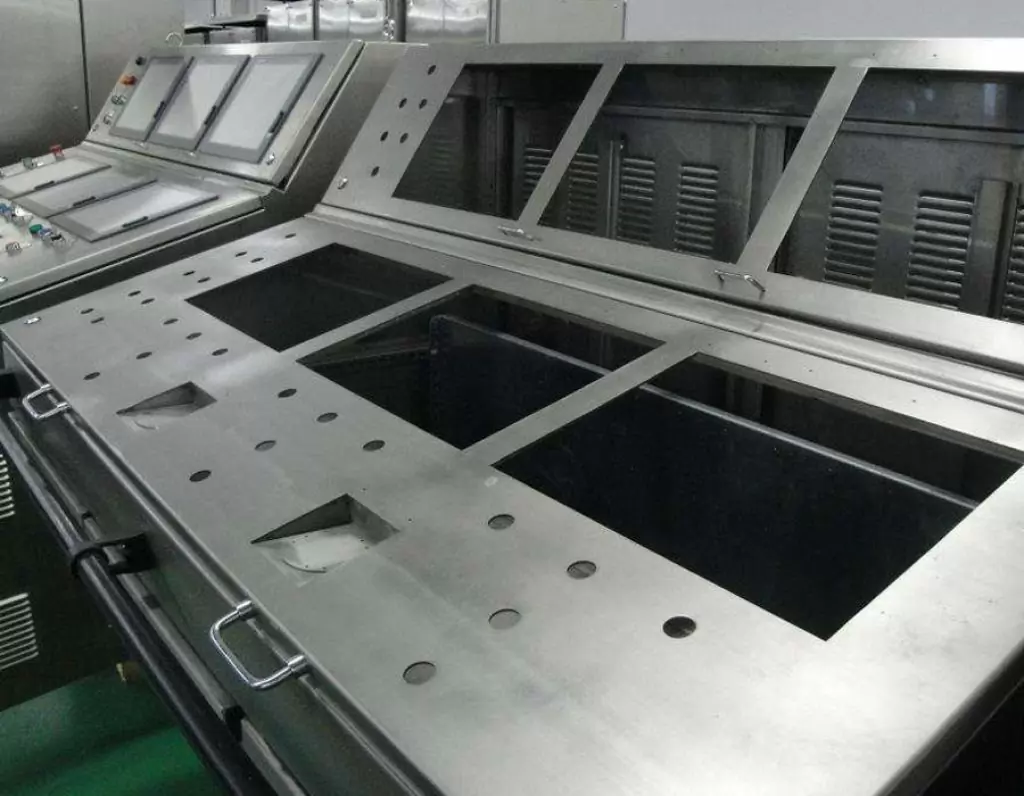
BE-CU is a professional and technical enterprise engaged in sheet metal fabrication, with over 2000 m2 sheet metal workshop and has one-stop service of industrial automation R&D, production, processing and sales.Custom manufacturer of sheet metal component assemblies made from stainless steel, aluminum and carbon steel. Offered in different specifications and features.Markets served include aerospace, lighting, medical, defense, semiconductor/electronics, capacitor, chemical processing and energy.Capable of maintaining dimensional tolerance up to +/-0.005 in. Capabilities include contract manufacturing, fabrication, machining, bending, milling, cutting, forming, drilling, fitting, assembly, notching, punching, rolling, turning, CNC press braking, flame and high definition plasma cutting, saw cutting, shearing, prototyping, high volume, short run and long run production and MIG, TIG and arc welding. Secondary services include Blanchard grinding, galvanizing and painting.
-
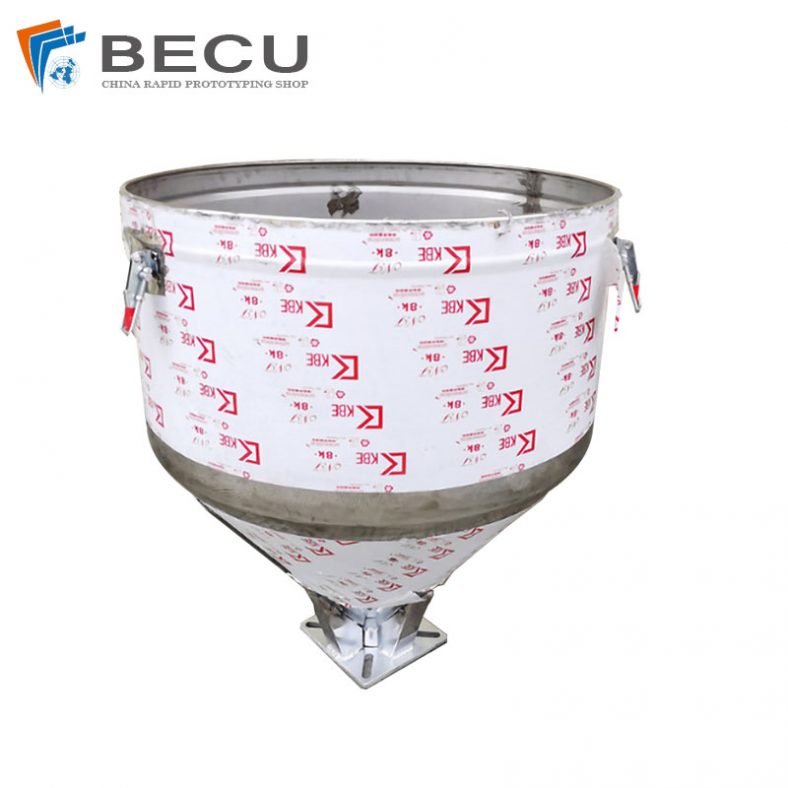
Sheet Metal Fabrication Injection Molding Machine Hopper
-
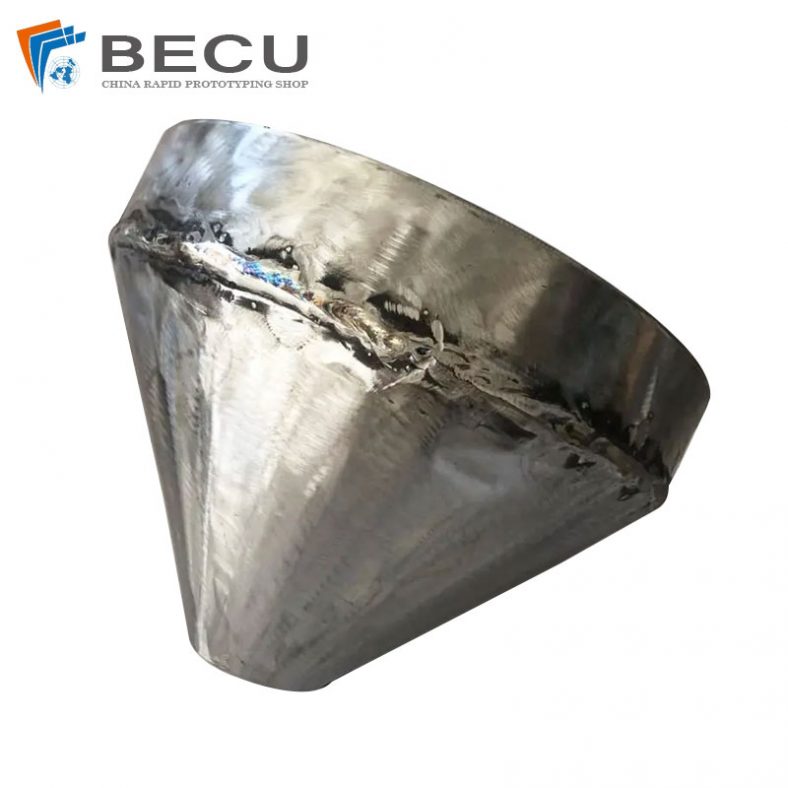
Sheet Metal Fabrication Funnel For Agricultural Machinery
-
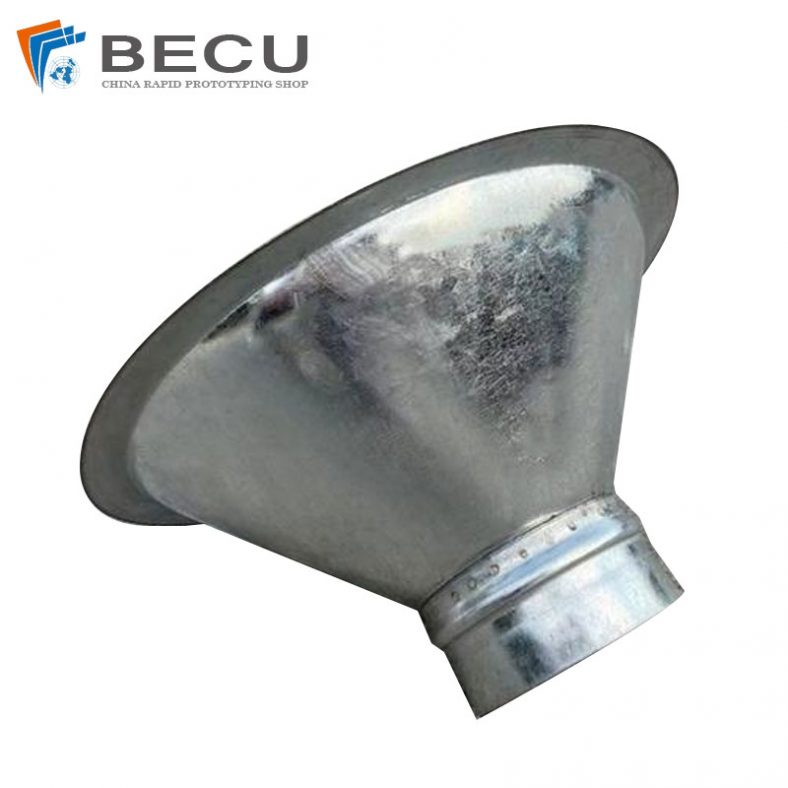
Sheet Metal Fabrication Galvanized Spiral Air Duct
-
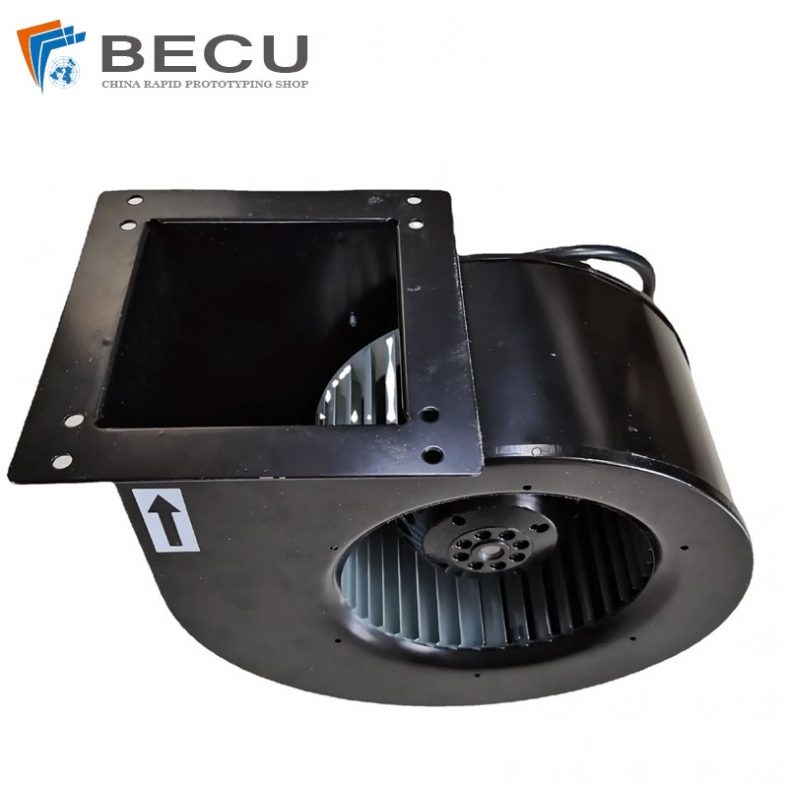
PCS Fan Ductwork Sheet Metal Housing
-
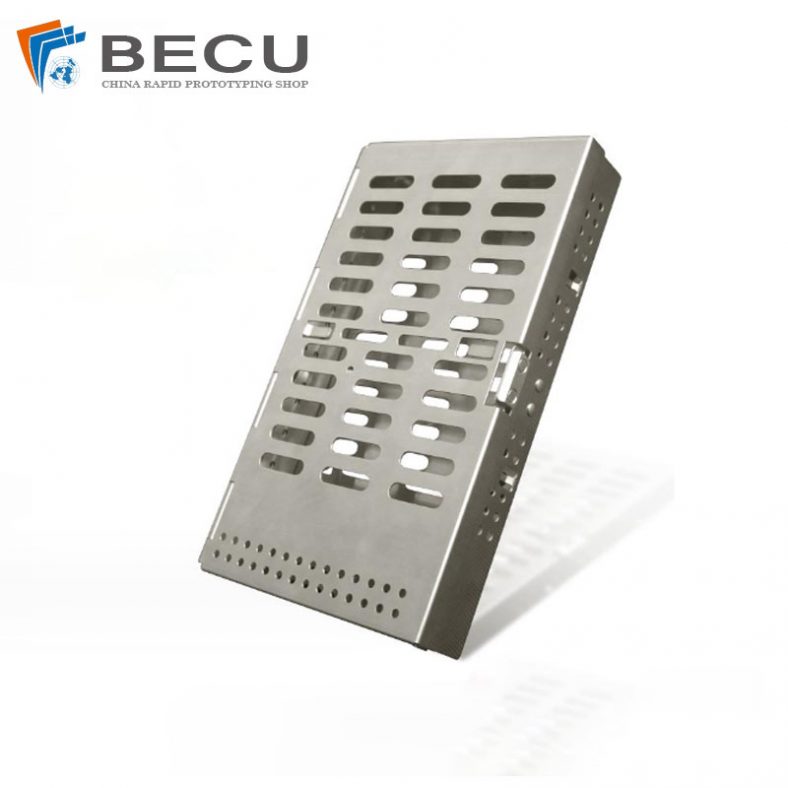
Custom Sheet Metal Surgical Instrument Sterilization Box For Beauty Salon
-
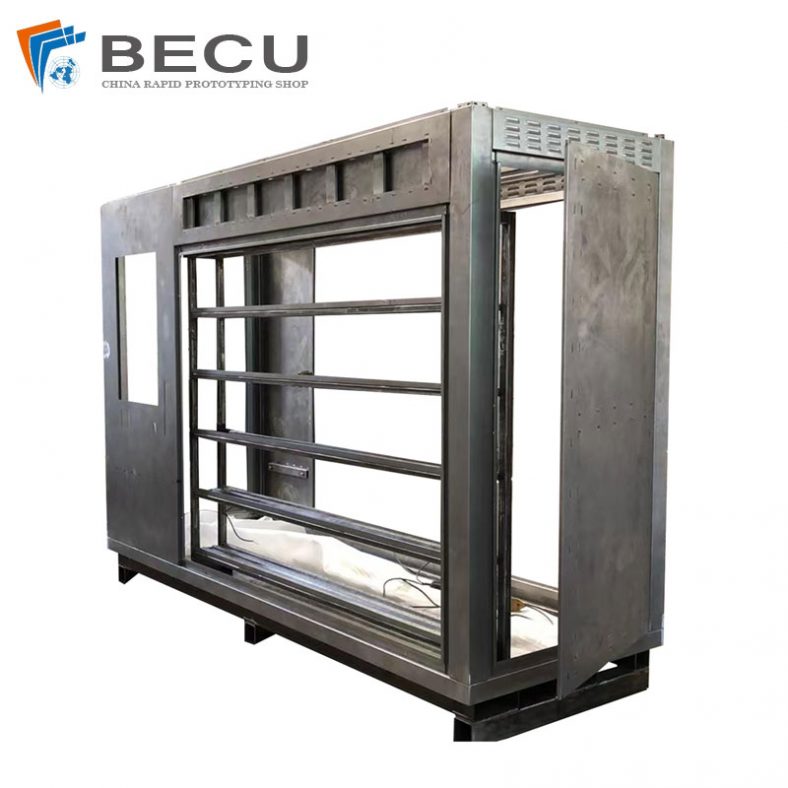
Precision Fabrication Green Energy EV Charging Station Cabinet
-
TA1TA2 Alloy Sheet Metal Manufacturing Machinery Support Parts
-
Sheet Metal Fabrication Aluminum 5052 Medical Box For Fire Fighting