
Welding is a cornerstone of modern manufacturing, construction, and industrial fabrication, enabling the joining of materials, primarily metals, through the application of heat, pressure, or both. Among the myriad welding processes, Shielded Metal Arc Welding (SMAW) and Gas Metal Arc Welding (GMAW) stand out as two of the most widely used techniques. These processes, while sharing the common goal of creating strong, durable welds, differ significantly in their mechanisms, applications, equipment, and outcomes. This article provides a comprehensive, scientific comparison of SMAW and GMAW, exploring their principles, equipment, operational characteristics, advantages, limitations, and applications. The discussion is structured to offer a detailed understanding of each process, supported by comparative tables to elucidate key differences.
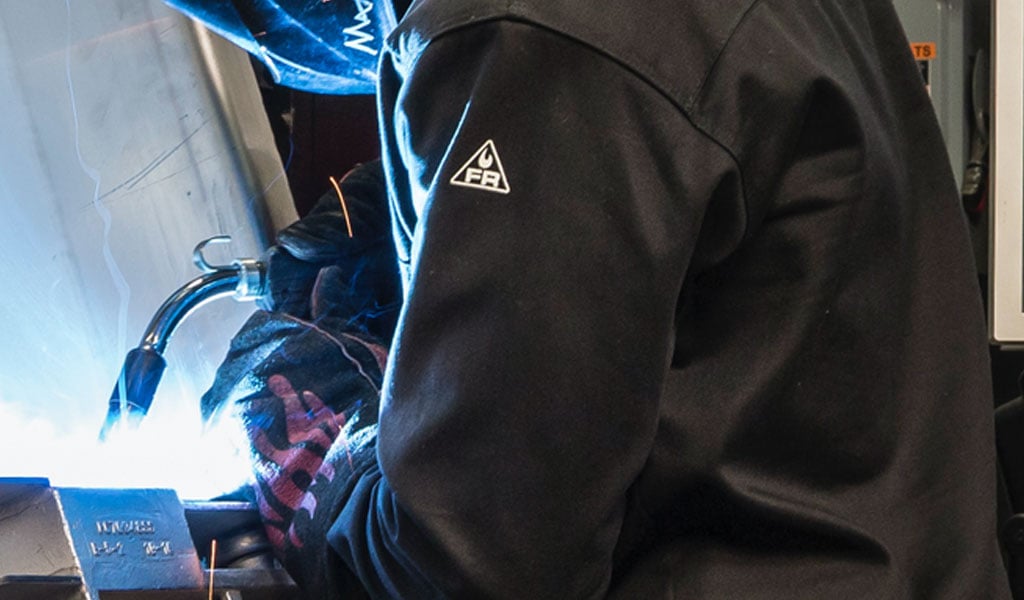
Introduction to Welding Processes
Welding is a fabrication process that joins materials, typically metals or thermoplastics, by causing fusion, which is distinct from lower-temperature techniques like brazing or soldering. Arc welding, a subset of welding, uses an electric arc to generate the heat required to melt and fuse metals. SMAW and GMAW are both arc welding processes, but they employ different methods to create and sustain the arc, protect the weld pool, and deposit filler material. Understanding their differences is critical for selecting the appropriate process for specific applications, balancing factors such as cost, weld quality, and environmental conditions.
SMAW, commonly known as stick welding, is one of the oldest and most versatile arc welding processes. It uses a consumable electrode coated in flux to create an arc and deposit metal into the weld joint. GMAW, often referred to as Metal Inert Gas (MIG) welding, employs a continuous wire electrode fed through a welding gun, with an inert or semi-inert gas shielding the weld pool. Each process has unique attributes that make it suitable for specific industries, materials, and conditions, which this article will explore in depth.
Principles of Operation
2.1 Shielded Metal Arc Welding (SMAW)
SMAW operates by establishing an electric arc between a flux-coated consumable electrode and the workpiece. The electrode, often called a “stick,” serves dual purposes: it conducts electricity to sustain the arc and provides filler metal as it melts. The flux coating decomposes under the arc’s heat, producing a shielding gas that protects the molten weld pool from atmospheric contamination (e.g., oxygen and nitrogen), which could cause defects like porosity or embrittlement. The flux also forms a slag layer on the weld bead, which protects the cooling weld and must be removed post-welding.
The SMAW process is manually controlled, with the welder manipulating the electrode’s position and arc length. The power source can be either direct current (DC) or alternating current (AC), with DC being more common due to its stable arc characteristics. The electrode’s flux coating varies depending on the material and application, with common types including cellulose, rutile, and basic (low-hydrogen) coatings, each tailored to specific welding needs.
2.2 Gas Metal Arc Welding (GMAW)
GMAW uses a continuous wire electrode fed through a welding gun, with the arc formed between the wire and the workpiece. A shielding gas, typically argon, helium, carbon dioxide, or a mixture, flows through the gun to protect the weld pool from atmospheric contamination. Unlike SMAW, GMAW does not produce slag, as the shielding gas eliminates the need for flux. This results in a cleaner process with less post-weld cleanup.
GMAW can operate in several modes, including short-circuiting, globular, spray, and pulsed-spray transfer, each defined by the method of metal transfer from the wire to the weld pool. The process is typically semi-automatic, with the wire feed rate controlled by a machine, though fully automated systems are common in industrial settings. GMAW primarily uses DC power with the electrode positive (DCEP), ensuring stable arc performance and efficient metal transfer.
Equipment and Setup
3.1 SMAW Equipment
SMAW requires relatively simple and portable equipment, making it popular for fieldwork and remote applications. The key components include:
- Power Source: A constant-current power supply, either AC or DC, typically ranging from 50 to 400 amps, depending on the electrode size and material thickness.
- Electrode Holder: A handheld device that grips the electrode and conducts current to it.
- Ground Clamp: Connects the workpiece to the power source, completing the electrical circuit.
- Electrodes: Consumable rods, typically 9 to 18 inches long, coated with flux. Common sizes range from 1/16 to 5/16 inches in diameter.
- Personal Protective Equipment (PPE): Includes welding helmets, gloves, and flame-resistant clothing to protect against arc flash and spatter.
The simplicity of SMAW equipment allows for operation in diverse environments, including outdoors, where wind or weather may affect other processes.
3.2 GMAW Equipment
GMAW equipment is more complex and typically suited for controlled environments, such as workshops or factories. The main components are:
- Power Source: A constant-voltage power supply, usually DC, delivering 100 to 400 amps, depending on the wire diameter and material.
- Wire Feeder: A device that feeds the continuous wire electrode at a controlled rate, typically 50 to 800 inches per minute.
- Welding Gun: Delivers the wire, shielding gas, and current to the weld zone. It includes a trigger to control wire feed and gas flow.
- Shielding Gas System: Consists of a gas cylinder, regulator, and hoses to deliver gases like argon, CO₂, or mixtures.
- Consumable Wire: Typically 0.023 to 0.045 inches in diameter, wound on spools or drums.
- PPE: Similar to SMAW, including helmets and protective clothing, with additional emphasis on ventilation due to gas usage.
GMAW setups are less portable due to the need for gas cylinders and wire feeders, but they offer higher productivity in controlled settings.
Process Characteristics
Both SMAW and GMAW can produce high-quality welds, but their susceptibility to imperfections varies. SMAW welds may suffer from slag inclusions, porosity, or incomplete fusion if the welder’s technique is poor or the electrode is improperly stored (e.g., absorbing moisture). The manual nature of SMAW requires significant skill to maintain arc stability and achieve consistent penetration.
GMAW, by contrast, offers more consistent weld quality due to its semi-automatic nature. However, it is sensitive to surface contamination (e.g., rust, oil) and improper gas shielding, which can lead to porosity or weak welds. The choice of metal transfer mode also affects quality: short-circuiting transfer may cause spatter, while spray transfer produces smoother, cleaner welds.
4.2 Material Compatibility
SMAW is highly versatile, capable of welding a wide range of metals, including carbon steel, stainless steel, cast iron, and some non-ferrous alloys like nickel and copper. The variety of electrode types allows tailoring to specific materials and conditions, such as low-hydrogen electrodes for high-strength steels.
GMAW is equally versatile but excels with thinner materials and non-ferrous metals like aluminum and magnesium. The availability of specialized wires (e.g., flux-cored wires for flux-cored arc welding, a GMAW variant) extends its applicability to thicker sections and outdoor use, where gas shielding may be impractical.
4.3 Environmental Considerations
SMAW’s flux coating makes it robust in outdoor conditions, as it is less affected by wind or drafts that could disrupt gas shielding. This makes it ideal for construction sites, pipelines, and shipyards. However, the process generates significant slag and fumes, requiring proper ventilation and cleanup.
GMAW’s reliance on shielding gas makes it sensitive to environmental factors like wind, limiting its use outdoors unless flux-cored wires are used. The process produces fewer fumes than SMAW but requires a controlled environment to maintain gas coverage, making it better suited for indoor or shop settings.
Advantages and Limitations
5.1 Advantages of SMAW
- Portability: Minimal equipment requirements make SMAW ideal for remote or field applications.
- Versatility: Suitable for a wide range of materials, thicknesses, and positions (e.g., flat, vertical, overhead).
- Cost-Effectiveness: Low initial investment in equipment and no need for shielding gas.
- Robustness: Performs well in adverse conditions, such as wind, rain, or dirty surfaces.
5.2 Limitations of SMAW
- Low Productivity: Frequent electrode changes and slag removal slow the process.
- Skill Dependency: Requires significant welder expertise to achieve consistent quality.
- Fume and Slag Generation: Produces more waste and requires ventilation.
- Limited Deposition Rate: Slower metal deposition compared to continuous-wire processes.
5.3 Advantages of GMAW
- High Productivity: Continuous wire feed and minimal cleanup increase welding speed.
- Ease of Use: Semi-automatic operation reduces the skill required compared to SMAW.
- Clean Welds: No slag formation simplifies post-weld processing.
- Versatility in Automation: Easily integrated into robotic or automated systems.
5.4 Limitations of GMAW
- Environmental Sensitivity: Shielding gas can be disrupted by wind, limiting outdoor use.
- Equipment Complexity: Higher setup and maintenance costs due to gas systems and wire feeders.
- Material Sensitivity: Requires clean surfaces to avoid defects.
- Portability: Bulky equipment is less practical for field applications.
6. Applications
6.1 SMAW Applications
SMAW’s ruggedness and simplicity make it a staple in industries such as:
- Construction: Used for structural steel, bridges, and buildings, where portability and versatility are critical.
- Pipeline Welding: Ideal for oil and gas pipelines due to its ability to weld in all positions and outdoors.
- Shipbuilding: Employed for hull repairs and assembly in shipyards.
- Maintenance and Repair: Common in field repairs of heavy machinery, agricultural equipment, and infrastructure.
6.2 GMAW Applications
GMAW’s speed and automation potential make it prevalent in:
- Automotive Manufacturing: Used for body panels, frames, and exhaust systems due to its speed and clean welds.
- Aerospace: Applied to aluminum and titanium components requiring high precision.
- Fabrication Shops: Ideal for mass production of steel structures, furniture, and appliances.
- Robotic Welding: Widely used in automated assembly lines for consistent, high-volume production.
Comparative Analysis
To facilitate a clear understanding of SMAW and GMAW, the following tables summarize their key differences across various parameters.
| Parameter | SMAW | GMAW |
|---|---|---|
| Process Type | Manual, consumable electrode with flux coating | Semi-automatic or automatic, continuous wire with external gas shielding |
| Electrode | Stick electrode (consumable, flux-coated) | Continuous wire (consumable, no flux) |
| Shielding Method | Flux decomposes to produce gas and slag | External gas (argon, CO₂, or mixtures) |
| Power Source | Constant-current (AC or DC) | Constant-voltage (DC, typically DCEP) |
| Metal Transfer Modes | None (manual droplet transfer) | Short-circuiting, globular, spray, pulsed-spray |
| Deposition Rate | Low to moderate (2–10 lbs/hr) | High (5–20 lbs/hr) |
| Weld Imperfections | Slag inclusions, porosity, incomplete fusion | Porosity, spatter, lack of fusion |
| Skill Level Required | High (manual control of arc and electrode) | Moderate (semi-automatic wire feed) |
| Parameter | SMAW | GMAW |
|---|---|---|
| Material Compatibility | Carbon steel, stainless steel, cast iron, some non-ferrous alloys | Carbon steel, stainless steel, aluminum, magnesium, copper alloys |
| Thickness Range | 1/8 inch and above (best for thicker materials) | 0.020 inch and above (excels with thinner materials) |
| Welding Positions | All positions (flat, horizontal, vertical, overhead) | All positions, but best in flat and horizontal |
| Typical Applications | Construction, pipelines, shipbuilding, repair | Automotive, aerospace, fabrication, robotic welding |
| Environmental Suitability | Excellent for outdoor use (wind, rain) | Best for indoor use (sensitive to wind) |
| Parameter | SMAW | GMAW |
|---|---|---|
| Equipment Cost | Low (basic power source, electrode holder) | High (power source, wire feeder, gas system) |
| Consumable Cost | Moderate (electrodes) | Higher (wire, shielding gas) |
| Setup Time | Quick (minimal components) | Longer (gas system, wire feeder setup) |
| Portability | High (portable, no gas required) | Low (requires gas cylinders, wire feeder) |
| Post-Weld Cleanup | Extensive (slag removal, chipping) | Minimal (no slag, occasional spatter cleanup) |
| Productivity | Low (frequent electrode changes) | High (continuous wire feed) |
Weld imperfections, such as porosity, inclusions, and lack of fusion, are critical considerations in evaluating SMAW and GMAW. In SMAW, slag inclusions occur when flux residues are trapped in the weld, often due to improper cleaning between passes. Porosity can result from moisture in the electrode coating, particularly with low-hydrogen electrodes, necessitating proper storage. Lack of fusion may occur if the welder fails to maintain an appropriate arc length or travel speed.
GMAW is prone to porosity if the shielding gas is disrupted or the workpiece is contaminated. Spatter, especially in short-circuiting mode, can mar the weld’s appearance and require cleanup. Lack of fusion is a risk in high-speed welding or with improper parameter settings (e.g., voltage, wire feed speed). Both processes benefit from proper technique and parameter optimization, but GMAW’s automation reduces variability compared to SMAW’s manual nature.
Technological Advancements
The economic implications of choosing SMAW or GMAW depend on the application scale, labor costs, and production requirements. SMAW’s low equipment cost (typically $500–$2,000 for a basic setup) makes it attractive for small-scale or field operations. Electrodes are relatively inexpensive ($1–$3 per pound), but frequent replacement and slag removal reduce overall efficiency.
GMAW requires a higher initial investment ($2,000–$10,000 for industrial setups), plus ongoing costs for wire ($2–$5 per pound) and shielding gas ($50–$200 per cylinder). However, its high deposition rate and minimal cleanup make it cost-effective for high-volume production. For example, GMAW can achieve deposition rates of 5–20 pounds per hour, compared to SMAW’s 2–10 pounds per hour, significantly reducing labor time in large-scale projects.
Both processes pose safety risks, including arc flash, burns, and fume inhalation. SMAW generates more fumes due to flux decomposition, requiring robust ventilation, especially in confined spaces. GMAW’s shielding gases, while reducing fumes, introduce risks of gas leaks or asphyxiation in poorly ventilated areas. Both require PPE, including helmets with appropriate shading, gloves, and flame-resistant clothing. GMAW’s higher productivity can lead to prolonged exposure to arc radiation, necessitating strict adherence to safety protocols.
Recent advancements have enhanced both SMAW and GMAW. For SMAW, improved electrode coatings (e.g., low-hydrogen formulations) reduce hydrogen-induced cracking in high-strength steels. Advanced power sources with inverter technology provide better arc stability and portability. For GMAW, developments in pulsed-spray transfer and synergic control systems allow precise parameter adjustments, improving weld quality and reducing spatter. Hybrid processes, such as flux-cored arc welding (FCAW), combine GMAW’s continuous wire feed with flux shielding, bridging the gap between SMAW and GMAW for outdoor applications.
Case Studies
12.1 SMAW in Pipeline Construction
In pipeline welding, SMAW is often preferred due to its ability to operate in remote locations and all positions. For instance, during the construction of a natural gas pipeline, welders use low-hydrogen electrodes (e.g., E7018) to join thick-walled steel pipes. The process’s portability allows welding in trenches or rugged terrain, with the flux shielding the weld from wind. However, the need for frequent electrode changes and slag removal can slow progress, requiring skilled welders to maintain efficiency.
12.2 GMAW in Automotive Manufacturing
In automotive assembly lines, GMAW is used to weld thin steel or aluminum body panels. The process’s high speed and automation compatibility enable rapid production, with robotic GMAW systems achieving cycle times of seconds per weld. For example, a car manufacturer may use spray-transfer GMAW with argon-CO₂ shielding to join 1-mm-thick steel sheets, producing clean, aesthetically pleasing welds with minimal post-processing.
Conclusion
The future of SMAW and GMAW lies in automation, sustainability, and material advancements. SMAW is seeing increased use of eco-friendly electrodes with reduced fume emissions, while GMAW benefits from developments in shielding gas mixtures that minimize environmental impact. Automation, particularly in GMAW, is expanding with advancements in artificial intelligence and machine vision, enabling real-time weld monitoring and defect detection. Both processes are likely to coexist, with SMAW retaining its niche in fieldwork and GMAW dominating high-volume manufacturing.
SMAW and GMAW are cornerstone welding processes, each with distinct strengths and limitations. SMAW’s simplicity, portability, and robustness make it indispensable for fieldwork and versatile applications, despite its lower productivity and higher skill requirements. GMAW’s speed, automation potential, and clean welds position it as the process of choice for industrial and high-volume settings, though it is less suited to outdoor or uncontrolled environments. By understanding their operational principles, equipment, and applications, welders and engineers can select the optimal process for specific needs, balancing quality, cost, and efficiency.
The choice between SMAW and GMAW ultimately depends on the project’s requirements, including material type, environmental conditions, and production scale. As welding technology advances, both processes will continue to evolve, offering improved performance and sustainability for diverse industrial applications.
The Detail Of BE-CU Sheet Metal Company
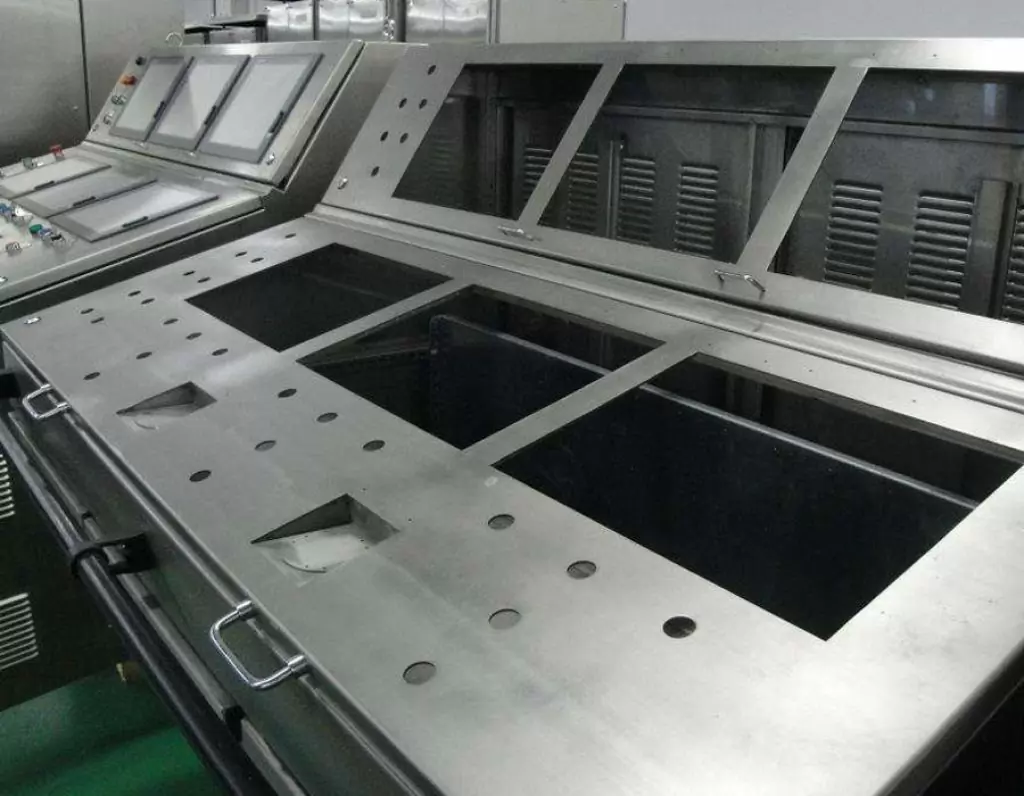
BE-CU is a professional and technical enterprise engaged in sheet metal fabrication, with over 2000 m2 sheet metal workshop and has one-stop service of industrial automation R&D, production, processing and sales.Custom manufacturer of sheet metal component assemblies made from stainless steel, aluminum and carbon steel. Offered in different specifications and features.Markets served include aerospace, lighting, medical, defense, semiconductor/electronics, capacitor, chemical processing and energy.Capable of maintaining dimensional tolerance up to +/-0.005 in. Capabilities include contract manufacturing, fabrication, machining, bending, milling, cutting, forming, drilling, fitting, assembly, notching, punching, rolling, turning, CNC press braking, flame and high definition plasma cutting, saw cutting, shearing, prototyping, high volume, short run and long run production and MIG, TIG and arc welding. Secondary services include Blanchard grinding, galvanizing and painting.
-
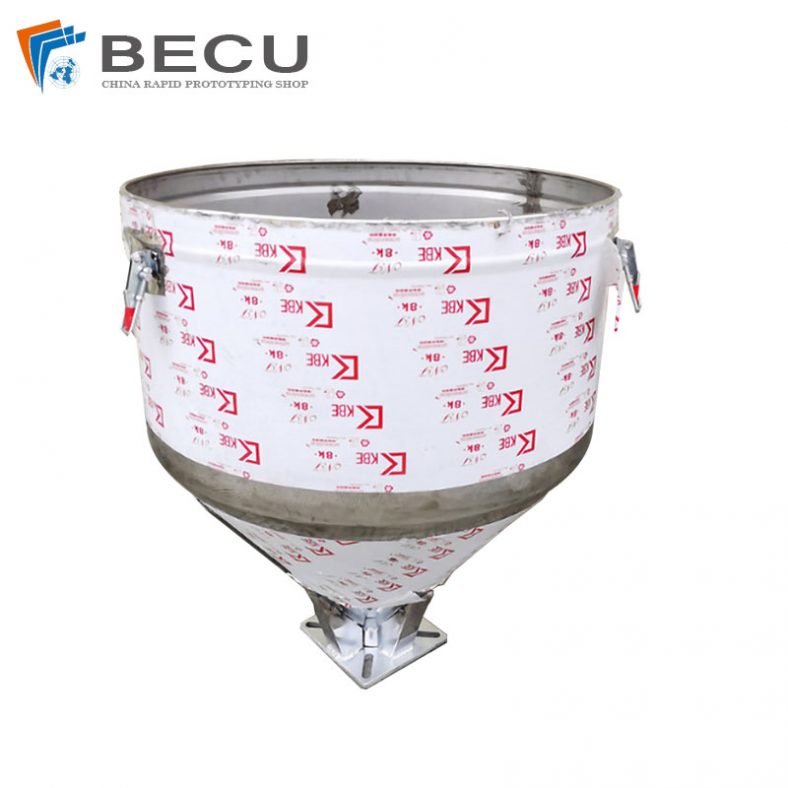
Sheet Metal Fabrication Injection Molding Machine Hopper
-
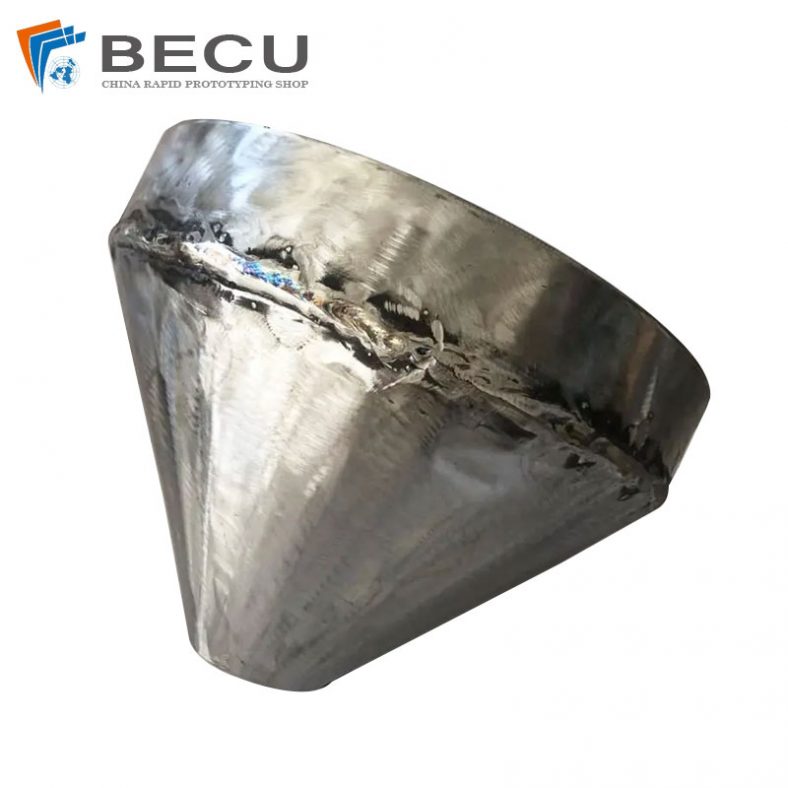
Sheet Metal Fabrication Funnel For Agricultural Machinery
-
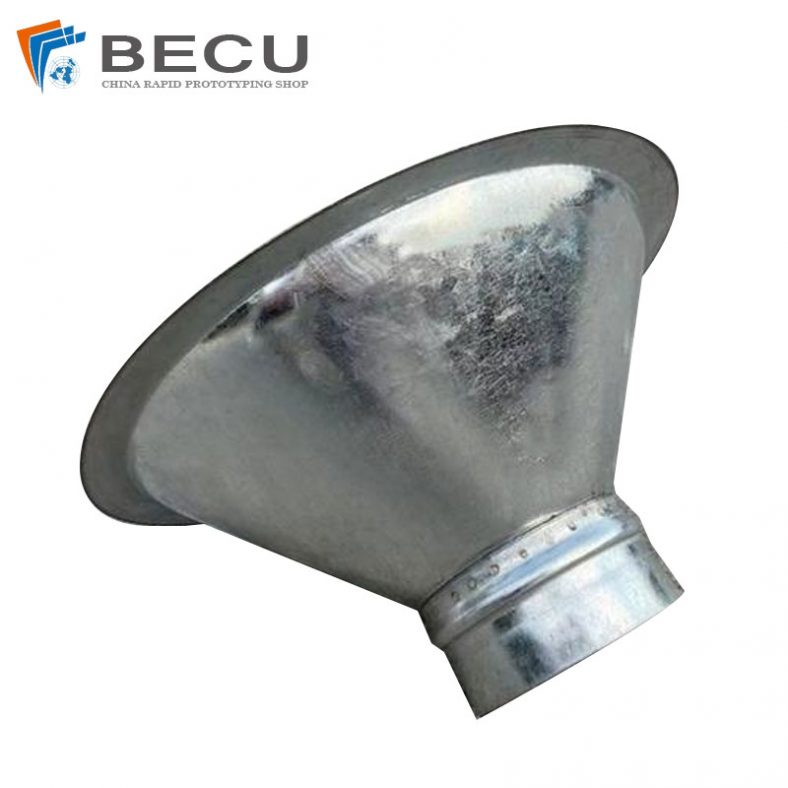
Sheet Metal Fabrication Galvanized Spiral Air Duct
-
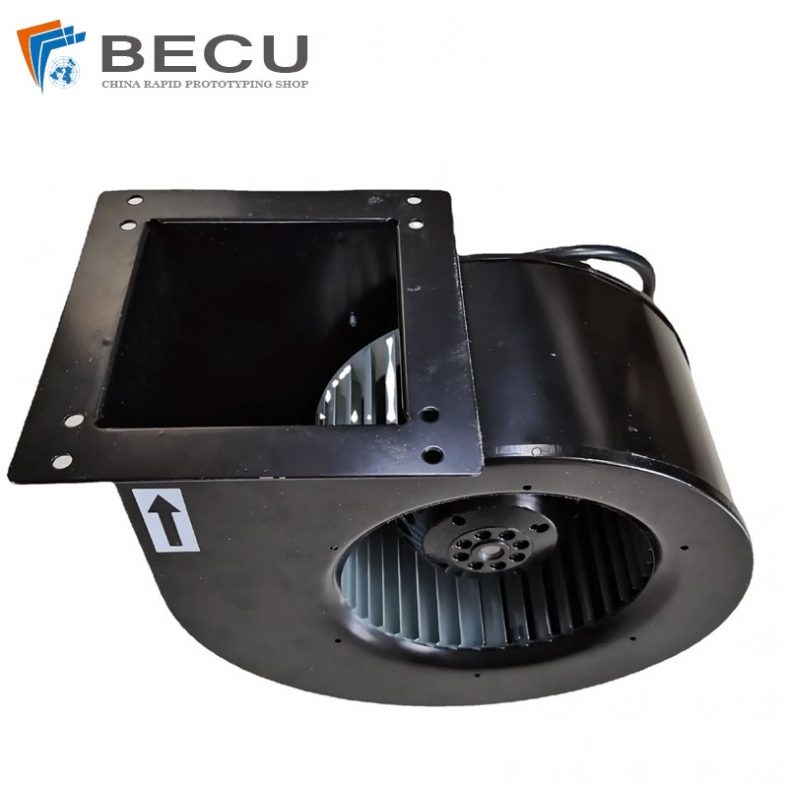
PCS Fan Ductwork Sheet Metal Housing
-
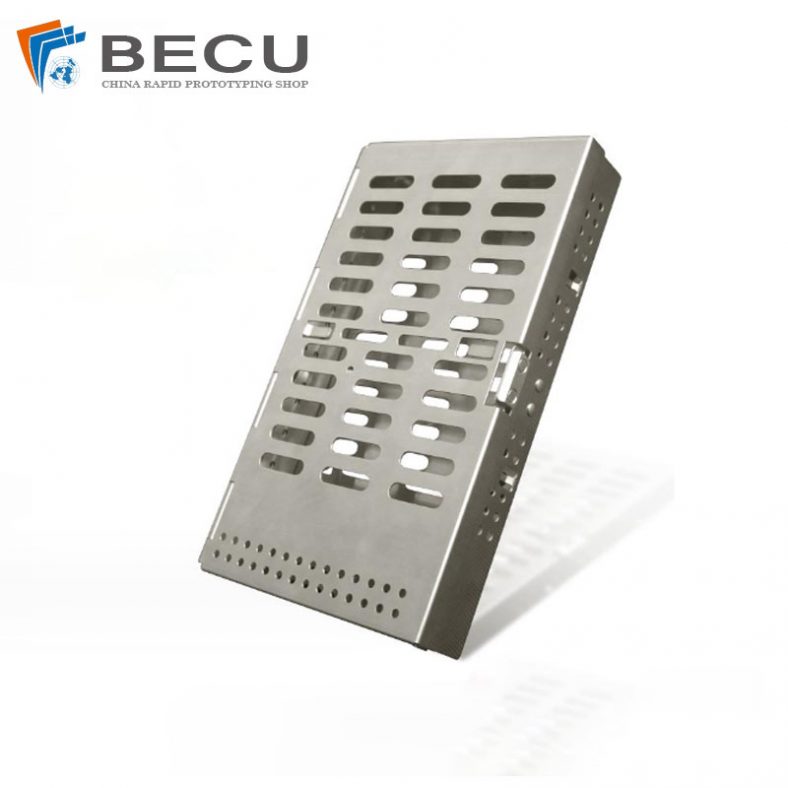
Custom Sheet Metal Surgical Instrument Sterilization Box For Beauty Salon
-
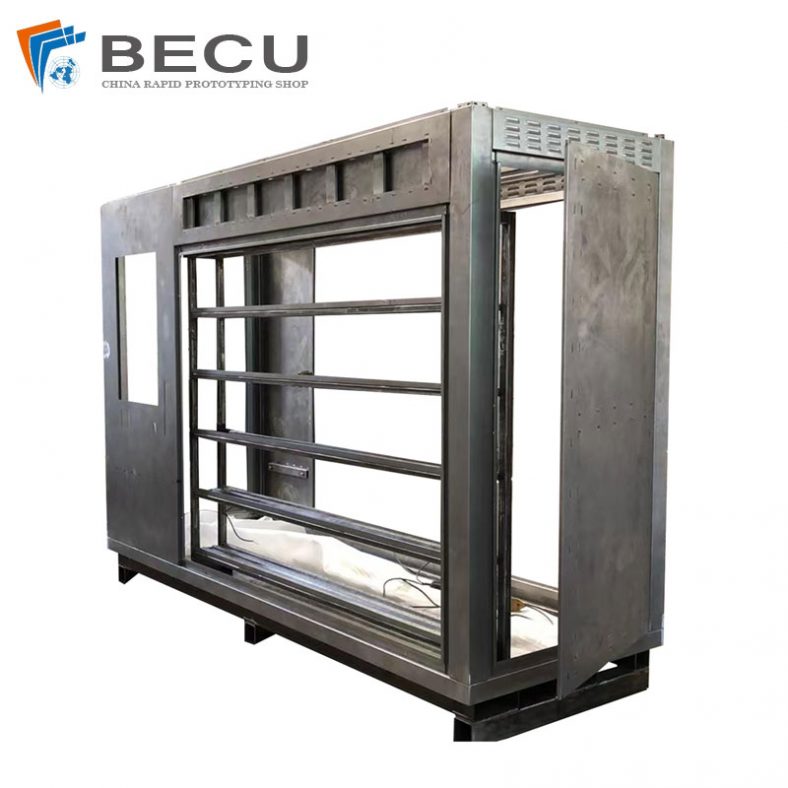
Precision Fabrication Green Energy EV Charging Station Cabinet
-
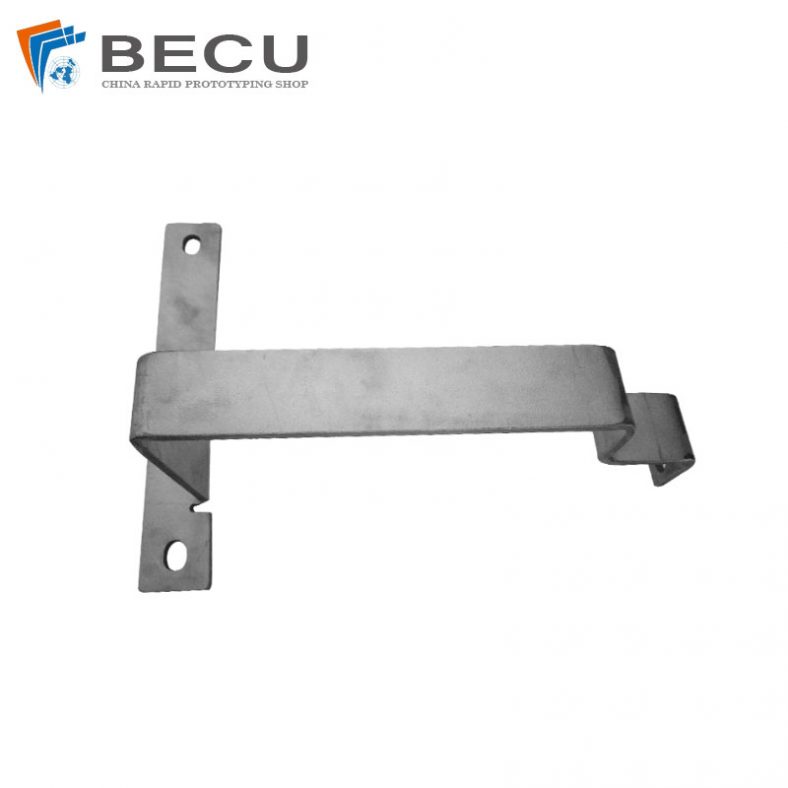
TA1TA2 Alloy Sheet Metal Manufacturing Machinery Support Parts
-
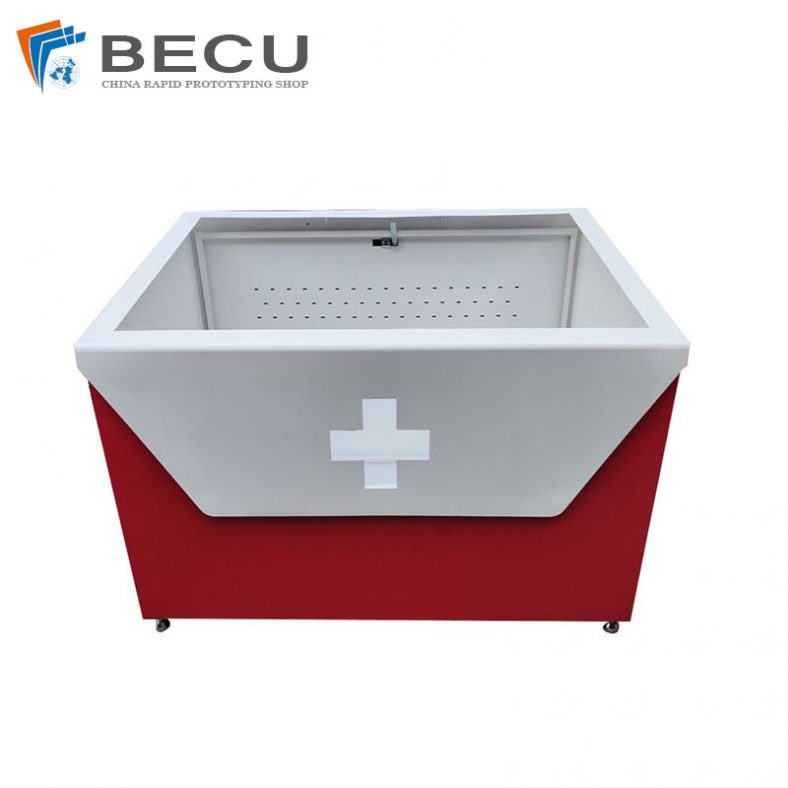
Sheet Metal Fabrication Aluminum 5052 Medical Box For Fire Fighting