
Nesting files for sheet cutting is a critical process in modern manufacturing, particularly in industries such as sheet metal fabrication, woodworking, glass cutting, and textile production. The term “nesting” refers to the strategic arrangement of multiple parts or components on a single sheet of material to optimize material usage, minimize waste, and enhance production efficiency. This process is essential for reducing costs, improving sustainability, and streamlining manufacturing workflows. By leveraging advanced software, precise algorithms, and best practices, manufacturers can achieve significant savings in both material and time, while ensuring high-quality output. This article provides a comprehensive exploration of nesting files for sheet cutting, covering its principles, techniques, tools, applications, challenges, and future trends.
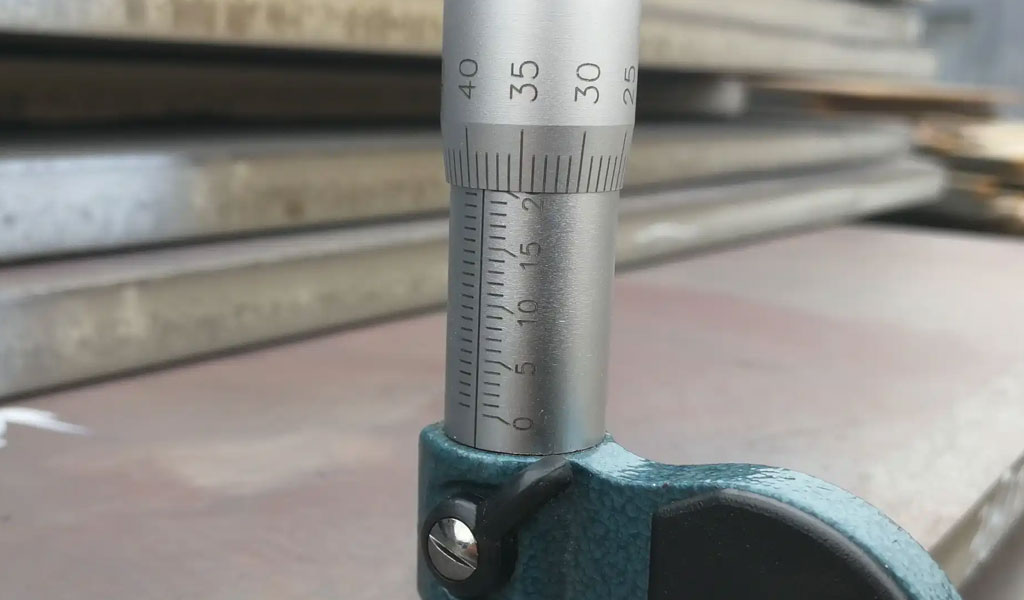
Introduction to Nesting in Sheet Cutting
In the manufacturing industry, nesting is defined as the process of laying out cutting patterns on a flat sheet of raw material, such as sheet metal, glass, wood, or fabric, to minimize waste and maximize the number of parts produced. The primary goal of nesting is to optimize material utilization while adhering to the constraints of the cutting process, such as machine capabilities, material properties, and part geometry. Nesting is particularly vital in industries where material costs constitute a significant portion of production expenses, such as sheet metal fabrication, where raw material can account for up to 70% of total production costs.
The nesting process involves analyzing the shapes and sizes of parts to be cut and arranging them on a sheet in a way that minimizes gaps and unused areas. This can be done manually, but modern manufacturing relies heavily on automated nesting software that uses sophisticated algorithms to generate optimized layouts. These tools consider factors such as part rotation, kerf width (the material removed during cutting), and machine-specific constraints to produce efficient cutting patterns. The output of the nesting process is typically a file, often in DXF (Drawing Exchange Format) or similar format, which can be directly uploaded to computer numerical control (CNC) machines for cutting.
Nesting is not only about material savings but also about improving operational efficiency. By reducing the number of sheets required, minimizing cutting time, and optimizing tool paths, nesting contributes to faster production cycles and lower energy consumption. Additionally, nesting supports sustainability by reducing scrap waste, which is critical in industries aiming to meet environmental regulations and reduce their carbon footprint.
Historical Context of Nesting in Manufacturing
The concept of nesting predates modern computing and automation, with early examples found in traditional craftsmanship. In the pre-industrial era, artisans manually arranged patterns on materials like leather or fabric to minimize waste, relying on experience and trial-and-error. With the advent of industrialization in the 19th century, the need for efficient material usage became more pronounced, particularly in metalworking and textile industries.
The introduction of CNC machines in the mid-20th century marked a significant turning point for nesting. Early CNC systems required manual programming, and nesting was often performed by skilled operators who arranged parts on a sheet using physical templates or drawings. The process was labor-intensive and prone to errors, leading to suboptimal material utilization.
The development of computer-aided design (CAD) and computer-aided manufacturing (CAM) systems in the 1970s and 1980s revolutionized nesting. Early nesting software, such as those used in the 1990s, allowed programmers to import part geometries and generate layouts digitally. These systems, while primitive compared to modern standards, significantly improved efficiency over manual methods. By the 2000s, advancements in computational power and algorithms led to the emergence of sophisticated nesting software capable of handling complex geometries, multiple material types, and machine-specific constraints.
Today, nesting software integrates seamlessly with CAD/CAM systems, enterprise resource planning (ERP) software, and CNC machines, enabling fully automated workflows. The evolution of nesting reflects broader trends in manufacturing, including the shift toward automation, data-driven decision-making, and sustainable practices.
Principles of Nesting for Sheet Cutting
Nesting is a combinatorial optimization problem that seeks to arrange multiple parts on a single sheet of material to achieve specific objectives, including:
- Maximizing Material Utilization: Arranging parts to minimize unused areas and reduce scrap waste.
- Minimizing Cutting Time: Optimizing tool paths to reduce machine runtime and energy consumption.
- Ensuring Part Quality: Maintaining appropriate spacing between parts to account for kerf and prevent defects like warping or melting.
- Simplifying Post-Processing: Using techniques like breakaway tabs to keep parts attached to the sheet for easier handling.
The nesting process involves balancing these objectives while adhering to constraints such as material dimensions, machine capabilities, and part geometry. The complexity of nesting increases with the number of parts, the irregularity of their shapes, and the variability of material properties.
Key Components of Nesting
Nesting involves several key components, each of which plays a critical role in achieving an optimized layout:
- Part Geometry: The shapes and sizes of the parts to be cut, which can range from simple rectangles to complex freeform shapes with holes or intricate features.
- Material Sheet: The raw material, typically a flat sheet or roll, with defined dimensions and properties (e.g., thickness, grain direction).
- Kerf Width: The width of material removed during cutting, which varies depending on the cutting technology (e.g., laser, waterjet, plasma).
- Nesting Algorithm: The computational method used to arrange parts, which may involve heuristic, metaheuristic, or deterministic approaches.
- Tool Path Optimization: The sequence and direction of cuts to minimize machine travel time and ensure smooth operation.
- Constraints: Machine-specific limitations, such as clamping areas, cutting head access, and material handling requirements.
Types of Nesting
Nesting can be categorized based on the dimensionality of the parts and the material:
- 1D Nesting: Used for linear parts, such as bars, pipes, or wires, where the goal is to optimize the length of material used.
- 2D Nesting: Applied to flat parts cut from sheets or rolls, such as sheet metal or fabric. This is the most common form of nesting in sheet cutting.
- 2.5D Nesting: Involves parts with some depth, such as those requiring routing or pocketing, but still cut from flat material.
- 3D Nesting: Used in additive manufacturing or packing applications, where parts have varying cross-sections and require spatial arrangement.
For sheet cutting, 2D nesting is the primary focus, with variations including rectangular nesting, true shape nesting, and common-line nesting, each suited to different part geometries and production requirements.
Nesting Techniques
Rectangular nesting involves arranging parts as if they are enclosed within rectangular bounding boxes. This method is simple and effective for parts with straight-edged geometries, such as brackets or panels. By aligning parts in a grid-like pattern, rectangular nesting minimizes gaps and simplifies tool path planning. Research indicates that rectangular nesting can achieve material savings of up to 20% for parts with regular shapes.
However, rectangular nesting is less efficient for irregular or curved parts, as it does not account for their true geometry. This can lead to significant material waste, especially in industries like aerospace, where complex shapes are common.
True Shape Nesting
True shape nesting, also known as profile nesting, arranges parts based on their actual geometry rather than rectangular approximations. This technique is ideal for complex or curved designs, as it allows parts to interlock tightly, reducing gaps and improving material utilization. True shape nesting can achieve 10-15% better material yield compared to rectangular nesting, making it a preferred choice for high-precision industries.
The complexity of true shape nesting requires advanced algorithms capable of handling irregular shapes, rotations, and overlaps. Modern nesting software uses techniques like polygon clipping and simulated annealing to optimize layouts.
Common-Line Nesting
Common-line nesting, or shared-edge nesting, involves arranging parts so that adjacent components share a common edge, allowing a single cut to separate them. This technique reduces cutting time and energy consumption, as it eliminates the need for separate cuts between parts. Industries using high-speed laser cutters can achieve up to 30% reduction in cutting time with common-line nesting.
Common-line nesting is particularly effective for rectangular or symmetrical parts but requires careful planning to ensure part stability during cutting, as shared edges can weaken the sheet structure.
Fly Cutting
Fly cutting, also known as grid cutting, is a laser-specific technique that optimizes the cutting of arrays of holes or small features. Instead of cutting each hole individually, fly cutting moves the laser in a continuous “snake” pattern across the array, reducing tool travel time. This can significantly improve efficiency, especially for parts with repetitive features.
Bump Nesting
Bump nesting is a manual or semi-automated technique where operators adjust part placements after an initial automated layout. This method is useful for filling unused areas on a sheet or accommodating last-minute changes. While less efficient than fully automated nesting, bump nesting provides flexibility for small-batch production or complex designs.
Nesting Software and Tools
Overview of Nesting Software
Nesting software is the backbone of modern sheet cutting operations, automating the calculation of optimal part layouts and generating machine-readable files. These tools integrate with CAD/CAM systems, ERP software, and CNC machines to streamline the workflow from design to production. Key features of nesting software include:
- Automated Layout Generation: Uses algorithms to arrange parts efficiently, considering rotations, spacing, and material constraints.
- Tool Path Optimization: Generates cutting paths to minimize machine runtime and reduce wear on tools.
- Material Database Integration: Accounts for material properties, such as thickness, grain direction, and defects.
- Reporting and Quoting: Provides detailed reports on material usage, cutting time, and cost estimates.
- Compatibility with CAD/CAM: Supports file formats like DXF, IGES, and STEP for seamless integration.
Popular nesting software includes SigmaNEST, Autodesk Fusion 360 Nesting & Fabrication Extension, Nest&Cut, and JETCAM, each offering unique features tailored to specific industries and machine types.
Comparison of Nesting Software
The following table compares key features of popular nesting software packages based on their functionality, compatibility, and pricing model:
| Software | Key Features | Supported File Formats | Machine Compatibility | Pricing Model | User Interface |
|---|---|---|---|---|---|
| SigmaNEST | Advanced algorithms, true shape nesting, common-line cutting, ERP integration | DXF, IGES, STEP, DWG | Laser, waterjet, plasma, punch, router | Subscription, perpetual license | Advanced, customizable |
| Autodesk Fusion 360 | Integrated CAD/CAM, automated nesting, multi-sheet support, printable reports | DXF, STEP, IGES | Laser, waterjet, plasma, router | Subscription | User-friendly, cloud-based |
| Nest&Cut | AI-based nesting, web-based, no installation required, supports multiple materials | DXF, PDF, NC | Laser, waterjet, knife, plasma | Subscription, free trial | Simple, web-based |
| JETCAM | Fly cutting, bump nesting, mosaic nesting, high-speed algorithms | DXF, DWG, IGES | Laser, punch, router, knife | Perpetual license, subscription | Advanced, technical |
Table 1: Comparison of Nesting Software Features
Integration with CAD/CAM Systems
Nesting software integrates seamlessly with popular CAD systems like AutoCAD, SolidWorks, and CATIA, allowing manufacturers to import part designs directly. This integration reduces errors and streamlines the transition from design to production. For example, Autodesk Fusion 360 supports the import of 3D STEP files, which can be unfolded into 2D flat patterns for nesting.
CAM integration ensures that nested files are compatible with CNC machines, generating numerical control (NC) code tailored to specific machine requirements. This eliminates the need for manual reprogramming and reduces setup times.
Best Practices for Nesting Files
To achieve optimal nesting results, manufacturers must consider several design best practices:
- Use Lines and Arcs Instead of Splines: Splines can lead to geometric inaccuracies when converted to lines or arcs during export. Exporting designs as polylines ensures compatibility with nesting software and CNC machines.
- Account for Kerf Width: Include appropriate spacing (3-5x the kerf width) between parts to prevent defects like poor edge quality or warping. For example, laser cutting typically requires a kerf of 0.1-0.5 mm, while plasma cutting may require 1-3 mm.
- Add Breakaway Tabs: For small or delicate parts, include breakaway tabs to keep them attached to the sheet during cutting, reducing the risk of loss or damage.
- Group Similar Parts: Arrange parts with the same material thickness or cutting requirements together to simplify setup and reduce tool changes.
- Optimize Part Orientation: Rotate or mirror parts to fill unused areas, ensuring compliance with material grain direction or other constraints.
File Preparation
Preparing a DXF file for nesting involves several steps to ensure compatibility and accuracy:
- Clean Up Designs: Remove duplicate lines, overlapping geometry, or unnecessary annotations to prevent errors during cutting.
- Verify Scale and Units: Ensure the file uses the correct units (e.g., millimeters or inches) and scale to match the material sheet.
- Export in Compatible Formats: Use DXF or IGES formats, which are widely supported by nesting software and CNC machines.
- Check for Open Contours: Ensure all part outlines are closed to avoid issues during cutting.
Machine-Specific Considerations
Nesting files must account for the limitations of the cutting machine, such as:
- Clamping Areas: Avoid placing parts in areas where the material is clamped, as these cannot be cut.
- Tool Width: Adjust spacing to account for the width of the cutting tool or beam.
- Material Flipping: For machines that require flipping the sheet to access both sides, ensure the nesting layout supports this process.
Applications of Nesting in Sheet Cutting
Sheet Metal Fabrication
In sheet metal fabrication, nesting is critical for producing components like brackets, panels, and enclosures. The use of nesting software allows manufacturers to cut multiple parts from a single sheet of steel, aluminum, or stainless steel, reducing material costs and production time. For example, a nested layout for a set of U-shaped brackets can reduce material usage from 288.5 square inches to 195.5 square inches, lowering costs by approximately 23%.
Woodworking and Furniture Manufacturing
In woodworking, nesting is used to cut parts for furniture, cabinetry, and architectural millwork from plywood or MDF sheets. Nesting software optimizes layouts to minimize waste and ensure precise cuts, which is essential for maintaining aesthetic quality and structural integrity.
Textile and Leather Industries
In textile and leather cutting, nesting ensures efficient use of materials like fabric or hides, which are often irregular in shape. Automated nesting software can handle complex patterns and account for material defects, such as scars or holes, to maximize yield.
Glass and Composite Materials
Nesting is also applied in industries cutting glass, composites, or other technical materials. For example, in aerospace, nesting software optimizes the cutting of carbon fiber sheets, ensuring minimal waste and high precision for components like wing panels.
Challenges in Nesting for Sheet Cutting
Geometric Complexity
Irregular or complex part geometries pose significant challenges for nesting. True shape nesting requires advanced algorithms to handle rotations, overlaps, and interlocking patterns, which can increase computational time and complexity.
Material Variability
Materials like leather or composite sheets may have defects, grain directions, or quality zones that must be considered during nesting. Software must account for these variations to avoid placing critical parts in defective areas.
Machine Constraints
CNC machines have specific limitations, such as restricted cutting areas, tool sizes, or flipping requirements. Nesting software must incorporate these constraints to ensure the layout is feasible for production.
Trade-Offs Between Objectives
Nesting involves balancing multiple objectives, such as material utilization, cutting time, and part quality. For example, maximizing material usage may increase cutting time due to complex tool paths, requiring manufacturers to prioritize based on their goals.
Conclusion:Future Trends in Nesting for Sheet Cutting
Nesting files for sheet cutting is a cornerstone of modern manufacturing, enabling industries to achieve significant cost savings, improve efficiency, and reduce environmental impact. By leveraging advanced software, optimized algorithms, and best practices, manufacturers can create efficient layouts that maximize material usage and streamline production. As technology continues to evolve, the integration of AI, cloud-based solutions, and Industry 4.0 principles will further enhance the capabilities of nesting, making it an indispensable tool for the future of manufacturing.
Artificial Intelligence and Machine Learning
The integration of artificial intelligence (AI) and machine learning (ML) is transforming nesting. AI-based algorithms, like those used in Nest&Cut, can analyze vast datasets to generate highly optimized layouts in seconds. ML models can learn from past nesting jobs to improve future performance, adapting to specific materials, machines, or production requirements.
Cloud-Based Nesting Solutions
Cloud-based nesting software, such as Nest&Cut, eliminates the need for local installations and provides real-time updates and scalability. These platforms are particularly beneficial for small and medium-sized enterprises (SMEs) that require cost-effective solutions.
Integration with Industry 4.0
Nesting is increasingly integrated with Industry 4.0 technologies, such as the Internet of Things (IoT) and digital twins. IoT-enabled machines provide real-time data on material usage and machine performance, allowing nesting software to adjust layouts dynamically. Digital twins simulate the cutting process, enabling manufacturers to test and refine nesting strategies before production.
Sustainability and Circular Economy
As sustainability becomes a priority, nesting plays a key role in reducing material waste and supporting circular economy principles. Advanced nesting software can prioritize the use of remnants (off-cuts) and recyclable materials, minimizing environmental impact.
The Detail Of BE-CU Sheet Metal Company
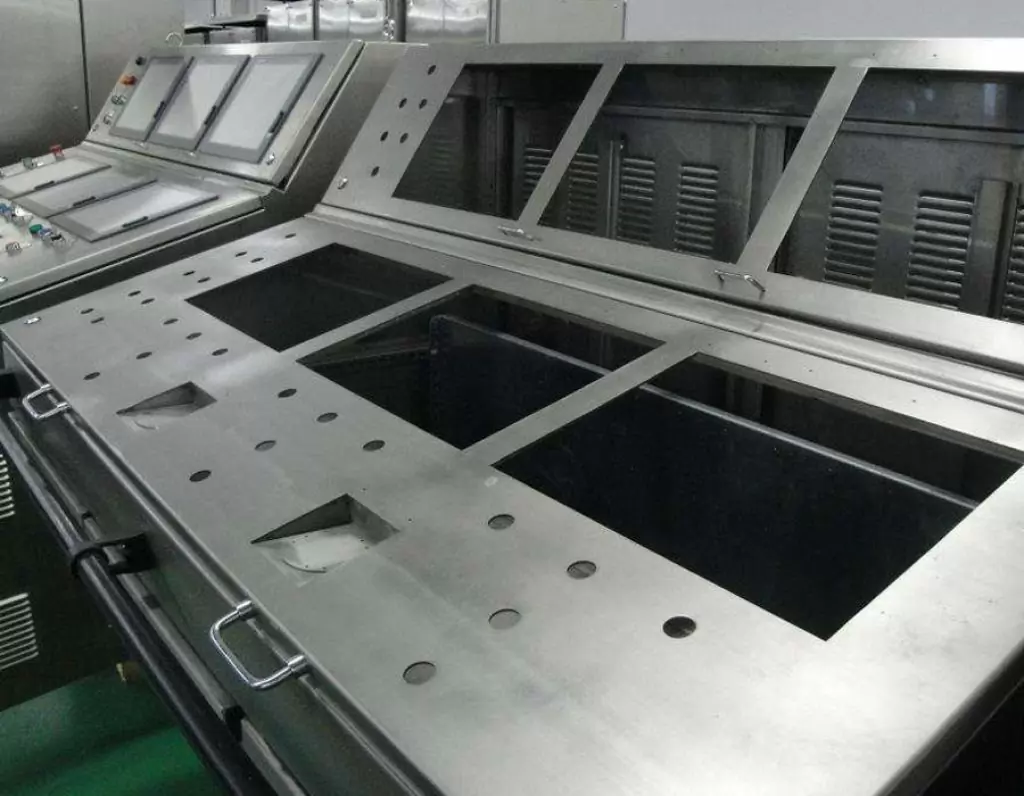
BE-CU is a professional and technical enterprise engaged in sheet metal fabrication, with over 2000 m2 sheet metal workshop and has one-stop service of industrial automation R&D, production, processing and sales.Custom manufacturer of sheet metal component assemblies made from stainless steel, aluminum and carbon steel. Offered in different specifications and features.Markets served include aerospace, lighting, medical, defense, semiconductor/electronics, capacitor, chemical processing and energy.Capable of maintaining dimensional tolerance up to +/-0.005 in. Capabilities include contract manufacturing, fabrication, machining, bending, milling, cutting, forming, drilling, fitting, assembly, notching, punching, rolling, turning, CNC press braking, flame and high definition plasma cutting, saw cutting, shearing, prototyping, high volume, short run and long run production and MIG, TIG and arc welding. Secondary services include Blanchard grinding, galvanizing and painting.
-
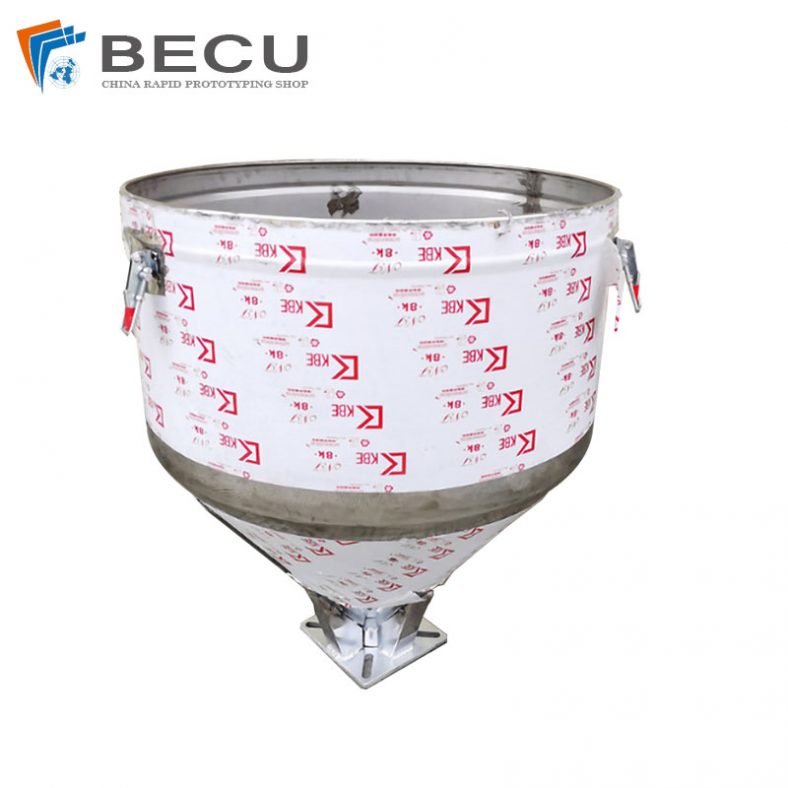
Sheet Metal Fabrication Injection Molding Machine Hopper
-
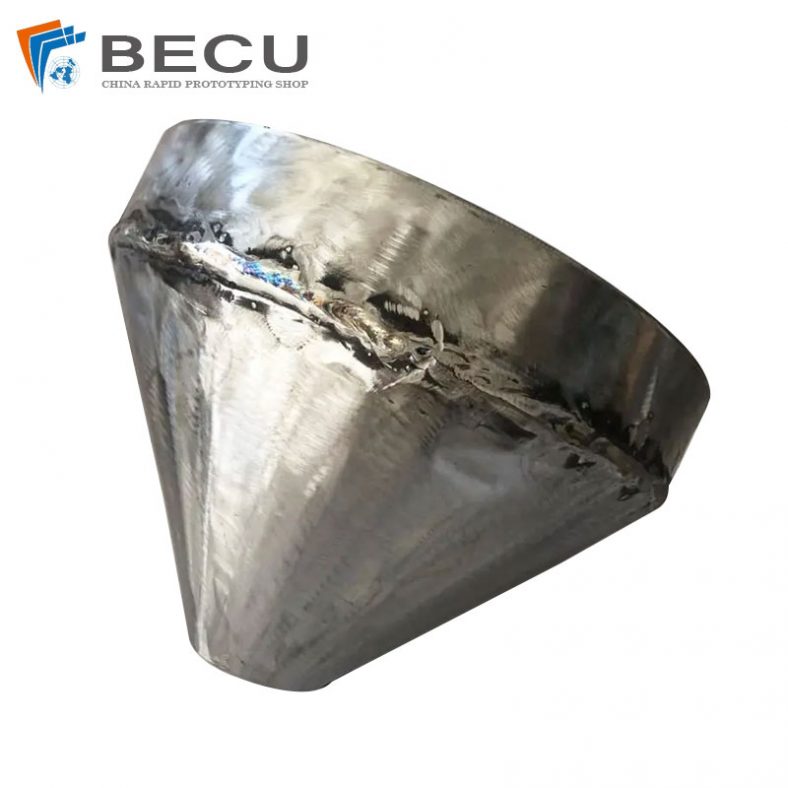
Sheet Metal Fabrication Funnel For Agricultural Machinery
-
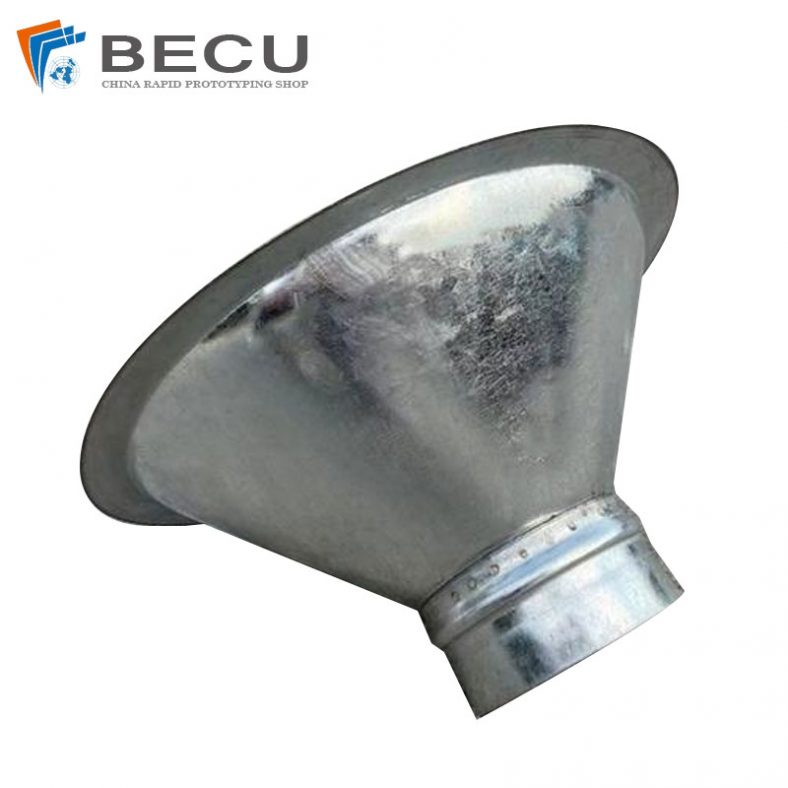
Sheet Metal Fabrication Galvanized Spiral Air Duct
-
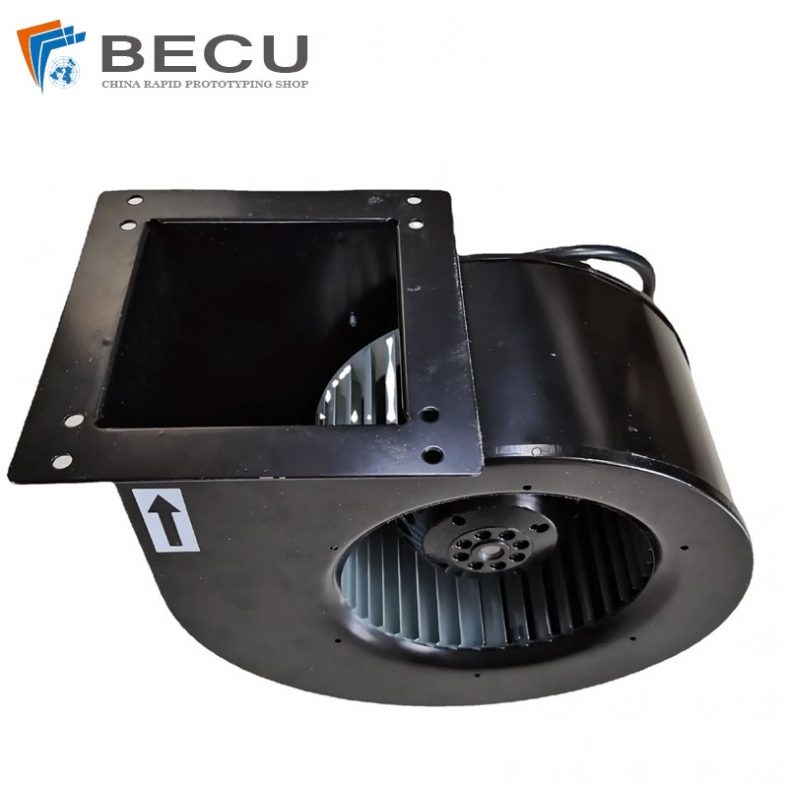
PCS Fan Ductwork Sheet Metal Housing
-
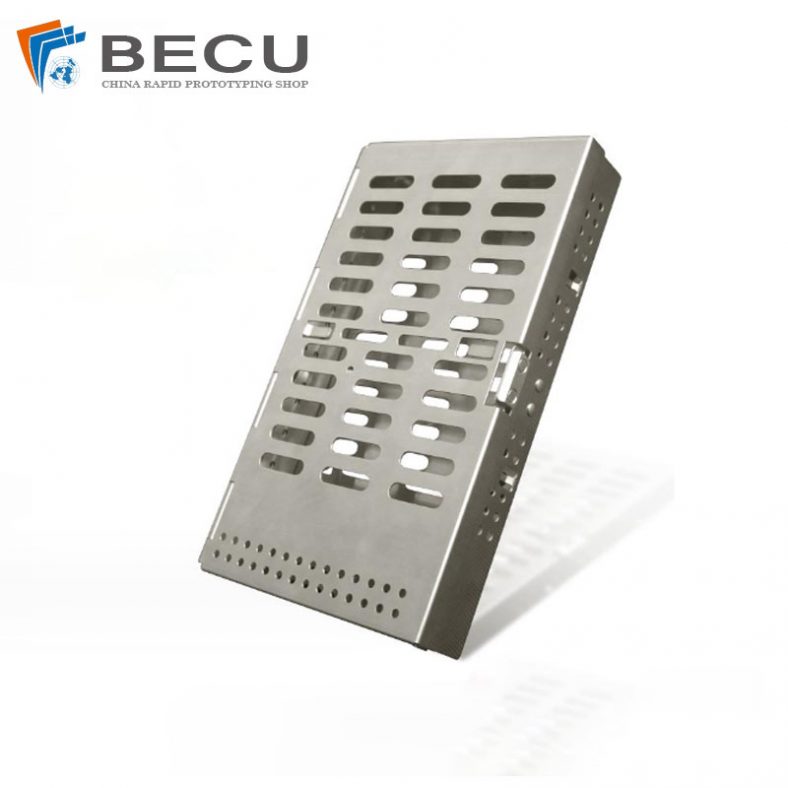
Custom Sheet Metal Surgical Instrument Sterilization Box For Beauty Salon
-
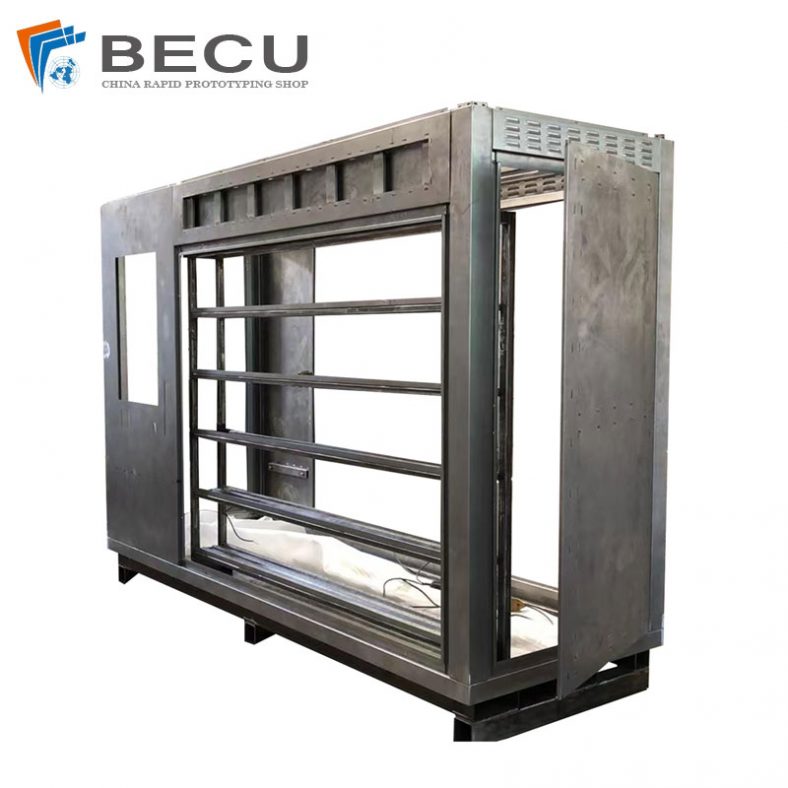
Precision Fabrication Green Energy EV Charging Station Cabinet
-
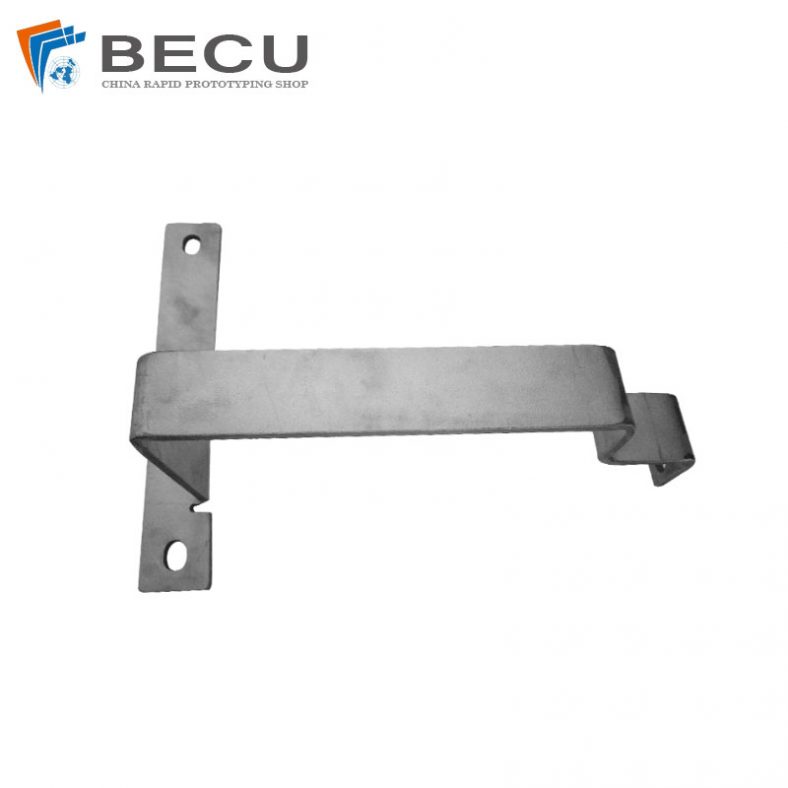
TA1TA2 Alloy Sheet Metal Manufacturing Machinery Support Parts
-
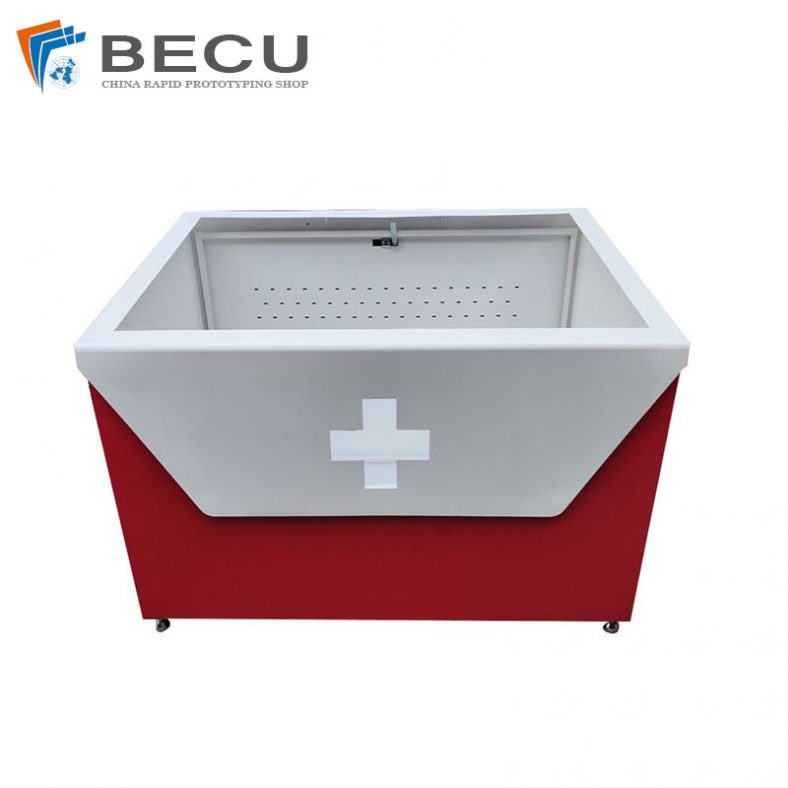
Sheet Metal Fabrication Aluminum 5052 Medical Box For Fire Fighting