

The rise of new energy technologies, driven by the growing demand for sustainable energy sources, has led to significant advancements in various industries. Among the most crucial industries benefiting from these innovations is sheet metal fabrication.
Sheet metal plays a vital role in the production of components used in renewable energy systems, such as solar, wind, and hydrogen energy technologies. As the world shifts toward cleaner energy solutions, the demand for precision-engineered sheet metal components has grown exponentially, playing a critical role in the efficiency and longevity of new energy systems.
Sheet metal fabrication encompasses a wide range of techniques, including cutting, bending, punching, welding, and assembling. These techniques are employed to produce a variety of components used in the construction of renewable energy devices, such as wind turbines, solar panels, and energy storage systems. The importance of sheet metal fabrication in new energy cannot be overstated, as the material is widely available, cost-effective, and highly customizable, making it ideal for the rigorous demands of energy production.
This article explores the top 10 sheet metal fabrication components that are crucial for new energy technologies, detailing their applications, fabrication processes, and impact on the future of energy production. These components are selected based on their relevance, versatility, and critical role in the performance and sustainability of renewable energy systems.
1. Wind Turbine Blades and Housings
Wind energy, one of the most promising forms of renewable energy, relies heavily on efficient and durable wind turbine components.
The fabrication of wind turbine blades and housings involves complex sheet metal processes due to the need for high strength, durability, and resistance to the elements. These components are typically made from steel or aluminum alloys, both of which offer a good balance of strength and weight.
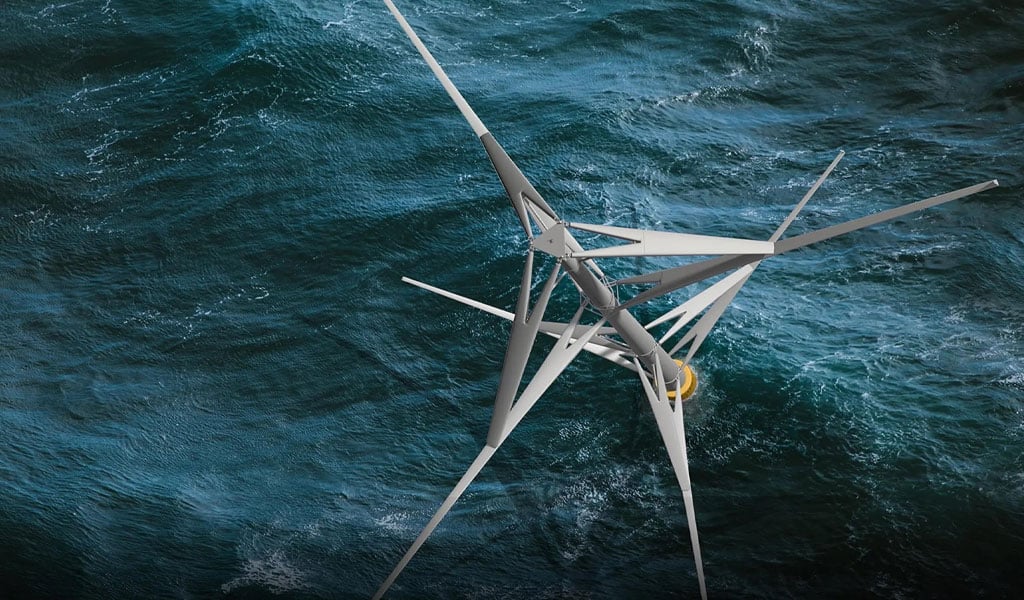
Wind turbine blades are large, aerodynamically designed parts that convert the kinetic energy of the wind into mechanical energy. The fabrication process often involves cutting and bending large sheets of metal, which are then welded and assembled into complex structures. Additionally, sheet metal housings for turbines, which protect the internal mechanisms, are designed to withstand extreme conditions, including high wind speeds and corrosive environments.
For these components, precise sheet metal fabrication is required to ensure the blades and housings meet stringent quality standards. Advanced welding techniques such as TIG (tungsten inert gas) welding are used for high-strength connections, while laser cutting provides the precision necessary for aerodynamic designs. The longevity and performance of wind turbines are highly dependent on the quality of the sheet metal fabrication in these critical components.
2. Solar Panel Frames
Solar energy continues to be one of the most rapidly growing sources of renewable energy.
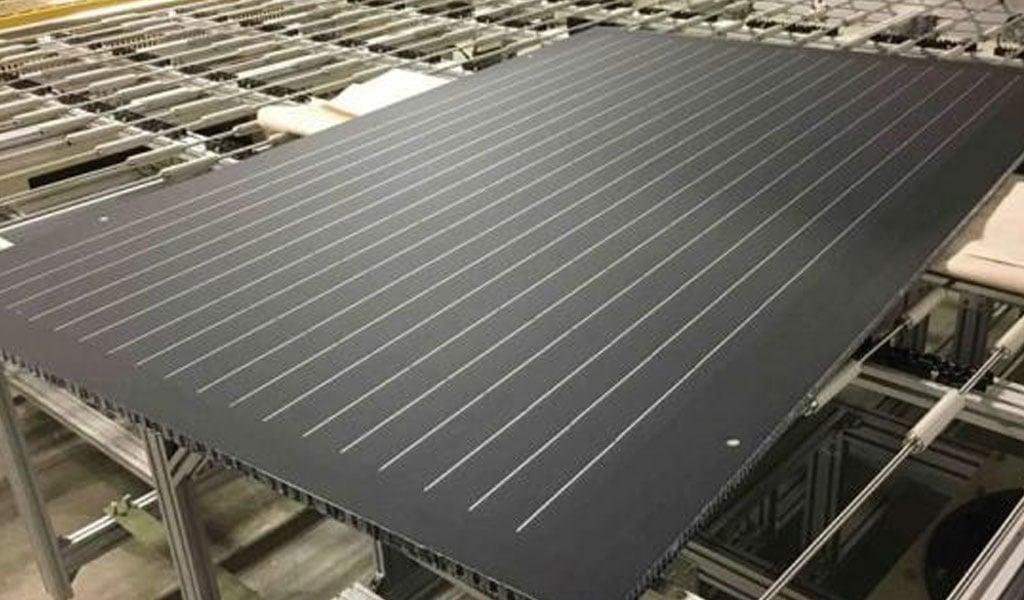
The frames that house solar panels are essential in ensuring the panels are securely mounted, positioned at optimal angles, and protected from environmental stresses. Solar panel frames are typically made from extruded aluminum or galvanized steel, materials known for their lightweight yet sturdy properties.
The fabrication of solar panel frames involves multiple steps, including cutting, punching, bending, and sometimes coating to prevent corrosion. Aluminum is the preferred material due to its resistance to corrosion, especially in outdoor environments. Fabricated frames must be designed with precision to ensure proper alignment and functionality. The frames are also often designed with mounting systems that allow for the easy integration of solar panels into larger arrays.
These components must also be lightweight to reduce transportation costs, yet strong enough to hold the solar panels in place for years. Furthermore, precise fabrication ensures that the frames fit various solar panel types and configurations, contributing to the overall efficiency of the solar energy system.
3. Battery Storage Systems
As renewable energy sources like solar and wind are intermittent, energy storage systems have become essential for stabilizing the grid and ensuring reliable power supply.
Sheet metal components used in battery storage systems are vital to the integrity, safety, and efficiency of energy storage solutions.Battery enclosures are one of the most critical sheet metal components in this sector.
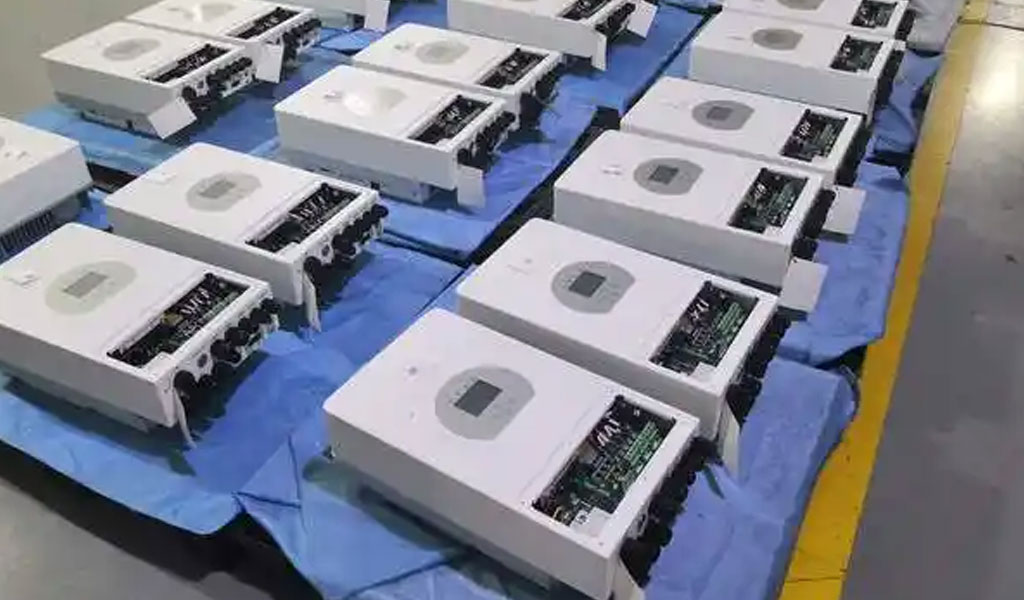
They are typically made from steel or aluminum, chosen for their durability, strength, and ability to protect sensitive battery cells from environmental damage, including moisture and physical impacts. The fabrication of battery enclosures involves cutting, bending, and welding techniques to create a sturdy casing that also facilitates heat dissipation to prevent overheating.
Additionally, sheet metal components are often used in the internal structure of battery systems to hold the cells in place, ensuring they are securely positioned to maximize performance. These components are also designed for easy assembly and integration with electrical connections, highlighting the importance of precision in the fabrication process.
4. Hydrogen Fuel Cell Components
Hydrogen fuel cells are an emerging technology that produces electricity through chemical reactions between hydrogen and oxygen. These fuel cells are widely regarded as a promising alternative to traditional fossil fuel-based energy systems, offering a clean and efficient energy source.
Sheet metal components play a crucial role in the assembly of hydrogen fuel cells, which require robust materials to handle the high-pressure and corrosive environments within the cells.
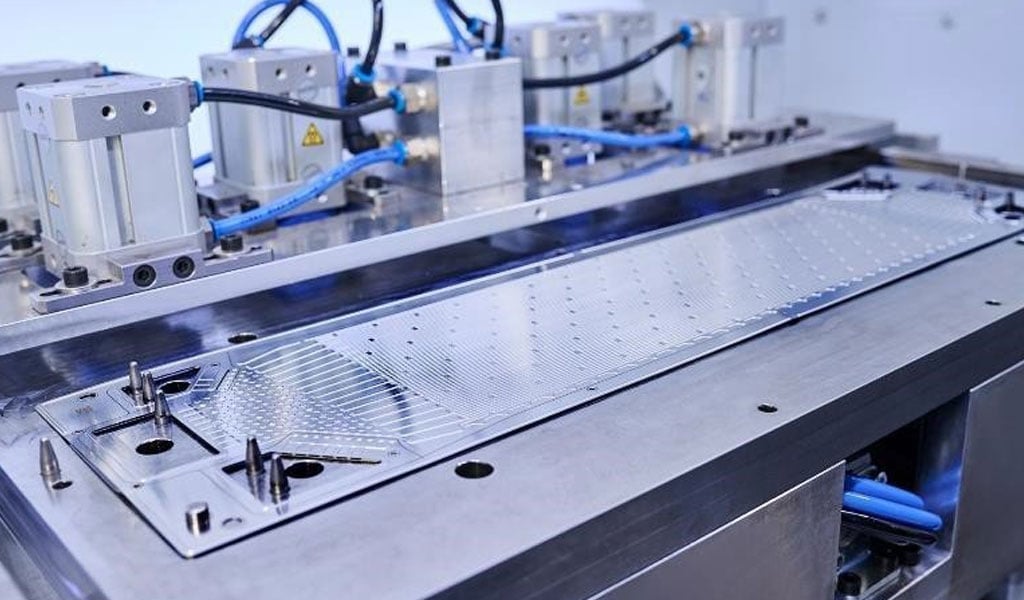
Key sheet metal components in hydrogen fuel cells include the manifolds, end plates, and cooling plates. These parts must be made from high-strength alloys that are resistant to corrosion and capable of withstanding the harsh conditions inside a fuel cell. Stainless steel and titanium are commonly used for these components due to their excellent mechanical properties and resistance to the extreme conditions in hydrogen environments.
The fabrication of hydrogen fuel cell components involves specialized welding techniques, including laser welding and resistance welding, to ensure the components are sealed tightly and can endure the internal pressures. These components must also be precision-engineered to optimize the performance and lifespan of the fuel cell.
5. Electric Vehicle (EV) Battery Pack Housings
As the electric vehicle market continues to grow, the demand for EV battery pack housings has surged. These housings are made using advanced sheet metal fabrication techniques to provide a protective casing for the battery cells and ensure the safety, reliability, and longevity of the battery packs.The materials used for EV battery pack housings are often aluminum and high-strength steel, which are selected for their strength-to-weight ratios and ability to protect the battery cells from external impacts, heat, and moisture.
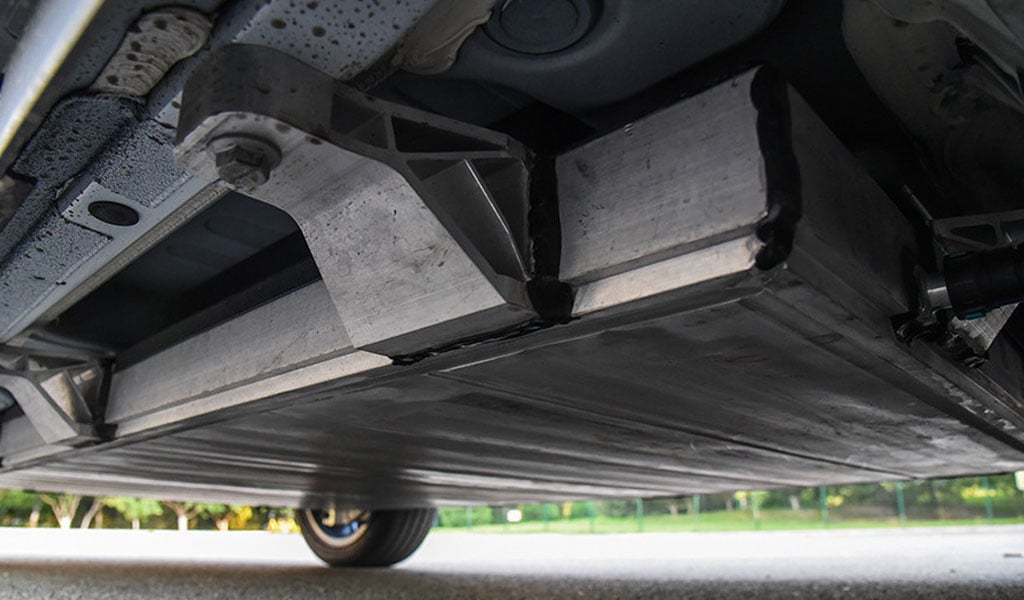
The fabrication process includes laser cutting, punching, and welding, with an emphasis on creating strong yet lightweight designs to minimize the overall weight of the vehicle.
Additionally, battery pack housings must be designed for easy integration with the vehicle’s electrical system. Thermal management features, such as cooling plates and heat sinks, are often incorporated into the housing to regulate the temperature of the battery cells and ensure optimal performance.
6. Wind Tower Sections
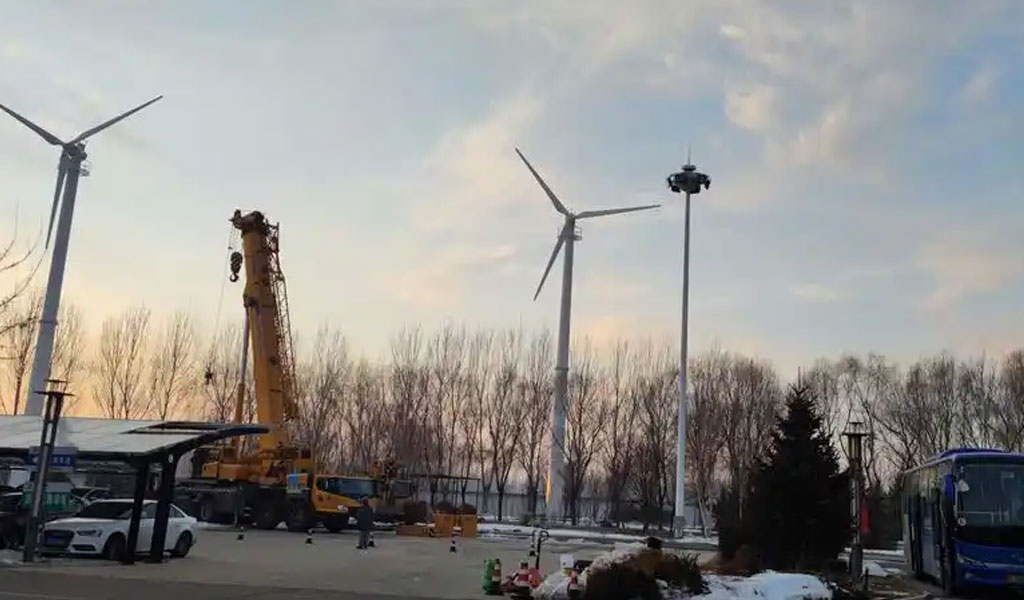
In wind turbine construction, the wind tower is one of the most critical components, as it supports the turbine’s nacelle and blades at heights that capture optimal wind speeds. The tower sections are typically made from large sheets of steel, which are rolled, cut, and welded to form cylindrical sections that are assembled to create the tall, robust structures required for wind turbines.The fabrication of wind tower sections involves heavy-duty sheet metal forming processes, such as rolling and bending, to create the smooth, cylindrical shapes necessary for the towers.
These sections must be precisely cut and welded to ensure they fit together securely and can withstand the stresses of wind forces and environmental conditions.
The towers must also be designed for efficient transportation and assembly. For this reason, modular designs are often used, where each section of the tower is fabricated separately and then assembled on-site. This modular approach minimizes on-site fabrication, reducing construction time and costs.
7. Energy Transmission Housings
Energy transmission systems are integral to the distribution of electricity from power generation sources to end users. Housings for energy transmission equipment, such as transformers, switchgear, and circuit breakers, are essential sheet metal components in electrical grid systems.
These housings are typically made from sheet steel or stainless steel, which provides the necessary protection against environmental factors like moisture, dust, and physical damage.
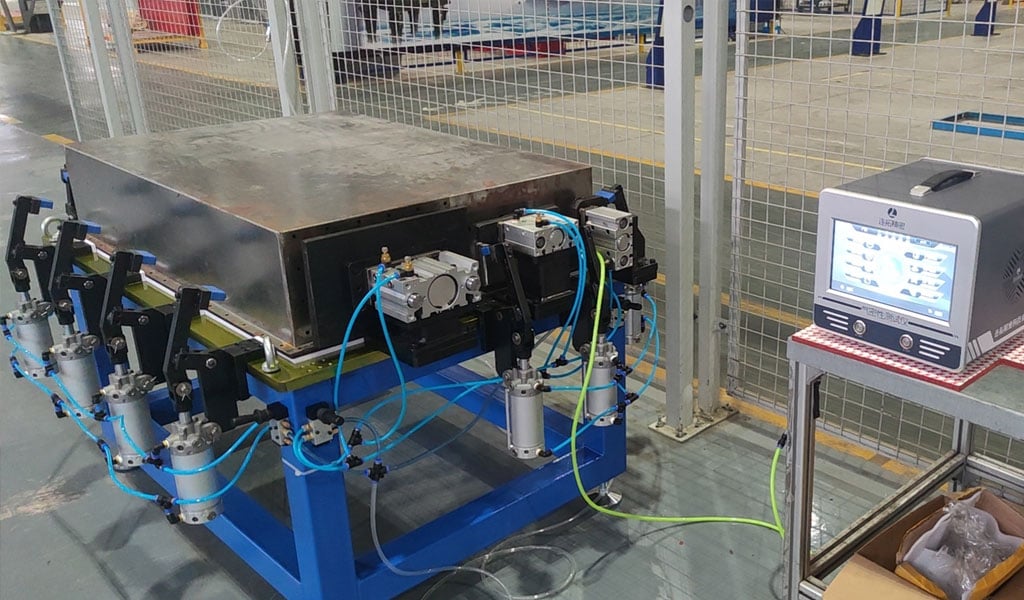
The fabrication of these housings often involves cutting, bending, and welding processes, followed by surface treatments such as powder coating or galvanizing to enhance corrosion resistance.Energy transmission housings must be designed with safety and accessibility in mind. They are often equipped with features like cooling fins to dissipate heat generated by electrical equipment and venting systems to allow for proper airflow. Additionally, precise fabrication is required to ensure that the housings meet the necessary electrical and mechanical specifications.
8. Solar Inverter Enclosures
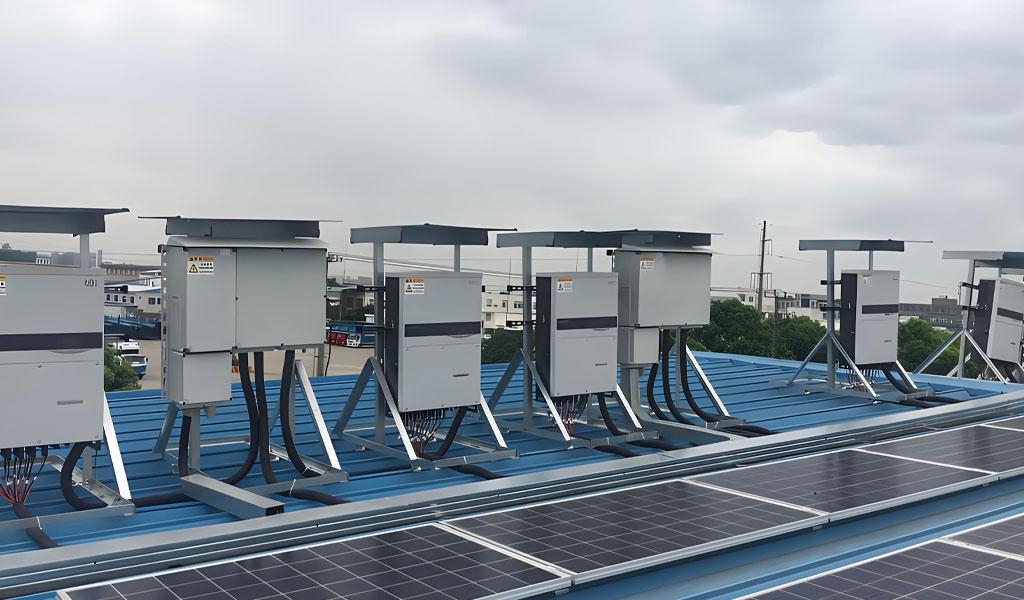
Solar inverters are crucial components in solar energy systems, converting the direct current (DC) electricity generated by solar panels into alternating current (AC) electricity, which is compatible with the electrical grid.
The enclosures for these inverters must be fabricated with high precision to protect the sensitive electronic components inside and ensure their durability in outdoor environments.
Solar inverter enclosures are typically made from aluminum or galvanized steel. The fabrication process includes cutting, bending, and welding, followed by surface finishing treatments to prevent corrosion. These enclosures must be designed to withstand extreme weather conditions, including high temperatures, rain, and UV exposure, which are common in outdoor installations.
In addition to protection, the enclosures must allow for proper ventilation to dissipate heat generated by the inverter during operation. This requires careful consideration of airflow paths and vent placements, which are integrated into the sheet metal fabrication process.
9. Heat Exchangers for Renewable Energy Systems
Heat exchangers play a vital role in many renewable energy systems, particularly those involved in thermal energy storage and geothermal energy production. These devices are used to transfer heat between two fluids without mixing them. The materials used in heat exchangers must be able to withstand high temperatures, pressure, and corrosion.Sheet metal components, including tubes, fins, and plates, are commonly used in the construction of heat exchangers. Stainless steel, copper, and aluminum are preferred materials due to their excellent thermal conductivity and resistance to corrosion.
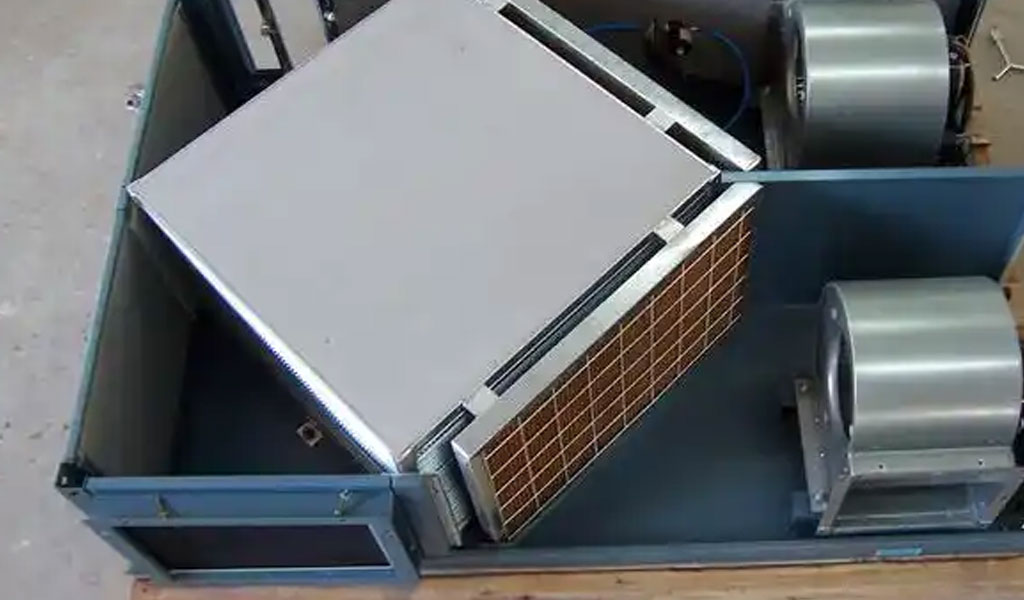
The fabrication process involves precision cutting, bending, and welding to create the complex structures necessary for efficient heat transfer.
Heat exchangers in renewable energy systems must be designed for maximum efficiency, with optimized fluid flow paths and surface areas. The sheet metal components used in these systems must be fabricated with high precision to ensure the desired performance and longevity.
10. Hydraulic Systems for Energy Production Equipment
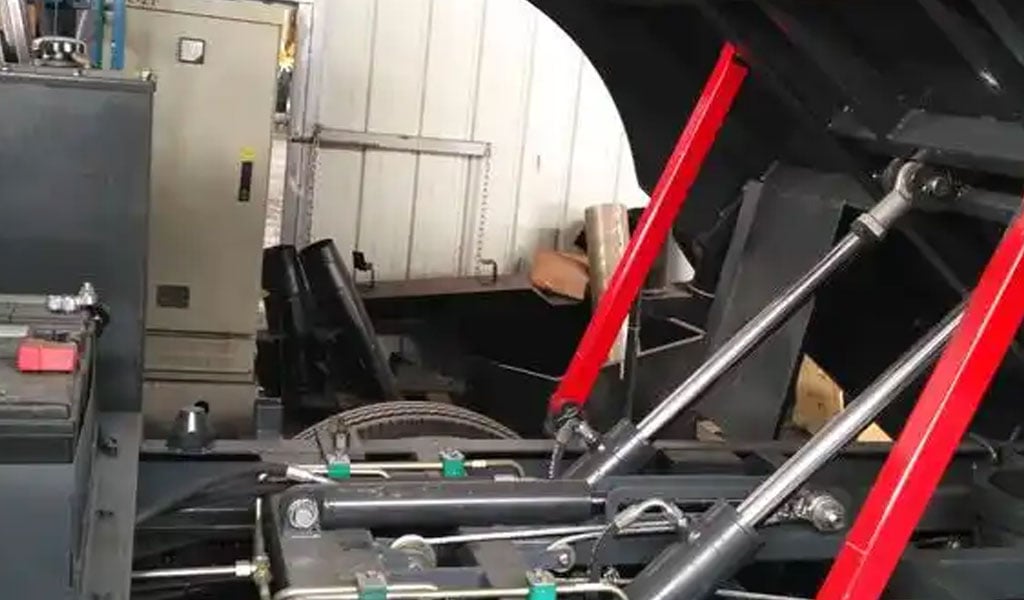
Hydraulic systems are essential for the operation of various energy production equipment, including wind turbines, solar tracking systems, and hydroelectric turbines. These systems rely on hydraulic actuators and cylinders, which are often made from high-strength sheet metal components.
The hydraulic system components are typically fabricated from steel, stainless steel, or aluminum, and the fabrication process involves cutting, bending, welding, and assembling these materials into complex parts that can withstand high pressures and harsh operating conditions.
The precision and durability of hydraulic components are critical to ensuring the smooth operation of energy production equipment. The fabrication of these parts requires advanced welding techniques and a keen focus on quality control to ensure the integrity and reliability of the hydraulic systems.
Conclusion
Sheet metal fabrication is at the heart of many innovative new energy technologies. The components produced through these techniques are vital for ensuring the efficiency, durability, and performance of renewable energy systems. From wind turbines to solar panels, battery storage systems to hydrogen fuel cells, sheet metal plays an indispensable role in shaping the future of sustainable energy production. As the global transition to renewable energy accelerates, the demand for precision sheet metal components is expected to grow, driving further advancements in fabrication technologies and materials science. The components outlined above represent just a glimpse of the vast and evolving role that sheet metal fabrication will continue to play in the development of new energy technologies.
The Detail Of BE-CU Sheet Metal Company
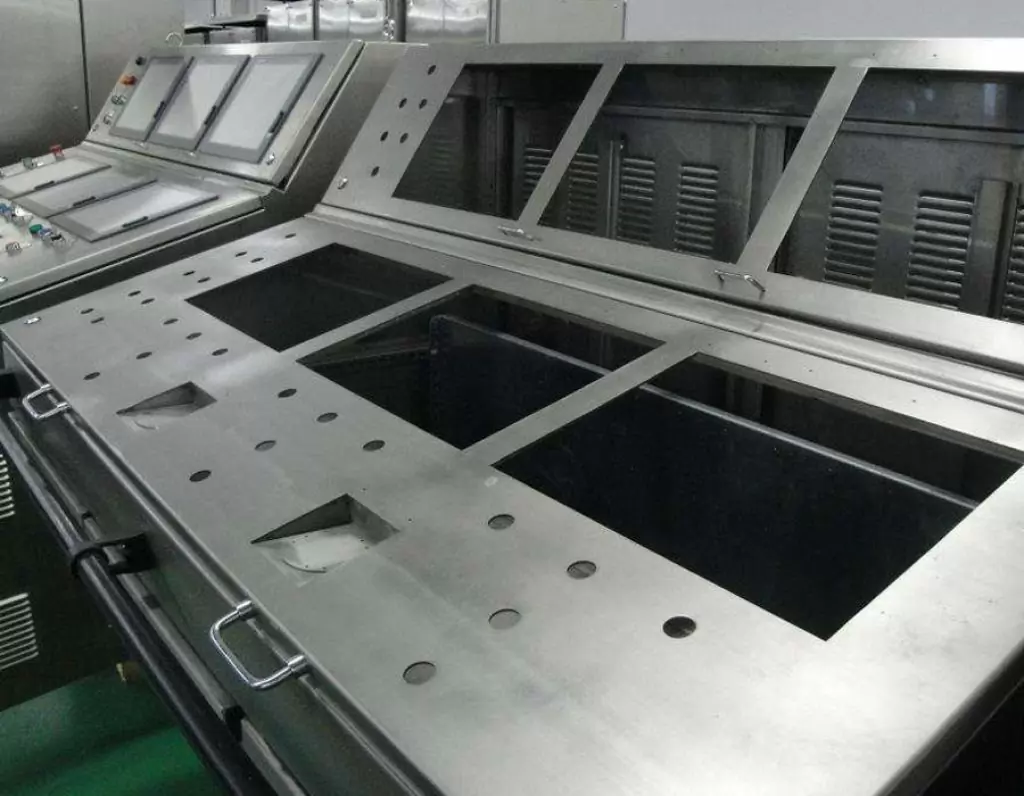
BE-CU is a professional and technical enterprise engaged in sheet metal fabrication, with over 2000 m2 sheet metal workshop and has one-stop service of industrial automation R&D, production, processing and sales.Custom manufacturer of sheet metal component assemblies made from stainless steel, aluminum and carbon steel. Offered in different specifications and features.Markets served include aerospace, lighting, medical, defense, semiconductor/electronics, capacitor, chemical processing and energy.Capable of maintaining dimensional tolerance up to +/-0.005 in. Capabilities include contract manufacturing, fabrication, machining, bending, milling, cutting, forming, drilling, fitting, assembly, notching, punching, rolling, turning, CNC press braking, flame and high definition plasma cutting, saw cutting, shearing, prototyping, high volume, short run and long run production and MIG, TIG and arc welding. Secondary services include Blanchard grinding, galvanizing and painting.
-
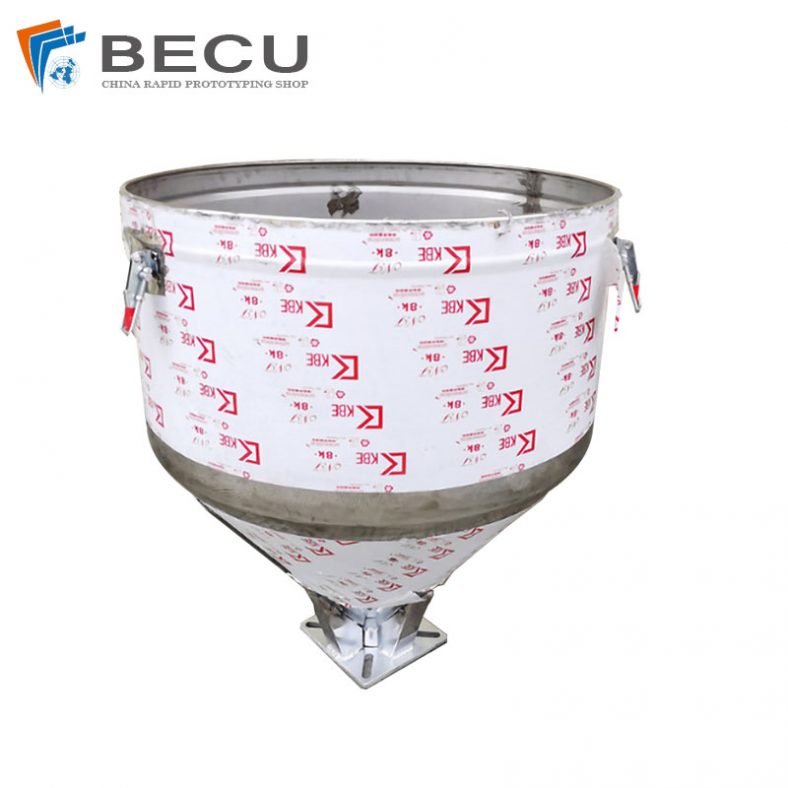
Sheet Metal Fabrication Injection Molding Machine Hopper
-
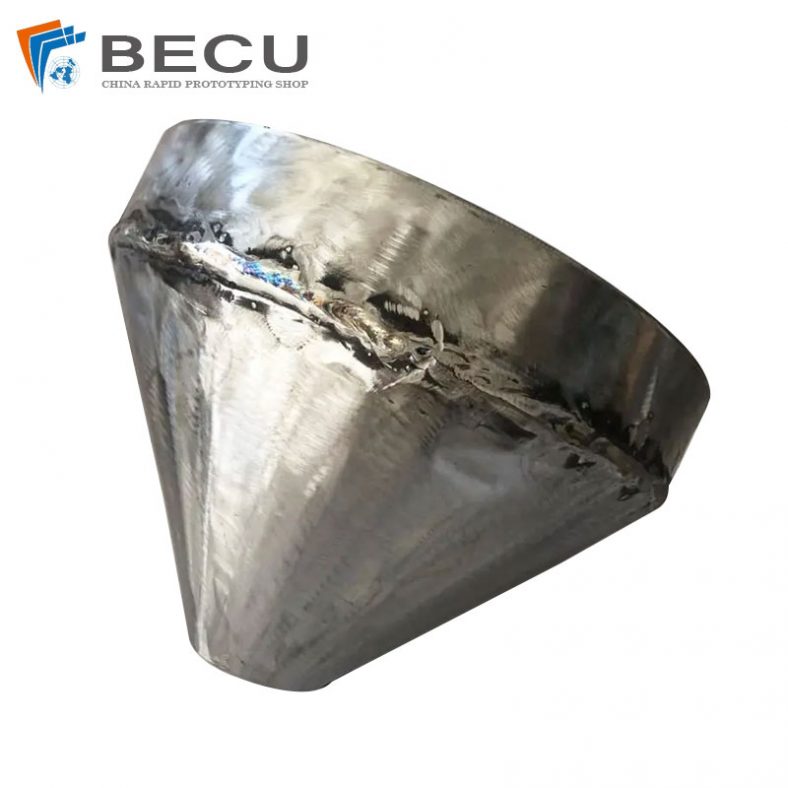
Sheet Metal Fabrication Funnel For Agricultural Machinery
-
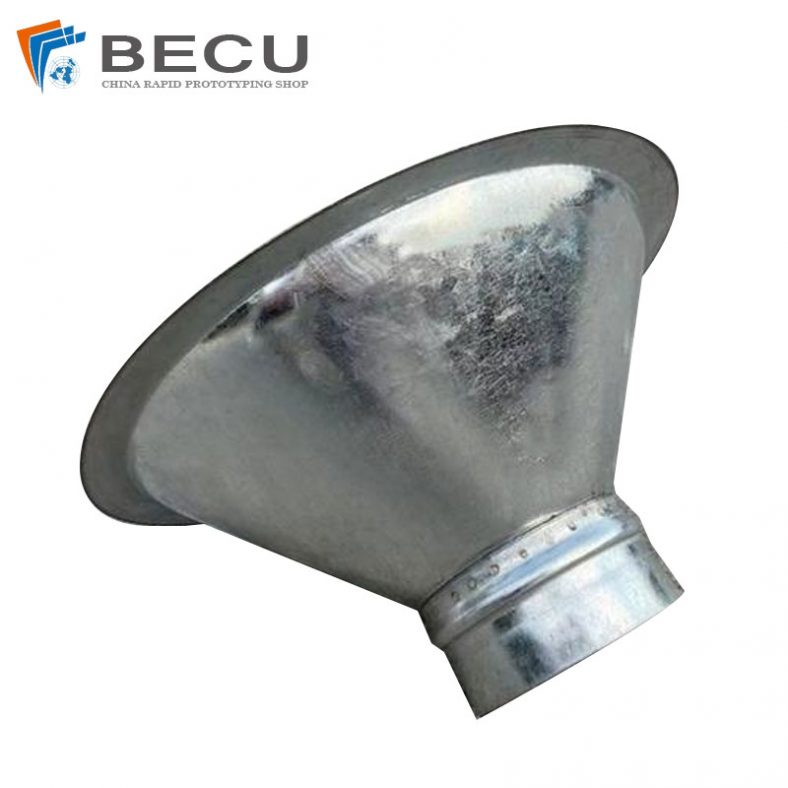
Sheet Metal Fabrication Galvanized Spiral Air Duct
-
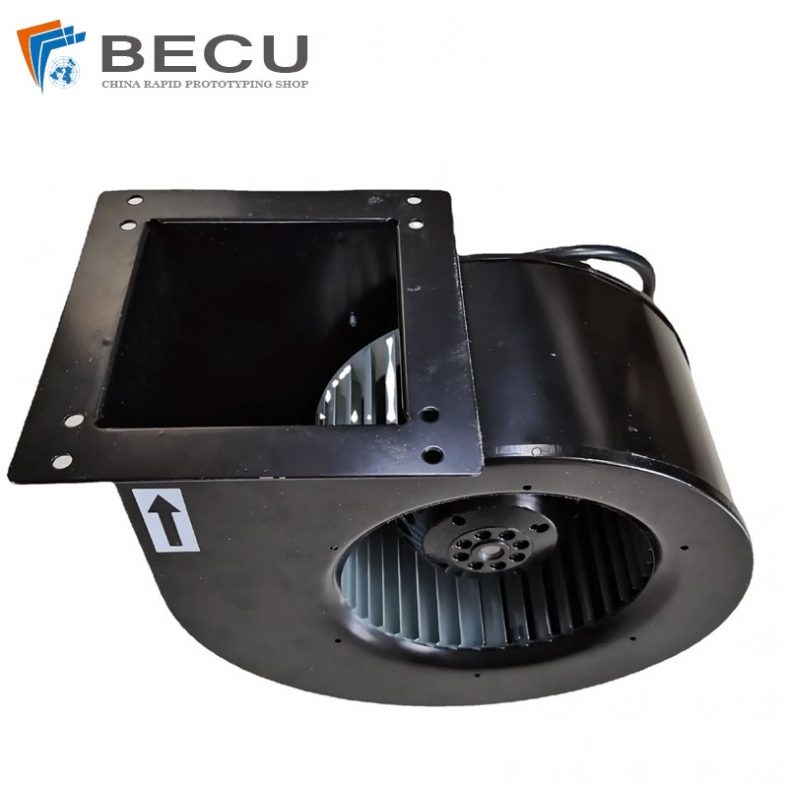
PCS Fan Ductwork Sheet Metal Housing
-
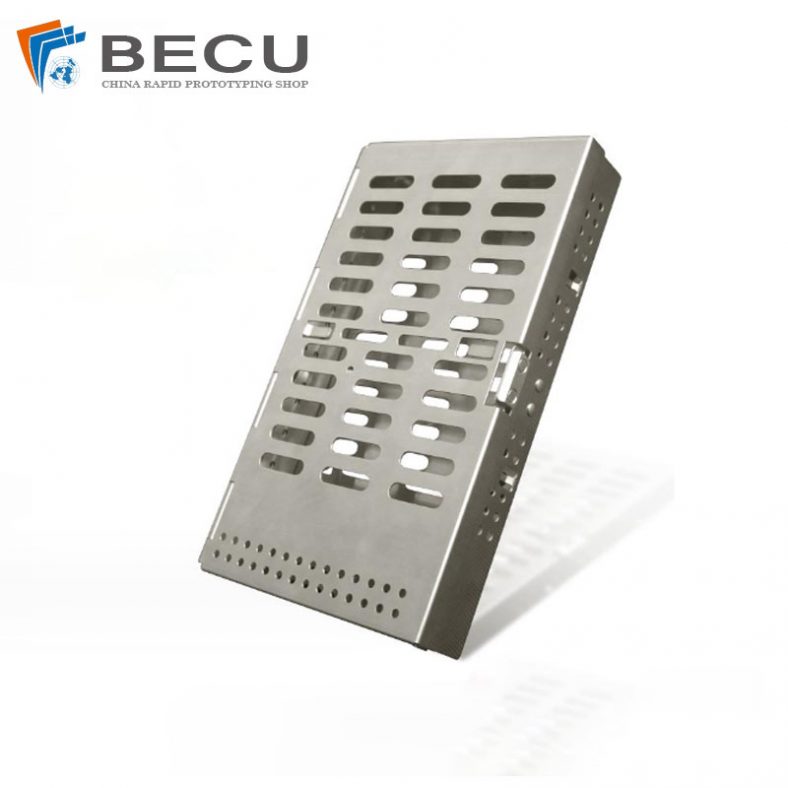
Custom Sheet Metal Surgical Instrument Sterilization Box For Beauty Salon
-
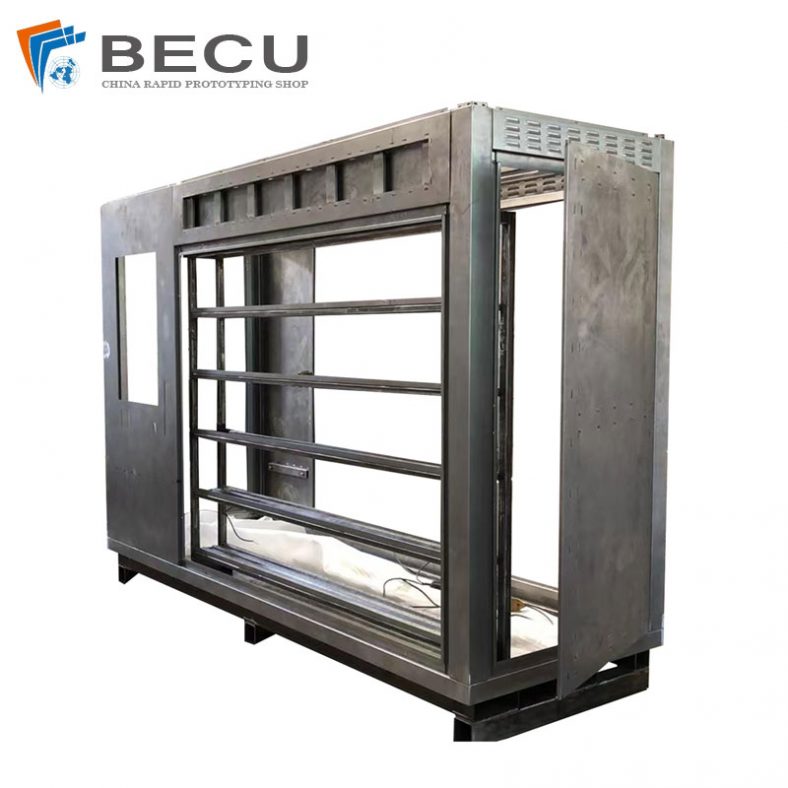
Precision Fabrication Green Energy EV Charging Station Cabinet
-
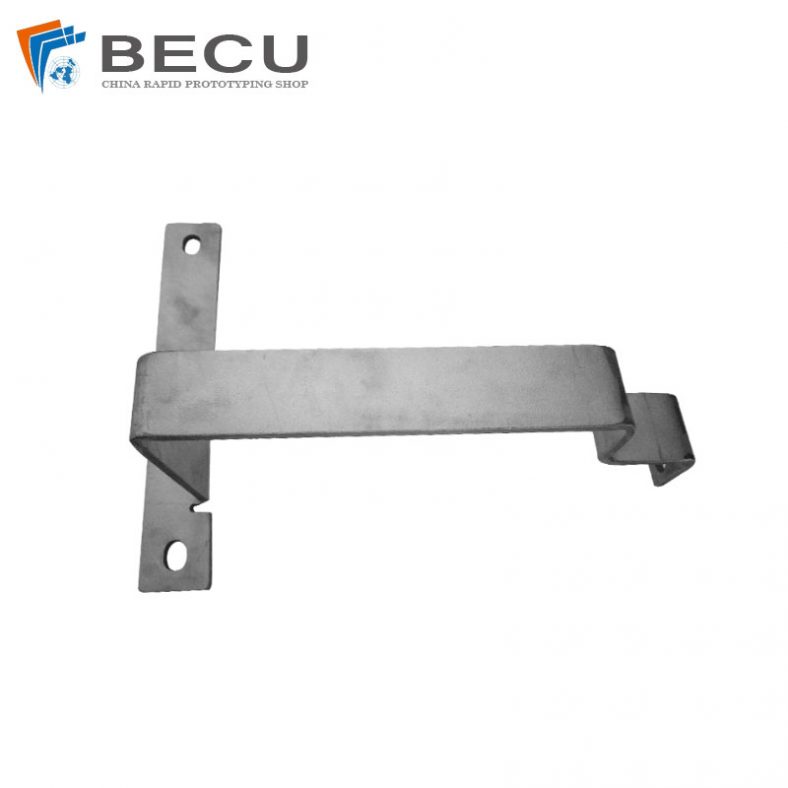
TA1TA2 Alloy Sheet Metal Manufacturing Machinery Support Parts
-
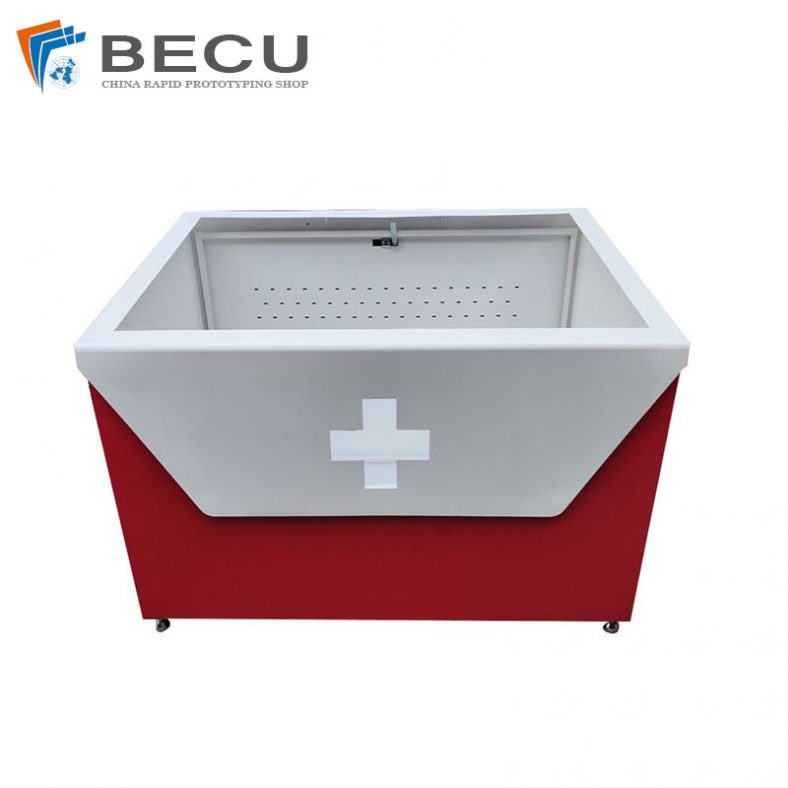
Sheet Metal Fabrication Aluminum 5052 Medical Box For Fire Fighting