

What Is Metal Polishing
Metal polishing is a mechanical process that enhances the surface finish of metal components through the removal of imperfections and the creation of a reflective surface. The practice of metal polishing can be traced to ancient civilizations, where artisans used natural abrasives like sand and stones to enhance the appearance of metals.
Techniques were often labor-intensive and required a high level of skill.This technique is essential in various industries, including automotive, aerospace, manufacturing, and decorative applications.
Polishing not only improves aesthetics but also contributes to the functionality and durability of metal surfaces.The Industrial Revolution marked a significant advancement in polishing techniques, with the introduction of machines that could perform polishing at scale. Innovations in abrasive materials and polishing compounds further improved the efficiency and quality of the polishing process.
Today, metal polishing has been transformed by advancements in technology, including automated machinery and computer-controlled processes. Modern polishing methods can achieve high levels of precision and consistency, making them suitable for critical applications in aerospace and medical industries.
Metal Polishing Service
With a wealth of experience amassed over many decades in the noble arts of mold making,cnc machining,sheet metal,metal 3d printing and die casting, we recognize the vital importance of polishing services.
For, after the forming of metal spare parts, the resultant products oft bear a rough exterior, necessitating careful surface treatment to achieve smoother edges, more precise measurements, and a finer quality overall.
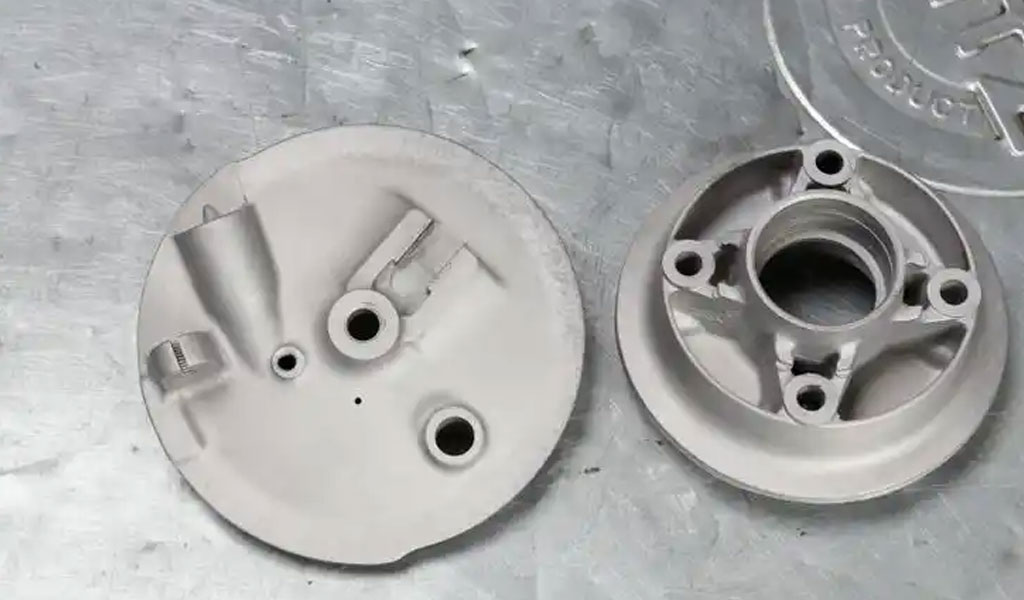
At BE-CU.com, our esteemed metal polishing services stand as the cornerstone of our finishing offerings, enhancing the appearance of your projects and those of various alloys. This art of polishing removes unsightly parting lines and excess material from the forming process, alleviates the marks of heat checking or die washout found on aged surfaces, and elevates both the safety and aesthetic appeal of the components. Our skilled artisans at the BE-CU rapid prototyping plant adhere diligently to established safety guidelines and industry best practices, ensuring the delivery of polished parts of the highest quality. We are well-equipped to transform your design into a fully realized product, all under one roof.
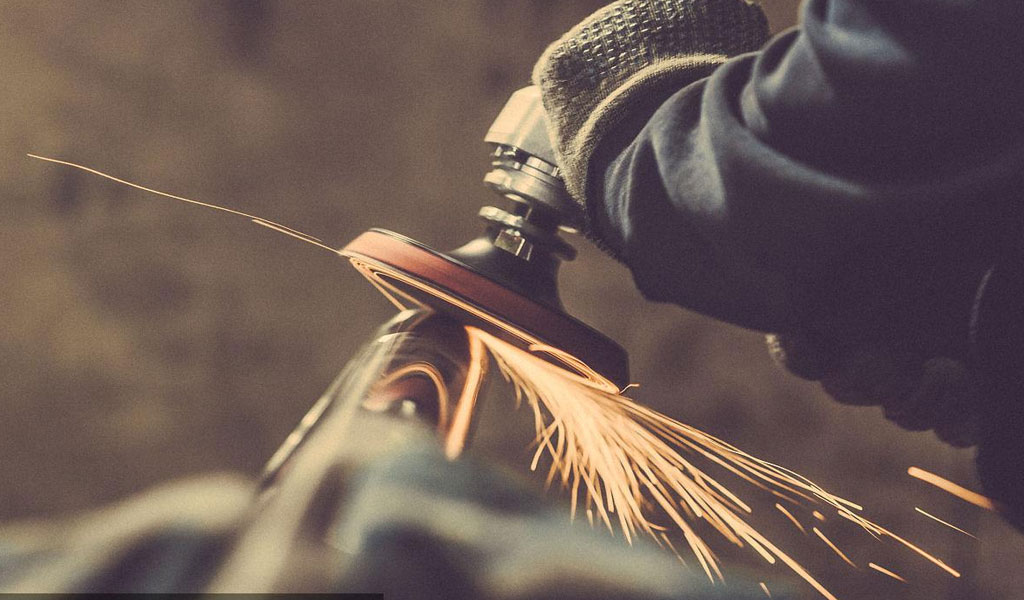
Certifications & Quality Machining
- ISO 9001:2015 certified
- Fully compliant with the exacting requirements of our customers
- Compliance in DFARS materials sourcing requirements
- Strict compliance with PPAP and Process
- FMEA for automotive customers
- Skilled in KanBan and CMM Inspection and inventory management systems
- ITAF 16949 certified
Metal Polishing Parts & Case Studies
At Be-Cu.com we offer effective products, processes, services and ideas to meet our customer’s needs.Trust us to provide a comprehensive and professional Metal Polishing solution tailored to your specific needs.Whether a customer is an original equipment manufacturer (OEM) for the automotive, military, or medical industry, we can meet their Metal Polishing needs.View our Metal Polishing case studies:
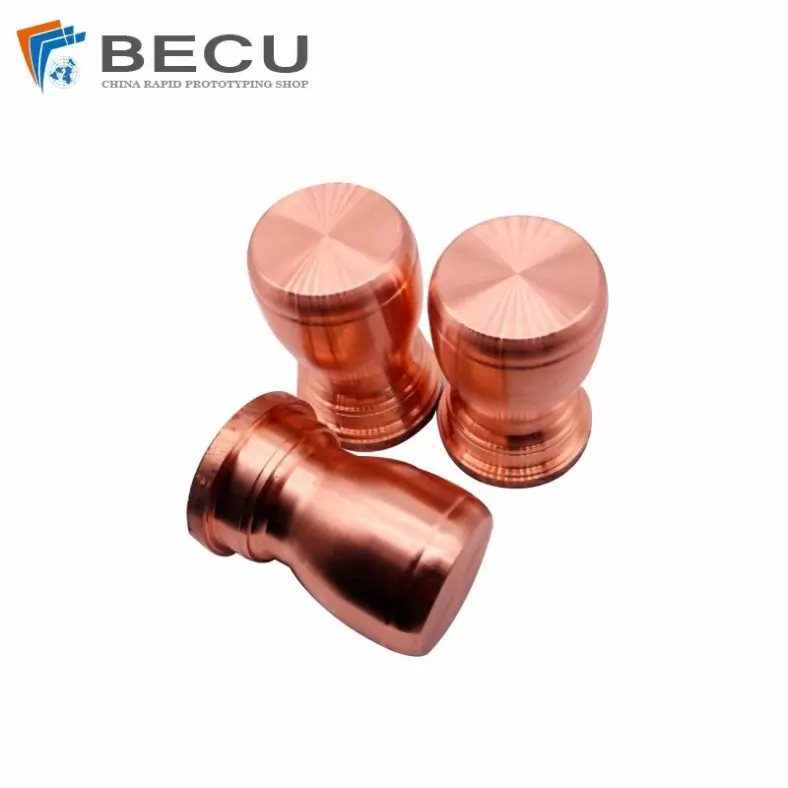
Metal Polishing Techniques for Various Metals
Metal polishing techniques can vary significantly depending on the type of metal being polished. Each metal has its own properties, requiring tailored approaches to achieve optimal finishes. Below is a detailed overview of polishing methods for aluminum, copper, brass, stainless steel, and other metals.
Aluminum is a lightweight, corrosion-resistant metal that can be easily polished to a high gloss. However, it is softer than many other metals, making it prone to scratching.
Copper and its alloy has excellent thermal and electrical conductivity and develops a patina over time. Polishing restores its bright appearance.
Brass is an alloy of copper and zinc, known for its corrosion resistance and aesthetic appeal. Like copper, brass can tarnish and requires regular polishing to maintain its shine.
Stainless steel is known for its strength, corrosion resistance, and ability to maintain a clean appearance. They are often used in applications requiring durability and aesthetics.
Zinc is a relatively soft metal known for its corrosion resistance, often used as a protective coating for steel. It can tarnish and requires careful polishing to maintain its appearance without damaging the surface.
By applying the appropriate polishing techniques and understanding the unique characteristics of each metal, you can achieve a stunning finish while enhancing durability and functionality.
Details and Type of Our Metal Polishing Process
Here are the introductions to different types of Metal Polishing, more details please feel free to contact us.
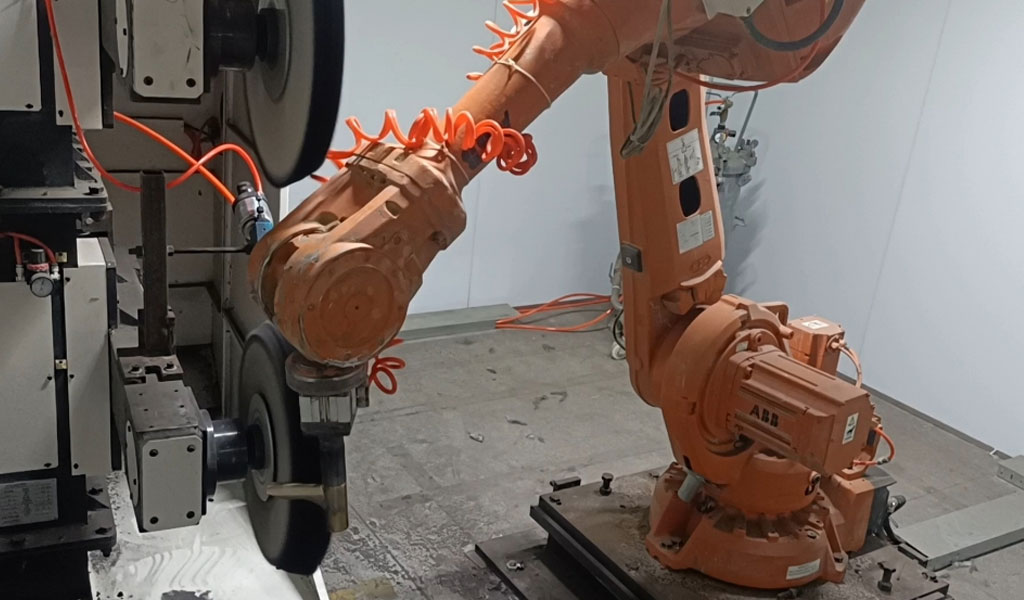
Mechanical Polishing
Mechanical polishing involves the use of abrasives and polishing tools to mechanically remove surface imperfections. This method is often employed in industrial settings and can be performed by hand or using machines.
- Hand Polishing: This method uses manual tools and is suitable for small parts or intricate shapes. Hand polishing allows for greater control but is time-consuming.
- Machine Polishing: Utilizing equipment such as belt sanders, rotary polishers, and vibratory polishers, machine polishing is efficient for larger production runs and can achieve uniform results.

Electrochemical Polishing
This technique combines mechanical and chemical polishing processes. Electrochemical polishing can achieve smoother finishes than mechanical methods alone and is often used in industries requiring high cleanliness and precision, such as the medical and pharmaceutical sectors.
Buffing
Buffing is a finishing process that uses a soft cloth or buffing wheel to create a high-gloss surface. It is often the final step in metal polishing, providing a reflective shine to the polished metal.
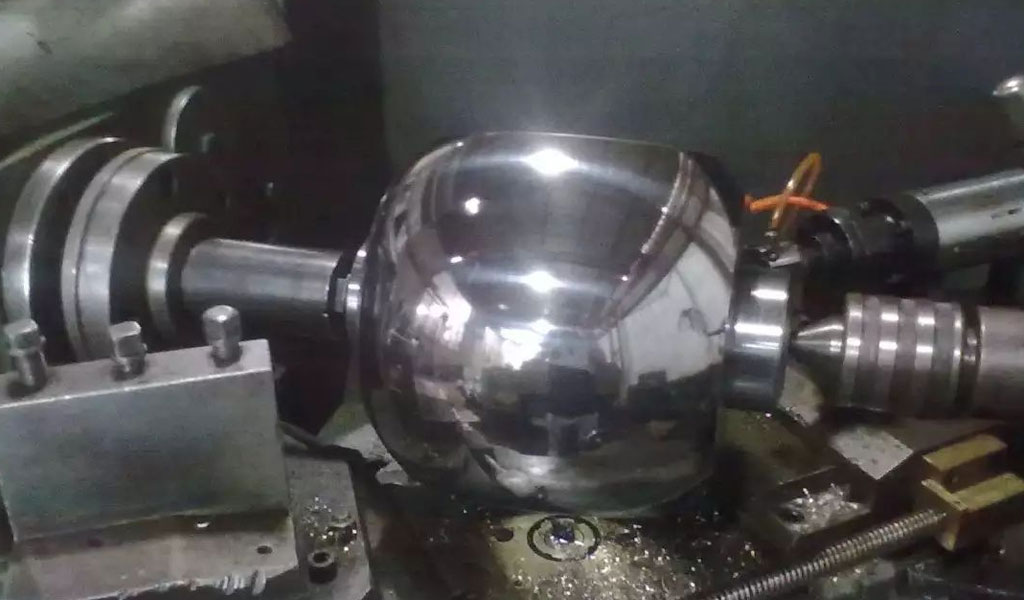
Chemical Polishing
Chemical polishing involves the use of chemical solutions to remove surface material and improve finish. This process is often used for materials that are difficult to polish mechanically.
Electropolishing: A subset of chemical polishing, electropolishing uses an electrolytic process to remove material from a metal surface, enhancing its finish and corrosion resistance. This technique is commonly used for stainless steel.
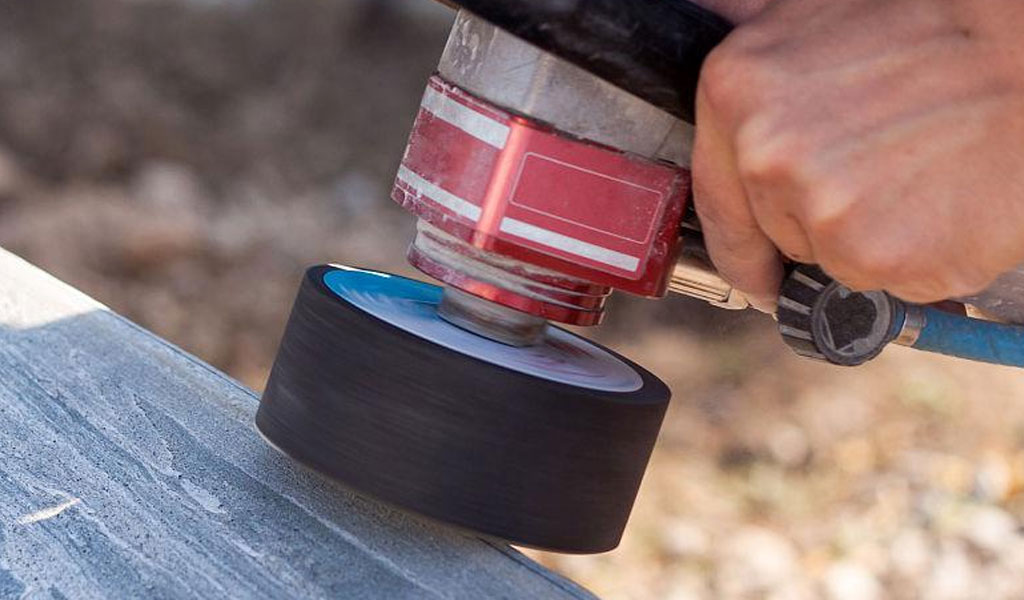
Abrasive Polishing
Abrasive polishing employs various abrasive materials to refine metal surfaces. This technique can be used for different types of metals and is often adapted to the specific requirements of the application.
Abrasive Compounds: Various compounds, including pastes and powders, can be used depending on the desired finish and material. Common abrasives include aluminum oxide, silicon carbide, and diamond powders.
Choose the Best Surface Treatment Process
After browsing a list of Surface Treatment services, select a process based on essential considerations, like production time, cost-effectiveness, part tolerance, durability and applications. High-tolerance CNC milling, turning parts are not recommended to apply secondary metal surface finish, because the treatment may change the sizes of the finished part through removing or adding a small amount of materials.
Other requirements or custom designs, welcome to contact us for a free quote fast or email!