
Magnesium alloys are widely used in various industries due to their lightweight, high strength-to-weight ratio, and excellent machinability. These alloys are particularly popular in automotive, aerospace, and electronics applications. Despite their many advantages, magnesium alloys are prone to corrosion, which limits their usage in some environments. Anodizing, a surface treatment process commonly associated with aluminum, has gained attention as a potential method to improve the corrosion resistance and surface properties of magnesium alloy parts. This article explores the feasibility, processes, challenges, and benefits of anodizing magnesium alloys.
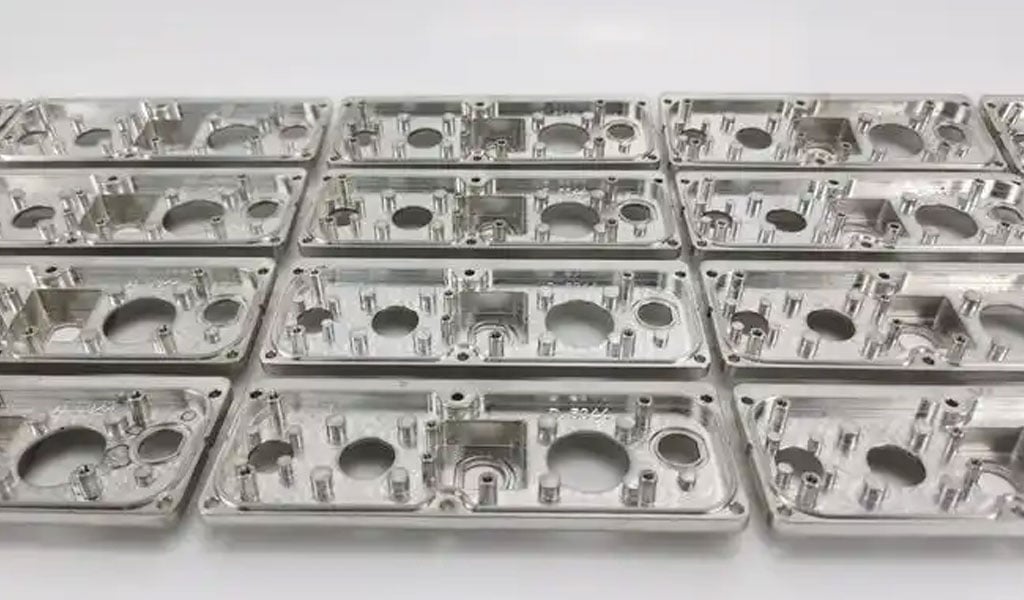
What Is Anodizing Magnesium Alloy?
Magnesium is the lightest structural metal, and its alloys are composed primarily of magnesium with other elements, such as aluminum, zinc, manganese, silicon, copper, and rare earth elements.
These alloys are categorized into cast and wrought alloys, with each type tailored for specific applications. Magnesium’s high reactivity and susceptibility to oxidation make it challenging to protect its surface, necessitating specialized treatments like anodizing.
Anodizing is an electrochemical process used to enhance the surface properties of metals, creating a durable oxide layer that improves corrosion resistance, wear resistance, and adhesion for subsequent coatings. The process involves immersing the metal in an electrolyte bath and applying an electrical current. This causes the metal’s surface to react with the electrolyte, forming a protective oxide layer. While anodizing is commonly associated with aluminum, the process can be adapted for other metals, including magnesium.
The anodizing of magnesium alloys is technically feasible, but it requires modifications to the traditional anodizing process used for aluminum. Magnesium’s highly reactive nature poses challenges during anodizing, such as rapid oxide formation and dissolution. Specialized electrolytes, additives, and process controls have been developed to address these issues, enabling the production of a stable and protective oxide layer on magnesium alloys.
Processes for Anodizing Magnesium Alloys
Several anodizing methods have been developed for magnesium alloys, each tailored to achieve specific properties:
1. Conventional Anodizing
Conventional anodizing processes for magnesium alloys use electrolytes such as chromates, phosphates, or silicates. These electrolytes form a thin, adherent oxide layer that provides moderate corrosion resistance. However, the use of chromates has declined due to environmental concerns.
2. Micro-Arc Oxidation (MAO)
Micro-arc oxidation, also known as plasma electrolytic oxidation (PEO), is a more advanced anodizing technique. It uses high voltage to create plasma discharges on the surface of the magnesium alloy, resulting in a thicker and harder oxide layer. MAO offers superior corrosion resistance, wear resistance, and thermal stability compared to conventional anodizing.
3. Electrochemical Plasma Oxidation
This process is similar to MAO but focuses on controlled plasma generation to achieve precise oxide layer characteristics. Electrochemical plasma oxidation is particularly suitable for magnesium alloys used in high-performance applications.
4. Hard Anodizing
Hard anodizing is a process designed to create a thick, dense oxide layer for enhanced wear and corrosion resistance. While commonly used for aluminum, hard anodizing can be adapted for magnesium alloys with appropriate electrolyte formulations and process controls.
Benefits of Anodizing Magnesium Alloys
Anodizing magnesium alloys offers several advantages, making them more suitable for demanding applications:
- Enhanced Corrosion Resistance: The anodized layer acts as a barrier against environmental factors, reducing the susceptibility of magnesium to corrosion.
- Improved Wear Resistance: A thicker and harder oxide layer can withstand mechanical wear, extending the service life of components.
- Aesthetic Appeal: Anodizing can create a visually appealing surface finish, with the possibility of incorporating colors through dyeing processes.
- Better Adhesion for Coatings: Anodized surfaces provide a better substrate for paints, adhesives, and other coatings, enhancing their performance and longevity.
- Environmentally Friendly Alternatives: Modern anodizing processes reduce reliance on hazardous chemicals, aligning with sustainability goals.
Challenges in Anodizing Magnesium Alloys
Despite its benefits, anodizing magnesium alloys presents unique challenges:
- Reactive Nature of Magnesium: Magnesium’s high reactivity can lead to uneven oxide layer formation or dissolution during the process.
- Process Complexity: Anodizing magnesium requires specialized equipment, electrolytes, and process parameters to achieve consistent results.
- Cost Considerations: The need for advanced techniques like MAO can increase the overall cost of anodizing magnesium alloys.
- Environmental Concerns: Although modern processes reduce environmental impact, the use of certain electrolytes may still raise sustainability issues.
Applications of Anodized Magnesium Alloy Parts
Anodized magnesium alloy parts find applications in various industries due to their enhanced properties:
- Aerospace: Lightweight and corrosion-resistant anodized magnesium components are used in aircraft interiors, brackets, and housings.
- Automotive: Anodized magnesium parts improve vehicle fuel efficiency and durability, making them ideal for engine components and structural elements.
- Electronics: Magnesium’s lightweight nature and anodized surface protection make it suitable for electronic enclosures and heat sinks.
- Medical Devices: Biocompatible anodized coatings enable the use of magnesium in orthopedic implants and surgical instruments.
Future Trends in Magnesium Alloy Anodizing
Research and development efforts continue to focus on improving the anodizing process for magnesium alloys. Innovations include:
- Eco-Friendly Electrolytes: Developing non-toxic and sustainable electrolytes to replace hazardous chemicals.
- Advanced Coating Techniques: Integrating anodizing with other surface treatments to achieve multifunctional coatings.
- Nano-Structured Oxide Layers: Exploring nano-scale modifications to enhance the properties of anodized layers.
Conclusion
Magnesium alloy parts can indeed be anodized, provided that the process is adapted to address the unique challenges posed by magnesium’s reactivity. Anodizing offers significant benefits, including improved corrosion resistance, wear resistance, and aesthetic appeal, making magnesium alloys more versatile for a wide range of applications. Continued advancements in anodizing technology and sustainability practices are expected to further enhance the feasibility and performance of anodized magnesium alloys, opening up new opportunities for their use in various industries.
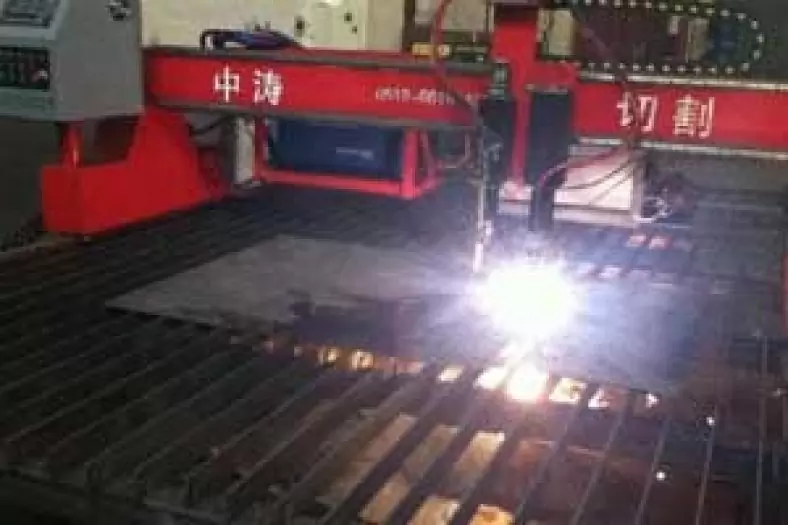
The Detail Of BE-CU Cnc Machining Shop
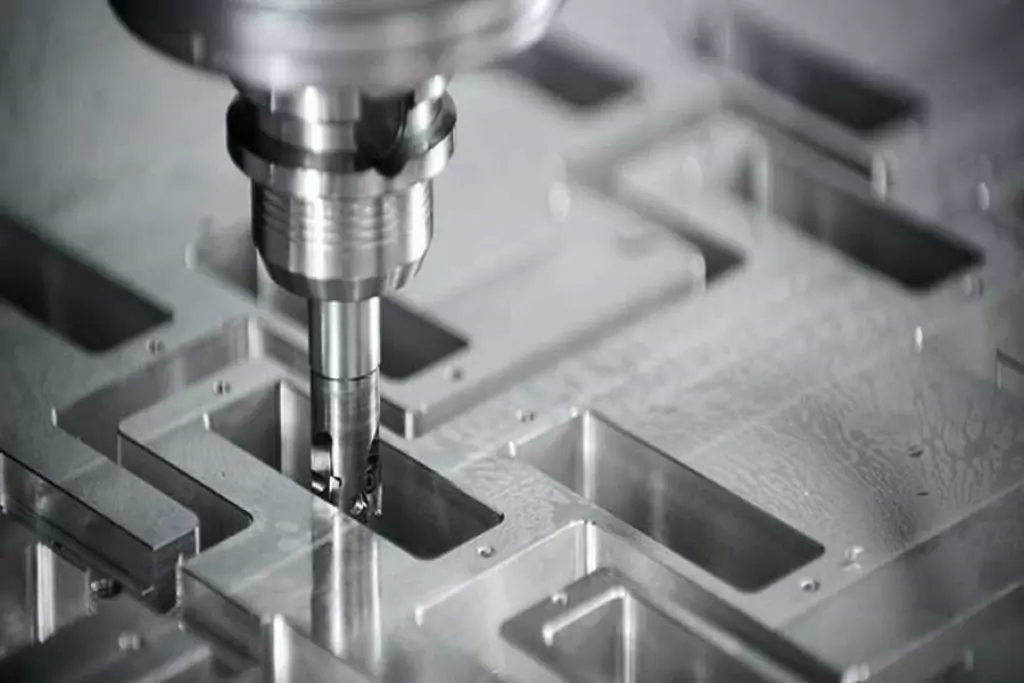
BE-CU.COM – As an accomplished CNC machining Service Manufacturer and CNC shop, BE-CU Prototype has been specialized in OEM CNC lathing, custom CNC machining parts production and rapid CNC machining services China for over 35 years and always maintaining the highest standard in delivery speed and reliable quality of precision CNC manufacturing components. With the help of high-level technology and efficient equipment, as well as rigorous attitude, BE-CU passed the ISO9001:2015 quality certification, which supports the long-term development of CNC milling services, CNC turning services, CNC milling-turning, CNC drilling services, 3/4/5 axis machining, gear machining services, CNC machining China custom parts and service, small parts machining, etc.Our CNC machining products can be utilized in a broad range of industries. Contact us for email: [email protected]
-
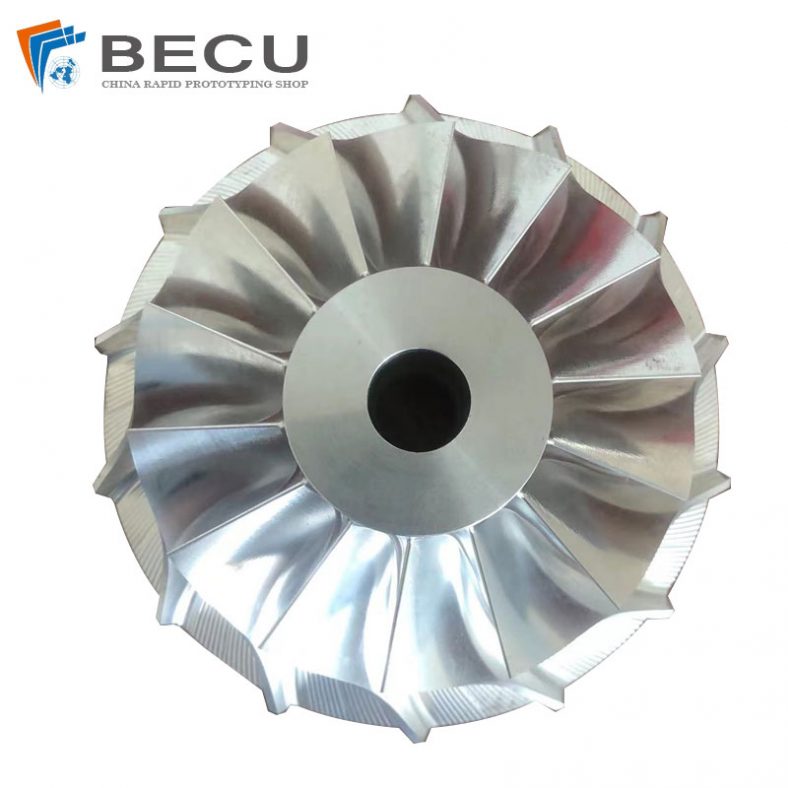
3-Way Centrifugal Compressor Closed Impeller By 5 Axis Machining
-
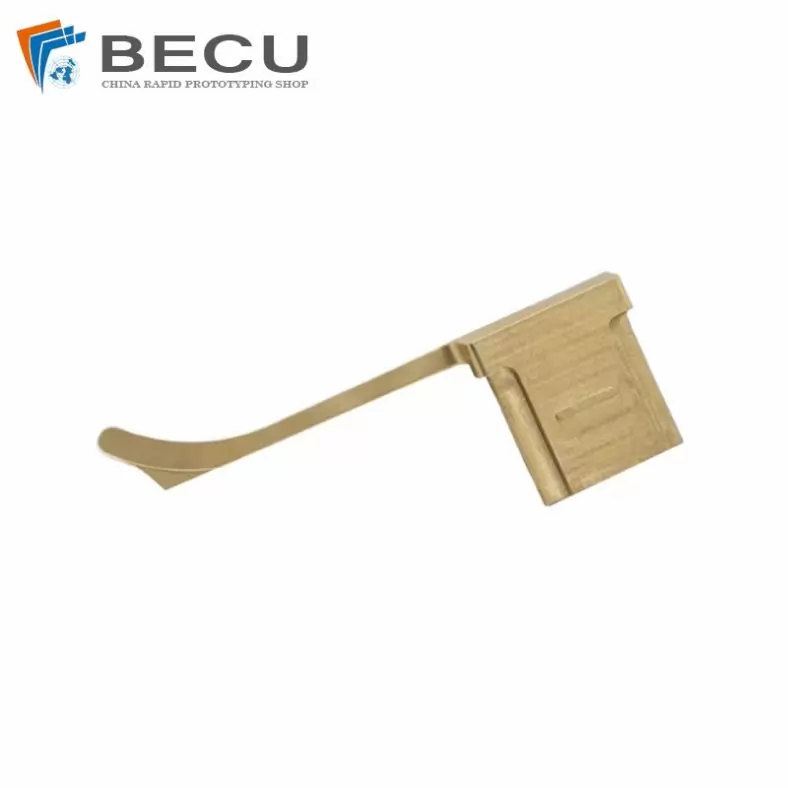
3/4/5 Axis Precision Milling Custom Vehicle Parts
-
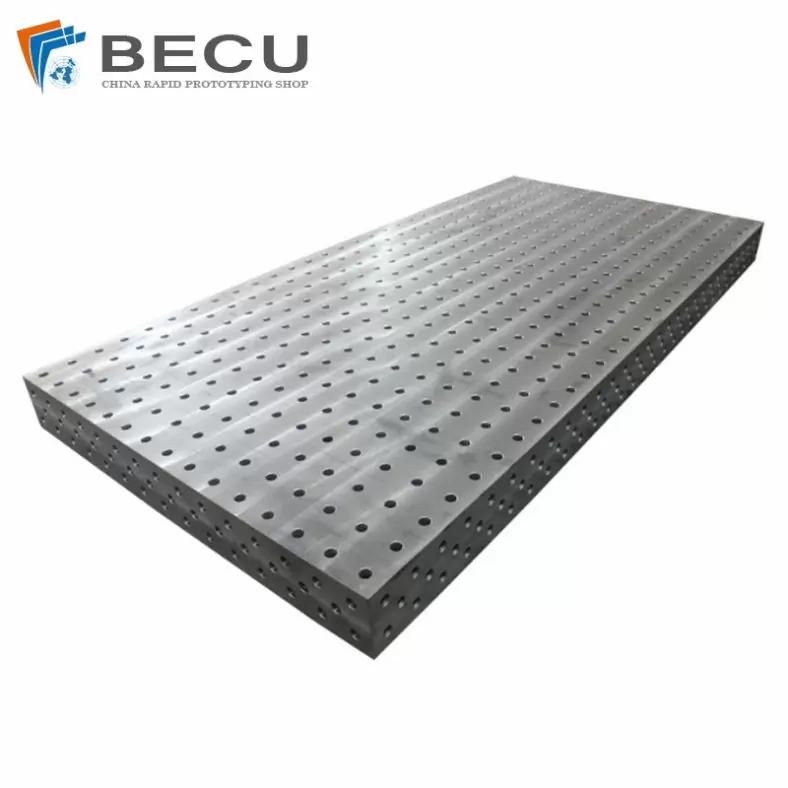
3D Flexible Welding Platform By Large Machining
-
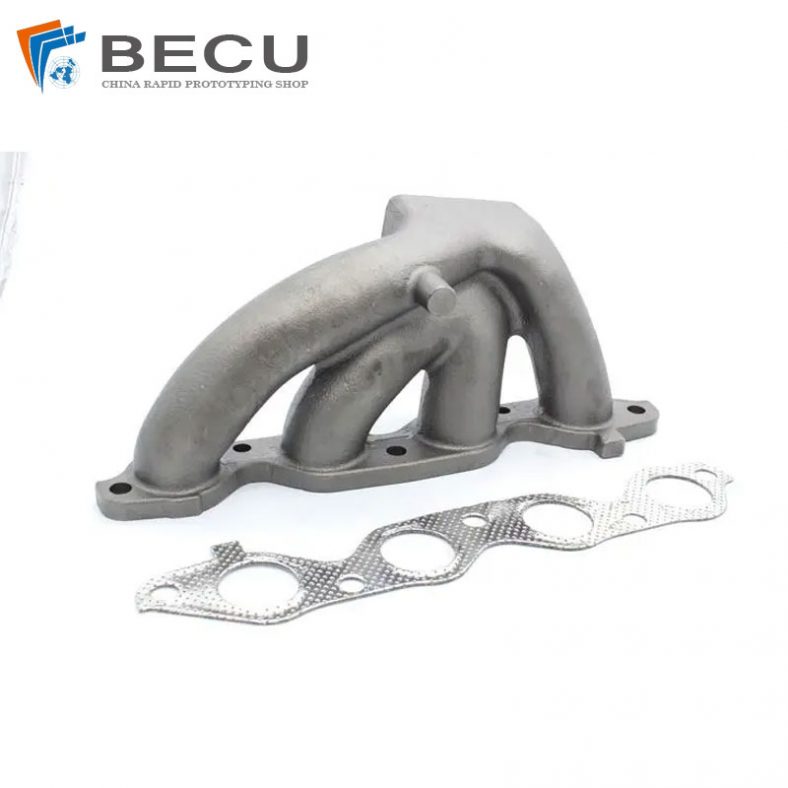
3D Printed Inconel Exhaust Manifold
-
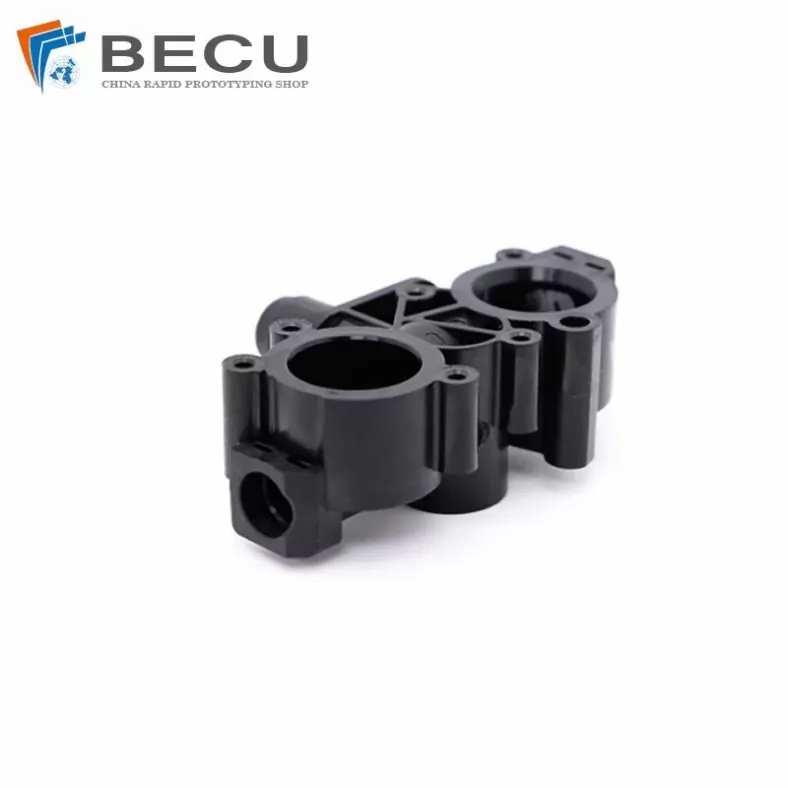
3D Printing And CNC Machining Custom Black PPS Valve
-
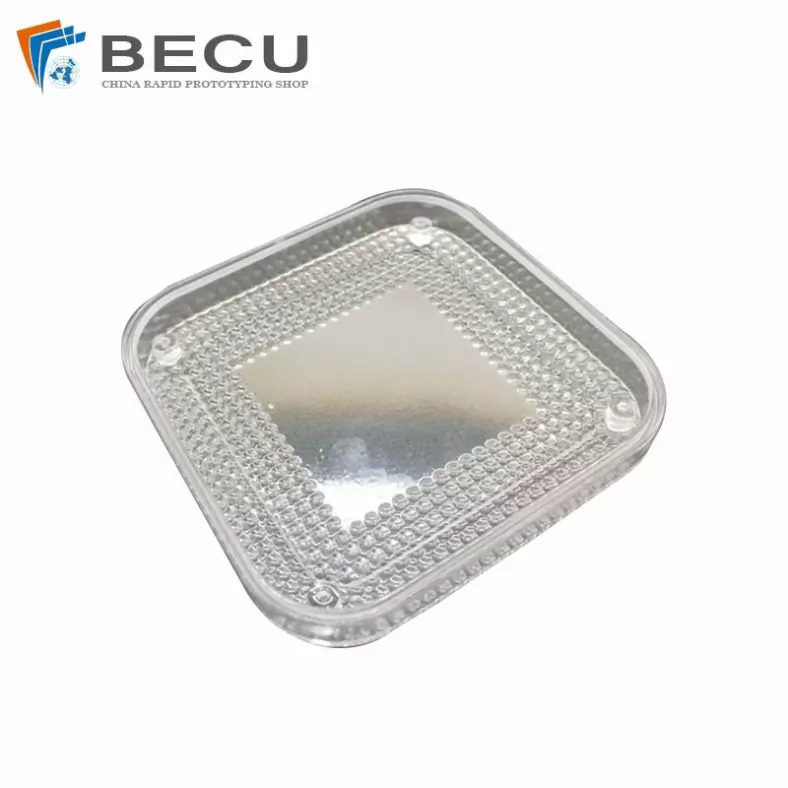
3D Printing Full Transparent Acrylic Lampshade Model
-
4 Axis CNC Machining Titanium Grade 5 Mobile Phone Buttons
-
4 Axis Machining Highly Transparent Acrylic LED Tunnel Light Lens