

A lead screw, also known as a power screw, is a type of mechanical device used to convert rotational motion into linear motion with the help of a threaded shaft. These components are widely employed in various industries such as aerospace, automotive, manufacturing, and robotics. Lead screws are commonly used in applications where precise linear motion and high axial loads are required, including CNC machines, medical devices, and laboratory instruments.This article explores the manufacturing process of lead screws, the different types, and the key inspection methods involved in ensuring the high-quality performance of these components. From the choice of materials to the final inspection techniques, understanding these processes is crucial for anyone involved in lead screw production or usage.
Lead Screw Types and Their Applications
Lead screws come in various configurations, each designed to meet specific performance requirements. The primary types of lead screws include:
1. Trapezoidal Lead Screws
Trapezoidal lead screws are the most common type of lead screws, characterized by a V-shaped thread profile. These screws are designed to provide an efficient conversion of rotational motion to linear motion with moderate efficiency and a relatively high load capacity. They are widely used in applications such as linear actuators, positioning systems, and machine tools.
2. Ball Screws
Ball screws are a variation of lead screws that use recirculating ball bearings between the nut and the screw. This design reduces friction significantly and improves the efficiency of the lead screw system. Ball screws are commonly found in precision machinery, robotics, and applications that require low backlash and high accuracy.
3. Acme Screws
Acme screws are similar to trapezoidal lead screws but with a more robust, square thread profile. These screws are designed to handle higher loads and offer greater durability compared to trapezoidal lead screws. Acme screws are frequently used in heavy-duty machinery, automotive jacks, and other industrial equipment.
4. Square Lead Screws
Square lead screws are a specialized form of trapezoidal lead screws, with the threads cut at a 90-degree angle to the axis of the screw. These screws are often used in precision linear motion applications, particularly when the required efficiency is high, and the load capacity needs to be moderate. They are found in devices such as scientific instruments, CNC equipment, and aerospace components.
Materials Used in Lead Screw Manufacturing
The choice of material for manufacturing lead screws is critical for ensuring their longevity, strength, and performance. The material must possess a combination of strength, wear resistance, and the ability to withstand operational stresses such as heat, corrosion, and high loads.
1. Carbon Steel
Carbon steel is one of the most commonly used materials for lead screws, particularly in applications where high strength and moderate corrosion resistance are required. It is easy to machine, cost-effective, and provides a good balance of performance in many standard applications.
2. Stainless Steel
Stainless steel is often used in lead screws that require resistance to corrosion, particularly in environments exposed to moisture, chemicals, or high temperatures. Stainless steel lead screws are typically used in medical devices, food processing equipment, and other industries where corrosion resistance is crucial.
3. Alloy Steel
Alloy steels, such as 4140 and 4340, are often chosen for lead screws that require high strength and toughness. These materials are commonly used in heavy-duty applications, such as industrial machinery and automotive systems, where high stresses and durability are required.
4. Brass
Brass lead screws are often used in light-load applications due to their self-lubricating properties. Brass has a low coefficient of friction and can provide smooth, quiet operation, making it ideal for consumer goods, precision instruments, and some medical applications.
5. Plastic and Composite Materials
For applications where weight, cost, and corrosion resistance are important, plastic lead screws made from materials like acetal, nylon, and PTFE are often used. These materials provide excellent wear resistance and low friction, making them suitable for light-duty applications or environments requiring reduced metal contact.
Lead Screw Manufacturing Process
The manufacturing process of lead screws involves several critical steps, each designed to achieve high precision and functional performance. These processes typically include thread cutting, material selection, heat treatment, and surface finishing.
1. Thread Cutting and Rolling
Lead screw threads are typically produced using two primary methods: thread cutting and thread rolling.
- Thread Cutting: In thread cutting, a machine tool removes material from the lead screw blank to form the desired thread profile. This method is slower but allows for greater flexibility in producing various thread types and sizes. It is often used for smaller quantities or special thread profiles.
- Thread Rolling: Thread rolling is a more efficient method for producing lead screw threads. It involves pressing the material between two hardened rollers to form the threads. This process is faster and results in stronger threads due to the work hardening of the material during the rolling process. Thread rolling is commonly used for mass production of lead screws, especially those made from carbon or alloy steels.
2. Heat Treatment
Heat treatment is a critical step in lead screw manufacturing, used to improve the hardness, strength, and wear resistance of the material. The most common heat treatment processes for lead screws include:
- Hardening: This process involves heating the lead screw material to a high temperature and then cooling it rapidly (quenching) to harden the material. This increases the material’s strength and wear resistance, making it more durable under heavy loads.
- Tempering: After hardening, lead screws are often tempered to reduce brittleness while maintaining the hardness. Tempering involves reheating the material to a lower temperature and allowing it to cool slowly, which enhances its toughness.
- Case Hardening: For certain lead screw materials, case hardening is applied to ensure a hard outer surface while maintaining a softer core. This process improves wear resistance without compromising the internal strength of the screw.
3. Surface Finishing
Surface finishing improves the appearance and functionality of the lead screw by reducing friction, increasing corrosion resistance, and providing a smooth surface for better engagement between the threads. Common surface finishing methods include:
- Grinding: Grinding is used to achieve a fine surface finish on the lead screw threads. It is often performed after heat treatment to ensure the threads are precisely formed and free from imperfections.
- Polishing: Polishing can be done to improve the aesthetic quality of the lead screw and to reduce surface roughness. This is especially important in applications where the lead screw is exposed to the user or visible.
- Coating: Lead screws can also be coated with materials such as zinc, nickel, or chrome to improve corrosion resistance. Coatings can extend the lifespan of lead screws, particularly in aggressive environments such as marine or chemical processing applications.
4. Assembly and Lubrication
After the lead screw has been manufactured, the next step is the assembly of the nut and lead screw mechanism. The nut is typically made of a material that offers a good balance of strength and wear resistance, such as bronze, brass, or plastic. In high-precision systems, the nut is designed to minimize backlash and friction.
Lubrication is another key aspect of the lead screw system. Proper lubrication reduces friction between the threads, preventing wear and ensuring smooth operation. Lubricants can be applied through grease, oil, or self-lubricating materials incorporated into the nut.
Lead Screw Inspection Methods
To ensure the performance, durability, and accuracy of lead screws, several inspection methods are used during the manufacturing process. These inspection methods are designed to detect defects such as thread misalignment, dimensional inaccuracies, surface imperfections, and material inconsistencies. Common lead screw inspection techniques include:
1. Dimensional Measurement
The primary purpose of dimensional measurement is to ensure that the lead screw meets the required specifications for thread pitch, diameter, length, and overall geometry. Common methods for dimensional inspection include:
- Micrometers and Calipers: These hand tools are used to measure the overall dimensions of the lead screw, including the diameter of the shaft and the height of the threads.
- Thread Gauges: A variety of thread gauges, such as plug gauges and ring gauges, are used to check the accuracy of the thread profile. These gauges help to ensure that the threads are correctly formed and meet the required tolerances.
- Coordinate Measuring Machines (CMMs): For high-precision measurement, CMMs are used to inspect the lead screw’s geometry and ensure it meets the exact specifications. CMMs provide highly accurate, three-dimensional measurements of the lead screw, including the alignment and fit of the threads.
2. Surface Quality Inspection
The surface quality of a lead screw is critical for its performance, especially in applications that require smooth motion and minimal friction. Surface roughness is often measured using profilometers or by visual inspection under magnification. Any imperfections, such as pitting, cracks, or irregularities in the threads, can impact the efficiency and lifespan of the lead screw.
3. Load and Durability Testing
To verify the load capacity and durability of lead screws, they are often subjected to load and endurance tests. These tests simulate real-world conditions to ensure that the lead screw can withstand operational forces and continue to function as expected over time. Lead screws may be subjected to axial loads, bending, and cyclic loading to simulate wear and fatigue.
4. Runout and Backlash Measurement
Runout and backlash are critical parameters that affect the performance of lead screw systems, particularly in applications requiring high precision. Runout refers to the deviation of the lead screw’s axis from its intended position, while backlash is the amount of movement that occurs when the direction of rotation is reversed. Specialized tools and devices, such as dial indicators, are used to measure these parameters and ensure that they are within acceptable tolerances.
Conclusion
Lead screws are integral components in a wide range of mechanical systems, and their manufacturing process requires careful consideration of materials, manufacturing methods, and precision measurement. From the initial thread rolling or cutting to the final inspection of surface quality and load capacity, each step is essential for producing high-performance lead screws that meet the demands of modern engineering applications.
As industries continue to evolve, so too does the technology behind lead screw manufacturing and inspection. Advances in materials, precision machining, and inspection techniques are continually enhancing the performance and longevity of lead screws, making them a vital component in the future of mechanical motion systems.
The Detail Of BE-CU Plastic Injection Company
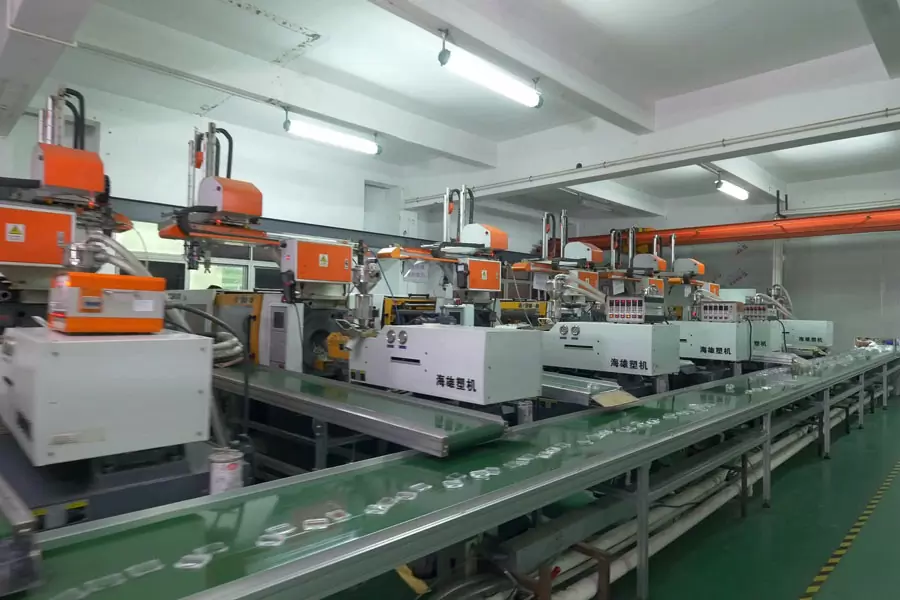
The core cooperative injection molding supplier has twelve 50T-200T injection molding machines, all of which are equipped with manipulators, mold temperature controllers, automatic assembly lines, and dust-free purification workshops. There are 4 automatic production lines in the oil spraying department: one 10,000-level automatic spraying production line (two sprays and two baking), 1 production line (one spray and one baking); 1 manual spraying production line, with a daily output of 150,000 pieces above. With brand-new professional technology, with an environmentally friendly anti-static, fully air-conditioned, dust-free workshop, the working environment is superior, the production equipment is complete, and the product testing equipment is perfect. Need mold making supplies for large quantities of production parts? Looking for a more cost effective and time efficient way of manufacturing parts? Don’t miss our injection molding services! At be-cu.com, we provide high quality and affordable injection molding for prototypes and production parts with quick turnaround times.
-

5 Axis CNC Machining Spiral Bevel Gear Mold
-
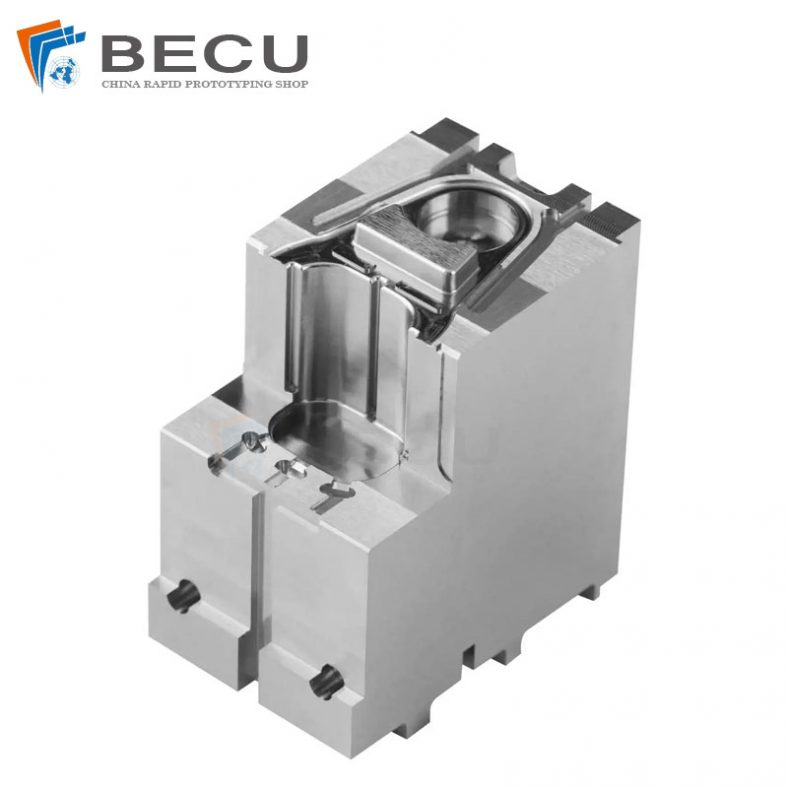
Small Precision Injection Molding Inserts
-
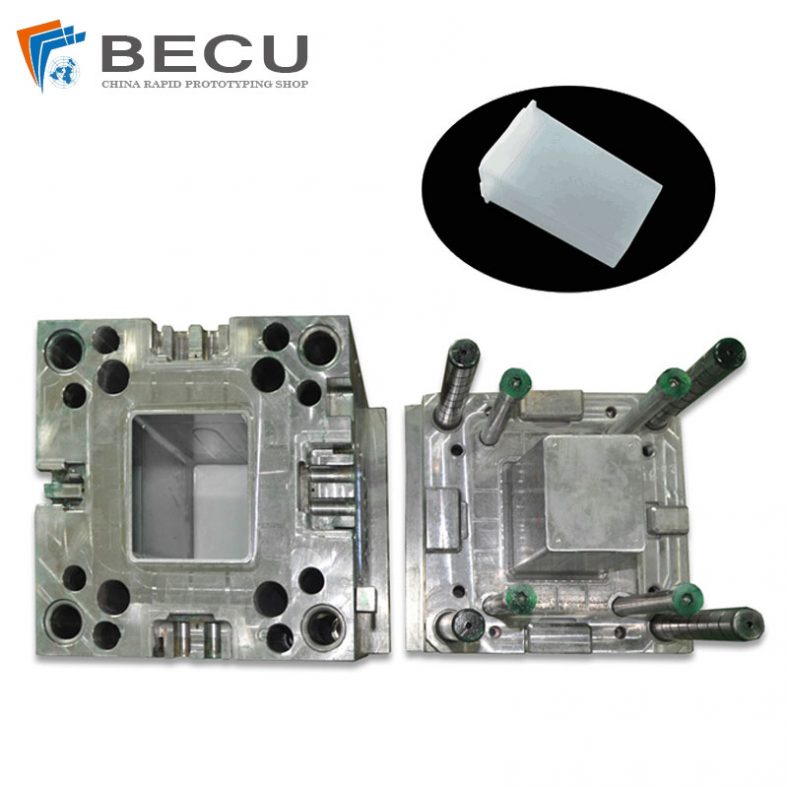
Plastic Storage Box Plastic Injection Mold
-
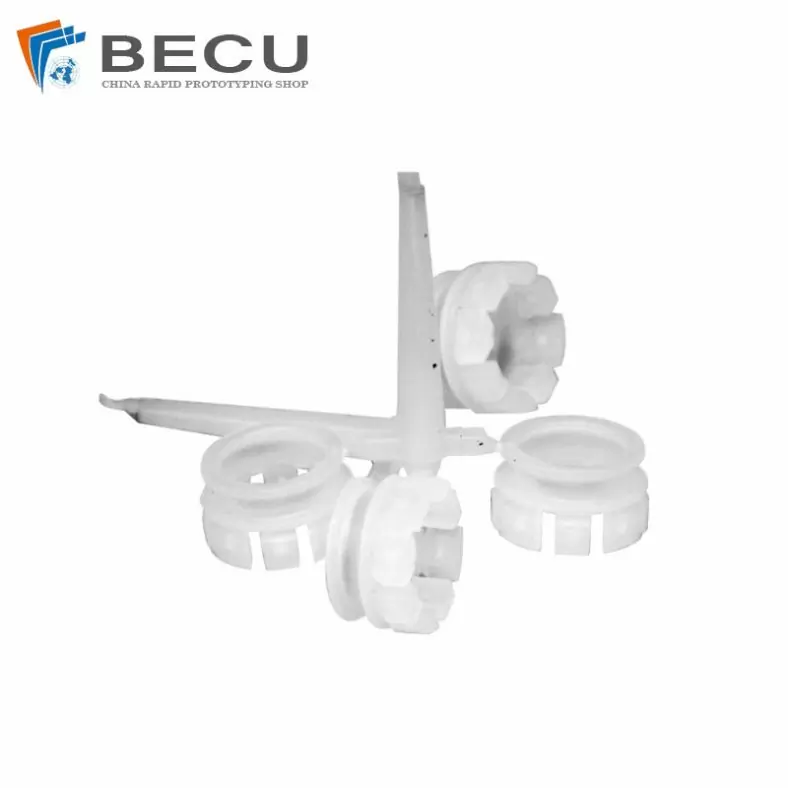
Injection Molding PE-UHMW Retaining Buckle And Ring
-
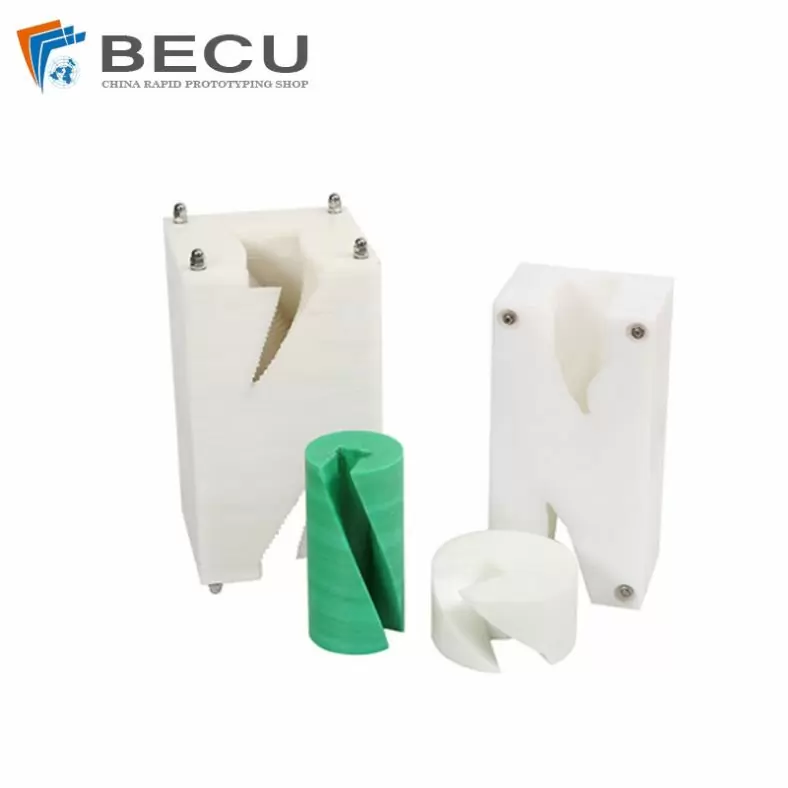
Cnc Machined UHMW-PE Bottle Turner
-
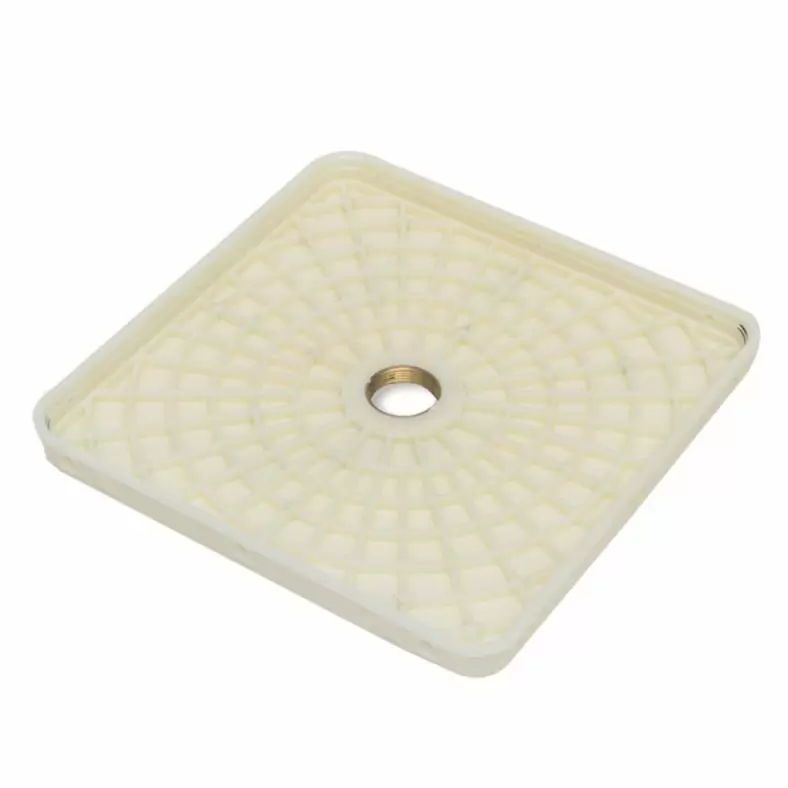
Shower Inclosure Sleeve By Plastic Injection
-
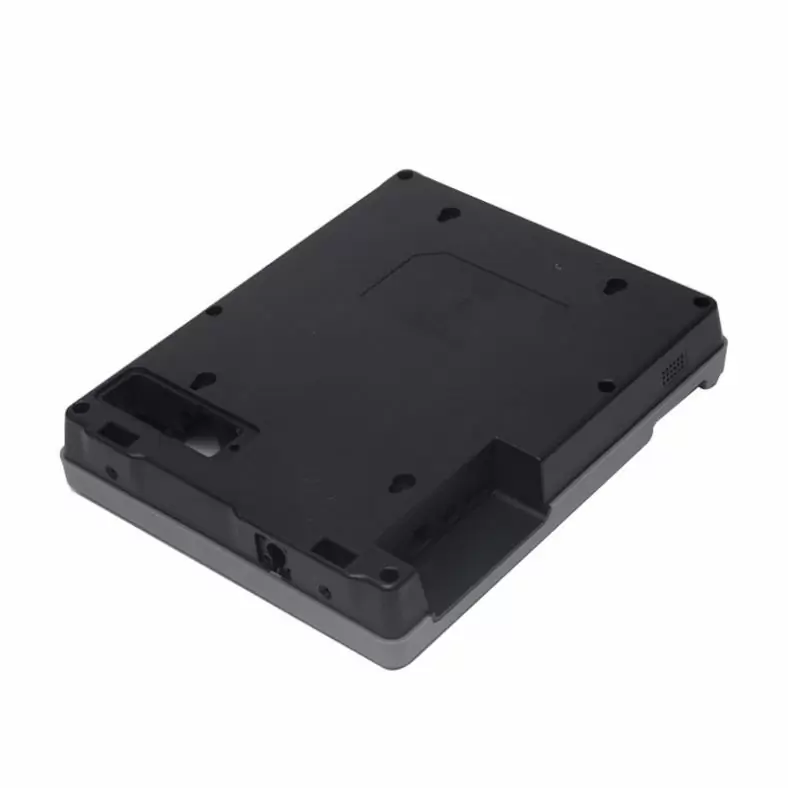
Injection Secret Security Machine Control Shell
-
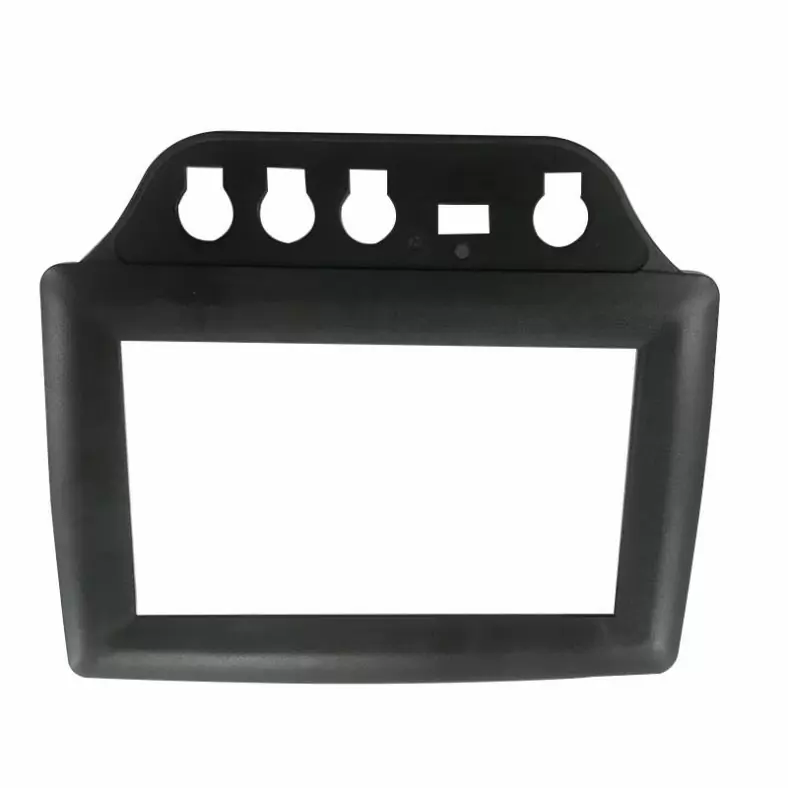
Sewing Machine Industrial Control Shell By Plastic Injection