

Drill bits are indispensable tools in machining, construction, and various industrial applications, particularly when working with challenging materials like steel.
Steel, an alloy primarily composed of iron and carbon, often with additional elements such as chromium, nickel, or molybdenum, varies widely in hardness, tensile strength, and toughness depending on its composition and heat treatment. Drilling through steel—especially hardened or stainless varieties—demands drill bits that exhibit exceptional hardness, strength, heat resistance, and durability.
This article explores the hardest and strongest drill bit materials available, with a focus on their suitability for steel, providing a scientific comparison of their properties, applications, and performance metrics. Detailed tables are included to facilitate an objective evaluation of these materials.
Drill bits are engineered cutting tools designed to remove material and create cylindrical holes in a workpiece. Their effectiveness depends on factors such as material composition, coating, geometry, and the drilling conditions (e.g., speed, feed rate, and lubrication). When drilling steel, the primary challenge lies in overcoming its mechanical properties, which can range from relatively soft low-carbon steel (e.g., A36 with a Rockwell hardness of approximately 70 HRB) to hardened tool steels or stainless steels exceeding 60 HRC (Rockwell C scale). Hardness, measured on scales like Mohs, Rockwell, or Vickers, indicates a material’s resistance to deformation, while strength refers to its ability to withstand applied forces without fracturing. For drill bits, both properties are critical, as they must penetrate steel without dulling, chipping, or breaking.

The quest for the hardest and strongest drill bits has led to the development of advanced materials, including high-speed steel (HSS), cobalt alloys, carbide (notably tungsten carbide), and diamond-enhanced variants like polycrystalline diamond (PCD). Each material offers unique advantages and trade-offs, influenced by its microstructure, thermal properties, and manufacturing process. This article delves into these materials, examining their chemical composition, mechanical properties, and practical performance when drilling steel, with an emphasis on scientific rigor and comparative analysis.
High-Speed Steel (HSS)
High-speed steel (HSS) is a family of tool steels alloyed with elements such as tungsten, molybdenum, chromium, and vanadium to enhance hardness, wear resistance, and heat tolerance. Introduced in the early 20th century, HSS revolutionized machining by allowing tools to operate at higher cutting speeds than carbon steels, which lose hardness above approximately 200°C. HSS drill bits typically contain 0.7–1.5% carbon, 4% chromium, and varying amounts of tungsten (up to 18%) or molybdenum (up to 10%), with vanadium (1–5%) improving grain refinement and wear resistance.
The hardness of HSS ranges from 62 to 67 HRC after heat treatment, achieved through quenching and tempering to form a martensitic microstructure with dispersed carbides. These carbides, such as M6C (where M represents metal atoms like tungsten or molybdenum), contribute to wear resistance. However, HSS softens significantly above 550–600°C, limiting its effectiveness for high-speed drilling of hardened steel. Its ultimate tensile strength is approximately 900–1200 MPa, and it exhibits moderate toughness, making it less prone to brittle fracture than harder materials.
For drilling steel, HSS is suitable for softer grades, such as mild steel or low-carbon steel, with hardness below 30 HRC. Its affordability and versatility make it a staple in general-purpose applications. However, when drilling hardened steel (e.g., 4140 or 4340 at 50–60 HRC), HSS dulls rapidly due to insufficient hardness and heat resistance. Coatings like titanium nitride (TiN) or black oxide can extend its life by reducing friction and improving heat dissipation, but these enhancements are insufficient for the most demanding steel-drilling tasks.
Cobalt Drill Bits
Cobalt drill bits are an evolution of HSS, alloyed with 5–8% cobalt to improve hardness and thermal stability. Common grades include M35 (5% cobalt) and M42 (8% cobalt), designations from the American Iron and Steel Institute (AISI). Cobalt enhances the matrix by stabilizing the martensitic structure and forming complex carbides, increasing hardness to 65–68 HRC and raising the softening temperature to around 600–650°C. This allows cobalt bits to maintain their cutting edge under the intense heat generated by drilling hard steel.
The microstructure of cobalt drill bits consists of a tempered martensite matrix with fine carbide precipitates, providing a balance of hardness and toughness. Their tensile strength ranges from 1000–1300 MPa, slightly higher than standard HSS, though increased cobalt content can reduce ductility, making M42 bits more brittle than M35. Cobalt’s primary advantage is its ability to drill stainless steel and hardened carbon steels (up to 50 HRC) effectively, where HSS fails.
In practice, cobalt bits excel in applications requiring moderate hardness and heat resistance, such as drilling 304 or 316 stainless steel (approximately 20–40 HRC) or heat-treated alloy steels. Their cutting edges can be resharpened, unlike coated bits where the coating wears off, offering a cost-effective solution for repeated use. However, for extremely hard steels (above 55 HRC), cobalt bits struggle with rapid wear and potential chipping, necessitating slower speeds and lubrication (e.g., cutting oil) to mitigate heat buildup.
Carbide Drill Bits
Carbide drill bits, typically made from tungsten carbide (WC) bonded with a metallic binder (usually 6–10% cobalt), represent a leap in hardness and durability. Tungsten carbide, a ceramic-metal composite, has a Mohs hardness of 9–9.5 (compared to diamond’s 10) and a Vickers hardness of 1600–2200 HV, far exceeding HSS and cobalt alloys. Its compressive strength exceeds 6000 MPa, though its tensile strength is lower (300–500 MPa) due to its brittle nature. The cobalt binder enhances toughness, but carbide remains prone to fracture under lateral forces, making it unsuitable for handheld drilling without rigid setups.
Carbide’s exceptional hardness stems from its covalent WC lattice, while its heat resistance (up to 1000°C) and low thermal expansion coefficient (5.2 × 10⁻⁶ K⁻¹) enable it to withstand the frictional heat of high-speed drilling. Solid carbide bits are manufactured via powder metallurgy, sintering WC particles with cobalt at high temperatures, while carbide-tipped bits feature WC inserts brazed onto a steel shank, balancing cost and performance.
For steel, carbide bits are unrivaled in drilling hardened grades, such as tool steels (e.g., D2 at 60 HRC) or high-strength low-alloy (HSLA) steels. Their sharpness and wear resistance allow precise, clean holes with minimal burring, even at high speeds (e.g., 1000–2000 RPM for small diameters). However, their brittleness requires stable machinery like CNC mills or drill presses, and they benefit from coolant to prevent thermal shock. Carbide’s high cost—often 5–10 times that of HSS—limits its use to professional or industrial settings where longevity and precision justify the investment.
Polycrystalline Diamond (PCD) Drill Bits
Polycrystalline diamond (PCD) drill bits feature a layer of synthetic diamond particles sintered onto a carbide substrate, offering the ultimate in hardness and wear resistance. Diamond, with a Mohs hardness of 10 and Vickers hardness exceeding 10,000 HV, is the hardest known material, capable of cutting through virtually any steel. PCD bits are produced by high-pressure, high-temperature (HPHT) synthesis, bonding diamond grains into a polycrystalline structure that retains diamond’s properties while improving toughness over single-crystal diamond.
PCD’s thermal conductivity (approximately 540 W/m·K) surpasses carbide’s (80–100 W/m·K), efficiently dissipating heat, though its maximum operating temperature is limited to 700–800°C due to graphitization risks. Its compressive strength approaches 7000 MPa, but like carbide, its tensile strength is low (200–300 MPa), reflecting brittleness. PCD bits are typically used as tips or inserts rather than solid tools, reducing costs while leveraging diamond’s cutting ability.
In steel drilling, PCD excels with abrasive or ultra-hard varieties, such as high-carbon tool steels or wear-resistant alloys exceeding 60 HRC. Its wear resistance extends tool life 10–20 times beyond carbide, making it ideal for high-volume production. However, PCD’s brittleness and cost (often exceeding $100 per bit) restrict its use to specialized applications, and it performs poorly with softer, gummy steels (e.g., low-carbon steel) that cause buildup on the cutting edge.
Comparative Analysis
To evaluate these materials scientifically, key properties—hardness, strength, heat resistance, toughness, and cost—must be compared alongside their performance in drilling steel. Hardness determines penetration ability, strength and toughness affect durability, and heat resistance governs performance at high speeds. Cost influences practical adoption.
- Hardness: PCD (10 Mohs, >10,000 HV) vastly outstrips carbide (9–9.5 Mohs, 1600–2200 HV), cobalt (65–68 HRC, ~700–800 HV), and HSS (62–67 HRC, ~650–750 HV). For steel above 50 HRC, only carbide and PCD consistently cut without excessive wear.
- Strength and Toughness: HSS and cobalt offer higher tensile strength and ductility, resisting fracture in handheld drills. Carbide and PCD, while compressively strong, are brittle, requiring rigid setups.
- Heat Resistance: PCD and carbide tolerate temperatures up to 700–1000°C, compared to 600–650°C for cobalt and 550°C for HSS, making them superior for high-speed steel drilling.
- Cost: HSS is the most affordable ($1–$5 per bit), followed by cobalt ($5–$20), carbide ($20–$100), and PCD ($100+), reflecting their material and manufacturing complexity.
Performance in Steel Drilling
Drilling tests reveal distinct performance profiles. For mild steel (20–30 HRC), HSS with a 118° point angle drills efficiently at 500–1000 RPM with cutting oil, achieving a tool life of 50–100 holes before dulling. Cobalt bits, with a 135° split point, handle stainless steel (30–40 HRC) at 300–600 RPM, lasting 30–70 holes. Carbide bits excel in hardened steel (50–60 HRC) at 1000–2000 RPM, drilling 100–300 holes with coolant. PCD bits dominate ultra-hard steels (>60 HRC), achieving 500+ holes in controlled conditions, though they require precise alignment to avoid chipping.
Table 1: Material Properties
| Material | Hardness (HRC/HV/Mohs) | Tensile Strength (MPa) | Heat Resistance (°C) | Toughness | Cost per Bit ($) |
|---|---|---|---|---|---|
| HSS | 62–67 / 650–750 / 6–7 | 900–1200 | 550 | High | 1–5 |
| Cobalt (M35/M42) | 65–68 / 700–800 / 7 | 1000–1300 | 600–650 | Moderate | 5–20 |
| Carbide (WC-Co) | 85–92 / 1600–2200 / 9–9.5 | 300–500 | 1000 | Low | 20–100 |
| PCD | >90 / >10,000 / 10 | 200–300 | 700–800 | Very Low | 100+ |
Table 2: Performance in Steel Types
| Steel Type | Hardness (HRC) | Best Material | Recommended RPM | Tool Life (Holes) | Notes |
|---|---|---|---|---|---|
| Mild Steel | 20–30 | HSS | 500–1000 | 50–100 | Cost-effective, versatile |
| Stainless Steel | 30–40 | Cobalt | 300–600 | 30–70 | Heat-resistant, sharpenable |
| Hardened Steel | 50–60 | Carbide | 1000–2000 | 100–300 | Precision, requires coolant |
| Ultra-Hard Steel | >60 | PCD | 800–1500 | 500+ | Expensive, production use |
Table 3: Practical Considerations
| Material | Handheld Use | Resharpening | Equipment Needed | Common Coatings |
|---|---|---|---|---|
| HSS | Yes | Yes | Drill press or handheld | TiN, Black Oxide |
| Cobalt | Yes | Yes | Drill press preferred | None or TiN |
| Carbide | No | Limited | CNC, drill press | TiAlN, Diamond-like |
| PCD | No | No | CNC, precision setup | None |
Conclusion
The “best” drill bit material for steel depends on the specific steel grade, drilling conditions, and budget. HSS suffices for soft steels, offering affordability and ease of use. Cobalt bridges the gap for stainless and moderately hard steels, balancing performance and cost. Carbide dominates hardened steels with its hardness and heat resistance, ideal for industrial precision. PCD, the hardest and most durable, is reserved for ultra-hard steels in specialized applications. For most steel-drilling tasks, carbide strikes the optimal balance of hardness, strength, and practicality, making it the preferred choice for professionals tackling hardened steel.
This analysis, grounded in material science and empirical performance, equips users with the knowledge to select the strongest and hardest drill bits tailored to their steel-drilling needs, supported by comprehensive data and comparative insights.
The Detail Of BE-CU Cnc Machining Shop
BE-CU.COM – As an accomplished CNC machining Service Manufacturer and CNC shop, BE-CU Prototype has been specialized in OEM CNC lathing, custom CNC machining parts production and rapid CNC machining services China for over 35 years and always maintaining the highest standard in delivery speed and reliable quality of precision CNC manufacturing components. With the help of high-level technology and efficient equipment, as well as rigorous attitude, BE-CU passed the ISO9001:2015 quality certification, which supports the long-term development of CNC milling services, CNC turning services, CNC milling-turning, CNC drilling services, 3/4/5 axis machining, gear machining services, CNC machining China custom parts and service, small parts machining, etc.Our CNC machining products can be utilized in a broad range of industries. Contact us for email: [email protected]
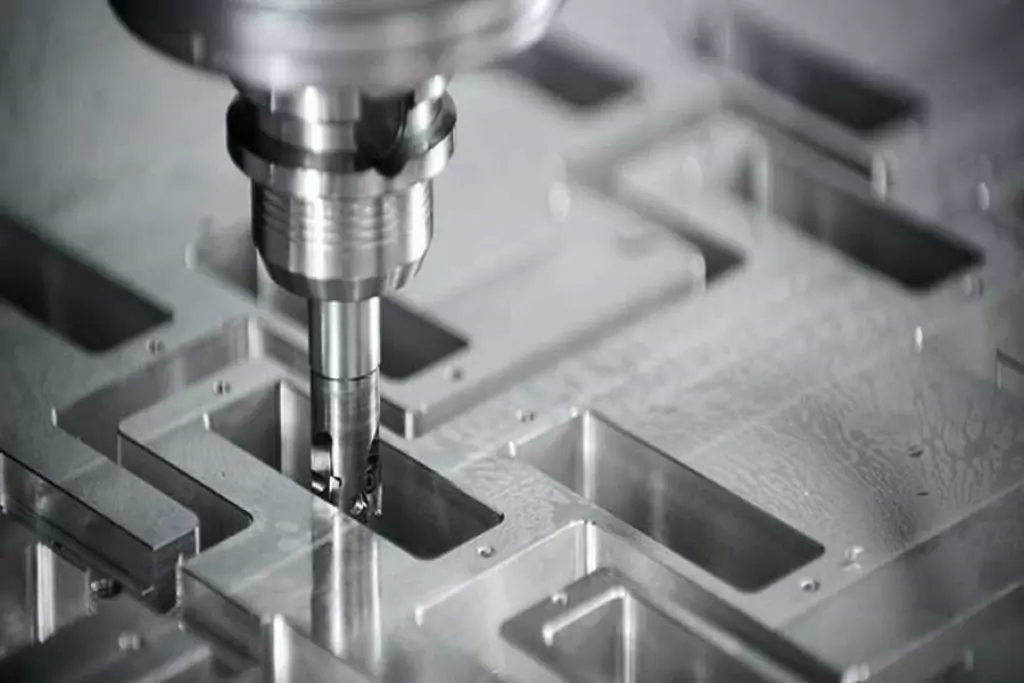
-
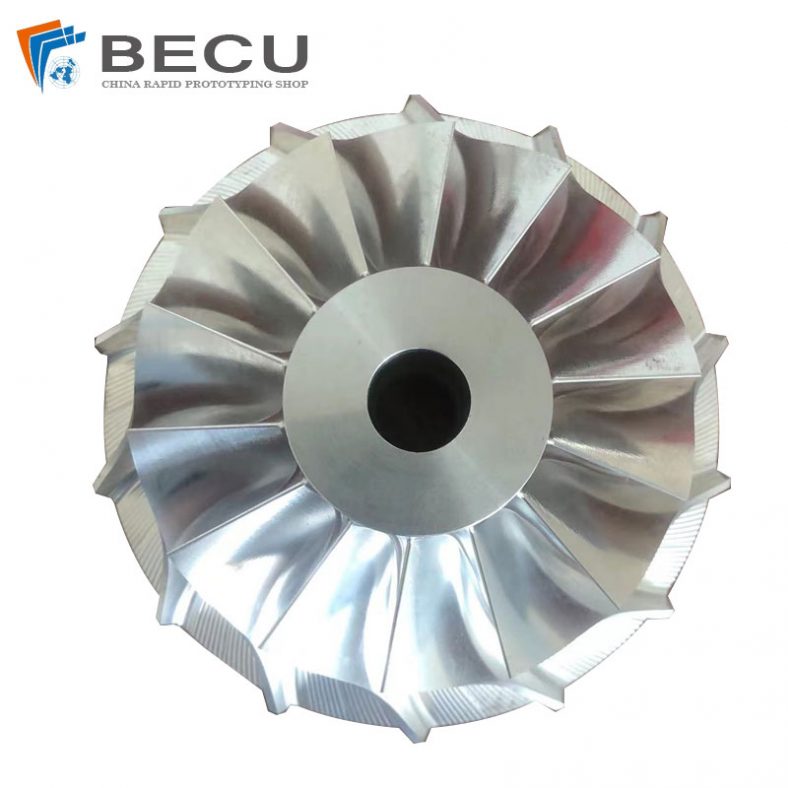
3-Way Centrifugal Compressor Closed Impeller By 5 Axis Machining
-
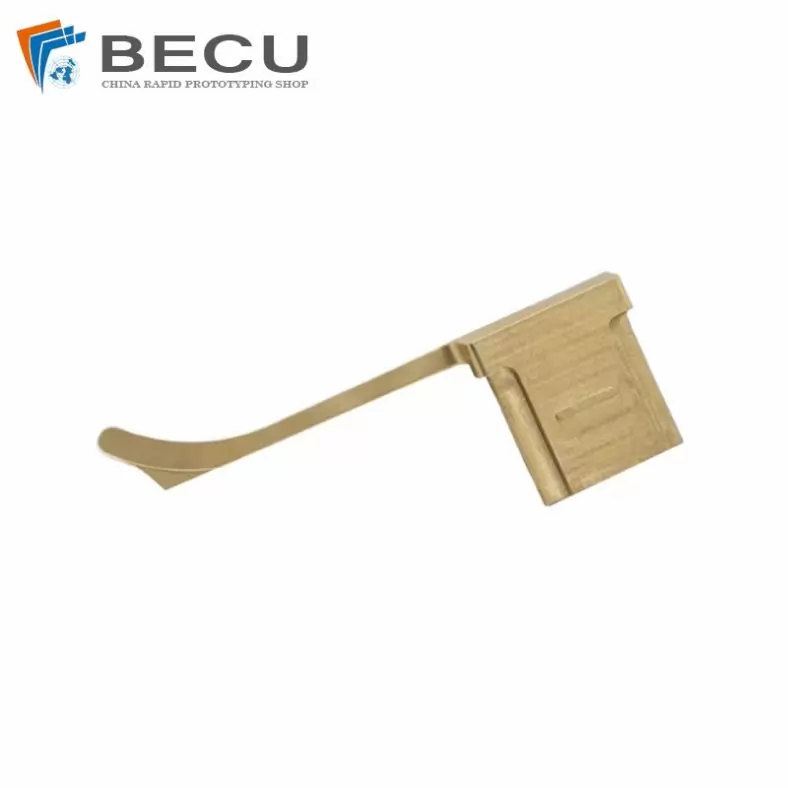
3/4/5 Axis Precision Milling Custom Vehicle Parts
-
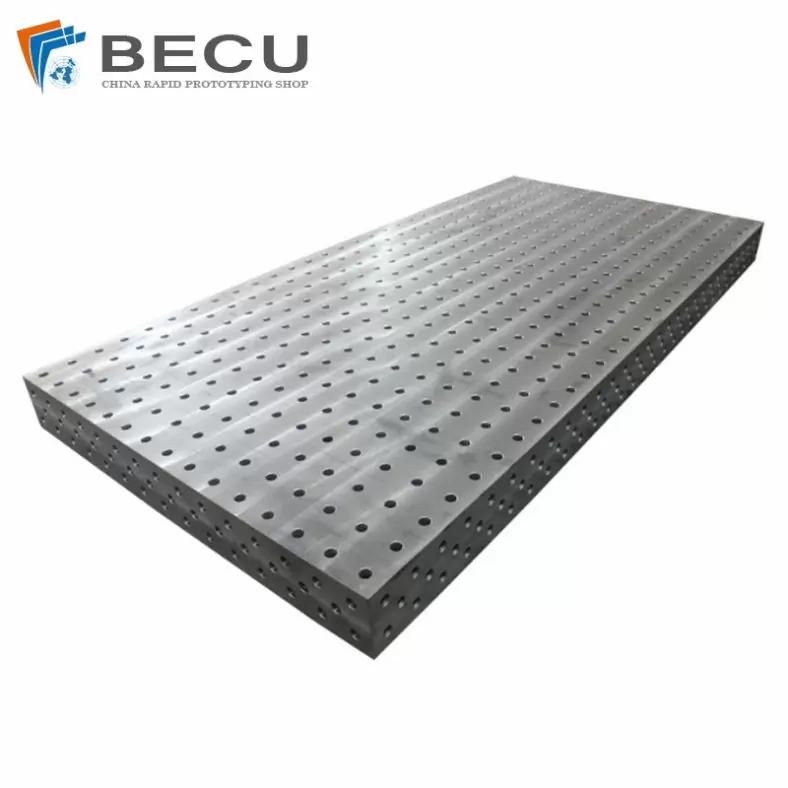
3D Flexible Welding Platform By Large Machining
-
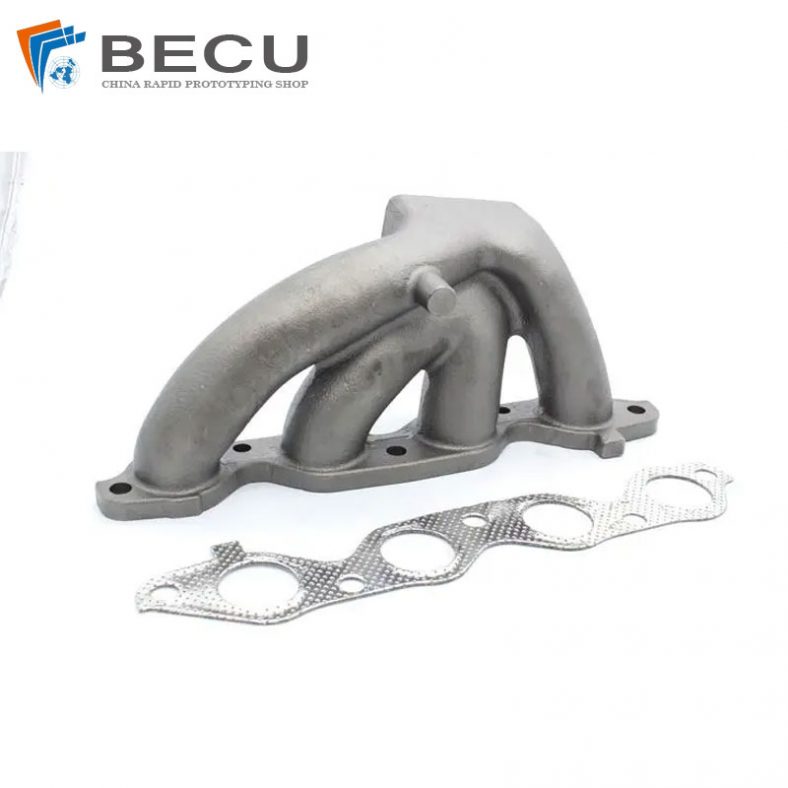
3D Printed Inconel Exhaust Manifold
-
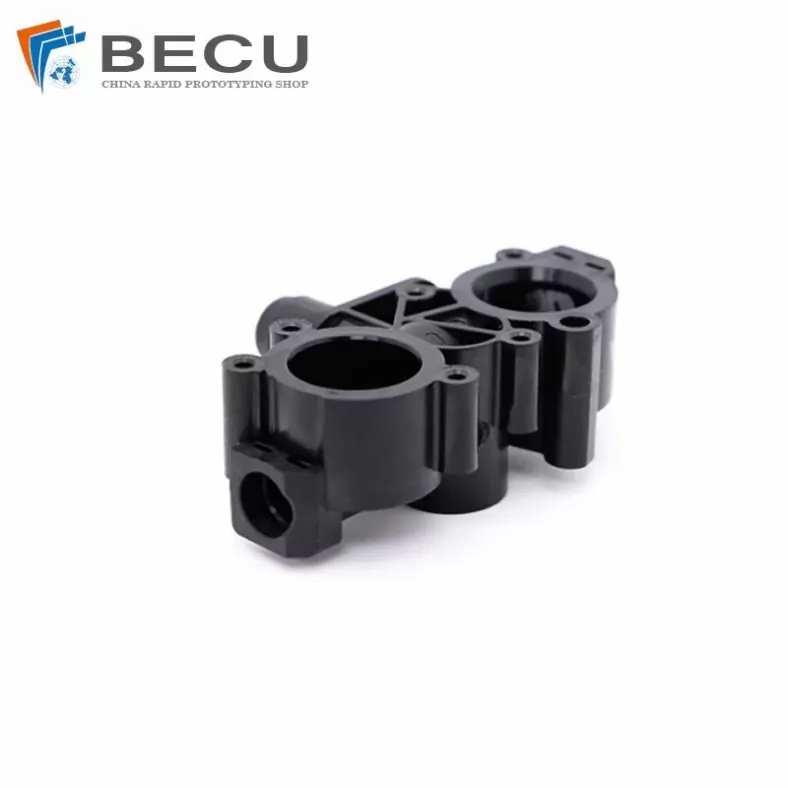
3D Printing And CNC Machining Custom Black PPS Valve
-
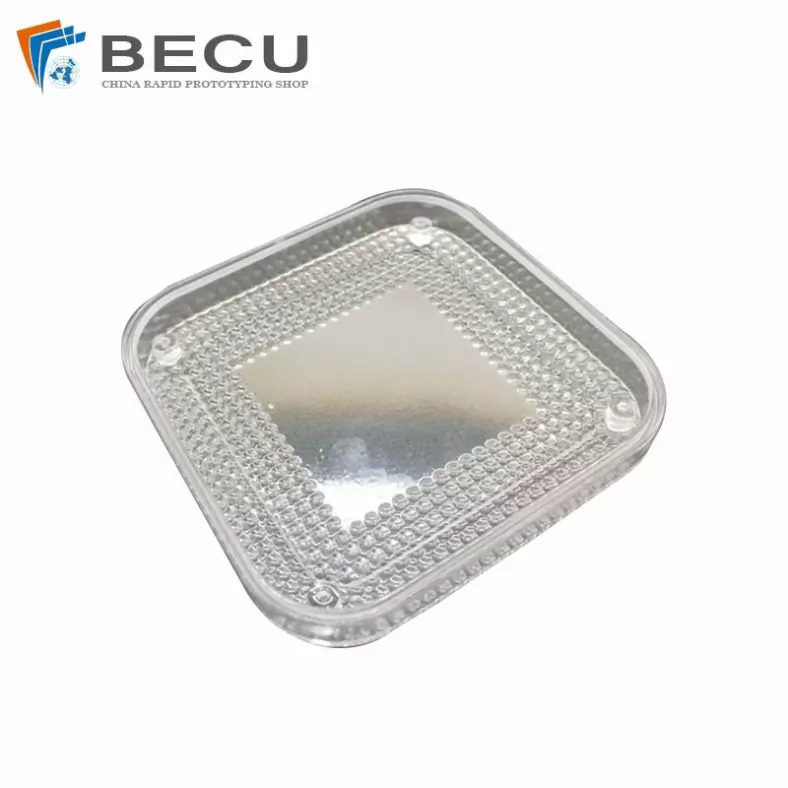
3D Printing Full Transparent Acrylic Lampshade Model
-
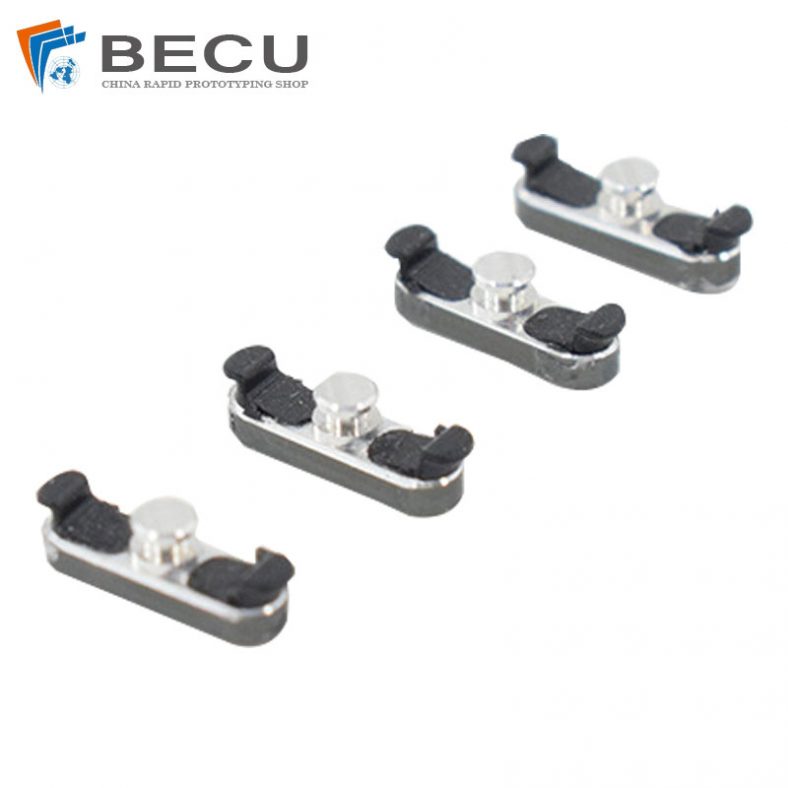
4 Axis CNC Machining Titanium Grade 5 Mobile Phone Buttons
-
4 Axis Machining Highly Transparent Acrylic LED Tunnel Light Lens