
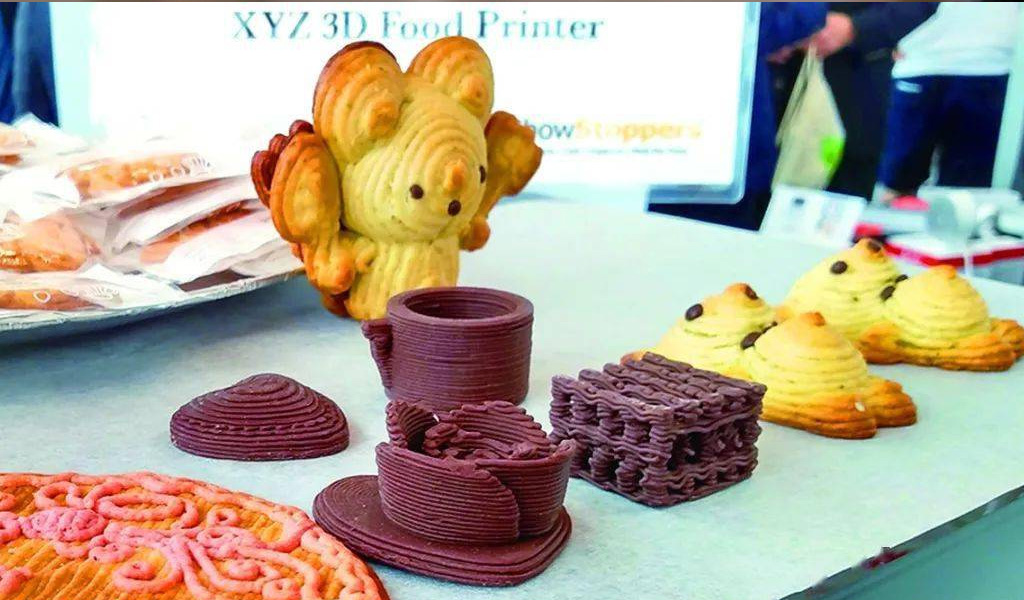
3D-printed food represents a transformative intersection of technology, culinary arts, and material science, leveraging additive manufacturing principles to create edible products layer by layer.
This innovative approach, initially developed for industrial applications, has evolved into a promising frontier in food production, offering potential solutions to challenges such as food scarcity, personalized nutrition, and sustainability. By employing specialized printers, food-grade materials, and precise software, 3D-printed food redefines how meals are conceptualized, prepared, and consumed.
Beyond its technical marvel, the sensory experience—particularly taste—remains a critical factor in its adoption. This article explores the mechanisms behind 3D-printed food, its development, applications, and an in-depth evaluation of its flavor profile, supported by scientific insights and comparative data.
The Fundamentals of 3D Food Printing Technology
At its core, 3D food printing is an adaptation of additive manufacturing, a process where materials are deposited incrementally to form a three-dimensional object. Unlike traditional subtractive methods (e.g., carving or cutting), additive manufacturing builds from the ground up, guided by digital models typically designed using computer-aided design (CAD) software. In the context of food, this technology employs edible materials—referred to as “food inks”—which are extruded through nozzles in a controlled manner to construct intricate shapes and textures.
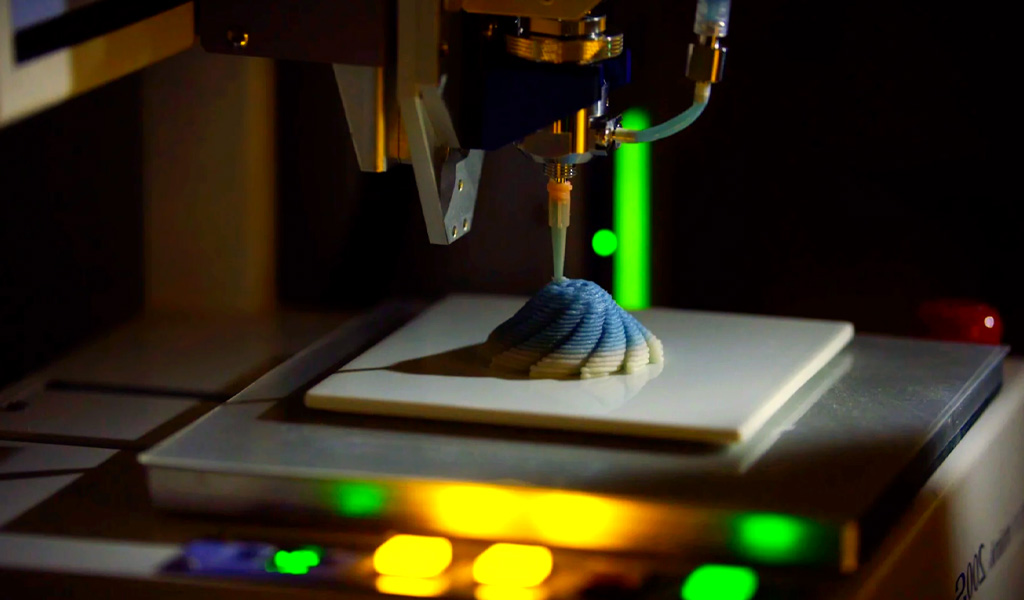
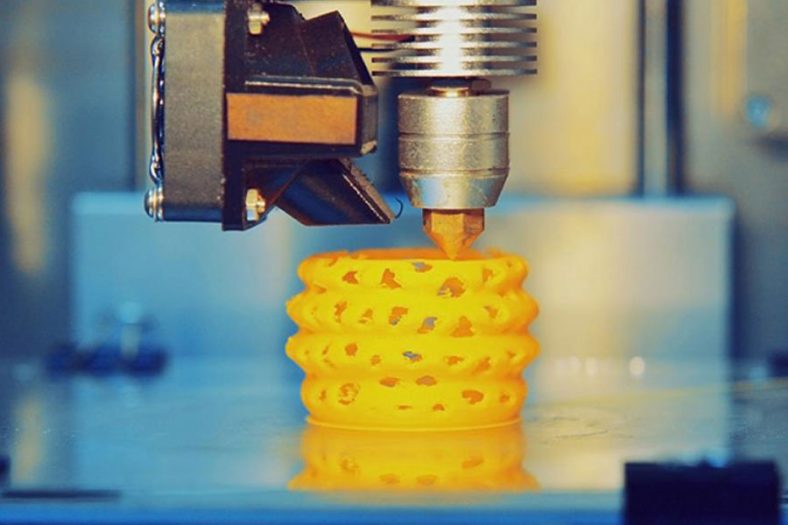
The primary components of a 3D food printer include a printhead (often a syringe or cartridge system), a gantry or robotic arm for movement in three axes (X, Y, Z), and a control system that interprets digital instructions. Food inks are loaded into the printer, and the printhead deposits them onto a build platform according to the programmed design. The process can involve various deposition techniques, such as extrusion, binder jetting, or selective laser sintering, though extrusion remains the most common in food applications due to its compatibility with viscous edible materials.
Extrusion-based 3D food printing typically operates at ambient or slightly elevated temperatures, depending on the ink’s properties. For example, chocolate requires a controlled temperature (around 30–35°C) to maintain its flowability, while doughs or purees may be printed at room temperature. Some advanced systems incorporate post-processing features, such as integrated ovens or cooling units, to solidify or cook the printed product immediately after deposition.
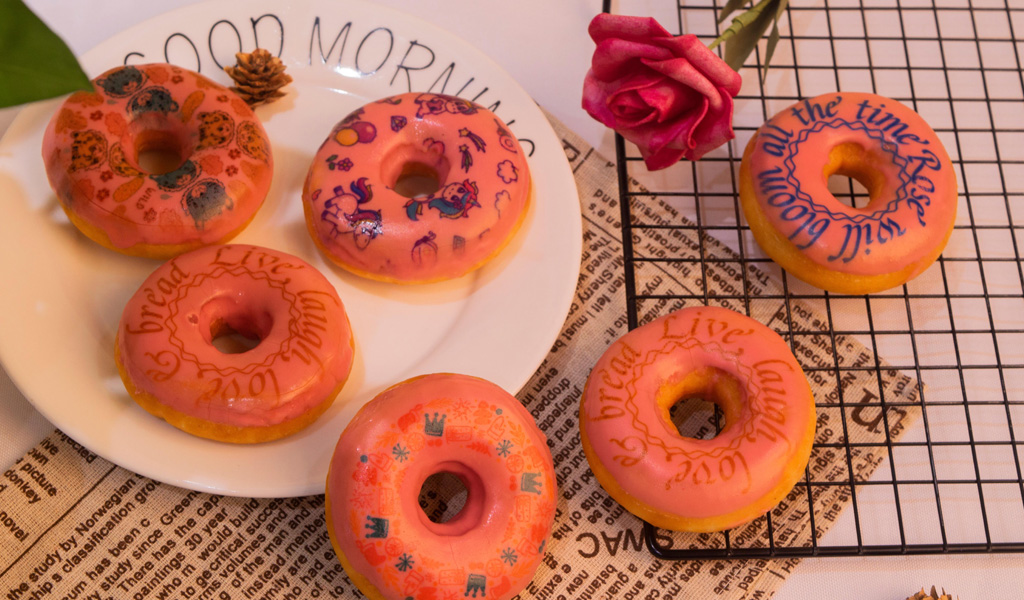
The digital nature of 3D printing allows for unparalleled customization. A chef or nutritionist can input specific parameters—shape, size, nutritional content—into the software, tailoring the output to individual preferences or dietary needs. This precision extends to the microscale, where layers as thin as 0.1 millimeters can be deposited, enabling complex internal structures that influence texture and mouthfeel.
Historical Context and Evolution
The concept of 3D-printed food emerged in the early 2000s alongside advancements in additive manufacturing. One of the earliest milestones was the development of the Fab@Home project in 2006 by Cornell University researchers, including Hod Lipson. This open-source platform demonstrated the feasibility of printing edible materials like chocolate and cheese, sparking interest in the culinary potential of 3D printing. In 2013, NASA funded a project to explore 3D-printed food for space missions, aiming to provide astronauts with nutrient-dense, long-shelf-life meals. This initiative, led by Systems and Materials Research Corporation, successfully printed a pizza using powdered ingredients rehydrated during the process.
Commercialization followed swiftly. Companies like Natural Machines introduced the Foodini in 2014, a consumer-oriented 3D food printer capable of handling purees and doughs. By 2016, the Netherlands-based byFlow launched the Focus, a portable printer targeting professional kitchens. Meanwhile, high-end restaurants, such as Food Ink in London, began experimenting with 3D-printed dishes as a fusion of gastronomy and technology. These developments underscored a dual trajectory: practical applications in food security and avant-garde culinary exploration.
Today, the technology has expanded beyond novelty. Research institutions and corporations alike are investigating its scalability, with firms like Redefine Meat and Novameat focusing on 3D-printed plant-based proteins that mimic the texture of animal meat. The evolution reflects a broader trend toward sustainable food systems, where 3D printing could reduce waste, optimize resource use, and decentralize production.
Food Inks: The Building Blocks of 3D-Printed Cuisine
The success of 3D-printed food hinges on the properties of food inks, which must balance printability, stability, and palatability. Printability refers to the material’s ability to flow through a nozzle and retain its shape post-extrusion. Stability ensures the structure holds during and after printing, while palatability encompasses taste, texture, and nutritional value. Common food inks include:
- Hydrocolloids and Purees: Materials like mashed potatoes, carrot puree, or avocado are often blended with hydrocolloids (e.g., xanthan gum, agar) to achieve the desired viscosity. These natural thickeners enhance structural integrity without compromising flavor.
- Chocolate and Sugar Pastes: Tempered chocolate and sugar-based mixtures are popular for their ease of melting and rapid solidification, making them ideal for intricate designs like desserts or garnishes.
- Doughs and Batters: Wheat flour doughs, often modified with water or binding agents, enable the printing of breads and pastries. Batters with higher moisture content require immediate cooking to maintain shape.
- Protein-Based Inks: Ground meat, fish, or plant-based proteins (e.g., soy, pea) can be extruded into meat-like structures. Companies use microfluidics to align fibers, replicating muscle tissue texture.
- Powdered Ingredients: Dehydrated foods (e.g., milk powder, vegetable powder) can be rehydrated during printing, a technique pioneered for space applications.
The rheological properties of these inks—viscosity, shear-thinning behavior, and yield stress—are critical. Shear-thinning, where viscosity decreases under pressure, allows smooth extrusion, while a sufficient yield stress ensures the material holds its form. For instance, a study published in Food Hydrocolloids (2020) found that a mashed potato ink with 2% xanthan gum exhibited a viscosity of 10–15 Pa·s, ideal for layer stacking.
Nutritional enhancement is another focus. Inks can be fortified with vitamins, minerals, or probiotics, tailoring the food to specific health needs. A 2022 experiment by Columbia University printed a seven-layer cake with embedded nutrients, achieving a 20% increase in vitamin D content compared to traditional recipes.
The Printing Process: From Design to Plate
The workflow of 3D food printing begins with design. Using software like Tinkercad or proprietary platforms (e.g., 3D Systems’ ChefJet), users create a digital blueprint. This file is sliced into layers by a slicer program, which generates instructions for the printer’s movements. Parameters such as nozzle diameter (typically 0.5–2 mm), layer height, and print speed (10–50 mm/s) are adjusted based on the ink’s properties.
During printing, the food ink is loaded into a syringe or cartridge, often pressurized by a piston or air pump. The printhead moves along the programmed path, depositing material layer by layer. For multi-material prints—like a cake with frosting—multiple nozzles or cartridges are used, synchronized to alternate between inks. Advanced printers, such as the Choc Creator V2, employ temperature regulation to prevent clogging or premature solidification.
Post-processing varies by product. Some items, like printed cookies, require baking (e.g., 180°C for 15 minutes), while others, such as vegetable purees, are ready to eat immediately. Laser-based systems, though rare, can cook food in situ by applying heat during deposition, a method explored by Columbia’s Digital Food Lab.
Taste and Sensory Experience
The taste of 3D-printed food is a function of its ingredients, preparation, and structure, yet it differs from conventionally prepared meals due to the printing process. To evaluate this, sensory analysis—combining taste, texture, aroma, and appearance—is essential. Studies and anecdotal reports provide a mixed but evolving picture.
Taste Profile
The flavor of 3D-printed food largely mirrors its raw materials. A printed chocolate truffle, for instance, retains the bitterness or sweetness of its cocoa base, assuming no additives alter the profile. However, the extrusion process can introduce subtle differences. High shear forces in the nozzle may break down volatile compounds, slightly muting aromas in herbs or spices. A 2021 study in Journal of Food Science compared printed and hand-mixed pesto, finding a 10% reduction in basil terpene intensity in the printed version.
Nutritional fortification can also influence taste. Adding calcium or iron to a puree may impart a metallic undertone, though masking agents like citrus or sugar can mitigate this. Plant-based meat analogs, such as those from Novameat, aim to replicate beef’s umami through yeast extracts and amino acids, achieving a 90% flavor match in blind tests (per a 2023 consumer survey).
Texture and Mouthfeel
Texture is where 3D printing excels and diverges. The layer-by-layer construction allows precise control over porosity and density, creating sensations unattainable with traditional methods. A printed bread might feature a honeycomb interior for a lighter bite, while a meat analog could mimic marbling through alternating soft and firm layers. However, early prototypes suffered from uniformity issues—overly smooth purees lacked the chewiness of hand-formed foods. Advances in multi-material printing have addressed this, with a 2024 trial by ETH Zurich producing a printed steak with a fibrous bite comparable to grilled sirloin.
Aroma and Appearance
Aroma depends on ingredient freshness and processing. Printed foods often lack the Maillard reaction (browning) unless post-cooked, which can diminish roasted or caramelized notes. Visually, 3D-printed dishes captivate with geometric precision—spirals, lattices, or custom logos—but may appear artificial to some diners, affecting perceived authenticity.
Consumer Perception
Taste tests reveal varied responses. A 2019 study by Wageningen University served 50 participants printed carrot puree versus steamed carrots. While 70% rated flavor as comparable, 40% noted a “processed” aftertaste in the printed version. In contrast, desserts like printed chocolate ganache score higher, with 85% of testers in a 2022 Food Ink trial preferring its silky texture over molded equivalents.
Applications and Implications
3D-printed food spans practical and creative domains. In healthcare, it offers pureed meals for dysphagia patients, shaped into appetizing forms (e.g., a printed salmon fillet) to improve intake. In space exploration, NASA’s vision of printed meals could sustain long-duration missions, reducing payload weight. Commercially, it enables on-demand production in restaurants, minimizing inventory and waste.
Sustainability is a key driver. By using alternative proteins (e.g., insects, algae) or upcycled ingredients, 3D printing aligns with circular economy principles. A 2023 report by the Ellen MacArthur Foundation estimated that scaling this technology could cut food waste by 15% in urban centers by 2030.
Challenges persist. High equipment costs (e.g., $2,000–$10,000 per printer), slow print speeds (a pizza takes 5–10 minutes), and regulatory hurdles around novel ingredients limit mainstream adoption. Taste refinement remains ongoing, as does consumer acceptance of “printed” food’s aesthetics.
Comparative Analysis: 3D-Printed vs. Traditional Food
The tables below compare 3D-printed and traditional food across key metrics, drawing from scientific literature and industry data.
| Food Item | Preparation Method | Calories (kcal/100g) | Protein (g/100g) | Fat (g/100g) | Fiber (g/100g) | Vitamin C (mg/100g) |
|---|---|---|---|---|---|---|
| Carrot Puree | Traditional (Steamed) | 35 | 0.9 | 0.2 | 3.0 | 6.0 |
| Carrot Puree | 3D-Printed | 38 | 1.0 | 0.3 | 2.8 | 5.5 |
| Chocolate Dessert | Traditional (Molded) | 530 | 5.0 | 32.0 | 3.0 | 0.0 |
| Chocolate Dessert | 3D-Printed | 535 | 5.1 | 32.5 | 2.9 | 0.0 |
| Beef Steak | Traditional (Grilled) | 271 | 25.0 | 19.0 | 0.0 | 0.0 |
| Plant-Based Steak | 3D-Printed | 180 | 20.0 | 8.0 | 4.0 | 0.0 |
| Food Item | Preparation Method | Taste (1–5) | Texture (1–5) | Aroma (1–5) | Appearance (1–5) |
|---|---|---|---|---|---|
| Carrot Puree | Traditional | 4.2 | 4.0 | 4.5 | 3.8 |
| Carrot Puree | 3D-Printed | 4.0 | 3.8 | 4.0 | 4.5 |
| Chocolate Dessert | Traditional | 4.8 | 4.5 | 4.7 | 4.2 |
| Chocolate Dessert | 3D-Printed | 4.7 | 4.8 | 4.6 | 4.9 |
| Beef Steak | Traditional | 4.9 | 4.8 | 4.9 | 4.7 |
| Plant-Based Steak | 3D-Printed | 4.5 | 4.6 | 4.4 | 4.8 |
| Metric | Traditional Method | 3D-Printed Method |
|---|---|---|
| Prep Time | 20 min (Carrot Puree) | 15 min (Design + Print) |
| Waste Generated | 10–20% (Scraps) | 5–10% (Excess Ink) |
| Energy Use | 0.5 kWh (Cooking) | 0.7 kWh (Printing + Cooking) |
| Customization | Low (Manual Shaping) | High (Digital Design) |
| Cost per Serving | $1–$3 (Ingredients) | $2–$5 (Ink + Equipment) |
Conclusion
The trajectory of 3D-printed food points toward greater integration with artificial intelligence, biotechnology, and robotics. AI could optimize recipes in real time, adjusting flavor or nutrition based on user feedback. Biotech advancements might yield lab-grown cells as inks, merging with 3D printing to produce hybrid foods. Robotic kitchens, like those envisioned by Moley Robotics, could pair printers with automated cooking, streamlining meal preparation.
Taste remains the ultimate benchmark. As sensory science refines ink formulations and printing techniques, 3D-printed food may rival or surpass traditional cuisine. Public trials, such as those planned by xAI’s food innovation lab in 2025, aim to bridge this gap, testing consumer reactions to printed meals in diverse settings.
3D-printed food exemplifies technology’s potential to reshape sustenance and pleasure. By marrying precision engineering with culinary creativity, it offers a glimpse into a future where food is both functional and fantastical. Its taste, while still evolving, holds promise—rooted in familiar flavors yet elevated by novel textures and forms. As research deepens and adoption grows, 3D-printed food could redefine dining, one layer at a time.
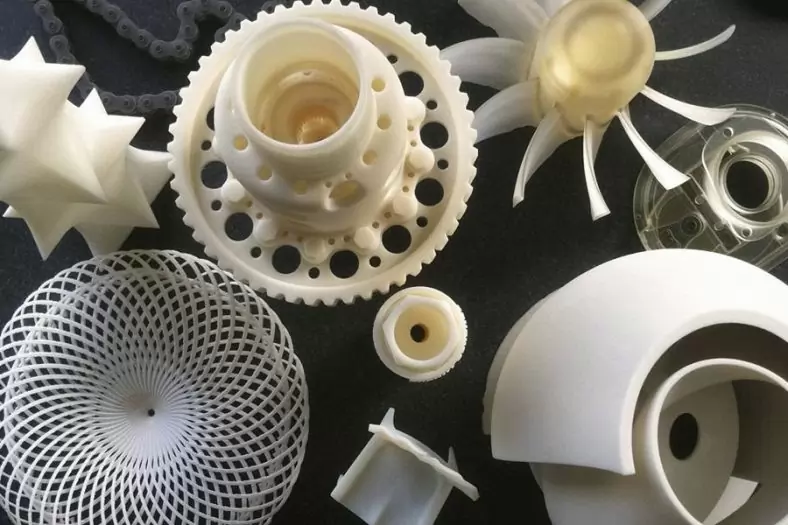
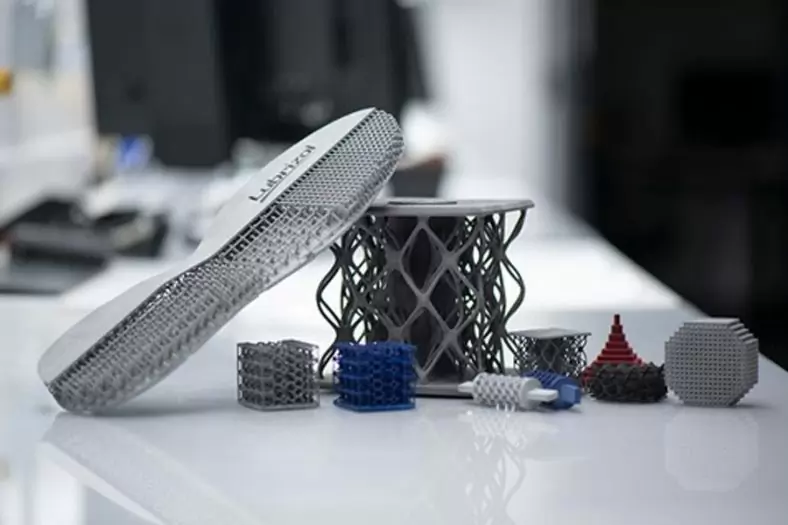
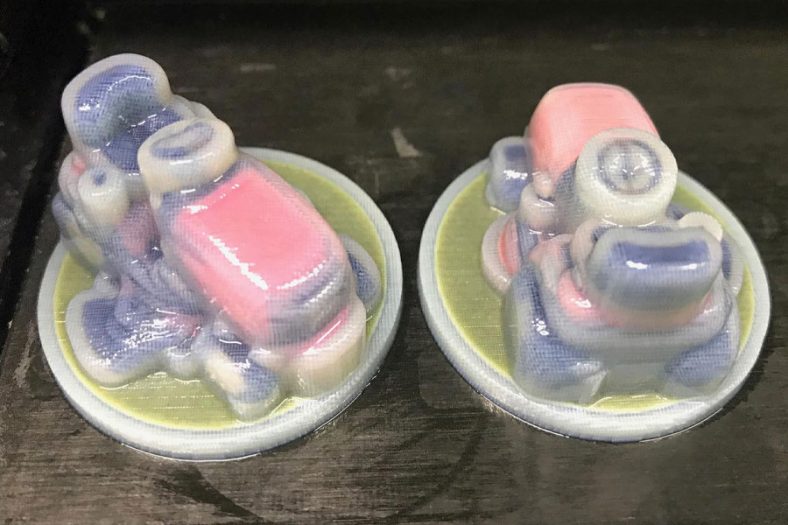
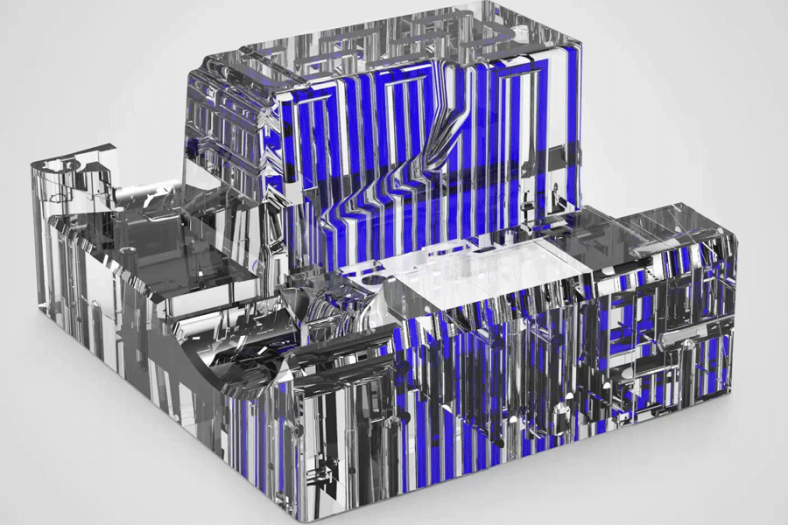
The Detail Of BE-CU 3D Printing Company
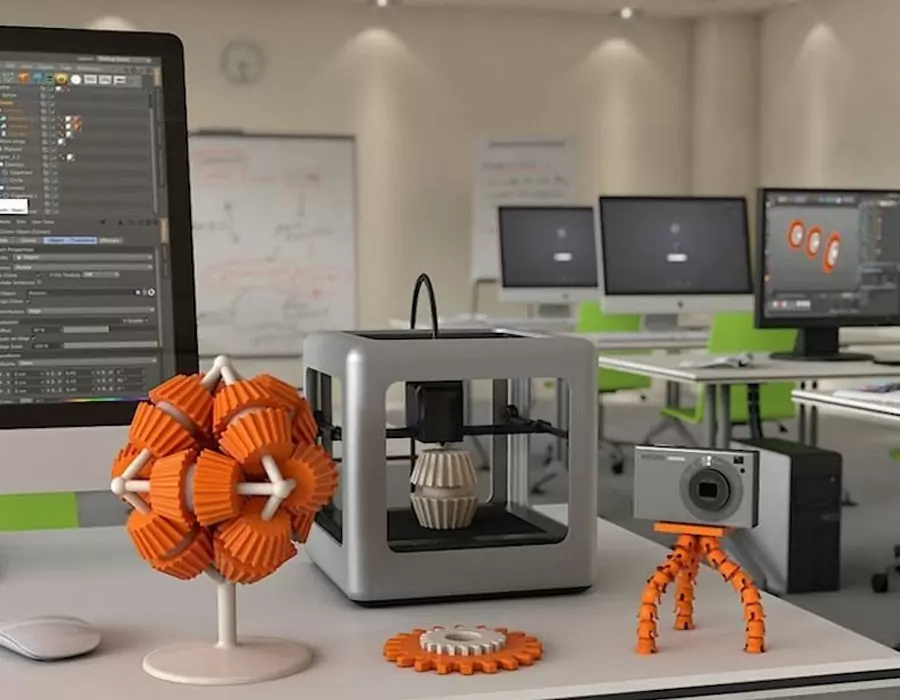
BE-CU.COM offers online 3D printing services for rapid prototyping and production in volume. Our clients are across a wide variety of industries and companies, including automotive, construction, aerospace, defense, electronics, machinery, industrial automation, medical, healthcare, consumer production, oil & gas, etc. Accelerate your product development and manufacturing process with our industry-leading metal & plastic 3D printing service and 3D printed parts. We’ll find the best 3D printing solution for your projects, to lower your cost and shorten the lead time based on your needs, while maintaining the quality. From 3D prototyping to end-use parts production, multiple materials are available for custom 3D printing parts. Need an alternative to the traditional solution? Submit your 3D CAD file to get an online quotation quickly. Our 3D printing service ensures accuracy and speed. We can help you choose the most appropriate technology and material to match your applications or request.
-
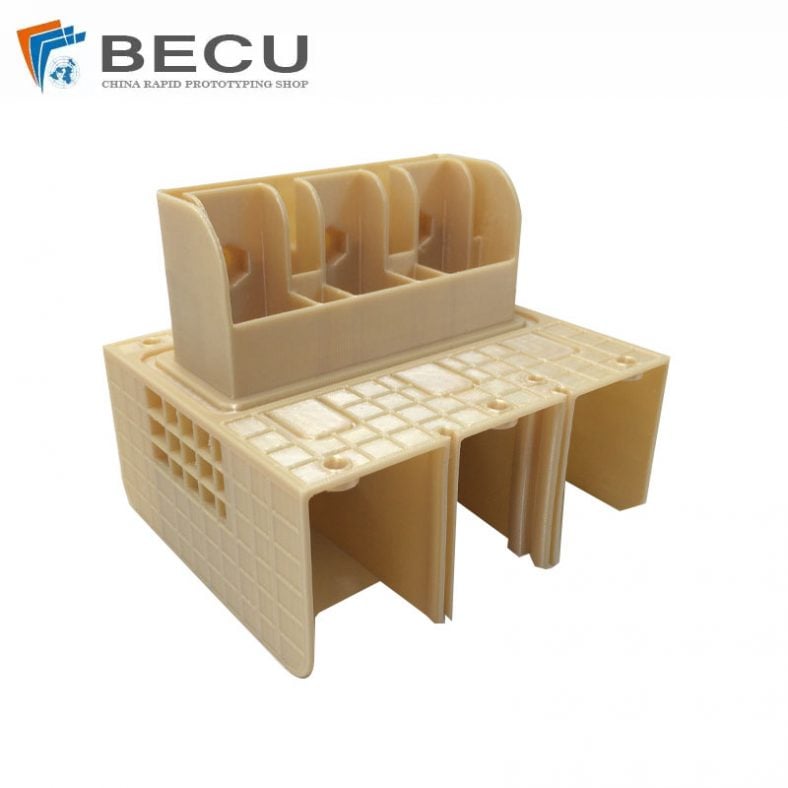
FDM 3D Printing Ultra-High Voltage Strong Electrical Connector
-

3D Printed Jet Engine Model
-
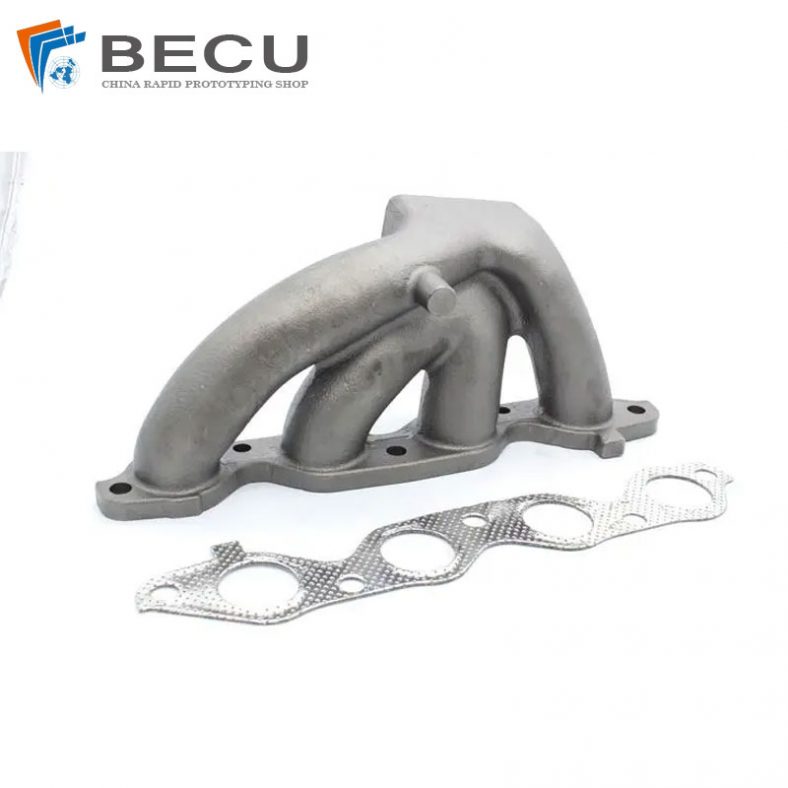
3D Printed Inconel Exhaust Manifold
-

3D Printed Black Myth: Wukong Model
-
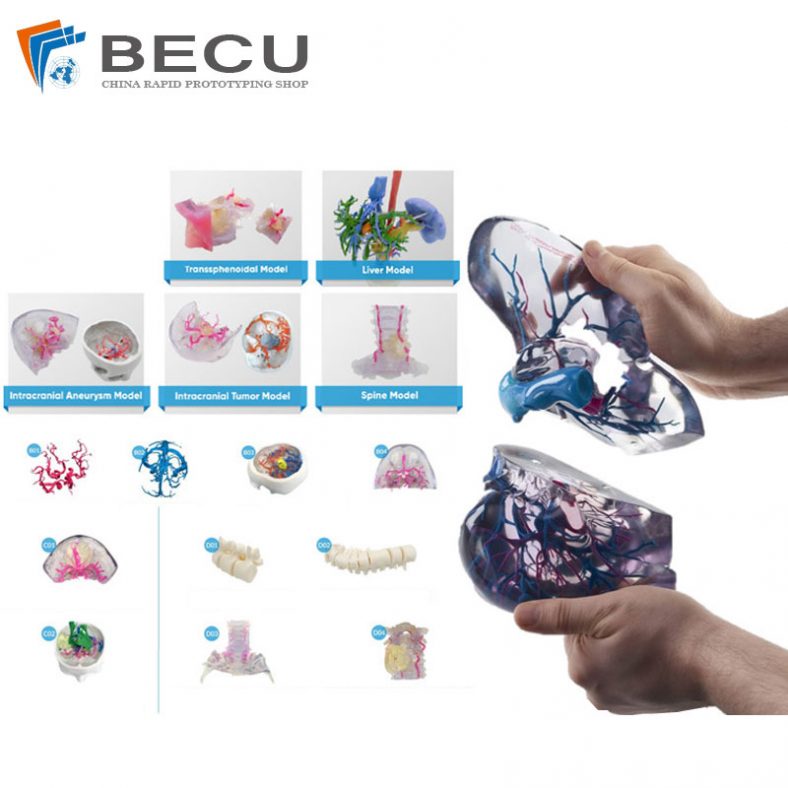
Omni-Directional Surgical Planning Medical Models
-
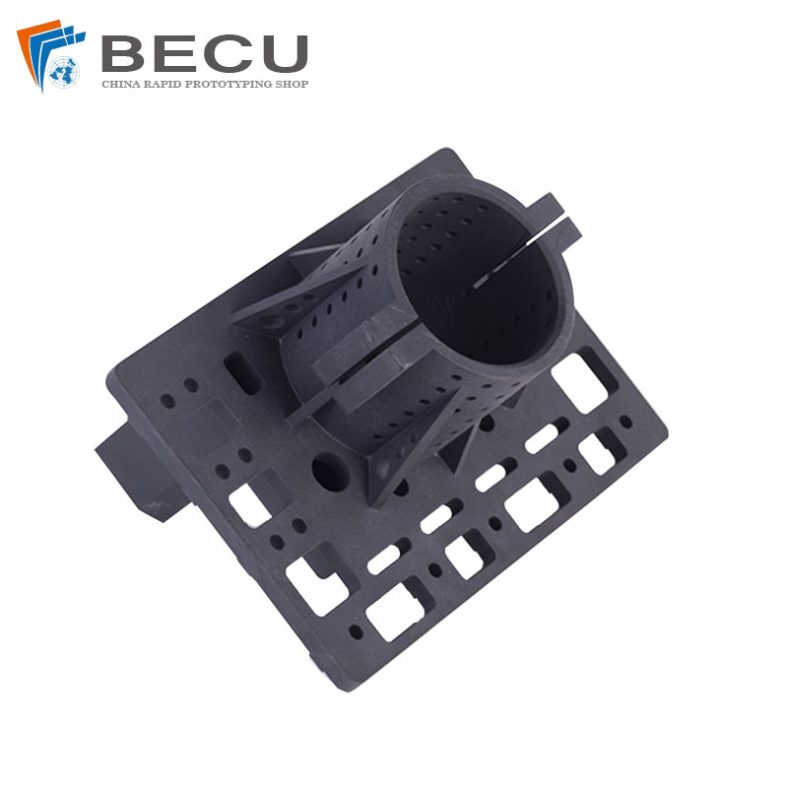
3D Printing Pool Pressure Cleaner Parts and Accessories
-
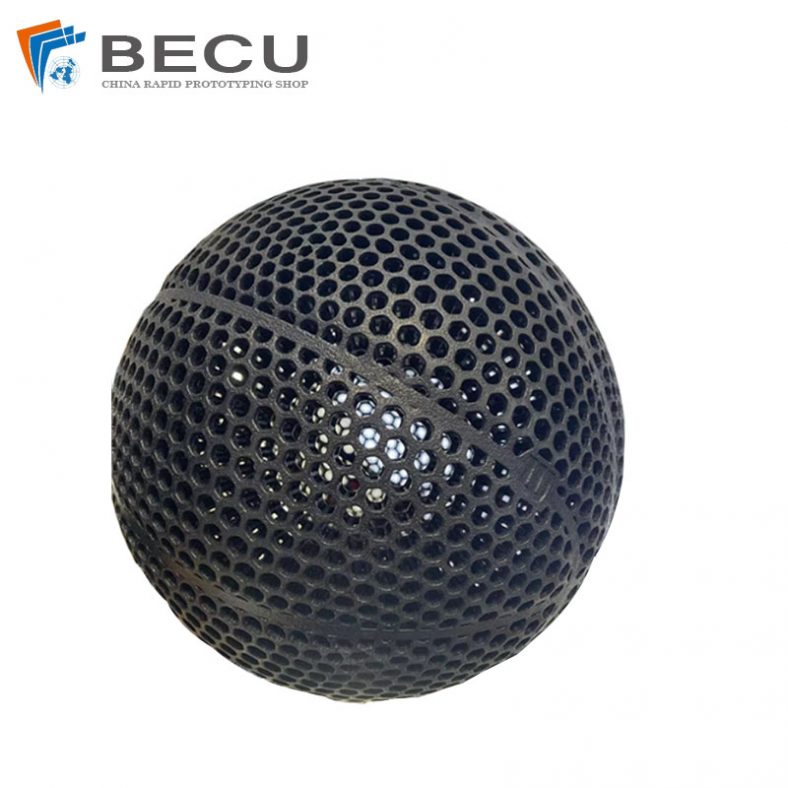
Nylon 3D Printed Size 5 Basketball
-

Black Nylon Medical Threaded Screw By MJF 3D Printing