
Using lost foam to produce precision casting, the carbon content of iron castings is close to saturation, and the concentration gradient of carbon between gas phase and precision casting is very small, and free carbon in the gas phase is not easy to migrate and diffuse to the surface of the casting. Therefore, surface carburization rarely occurs when casting iron castings.
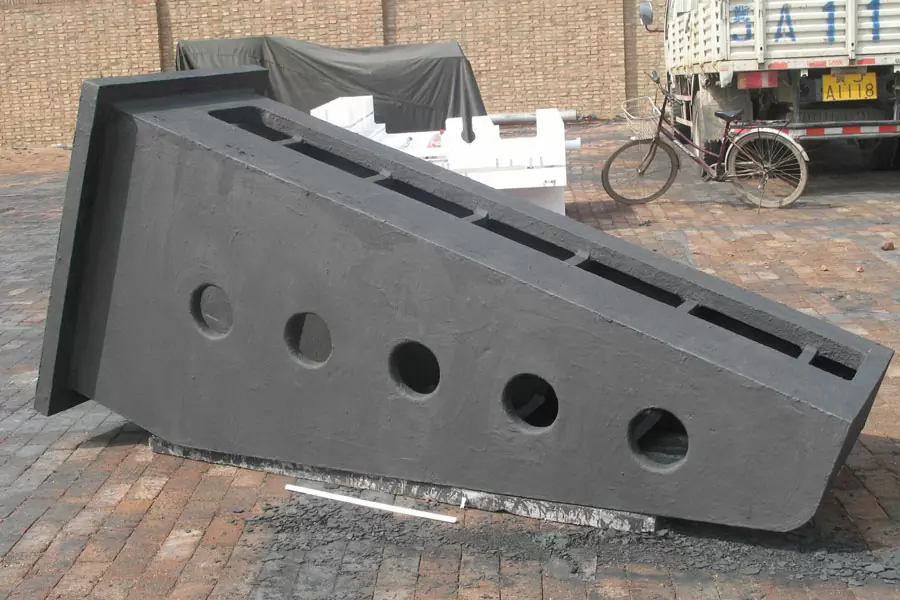
Lost foam casting is a process used in metal casting that involves the use of a foam pattern to create complex shapes with a high degree of accuracy. While this method offers several advantages, including reduced material waste and the ability to produce intricate geometries, it is not without its challenges. One of the significant issues encountered in lost foam casting is the formation of wrinkles on the surfaces of the castings. These wrinkles can compromise the aesthetic and functional qualities of the final product. This article delves into the various causes of wrinkling in precision castings produced by the lost foam method, exploring the underlying mechanisms, contributing factors, and potential solutions.
Overview of Lost Foam Casting
Lost foam casting (LFC) is a type of evaporative-pattern casting that utilizes a foam pattern made from polystyrene or similar materials. The process typically involves the following steps:
- Pattern Creation: A foam pattern is fabricated to the desired shape of the final casting.
- Coating: The foam pattern is coated with a refractory material to create a mold.
- Mold Assembly: The coated patterns are assembled into a mold.
- Pouring: Molten metal is poured into the mold, causing the foam pattern to evaporate and leave a cavity for the metal to fill.
- Cooling and Finishing: After the metal solidifies, the mold is broken away, revealing the final casting.
This method is widely used for producing complex components in industries such as automotive, aerospace, and heavy machinery due to its efficiency and ability to minimize material waste.
Nature of Wrinkling in Lost Foam Castings
Wrinkling in lost foam castings manifests as surface deformations that can vary in severity from minor ripples to pronounced folds. These surface imperfections can arise during different stages of the casting process, often resulting from interactions between the molten metal and the foam pattern.
Mechanisms of Wrinkling
Several mechanisms contribute to the formation of wrinkles in lost foam castings:
- Thermal Expansion: As the molten metal enters the mold, the rapid increase in temperature can cause differential thermal expansion between the foam pattern and the molten metal. This expansion can create stresses that lead to the deformation of the foam pattern before it completely evaporates.
- Vaporization Rate: The rate at which the foam vaporizes plays a critical role in wrinkle formation. If the molten metal is poured too quickly, the vaporization of the foam may not occur at a rate sufficient to accommodate the influx of molten metal, leading to localized pressure and subsequent wrinkling.
- Mold Integrity: The quality and consistency of the mold coating can also influence wrinkle formation. An inadequate or uneven mold surface can lead to variations in cooling rates, contributing to the development of surface imperfections.
- Metal Flow Dynamics: The behavior of molten metal during pouring can affect wrinkle formation. If the metal flows turbulently or erratically, it may exert uneven forces on the foam pattern, causing it to deform.
- Cooling Rates: Differential cooling rates across the casting can result in uneven contraction, which may contribute to the formation of wrinkles. Areas that cool too quickly may contract more than surrounding areas, leading to surface distortions.
- Foam Pattern Quality: The physical characteristics of the foam pattern, such as density and structural integrity, can impact how it behaves under the influence of molten metal. Variations in these properties can lead to inconsistent vaporization and increased likelihood of wrinkling.
Factors Contributing to Wrinkle Formation
In addition to the primary mechanisms discussed, several factors can exacerbate the wrinkling phenomenon in lost foam castings:
- Pattern Design: Complex geometries with sharp corners or intricate details can create stress concentrations that are more prone to wrinkling during the casting process. Simplifying the design can mitigate this risk.
- Metal Temperature: The temperature of the molten metal at the time of pouring can influence the behavior of the foam pattern. Higher temperatures may increase the risk of rapid vaporization and localized pressure, leading to wrinkles.
- Pouring Technique: The technique employed during pouring, such as the angle and speed of metal introduction, can affect how the molten metal interacts with the foam pattern. A controlled, steady pour is generally more effective in minimizing wrinkles.
- Ambient Conditions: Environmental factors such as humidity and temperature can affect the properties of the foam pattern and the mold coating. These conditions can lead to variations in moisture absorption and thermal behavior, influencing wrinkle formation.
- Refractory Coating Properties: The composition and application method of the refractory coating can also play a role. Coatings that are too thick or uneven may contribute to irregular cooling patterns and surface deformations.
- Casting Thickness: Thicker castings may experience more significant thermal gradients, increasing the likelihood of differential cooling and associated wrinkling.
Potential Solutions and Mitigations
To address the issue of wrinkles in lost foam castings, several strategies can be employed:
- Optimizing Pouring Parameters: Adjusting pouring speed, temperature, and technique can significantly reduce the likelihood of wrinkles. Implementing a controlled pouring method that minimizes turbulence and promotes even distribution of molten metal is critical.
- Improving Foam Pattern Quality: Using higher-quality foam patterns with consistent density and structural integrity can help minimize deformation during the casting process. Ensuring uniform thickness and avoiding defects in the foam can contribute to better outcomes.
- Enhancing Mold Design: Designing molds with smoother surfaces and appropriate draft angles can facilitate better flow and cooling, reducing the potential for wrinkles. Utilizing advanced mold coatings that promote even heat distribution can also be beneficial.
- Modifying Casting Conditions: Carefully controlling the ambient conditions during the casting process, such as humidity and temperature, can minimize variations in foam and mold behavior. Implementing a controlled environment can help maintain consistent conditions.
- Utilizing Advanced Materials: Exploring new materials for foam patterns and mold coatings that exhibit improved thermal properties can help mitigate wrinkling. Research into innovative refractory materials may yield coatings that better withstand the thermal stresses of the casting process.
- Conducting Finite Element Analysis: Employing computer simulations and finite element analysis (FEA) to model the casting process can help predict areas of potential wrinkling. This approach allows for the optimization of design and process parameters before actual production.
Conclusion
The formation of wrinkles in precision castings produced by the lost foam method presents a significant challenge in the field of metal casting. Understanding the mechanisms and contributing factors behind this phenomenon is crucial for improving the quality of castings and reducing defects. By optimizing process parameters, enhancing materials, and leveraging advanced simulation techniques, manufacturers can mitigate the risk of wrinkling and achieve higher-quality castings. Ongoing research and innovation in the lost foam casting process will continue to play a vital role in addressing these challenges and advancing the capabilities of precision metal casting.
For iron castings, surface wrinkles are the most common defect. Because free carbon does not easily penetrate into the surface of the casting, but is deposited on the surface of precision casting and molds. During this pouring, the ES type is in contact with the molten metal and decomposes into three components: gaseous, liquid and P-mode solid.
The gas phase is mainly composed of CO, CO: 2, H, methane, styrene and its derivatives; the liquid phase is mainly composed of liquid hydrocarbon groups such as benzene, toluene, styrene and glassy polystyrene; the solid phase is mainly composed of polystyrene thermal Decomposition of the bright carbon and coke residue group formed.
- The residual solid phase carbon between the metal surface and the mold forms a wrinkle defect. The solid high-temperature carbon accumulates locally, causing the surface of the casting to be rough, which is a wrinkle defect. The bright carbon in the phase forms a melt adhesive with the gas and liquid phase, and the liquid phase will also decompose at a certain speed to form a secondary gas and solid phase. Dimers, trimers and repolymers in the liquid tend to appear as a viscous pitch-like liquid. This liquid decomposition product remains on the inside of the coating, part of it is absorbed by the coating, and a part of a corrugated corrugated skin) b) The nodular corrugated skin forms a thin film between the casting and the coating, and this part of the thin film is reducing (O)C The formation of flakes or scaly crystalline residual carbon in the atmosphere, that is, the formation of wrinkled skin. Some of them gather on the surface of the casting and are irregularly coarse-grained, forming a drop-knob-like wrinkled skin with slag-like wrinkles, which is mainly due to the polystyrene solid product that has not been vaporized in the molten metal during the pouring process. After the precision casting is cooled and solidified, these soot-like carbon soot inclusions form irregular slag-like wrinkle defects on the surface of the casting.
- In the “” part of the molten metal flow, the residual liquid phase is due to surface tension) cold end e) cold-separated corrugated skin d) slag-like corrugated skin shrinks to form a corrugated skin defect ESP produces cracked products or tar-like residue in the corrugated skin During the defect process, it softens and shrinks, thickening the thin honeycomb structure membrane in the original foam plastic thousands of times, destroying the foam structure and forming a thick dura mater. This liquid or hard-film polystyrene residue floats on the molten metal surface in a glassy state or adheres to the mold wall. Therefore, these are maintained at the boundary J: Wrinkled skin defects can be divided into corrugated corrugated skin, bead-shaped corrugated skin, cold-separated corrugated skin, and slag-like corrugated skin according to appearance. Generally, corrugated corrugated skin has a shallow depth. The latter three are deeper. Its depth is lighter than 01. ~1mm, Yanying’s is about 10mm… The surface of such precision casting defects is often covered with light and shiny carbon flakes, and the recesses of the defects are filled with soot and carbon, which are surface carbon defects. The wrinkle defect often occurs in the liquid ESP from the metal. It is too late to vaporize during the condensation process of the molten iron. Because the surface tension is different from that of the molten iron, it causes shrinkage. After the molten metal is cooled and solidified, it becomes non-liquid and finally flows to the part or flow. The “cold end” part. Continuous corrugated wrinkled skin defects and cold partition wrinkled skin.
- The pulsating flow process produces wrinkled skin defects ES liquid metal P and quickly vaporizes after contact, producing a large amount of gas. At the beginning of pouring. The metal indenter is large and the liquid metal is filled smoothly. But with the precision casting pouring. Because the air permeability of the coating and the mold is constant, the pressure at the air gap gradually increases. In this way, the pressure at the metal head and the air gap must be balanced at a certain moment. At this moment, the generation mechanism of the wrinkle defect is a problem. The complicated process involves the heating of the model.
The Detail Of BE-CU Die Casting Company
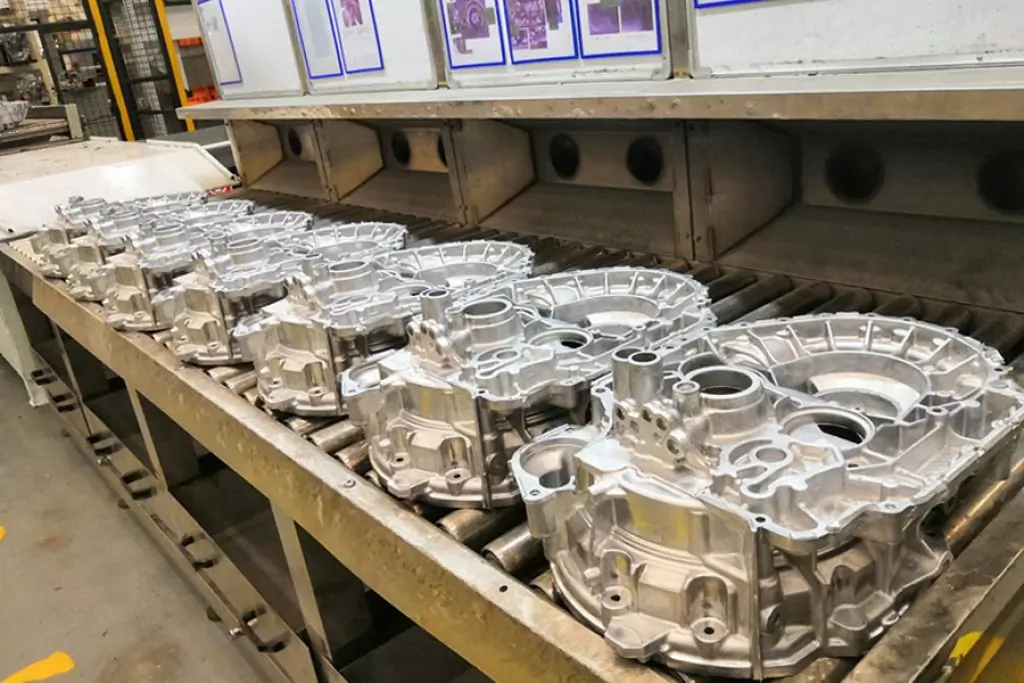
If you are looking for dependable volume manufacturing metal parts supplier with High pressure die casting service who offers you competitive price, good service and quality for aluminium die casting, zinc, or magnesium die casting, then BE-CU Prototype are surely a partner you are looking for to fulfill all your die casting needs. With quality service and state of art technology, BE-CU indeed claim in providing quality pressure die casting including aluminum/zamak/magnesium alloy castings to our customers all over the world.
To work with us,be-cu don’t just stop at taking your order and delivering your die casting products. be-cu are there for you at every step right from your preferred selection of aluminum die casting, Zamak die casting (Zamak 2, Zamak 3, Zamak 5, Zamak 8) or magnesium die casting products and services to post-order phase. In brief, once you become our customer, be-cu are with you every step on the way.
-
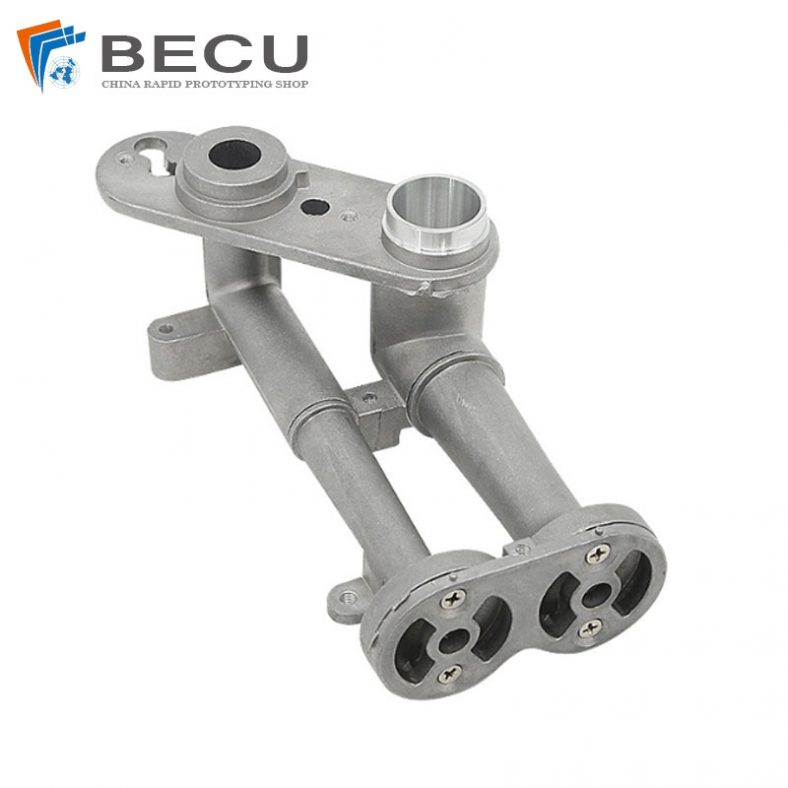
CNC Machining Gas Stove Bottom Joint
-
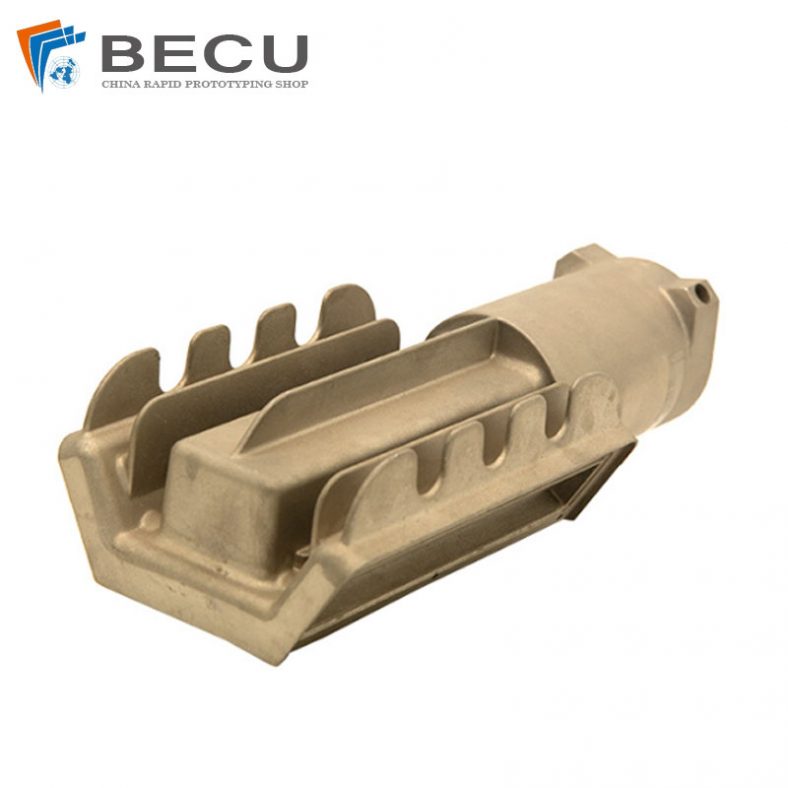
Gravity Die Casting Custom Street Light Heat Sink
-
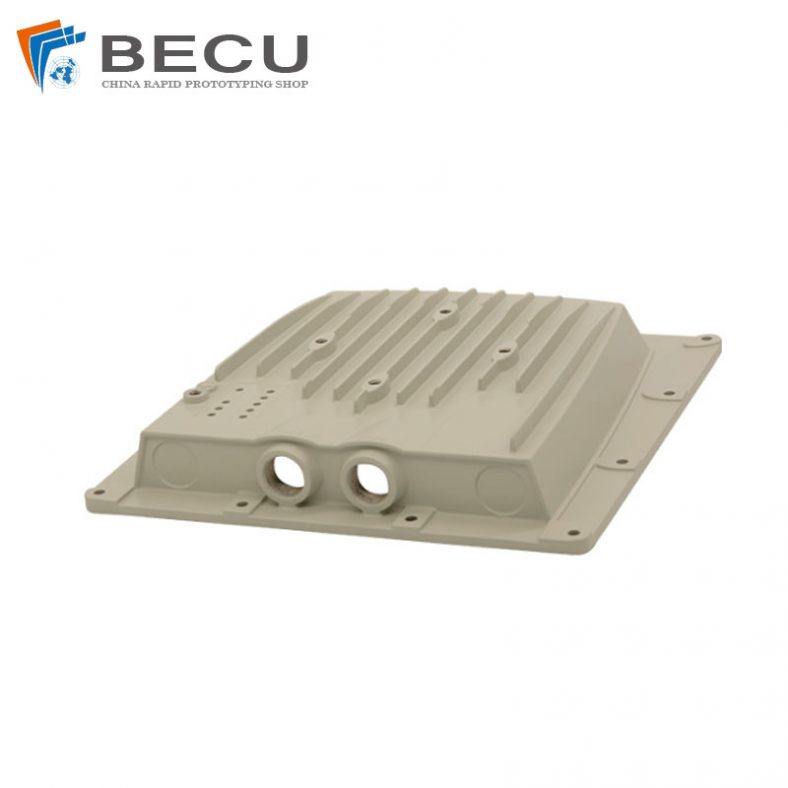
Die Casting LED Canopy Lights Heatsink For Gas Station
-
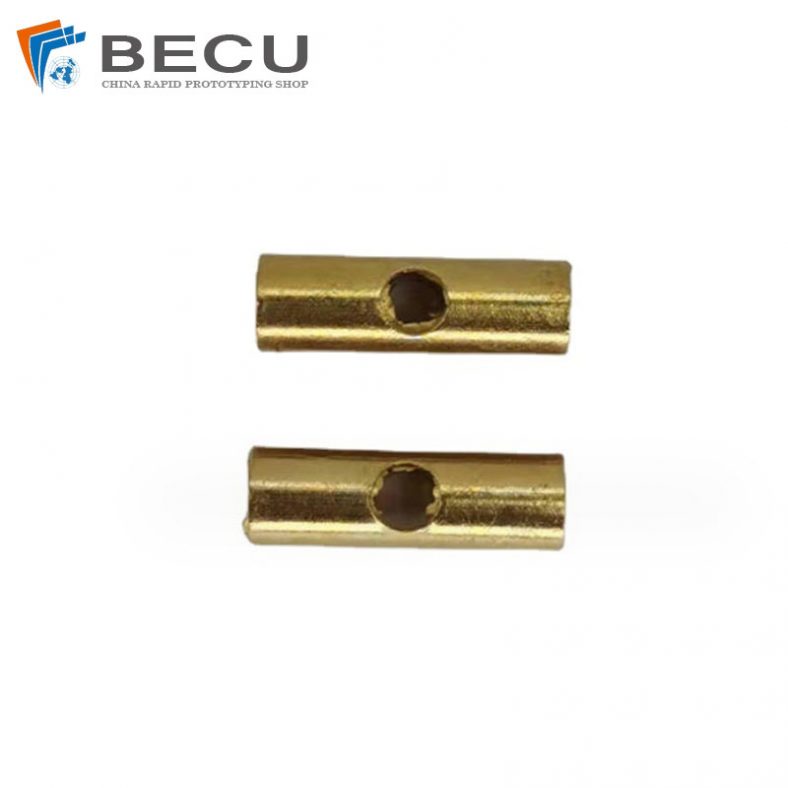
Zinc Die Casting PA10 Transformer Connector Terminal
-
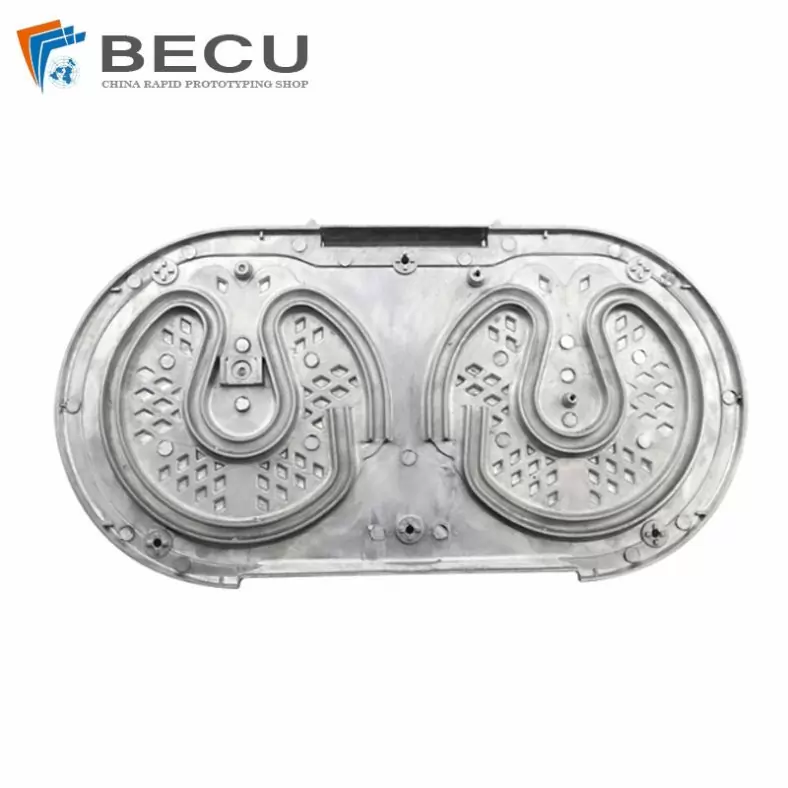
Die Casting Aluminium Cookware Chassis
-
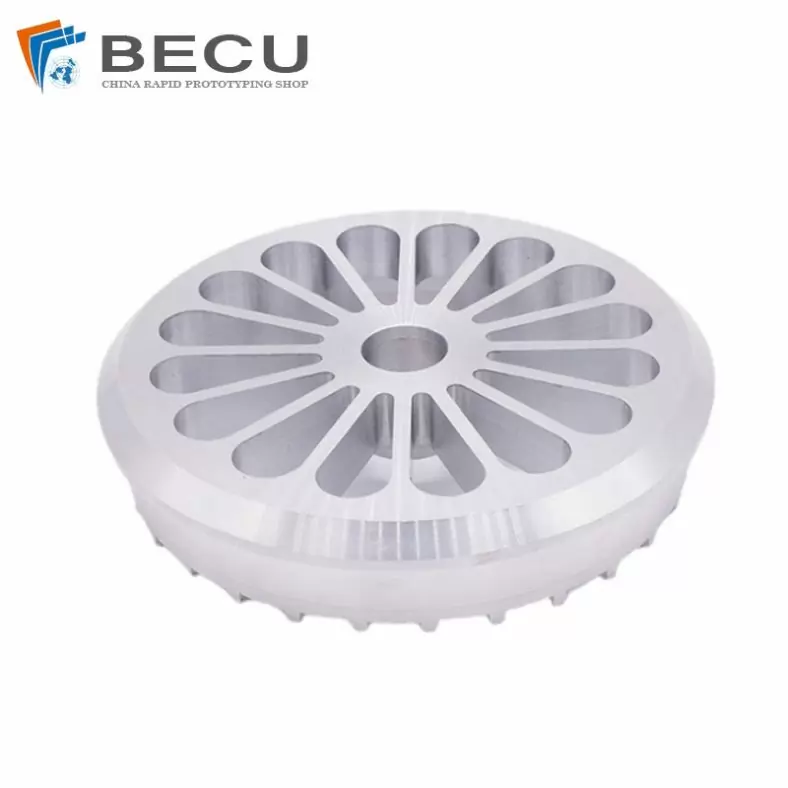
Die Casting Wheels With Aluminum Alloy 5 Axis CNC Machining
-
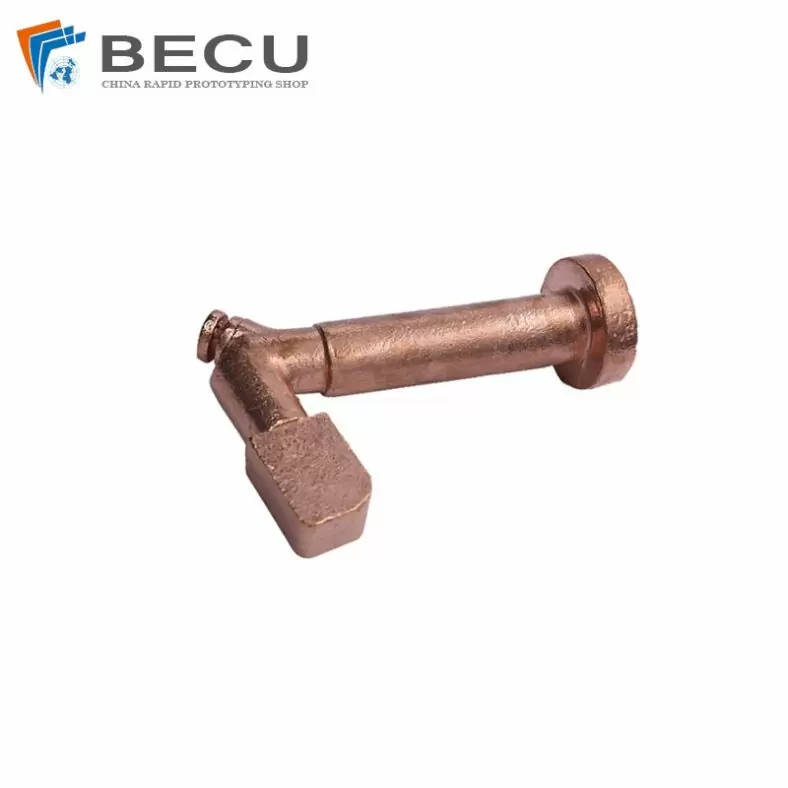
Precision Machined Copper Die Casting Parts
-
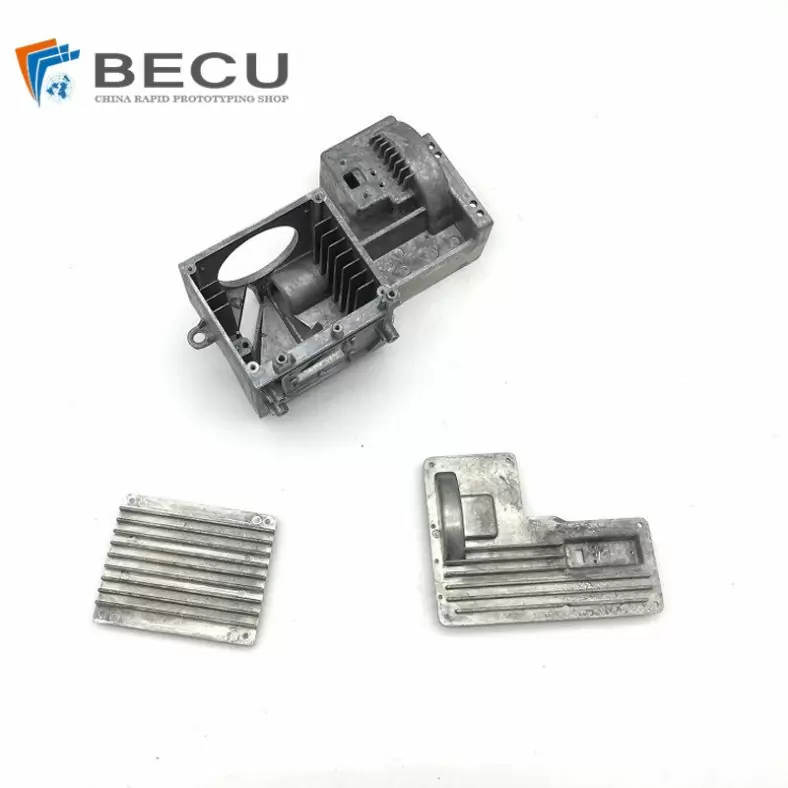
Professional Small Baler Aluminum Alloy Die-casting Mold Production
-
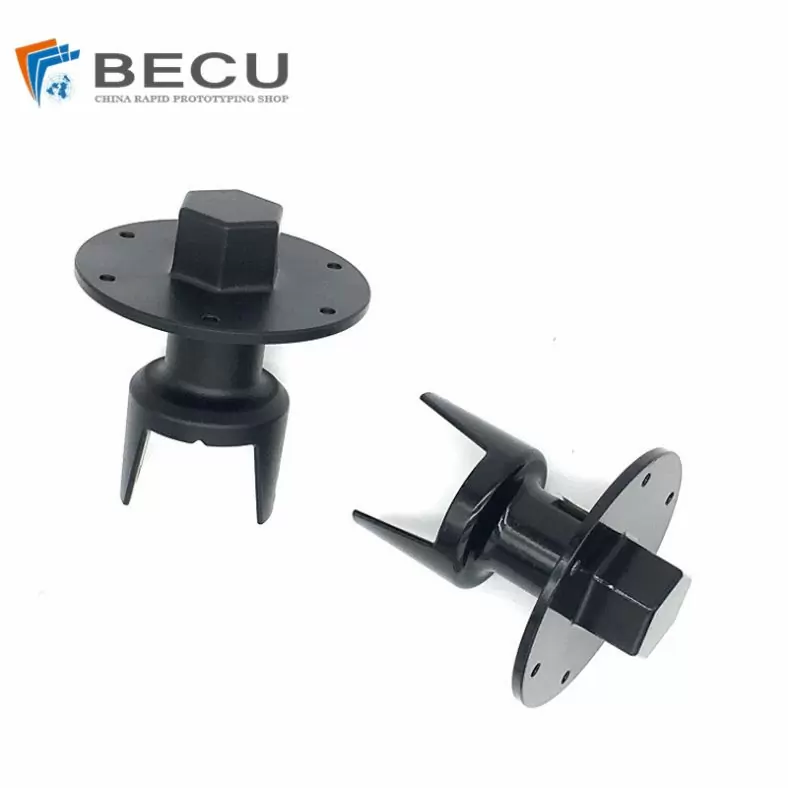
China Die Casting Factory Manufactures Surface Sprayed Aluminum Valve Body
-
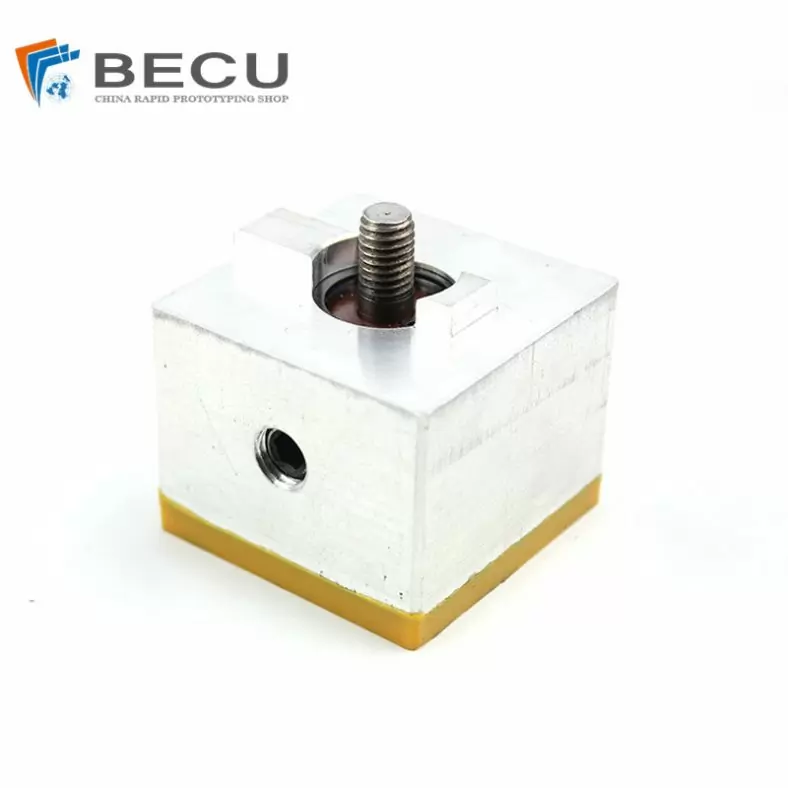
Extrusion Die-casting Polyurethane-Coated Aluminum Alloy Profiles
-
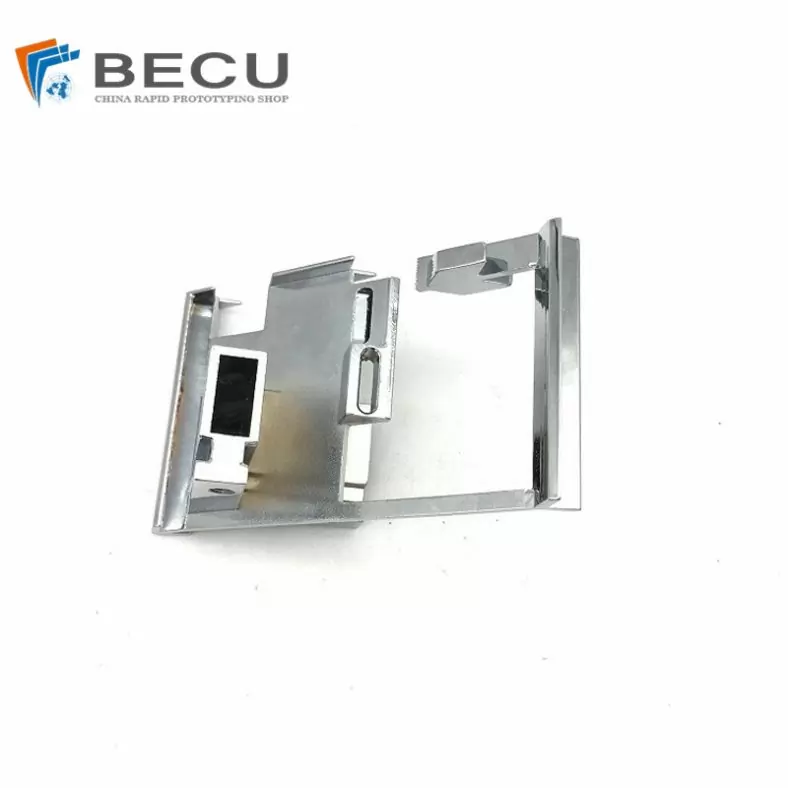
Custom Precision Aluminum Die Cast Brackets and Finishes
-
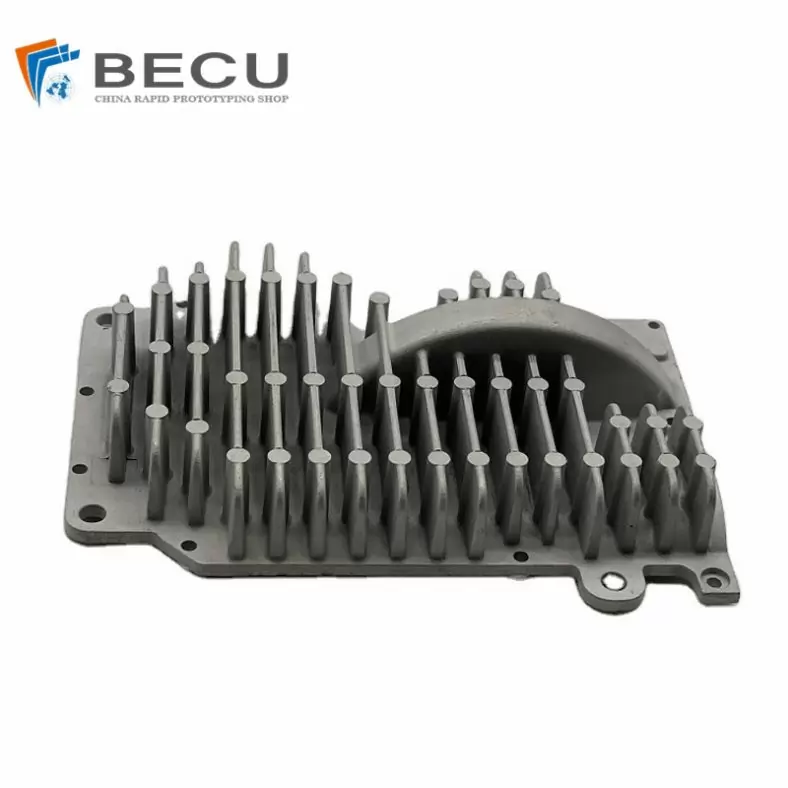
Extrusion Die-casting Magnesium Alloy Heat Sink Shell