
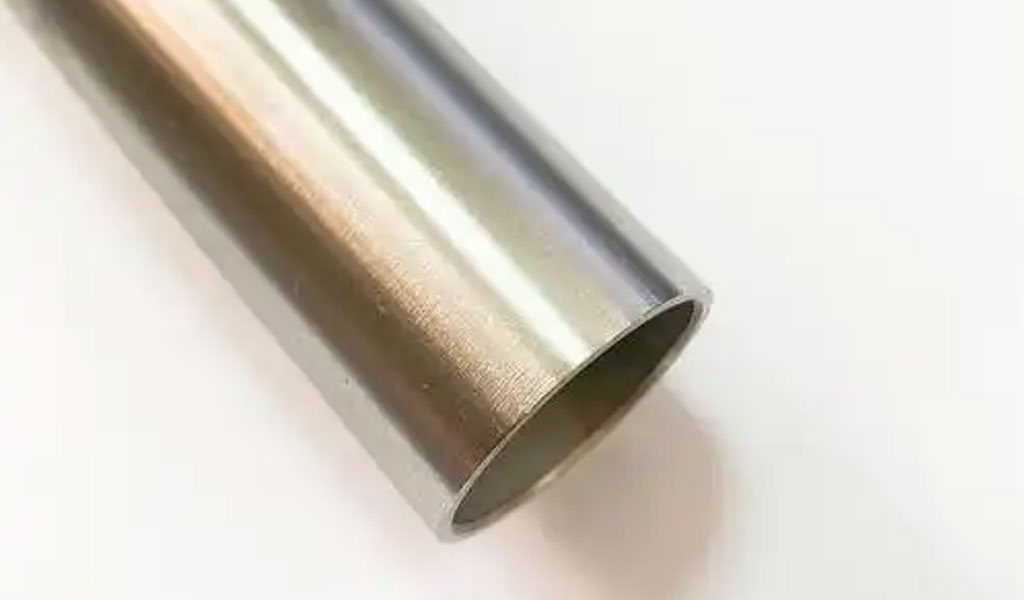
Biomedical β-type titanium alloys are a class of advanced materials specifically designed for medical applications, particularly in the field of orthopedics, dentistry, and cardiovascular implants. These alloys are characterized by their unique microstructure, which predominantly consists of the β-phase of titanium.
This phase is stabilized by the addition of various alloying elements such as niobium (Nb), tantalum (Ta), zirconium (Zr), and molybdenum (Mo), among others. The distinctive properties of β-type titanium alloys, including their excellent biocompatibility, high strength-to-weight ratio, and superior corrosion resistance, make them ideal for biomedical applications.
The development of titanium alloys for biomedical use can be traced back to the mid-20th century when titanium was first recognized for its biocompatibility and mechanical properties. Early titanium alloys, such as Ti-6Al-4V, were widely used in aerospace and military applications due to their high strength and lightweight nature. However, the presence of aluminum (Al) and vanadium (V) in these alloys raised concerns about their biocompatibility, as these elements can be toxic to human tissues. This led to the development of β-type titanium alloys, which are free from these potentially harmful elements and are specifically tailored for biomedical applications.
Composition and Microstructure
β-type titanium alloys are composed of titanium as the base metal, with the addition of β-stabilizing elements. These elements can be classified into two categories: isomorphous β-stabilizers and eutectoid β-stabilizers. Isomorphous β-stabilizers, such as niobium, tantalum, and molybdenum, have a similar crystal structure to titanium and form a solid solution with it. Eutectoid β-stabilizers, such as iron (Fe), chromium (Cr), and manganese (Mn), form intermetallic compounds with titanium. The addition of these elements helps to stabilize the β-phase, which is otherwise unstable at room temperature.
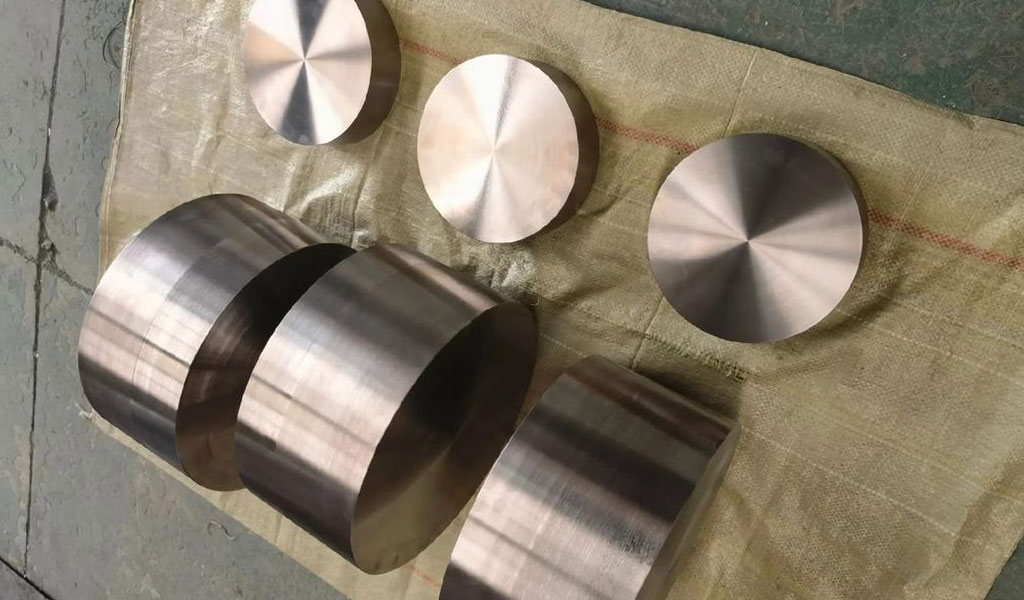
The microstructure of β-type titanium alloys is characterized by a fine-grained β-phase, which can be further refined through various heat treatment processes. The β-phase has a body-centered cubic (BCC) crystal structure, which provides excellent ductility and formability. This microstructure is crucial for the superior mechanical properties and biocompatibility of these alloys.
Mechanical Properties
β-type titanium alloys exhibit a unique combination of mechanical properties that make them suitable for biomedical applications. These properties include:
- High Strength-to-Weight Ratio: β-type titanium alloys have a high strength-to-weight ratio, making them ideal for load-bearing implants such as hip and knee replacements. The strength of these alloys can be further enhanced through heat treatment and cold working processes.
- Excellent Ductility: The BCC crystal structure of the β-phase provides excellent ductility, allowing these alloys to be easily formed into complex shapes without fracturing. This property is particularly important for the manufacture of customized implants.
- Low Modulus of Elasticity: One of the key advantages of β-type titanium alloys is their low modulus of elasticity, which is closer to that of human bone compared to other metallic implants. This reduces the risk of stress shielding, a phenomenon where the implant bears most of the load, leading to bone resorption and implant loosening.
- Superior Fatigue Resistance: These alloys exhibit superior fatigue resistance, which is crucial for implants that are subjected to cyclic loading, such as dental implants and orthopedic screws.
Biocompatibility
Biocompatibility is a critical factor in the selection of materials for biomedical applications. β-type titanium alloys are known for their excellent biocompatibility, which is attributed to several factors:
- Non-Toxic Alloying Elements: The alloying elements used in β-type titanium alloys, such as niobium, tantalum, and zirconium, are non-toxic and do not elicit adverse reactions in the human body. This is in contrast to earlier titanium alloys that contained aluminum and vanadium, which can be harmful.
- Corrosion Resistance: Titanium and its alloys are highly resistant to corrosion due to the formation of a stable oxide layer on their surface. This oxide layer, primarily composed of titanium dioxide (TiO2), acts as a barrier against corrosive agents, preventing the release of metal ions into the surrounding tissue.
- Osseointegration: β-type titanium alloys promote osseointegration, the process by which bone tissue grows directly onto the implant surface. This is facilitated by the biocompatible oxide layer and the low modulus of elasticity, which reduces stress shielding and promotes bone remodeling.
- Minimal Inflammatory Response: The biocompatible nature of these alloys minimizes the inflammatory response, reducing the risk of implant rejection and ensuring long-term stability.
Manufacturing and Processing
The manufacturing and processing of β-type titanium alloys involve several steps, including melting, casting, forging, and heat treatment. The melting process is typically carried out using vacuum arc remelting (VAR) or electron beam melting (EBM) to ensure high purity and homogeneity of the alloy. Casting and forging processes are used to shape the alloy into the desired form, while heat treatment is employed to refine the microstructure and enhance mechanical properties.
- Melting: The melting process is crucial for achieving a homogeneous distribution of alloying elements and minimizing impurities. VAR and EBM are preferred methods due to their ability to produce high-purity ingots with minimal contamination.
- Casting: Casting is used to produce near-net-shape components, reducing the need for extensive machining. Investment casting and centrifugal casting are commonly used techniques for producing complex shapes.
- Forging: Forging is employed to further refine the microstructure and improve mechanical properties. Hot forging is typically used to shape the alloy, while cold forging can be used to enhance strength and ductility.
- Heat Treatment: Heat treatment processes, such as solution treatment and aging, are used to control the phase transformation and refine the microstructure. Solution treatment involves heating the alloy to a high temperature to dissolve the alloying elements, followed by rapid cooling to retain the β-phase. Aging involves heating the alloy to a lower temperature to precipitate fine α-phase particles, enhancing strength and fatigue resistance.
Applications in Biomedical Engineering
β-type titanium alloys have found widespread applications in various fields of biomedical engineering, including orthopedics, dentistry, and cardiovascular implants.
- Orthopedic Implants: These alloys are extensively used in orthopedic implants, such as hip and knee replacements, bone plates, screws, and rods. Their high strength, low modulus of elasticity, and excellent biocompatibility make them ideal for load-bearing applications.
- Dental Implants: In dentistry, β-type titanium alloys are used for dental implants, crowns, and bridges. Their superior corrosion resistance and osseointegration properties ensure long-term stability and functionality.
- Cardiovascular Implants: These alloys are also used in cardiovascular implants, such as stents, heart valves, and vascular grafts. Their biocompatibility and mechanical properties make them suitable for applications that require high strength and flexibility.
- Spinal Implants: β-type titanium alloys are used in spinal implants, such as interbody cages, rods, and screws. Their low modulus of elasticity reduces stress shielding, promoting bone remodeling and long-term stability.
Conclusion
Biomedical β-type titanium alloys represent a significant advancement in the field of biomaterials, offering a unique combination of mechanical properties, biocompatibility, and corrosion resistance. Their development has been driven by the need for safe and effective implants that can withstand the demanding conditions of the human body. With ongoing research and technological advancements, the potential applications of these alloys continue to expand, paving the way for innovative solutions in biomedical engineering.
As the demand for biomedical implants grows, so does the need for materials that can meet the stringent requirements of biocompatibility, mechanical performance, and long-term stability. β-type titanium alloys, with their superior properties and versatility, are well-positioned to address these challenges. Through continued research and development, these alloys are poised to play a crucial role in the future of biomedical engineering, improving the quality of life for patients worldwide.
The field of biomedical β-type titanium alloys is continually evolving, with ongoing research focused on improving their properties and expanding their applications. Some of the future directions include:
- Nanostructured Alloys: Research is being conducted to develop nanostructured β-type titanium alloys with enhanced mechanical properties and biocompatibility. Nanostructuring involves refining the microstructure to the nanoscale, which can significantly improve strength, ductility, and fatigue resistance.
- Surface Modifications: Surface modifications, such as plasma spraying, anodization, and biomimetic coatings, are being explored to enhance the osseointegration and antibacterial properties of these alloys. These modifications can promote bone growth and reduce the risk of infection.
- Additive Manufacturing: Additive manufacturing techniques, such as selective laser melting (SLM) and electron beam melting (EBM), are being used to produce complex and customized implants. These techniques allow for the fabrication of intricate geometries and porous structures, which can enhance osseointegration and mechanical properties.
- Biodegradable Alloys: Research is also focused on developing biodegradable β-type titanium alloys that can gradually degrade over time, eliminating the need for secondary surgeries to remove the implant. These alloys are designed to provide temporary support while promoting tissue regeneration.



The Detail Of BE-CU Cnc Machining Shop
BE-CU.COM – As an accomplished CNC machining Service Manufacturer and CNC shop, BE-CU Prototype has been specialized in OEM CNC lathing, custom CNC machining parts production and rapid CNC machining services China for over 35 years and always maintaining the highest standard in delivery speed and reliable quality of precision CNC manufacturing components. With the help of high-level technology and efficient equipment, as well as rigorous attitude, BE-CU passed the ISO9001:2015 quality certification, which supports the long-term development of CNC milling services, CNC turning services, CNC milling-turning, CNC drilling services, 3/4/5 axis machining, gear machining services, CNC machining China custom parts and service, small parts machining, etc.Our CNC machining products can be utilized in a broad range of industries. Contact us for email: [email protected]
-
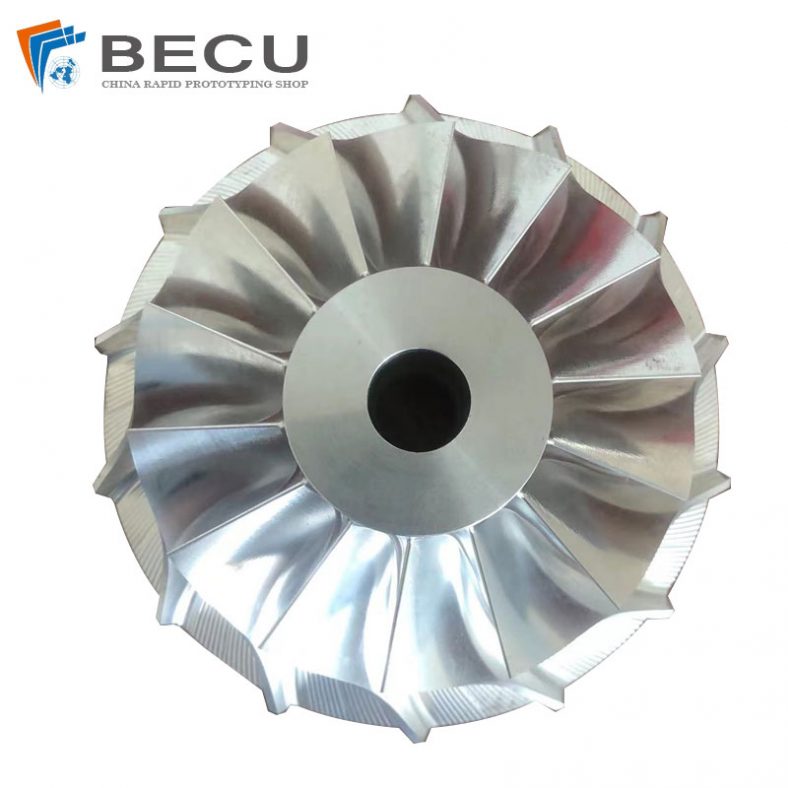
3-Way Centrifugal Compressor Closed Impeller By 5 Axis Machining
-

3/4/5 Axis Precision Milling Custom Vehicle Parts
-
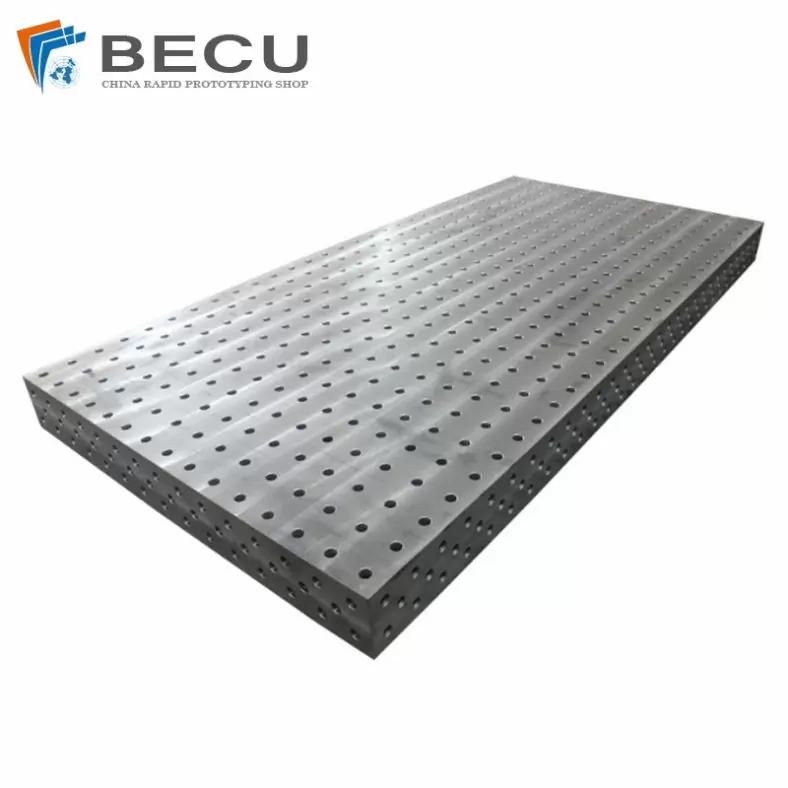
3D Flexible Welding Platform By Large Machining
-
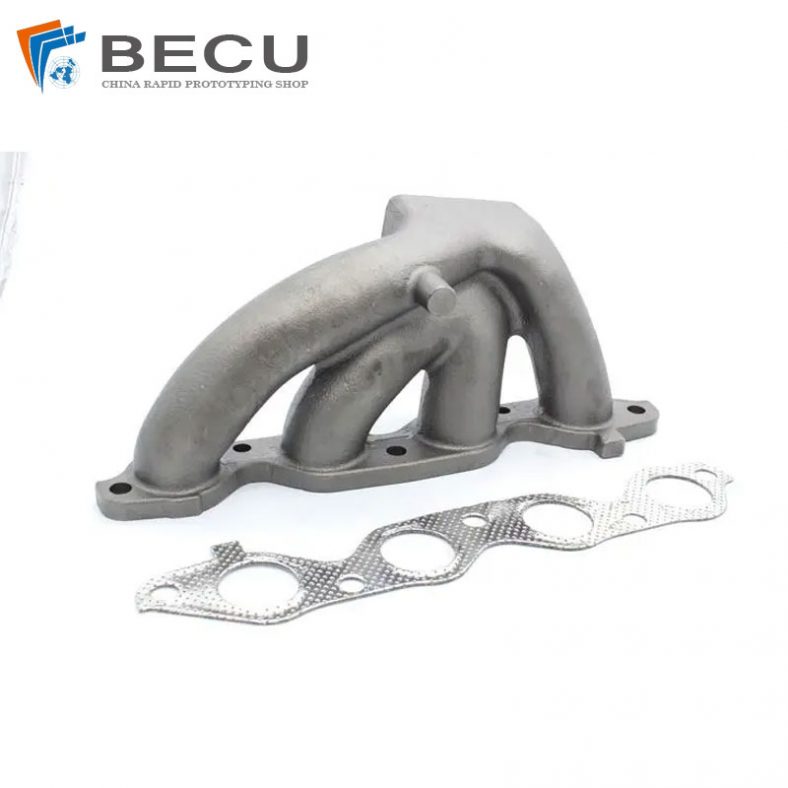
3D Printed Inconel Exhaust Manifold
-
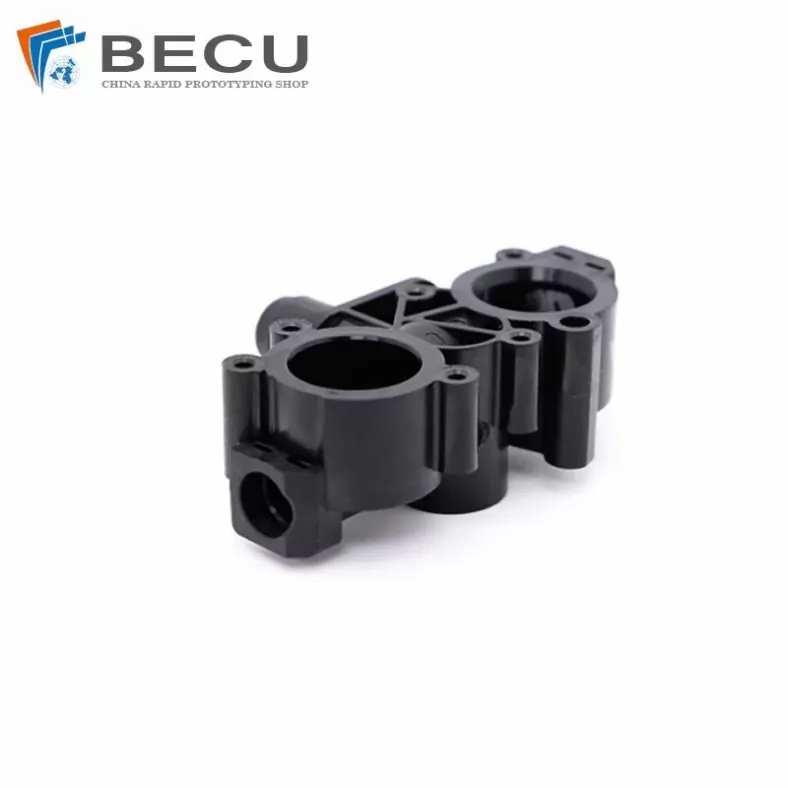
3D Printing And CNC Machining Custom Black PPS Valve
-
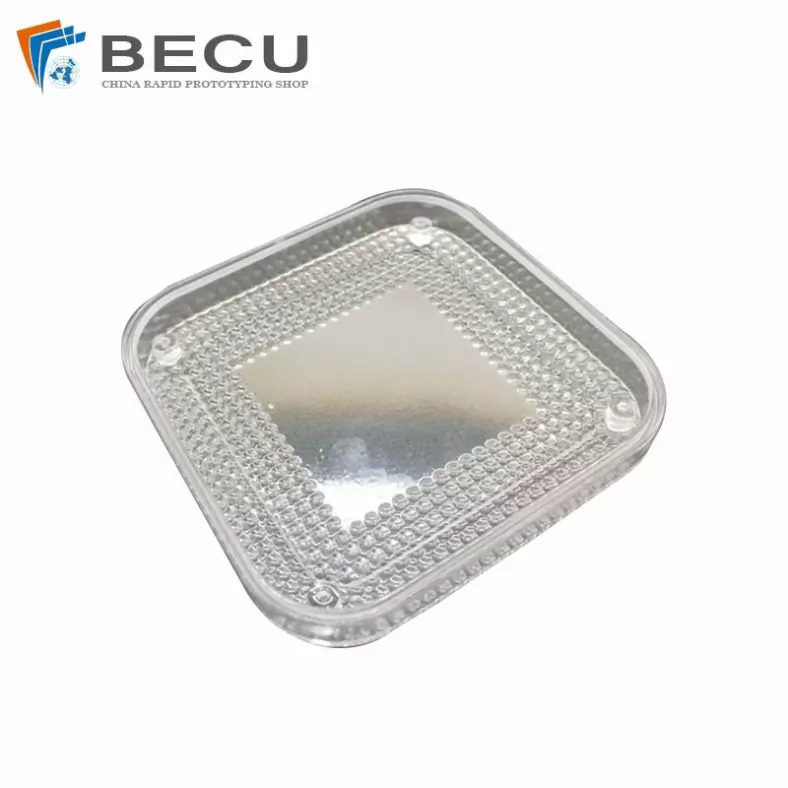
3D Printing Full Transparent Acrylic Lampshade Model
-
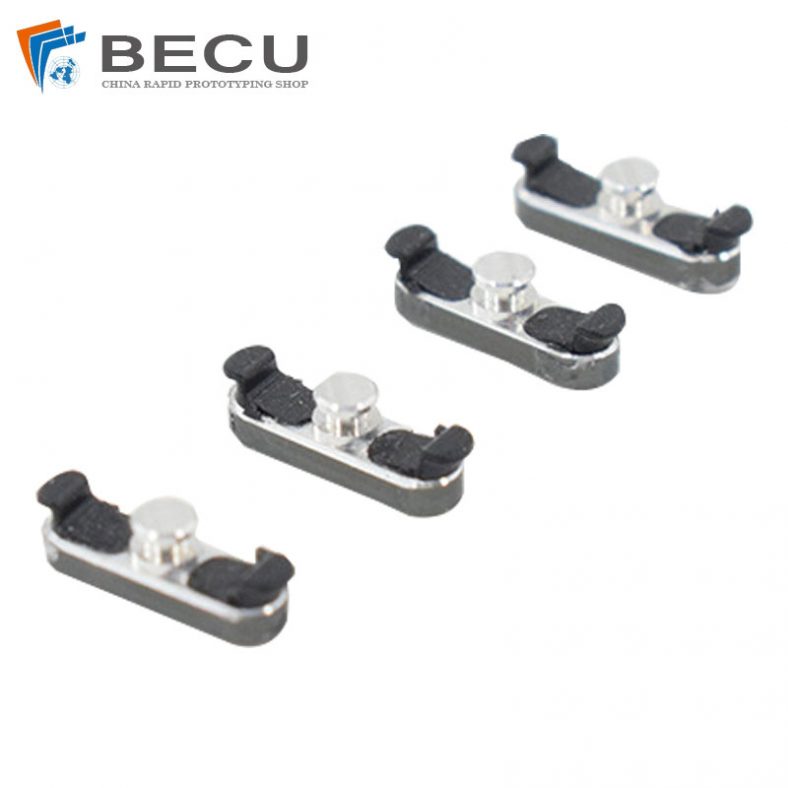
4 Axis CNC Machining Titanium Grade 5 Mobile Phone Buttons
-
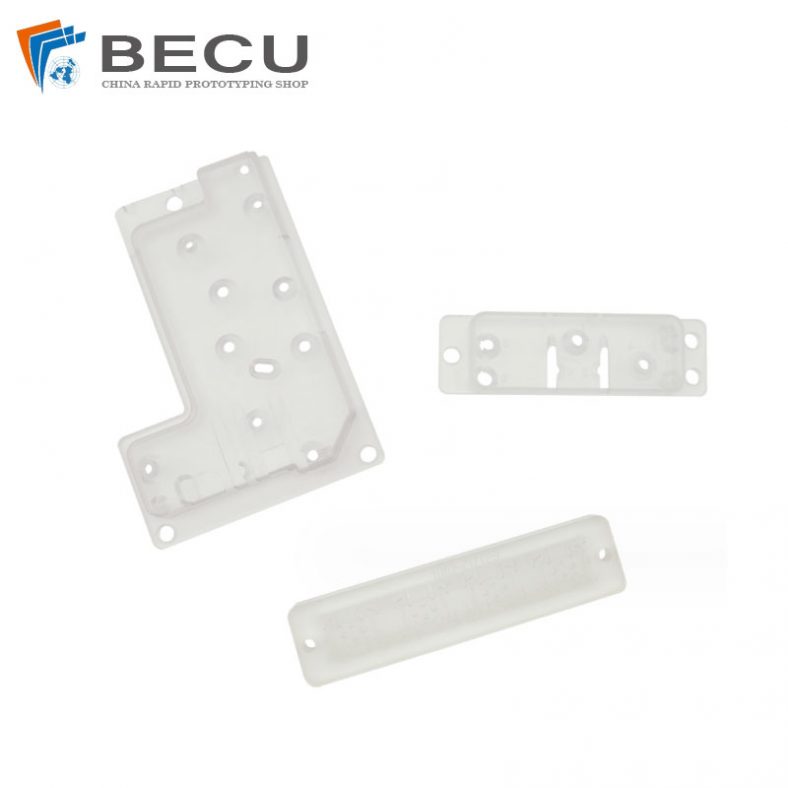
4 Axis Machining Highly Transparent Acrylic LED Tunnel Light Lens