
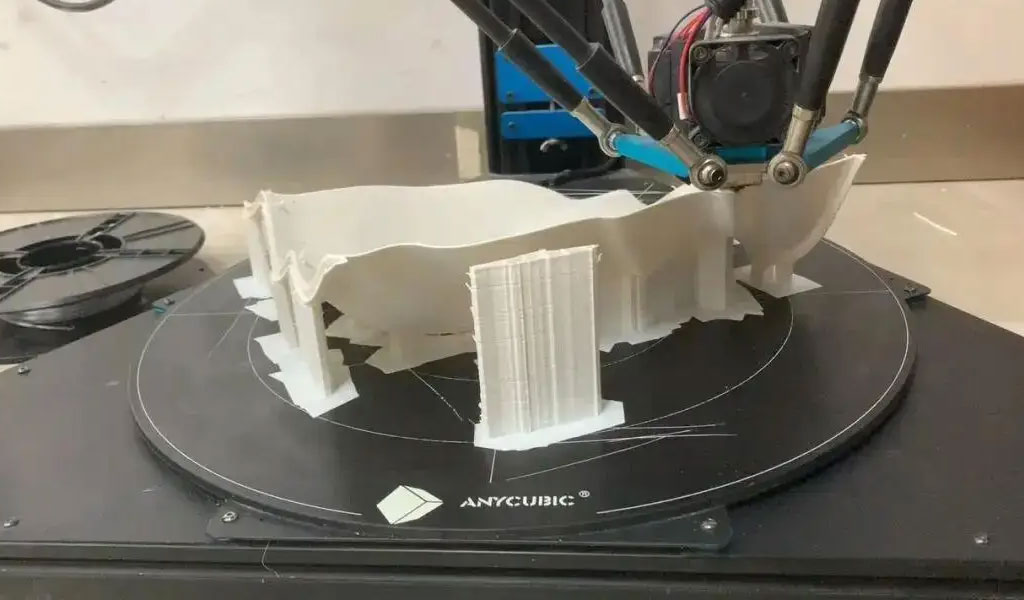
Direct Energy Deposition (DED) is an advanced additive manufacturing process that utilizes focused energy sources, such as lasers, electron beams, or plasma arcs, to melt and deposit material—typically in the form of metal powder or wire—onto a substrate or existing component. This technology, which falls under the broader category of directed energy deposition as defined by the ASTM International standard F2792, is widely employed in industries ranging from aerospace and automotive to energy and biomedical engineering. Unlike traditional subtractive manufacturing methods, which remove material from a solid block, DED builds parts layer by layer, offering unique capabilities for fabricating complex geometries, repairing high-value components, and creating functionally graded materials.
Since its development in the late 20th century, DED has evolved into a versatile and powerful tool, bridging the gap between prototyping and industrial-scale production.
The origins of DED can be traced back to advancements in laser cladding and welding technologies during the 1980s and 1990s. Early implementations focused on surface modification, such as applying wear-resistant coatings to industrial tools. However, as control systems, material delivery mechanisms, and energy sources improved, the process expanded to include the fabrication of fully dense, near-net-shape components. Today, DED systems are characterized by their ability to deposit material with high precision, often guided by computer-aided design (CAD) models and sophisticated motion control systems. The process is distinct from other additive manufacturing techniques, such as powder bed fusion (PBF), due to its use of a directed energy source to melt material as it is deposited, rather than fusing a pre-laid bed of powder.
DED operates by delivering feedstock material—either metal powder or wire—into the path of a focused energy beam. The energy source melts the material, which then solidifies as it fuses with the underlying substrate or previously deposited layers. The deposition head, typically mounted on a multi-axis robotic arm or CNC gantry, moves in a predetermined pattern to build the desired geometry. This layer-by-layer approach allows for the creation of parts with intricate internal structures, variable material properties, and large-scale dimensions that would be difficult or impossible to achieve with conventional manufacturing methods. Common energy sources include lasers (e.g., Nd:YAG, fiber, or CO2 lasers), electron beams, and plasma arcs, each offering distinct advantages depending on the material and application.
One of the most prominent examples of DED in practice is its use in the aerospace industry for repairing high-value components, such as turbine blades and engine casings. For instance, companies like Rolls-Royce and General Electric have adopted DED to restore worn or damaged parts, extending their service life and reducing the need for costly replacements. In these applications, a laser-based DED system might deposit a nickel-based superalloy onto a damaged turbine blade, precisely rebuilding its geometry while maintaining the material’s metallurgical properties. Another example is the production of large-scale titanium components for aircraft, such as landing gear or structural brackets, where DED’s ability to work with high-strength alloys and minimize material waste is particularly advantageous.
The automotive sector also leverages DED for both prototyping and production. Tooling dies, which are subject to significant wear during stamping or forging processes, can be repaired or enhanced with DED by depositing hardfacing alloys like cobalt-chromium or tool steel. Additionally, DED has been explored for creating lightweight components, such as aluminum or magnesium alloy parts, to improve fuel efficiency in vehicles. Beyond these industries, DED finds applications in the energy sector—fabricating components for gas turbines or nuclear reactors—and in biomedical engineering, where it is used to produce custom implants with biocompatible materials like titanium or cobalt-chromium alloys.
To understand how DED works in detail, it is essential to break down the process into its core components and stages. The system typically consists of an energy source, a material delivery mechanism, a motion control system, and a build platform. The energy source, such as a laser, generates a concentrated beam that creates a melt pool on the substrate. Simultaneously, the feedstock—either powder carried by an inert gas (e.g., argon) or a continuous wire—is fed into the melt pool. As the material melts and fuses with the substrate, the deposition head moves along a pre-programmed path, depositing material in a controlled manner. The process occurs within a shielded environment, often using inert gas to prevent oxidation, particularly for reactive metals like titanium or aluminum.
The physics of DED involves complex interactions between thermal energy, material properties, and process parameters. The energy source must deliver sufficient power to melt the feedstock and a small portion of the substrate, ensuring strong metallurgical bonding. For example, a laser with a power output of 1–6 kW might be used for steel or titanium, with the beam focused to a spot size of 0.5–5 mm, depending on the desired resolution. The deposition rate, typically ranging from 0.1 to 5 kg/hour, depends on factors such as the material type, energy input, and feed rate. As the melt pool cools, rapid solidification occurs, often resulting in fine microstructures due to the high cooling rates (10³–10⁵ K/s), which can enhance mechanical properties like strength and hardness.
DED systems are highly customizable, with variations in configuration depending on the application. Laser-based DED, often referred to as Laser Engineered Net Shaping (LENS) when developed by Sandia National Laboratories and commercialized by Optomec, uses a powder feedstock and is ideal for high-precision applications. Electron Beam Additive Manufacturing (EBAM), pioneered by Sciaky Inc., employs a wire feedstock and operates in a vacuum chamber, making it suitable for large-scale titanium parts. Plasma-based DED, sometimes called Plasma Transferred Arc (PTA) deposition, offers a cost-effective alternative for depositing thick layers of material, though with less precision than laser or electron beam systems.
The advantages of DED are numerous and stem from its flexibility, efficiency, and material capabilities. One key benefit is its ability to repair existing components, reducing downtime and costs in industries where part replacement is impractical. For example, repairing a $50,000 turbine blade with DED might cost a fraction of that amount, while achieving properties comparable to the original material. DED also enables the creation of functionally graded materials (FGMs), where the composition transitions gradually across a part—e.g., from a wear-resistant surface to a ductile core—enhancing performance in demanding environments. Additionally, DED’s compatibility with a wide range of alloys, including steels, nickel superalloys, titanium, and aluminum, makes it versatile for diverse applications.
Another advantage is the process’s efficiency in material usage. Unlike subtractive methods, which can waste up to 90% of a starting material, DED is a near-net-shape process, depositing only the material needed for the final part. This is particularly valuable for expensive materials like titanium, where minimizing waste can lead to significant cost savings. Furthermore, DED’s ability to build large parts—up to several meters in some EBAM systems—exceeds the build volume limitations of powder bed fusion systems, which are typically constrained to less than 1 cubic meter. The process also supports hybrid manufacturing, combining DED with CNC machining to achieve tight tolerances and smooth surface finishes.
However, DED is not without its disadvantages. One major limitation is its relatively low resolution compared to powder bed fusion techniques like Selective Laser Melting (SLM). The deposited layers in DED are typically 0.25–2 mm thick, resulting in a rougher surface finish (Ra 20–50 µm) that often requires post-processing, such as milling or grinding, to meet precision requirements. This contrasts with SLM’s layer thickness of 20–100 µm and surface finish of Ra 5–15 µm. Additionally, the high heat input of DED can introduce residual stresses and distortion, particularly in large parts, necessitating careful process optimization or heat treatment.
The complexity of DED systems also poses challenges. The equipment, including lasers, electron beam guns, or plasma torches, is expensive, with costs ranging from $500,000 to over $1 million for industrial-grade machines. Operating these systems requires skilled personnel to manage parameters like energy input, feed rate, and shielding gas flow, as small deviations can lead to defects such as porosity, lack of fusion, or cracking. Moreover, while DED excels at repairing and building large components, it is less suited for producing intricate, small-scale parts with fine internal features, where powder bed methods have an edge.
From a materials science perspective, DED’s rapid solidification can be both an advantage and a drawback. The fine microstructures improve mechanical properties, but they can also lead to anisotropy—directional variations in strength or toughness—due to the layer-by-layer build process. For critical applications, such as aerospace components, extensive testing (e.g., tensile, fatigue, and microstructural analysis) is required to ensure reliability. Additionally, the range of materials compatible with DED, while broad, is narrower than that of traditional casting or forging, limiting its use for certain polymers or ceramics that are better suited to other additive techniques.
To provide a comprehensive comparison of DED with other additive manufacturing methods, the following tables summarize key attributes across multiple dimensions, including process characteristics, material compatibility, and performance metrics. These tables are designed to offer a detailed, scientific perspective for researchers, engineers, and industry professionals evaluating DED’s suitability for specific applications.
| Parameter | DED (Laser-Based) | DED (Electron Beam) | Powder Bed Fusion (SLM) | Binder Jetting |
|---|---|---|---|---|
| Energy Source | Laser (1–6 kW) | Electron Beam (3–10 kW) | Laser (0.2–1 kW) | None (Binder + Heat) |
| Feedstock | Powder or Wire | Wire | Powder | Powder |
| Layer Thickness | 0.25–2 mm | 1–3 mm | 20–100 µm | 50–200 µm |
| Build Volume | Up to 5 x 2 x 2 m | Up to 6 x 2 x 1.5 m | Up to 0.5 x 0.5 x 0.5 m | Up to 1 x 0.5 x 0.5 m |
| Deposition Rate | 0.1–5 kg/h | 0.5–10 kg/h | 0.01–0.08 kg/h | N/A (Post-Processing) |
| Surface Finish (Ra) | 20–50 µm | 30–60 µm | 5–15 µm | 10–25 µm |
| Precision | Moderate | Low | High | Moderate |
| Cost of Equipment | $500K–$1M | $1M–$2M | $400K–$1M | $200K–$800K |
| Typical Materials | Ti, Ni, Steel, Al | Ti, Ni, Steel | Ti, Ni, Steel, Al, Co-Cr | Metals, Ceramics, Sand |
| Applications | Repair, Large Parts | Large Aerospace Parts | Small, Complex Parts | Prototypes, Tooling |
| Material | Tensile Strength (MPa) | Yield Strength (MPa) | Elongation (%) | Hardness (HV) | Microstructure |
|---|---|---|---|---|---|
| Ti-6Al-4V (DED-Laser) | 950–1100 | 850–1000 | 8–14 | 340–380 | Fine α+β, Anisotropic |
| Ti-6Al-4V (DED-EBAM) | 900–1050 | 800–950 | 10–15 | 330–370 | Coarser α+β, Columnar |
| Inconel 718 (DED) | 1000–1200 | 800–1000 | 12–20 | 350–400 | γ’ Precipitates, Dendritic |
| 316L Stainless Steel | 550–650 | 300–450 | 30–50 | 200–250 | Austenitic, Fine Grains |
| AlSi10Mg (DED) | 300–400 | 200–250 | 5–10 | 100–130 | Eutectic Si, Dendritic |
| DED Variant | Advantages | Disadvantages |
|---|---|---|
| Laser-Based DED | High precision, wide material range, FGMs possible | High cost, moderate build rate, post-processing |
| Electron Beam DED | High build rate, large parts, vacuum environment | Lower precision, limited to conductive materials |
| Plasma-Based DED | Cost-effective, thick deposits, simple setup | Poor resolution, limited material compatibility |
In practice, the choice of DED variant and process parameters depends heavily on the specific application. For instance, aerospace manufacturers might opt for EBAM to produce large titanium structures, valuing its high deposition rate and ability to work in a vacuum, which prevents oxidation. In contrast, a biomedical firm producing custom implants might prefer laser-based DED for its precision and ability to deposit biocompatible alloys like Co-Cr with fine control over geometry.
The scientific underpinnings of DED continue to evolve, with ongoing research focused on improving process reliability, expanding material options, and reducing costs. Computational modeling, such as finite element analysis (FEA) of thermal and stress fields, plays a critical role in optimizing DED parameters to minimize defects. For example, simulations can predict the evolution of residual stresses during deposition, guiding the adjustment of laser power or scan speed to prevent cracking. Machine learning is also being integrated into DED systems to enable real-time monitoring and adaptive control, using sensors to detect anomalies like porosity or incomplete fusion and adjust parameters on the fly.
From an industrial perspective, DED’s scalability and adaptability make it a cornerstone of the ongoing shift toward Industry 4.0, where digital manufacturing, customization, and sustainability are paramount. Its ability to integrate with hybrid systems—combining additive and subtractive processes—further enhances its appeal, allowing manufacturers to produce finished parts in a single workflow. However, widespread adoption is tempered by challenges such as standardization, certification (especially for aerospace and medical applications), and the need for a skilled workforce.
In conclusion, Direct Energy Deposition represents a transformative approach to manufacturing, offering unparalleled flexibility for repairing, enhancing, and fabricating metal components. Its strengths—material efficiency, large build capabilities, and multi-material potential—are balanced by limitations in precision, cost, and complexity, making it a specialized tool rather than a one-size-fits-all solution. As research and technology advance, DED is poised to play an increasingly vital role in industries requiring high-performance, custom-engineered parts, solidifying its place in the additive manufacturing landscape.
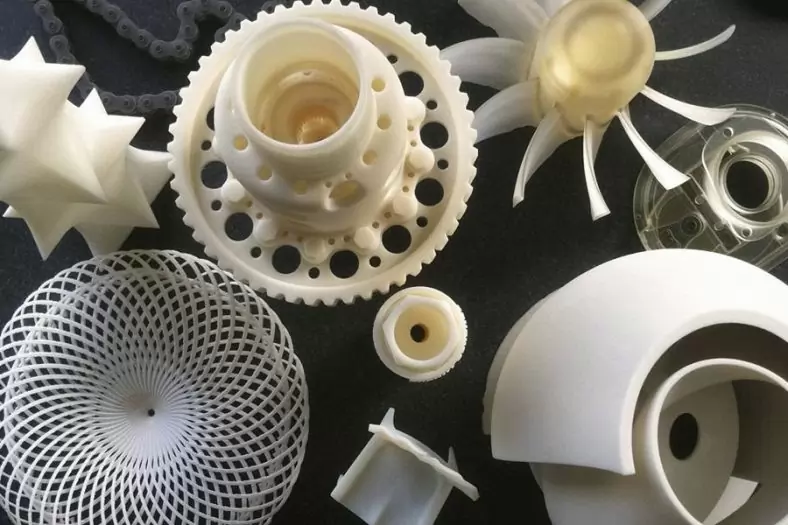
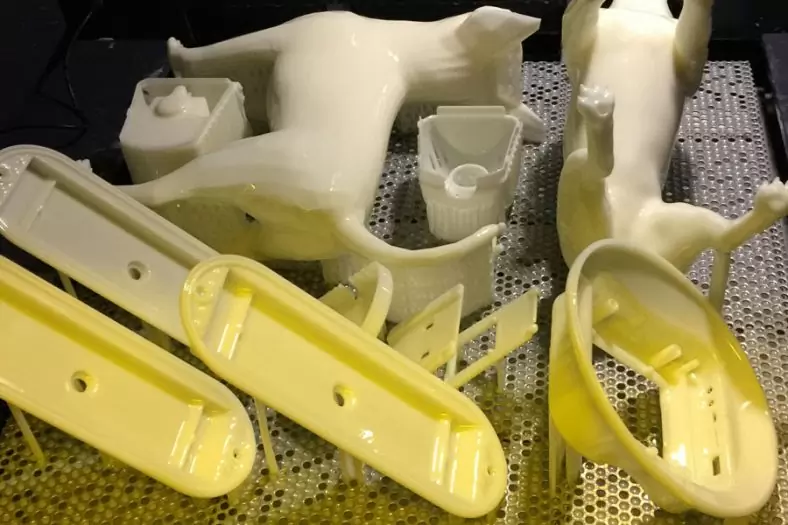
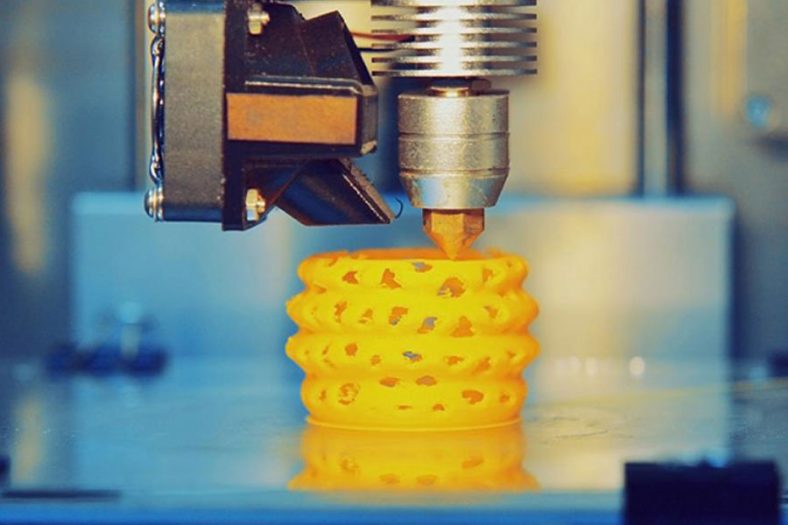
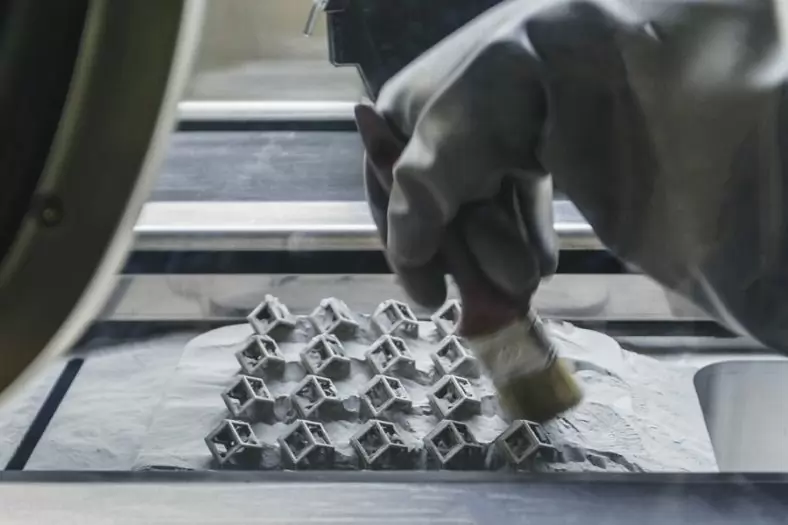
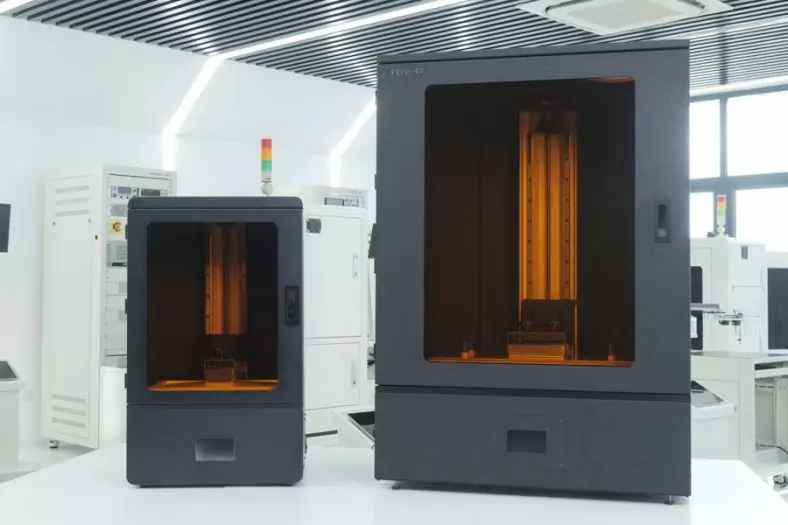
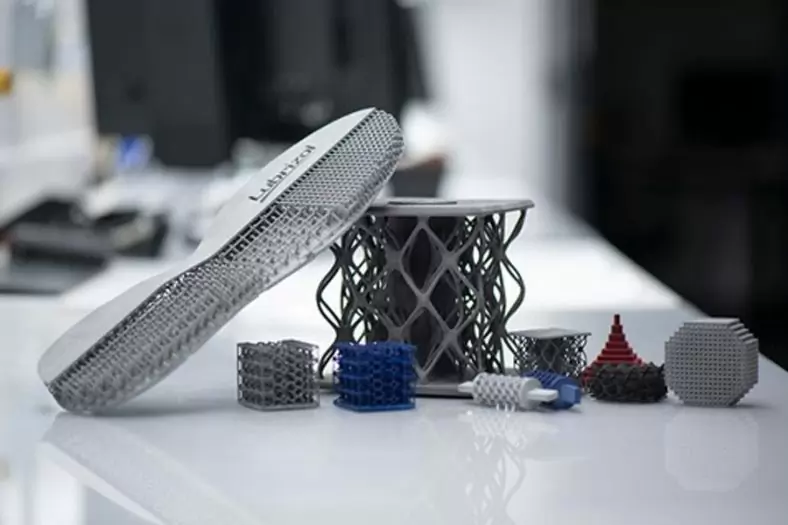
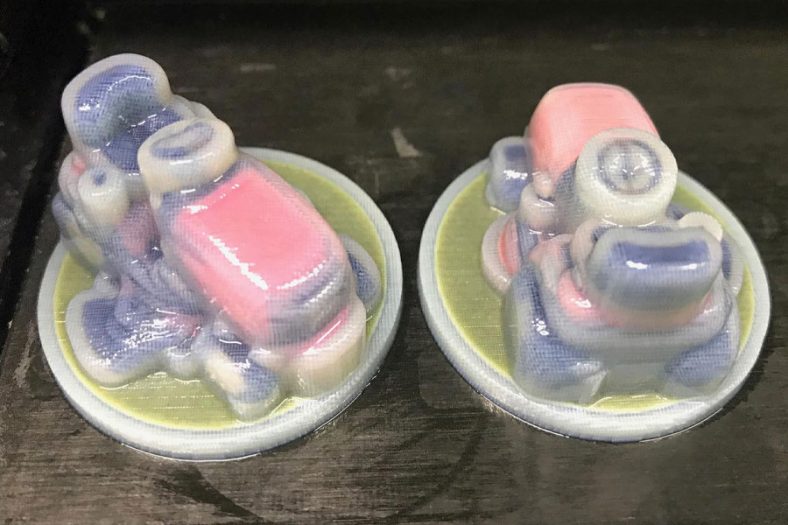
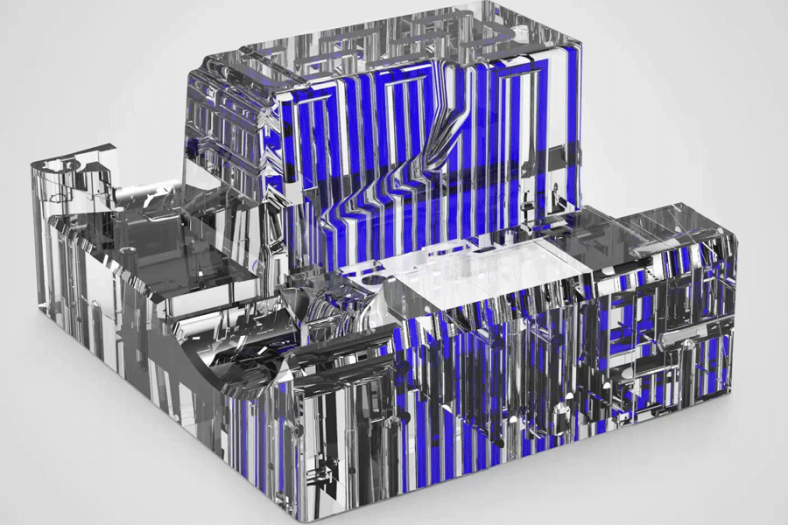
The Detail Of BE-CU 3D Printing Company
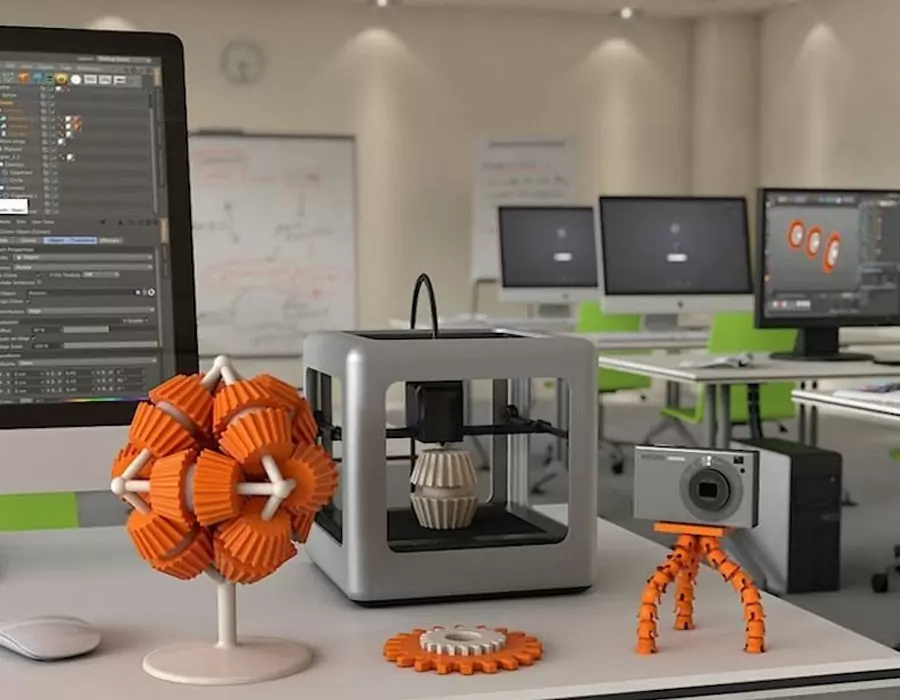
BE-CU.COM offers online 3D printing services for rapid prototyping and production in volume. Our clients are across a wide variety of industries and companies, including automotive, construction, aerospace, defense, electronics, machinery, industrial automation, medical, healthcare, consumer production, oil & gas, etc. Accelerate your product development and manufacturing process with our industry-leading metal & plastic 3D printing service and 3D printed parts. We’ll find the best 3D printing solution for your projects, to lower your cost and shorten the lead time based on your needs, while maintaining the quality. From 3D prototyping to end-use parts production, multiple materials are available for custom 3D printing parts. Need an alternative to the traditional solution? Submit your 3D CAD file to get an online quotation quickly. Our 3D printing service ensures accuracy and speed. We can help you choose the most appropriate technology and material to match your applications or request.
-
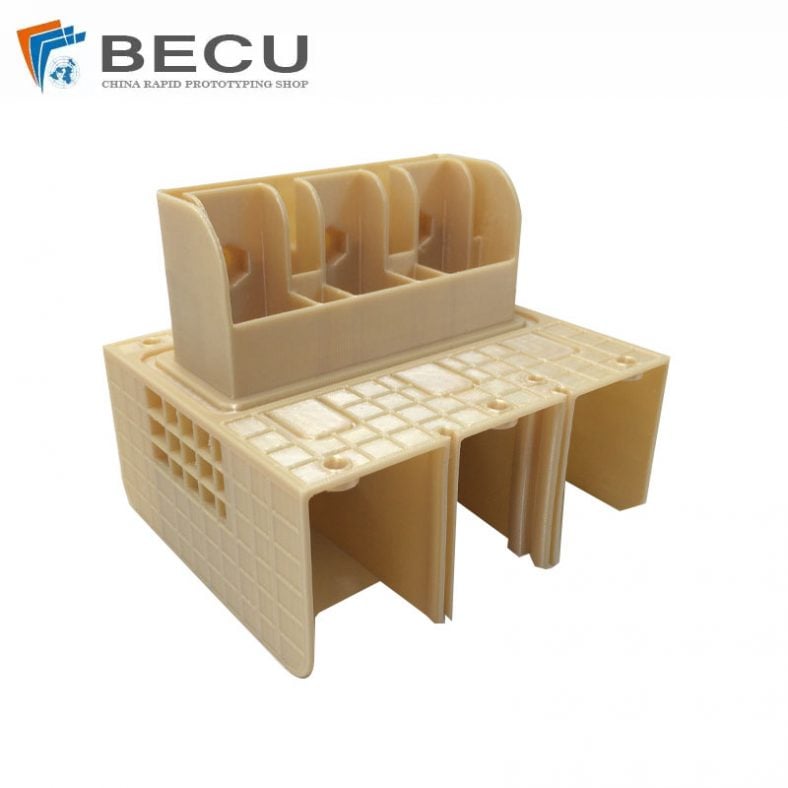
FDM 3D Printing Ultra-High Voltage Strong Electrical Connector
-
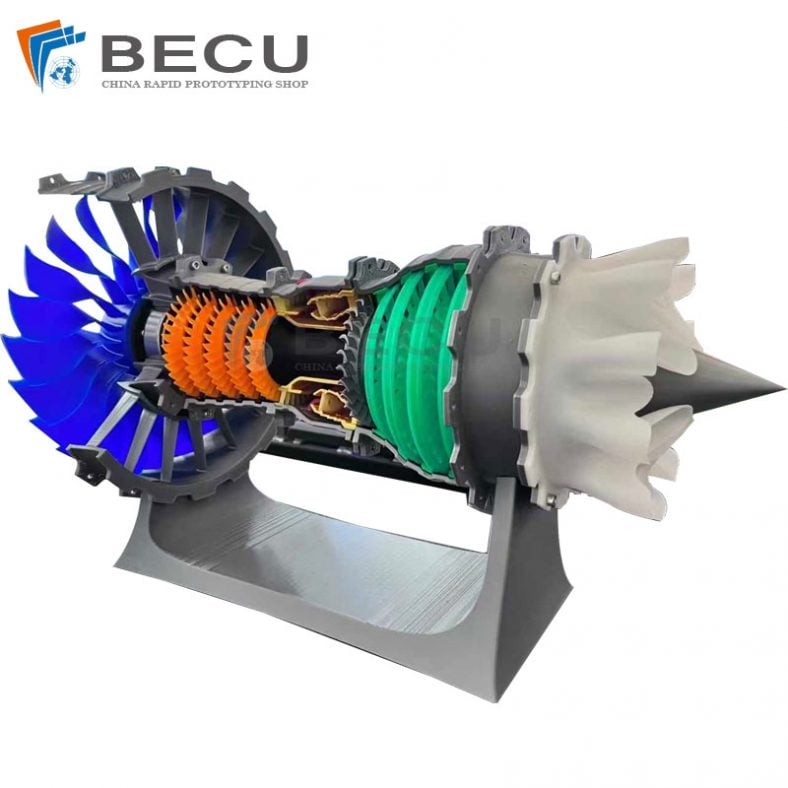
3D Printed Jet Engine Model
-
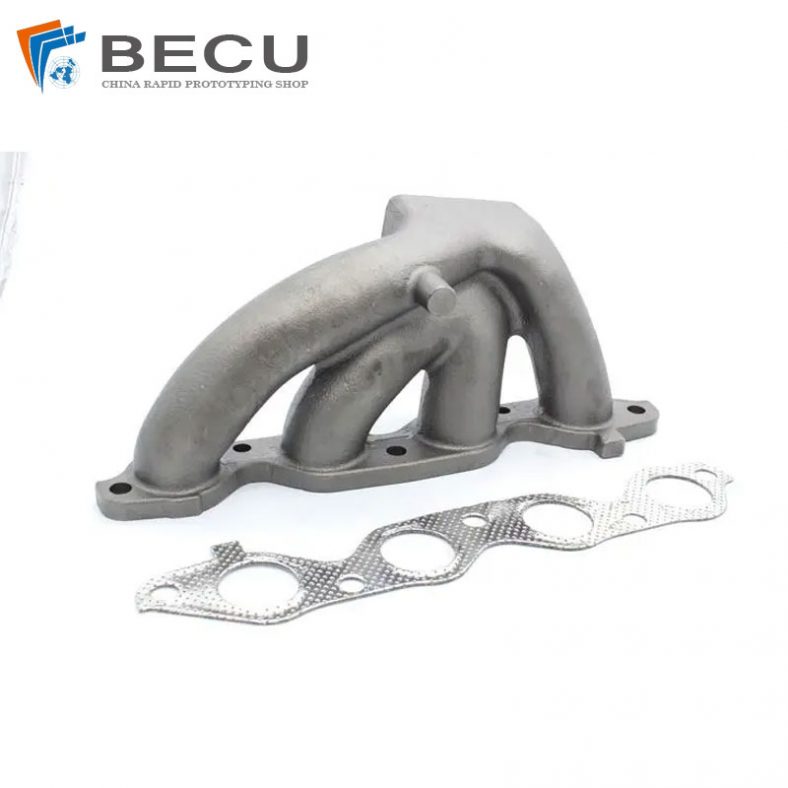
3D Printed Inconel Exhaust Manifold
-
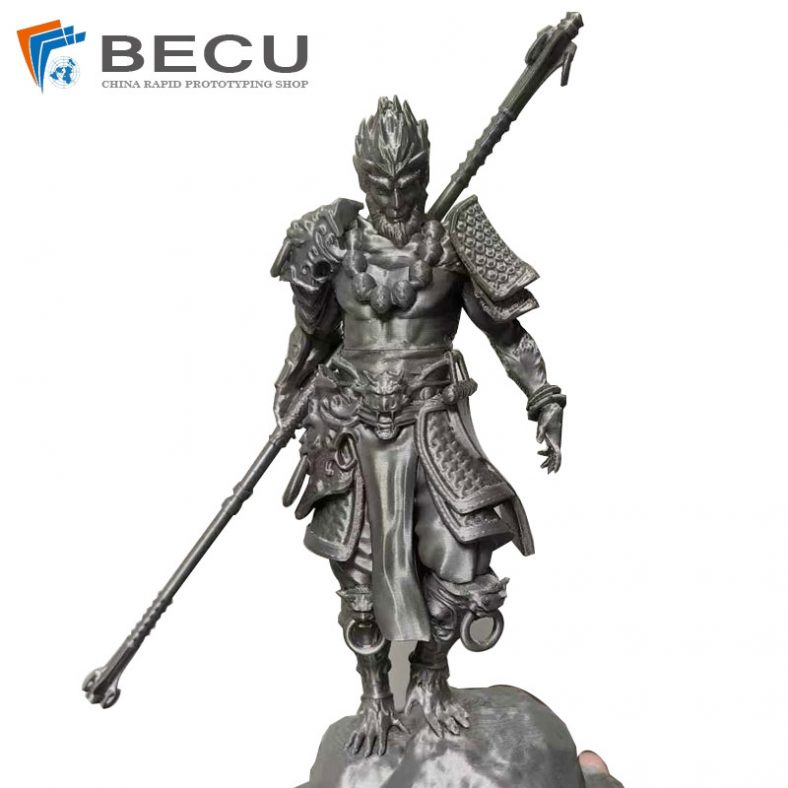
3D Printed Black Myth: Wukong Model
-
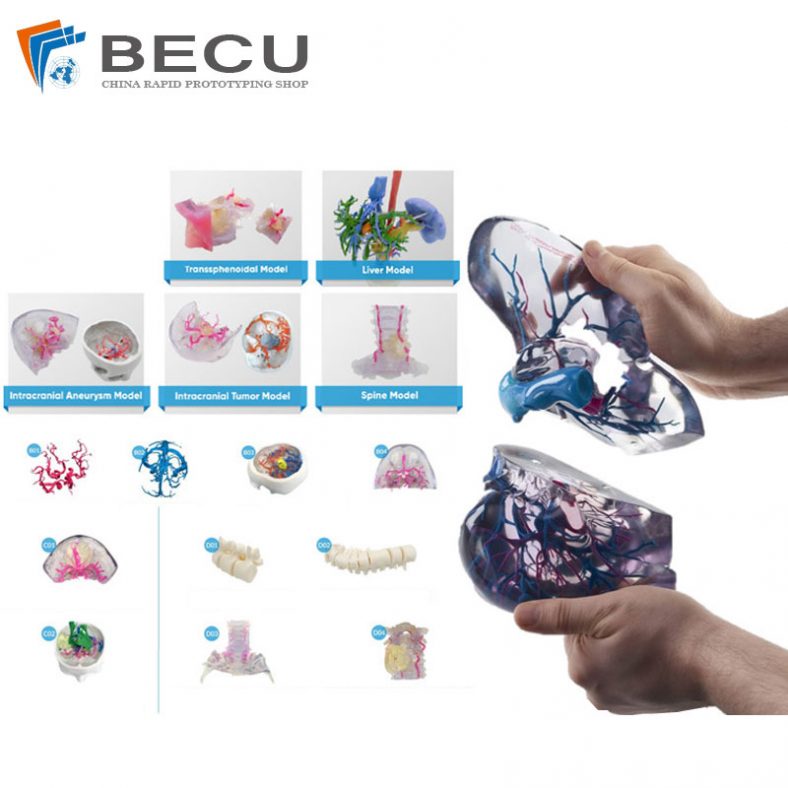
Omni-Directional Surgical Planning Medical Models
-
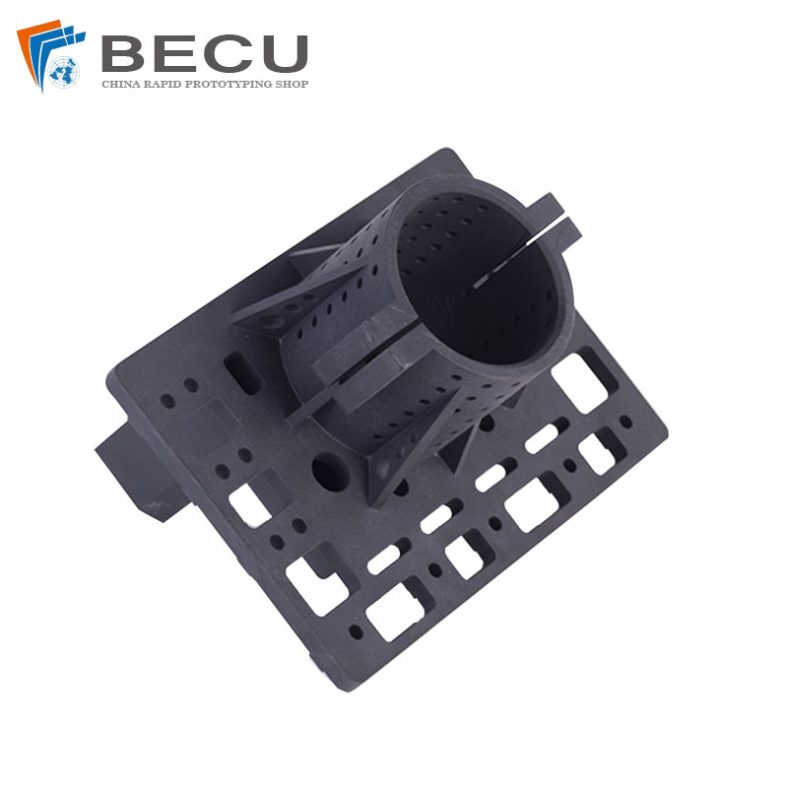
3D Printing Pool Pressure Cleaner Parts and Accessories
-
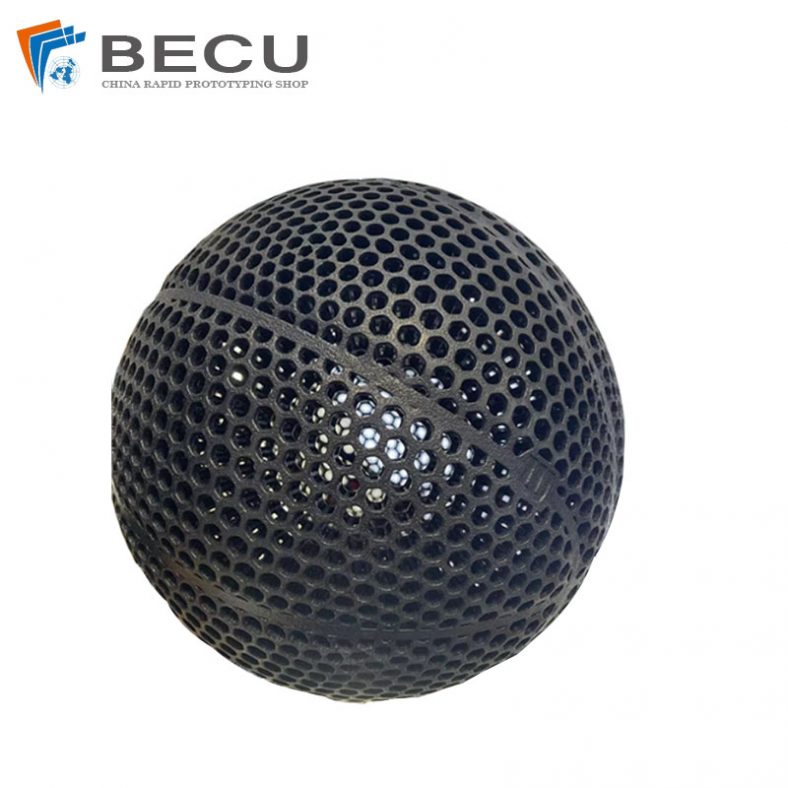
Nylon 3D Printed Size 5 Basketball
-
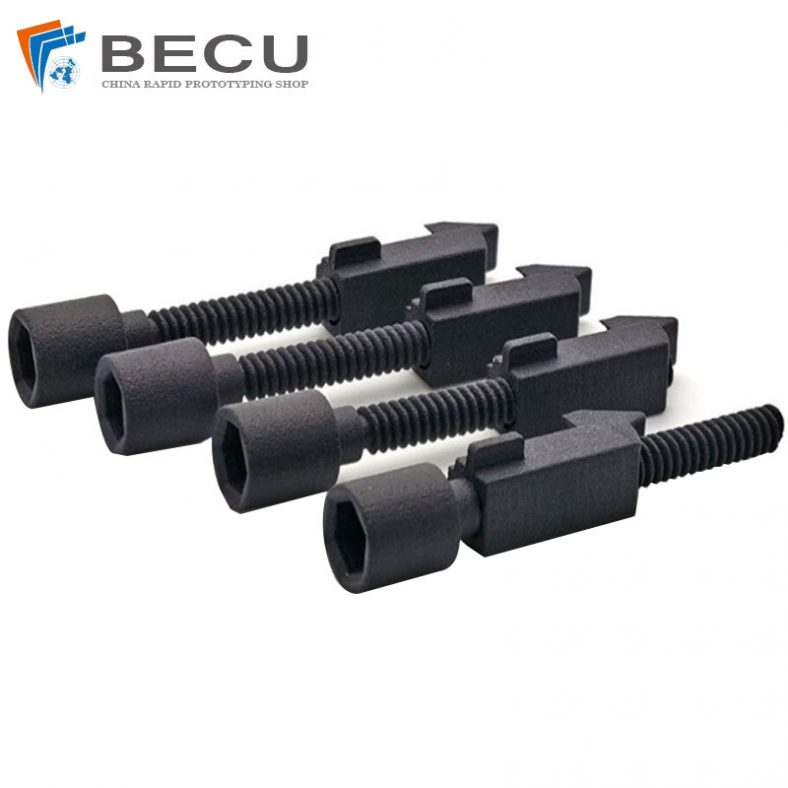
Black Nylon Medical Threaded Screw By MJF 3D Printing