
Incoloy 800 is a nickel-iron-chromium alloy known for its excellent oxidation and carburization resistance, making it suitable for high-temperature applications in industries such as aerospace, petrochemical, and power generation. This article explores the effects of homogenization treatment on the high-temperature deformation characteristics of as-cast Incoloy 800 alloy. By examining the microstructural changes, mechanical properties, and deformation mechanisms, we provide a comprehensive overview of how homogenization influences the alloy’s performance under extreme conditions.
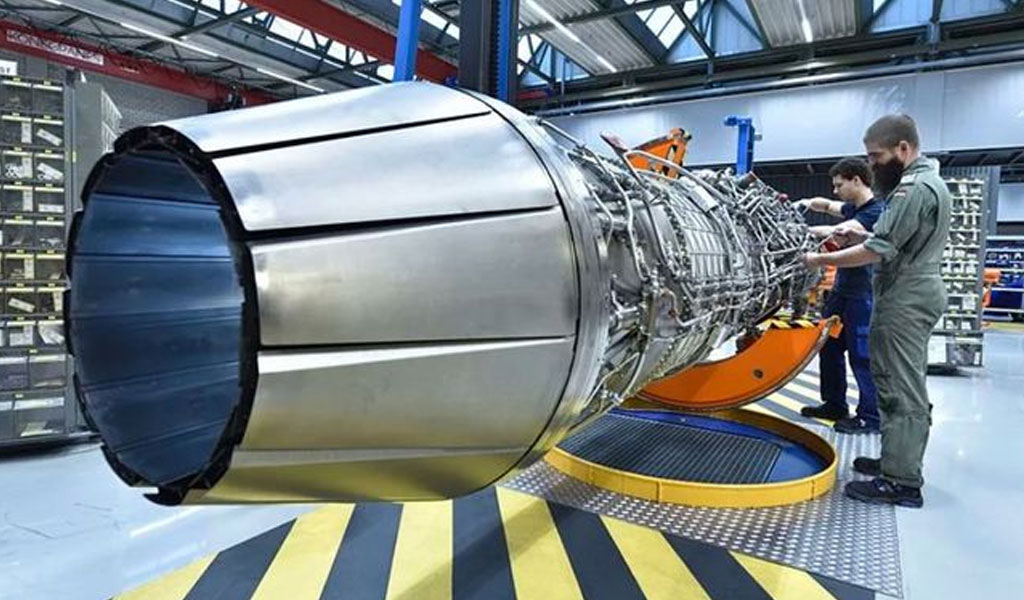
What Is Cast Incoloy800 Alloy
Incoloy 800 is a highly versatile alloy characterized by its resistance to oxidation and corrosion at elevated temperatures. The composition primarily consists of nickel, iron, and chromium, with smaller amounts of other elements such as titanium and aluminum, contributing to its mechanical stability and durability. As a result, Incoloy 800 is widely used in applications that involve exposure to harsh environments, such as heat exchangers, furnace components, and chemical processing equipment.
Homogenization treatment is a critical process employed in the manufacturing of metallic alloys. It involves heating the alloy to a temperature that promotes the diffusion of solute elements, followed by a controlled cooling process. This treatment aims to reduce microsegregation and refine the microstructure, which can significantly affect the alloy’s mechanical properties and deformation characteristics, especially under high-temperature conditions.
Composition and Microstructure of Incoloy 800
Incoloy 800 comprises approximately 32% nickel, 21% chromium, 39% iron, and trace amounts of titanium, aluminum, and carbon. The balance of elements ensures a robust microstructure capable of withstanding oxidation and reducing environments. The as-cast microstructure typically exhibits a dendritic formation due to the cooling process during casting, leading to the segregation of alloying elements. This non-uniform distribution can adversely affect the alloy’s mechanical properties, making homogenization an essential step prior to further processing.
Microsegregation and its Impact
Microsegregation refers to the non-uniform distribution of solute elements within the alloy matrix during solidification. In the as-cast state, this phenomenon can lead to localized areas with varying mechanical properties, adversely affecting the alloy’s overall performance. Homogenization treatment mitigates microsegregation by allowing solute atoms to diffuse and equilibrate, resulting in a more uniform microstructure.
Homogenization Treatment Process
The homogenization treatment typically involves heating the alloy to a temperature range of 1100°C to 1300°C for a specific duration, depending on the thickness and size of the material. The process is followed by air cooling or water quenching to stabilize the microstructure.
Temperature and Time Parameters
The effectiveness of homogenization is influenced by the treatment temperature and duration. Higher temperatures generally promote more significant diffusion of solute elements; however, prolonged exposure can lead to grain coarsening, which may degrade mechanical properties. Therefore, optimizing these parameters is crucial to achieving the desired microstructural characteristics.
Effects on Microstructure
During homogenization, the dendritic structure of the as-cast Incoloy 800 is refined, leading to a more equiaxed grain structure. This transformation enhances the alloy’s toughness and ductility, enabling better performance under high-temperature deformation conditions.
High-Temperature Deformation Characteristics
High-temperature deformation characteristics are critical for materials used in demanding environments. These characteristics are influenced by factors such as grain size, phase distribution, and the presence of precipitates, all of which can be modified through homogenization.
Mechanical Properties at Elevated Temperatures
The mechanical properties of Incoloy 800, including yield strength, ultimate tensile strength, and elongation, are significantly affected by the homogenization treatment. Enhanced ductility and toughness at high temperatures result from a refined microstructure, which allows for better energy absorption during deformation.
Deformation Mechanisms
At elevated temperatures, Incoloy 800 exhibits a combination of dislocation slip, grain boundary sliding, and diffusion mechanisms. Homogenization treatment facilitates these mechanisms by promoting a more uniform grain structure, thereby reducing the likelihood of localized deformation and failure.
Experimental Methodology
This section outlines the experimental methods used to evaluate the effects of homogenization on the deformation characteristics of as-cast Incoloy 800. The study involves the following steps:
- Sample Preparation: As-cast Incoloy 800 samples are prepared for homogenization and subsequent mechanical testing.
- Homogenization Treatment: Samples are subjected to varying temperatures and times to determine the optimal conditions for microstructural refinement.
- Microstructural Analysis: Optical microscopy and scanning electron microscopy (SEM) are employed to analyze changes in the microstructure post-treatment.
- Mechanical Testing: High-temperature tensile tests are conducted to assess the mechanical properties of both homogenized and as-cast samples.
Results and Discussion
The results of the study reveal that homogenization treatment significantly enhances the high-temperature deformation characteristics of Incoloy 800. Key findings include:
- Microstructural Changes: Post-homogenization, samples display a uniform grain structure, with reduced microsegregation and enhanced phase distribution.
- Mechanical Properties: Homogenized samples exhibit improved yield strength, ultimate tensile strength, and elongation at high temperatures compared to their as-cast counterparts.
- Deformation Behavior: The refined microstructure facilitates more effective dislocation movement and grain boundary sliding, leading to better overall deformation performance.
Conclusion
The homogenization treatment of Incoloy 800 alloy significantly enhances its high-temperature deformation characteristics. By refining the microstructure and mitigating microsegregation, the treatment improves mechanical properties, enabling the alloy to perform optimally in extreme environments. As industries continue to demand materials that can withstand harsh conditions, understanding the effects of processing treatments like homogenization will be essential for developing high-performance alloys.
Incoloy800 is a solid solution reinforced austenite alloy, which has high creep fracture strength, good high temperature mechanical properties and corrosion resistance. It is widely used in nuclear power, petrochemical and other key parts. In order to meet the needs of industrial production, most of the as cast austenite alloys need to be obtained by hot rolling, hot forging and other hot-processing processes.
In the process of hot deformation, the alloy is prone to surface defects and even cracks. In engineering, the defects are usually prevented by adjusting the heating temperature and holding time before the thermal deformation. From the production experience, the heating temperature and the holding time have a great influence on the crack.
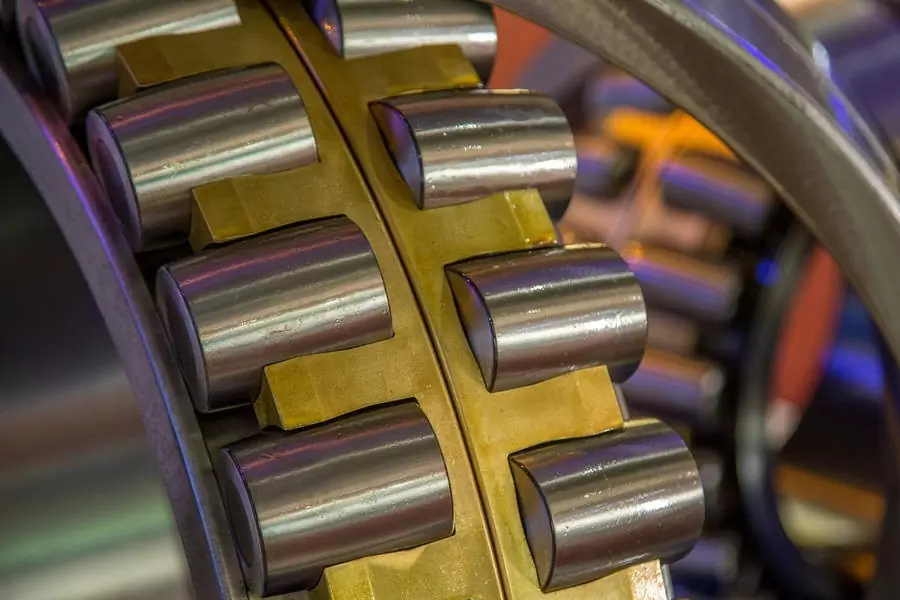
The previous research focuses on the effect of homogenization on the structure and the second phase, and the effect of homogenization on the mechanical properties of materials needs further understanding. The researchers studied the effect of homogenization on the deformation properties of 800 alloy by high temperature compression experiment.
It is melted by vacuum induction furnace and produced by pouring Φ 80mm × The chemical composition (mass fraction,%) of the 300 mm Incoloy800 ingot is fe41.2, ni31.5, cr21.1, mn1.30, c0.06, ti0.3, al0.26, cu0.60, si0.95. To intercept on ingots Φ 8mm × The height of the sample is parallel to the diameter of the ingot, and a part of the specimens treated by homogenization are subjected to thermal compression test. The homogenization treatment specification is 1250 ℃ for 2 hours, and then cooled with the furnace.
The uniaxial thermal compression test was carried out on the original sample and the homogenized sample on thermorester-w thermal / force simulation test machine, and glass powder was used as lubricant.
The deformation temperature is 950-1200 ℃, the temperature interval is 50 ℃, the sample is heated to the preset deformation temperature at 10 ℃ /s, and the temperature is kept for 120s, and then the deformation is carried out at the strain rate of 0.1s-1, with the maximum true strain of 0.5. After the thermal deformation, the deformed sample was cut symmetrically along the axial direction by wire cutting method. The microstructure of the metallographic sample was observed after corrosion. The test results are as follows:
- The yield stress of 800 alloy was reduced by homogenization treatment at 1250 ℃ for 2 hours, and the decrease of the deformation temperature gradually decreased.
- No recrystallization occurred in the high temperature deformation samples, and homogenization treatment had no effect on the high temperature rheological process.
- The morphology of carbide at the grain boundary of 800 alloy was changed by homogenization treatment, and the carbide changed from compact layer to discontinuous particle. Compared with lamellar carbides, granular carbide leads to low density dislocation during high temperature deformation, which reduces the deformation resistance and decreases the yield strength at high temperature.
The Detail Of BE-CU Die Casting Company
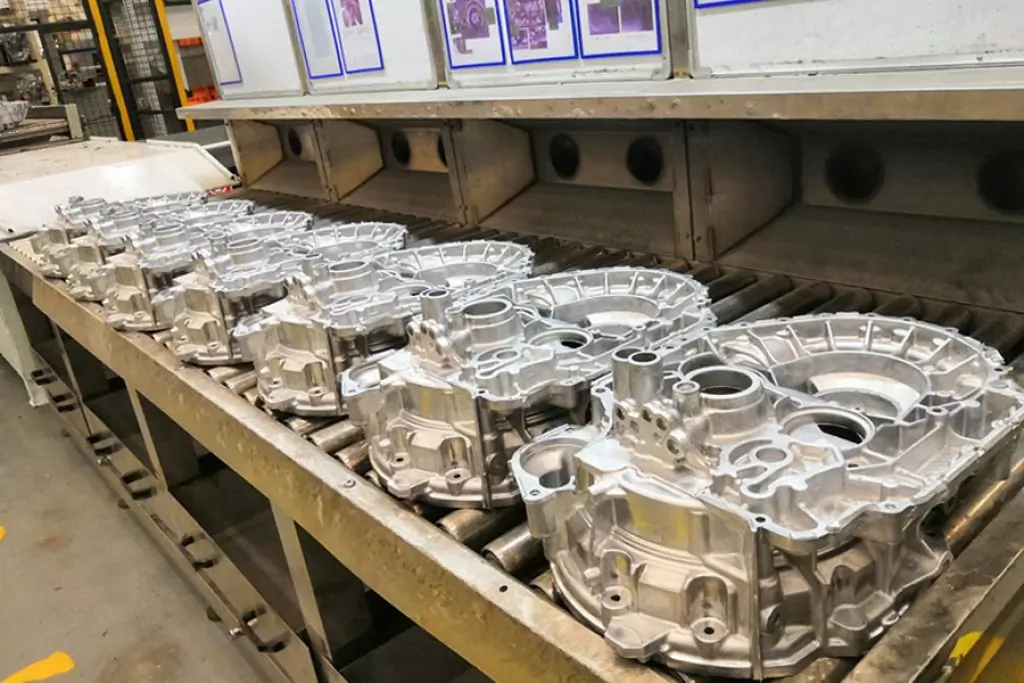
If you are looking for dependable volume manufacturing metal parts supplier with High pressure die casting service who offers you competitive price, good service and quality for aluminium die casting, zinc, or magnesium die casting, then BE-CU Prototype are surely a partner you are looking for to fulfill all your die casting needs. With quality service and state of art technology, BE-CU indeed claim in providing quality pressure die casting including aluminum/zamak/magnesium alloy castings to our customers all over the world.
To work with us,be-cu don’t just stop at taking your order and delivering your die casting products. be-cu are there for you at every step right from your preferred selection of aluminum die casting, Zamak die casting (Zamak 2, Zamak 3, Zamak 5, Zamak 8) or magnesium die casting products and services to post-order phase. In brief, once you become our customer, be-cu are with you every step on the way.
-
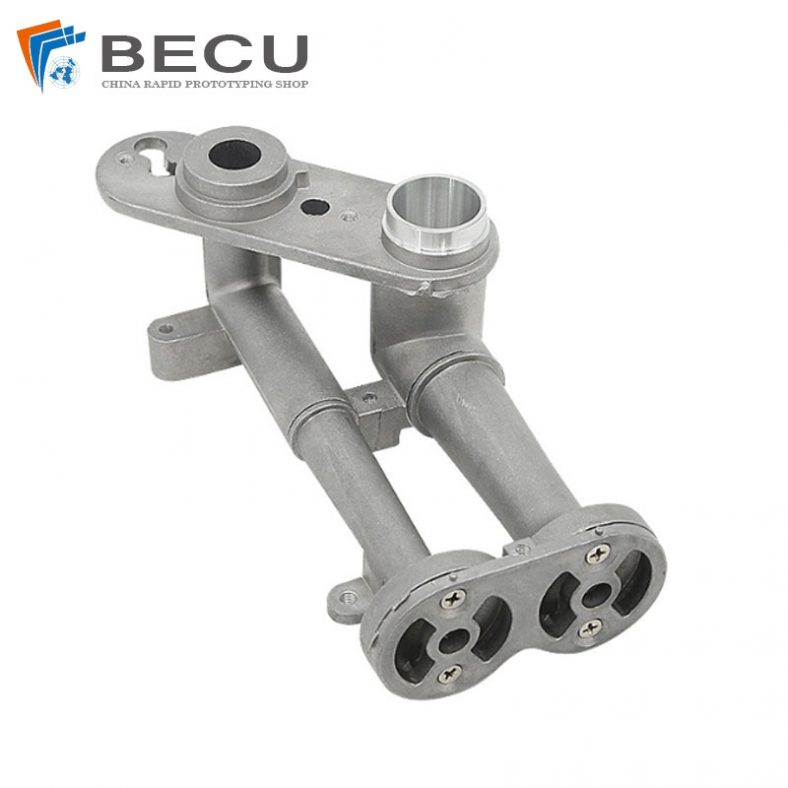
CNC Machining Gas Stove Bottom Joint
-
Gravity Die Casting Custom Street Light Heat Sink
-
Die Casting LED Canopy Lights Heatsink For Gas Station
-
Zinc Die Casting PA10 Transformer Connector Terminal
-
Die Casting Aluminium Cookware Chassis
-
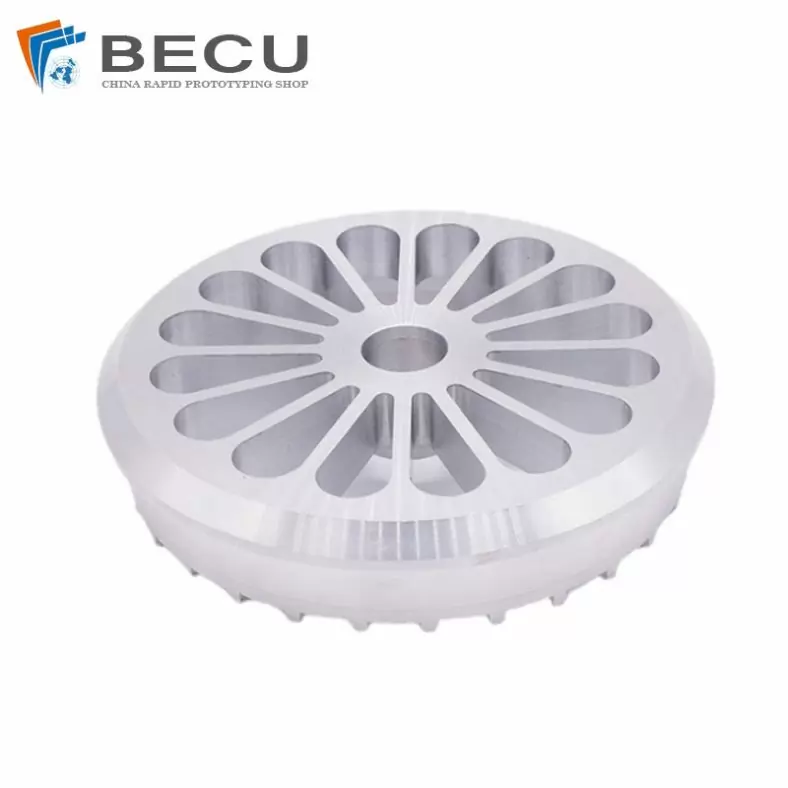
Die Casting Wheels With Aluminum Alloy 5 Axis CNC Machining
-
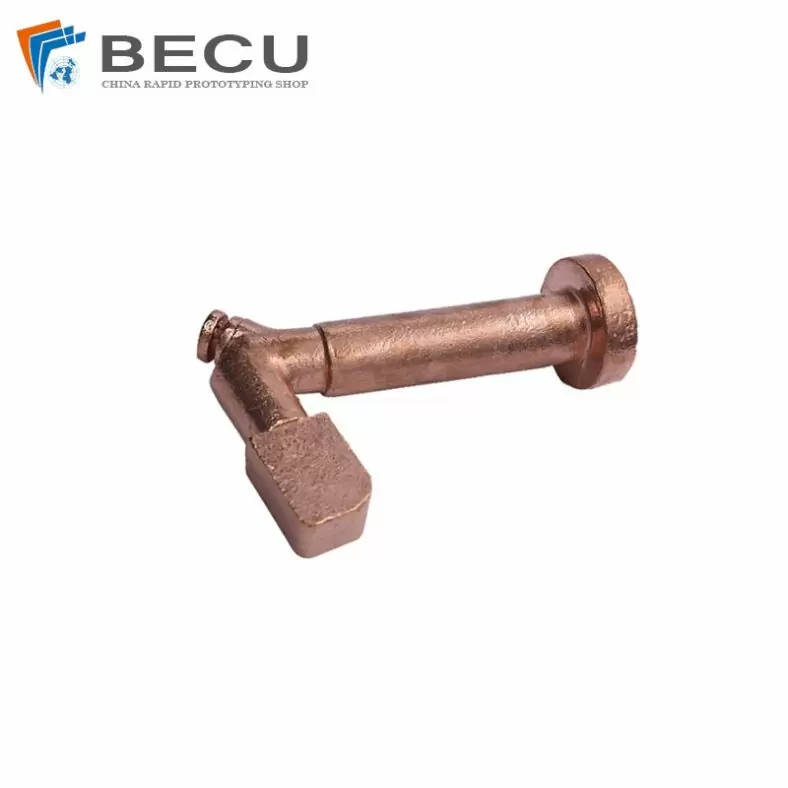
Precision Machined Copper Die Casting Parts
-
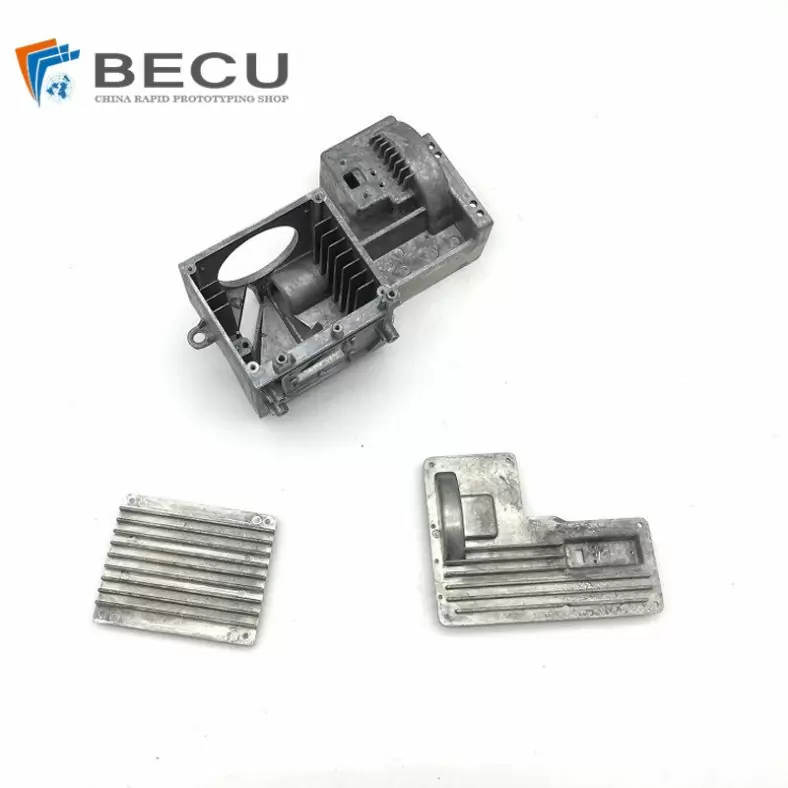
Professional Small Baler Aluminum Alloy Die-casting Mold Production
-
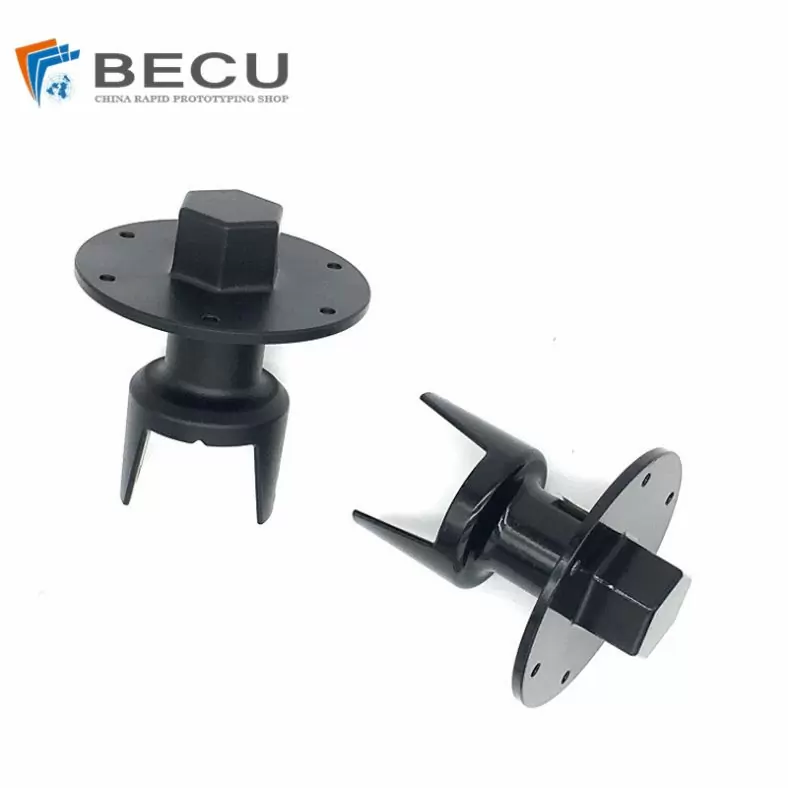
China Die Casting Factory Manufactures Surface Sprayed Aluminum Valve Body
-
Extrusion Die-casting Polyurethane-Coated Aluminum Alloy Profiles
-
Custom Precision Aluminum Die Cast Brackets and Finishes
-
Extrusion Die-casting Magnesium Alloy Heat Sink Shell