
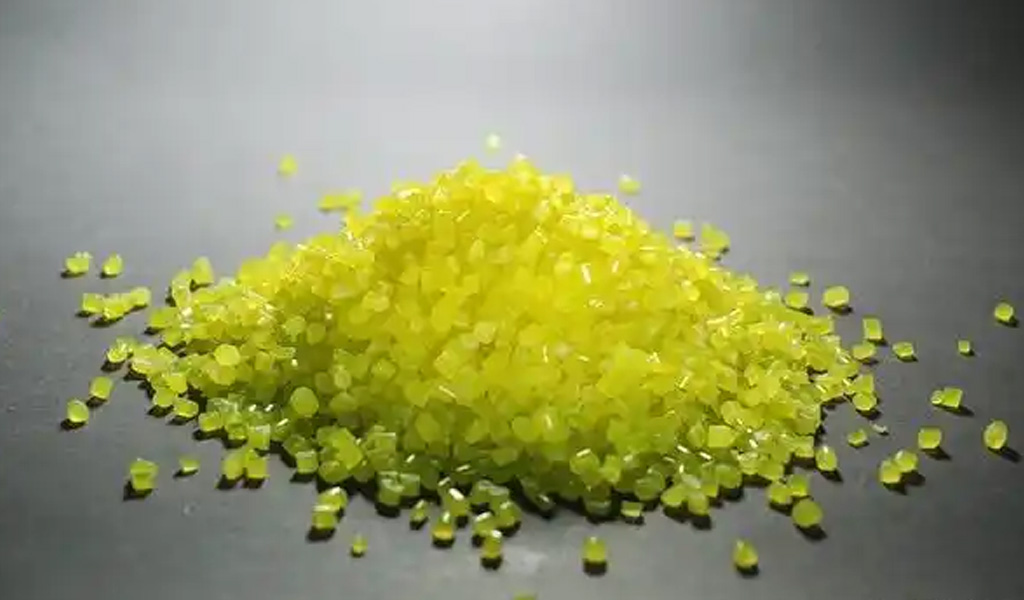
Electrostatic discharge (ESD) safe materials for 3D printing represent a specialized category of materials designed to mitigate the risks associated with static electricity in sensitive environments, particularly in electronics manufacturing, aerospace, and explosive-handling industries. These materials are engineered to dissipate static charges in a controlled manner, preventing sudden discharges that could damage delicate electronic components or ignite flammable substances. As additive manufacturing technologies, such as fused deposition modeling (FDM), stereolithography (SLA), and selective laser sintering (SLS), have advanced, the development and application of ESD-safe materials have become increasingly critical.
This article explores the science behind ESD-safe materials, their properties, applications, manufacturing processes, and a detailed comparison of available options, providing a comprehensive resource for researchers, engineers, and practitioners in the field of 3D printing.
BE-CU.com
Understanding Electrostatic Discharge and Its Implications
Electrostatic discharge occurs when an accumulated electric charge transfers between two objects at different electrical potentials, often resulting in a visible spark or a rapid flow of current. In everyday life, this phenomenon is benign, such as the mild shock experienced when touching a doorknob after walking across a carpet. However, in industrial and technological contexts, ESD poses significant risks. Electronic components, such as integrated circuits (ICs), transistors, and microchips, can be irreparably damaged by discharges as low as 10 volts—far below the threshold detectable by human senses, which is typically around 2000–3000 volts. Furthermore, in environments with flammable gases, liquids, or dust, an ESD event can trigger catastrophic explosions or fires.
The need for ESD-safe materials arises from the properties of traditional materials used in manufacturing. Insulators, such as most untreated plastics, have high electrical resistance (typically >10^12 ohms) and retain static charges for extended periods, making them prone to sudden discharges. Conductors, such as metals, have low resistance (<10^3 ohms) and allow charges to flow freely, often too rapidly to control. ESD-safe materials occupy an intermediate range of surface resistivity, typically between 10^6 and 10^9 ohms, enabling them to dissipate charges gradually and safely to a grounded point. This dissipative property is achieved by incorporating conductive additives into a base polymer, tailoring the material’s electrical characteristics for specific applications.
In the context of 3D printing, ESD-safe materials have revolutionized the production of custom tools, jigs, fixtures, and enclosures. Unlike traditional manufacturing methods like CNC milling, which often involve long lead times and high costs, 3D printing offers rapid prototyping and low-volume production with enhanced design flexibility. The integration of ESD-safe properties into 3D printable materials has expanded their utility, particularly in industries requiring stringent static control.
The Science of ESD-Safe Materials
ESD-safe materials for 3D printing are typically polymer composites, consisting of a thermoplastic or resin base infused with conductive fillers. The base material determines the mechanical properties—such as strength, flexibility, and thermal resistance—while the filler imparts the desired electrical conductivity. Common fillers include carbon black, graphite, carbon fibers, and carbon nanotubes (CNTs), each with distinct effects on the material’s performance.
Carbon black, a cost-effective and widely used filler, consists of fine carbon particles that form a conductive network within the polymer matrix. When incorporated at concentrations of 15–25%, it reduces surface resistivity to the ESD-safe range. However, high loading levels can compromise mechanical properties, making the material brittle or prone to sloughing, where carbon particles detach and contaminate sensitive surfaces. Graphite, another carbon-based filler, offers similar conductivity but with larger particle sizes, which may affect printability and surface finish in 3D printing processes.
Carbon fibers, consisting of elongated carbon strands, enhance both conductivity and mechanical strength. They are often used in high-performance ESD-safe filaments, such as carbon fiber-reinforced nylon or polyetherketoneketone (PEKK), providing tensile strengths up to 130 MPa and temperature resistance exceeding 150°C. However, their anisotropic nature—where properties vary with fiber orientation—requires careful consideration during printing to ensure uniform ESD performance.
Carbon nanotubes, a cutting-edge filler, are cylindrical carbon structures with diameters in the nanometer range. Their high aspect ratio and exceptional conductivity allow effective static dissipation at lower concentrations (typically <5%), preserving the base polymer’s mechanical properties. CNTs are often concentrated on the surface of multilayer filaments, minimizing cost and reducing the risk of sloughing. This technology, pioneered by companies like Essentium, exemplifies the optimization of ESD-safe materials for additive manufacturing.
The electrical properties of these materials are quantified by surface resistivity (measured in ohms per square) and volume resistivity (measured in ohm-centimeters). Surface resistivity reflects the material’s ability to conduct charges across its exterior, while volume resistivity indicates conductivity through its bulk. For ESD safety, surface resistivity in the dissipative range (10^6–10^9 ohms) is critical, though some applications may tolerate a broader range (10^5–10^11 ohms) depending on grounding conditions.
3D Printing Processes and ESD-Safe Materials
ESD-safe materials are available across major 3D printing technologies, each with unique advantages and limitations. The primary processes include FDM, SLA, and SLS, with material formulations tailored to their specific requirements.
Fused Deposition Modeling (FDM)
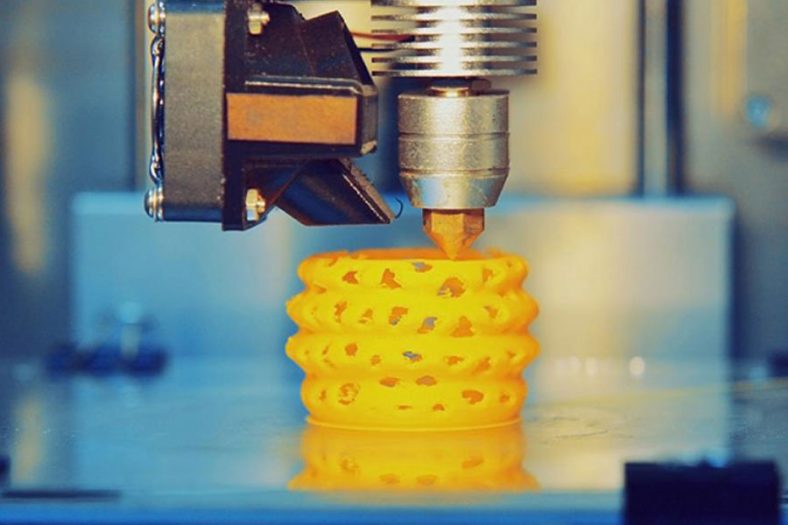
FDM, the most widely accessible 3D printing method, extrudes thermoplastic filaments through a heated nozzle to build parts layer by layer. ESD-safe FDM filaments are typically based on polymers like acrylonitrile butadiene styrene (ABS), polyethylene terephthalate glycol (PETG), polycarbonate (PC), or high-temperature resins like PEKK. Examples include ABS-ESD7, Kimya ABS-ESD, and Antero 840CN03.
ABS-ESD7, developed by Stratasys, is an ABS variant infused with carbon fillers, offering a surface resistivity of 10^7–10^9 ohms. It boasts a tensile strength of 36 MPa and a heat deflection temperature (HDT) of approximately 98°C, making it suitable for electronic jigs and fixtures. Its maximum build size of 24″ x 36″ x 36″ supports large parts, though its surface finish is relatively rough compared to other methods.
Kimya ABS-ESD, produced by Armor Group, enhances impact resistance and ease of printing, with a surface resistivity of 10^6–10^9 ohms. It is ideal for applications requiring durability and stiffness, such as protective enclosures, though its thermal resistance is limited to around 85°C.
Antero 840CN03, a PEKK-based filament from Stratasys, targets high-performance applications. With a surface resistivity of 10^6–10^9 ohms, tensile strength of 90 MPa, and HDT of 150°C, it excels in aerospace and spaceflight, where chemical resistance and thermal stability are paramount. Its high cost and requirement for industrial-grade printers limit its accessibility.
Stereolithography (SLA)
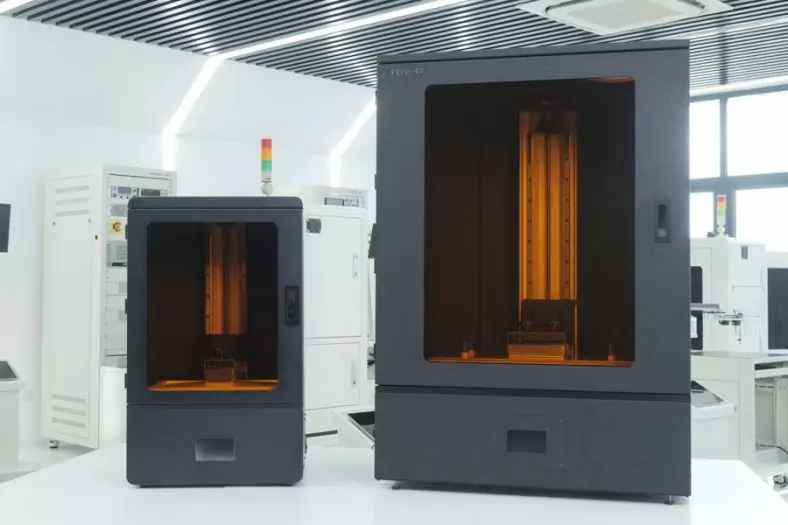
SLA uses a laser to cure liquid resin into solid parts, offering high resolution and smooth surfaces. ESD-safe resins, such as Formlabs ESD Resin and Liqcreate ESD, are formulated with conductive additives to achieve static dissipation.
Formlabs ESD Resin, introduced in 2022, provides a surface resistivity of 10^5–10^7 ohms and a tensile strength of 45 MPa. Its isotropic properties ensure uniform ESD performance regardless of print orientation, making it suitable for intricate jigs and fixtures. With an HDT of 70°C, it is less suited to high-temperature environments but excels in cost-effective prototyping.
Liqcreate ESD Resin, compatible with 385–405 nm printers, offers a surface resistivity of 10^6–10^8 ohms and a tensile strength of 50 MPa. Its opaque black finish and dust-repellent properties enhance its utility in electronics manufacturing, though its thermal resistance (HDT ~60°C) restricts its use in reflow processes.
Selective Laser Sintering (SLS)
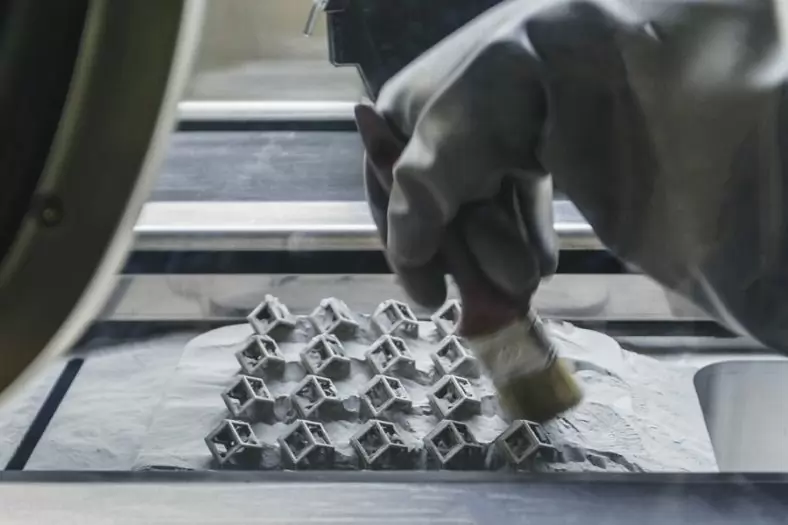
SLS fuses polymer powders using a laser, enabling complex geometries without support structures. ESD-safe SLS materials, such as Nylon 12 with ESD coatings, combine mechanical strength with static dissipation.
Nylon 12, often coated with products like Licron Crystal, achieves a surface resistivity of 10^6–10^9 ohms post-processing. With a tensile strength of 48 MPa and HDT of 175°C, it is well-suited for production-grade parts like reflow trays. However, the coating’s line-of-sight application limits its effectiveness on internal features, and its durability may degrade in abrasive environments.
Applications of ESD-Safe 3D Printing
ESD-safe 3D printed parts serve critical roles across multiple industries, leveraging their ability to prevent static-related failures.
Electronics Manufacturing
The electronics industry is the primary beneficiary of ESD-safe 3D printing. Custom jigs, fixtures, pallets, and nests are essential for assembling printed circuit boards (PCBs) and handling sensitive components. Traditionally machined from metals or ESD-rated plastics, these tools are now 3D printed to reduce lead times from weeks to days and consolidate multi-part assemblies into single components. For example, ABS-ESD7 fixtures protect ICs during soldering, while Formlabs ESD Resin jigs prevent laser failures in quality testing.
Aerospace and Spaceflight
In aerospace, ESD-safe materials like Antero 840CN03 are used for lightweight, chemically resistant parts. NASA’s Orion capsule hatch, printed with this material, demonstrates its suitability for spaceflight, where static control and thermal stability are non-negotiable.
Explosive Environments
Industries handling flammable substances, such as oil and gas or chemical manufacturing, use ESD-safe 3D printed components to minimize ignition risks. Nylon 12 with ESD coatings is employed for powder-handling tubes and enclosures, ensuring safety in potentially explosive atmospheres.
Prototyping and Validation
During product development, ESD-safe 3D printing enables functional prototypes that integrate electronic components without risk of damage. The toughness of materials like ESD Resin allows engineers to test designs under real-world conditions, accelerating time-to-market.
Comparative Analysis of ESD-Safe Materials
To aid in material selection, the following tables compare key ESD-safe materials across FDM, SLA, and SLS processes. These tables include mechanical, electrical, thermal, and practical properties, providing a scientific basis for decision-making.
| Material | Base Polymer | Filler | Surface Resistivity (ohms) | Tensile Strength (MPa) | HDT (°C) | Elongation at Break (%) | Cost (USD/kg) | Applications | Advantages | Limitations |
|---|---|---|---|---|---|---|---|---|---|---|
| ABS-ESD7 | ABS | Carbon | 10^7–10^9 | 36 | 98 | 3 | ~100 | Jigs, fixtures, housings | Large build size, affordable | Rough finish, moderate HDT |
| Kimya ABS-ESD | ABS | Carbon | 10^6–10^9 | 40 | 85 | 4 | ~80 | Enclosures, protective parts | Easy to print, impact-resistant | Limited thermal resistance |
| Antero 840CN03 | PEKK | Carbon Nanotubes | 10^6–10^9 | 90 | 150 | 5 | ~500 | Aerospace, spaceflight | High strength, thermal stability | Expensive, requires industrial printer |
| Material | Base Resin | Filler | Surface Resistivity (ohms) | Tensile Strength (MPa) | HDT (°C) | Elongation at Break (%) | Cost (USD/L) | Applications | Advantages | Limitations |
|---|---|---|---|---|---|---|---|---|---|---|
| Formlabs ESD | Proprietary | Carbon | 10^5–10^7 | 45 | 70 | 6 | ~200 | Jigs, fixtures, prototypes | High resolution, isotropic | Low HDT, small build volume |
| Liqcreate ESD | Proprietary | Carbon | 10^6–10^8 | 50 | 60 | 5 | ~180 | Electronics tools, fixtures | Dust-repellent, smooth finish | Limited thermal resistance |
| Material | Base Powder | Coating/Filler | Surface Resistivity (ohms) | Tensile Strength (MPa) | HDT (°C) | Elongation at Break (%) | Cost (USD/kg) | Applications | Advantages | Limitations |
|---|---|---|---|---|---|---|---|---|---|---|
| Nylon 12 + Coating | Nylon 12 | Licron Crystal | 10^6–10^9 | 48 | 175 | 10 | ~150 | Reflow trays, enclosures | High HDT, complex geometries | Coating wear, internal feature limitation |
Conclusion
Despite their advantages, ESD-safe 3D printing materials face several challenges. High filler content in traditional formulations can degrade mechanical properties, while surface coatings may wear off in harsh environments. Print settings, such as layer orientation and temperature, also influence ESD performance, requiring optimization for consistency. Cost remains a barrier, particularly for advanced materials like Antero 840CN03, limiting adoption in small-scale operations.
Future developments may focus on novel fillers, such as graphene or conductive polymers, to enhance performance without compromising strength. Advances in multi-material printing could enable hybrid parts with localized ESD-safe regions, reducing material costs. Additionally, standardized testing protocols for 3D printed ESD properties—beyond current injection molding benchmarks—could improve reliability and industry acceptance.
ESD-safe materials for 3D printing represent a transformative intersection of materials science and additive manufacturing. By enabling rapid, cost-effective production of static-dissipative parts, they address critical needs in electronics, aerospace, and safety-critical industries. From ABS-ESD7’s affordability to Antero 840CN03’s high performance, the diversity of options caters to a wide range of applications. As research progresses and technologies evolve, these materials will continue to play a pivotal role in shaping the future of manufacturing, balancing functionality, safety, and innovation.
The Detail Of BE-CU 3D Printing Company
BE-CU.COM offers online 3D printing services for rapid prototyping and production in volume. Our clients are across a wide variety of industries and companies, including automotive, construction, aerospace, defense, electronics, machinery, industrial automation, medical, healthcare, consumer production, oil & gas, etc. Accelerate your product development and manufacturing process with our industry-leading metal & plastic 3D printing service and 3D printed parts. We’ll find the best 3D printing solution for your projects, to lower your cost and shorten the lead time based on your needs, while maintaining the quality. From 3D prototyping to end-use parts production, multiple materials are available for custom 3D printing parts. Need an alternative to the traditional solution? Submit your 3D CAD file to get an online quotation quickly. Our 3D printing service ensures accuracy and speed. We can help you choose the most appropriate technology and material to match your applications or request.
-
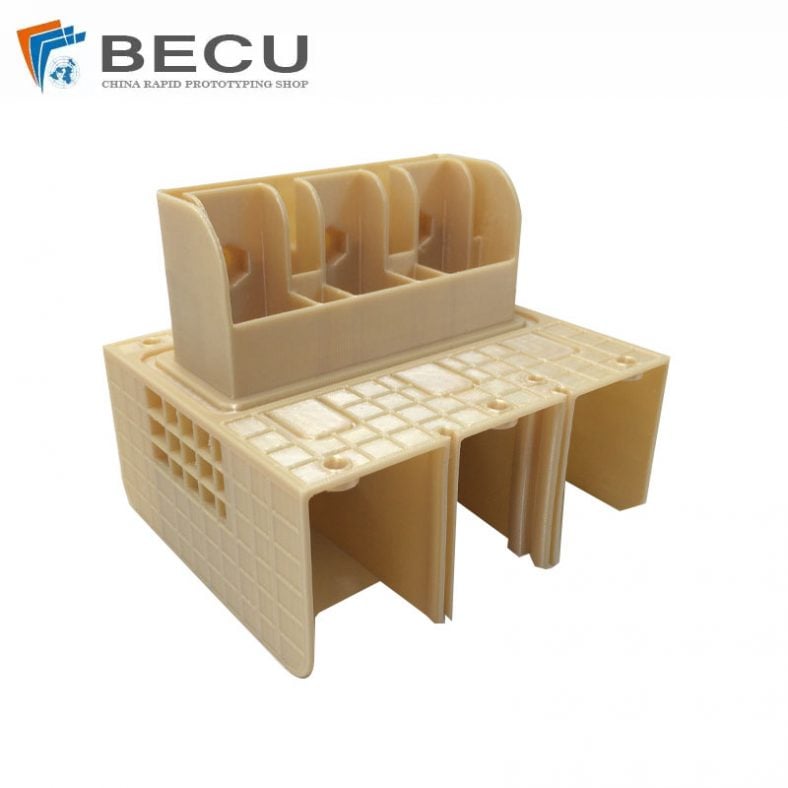
FDM 3D Printing Ultra-High Voltage Strong Electrical Connector
-
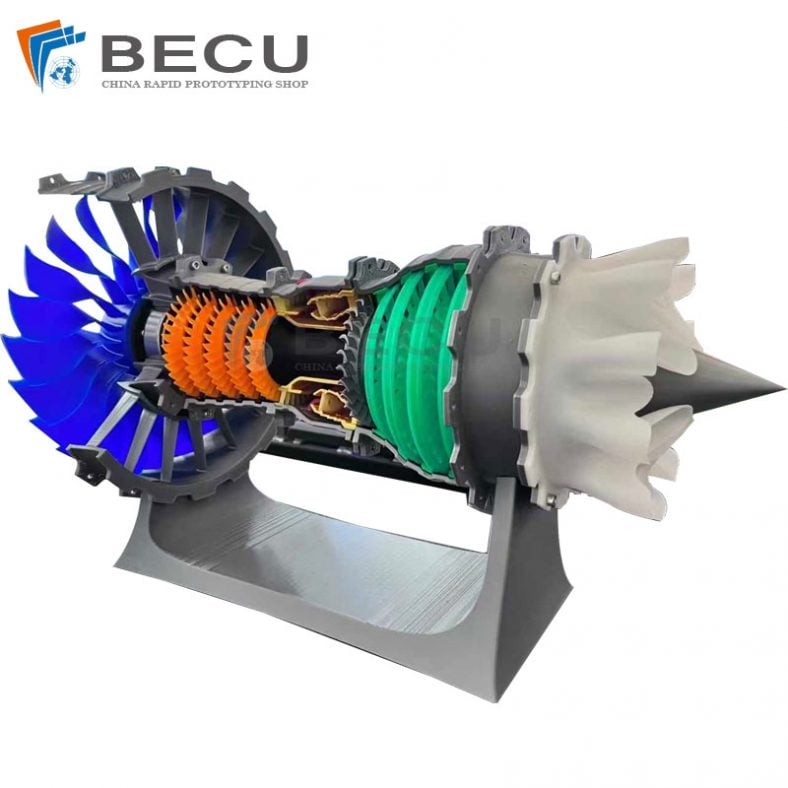
3D Printed Jet Engine Model
-
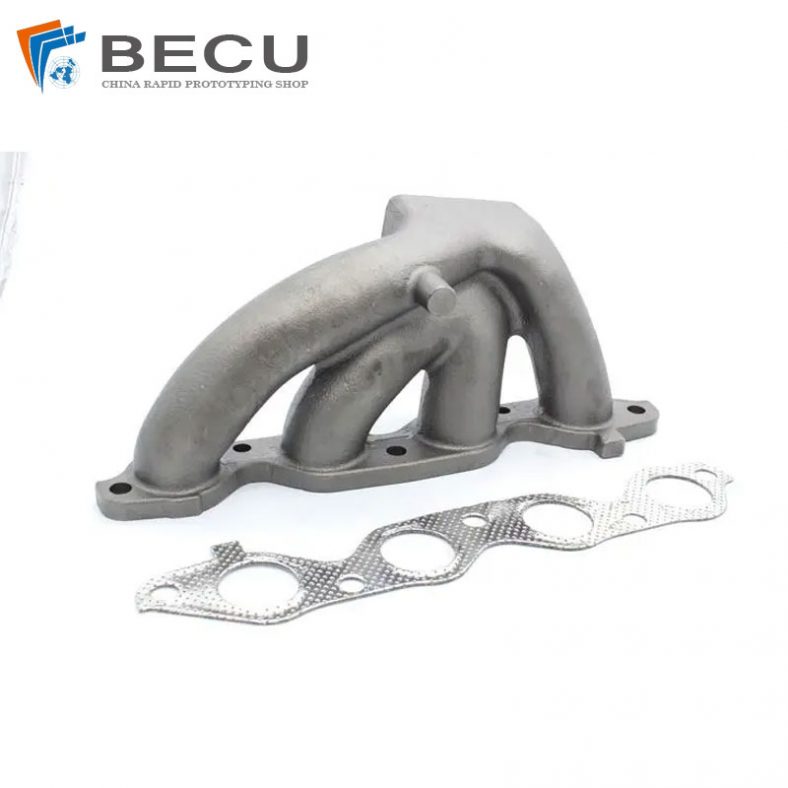
3D Printed Inconel Exhaust Manifold
-
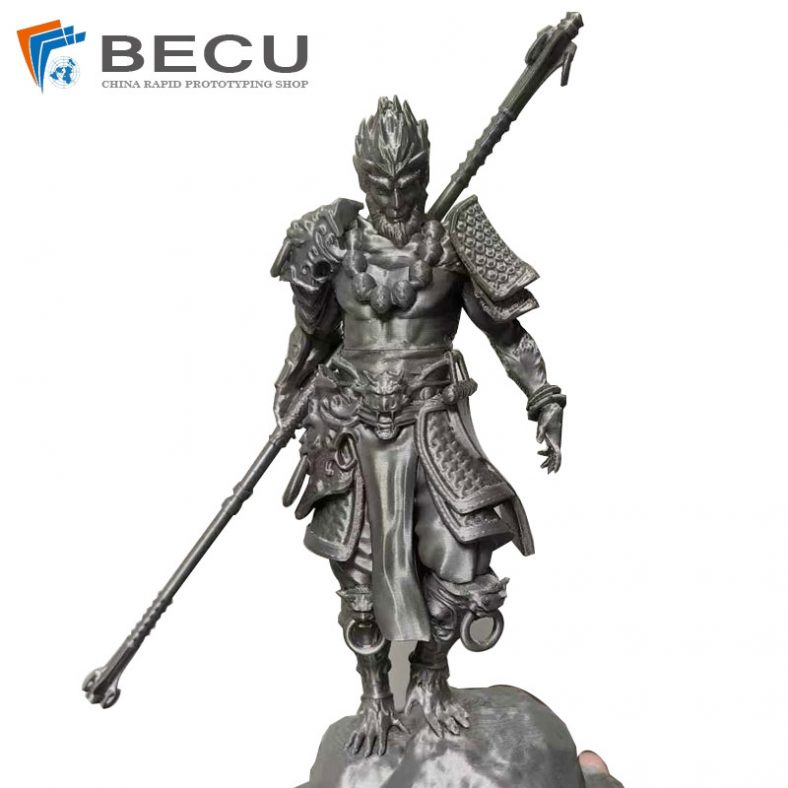
3D Printed Black Myth: Wukong Model
-
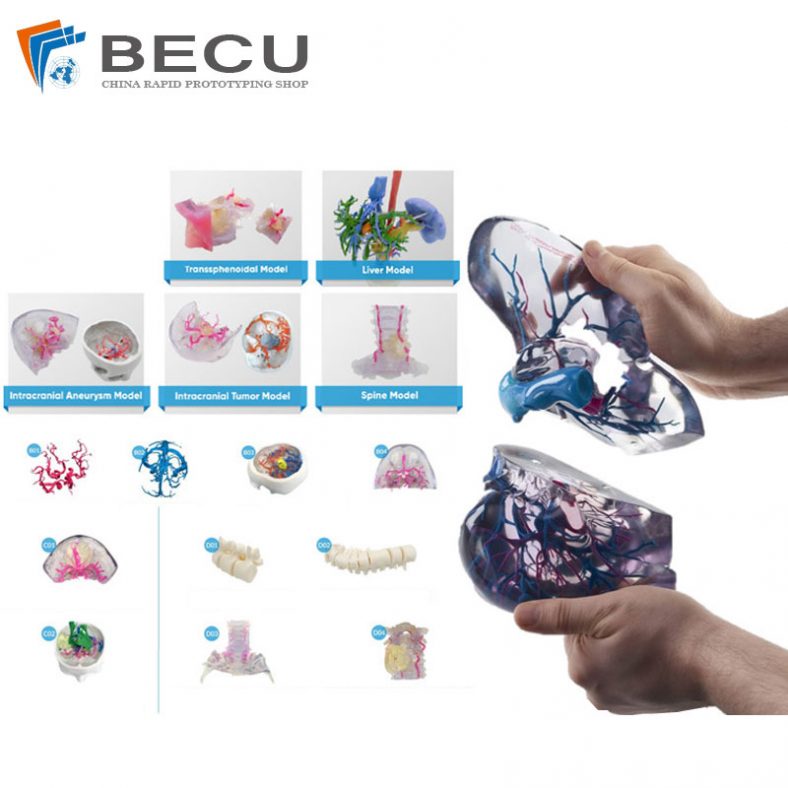
Omni-Directional Surgical Planning Medical Models
-
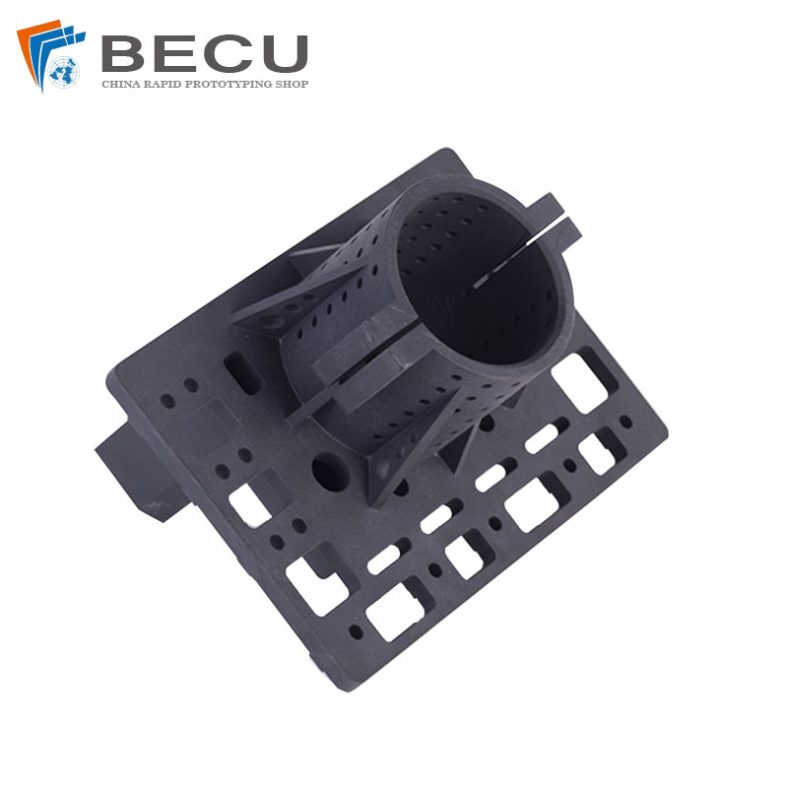
3D Printing Pool Pressure Cleaner Parts and Accessories
-
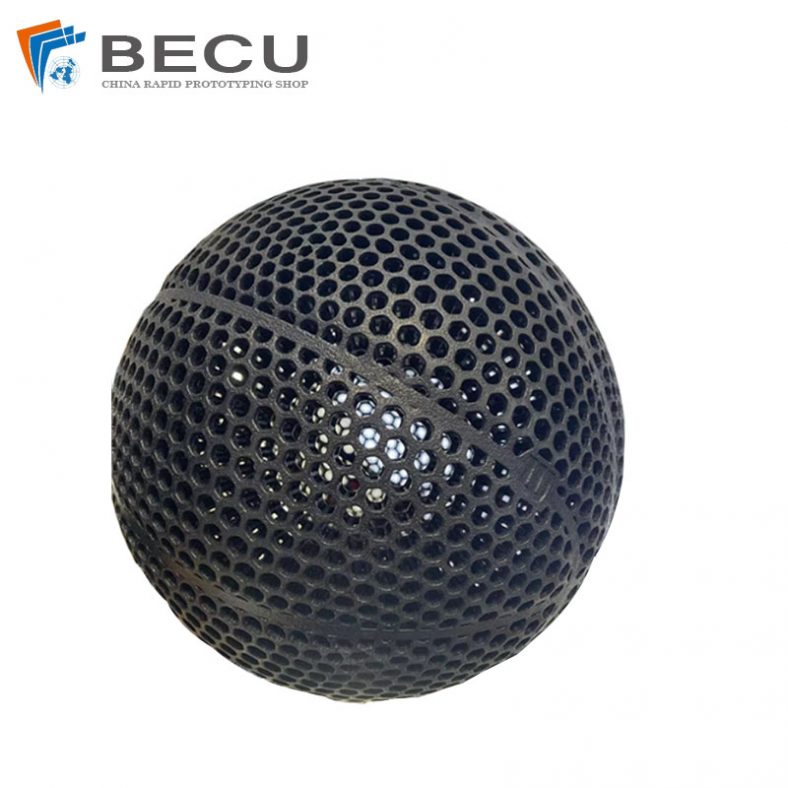
Nylon 3D Printed Size 5 Basketball
-
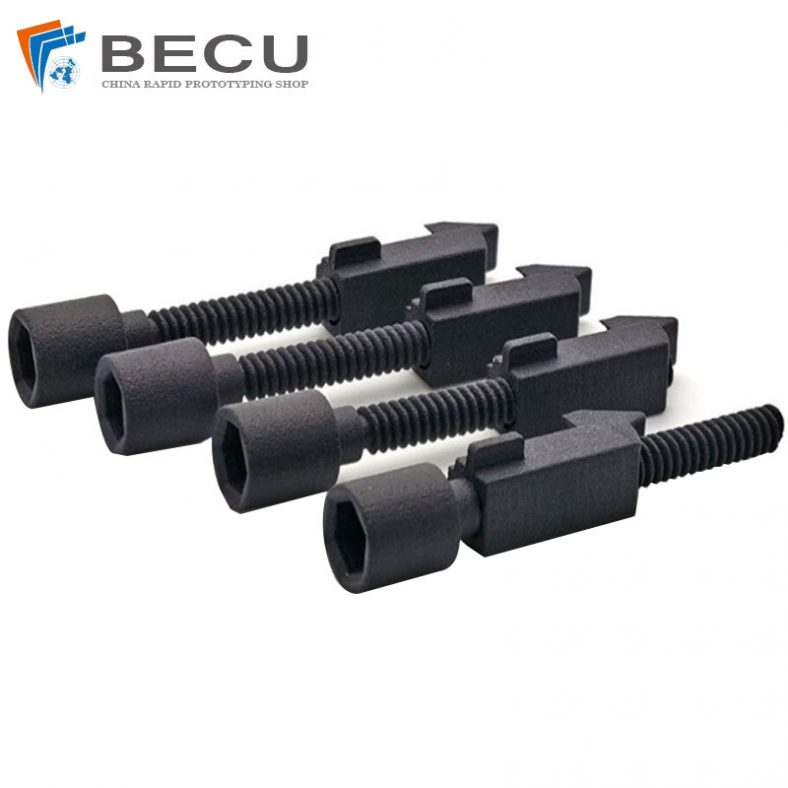
Black Nylon Medical Threaded Screw By MJF 3D Printing