
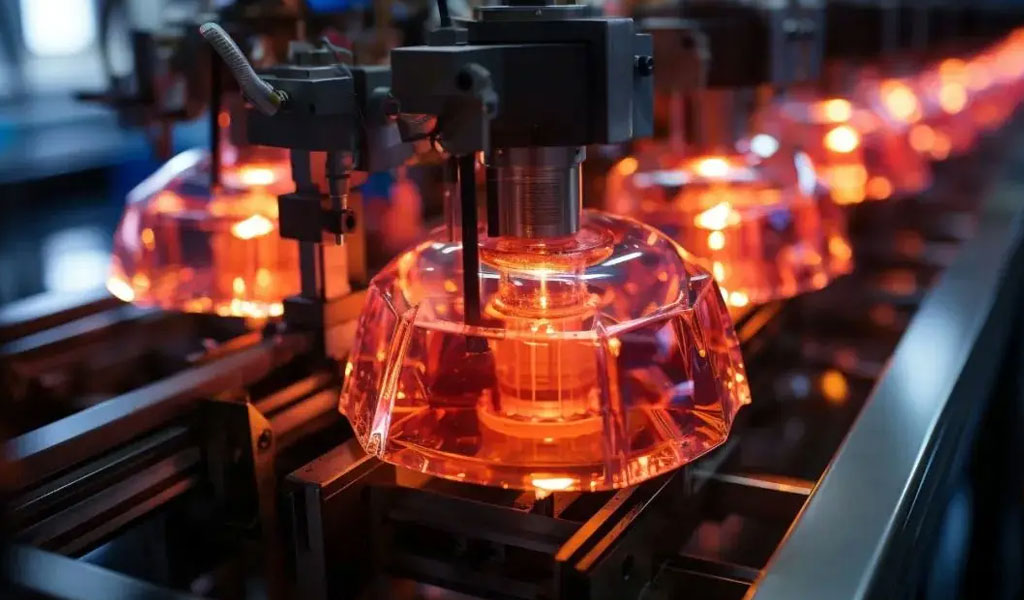
Extrusion moulding and injection moulding are two cornerstone manufacturing processes in the production of plastic and polymer-based components. These techniques, widely employed across industries such as automotive, packaging, construction, and consumer goods, transform raw thermoplastic or thermosetting materials into precise, functional shapes.
While both processes involve the manipulation of molten plastic under heat and pressure, they differ significantly in their mechanics, applications, advantages, and limitations.
This article provides a comprehensive comparison of extrusion moulding and injection moulding, exploring their principles, equipment, materials, applications, and technical considerations. By examining their historical development, process mechanics, and modern advancements, this analysis aims to elucidate the distinct roles these processes play in modern manufacturing.
Historical Context For Extrusion Moulding And Injection Moulding
Origins of Extrusion Moulding
Extrusion moulding traces its origins to the 19th century, with early applications in metal processing. The process was adapted for plastics in the early 20th century as synthetic polymers, such as celluloid and later thermoplastics like polyethylene, became available. The invention of the screw extruder by Thomas Hancock in the 1820s for rubber processing laid the groundwork for modern extrusion systems. By the 1930s, advancements in screw design and heating systems enabled the continuous extrusion of thermoplastics, revolutionizing the production of pipes, films, and profiles. The scalability and versatility of extrusion made it a staple in industries requiring long, uniform products.
Origins of Injection Moulding
Injection moulding emerged later, with significant developments in the late 19th and early 20th centuries. The process was pioneered by John Wesley Hyatt, who in 1868 developed a rudimentary injection moulding machine to produce celluloid billiard balls. The introduction of Bakelite, the first synthetic thermosetting plastic, in the early 1900s spurred further innovation. By the 1940s, the development of precision hydraulic systems and automated controls transformed injection moulding into a high-volume manufacturing process. Today, injection moulding is synonymous with the production of intricate, high-precision components.
Evolution and Convergence
Both processes have evolved in tandem with advancements in polymer science, automation, and computer-aided design (CAD). While extrusion remains dominant for continuous profiles and injection moulding excels in discrete, complex parts, modern hybrid techniques, such as co-extrusion and micro-injection moulding, have blurred the lines between these methods. Understanding their historical trajectories provides context for their current applications and future potential.
Fundamental Principles
Extrusion Moulding: Mechanics and Process
Extrusion moulding is a continuous manufacturing process that produces components with a fixed cross-sectional profile. The process begins with raw plastic material, typically in the form of pellets or granules, fed into a hopper. The material is conveyed through a heated barrel by a rotating screw, which melts the plastic through a combination of shear forces and external heating. The molten plastic is then forced through a die, which shapes it into a continuous profile. Upon exiting the die, the extrudate is cooled, often in a water bath or air stream, and cut or wound into final products.
Key components of an extrusion system include:
- Hopper: Stores and feeds raw material into the extruder.
- Screw: Transports, compresses, and melts the plastic.
- Barrel: Houses the screw and provides heating zones.
- Die: Shapes the molten plastic into the desired profile.
- Cooling System: Solidifies the extrudate.
- Take-Off Unit: Pulls the extrudate at a consistent speed.
The continuous nature of extrusion makes it ideal for producing long, uniform products such as pipes, tubes, sheets, films, and window frames.
Injection Moulding: Mechanics and Process
Injection moulding is a cyclic process used to produce discrete, three-dimensional parts with high precision. The process involves injecting molten plastic into a mould cavity, where it cools and solidifies into the desired shape. The cycle begins with plastic pellets fed into a heated barrel, where a reciprocating screw melts and mixes the material. The screw then acts as a plunger, injecting the molten plastic into a closed mould under high pressure. After cooling, the mould opens, and the solidified part is ejected.
Key components of an injection moulding machine include:
- Hopper: Feeds raw material into the barrel.
- Barrel and Screw: Melts and injects the plastic.
- Mould: A precision tool that defines the part’s geometry.
- Clamping Unit: Holds the mould closed during injection.
- Ejection System: Removes the finished part.
Injection moulding is renowned for its ability to produce complex geometries with tight tolerances, making it suitable for items like automotive components, medical devices, and consumer electronics housings.
Comparative Mechanics
The primary distinction between extrusion and injection moulding lies in their output: extrusion produces continuous profiles, while injection moulding creates discrete parts. Extrusion relies on a steady-state process with constant material flow, whereas injection moulding operates in discrete cycles, each producing a single part. These differences influence their respective equipment designs, material requirements, and production efficiencies.
Materials Used
Polymers in Extrusion Moulding
Extrusion moulding accommodates a wide range of thermoplastic and thermosetting polymers, selected based on the desired properties of the final product. Common thermoplastics include:
- Polyethylene (PE): Used for pipes, films, and sheets due to its flexibility and chemical resistance.
- Polyvinyl Chloride (PVC): Employed in window profiles, pipes, and cable insulation for its durability and flame resistance.
- Polypropylene (PP): Utilized in packaging films and automotive components for its strength and lightweight properties.
- Polystyrene (PS): Applied in foam insulation and packaging due to its rigidity and clarity.
Thermosetting polymers, such as epoxy resins, are less common but used in specialized applications like composite profiles. Additives, including stabilizers, plasticizers, and colorants, are often incorporated to enhance performance or aesthetics.
Polymers in Injection Moulding
Injection moulding also supports a broad spectrum of polymers, with a focus on those that can withstand high-pressure injection and rapid cooling. Common materials include:
- Acrylonitrile Butadiene Styrene (ABS): Valued for its toughness and impact resistance in consumer electronics and automotive parts.
- Polycarbonate (PC): Chosen for its transparency and strength in optical lenses and medical devices.
- Nylon (PA): Used in gears and bearings for its wear resistance and mechanical strength.
- Polyethylene Terephthalate (PET): Employed in beverage bottles and packaging for its clarity and barrier properties.
Thermosets, such as phenolic resins, are used for heat-resistant components like electrical housings. Reinforcements, such as glass or carbon fibers, are often added to enhance mechanical properties.
Material Selection Considerations
Material selection for both processes depends on factors such as melt viscosity, thermal stability, and mechanical properties. Extrusion typically requires polymers with consistent flow characteristics to ensure uniform profiles, while injection moulding demands materials that can fill complex moulds without defects like warping or sink marks. The choice of additives and reinforcements further tailors the material to specific applications, with injection moulding often requiring higher precision in material formulation due to its complex geometries.
Equipment and Tooling
Extrusion Equipment
Extrusion systems are designed for continuous operation, with equipment tailored to the type of product being produced. Single-screw extruders are the most common, suitable for simple profiles and high-throughput applications. Twin-screw extruders, with intermeshing screws, are used for compounding or processing materials with complex formulations, such as filled or blended polymers.
The die is a critical component, custom-designed to shape the extrudate. Dies vary in complexity, from simple annular designs for pipes to intricate geometries for multi-layer films. Calibration tools, such as vacuum sizers, ensure dimensional accuracy by controlling the extrudate’s shape during cooling. Downstream equipment, including pullers, cutters, and winders, handles the extrudate post-die.
Injection Moulding Equipment
Injection moulding machines are classified by their clamping force, typically ranging from 10 to over 5,000 tons, depending on the part size and complexity. Hydraulic, electric, and hybrid machines offer varying levels of precision and energy efficiency. Electric machines, for instance, provide superior accuracy for micro-moulding applications.
The mould is the heart of the injection moulding process, often made from hardened steel or aluminum for durability and precision. Moulds consist of two halves: the cavity (defining the part’s outer surface) and the core (forming internal features). Multi-cavity moulds increase throughput by producing multiple parts per cycle, while hot-runner systems reduce material waste by maintaining molten plastic in the mould’s runners.
Tooling Costs and Complexity
Tooling costs represent a significant differentiator between the two processes. Extrusion dies are generally simpler and less expensive, as they shape a continuous profile rather than a three-dimensional part. Injection moulds, by contrast, are highly complex, requiring precise machining and often costing tens of thousands of dollars. However, injection moulding’s high tooling costs are offset by its ability to produce large volumes of intricate parts with minimal post-processing.
Process Parameters and Control
Extrusion Process Parameters
Key parameters in extrusion moulding include:
- Screw Speed: Controls the rate of material transport and shear heating.
- Barrel Temperature: Influences melt viscosity and flow behavior.
- Die Temperature: Affects the extrudate’s surface finish and dimensional stability.
- Take-Off Speed: Determines the extrudate’s thickness and cooling rate.
Precise control of these parameters ensures consistent product quality. For example, excessive screw speed can cause overheating, leading to polymer degradation, while improper die temperature may result in surface defects like sharkskin or melt fracture.
Injection Moulding Process Parameters
Injection moulding involves a broader range of parameters due to its cyclic nature:
- Injection Pressure: Drives molten plastic into the mould, affecting fill quality.
- Clamp Force: Prevents mould separation during injection.
- Melt Temperature: Influences material flow and part quality.
- Cooling Time: Determines cycle time and part integrity.
- Mould Temperature: Affects surface finish and dimensional accuracy.
Advanced control systems, including sensors and programmable logic controllers (PLCs), monitor these parameters in real time, minimizing defects such as flash, short shots, or warpage.
Automation and Quality Control
Both processes benefit from automation, but injection moulding typically requires more sophisticated control due to its precision demands. In extrusion, in-line measurement systems, such as laser gauges, monitor profile dimensions, while in injection moulding, vision systems and robotic arms ensure part consistency and handle post-moulding tasks. Statistical process control (SPC) is widely used in both processes to maintain quality standards.
Applications and Industries
Extrusion Moulding Applications
Extrusion moulding’s ability to produce continuous profiles makes it indispensable in several industries:
- Construction: PVC pipes, window profiles, and siding.
- Packaging: Plastic films, sheets, and shrink wrap.
- Automotive: Weatherstripping, tubing, and interior trim.
- Agriculture: Irrigation pipes and greenhouse films.
- Electrical: Cable insulation and wire coatings.
Co-extrusion, where multiple materials are extruded simultaneously, enables the production of multi-layered products, such as food packaging with barrier properties or pipes with enhanced durability.
Injection Moulding Applications
Injection moulding’s versatility in producing complex, high-precision parts supports a wide range of applications:
- Automotive: Dashboards, bumpers, and connectors.
- Medical: Syringes, surgical instruments, and implantable devices.
- Consumer Electronics: Phone casings, keyboard keys, and remote control housings.
- Packaging: Bottle caps, containers, and trays.
- Aerospace: Lightweight, high-strength components.
Micro-injection moulding has expanded the process’s reach into fields like microfluidics and precision optics, where sub-millimeter tolerances are required.
Overlapping Applications
Certain products, such as plastic bottles, can be produced using either process, depending on the specific requirements. For instance, extrusion blow moulding is used for large, hollow containers, while injection stretch blow moulding is preferred for high-clarity PET bottles. The choice between extrusion and injection moulding often hinges on factors like production volume, part complexity, and cost.
Advantages and Limitations
Advantages of Extrusion Moulding
- Continuous Production: Enables high-throughput manufacturing of long profiles.
- Cost-Effective Tooling: Dies are relatively inexpensive compared to injection moulds.
- Material Efficiency: Minimal waste, as the process is continuous and scrap can be recycled.
- Versatility: Supports a wide range of profiles and co-extrusion for multi-material products.
Limitations of Extrusion Moulding
- Limited Geometry: Restricted to uniform cross-sections, unsuitable for complex 3D parts.
- Surface Finish: May require secondary processing for high-quality finishes.
- Dimensional Tolerances: Less precise than injection moulding for intricate features.
Advantages of Injection Moulding
- Complex Geometries: Capable of producing intricate, three-dimensional parts with tight tolerances.
- High Precision: Ideal for applications requiring exact dimensions and fine details.
- Surface Quality: Produces parts with excellent surface finish, often eliminating secondary processing.
- Automation: Highly automated, supporting high-volume production with consistent quality.
Limitations of Injection Moulding
- High Tooling Costs: Moulds are expensive, making low-volume production uneconomical.
- Cycle Time: Discrete cycles limit throughput compared to continuous extrusion.
- Material Waste: Sprues and runners generate waste, though hot-runner systems mitigate this.
Comparative Table
The following table summarizes the key differences between extrusion and injection moulding:
| Aspect | Extrusion Moulding | Injection Moulding |
|---|---|---|
| Process Type | Continuous | Cyclic |
| Output | Uniform cross-sectional profiles (e.g., pipes, films) | Discrete, complex 3D parts (e.g., casings, gears) |
| Tooling | Die (relatively simple, lower cost) | Mould (complex, high cost) |
| Material Efficiency | High (minimal waste, recyclable scrap) | Moderate (waste from sprues/runners, mitigated by hot runners) |
| Geometric Complexity | Limited to constant cross-sections | High (supports intricate 3D geometries) |
| Tolerances | Moderate (less precise for fine details) | High (tight tolerances for precision parts) |
| Surface Finish | Variable (may require secondary processing) | Excellent (often no secondary processing needed) |
| Production Volume | High (ideal for large-scale, continuous runs) | High (suitable for large batches of discrete parts) |
| Tooling Cost | Low to moderate ($1,000–$10,000) | High ($10,000–$100,000 or more) |
| Cycle Time | Continuous (no cycle time) | 10–60 seconds per cycle |
| Applications | Pipes, films, window profiles, cable insulation | Automotive components, medical devices, electronics housings |
| Materials | Thermoplastics (PE, PVC, PP), some thermosets | Thermoplastics (ABS, PC, PA), thermosets, composites |
| Automation Level | Moderate (in-line monitoring, simpler controls) | High (advanced sensors, robotic handling) |
Technical Considerations
Energy Consumption
Extrusion moulding generally consumes less energy per unit of output due to its continuous nature and lower pressure requirements. Single-screw extruders typically operate at 0.2–0.5 kWh/kg of material processed, depending on the polymer and throughput. Injection moulding, with its high-pressure injection and clamping forces, consumes 0.5–1.5 kWh/kg, influenced by cycle time and machine efficiency. Electric injection moulding machines have reduced energy use compared to hydraulic systems, narrowing the gap.
Environmental Impact
Both processes generate environmental concerns related to plastic waste and energy use. Extrusion’s continuous nature produces less scrap, and in-line recycling systems can reprocess excess material. Injection moulding generates waste from sprues and defective parts, though advancements like hot-runner moulds and closed-loop recycling mitigate this. The choice of biodegradable or recycled polymers can further reduce the environmental footprint of both processes.
Scalability and Flexibility
Extrusion is highly scalable, with large extruders capable of producing thousands of kilograms per hour. Its flexibility is limited by the need for new dies to change profiles. Injection moulding is less scalable due to cycle time constraints but offers greater flexibility in part design, as moulds can be swapped to produce different components. Multi-cavity moulds and automated mould-changing systems enhance injection moulding’s adaptability in high-mix, low-volume scenarios.
Advanced Techniques
Co-Extrusion
Co-extrusion involves extruding multiple polymer layers simultaneously to create composite products with enhanced properties. For example, food packaging films may combine a barrier layer (e.g., EVOH) with outer layers of polyethylene for strength and sealability. Co-extrusion requires precise control of multiple extruders and dies, increasing complexity but enabling tailored performance.
Micro-Injection Moulding
Micro-injection moulding produces parts with features on the micrometer scale, used in medical devices, microfluidics, and electronics. The process demands ultra-precise moulds, high-pressure injection, and advanced control systems to achieve tolerances as low as ±0.001 mm. Micro-moulding has expanded injection moulding’s applications into high-tech fields.
Hybrid Processes
Hybrid processes, such as extrusion blow moulding and injection stretch blow moulding, combine elements of both techniques. Extrusion blow moulding uses an extruded parison to form hollow containers, while injection stretch blow moulding starts with an injection-moulded preform for superior clarity and strength. These hybrids highlight the complementary nature of extrusion and injection moulding.
Economic Analysis
Cost Structures
Extrusion moulding’s lower tooling costs and continuous operation make it cost-effective for high-volume, simple profiles. The primary costs include raw materials (50–70% of total cost), energy, and labor. Injection moulding’s high tooling costs dominate low-volume production, but per-unit costs decrease significantly in large runs due to automation and multi-cavity moulds. Material costs in injection moulding are similar to extrusion, but waste from runners can increase expenses unless mitigated.
Break-Even Analysis
The break-even point for injection moulding depends on production volume and tooling costs. For example, a $50,000 mould producing parts at $0.50 each (excluding material) requires 100,000 units to recover the tooling cost. Extrusion, with dies costing $5,000, reaches break-even at lower volumes, making it preferable for simpler products. However, injection moulding’s ability to produce complex parts without secondary processing often justifies its higher upfront costs in high-value applications.
Market Trends
The global market for extrusion and injection moulding is driven by demand in packaging, automotive, and construction. In 2024, the injection moulding market was valued at approximately $270 billion, with extrusion moulding at $200 billion. Growth is fueled by advancements in automation, sustainable materials, and emerging applications like 3D-printed moulds and bio-based polymers.
Conclusion
Extrusion moulding and injection moulding are complementary pillars of modern manufacturing, each excelling in distinct domains. Extrusion’s continuous, cost-effective production of uniform profiles suits applications like pipes and films, while injection moulding’s precision and versatility make it ideal for complex, high-value parts. By understanding their mechanics, materials, applications, and economic implications, manufacturers can select the optimal process for their needs. As technology advances and sustainability becomes paramount, both processes will continue to evolve, driving innovation across industries.
Technological Innovations
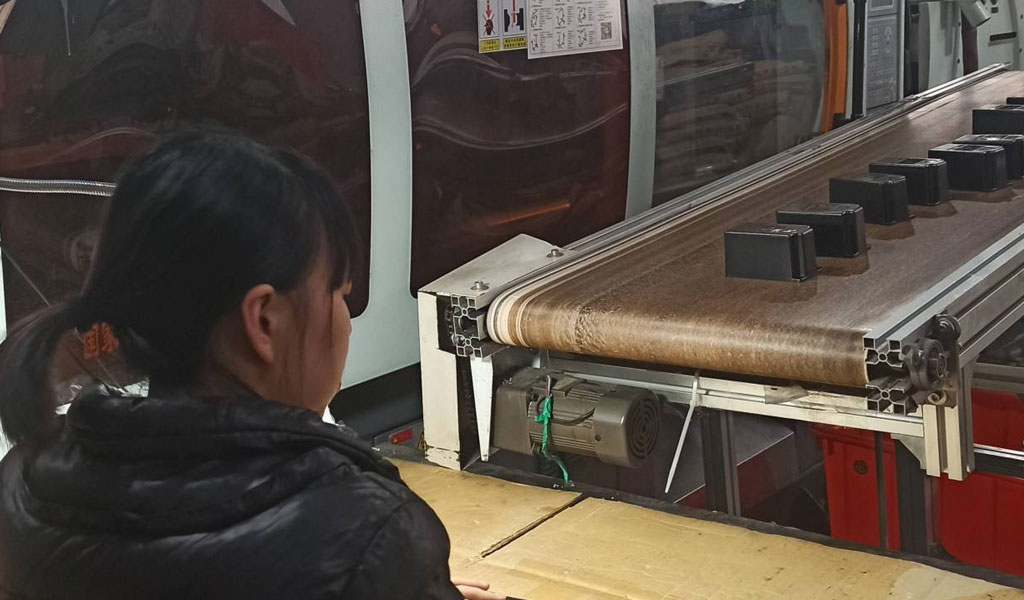
Emerging technologies are reshaping both processes. In extrusion, real-time monitoring using AI and IoT enables predictive maintenance and quality optimization. In injection moulding, 3D-printed mould inserts reduce tooling costs and lead times, while Industry 4.0 integration enhances process efficiency. Additive manufacturing is also being explored for producing complex dies and moulds, potentially bridging the gap between extrusion and injection moulding.
Sustainability Initiatives
Sustainability is a key focus, with both processes adopting recycled and bio-based polymers. Extrusion’s in-line recycling capabilities give it an edge, but injection moulding is catching up with closed-loop systems and biodegradable materials. Regulatory pressures, such as single-use plastic bans, are driving innovation in eco-friendly products and processes.
Cross-Process Synergies
The convergence of extrusion and injection moulding is evident in hybrid techniques and multi-process manufacturing cells. For example, automotive production lines may use extrusion for weatherstripping and injection moulding for connectors, integrated into a single workflow. Such synergies maximize efficiency and flexibility, catering to increasingly complex product requirements.
The Detail Of BE-CU Plastic Injection Company
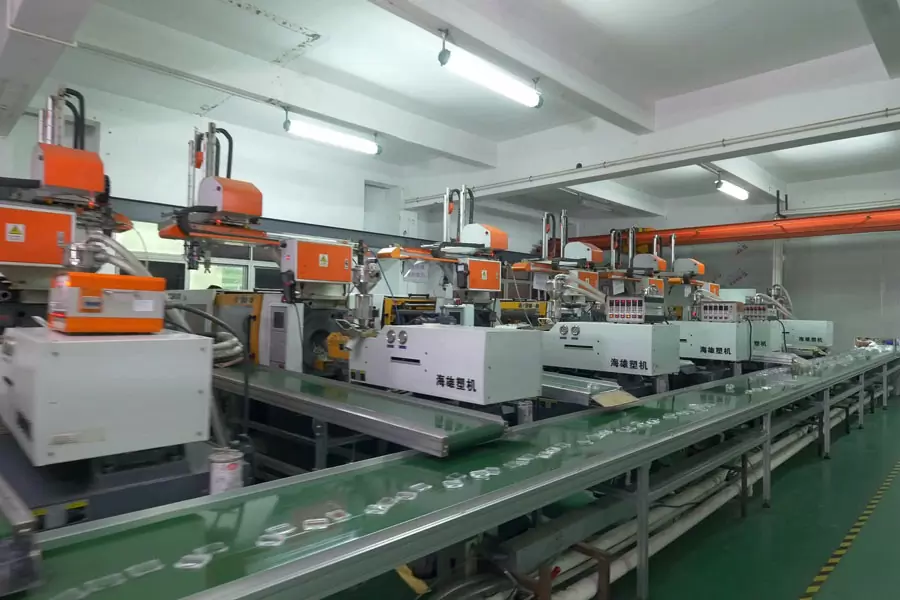
The core cooperative injection molding supplier has twelve 50T-200T injection molding machines, all of which are equipped with manipulators, mold temperature controllers, automatic assembly lines, and dust-free purification workshops. There are 4 automatic production lines in the oil spraying department: one 10,000-level automatic spraying production line (two sprays and two baking), 1 production line (one spray and one baking); 1 manual spraying production line, with a daily output of 150,000 pieces above. With brand-new professional technology, with an environmentally friendly anti-static, fully air-conditioned, dust-free workshop, the working environment is superior, the production equipment is complete, and the product testing equipment is perfect. Need mold making supplies for large quantities of production parts? Looking for a more cost effective and time efficient way of manufacturing parts? Don’t miss our injection molding services! At be-cu.com, we provide high quality and affordable injection molding for prototypes and production parts with quick turnaround times.
-

5 Axis CNC Machining Spiral Bevel Gear Mold
-
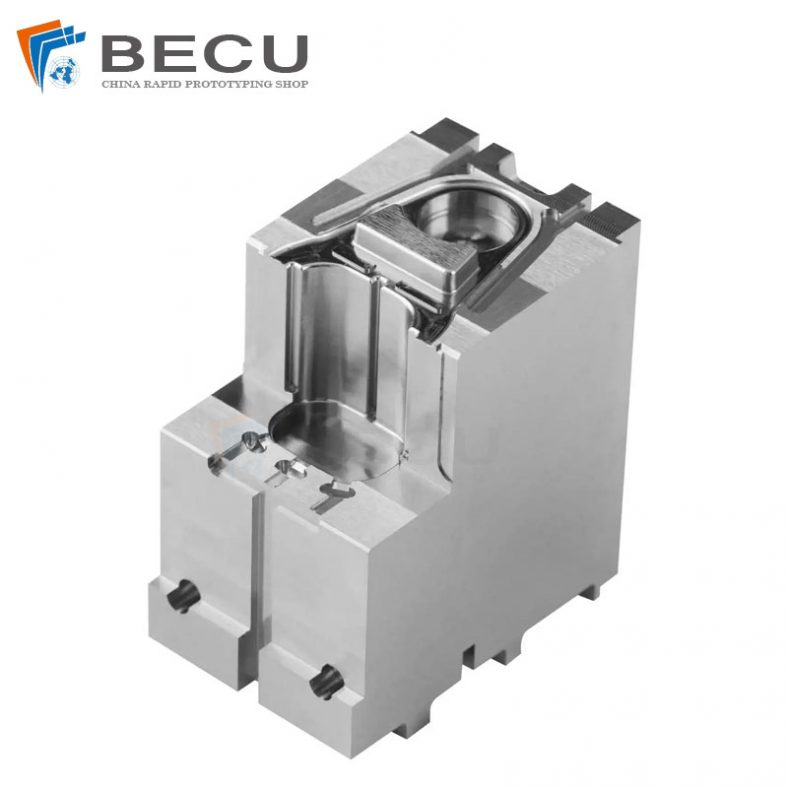
Small Precision Injection Molding Inserts
-
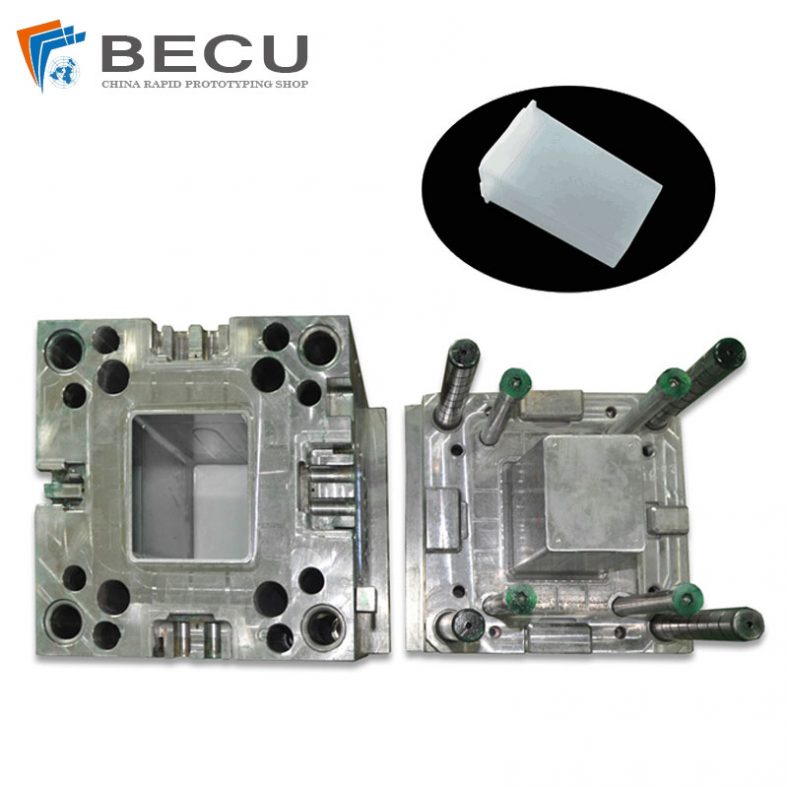
Plastic Storage Box Plastic Injection Mold
-
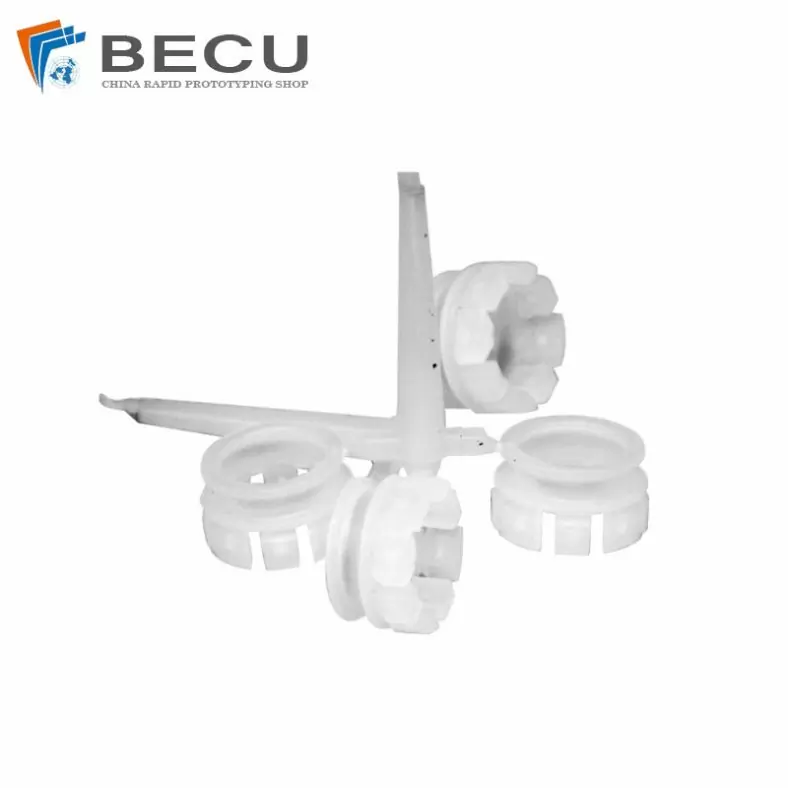
Injection Molding PE-UHMW Retaining Buckle And Ring
-
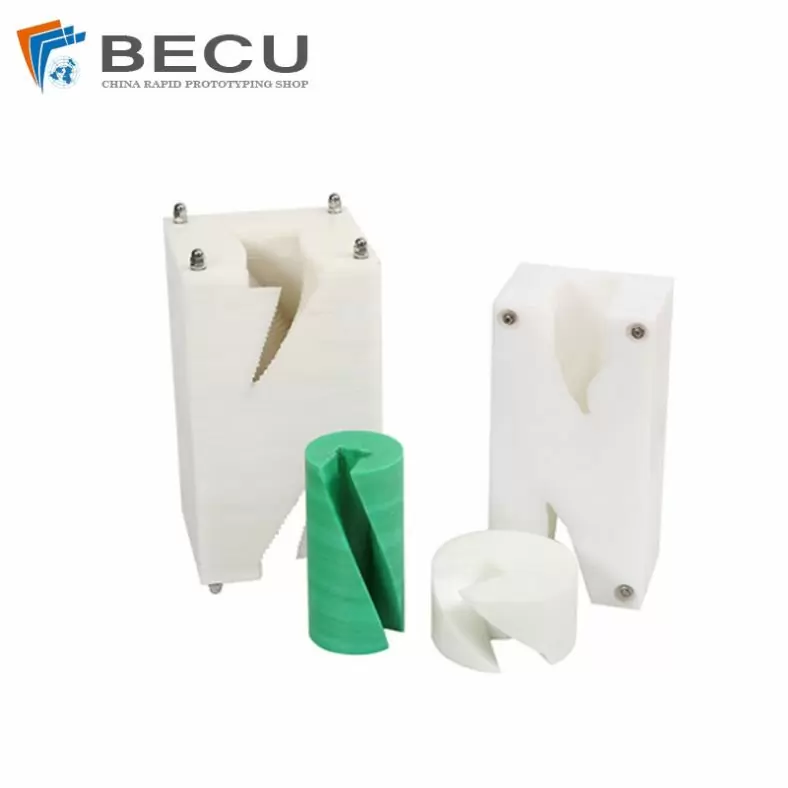
Cnc Machined UHMW-PE Bottle Turner
-
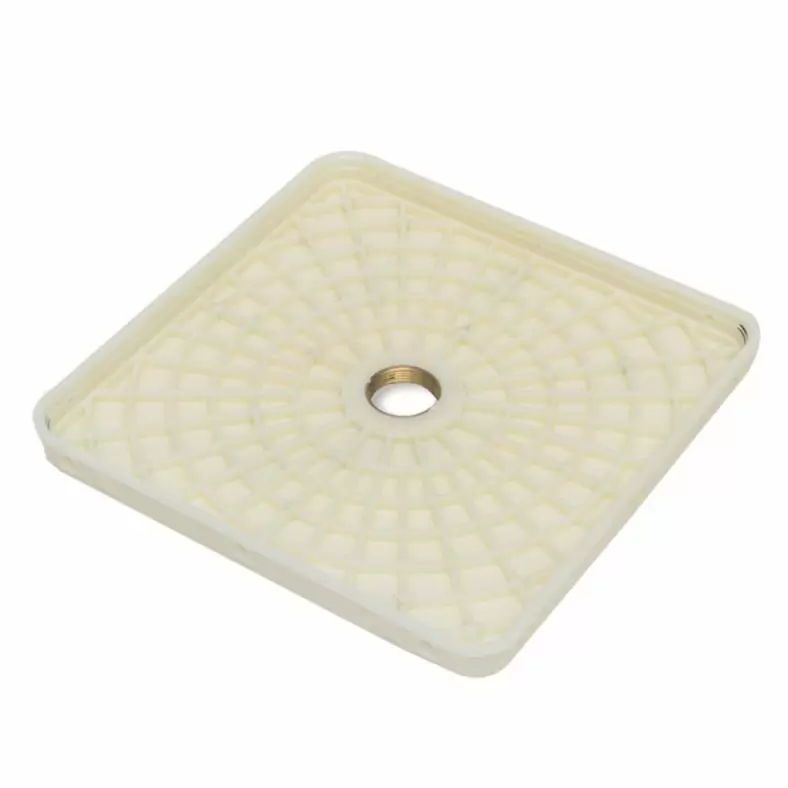
Shower Inclosure Sleeve By Plastic Injection
-
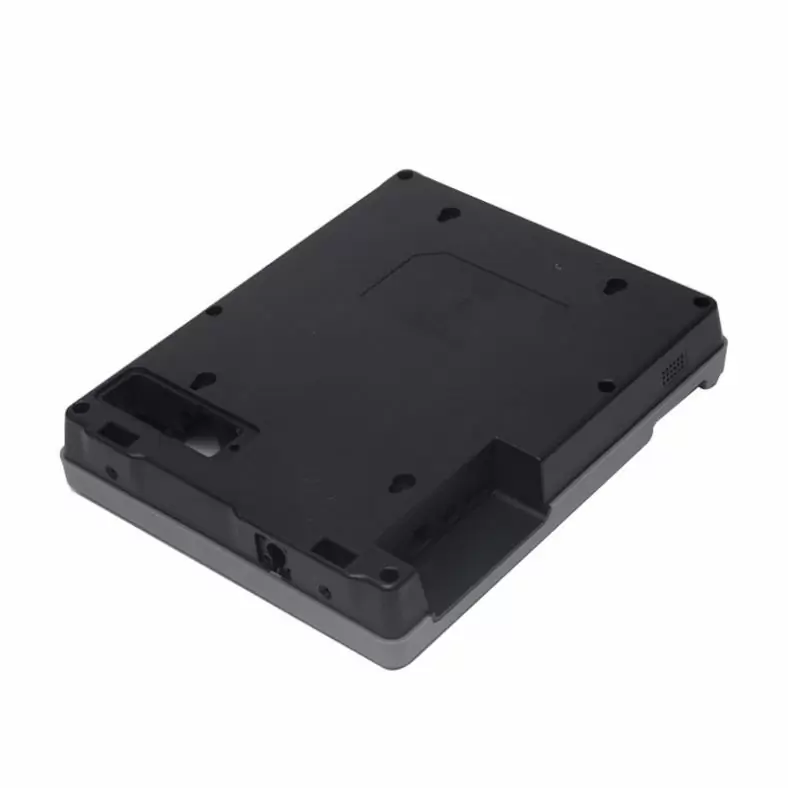
Injection Secret Security Machine Control Shell
-
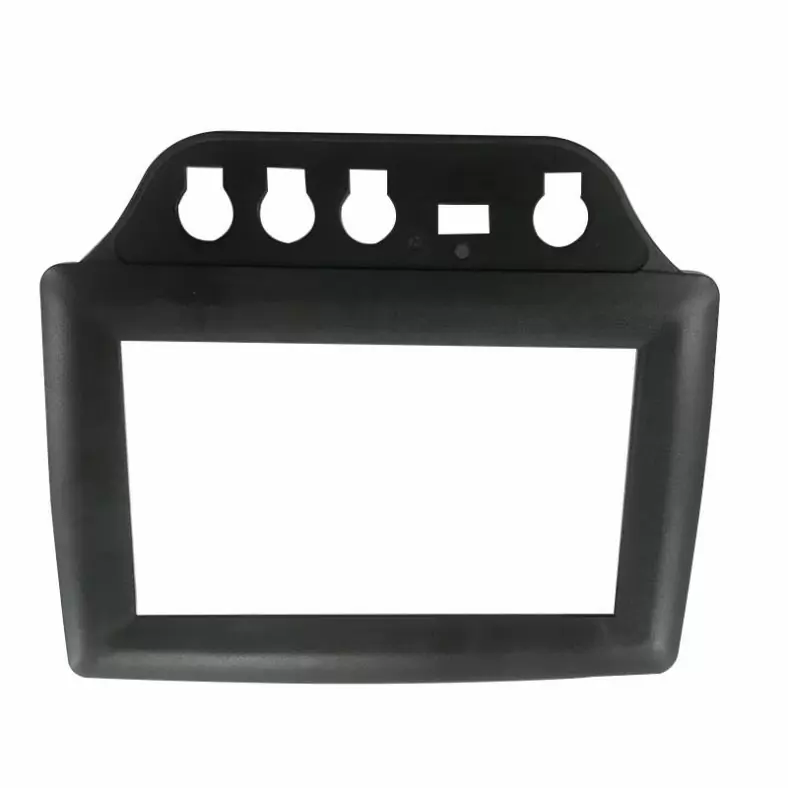
Sewing Machine Industrial Control Shell By Plastic Injection