
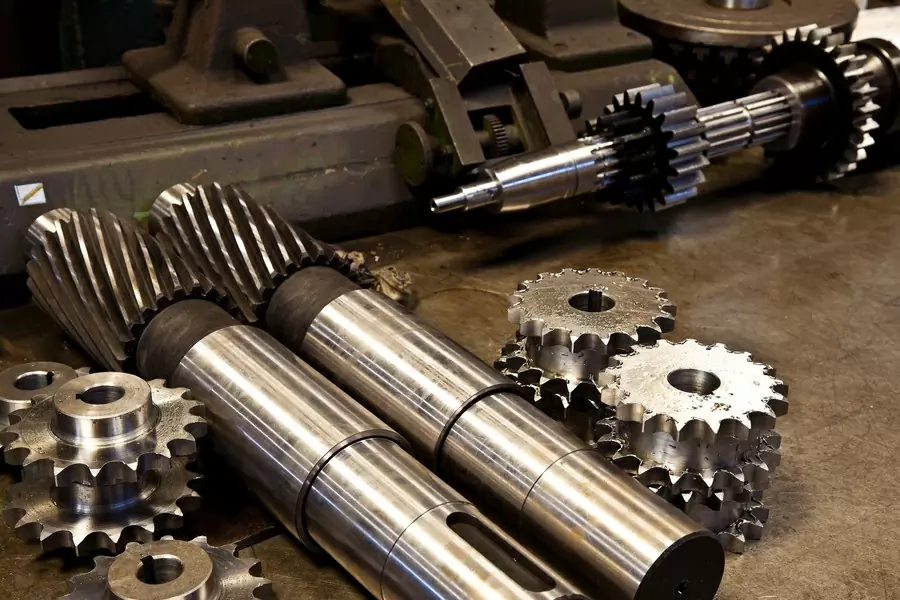
Computer Numerical Control (CNC) machining has revolutionized the manufacturing industry by providing enhanced precision, efficiency, and flexibility in producing complex parts. Large-scale CNC machining, in particular, is pivotal in various sectors where the dimensions and tolerances of parts are critical. This article explores four predominant types of large-scale CNC machining, discussing their unique characteristics and application scopes.
High-speed, precision CNC lathes, turning centers and compound machining machines with more than four-axis linkage. It mainly meets the needs of aerospace, aviation, instrumentation, instrumentation, electronic information and biological engineering industries.
High-speed, high-precision CNC milling and boring machine and high-speed, high-precision vertical and horizontal machining center. It mainly meets the machining needs of large-scale and complex structure brackets, shells, boxes, light metal material parts and precision parts in industries such as automobile engine cylinder blocks and heads, aerospace, high-tech and other industries.
Heavy and super heavy CNC machine tools: CNC floor milling and boring machines, heavy CNC gantry boring and milling machines and gantry machining centers, heavy CNC horizontal lathes and vertical lathes, CNC heavy hobbing machines, etc. These products meet the requirements of energy, aerospace, and military industries. , Ship main engine manufacturing, heavy machinery manufacturing, large mold machining, steam turbine cylinder block and other industry parts machining needs.
CNC grinders: CNC ultra-precision grinders, high-speed and high-precision crankshaft grinders and camshaft grinders, various high-precision and high-speed special grinders, etc., to meet the needs of precision and ultra-precision machining.
CNC electrical machining machine tools: large precision CNC EDM machine tools, CNC low-speed wire EDM cutting machine tools, precision small hole electrical machining machine tools, etc., mainly to meet large and precision mold machining, precision parts machining, tapered holes or special-shaped holes Machining and special needs of aerospace, aviation and other industries.
CNC metal forming machine tools (forging equipment): CNC high-speed precision sheet metal stamping equipment, laser cutting composite machines, CNC powerful spinning machines, etc., mainly to meet the needs of the automotive, motorcycle, electronic information industry, home appliances and other industries for the high-efficiency production of sheet metal in batches And the machining needs of various thin-walled, high-strength, high-precision turning parts in the automotive wheel and military industry.
Drilling and boring the surface of the hole is a cutting machining method. The judgment is that the large diameter and the surface of the hole have high machining accuracy, and the processed material is not without reserved holes.
Special CNC machine tools and production lines: Flexible machining automatic production lines (FMS/FMC) and various special CNC machine tools. This type of production line is aimed at machining cylinder blocks, cylinder heads, gearboxes, etc., and various changes in industries such as automobiles and home appliances. Bulk shell and box parts machining requirements.
The above are some introductions to the types and application scope of large-scale CNC machining. I hope that the above content will be helpful to everyone.
1. CNC Milling
The main movement of the milling process is the rotary motion of the tool and the linear motion of the workpiece, which is suitable for machining the surface of parts such as planes, grooves, holes, and gear teeth. Compared with turning machining, the machining process of milling is not stable enough, so the performance quality of parts is relatively poor.
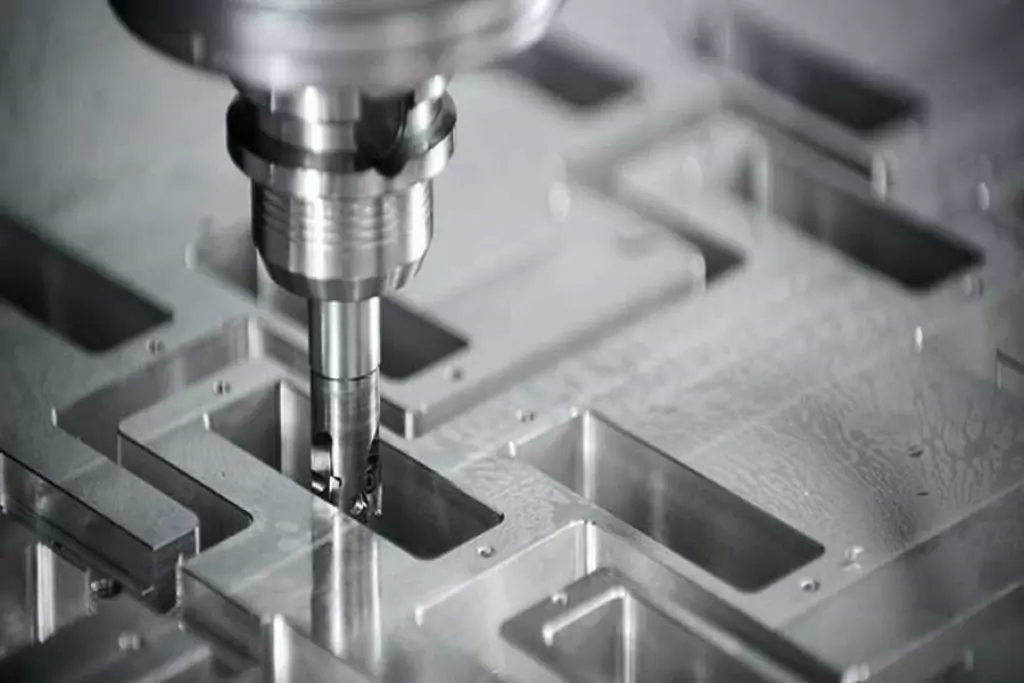
CNC milling is a subtractive manufacturing process that employs rotating cylindrical cutting tools to remove material from a workpiece. This process is notable for its ability to produce intricate geometries with high precision.
Types of CNC Milling Machines
- Vertical Milling Machines: Feature a vertically oriented spindle, allowing for a wide range of operations from drilling to surface milling.
- Horizontal Milling Machines: Utilize a horizontal spindle and are typically employed for more substantial workpieces.
- Universal Milling Machines: Offer versatility with adjustable worktables and can perform both vertical and horizontal milling operations.
Applications
CNC milling is widely used in various industries, including:
- Aerospace: Producing components such as turbine blades and housings, where precision is paramount.
- Automotive: Manufacturing engine blocks and transmission housings.
- Medical: Creating surgical instruments and implants with intricate designs.
2. CNC Turning
Turning machining is characterized by rotating workpieces, so it is a feed motion suitable for machining rotary surface machining. It can be linear motion, straight-generating cylindrical or conical surface or curved motion, and machining curved surfaces, such as spherical surfaces. Turning is usually a cutting-edge and balanced cutting process, and the surface quality of the parts is generally better.
CNC turning involves the rotation of a workpiece against a stationary cutting tool, allowing for the creation of cylindrical parts with high accuracy. This process is often used to manufacture parts with symmetrical shapes.
Types of CNC Turning Machines
- CNC Lathes: Primarily used for turning operations, capable of producing complex shapes through various tool paths.
- CNC Swiss Lathes: Designed for high-precision applications, especially in small diameter parts.
- Multitasking Machines: Combine turning and milling capabilities, enhancing operational flexibility.
Applications
CNC turning is prevalent in sectors such as:
- Oil and Gas: Manufacturing components like valves and fittings.
- Consumer Electronics: Producing casings and connectors.
- Marine: Fabricating propellers and shafts.
3. CNC Plasma Cutting
Motion planning is relatively simple. The main motion is the linear reciprocating motion of the tool, and the motion of the workpiece is an auxiliary motion, suitable for machining planes, grooves and other surfaces. The planing machining cost is low, it is a kind of machining that can obtain high surface quality, and the surface is very smooth.
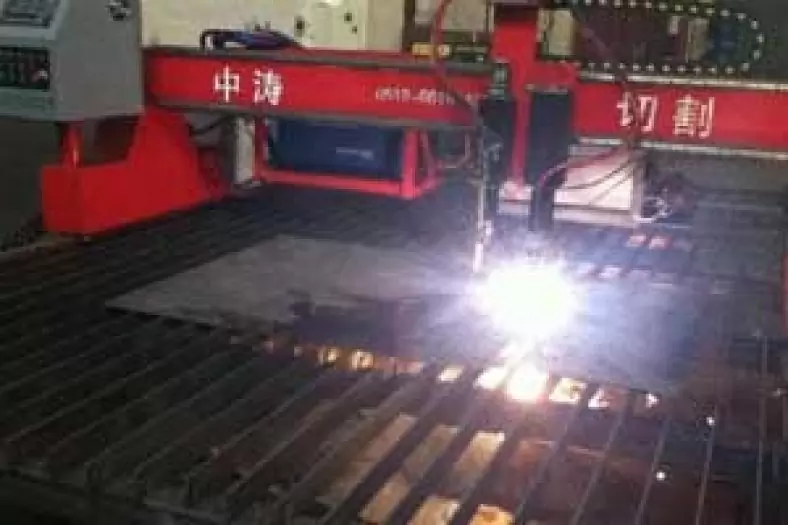
CNC plasma cutting is a thermal cutting process that utilizes a plasma torch to cut through electrically conductive materials. This method is highly effective for thick materials and offers speed and precision.
Types of CNC Plasma Cutting Systems
- Mechanized Plasma Cutters: Controlled by CNC systems for precision cutting.
- Handheld Plasma Cutters: While not CNC, they are often used for smaller, intricate cuts.
Applications
CNC plasma cutting is commonly used in industries such as:
- Metal Fabrication: Creating parts for structural and aesthetic applications.
- Shipbuilding: Cutting large sheets of metal for hull construction.
- Automotive: Manufacturing chassis components and custom parts.
4. CNC Waterjet Cutting
CNC waterjet cutting utilizes a high-pressure jet of water, often mixed with abrasives, to cut through materials. This method is particularly advantageous for materials that are sensitive to heat, as it does not introduce thermal stress.
Types of CNC Waterjet Systems
- Abrasive Waterjet Cutters: Incorporate abrasive materials to enhance cutting capabilities.
- Pure Waterjet Cutters: Use only water and are typically employed for softer materials.
Applications
CNC waterjet cutting finds its applications in various fields, including:
- Aerospace: Cutting composite materials and metals without thermal distortion.
- Architecture: Creating intricate designs in stone and glass.
- Food Processing: Slicing products without contamination from heat.
Conclusion
Large-scale CNC machining encompasses a range of techniques, each with unique characteristics and applications. Understanding these different types allows manufacturers to select the appropriate machining process for their specific needs. As technology continues to evolve, the capabilities and applications of CNC machining will undoubtedly expand, further enhancing its role in modern manufacturing.
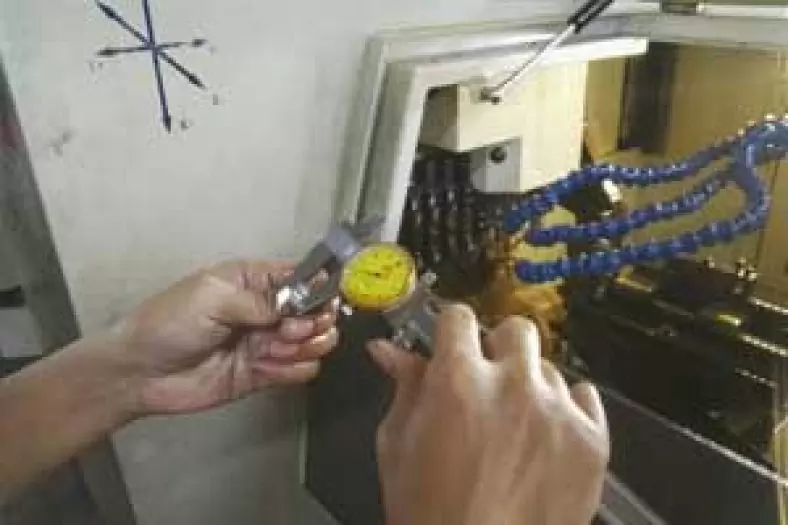
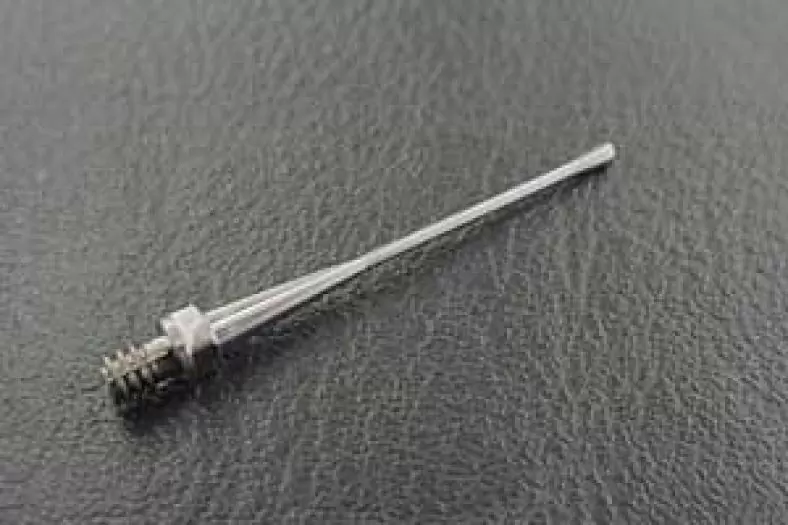
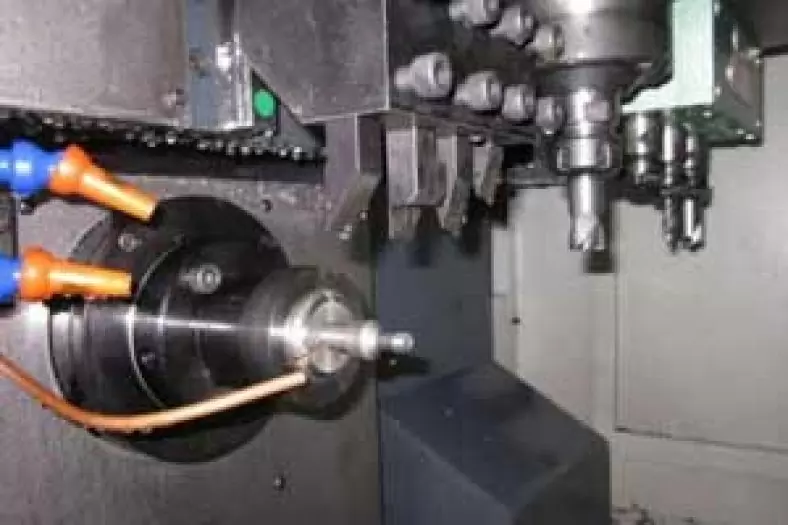
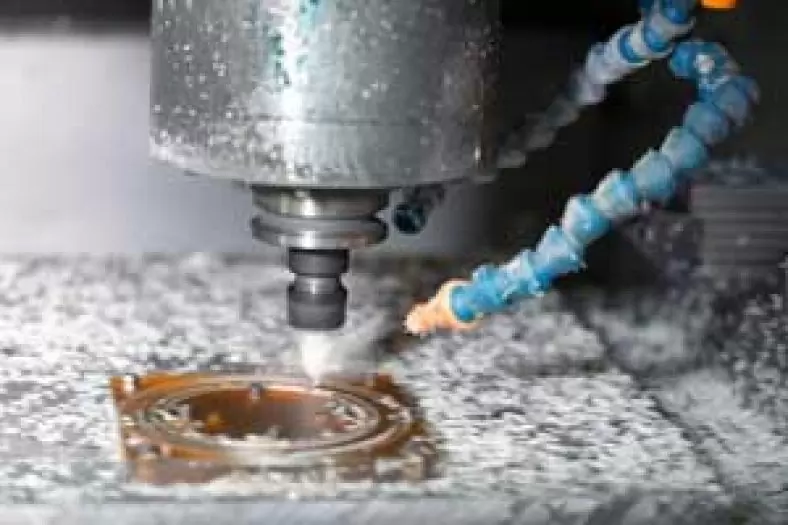
The Detail Of BE-CU Cnc Machining Shop
BE-CU.COM – As an accomplished CNC machining Service Manufacturer and CNC shop, BE-CU Prototype has been specialized in OEM CNC lathing, custom CNC machining parts production and rapid CNC machining services China for over 35 years and always maintaining the highest standard in delivery speed and reliable quality of precision CNC manufacturing components. With the help of high-level technology and efficient equipment, as well as rigorous attitude, BE-CU passed the ISO9001:2015 quality certification, which supports the long-term development of CNC milling services, CNC turning services, CNC milling-turning, CNC drilling services, 3/4/5 axis machining, gear machining services, CNC machining China custom parts and service, small parts machining, etc.Our CNC machining products can be utilized in a broad range of industries. Contact us for email: [email protected]
-
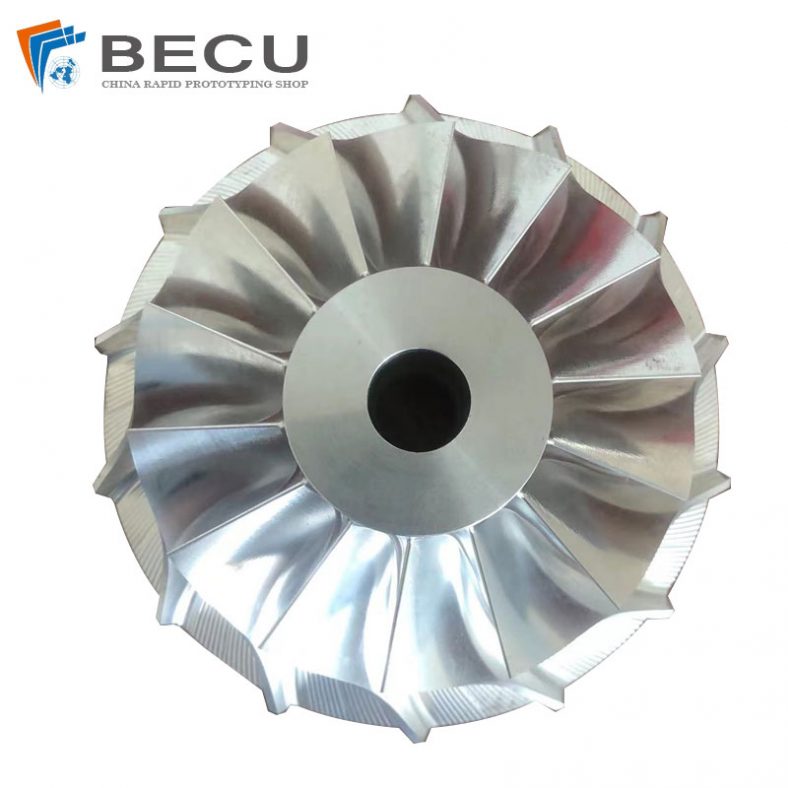
3-Way Centrifugal Compressor Closed Impeller By 5 Axis Machining
-
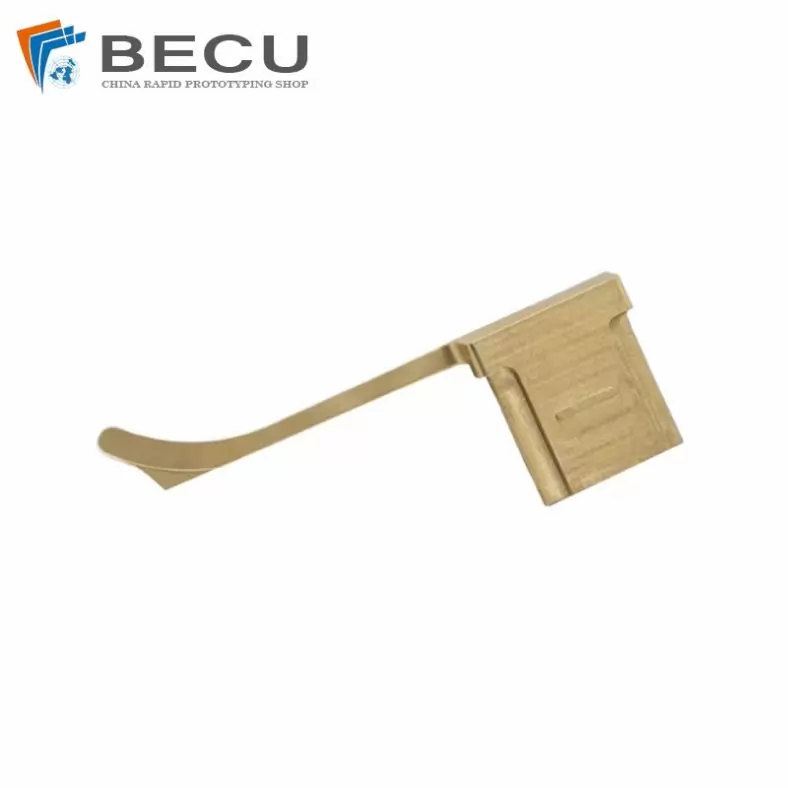
3/4/5 Axis Precision Milling Custom Vehicle Parts
-
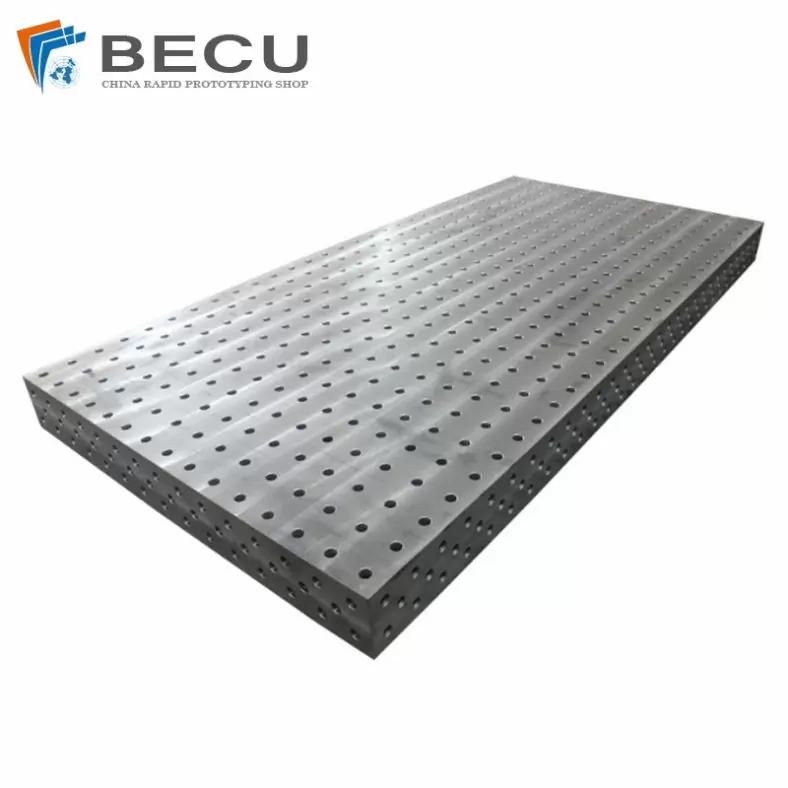
3D Flexible Welding Platform By Large Machining
-
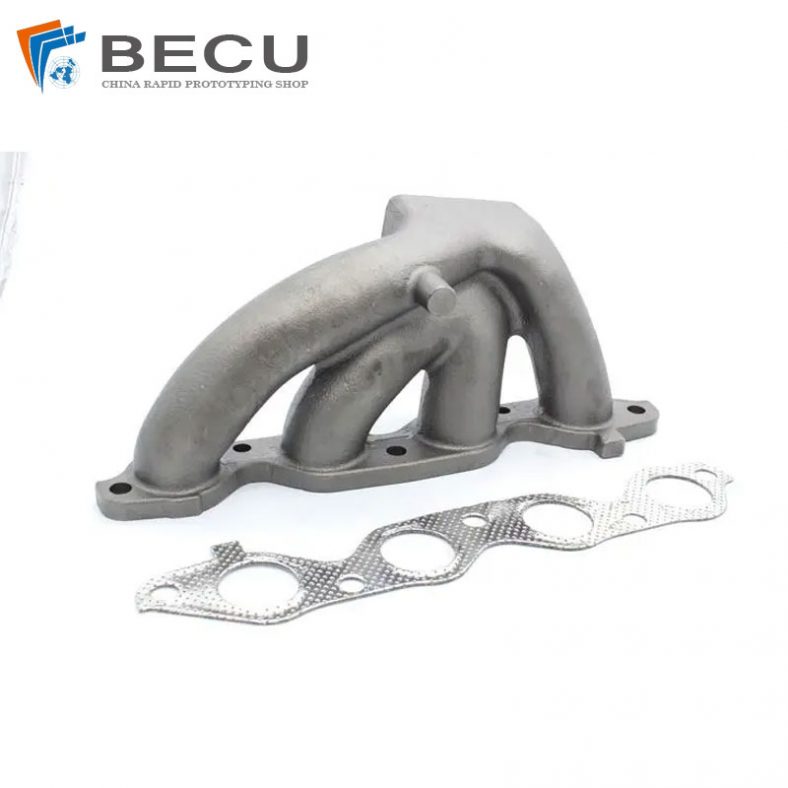
3D Printed Inconel Exhaust Manifold
-
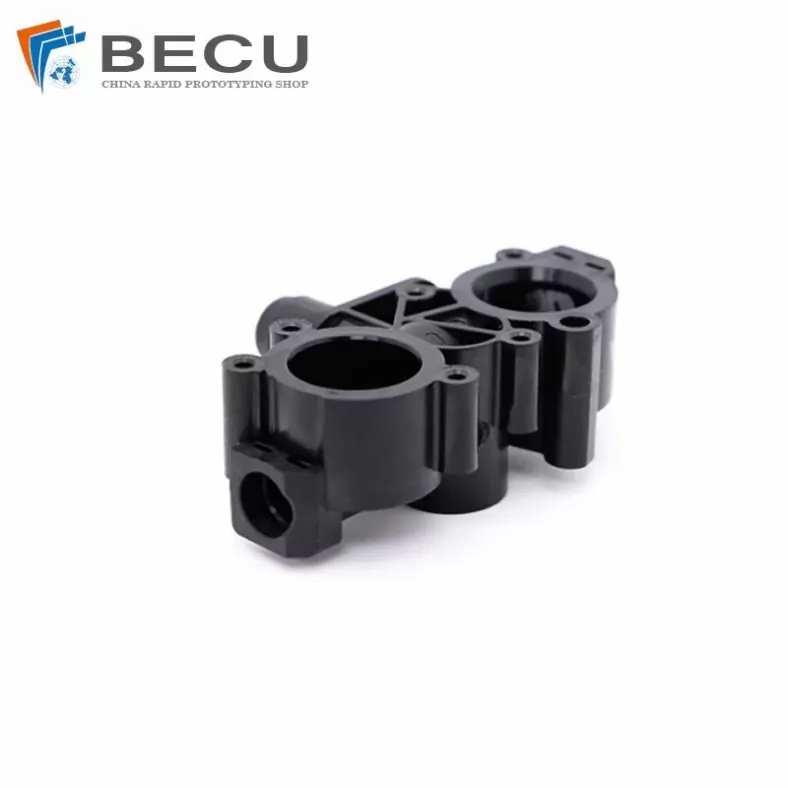
3D Printing And CNC Machining Custom Black PPS Valve
-
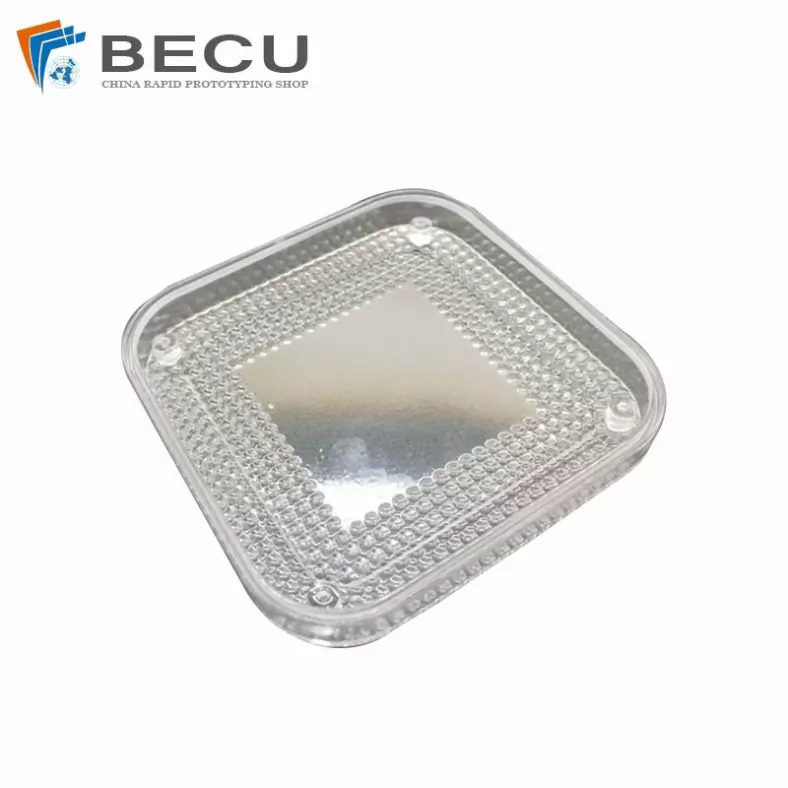
3D Printing Full Transparent Acrylic Lampshade Model
-
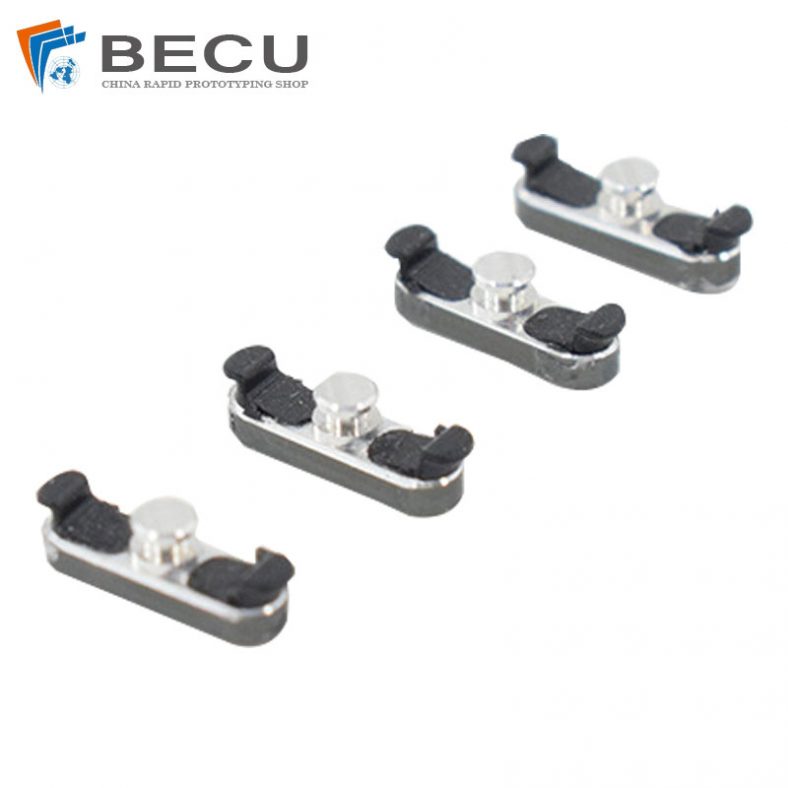
4 Axis CNC Machining Titanium Grade 5 Mobile Phone Buttons
-
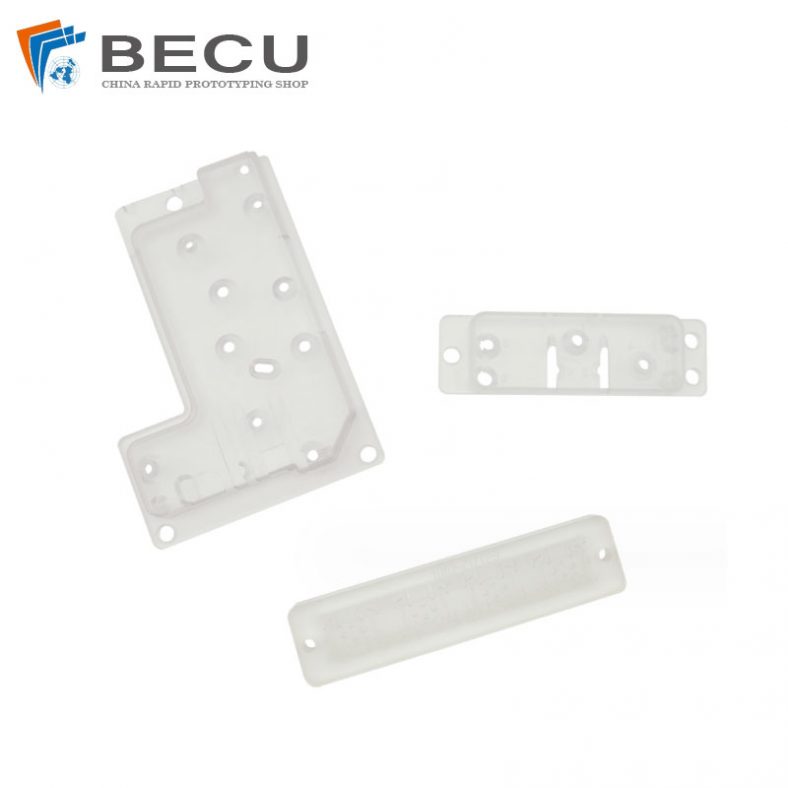
4 Axis Machining Highly Transparent Acrylic LED Tunnel Light Lens