
Plumbing systems are integral to the infrastructure of buildings, ensuring the efficient distribution of water and the safe disposal of waste. Two prominent materials used in plumbing systems are galvanized steel and cast iron. Each material has its unique characteristics, advantages, and disadvantages, making them suitable for different applications. This article provides an in-depth comparison of galvanized plumbing and cast iron plumbing, exploring their historical context, manufacturing processes, chemical compositions, mechanical properties, corrosion resistance, lifespan, environmental impact, and practical applications.
Historical Context Of Galvanized Plumbing and Cast Iron Plumbing
Galvanized plumbing refers to steel pipes coated with a layer of zinc to prevent corrosion. The process of galvanization was first developed in the 18th century, but it gained widespread use in the 19th century. Galvanized steel pipes became popular in the early 20th century as a cost-effective alternative to lead and copper pipes. The zinc coating provided a protective barrier against rust, making galvanized pipes a durable option for water supply systems.
The galvanization process involves immersing steel in a molten zinc bath, which creates a zinc-iron alloy layer that bonds to the steel surface. This layer provides a sacrificial anode, meaning the zinc corrodes before the steel, thereby protecting the underlying metal. Galvanized pipes were extensively used in residential and commercial plumbing until the mid-20th century, when other materials like copper and PVC began to gain popularity due to their superior corrosion resistance and ease of installation.
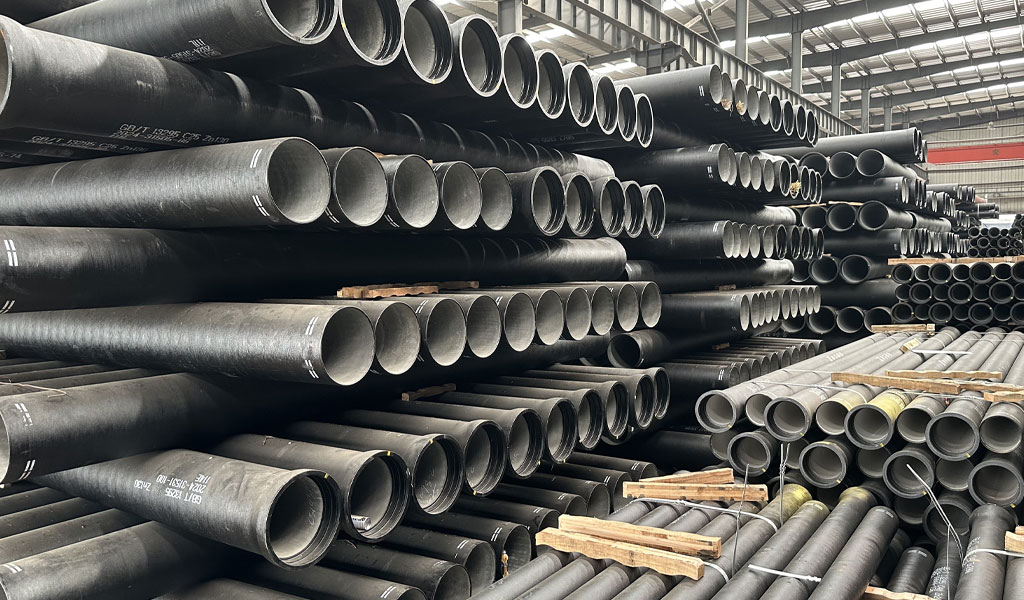
Cast iron plumbing has a longer history, dating back to ancient civilizations. The Romans used cast iron for water pipes, and the material continued to be used in various forms throughout the Middle Ages. However, it was during the Industrial Revolution that cast iron plumbing became more standardized and widely adopted. Cast iron pipes were particularly favored for their durability and resistance to external damage, making them ideal for underground water and sewage systems.
Cast iron is an alloy of iron with carbon content typically ranging from 2% to 4%. The manufacturing process involves melting iron and pouring it into molds to create pipes. The high carbon content gives cast iron its strength and resistance to deformation, but it also makes the material brittle and susceptible to fracture under impact. Despite this, cast iron pipes have been used extensively in municipal water supply and sewage systems due to their longevity and ability to withstand external pressures.
Manufacturing Processes
Galvanized Plumbing
The manufacturing process of galvanized steel pipes involves several steps:
- Steel Production: The process begins with the production of steel, which is an alloy of iron and carbon, along with other elements like manganese, chromium, and nickel. Steel is produced through various methods, including the basic oxygen furnace (BOF) process and the electric arc furnace (EAF) process.
- Pipe Formation: Steel is then rolled into sheets or coils, which are further processed to form pipes. The pipe formation can be done through various methods, such as welding or seamless pipe manufacturing. In welded pipe manufacturing, steel sheets are rolled into a cylindrical shape and welded along the seam. Seamless pipes are formed by piercing a solid billet of steel and drawing it into a pipe shape.
- Galvanization: The formed pipes are then galvanized to protect them from corrosion. The galvanization process involves several steps:
- Cleaning: The pipes are cleaned to remove any dirt, grease, or oxides that could interfere with the galvanization process.
- Pickling: The pipes are immersed in an acid bath to remove any remaining oxides and prepare the surface for galvanization.
- Fluxing: The pipes are coated with a flux, which helps to remove any remaining oxides and promotes the adhesion of the zinc coating.
- Galvanizing: The pipes are immersed in a molten zinc bath, where the zinc reacts with the steel to form a zinc-iron alloy layer. This layer provides the protective coating that prevents corrosion.
- Cooling and Finishing: The pipes are cooled and may undergo additional finishing processes, such as painting or coating, to enhance their appearance and durability.
Cast Iron Plumbing
The manufacturing process of cast iron pipes involves the following steps:
- Iron Production: The process begins with the production of pig iron, which is an intermediate product obtained from the smelting of iron ore in a blast furnace. Pig iron has a high carbon content and is further refined to produce cast iron.
- Melting and Alloying: Cast iron is produced by melting pig iron and adding alloying elements, such as silicon and manganese, to achieve the desired properties. The molten iron is then poured into molds to form pipes.
- Molding: The molten iron is poured into sand molds, which are designed to create the desired pipe shape and size. The molds are typically made of sand mixed with a binder, such as clay or resin, to hold the shape.
- Cooling and Finishing: The pipes are allowed to cool and solidify in the molds. Once cooled, the pipes are removed from the molds and may undergo additional finishing processes, such as machining or coating, to enhance their surface finish and durability.
Chemical Composition
Galvanized Plumbing
Galvanized steel pipes are composed of steel with a zinc coating. The chemical composition of the steel can vary, but it typically includes the following elements:
- Iron (Fe): The primary constituent of steel, providing strength and durability.
- Carbon (C): Present in small amounts (usually less than 0.2%), carbon enhances the hardness and strength of steel.
- Manganese (Mn): Added to improve the hardenability and strength of steel.
- Chromium (Cr): Added to enhance corrosion resistance and hardenability.
- Nickel (Ni): Added to improve toughness and corrosion resistance.
- Silicon (Si): Added to improve the fluidity of molten steel and enhance its mechanical properties.
The zinc coating on galvanized steel pipes is typically pure zinc, which reacts with the steel to form a zinc-iron alloy layer. This layer provides the protective barrier that prevents corrosion.
Cast Iron Plumbing
Cast iron pipes are composed of iron with a high carbon content, typically ranging from 2% to 4%. The chemical composition of cast iron can vary, but it typically includes the following elements:
- Iron (Fe): The primary constituent of cast iron, providing strength and durability.
- Carbon (C): Present in high amounts (2% to 4%), carbon enhances the hardness and strength of cast iron but also makes it brittle.
- Silicon (Si): Added to improve the fluidity of molten iron and enhance its mechanical properties.
- Manganese (Mn): Added to improve the hardenability and strength of cast iron.
- Sulfur (S): Present in small amounts, sulfur can form sulfides that can embrittle the cast iron.
- Phosphorus (P): Present in small amounts, phosphorus can improve the fluidity of molten iron but can also embrittle the cast iron.
The high carbon content in cast iron gives it its unique properties, such as high compressive strength and resistance to deformation, but it also makes the material brittle and susceptible to fracture under impact.
Mechanical Properties
Galvanized Plumbing
Galvanized steel pipes exhibit excellent mechanical properties, making them suitable for various plumbing applications. The mechanical properties of galvanized steel pipes include:
- Tensile Strength: Galvanized steel pipes have high tensile strength, typically ranging from 400 to 500 MPa (megapascals). This property allows the pipes to withstand high internal pressures and external loads.
- Yield Strength: The yield strength of galvanized steel pipes is typically around 250 to 350 MPa. This property ensures that the pipes can deform plastically without fracturing, providing a margin of safety in case of overloading.
- Ductility: Galvanized steel pipes are ductile, meaning they can be bent or shaped without fracturing. This property makes them easy to install and adapt to various plumbing configurations.
- Hardness: The hardness of galvanized steel pipes is typically around 100 to 150 HB (Brinell hardness). This property ensures that the pipes are resistant to wear and abrasion.
- Toughness: Galvanized steel pipes have good toughness, meaning they can absorb energy and deform without fracturing. This property makes them resistant to impact and sudden loads.
Cast Iron Plumbing
Cast iron pipes exhibit unique mechanical properties that make them suitable for specific plumbing applications. The mechanical properties of cast iron pipes include:
- Compressive Strength: Cast iron pipes have high compressive strength, typically ranging from 400 to 800 MPa. This property allows the pipes to withstand high external pressures and loads, making them ideal for underground installations.
- Tensile Strength: The tensile strength of cast iron pipes is relatively low, typically around 100 to 200 MPa. This property makes the pipes susceptible to fracture under tensile loads.
- Brittleness: Cast iron pipes are brittle, meaning they have low ductility and can fracture under impact or sudden loads. This property makes them less suitable for applications where flexibility and impact resistance are required.
- Hardness: The hardness of cast iron pipes is typically around 150 to 250 HB. This property ensures that the pipes are resistant to wear and abrasion.
- Wear Resistance: Cast iron pipes have excellent wear resistance, making them suitable for applications where the pipes are subjected to abrasive materials or fluids.
Corrosion Resistance
Galvanized Plumbing
Galvanized steel pipes are designed to resist corrosion through the protective zinc coating. The corrosion resistance of galvanized steel pipes is achieved through the following mechanisms:
- Barrier Protection: The zinc coating acts as a physical barrier, preventing water and oxygen from reaching the steel surface and initiating corrosion.
- Sacrificial Protection: The zinc coating acts as a sacrificial anode, meaning it corrodes preferentially to the steel. This sacrificial action protects the underlying steel from corrosion, even if the zinc coating is scratched or damaged.
- Passivation: The zinc coating forms a passive layer of zinc oxide and zinc hydroxide on the surface, which further inhibits corrosion. This passive layer is self-healing, meaning it can repair itself if damaged.
Despite these protective mechanisms, galvanized steel pipes can still be susceptible to corrosion under certain conditions. Factors that can accelerate corrosion in galvanized steel pipes include:
- pH Levels: Acidic or alkaline water can accelerate the corrosion of the zinc coating, leading to the exposure of the underlying steel.
- Water Quality: Hard water with high mineral content can form scale deposits on the inner surface of the pipes, which can trap moisture and promote corrosion.
- Temperature: High temperatures can accelerate the corrosion of the zinc coating, leading to the exposure of the underlying steel.
- Flow Rate: Low flow rates can allow water to stagnate in the pipes, promoting the growth of bacteria and the formation of biofilms, which can accelerate corrosion.
Cast Iron Plumbing
Cast iron pipes are inherently resistant to corrosion due to their chemical composition and the formation of a protective oxide layer on the surface. The corrosion resistance of cast iron pipes is achieved through the following mechanisms:
- Passivation: Cast iron forms a passive layer of iron oxide (rust) on the surface, which inhibits further corrosion. This passive layer is self-healing, meaning it can repair itself if damaged.
- Cathodic Protection: In some cases, cast iron pipes can be protected by cathodic protection, where a sacrificial anode is used to protect the cast iron from corrosion. This method is particularly useful in underground installations where the pipes are exposed to soil and moisture.
Despite these protective mechanisms, cast iron pipes can still be susceptible to corrosion under certain conditions. Factors that can accelerate corrosion in cast iron pipes include:
- Soil Conditions: Acidic or alkaline soil can accelerate the corrosion of cast iron pipes, leading to the formation of pits and cracks.
- Moisture: High moisture levels in the soil can promote the growth of bacteria and the formation of biofilms, which can accelerate corrosion.
- Stray Currents: Electrical currents in the soil, such as those from nearby power lines or railways, can accelerate the corrosion of cast iron pipes through a process known as stray current corrosion.
- Mechanical Damage: Physical damage to the pipes, such as cracks or dents, can expose the underlying metal to moisture and oxygen, accelerating corrosion.
Lifespan
Galvanized Plumbing
The lifespan of galvanized steel pipes can vary depending on several factors, including the quality of the zinc coating, the water chemistry, the installation environment, and the maintenance practices. Generally, galvanized steel pipes can last between 20 to 50 years, although some pipes may last longer with proper maintenance.
Factors that can influence the lifespan of galvanized steel pipes include:
- Water Chemistry: The pH levels, mineral content, and temperature of the water can affect the rate of corrosion and the lifespan of the pipes.
- Installation Environment: The environment in which the pipes are installed, such as the soil conditions, moisture levels, and exposure to external loads, can affect the lifespan of the pipes.
- Maintenance Practices: Regular maintenance, such as cleaning, inspection, and repair, can extend the lifespan of the pipes.
Cast Iron Plumbing
The lifespan of cast iron pipes can vary depending on several factors, including the quality of the cast iron, the installation environment, and the maintenance practices. Generally, cast iron pipes can last between 50 to 100 years, although some pipes may last longer with proper maintenance.
Factors that can influence the lifespan of cast iron pipes include:
- Installation Environment: The environment in which the pipes are installed, such as the soil conditions, moisture levels, and exposure to external loads, can affect the lifespan of the pipes.
- Maintenance Practices: Regular maintenance, such as cleaning, inspection, and repair, can extend the lifespan of the pipes.
Environmental Impact
Galvanized Plumbing
The environmental impact of galvanized steel pipes can be assessed through various stages of their lifecycle, including production, use, and disposal.
- Production: The production of galvanized steel pipes involves the extraction and processing of raw materials, such as iron ore and zinc, which can have environmental impacts. The mining and smelting of these materials can result in air and water pollution, energy consumption, and greenhouse gas emissions.
- Use: During their use, galvanized steel pipes can have environmental impacts related to their installation, maintenance, and operation. The installation of pipes can result in soil disturbance and the use of energy and resources. The maintenance of pipes can involve the use of chemicals and the generation of waste.
- Disposal: At the end of their lifespan, galvanized steel pipes can be recycled, reducing their environmental impact. However, the recycling process can also have environmental impacts, such as energy consumption and the generation of waste.
Cast Iron Plumbing
The environmental impact of cast iron pipes can be assessed through various stages of their lifecycle, including production, use, and disposal.
- Production: The production of cast iron pipes involves the extraction and processing of raw materials, such as iron ore, which can have environmental impacts. The mining and smelting of these materials can result in air and water pollution, energy consumption, and greenhouse gas emissions.
- Use: During their use, cast iron pipes can have environmental impacts related to their installation, maintenance, and operation. The installation of pipes can result in soil disturbance and the use of energy and resources. The maintenance of pipes can involve the use of chemicals and the generation of waste.
- Disposal: At the end of their lifespan, cast iron pipes can be recycled, reducing their environmental impact. However, the recycling process can also have environmental impacts, such as energy consumption and the generation of waste.
Practical Applications
Both materials have a rich history in construction and plumbing applications, particularly in the early to mid-20th century. However, as technology progressed, newer materials such as PVC, copper, and PEX have largely supplanted galvanized steel and cast iron in modern plumbing systems. Despite this, understanding the historical use and characteristics of galvanized plumbing compared to cast iron remains valuable for professionals, homeowners, and renovators alike.
Galvanized Plumbing
Galvanized steel pipes have been used in various plumbing applications due to their corrosion resistance, durability, and cost-effectiveness. Some of the practical applications of galvanized steel pipes include:
- Water Supply Systems: Galvanized steel pipes have been extensively used in water supply systems, including residential, commercial, and industrial buildings. They are suitable for both hot and cold water distribution due to their resistance to corrosion and ability to withstand internal pressures.
- Gas Distribution Systems: Galvanized steel pipes have also been used in gas distribution systems, including natural gas and propane. They are suitable for this application due to their resistance to corrosion and ability to withstand internal pressures.
- Fire Sprinkler Systems: Galvanized steel pipes have been used in fire sprinkler systems, providing a reliable and durable solution for fire protection. They are suitable for this application due to their resistance to corrosion and ability to withstand high temperatures and pressures.
Cast Iron Plumbing
Cast iron pipes have been used in various plumbing applications due to their durability, resistance to external pressures, and longevity. Some of the practical applications of cast iron pipes include:
- Sewage Systems: Cast iron pipes have been extensively used in sewage systems, including residential, commercial, and municipal installations. They are suitable for this application due to their resistance to corrosion, ability to withstand external pressures, and longevity.
- Storm Drainage Systems: Cast iron pipes have been used in storm drainage systems, providing a reliable and durable solution for managing rainwater and surface runoff. They are suitable for this application due to their resistance to corrosion, ability to withstand external pressures, and longevity.
- Industrial Waste Systems: Cast iron pipes have been used in industrial waste systems, providing a reliable and durable solution for managing industrial wastewater. They are suitable for this application due to their resistance to corrosion, ability to withstand external pressures, and longevity.
Comparative Analysis
Plumbing materials have evolved significantly over the centuries, driven by advancements in manufacturing techniques, the desire for better performance, and the need for more durable, cost-effective solutions. Among the most commonly used materials in plumbing systems are galvanized steel and cast iron.
Corrosion Resistance
Galvanized steel pipes and cast iron pipes both offer corrosion resistance, but through different mechanisms. Galvanized steel pipes rely on the protective zinc coating, which acts as a barrier and sacrificial anode. Cast iron pipes, on the other hand, form a passive layer of iron oxide on the surface, which inhibits further corrosion.
In terms of corrosion resistance, galvanized steel pipes are generally more resistant to internal corrosion, making them suitable for water supply systems. However, they can be susceptible to external corrosion, especially in harsh environments. Cast iron pipes are more resistant to external corrosion, making them suitable for underground installations, but they can be susceptible to internal corrosion, especially in acidic or alkaline conditions.
Mechanical Properties
Galvanized steel pipes and cast iron pipes exhibit different mechanical properties, making them suitable for different applications. Galvanized steel pipes have high tensile strength, ductility, and toughness, making them suitable for applications where flexibility and impact resistance are required. Cast iron pipes have high compressive strength and wear resistance, making them suitable for applications where the pipes are subjected to external pressures and abrasive materials.
Lifespan
The lifespan of galvanized steel pipes and cast iron pipes can vary depending on several factors, including the installation environment, water chemistry, and maintenance practices. Generally, galvanized steel pipes have a shorter lifespan compared to cast iron pipes, ranging from 20 to 50 years. Cast iron pipes, on the other hand, can last between 50 to 100 years, making them a more durable option for long-term installations.
Environmental Impact
The environmental impact of galvanized steel pipes and cast iron pipes can be assessed through various stages of their lifecycle, including production, use, and disposal. Both materials have environmental impacts related to the extraction and processing of raw materials, energy consumption, and waste generation. However, both materials can be recycled, reducing their environmental impact.
Practical Applications
Galvanized steel pipes and cast iron pipes have been used in various plumbing applications due to their unique properties. Galvanized steel pipes are suitable for water supply systems, gas distribution systems, and fire sprinkler systems due to their corrosion resistance, durability, and ability to withstand internal pressures. Cast iron pipes are suitable for sewage systems, storm drainage systems, and industrial waste systems due to their durability, resistance to external pressures, and longevity.
Conclusion
Galvanized plumbing and cast iron plumbing are two prominent materials used in plumbing systems, each with its unique characteristics, advantages, and disadvantages. Galvanized steel pipes offer excellent corrosion resistance, durability, and cost-effectiveness, making them suitable for water supply systems, gas distribution systems, and fire sprinkler systems. Cast iron pipes offer durability, resistance to external pressures, and longevity, making them suitable for sewage systems, storm drainage systems, and industrial waste systems.
The choice between galvanized plumbing and cast iron plumbing depends on various factors, including the specific application, installation environment, water chemistry, and maintenance practices. Understanding the properties and limitations of each material can help in making an informed decision for the most suitable plumbing solution.
In summary, galvanized plumbing and cast iron plumbing are essential components of modern plumbing systems, each with its unique strengths and weaknesses. By considering the specific requirements and conditions of the application, one can select the most appropriate material to ensure the efficient and reliable operation of the plumbing system.