
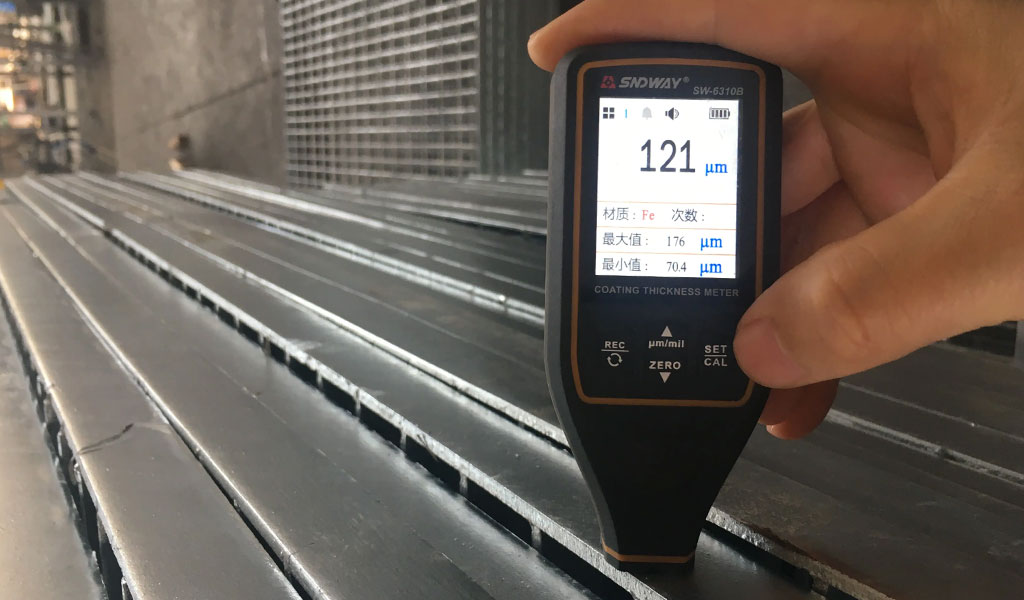
When it comes to choosing the right material for sheet metal applications, manufacturers often face a critical decision: Galvannal or galvanized steel? Both materials provide corrosion resistance, which is essential in a wide range of industries, from construction to automotive manufacturing, but each offers distinct benefits, manufacturing processes, and performance characteristics. Understanding the differences between these two types of materials can help manufacturers make an informed decision based on their specific needs.This article delves into the properties, benefits, manufacturing processes, and typical applications of both Galvannal and galvanized steel. By exploring these aspects, we aim to provide a comprehensive guide to help determine which material is the best fit for various industrial applications.
Introduction to Galvannal and Galvanized Steel
Both Galvannal and galvanized steel are types of corrosion-resistant steel that undergo a coating process to protect the underlying metal from rust and degradation. However, the coating methods and materials used in each process are different, resulting in distinct properties that influence their suitability for different manufacturing needs.
- Galvannal Steel refers to a steel sheet or coil that has been coated with a specific blend of aluminum and zinc. This coating provides superior corrosion resistance compared to traditional galvanized steel, and the material is typically used in applications where enhanced durability and longer service life are required.
- Galvanized Steel, on the other hand, is steel that has been coated with a layer of zinc through the process of hot-dip galvanization or electro-galvanization. The zinc coating serves as a protective barrier against corrosion, making galvanized steel a popular choice in many industries, including construction, automotive, and manufacturing.
While both materials share the goal of corrosion resistance, their composition, performance, and ideal applications can differ significantly.
Galvannal Steel: Composition and Manufacturing Process
Galvannal steel is produced through a coating process that involves a mixture of aluminum and zinc. Typically, the coating consists of about 55% aluminum, 43.4% zinc, and 1.6% silicon. This composition creates a robust coating that enhances the steel’s resistance to corrosion, even in extreme environmental conditions.
The Galvannal coating process is typically carried out using a hot-dip method, where steel sheets are submerged in a molten bath of the aluminum-zinc alloy. The process involves several stages to ensure the coating adheres properly to the steel surface. First, the steel is cleaned to remove contaminants such as oils, dirt, and mill scale. It is then dipped into the molten bath, where the steel is coated with the alloy and cooled to solidify the coating.
The advantages of Galvannal steel include:
- Superior Corrosion Resistance: The aluminum-zinc coating offers better long-term protection against corrosion than standard galvanized steel. The aluminum in the coating creates a barrier that prevents moisture and air from reaching the steel surface, significantly reducing the risk of rust.
- Enhanced Durability: The material is highly resistant to heat and is well-suited for use in harsh environments, such as coastal areas or industrial settings where exposure to chemicals and moisture is common.
- Improved Appearance: Galvannal steel often has a more attractive finish, with a slightly matte appearance and a subtle sheen. This makes it aesthetically suitable for architectural applications.
- Better Formability: Galvannal steel offers good formability for stamping, drawing, and other manufacturing processes, making it suitable for complex shapes and parts.
Due to its composition, Galvannal is especially effective in applications that demand both excellent corrosion resistance and high heat resistance, such as roofing, automotive body panels, and industrial equipment.
Galvanized Steel: Composition and Manufacturing Process
Galvanized steel is produced by applying a zinc coating to steel through one of two main methods: hot-dip galvanization or electro-galvanization.
- Hot-Dip Galvanization: In this process, steel is cleaned and then dipped into a bath of molten zinc, which coats the steel with a thick layer of zinc. This method is often used for larger sheets or coils and is known for providing a strong, long-lasting zinc coating.
- Electro-Galvanization: This process uses an electrochemical reaction to deposit a thin layer of zinc onto the steel. It is commonly used for applications that require a more uniform coating, but the zinc layer is typically thinner than that produced by hot-dip galvanization.
The galvanizing process creates a protective zinc layer on the surface of the steel, which serves as a barrier against corrosion. In addition, the zinc layer provides sacrificial protection, meaning that even if the coating is damaged, the underlying steel will remain protected as the zinc corrodes first.
Key benefits of galvanized steel include:
- Cost-Effective Corrosion Resistance: Galvanized steel is widely used because it provides an affordable solution to corrosion, offering protection against rust and degradation in a wide variety of environments.
- Versatility: It is suitable for a broad range of applications, including construction, electrical equipment, automotive, and household goods.
- Easy to Work With: Galvanized steel can be easily welded, bent, and shaped, making it a versatile material for manufacturing.
- Durability in Moderate Conditions: While galvanized steel offers good corrosion resistance, its performance can be less effective in extreme conditions compared to Galvannal.
Galvanized steel is a popular material in industries where a balance of cost and performance is required, such as in the construction of fences, roofing, and piping, as well as in automotive manufacturing.
Comparison of Galvannal vs Galvanized Steel
While both Galvannal and galvanized steel offer corrosion resistance, there are several important factors to consider when determining which material is best for a given application.
1. Corrosion Resistance
- Galvannal: Offers superior corrosion resistance due to the higher aluminum content in its coating. The aluminum-zinc alloy resists corrosion in both marine and industrial environments, making it ideal for harsh conditions.
- Galvanized Steel: Provides good corrosion resistance but is generally not as effective in severe environments where exposure to moisture, chemicals, and salt is frequent. The zinc coating offers sacrificial protection, but over time, the zinc layer can break down.
2. Durability and Longevity
- Galvannal: Known for its long-term durability and ability to resist both corrosion and high temperatures. This makes it ideal for use in industries where components are exposed to heat, humidity, and chemical exposure.
- Galvanized Steel: While galvanized steel is durable, it may require periodic maintenance or replacement in more demanding environments. It is best suited for mild to moderate conditions where high corrosion resistance is not a primary concern.
3. Cost
- Galvannal: Generally more expensive than galvanized steel due to the more complex manufacturing process and the use of higher-quality materials. The increased performance and longer lifespan, however, can make it a cost-effective choice in the long run for applications that require high resistance to corrosion.
- Galvanized Steel: Typically more affordable, making it the go-to option for manufacturers needing a cost-effective solution for general corrosion resistance in less demanding applications.
4. Applications
- Galvannal: Commonly used in industries that require both corrosion resistance and high-temperature durability, such as the automotive, construction, and aerospace industries. It is also preferred for outdoor applications in coastal areas or places with high humidity.
- Galvanized Steel: Ideal for applications where cost is a primary concern, such as in construction (e.g., piping, roofing, and framing), electrical equipment, and general manufacturing.
Environmental Impact and Sustainability
Both Galvannal and galvanized steel are recyclable, which contributes to their sustainability in the manufacturing process. However, the production of Galvannal involves the use of aluminum, which requires a more energy-intensive extraction process compared to the production of zinc. As such, the environmental impact of producing Galvannal can be higher than that of galvanized steel, particularly in terms of energy consumption and resource extraction.
Despite this, both materials have relatively low environmental footprints when compared to other corrosion-resistant coatings, such as those that involve toxic chemicals or require more intensive maintenance.
Conclusion
In summary, both Galvannal and galvanized steel offer excellent corrosion resistance but are suited to different applications based on their properties and cost considerations. Galvannal is ideal for demanding environments where superior corrosion resistance and high-temperature durability are required. It is more expensive but offers long-term benefits in terms of performance and longevity. Galvanized steel, while less durable in extreme conditions, is a more affordable option that provides good corrosion resistance for less demanding applications.
Manufacturers should assess the specific needs of their projects, taking into account factors such as environmental exposure, cost constraints, and required performance standards, to determine which material will best suit their production needs. Ultimately, the decision between Galvannal and galvanized steel will depend on balancing the initial investment with the long-term performance and sustainability goals of the application.
The Detail Of BE-CU Sheet Metal Company
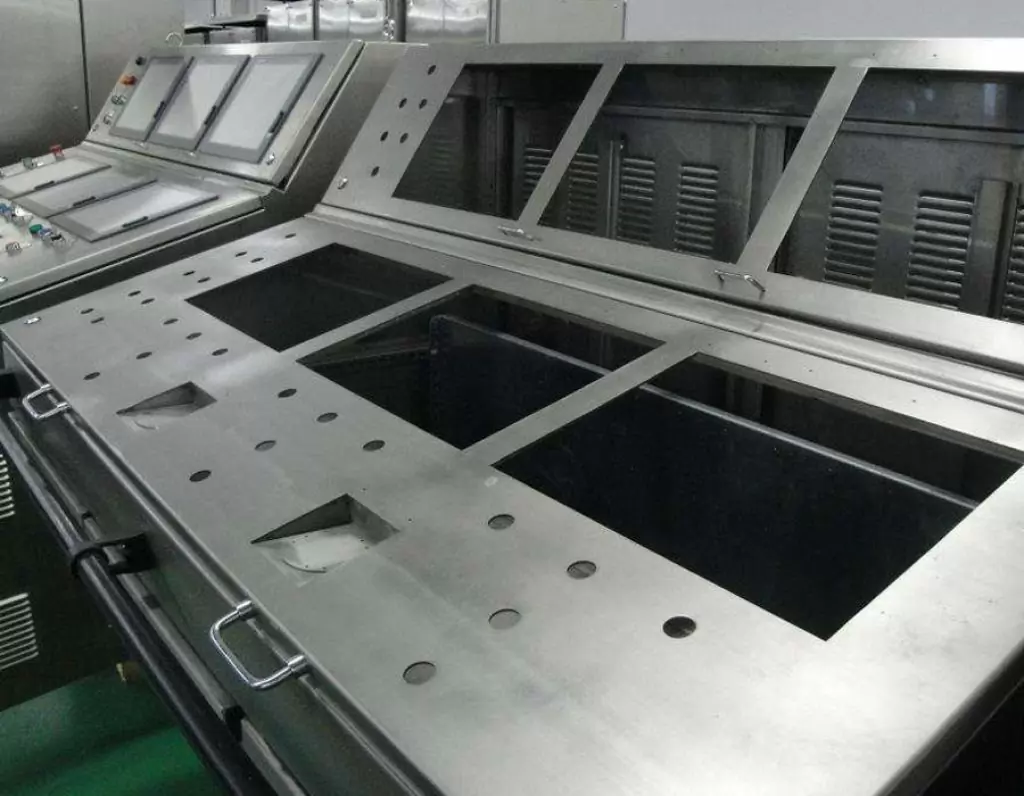
BE-CU is a professional and technical enterprise engaged in sheet metal fabrication, with over 2000 m2 sheet metal workshop and has one-stop service of industrial automation R&D, production, processing and sales.Custom manufacturer of sheet metal component assemblies made from stainless steel, aluminum and carbon steel. Offered in different specifications and features.Markets served include aerospace, lighting, medical, defense, semiconductor/electronics, capacitor, chemical processing and energy.Capable of maintaining dimensional tolerance up to +/-0.005 in. Capabilities include contract manufacturing, fabrication, machining, bending, milling, cutting, forming, drilling, fitting, assembly, notching, punching, rolling, turning, CNC press braking, flame and high definition plasma cutting, saw cutting, shearing, prototyping, high volume, short run and long run production and MIG, TIG and arc welding. Secondary services include Blanchard grinding, galvanizing and painting.
-
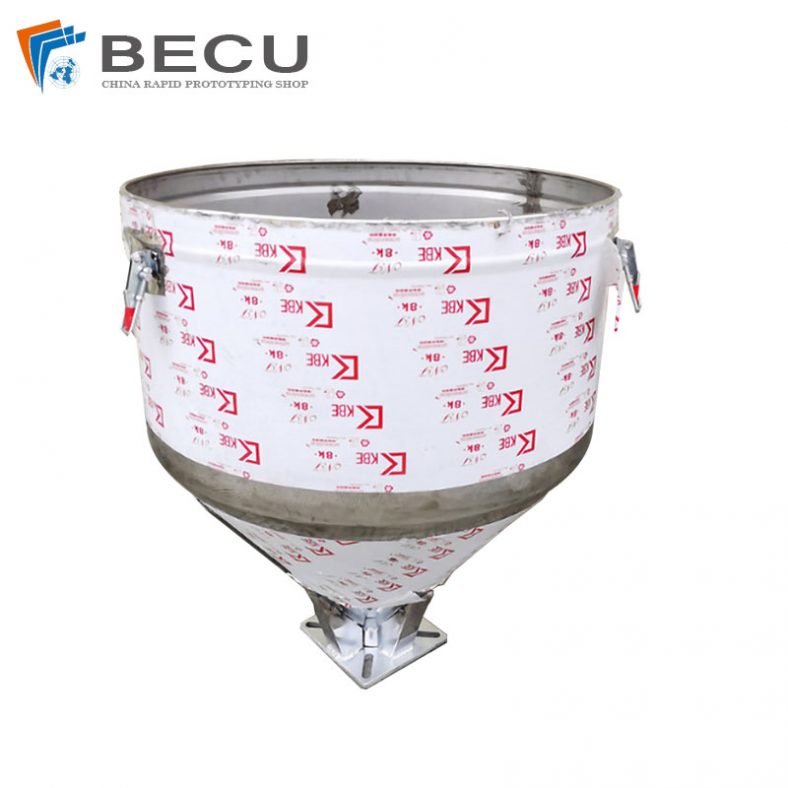
Sheet Metal Fabrication Injection Molding Machine Hopper
-
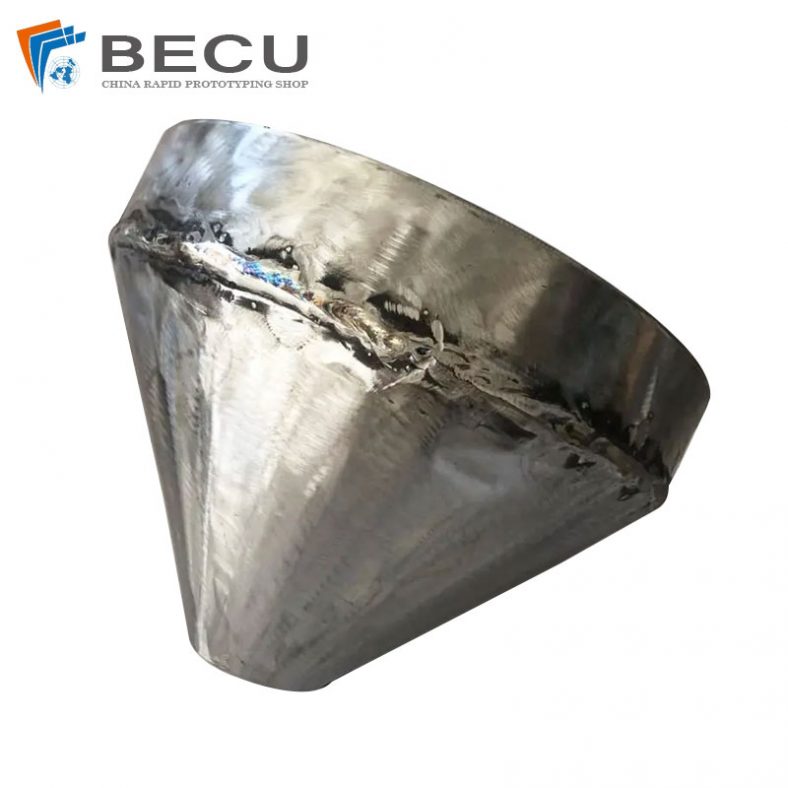
Sheet Metal Fabrication Funnel For Agricultural Machinery
-
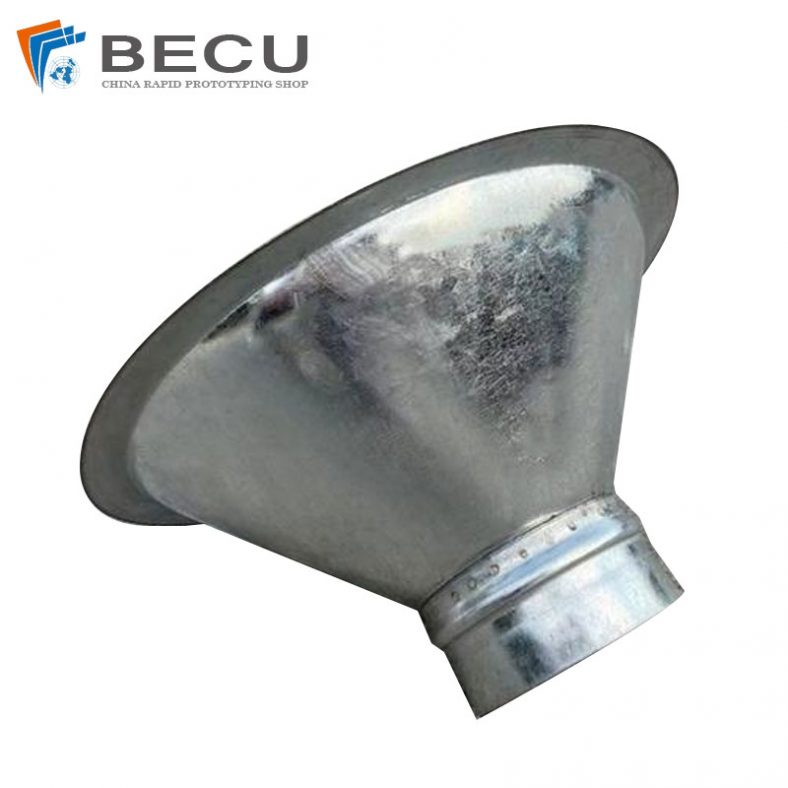
Sheet Metal Fabrication Galvanized Spiral Air Duct
-
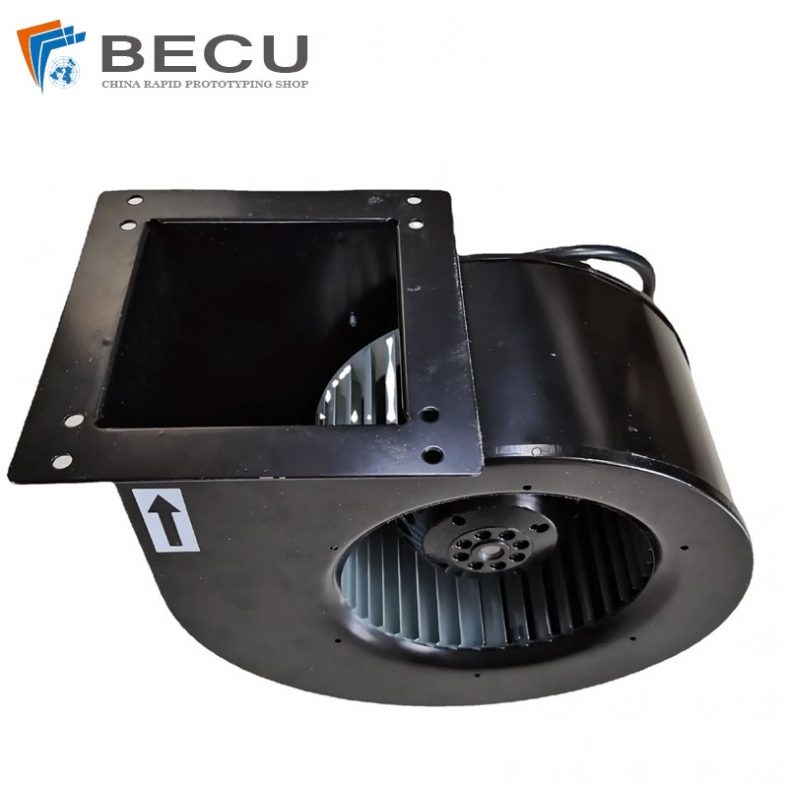
PCS Fan Ductwork Sheet Metal Housing
-
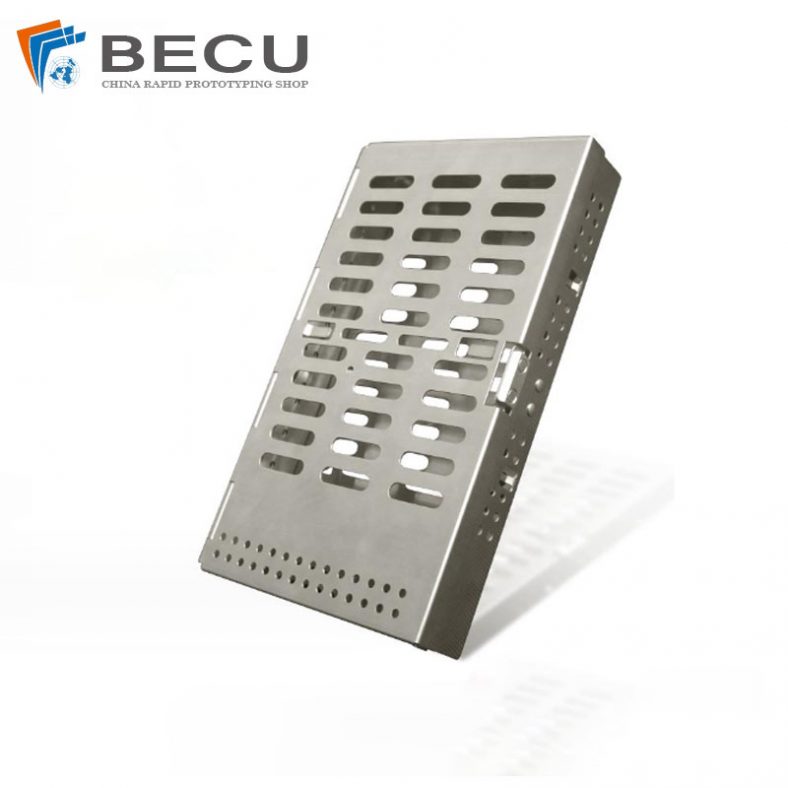
Custom Sheet Metal Surgical Instrument Sterilization Box For Beauty Salon
-
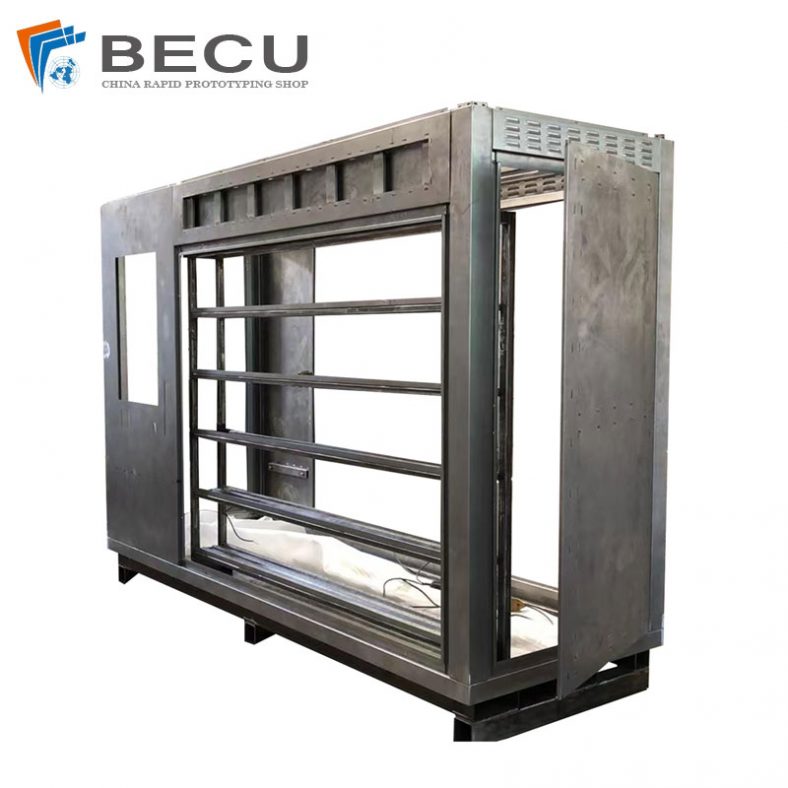
Precision Fabrication Green Energy EV Charging Station Cabinet
-
TA1TA2 Alloy Sheet Metal Manufacturing Machinery Support Parts
-
Sheet Metal Fabrication Aluminum 5052 Medical Box For Fire Fighting