
Gear steel is a specialized category of steel used primarily in the manufacturing of gears, which are essential components in various mechanical systems. The properties of gear steel are specifically designed to enhance its performance, strength, and durability under operational conditions. This article explores the composition, types, manufacturing processes, heat treatment methods, applications, and future trends of gear steel.
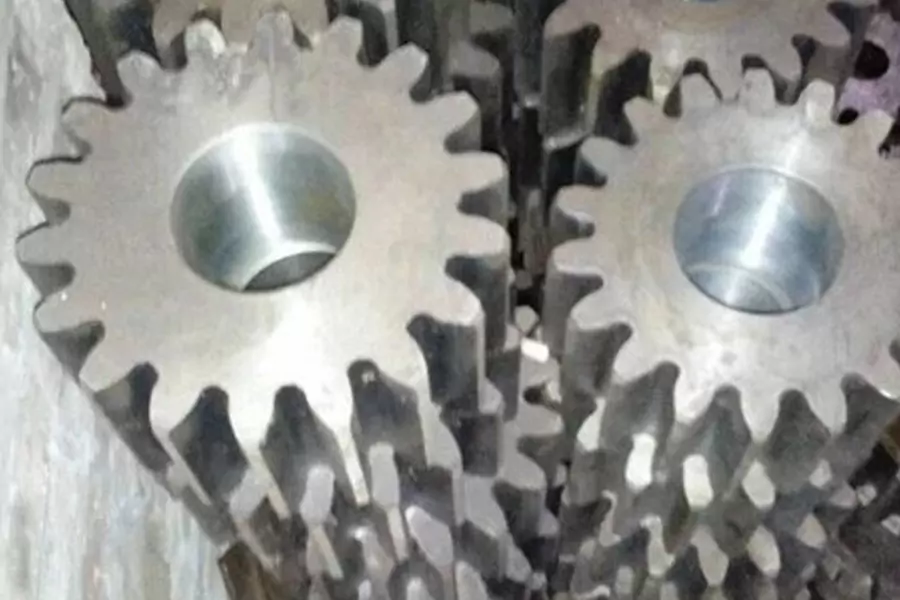
Traction gears for rail transit locomotives are important parts in the traction transmission of electric locomotives and electric drive diesel locomotives.
The materials of locomotive gears can be roughly divided into three categories: quenched and tempered steel, nitrided steel and carburized steel. In order to obtain high-quality traction gears, most foreign manufacturers use low-carbon chromium-molybdenum steel or low-carbon chromium-nickel-molybdenum steel, and more often use guaranteed hardenability steel for carburizing, quenching and tempering.China manufacturers generally choose surface hardened steel, mostly low-carbon alloy structural steel, and have been carburized and quenched. Sometimes medium carbon steel is used for induction hardening.
Generally, the driving gear is mostly carburized steel such as 12CrNi3, 12CrNi4, 15CrNi3Mo, 15CrNi6, and the driven gear is mostly carburized steel such as 20CrMnMo, 20CrNi2Mo, 20CrNi4, 16Cr2Ni2A, and 17CrNiMo6.
Composition of Gear Steel
The composition of gear steel is critical in determining its mechanical properties. Typically, gear steels are alloy steels that include a combination of carbon, manganese, chromium, molybdenum, and other alloying elements. These elements contribute to the desired hardness, toughness, wear resistance, and fatigue strength.
Carbon Content
Carbon content is a significant factor in the performance of gear steels. Generally, the carbon content in gear steel ranges from 0.15% to 0.55%. Higher carbon levels enhance hardness and strength but may reduce ductility.
Alloying Elements
- Manganese (Mn): Manganese is added to improve hardenability and strength. It also enhances the steel’s resistance to wear and impacts.
- Chromium (Cr): Chromium increases hardness and provides improved wear resistance. It also enhances the corrosion resistance of gear steels.
- Molybdenum (Mo): Molybdenum contributes to the hardenability and toughness of steel, making it suitable for heavy-duty applications.
- Nickel (Ni): Nickel improves toughness and ductility, particularly at low temperatures.
- Vanadium (V): Vanadium is used to refine the grain structure and improve strength.
The combination of these elements results in a material that can withstand the stresses encountered during operation while maintaining integrity over time.
Types of Gear Steel
Gear steels can be classified into several categories based on their composition and intended application.
Low-Carbon Gear Steel
Low-carbon gear steels, with carbon content typically below 0.25%, are often used for gears that experience lower stress and do not require high strength. These steels are more ductile and easier to machine.
Medium-Carbon Gear Steel
Medium-carbon gear steels, with carbon content ranging from 0.25% to 0.55%, are the most common type used in gear manufacturing. They offer a balance between hardness and ductility, making them suitable for a wide range of applications.
High-Carbon Gear Steel
High-carbon gear steels, with carbon content above 0.55%, are used for high-performance gears requiring exceptional hardness and strength. These steels are often used in heavy machinery and high-load applications.
Alloyed Gear Steel
Alloyed gear steels are specifically designed for high-performance applications. They contain additional alloying elements such as chromium, molybdenum, and nickel, enhancing their properties. Common examples include 8620, 9310, and 4140 steels.
Stainless Gear Steel
Stainless gear steels are used in applications where corrosion resistance is essential. These steels often contain a higher percentage of chromium and nickel, providing enhanced corrosion resistance while maintaining strength.
Manufacturing Processes
The manufacturing of gear steel components involves several steps, including casting, forging, machining, and heat treatment.
Casting
Casting is often used for producing large gear components. The molten steel is poured into molds to create the desired shape. This method is cost-effective for producing complex geometries but may require additional machining to achieve precise dimensions.
Forging
Forging is a preferred method for producing high-strength gears. The process involves shaping the steel through mechanical deformation at elevated temperatures. Forged gears exhibit improved mechanical properties due to the refined grain structure.
Machining
Machining involves removing material from a workpiece to achieve the final dimensions and surface finish. Common machining processes include turning, milling, and grinding. CNC (Computer Numerical Control) machines are often employed to ensure precision.
Heat Treatment
Heat treatment is a crucial step in enhancing the properties of gear steel. Various methods, including quenching, tempering, and carburizing, are employed to achieve the desired hardness, toughness, and wear resistance.
Heat Treatment of Gear Steel
Heat treatment significantly influences the performance of gear steels. The main objectives are to increase hardness, improve wear resistance, and enhance toughness.
Quenching
Quenching involves heating the gear steel to its austenitizing temperature, followed by rapid cooling in water, oil, or air. This process transforms the microstructure into martensite, which significantly increases hardness. However, it may also lead to residual stresses and brittleness.
Tempering
Tempering is performed after quenching to reduce brittleness and improve toughness. The quenched steel is reheated to a lower temperature, allowing for stress relief and a reduction in hardness. The tempering temperature and duration determine the final properties of the gear steel.
Carburizing
Carburizing is a surface-hardening process that involves introducing carbon into the surface of the gear steel. This is typically done by heating the gear in a carbon-rich environment. The outer layer becomes hardened while the core retains ductility, making it ideal for gears subject to high wear.
Nitriding
Nitriding is another surface-hardening process that introduces nitrogen into the surface of the steel. This method enhances wear resistance and fatigue strength, often without the need for quenching. Nitriding is performed at lower temperatures than carburizing.
Applications of Gear Steel
Gear steel is widely used across various industries, including automotive, aerospace, industrial machinery, and robotics. The unique properties of gear steels make them suitable for applications requiring high strength, wear resistance, and durability.
Automotive Industry
In the automotive sector, gear steel is used to manufacture gears for transmissions, differentials, and various powertrain components. The reliability and performance of gear steels directly impact vehicle efficiency and safety.
Aerospace Industry
Aerospace applications require materials that can withstand extreme conditions. Gear steels are employed in aircraft landing gear, gearboxes, and propulsion systems, where strength and weight reduction are critical.
Industrial Machinery
Heavy machinery, such as excavators and cranes, relies on gear systems for operation. Gear steels provide the necessary strength and durability to ensure efficient performance under load.
Robotics
In robotics, precision gears are essential for movement and control. The lightweight and high-strength characteristics of gear steels make them ideal for robotic applications, where performance and accuracy are paramount.
Future Trends
The development of gear steel continues to evolve with advancements in material science and manufacturing technologies. Future trends may include:
- Additive Manufacturing: The rise of 3D printing technologies may enable the production of complex gear geometries with reduced waste.
- Advanced Coatings: The application of advanced coatings can enhance wear resistance and reduce friction in gear systems.
- Smart Materials: Research into smart materials that can adapt to changing conditions may lead to the development of gears that optimize performance based on operational demands.
- Sustainability: Increasing awareness of environmental concerns may drive the development of sustainable manufacturing processes and materials.
Conclusion
Gear steel plays a vital role in the functionality and reliability of mechanical systems across numerous industries. Understanding its composition, manufacturing processes, and heat treatment methods is essential for optimizing performance and durability. As technology advances, the future of gear steel will likely see innovations that enhance its properties and applications, ensuring its continued relevance in a rapidly changing industrial landscape
At present, my country has successfully developed 16Cr2Ni2A high-speed, heavy-duty and high-power carburized gears for locomotives, which are widely used to make traction gears for 8K, 6GF, SS5, SS6B, SS7 and other locomotives. Its performance is far better than 20CrMnMo and 50CrMoA steel. Dalian Locomotive and Rolling Stock Co., Ltd. adopts the HXD5 high-power locomotive traction gear made of 17CrNiMo6 steel and is carburized and quenched. Dongbei Special Steel Group has developed 18CrNiMo7-6 steel for high-speed/heavy-load railway electric locomotive gear steel, which has been carburized and quenched.
- (1) Gear material
- (2) Gear heat treatment
The modulus of locomotive gears is usually 10~15mm. The heat treatment mostly adopts gas carburizing and quenching process. Generally, the depth of carburized layer is 2~4mm, and the hardness of surface and core is 58~62HRC and 30~45HRC respectively. The ideal metallographic structure is hidden Needle or fine needle martensite + a small amount of retained austenite + fine and uniformly distributed granular carbides. Table 2 shows the steel used for traction gears of electric locomotives at home and abroad and their heat treatment.
The Detail Of BE-CU Die Casting Company
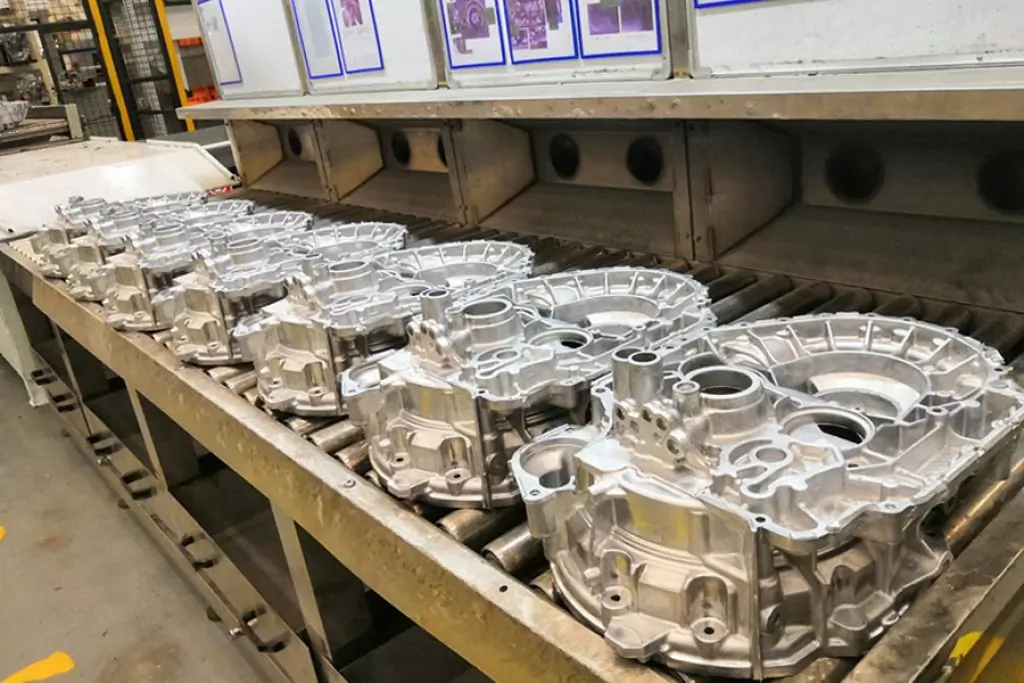
If you are looking for dependable volume manufacturing metal parts supplier with High pressure die casting service who offers you competitive price, good service and quality for aluminium die casting, zinc, or magnesium die casting, then BE-CU Prototype are surely a partner you are looking for to fulfill all your die casting needs. With quality service and state of art technology, BE-CU indeed claim in providing quality pressure die casting including aluminum/zamak/magnesium alloy castings to our customers all over the world.
To work with us,be-cu don’t just stop at taking your order and delivering your die casting products. be-cu are there for you at every step right from your preferred selection of aluminum die casting, Zamak die casting (Zamak 2, Zamak 3, Zamak 5, Zamak 8) or magnesium die casting products and services to post-order phase. In brief, once you become our customer, be-cu are with you every step on the way.
-
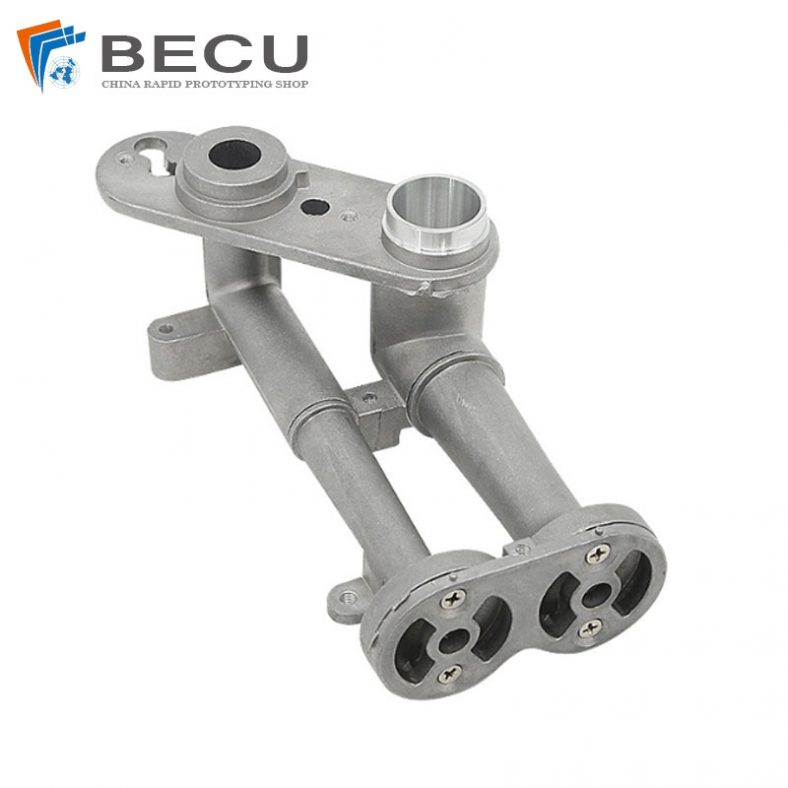
CNC Machining Gas Stove Bottom Joint
-
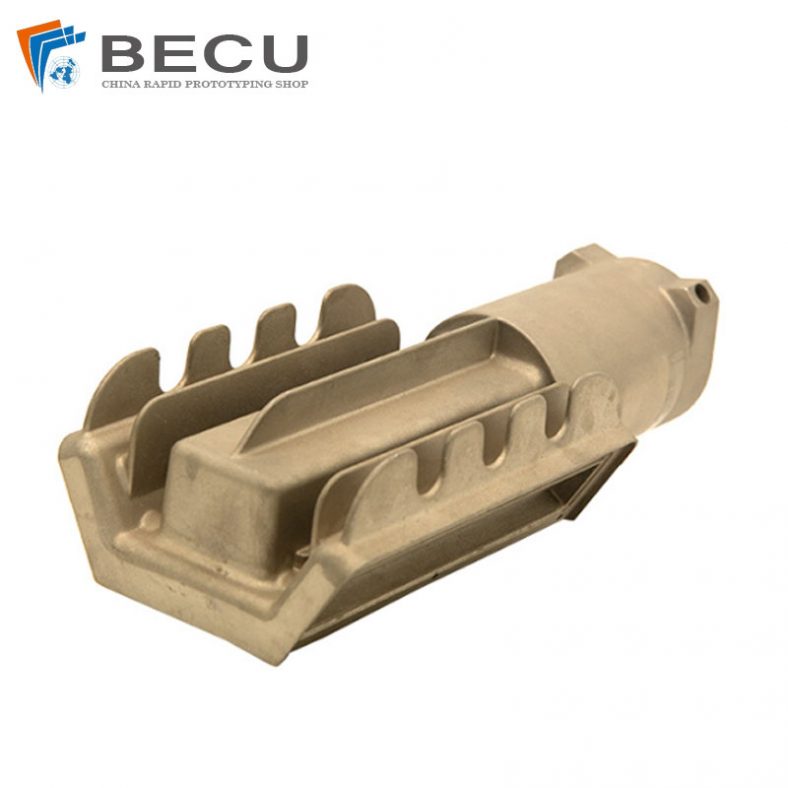
Gravity Die Casting Custom Street Light Heat Sink
-
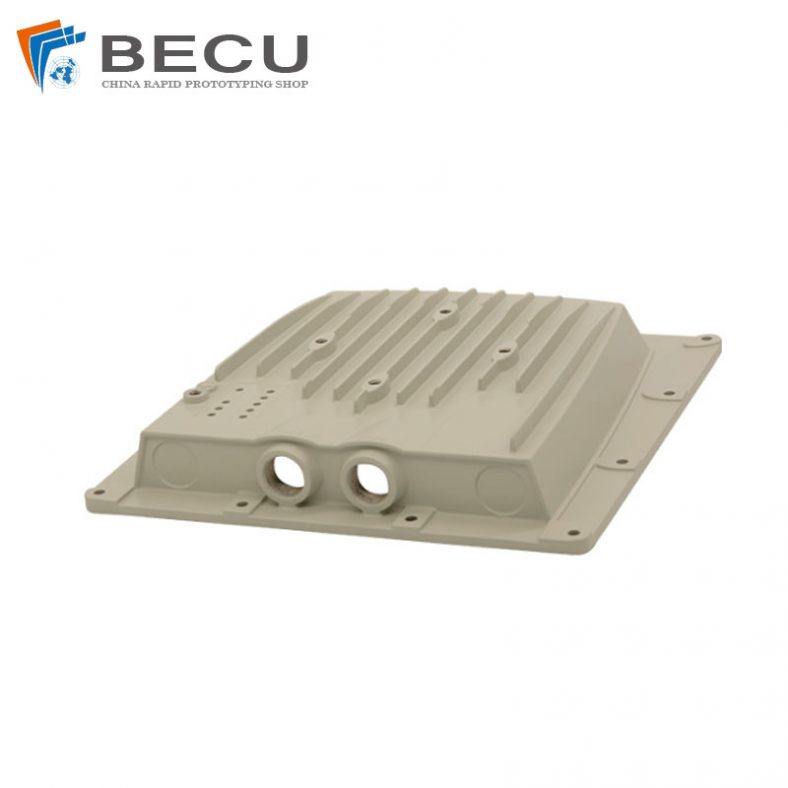
Die Casting LED Canopy Lights Heatsink For Gas Station
-
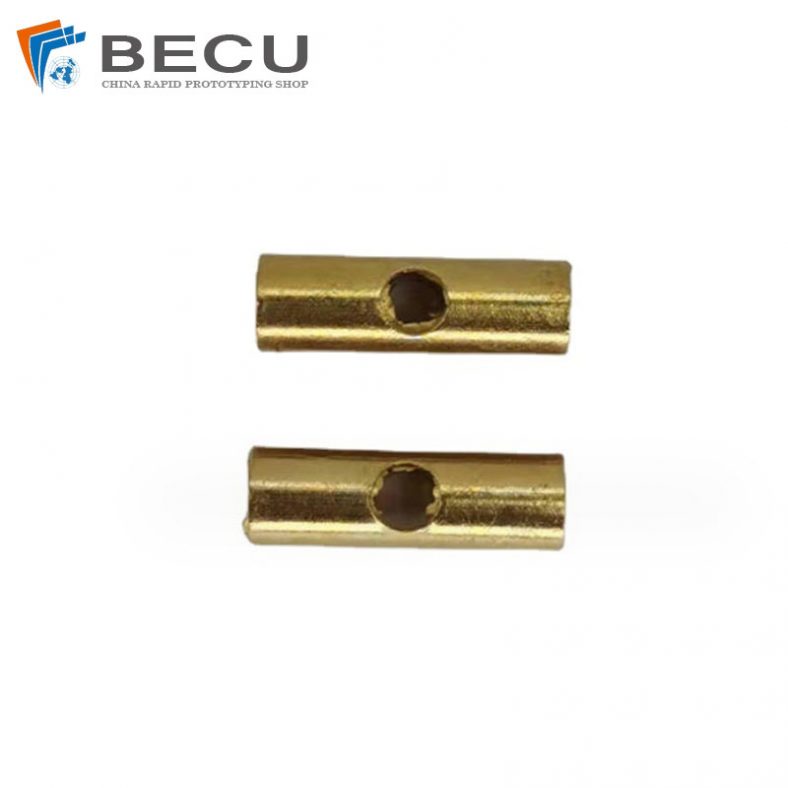
Zinc Die Casting PA10 Transformer Connector Terminal
-
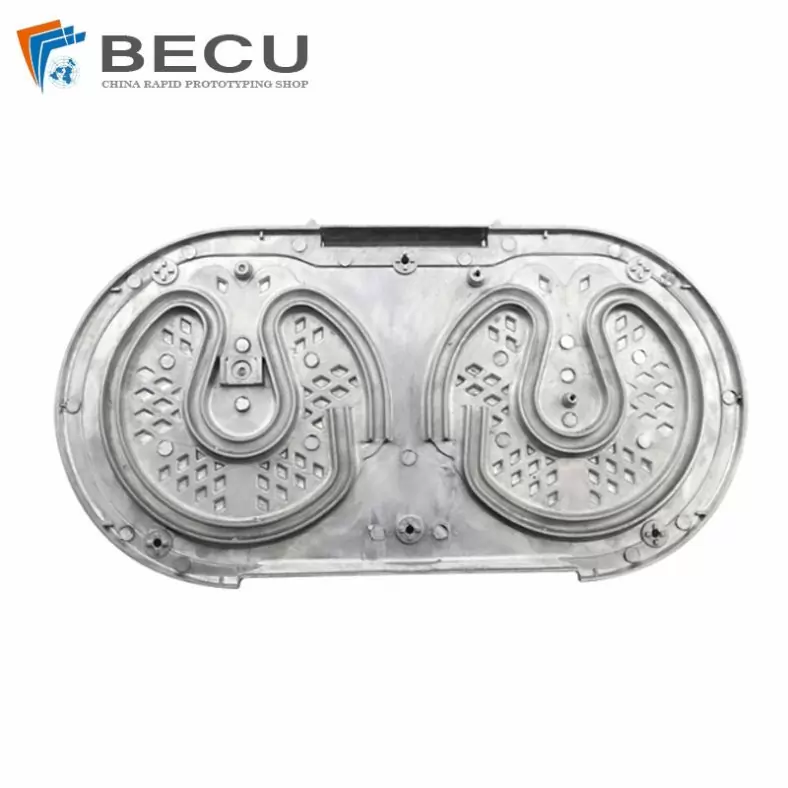
Die Casting Aluminium Cookware Chassis
-
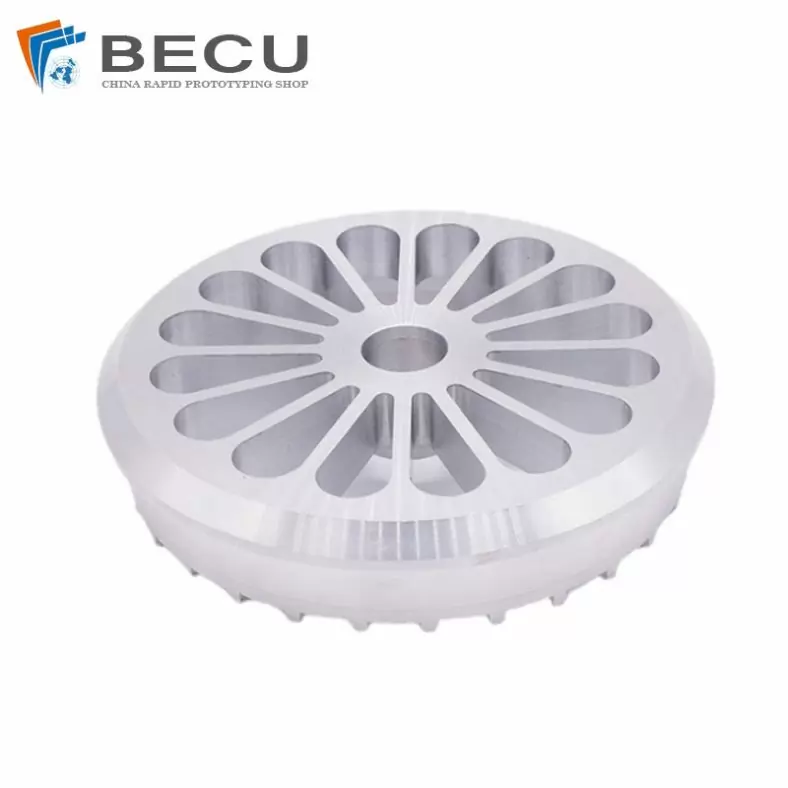
Die Casting Wheels With Aluminum Alloy 5 Axis CNC Machining
-
Precision Machined Copper Die Casting Parts
-
Professional Small Baler Aluminum Alloy Die-casting Mold Production
-
China Die Casting Factory Manufactures Surface Sprayed Aluminum Valve Body
-
Extrusion Die-casting Polyurethane-Coated Aluminum Alloy Profiles
-
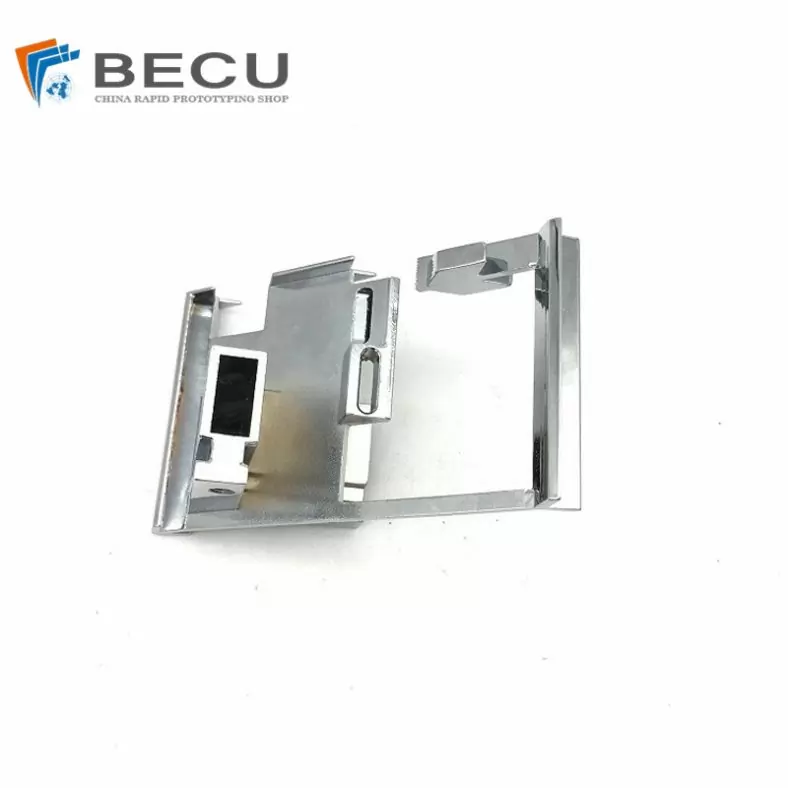
Custom Precision Aluminum Die Cast Brackets and Finishes
-
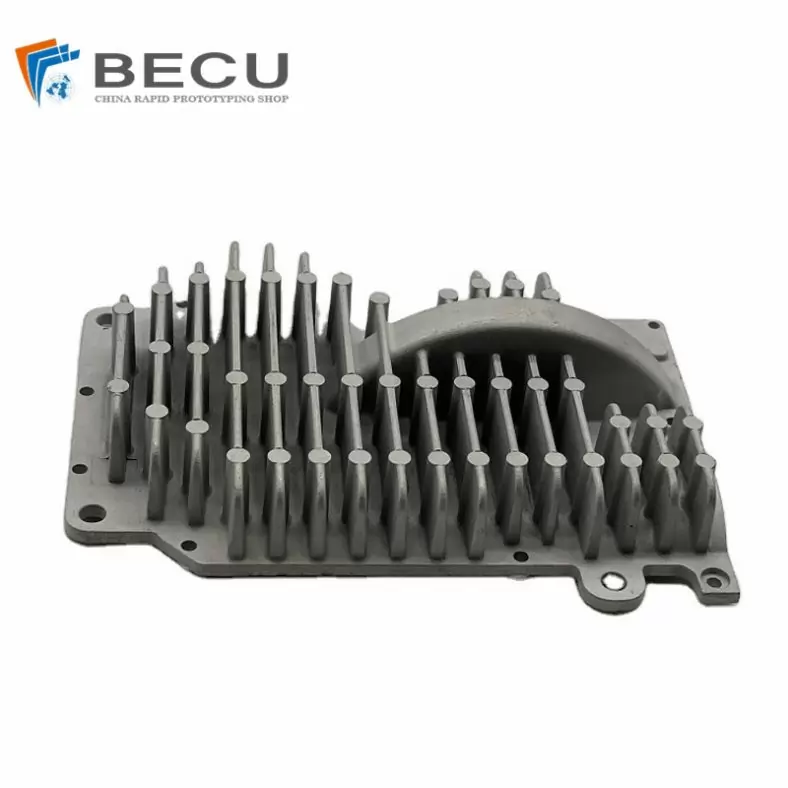
Extrusion Die-casting Magnesium Alloy Heat Sink Shell