
Calculating springback in sheet metal is an important consideration when designing metal forming processes, particularly when the goal is to achieve precise geometries. Springback refers to the elastic recovery of a metal sheet after a forming operation, typically bending. After the external forces applied during the bending process are removed, the metal tends to return to its original shape, causing a deviation from the desired angle. Understanding the factors that influence springback and how to calculate it is crucial for ensuring the final product meets design specifications.

Springback Mechanics
When a metal sheet is bent, it undergoes both elastic and plastic deformation. The portion of the deformation that exceeds the material’s yield strength is plastic and permanent, while the elastic portion will revert once the load is removed. The material’s ability to recover, or spring back, depends on its elastic properties, the magnitude of the plastic deformation, and the specific geometry of the formed part. The primary forces involved in bending are the applied force, the sheet’s material properties, the bending radius, and the thickness of the sheet.The basic equation for calculating springback is:
Springback Angle=(E⋅δ/σy)⋅(R/t)
Where:
- EEE is the Young’s Modulus of the material,
- δ\deltaδ is the displacement during the bend,
- σy\sigma_yσy is the yield strength of the material,
- RRR is the radius of the bend, and
- ttt is the thickness of the material.
The springback angle is typically expressed as a percentage of the bend angle, which will depend on the degree of plastic deformation and the material’s elastic properties.
Factors Influencing Springback
Several factors influence the extent of springback, including:
- Material Properties: The material’s modulus of elasticity (E), yield strength (σy\sigma_yσy), and strain-hardening characteristics play significant roles in springback. Materials with higher yield strength and higher elastic modulus generally exhibit more springback, as they are less likely to undergo permanent deformation under the same bending force.
- Bend Radius: The bend radius RRR directly affects springback. Smaller radii tend to cause more springback due to the higher curvature. As the bend radius decreases, the material is forced to undergo higher strain, resulting in more elastic recovery once the bending force is removed.
- Thickness of the Sheet Metal: The thickness ttt of the material also affects springback. Thicker materials are generally stiffer and exhibit more springback than thinner sheets because they require larger forces to induce plastic deformation. Thicker materials have a higher resistance to bending, and as a result, more of the deformation remains elastic.
- Bending Angle: The angle of bending affects the amount of strain induced in the material. Large angles typically require more bending force, which can lead to greater plastic deformation, thereby reducing springback. However, this is not always linear, and the relationship can vary depending on the material and process used.
- Tooling: The design of the tooling—particularly the punch, die, and the radius of the die opening—also affects springback. If the tooling is not properly designed, it can cause uneven bending and more unpredictable springback behavior. Tool wear and misalignment can further complicate the accuracy of the springback prediction.
Methods of Calculating Springback
There are several methods for calculating springback, each with varying degrees of complexity and accuracy. The most commonly used methods include:
1. Empirical Methods
Empirical methods involve using experimental data to predict springback. In this approach, a number of test pieces are bent under controlled conditions, and the amount of springback is measured. This data is then used to create a formula or set of guidelines for calculating springback for different materials, thicknesses, and geometries. While these methods are relatively simple, they are often limited by the scope of the available data and may not always accurately predict springback for all scenarios.
2. Analytical Methods
Analytical methods use mathematical formulas to calculate springback based on material properties, bend geometry, and the forces applied during the bending operation. These methods typically involve solving equations that describe the relationship between the elastic and plastic deformations during the bending process. One of the simplest analytical approaches is the beam bending theory, where the metal sheet is treated as a beam under bending forces. However, more advanced methods, such as those based on the theory of plasticity, may be required for more accurate predictions, especially for complex geometries.
3. Finite Element Analysis (FEA)
Finite Element Analysis (FEA) is one of the most accurate and comprehensive methods for calculating springback. FEA involves creating a detailed numerical model of the material and the forming process. The sheet metal is divided into small elements, and the forces, displacements, and material behavior are simulated for each element. This approach allows for precise calculations of springback by accounting for all variables, including material inhomogeneity, complex geometries, and the interactions between the tooling and the material.
FEA is particularly useful in situations where analytical solutions are not feasible due to the complexity of the geometry or material behavior. While FEA requires significant computational resources and expertise, it is highly effective for predicting springback in real-world applications.
Compensating for Springback
Given that springback is a natural phenomenon in sheet metal forming, manufacturers often need to compensate for it to achieve the desired final geometry. There are several techniques to account for springback during the design and manufacturing stages:
- Overbending: One of the most common methods for compensating for springback is overbending the sheet metal. By slightly overbending the part beyond the desired angle, manufacturers can compensate for the expected springback. The amount of overbending required depends on the material properties, thickness, and the degree of bend. This method is relatively simple and cost-effective but requires careful control to ensure the final product does not exceed tolerance limits.
- V-Bending with Dies: V-bending is a method where the sheet metal is bent inside a V-shaped die. By adjusting the die opening and using the right punch force, manufacturers can reduce springback. Dies can be designed with features that minimize the effects of springback, such as using progressive steps in the die to control the amount of bending.
- Elastic-Perfectly Plastic Model: This model is based on the idea that the material undergoes elastic deformation until it reaches the yield point, after which it deforms plastically. Using this model, the initial forming parameters can be adjusted to account for the expected springback based on the material’s yield strength and elastic modulus.
- Material Pre-stretching: Pre-stretching the material before bending can reduce the amount of springback. By applying a tensile force to the sheet metal, the material’s yield strength can be altered, resulting in less springback when the bending force is applied. This method is particularly useful when working with high-strength materials that exhibit significant springback.
- Numerical Control Adjustments: In some advanced manufacturing settings, particularly when using CNC machinery, numerical control adjustments can be made during the bending operation to adjust for springback. The machine can make real-time corrections to the bend angle or the amount of force applied, ensuring that the final part stays within tolerance.
Conclusion
Calculating and compensating for springback is an essential part of sheet metal forming. Understanding the factors that influence springback, such as material properties, bend radius, and sheet thickness, allows manufacturers to predict and adjust for this phenomenon. Whether through empirical, analytical, or advanced numerical methods like FEA, manufacturers can accurately calculate springback and adjust their processes accordingly. With careful design and process control, springback can be minimized, ensuring that sheet metal parts meet the desired specifications.
The Detail Of BE-CU Sheet Metal Company
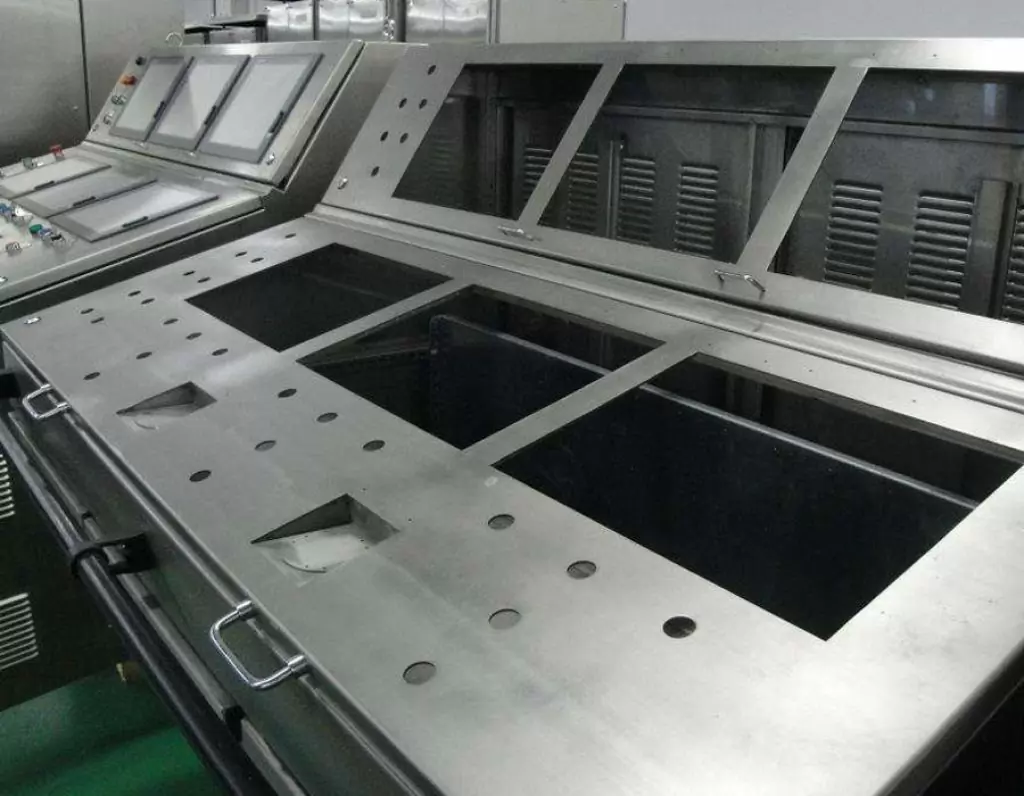
BE-CU is a professional and technical enterprise engaged in sheet metal fabrication, with over 2000 m2 sheet metal workshop and has one-stop service of industrial automation R&D, production, processing and sales.Custom manufacturer of sheet metal component assemblies made from stainless steel, aluminum and carbon steel. Offered in different specifications and features.Markets served include aerospace, lighting, medical, defense, semiconductor/electronics, capacitor, chemical processing and energy.Capable of maintaining dimensional tolerance up to +/-0.005 in. Capabilities include contract manufacturing, fabrication, machining, bending, milling, cutting, forming, drilling, fitting, assembly, notching, punching, rolling, turning, CNC press braking, flame and high definition plasma cutting, saw cutting, shearing, prototyping, high volume, short run and long run production and MIG, TIG and arc welding. Secondary services include Blanchard grinding, galvanizing and painting.
-
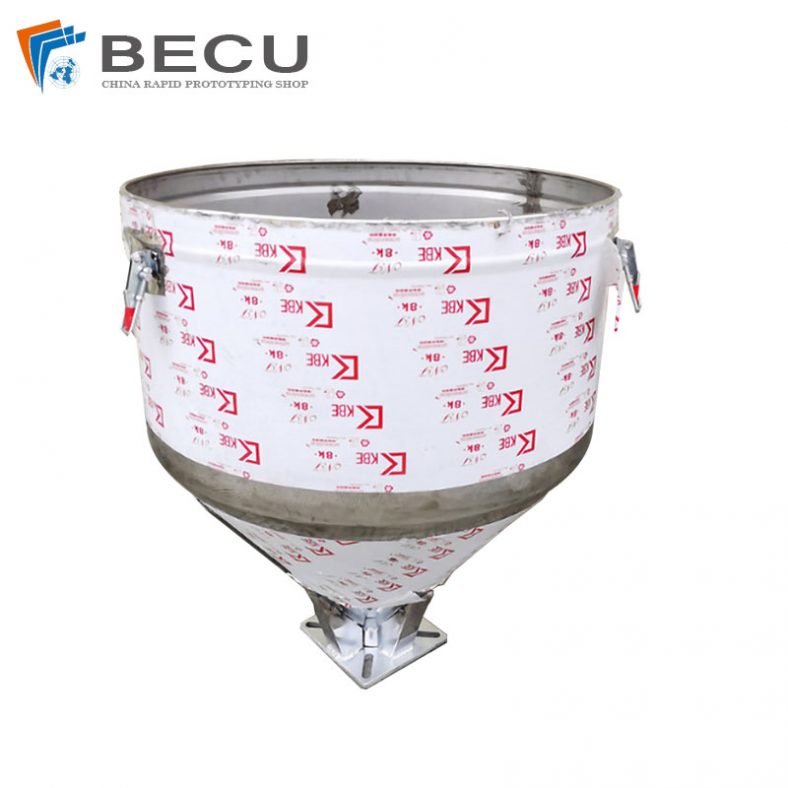
Sheet Metal Fabrication Injection Molding Machine Hopper
-
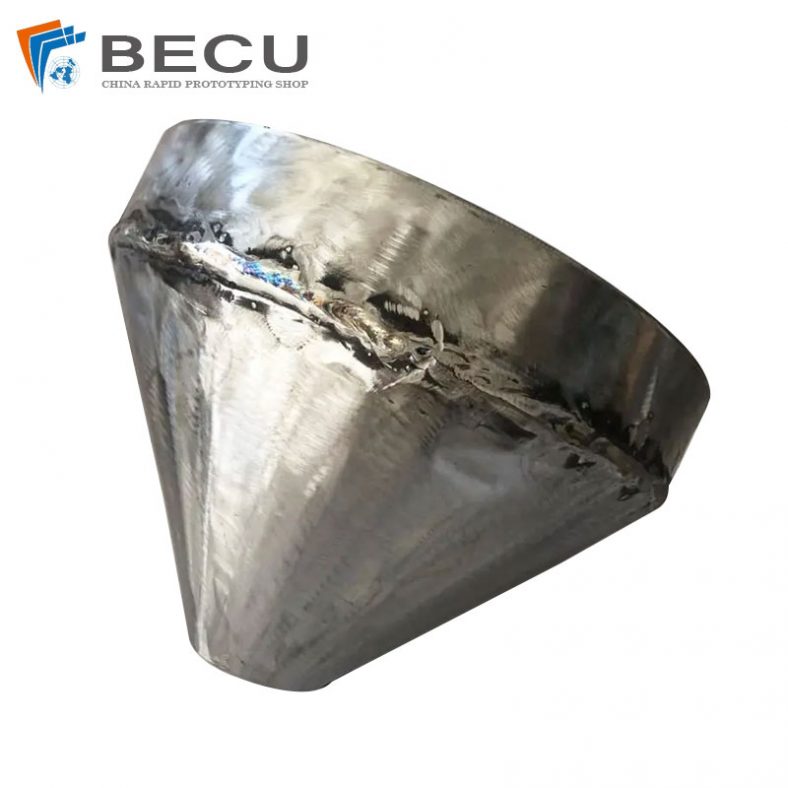
Sheet Metal Fabrication Funnel For Agricultural Machinery
-
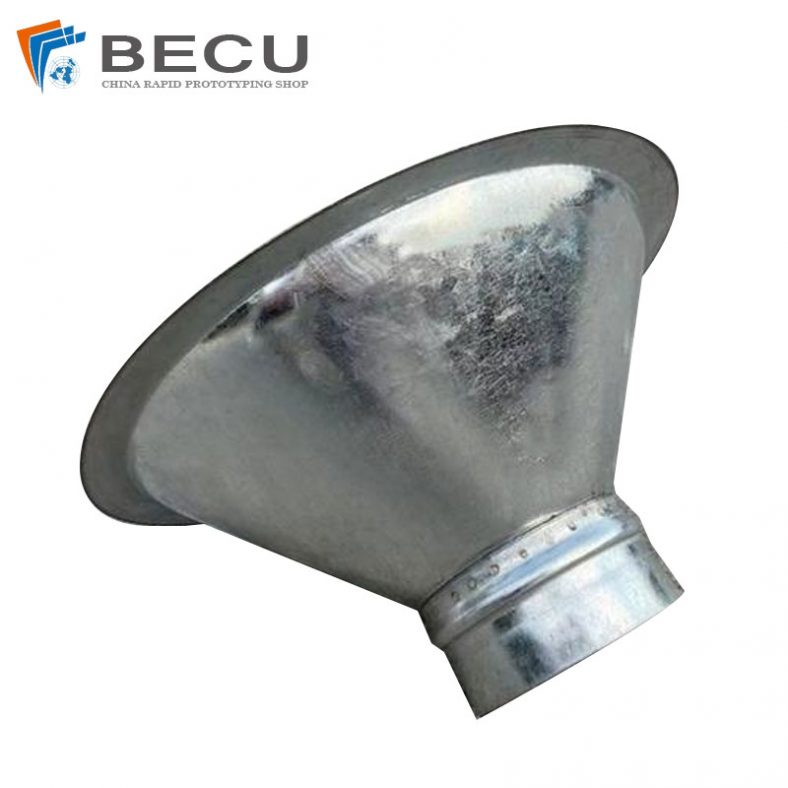
Sheet Metal Fabrication Galvanized Spiral Air Duct
-
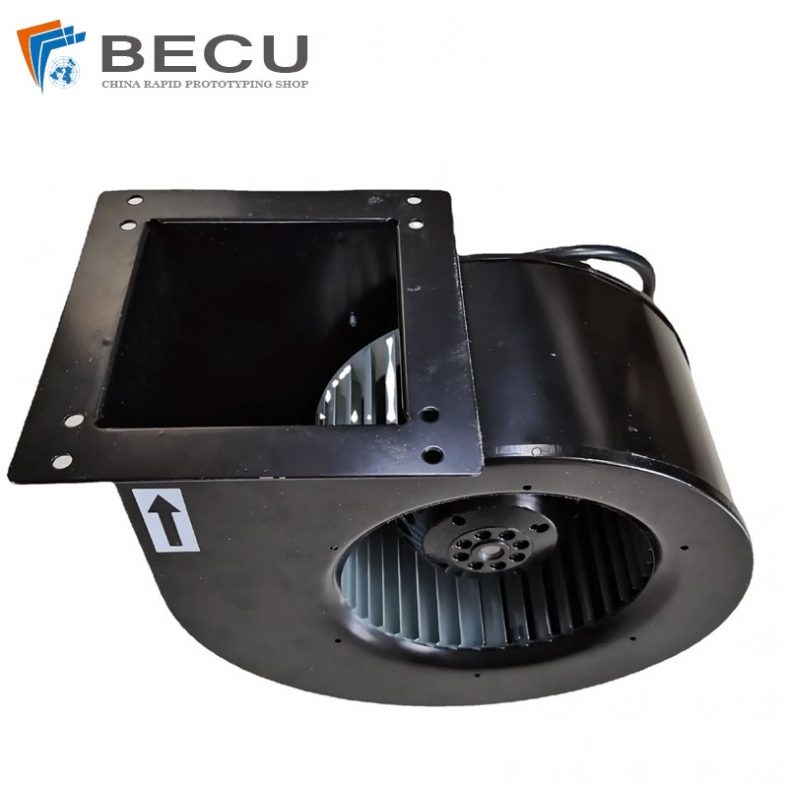
PCS Fan Ductwork Sheet Metal Housing
-
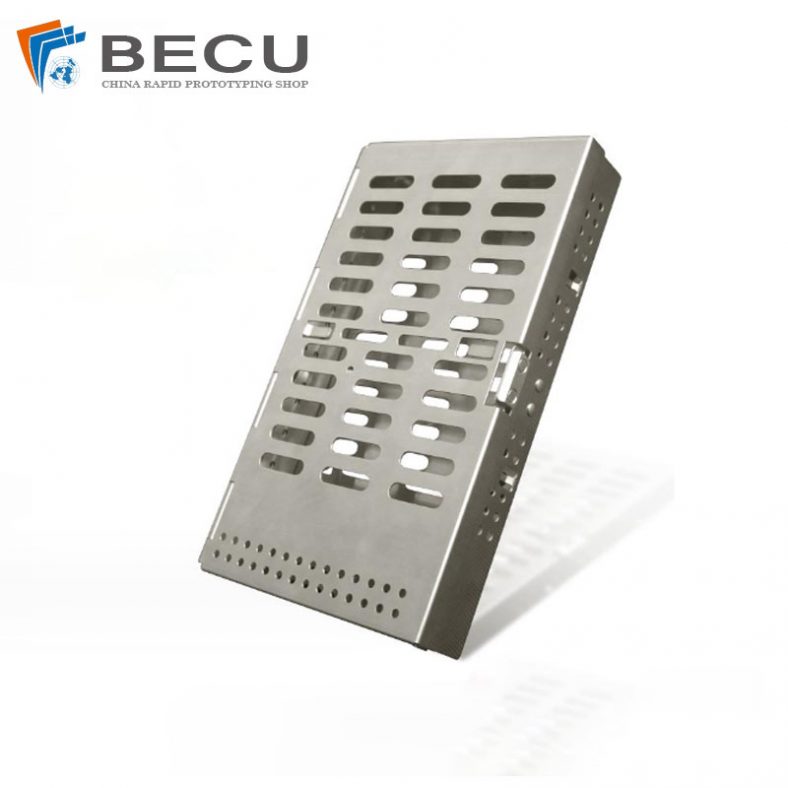
Custom Sheet Metal Surgical Instrument Sterilization Box For Beauty Salon
-
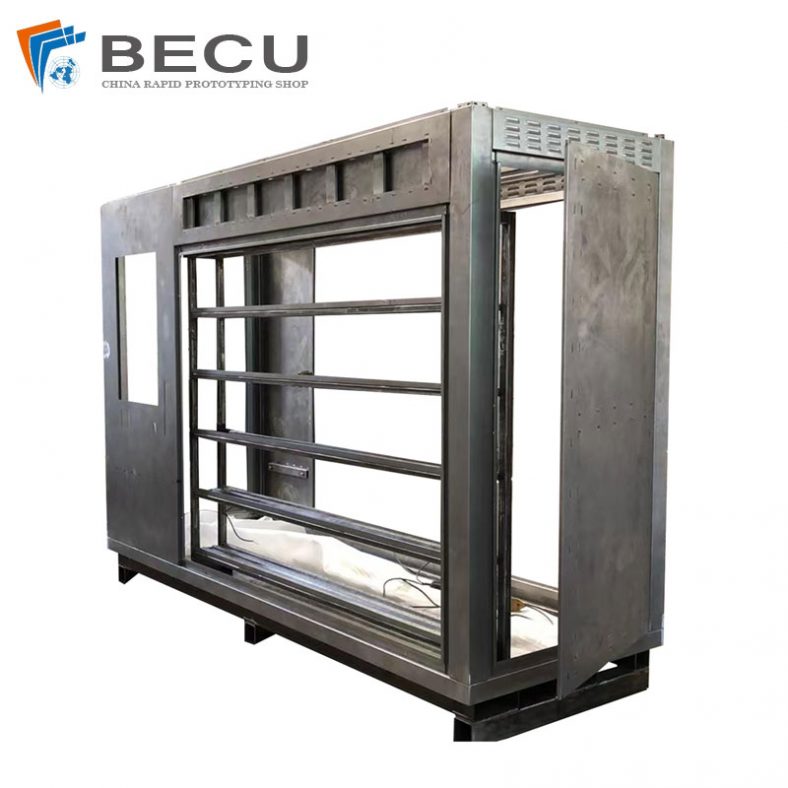
Precision Fabrication Green Energy EV Charging Station Cabinet
-
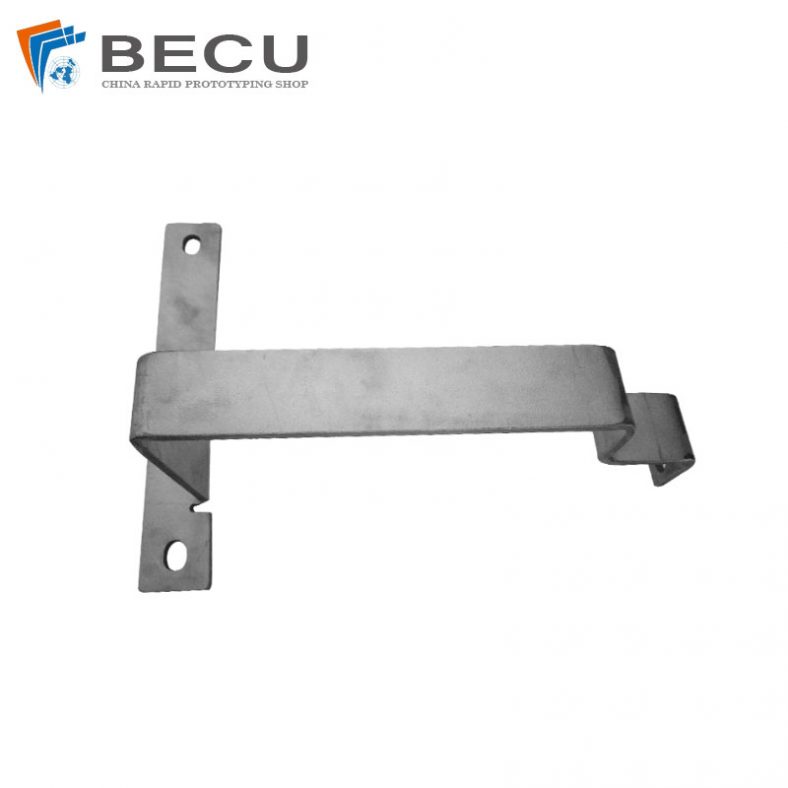
TA1TA2 Alloy Sheet Metal Manufacturing Machinery Support Parts
-
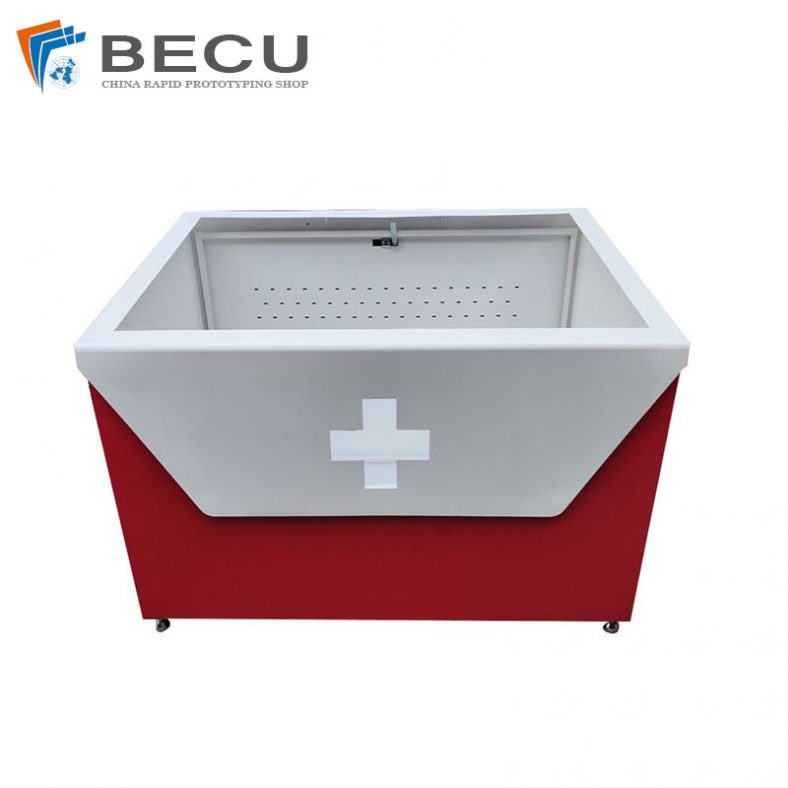
Sheet Metal Fabrication Aluminum 5052 Medical Box For Fire Fighting