
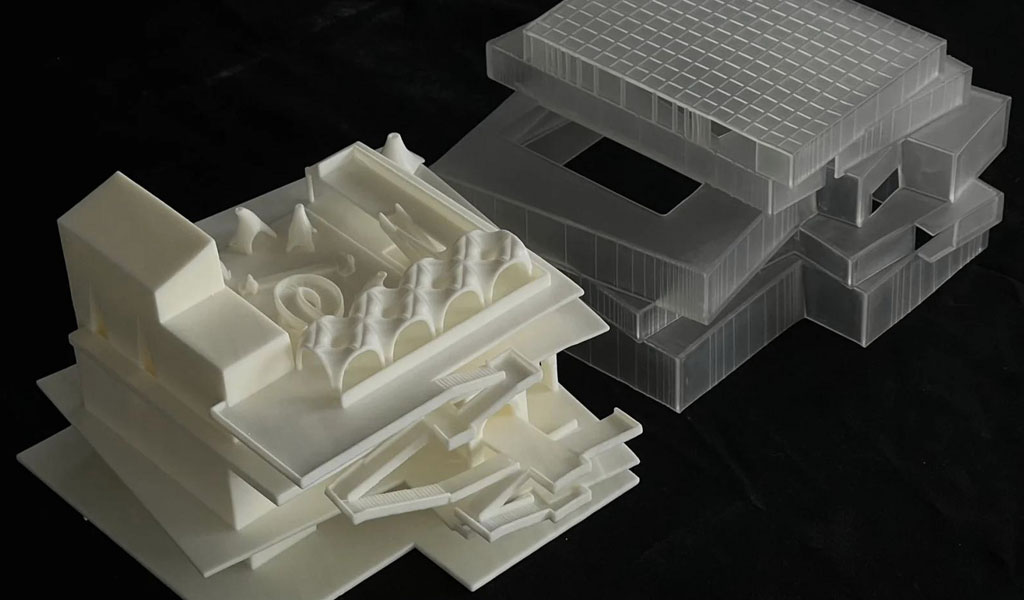
3D printing, also known as additive manufacturing, is a transformative technology that has evolved from a niche prototyping tool into a versatile method for generating income across various industries. By depositing material layer by layer to create three-dimensional objects from digital models, 3D printing offers opportunities for entrepreneurs, hobbyists, and professionals to monetize their skills, creativity, and resources. This article explores the multifaceted ways to make money with 3D printing, delving into its applications, business models, technical considerations, market trends, and practical strategies. With an emphasis on detailed analysis, this comprehensive guide aims to equip readers with the knowledge to turn 3D printing into a profitable venture.
The advent of affordable desktop 3D printers in the early 2000s, such as the RepRap project initiated by Adrian Bowyer in 2005, democratized access to this technology. By 2025, advancements in materials, printer speeds, and software have further lowered barriers to entry, making it feasible for individuals and small businesses to leverage 3D printing for financial gain. The process typically involves designing a model using computer-aided design (CAD) software, converting it into a machine-readable format (often STL files), and printing it using materials like thermoplastics, resins, or metals. The flexibility of 3D printing enables a wide range of revenue streams, from selling custom products to offering specialized services.
One of the most straightforward ways to generate income with 3D printing is by producing and selling physical products. This approach capitalizes on the ability to create bespoke or low-volume items that are impractical or costly to manufacture using traditional methods like injection molding. Popular product categories include personalized gifts, home decor, cosplay accessories, and functional tools. For instance, an entrepreneur might design and print custom phone stands, keychains, or figurines, selling them through online marketplaces such as Etsy, eBay, or Amazon Handmade. These platforms provide access to a global customer base, with Etsy alone reporting over 96 million active buyers in 2023, a number likely to have grown by 2025.
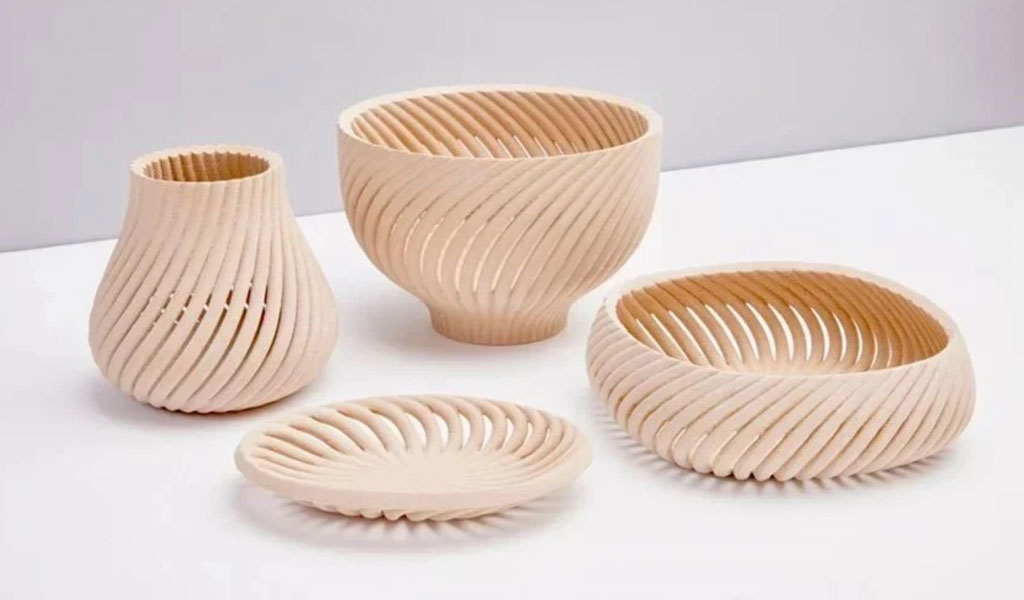
To succeed in product sales, understanding market demand is critical. Tools like Google Trends or social media platforms such as Instagram and TikTok can reveal trending items. For example, in 2024, demand surged for 3D-printed articulated dragons and fidget toys, driven by viral videos and consumer interest in tactile, playful objects. A seller might use a printer like the Creality Ender 3, priced around $200, to produce such items at a material cost of $0.50 to $2 per unit, depending on size and filament type (e.g., PLA or ABS), then sell them for $10 to $30 each, yielding a significant profit margin. Scaling this model involves optimizing print settings for speed and quality, batching production, and streamlining shipping logistics.
Beyond individual sales, 3D printing enables niche manufacturing for specific industries. The tabletop gaming sector, particularly for role-playing games like Dungeons & Dragons, offers lucrative opportunities. Enthusiasts often seek custom miniatures, terrain pieces, or dice towers, which can be designed or sourced from repositories like Thingiverse or MyMiniFactory (with proper licensing). A 3D printing business could produce a set of five 28mm-scale miniatures, costing approximately $1 in filament and 4 hours of print time, and sell it for $25. Kickstarter campaigns further amplify this potential, with projects like Reaper Miniatures’ Bones series raising millions by offering 3D-printable models to backers.
Another avenue is offering 3D printing services, where the printer owner acts as a manufacturer-for-hire. Platforms like 3D Hubs (now rebranded as Hubs under Manufacturing.com) or Treatstock connect clients with printer operators, allowing individuals to fulfill orders without developing their own products. Services range from prototyping for engineers to producing replacement parts for obsolete machinery. For example, a client might request a gear for a vintage appliance, paying $50 for a part that costs $5 in material and two hours of labor. Success in this model hinges on owning reliable equipment, such as the Prusa i3 MK3S+, known for its precision, and marketing one’s capabilities effectively.
Customization is a key selling point in 3D printing services. Businesses can cater to clients needing one-off items, such as dental molds, architectural models, or medical prosthetics. In 2025, the rise of biocompatible resins has expanded opportunities in healthcare, with small-scale operators printing low-cost ear molds or orthopedic braces. A basic resin printer like the Anycubic Photon Mono, costing around $250, can produce high-detail items at a material cost of $0.10 per gram, appealing to niche markets willing to pay premiums for tailored solutions.
Education and training represent an emerging revenue stream. As 3D printing integrates into school curricula and professional development, skilled practitioners can offer workshops, online courses, or tutorials. A one-day workshop teaching CAD design and printer operation might charge $100 per participant, with minimal overhead beyond the instructor’s time and a few material samples. Platforms like Udemy or Teachable host digital courses, where a comprehensive 3D printing guide could sell for $50 to thousands of learners annually. This model benefits from the growing maker movement, with events like Maker Faire showcasing the technology’s accessibility.
Selling digital designs rather than physical products offers a scalable, low-overhead alternative. Designers proficient in software like Blender, Fusion 360, or Tinkercad can create 3D models—ranging from jewelry to industrial components—and sell them on sites like Cults3D or Gumroad. A single file, such as a modular storage system, might sell for $5 and be downloaded hundreds of times, generating passive income. Licensing plays a role here; offering commercial licenses for $50 alongside personal-use versions broadens appeal to small businesses or resellers.
For those with advanced technical skills, developing and selling 3D printer upgrades or accessories can be profitable. The open-source nature of many printers encourages innovation, such as designing faster hotends, quieter fans, or filament sensors. A 3D-printed upgrade kit, costing $10 to produce, could retail for $40 on a site like eBay or through a dedicated Shopify store. This niche requires understanding printer mechanics and community needs, often identified through forums like Reddit’s r/3Dprinting.
Renting out 3D printers or print time is another viable option, particularly for owners of high-end machines like the Ultimaker S5 or Formlabs Form 3. Local businesses, schools, or hobbyists without their own equipment might pay $20 per hour for access, covering material costs and depreciation. Alternatively, a subscription model—say, $100 monthly for 50 hours of print time—ensures steady income. This approach suits urban areas with maker spaces or coworking hubs.
Crowdfunding platforms like Patreon allow creators to monetize a following by offering exclusive 3D-printable designs. A sculptor might charge $10 monthly for access to a new fantasy miniature, building a community of supporters. Successful Patreons in this space, such as Miguel Zavala’s 3D-printable D&D models, demonstrate how consistent content creation can yield thousands in recurring revenue.
The material ecosystem also offers opportunities. Recycling filament from failed prints or plastic waste using devices like the Filabot, then selling it locally or online, taps into sustainability trends. A kilogram of recycled PLA, costing $5 to produce, might sell for $15, undercutting commercial filament prices. Similarly, experimenting with composite materials—wood-filled or carbon-fiber-infused filaments—can create premium products for discerning buyers.
To illustrate the financial potential, consider the following comparative analysis of 3D printing business models:
| Business Model | Startup Cost | Revenue per Unit | Time per Unit | Scalability | Market Size (2025 Est.) | Profit Margin |
|---|---|---|---|---|---|---|
| Product Sales (Etsy) | $200-$500 | $10-$30 | 2-6 hours | Medium | $50B (e-commerce) | 70-80% |
| Printing Services | $300-$1,000 | $20-$100 | 1-10 hours | High | $10B (prototyping) | 60-75% |
| Digital Design Sales | $0-$100 (software) | $5-$50 | N/A (design time) | Very High | $5B (digital goods) | 90-95% |
| Workshops/Training | $100-$500 | $50-$200 | 1-8 hours | Medium | $2B (edtech) | 80-90% |
| Printer Rentals | $1,000-$5,000 | $20/hour | N/A | Low | $1B (equipment rental) | 50-70% |
| Crowdfunding (Patreon) | $0-$200 | $5-$20/month | Monthly | High | $500M (creator economy) | 85-90% |
| Filament Recycling | $500-$2,000 | $15-$25/kg | 1-2 hours/kg | Medium | $1B (3D printing materials) | 60-80% |
These figures reflect averages based on industry reports from Statista, IBISWorld, and Wohlers Associates, adjusted for 2025 projections. Startup costs include printer purchases, software subscriptions, and initial marketing, while profit margins account for material, electricity, and labor expenses.
Technical considerations significantly impact profitability. Printer choice affects output quality and speed; budget models like the Anycubic Kobra 2 ($280) offer 250 mm/s speeds, while industrial options like the Stratasys F170 ($20,000) handle complex materials like nylon. Material costs vary—PLA at $20/kg versus resin at $40/kg or metal powders at $100/kg—requiring cost-benefit analysis per project. Maintenance, including nozzle replacements ($5-$20) and bed adhesion solutions, adds ongoing expenses but ensures reliability.
Marketing is equally crucial. Building a brand through social media, showcasing time-lapse print videos, or collaborating with influencers can drive sales. Search engine optimization (SEO) for online stores, targeting keywords like “custom 3D-printed gifts,” boosts visibility. Networking at local maker fairs or industry expos like Formnext connects sellers with clients and suppliers.
Legal and ethical factors also warrant attention. Intellectual property laws govern design usage; printing trademarked items (e.g., Disney characters) without permission risks lawsuits. Material safety, especially with food-grade or medical prints, requires compliance with regulations like FDA standards in the U.S. Insurance for equipment and liability, costing $300-$1,000 annually, protects against unforeseen losses.
The future of 3D printing as a money-making tool looks promising. By 2030, the global additive manufacturing market is projected to exceed $70 billion, per Grand View Research, driven by innovations in multi-material printing and AI-driven design optimization. Individuals entering this space in 2025 can position themselves ahead of the curve, adapting to trends like mass customization or decentralized production.
In practice, success stories abound. A hobbyist in Texas turned a $300 printer into a $10,000 annual side hustle by selling 3D-printed plant pots on Etsy within a year. A UK-based engineer earned $50,000 in 2024 by offering prototyping services to startups, using a mid-range Bambu Lab X1 Carbon. These cases highlight the blend of creativity, technical skill, and market savvy required to thrive.
To maximize earnings, diversification is key. Combining product sales with digital designs and occasional workshops balances active and passive income. Investing in multiple printers—say, one for PLA, another for resin—broadens capabilities. Tracking expenses via tools like QuickBooks ensures profitability, while community engagement on platforms like Discord or X keeps one attuned to customer needs.
In conclusion, making money with 3D printing spans a spectrum of opportunities, from crafting tangible goods to providing intangible expertise. Its low entry cost, coupled with high customization potential, makes it an accessible yet powerful tool for income generation. Whether as a full-time business or a lucrative hobby, 3D printing rewards those who master its technical and commercial dimensions, offering a gateway to the evolving landscape of modern manufacturing.
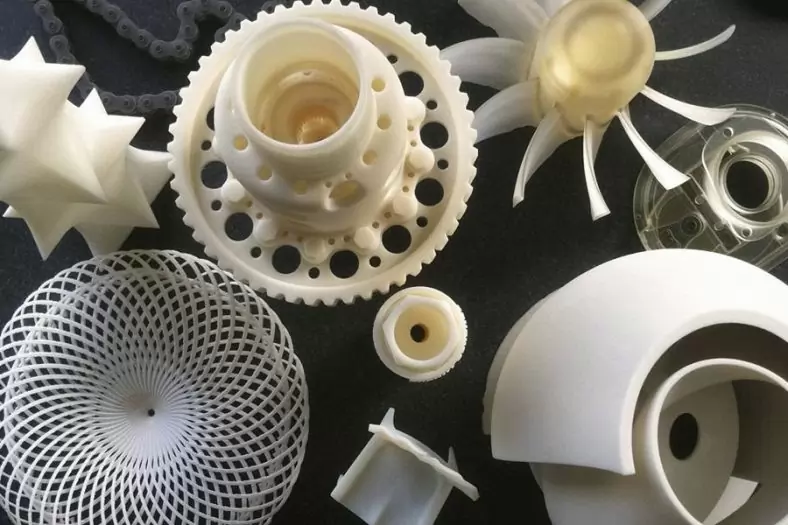
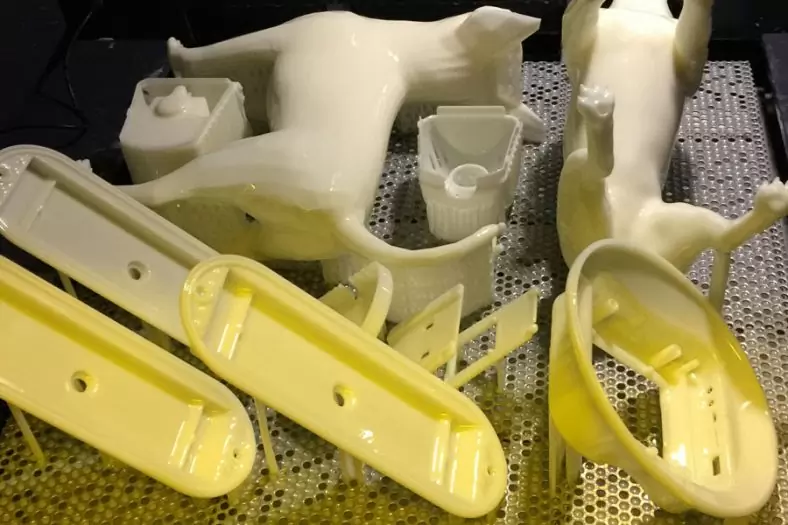
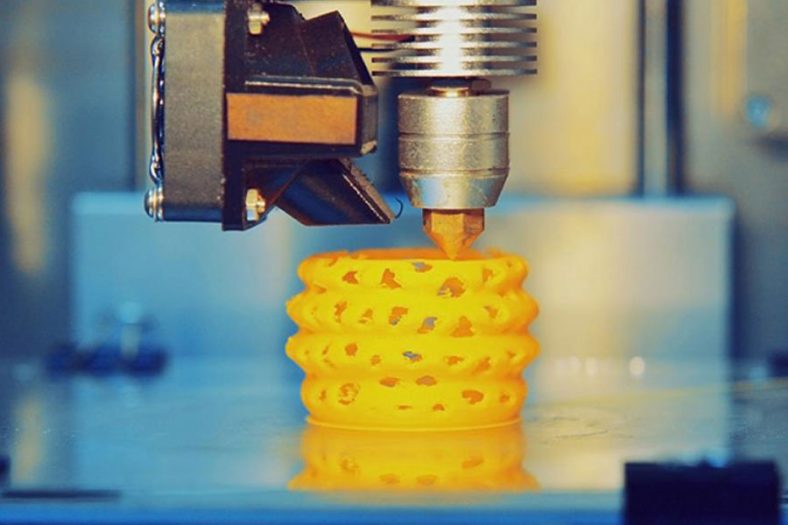
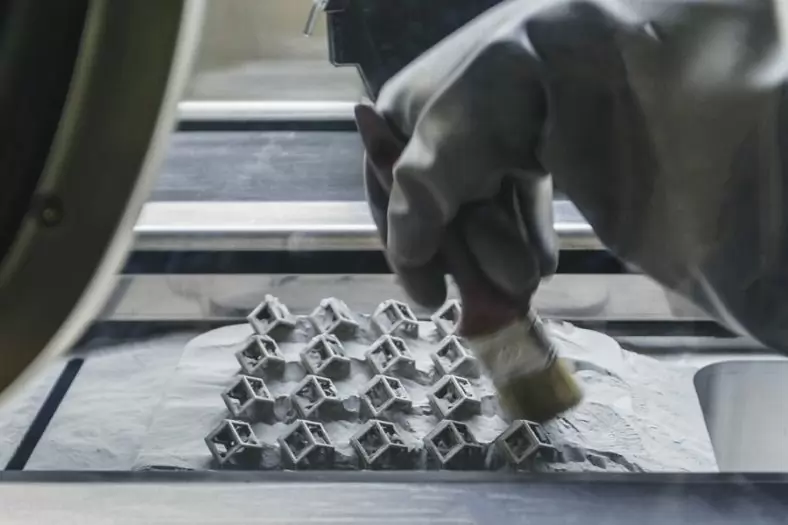
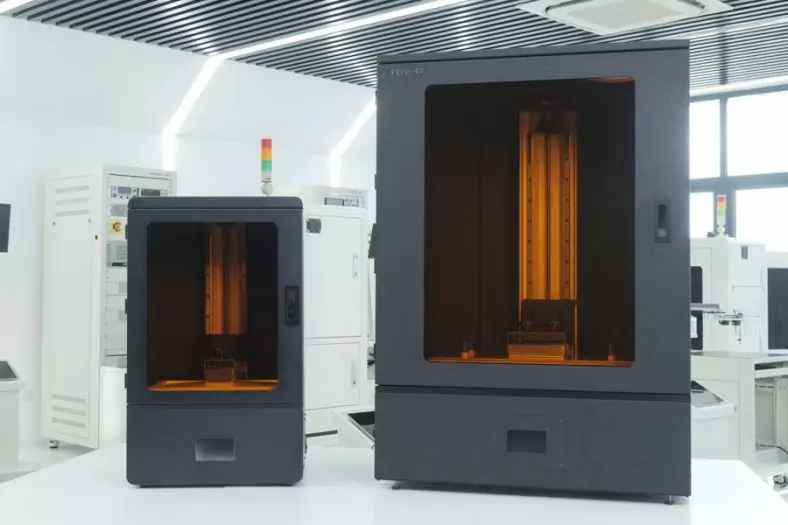
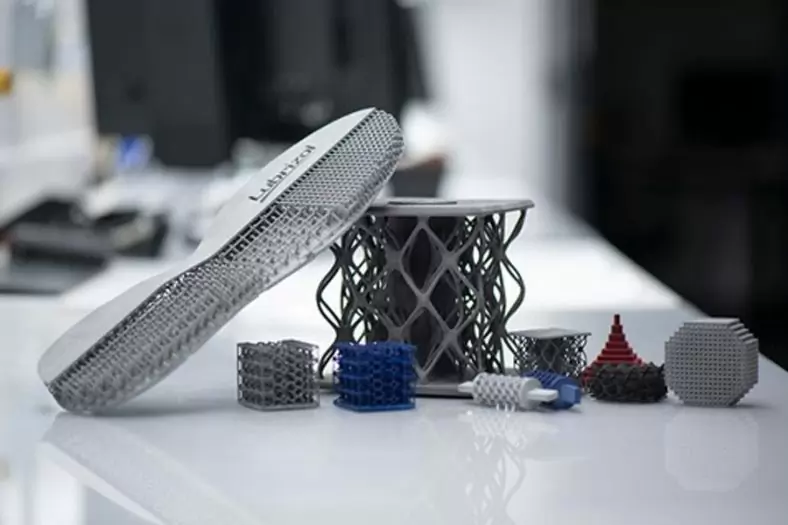
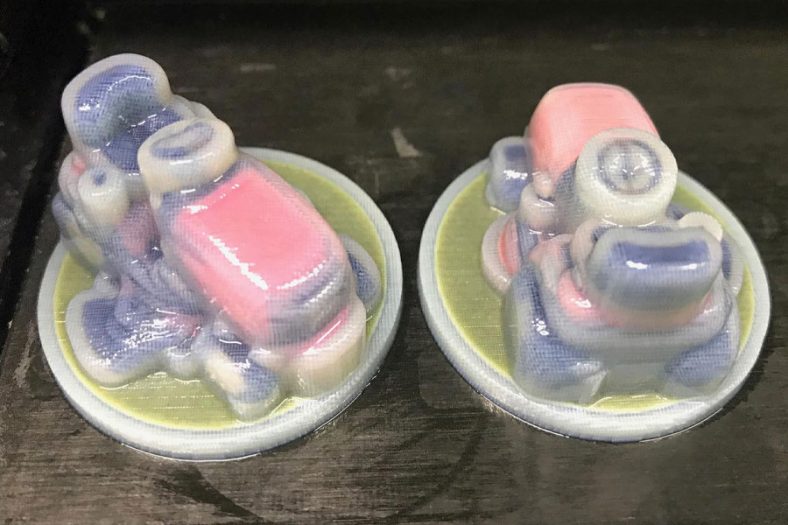
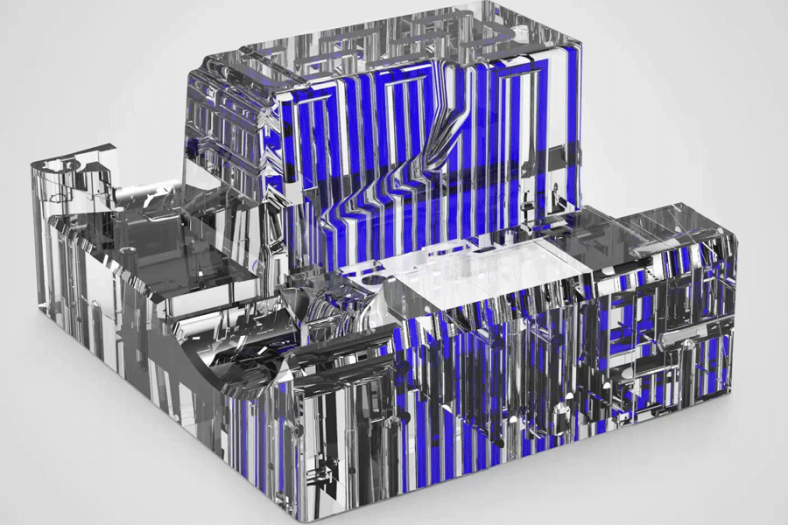
The Detail Of BE-CU 3D Printing Company
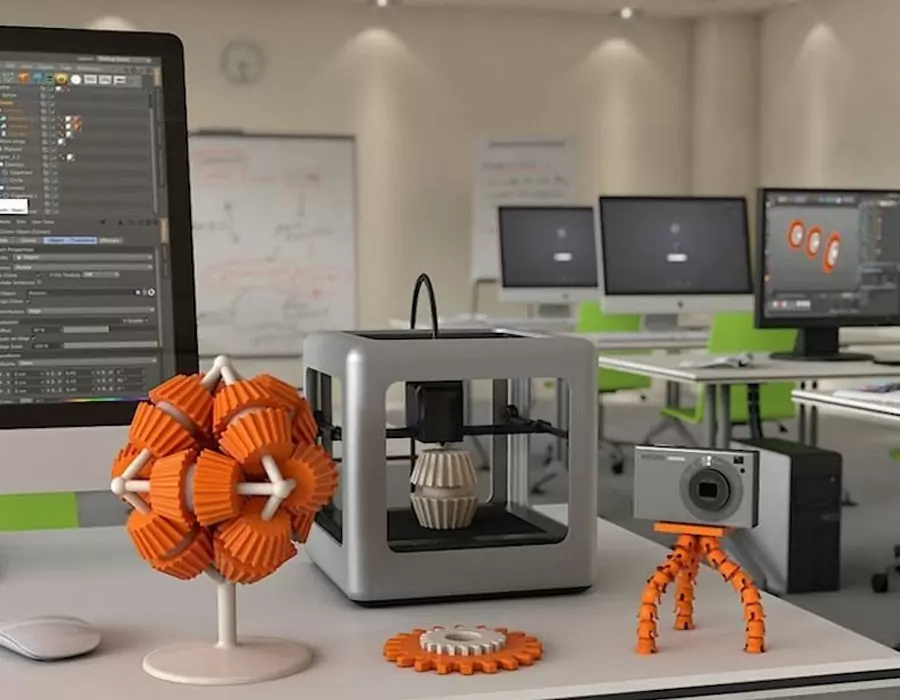
BE-CU.COM offers online 3D printing services for rapid prototyping and production in volume. Our clients are across a wide variety of industries and companies, including automotive, construction, aerospace, defense, electronics, machinery, industrial automation, medical, healthcare, consumer production, oil & gas, etc. Accelerate your product development and manufacturing process with our industry-leading metal & plastic 3D printing service and 3D printed parts. We’ll find the best 3D printing solution for your projects, to lower your cost and shorten the lead time based on your needs, while maintaining the quality. From 3D prototyping to end-use parts production, multiple materials are available for custom 3D printing parts. Need an alternative to the traditional solution? Submit your 3D CAD file to get an online quotation quickly. Our 3D printing service ensures accuracy and speed. We can help you choose the most appropriate technology and material to match your applications or request.
-
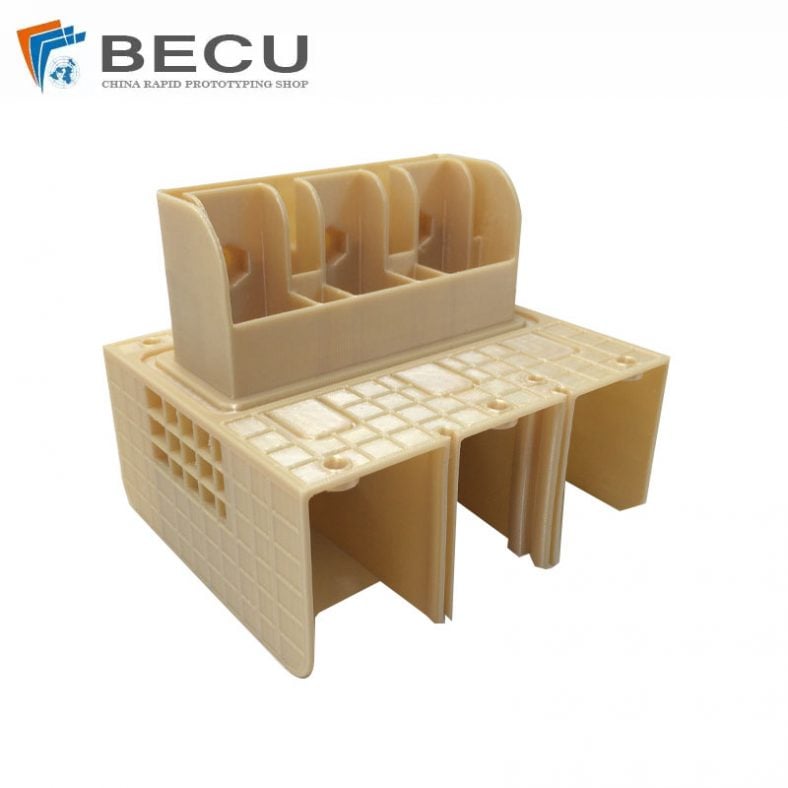
FDM 3D Printing Ultra-High Voltage Strong Electrical Connector
-
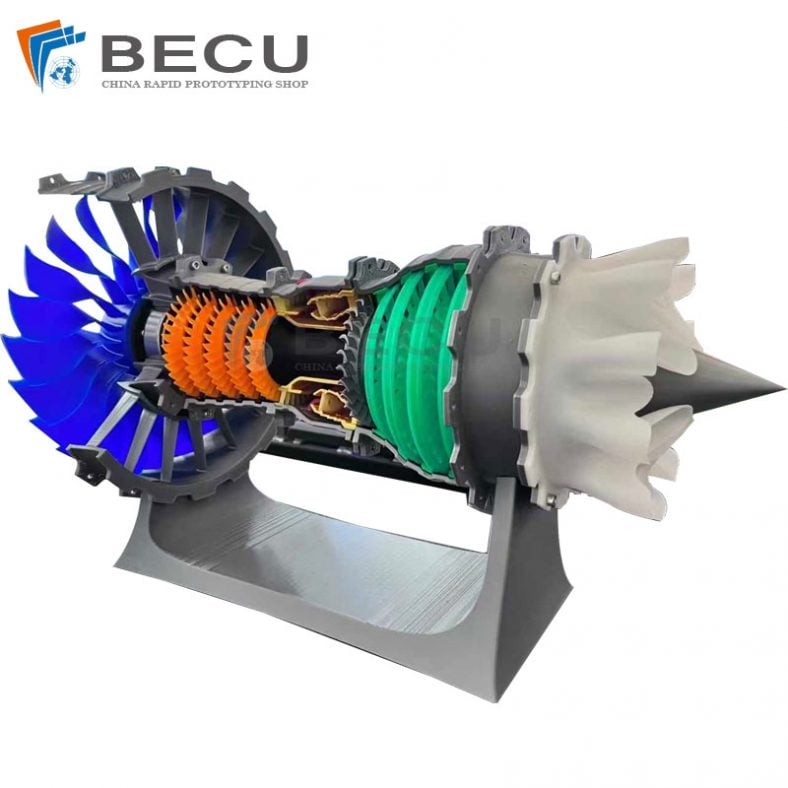
3D Printed Jet Engine Model
-
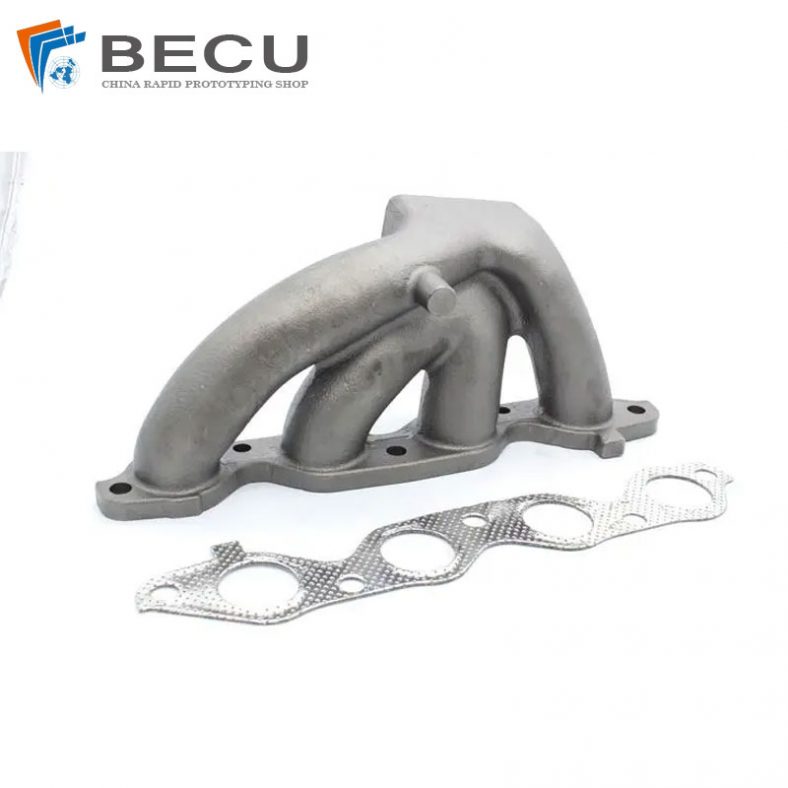
3D Printed Inconel Exhaust Manifold
-
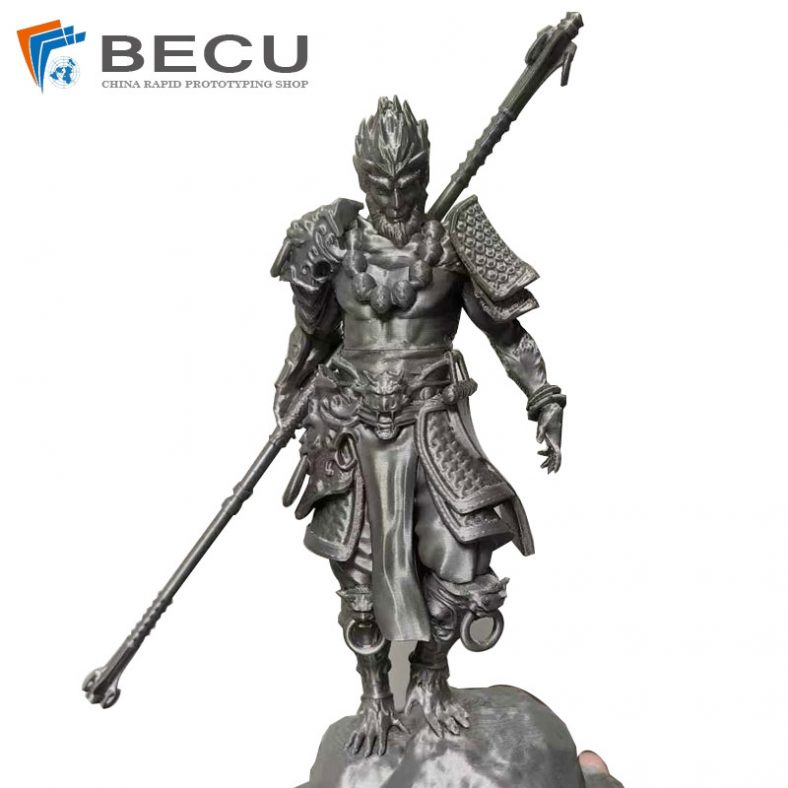
3D Printed Black Myth: Wukong Model
-
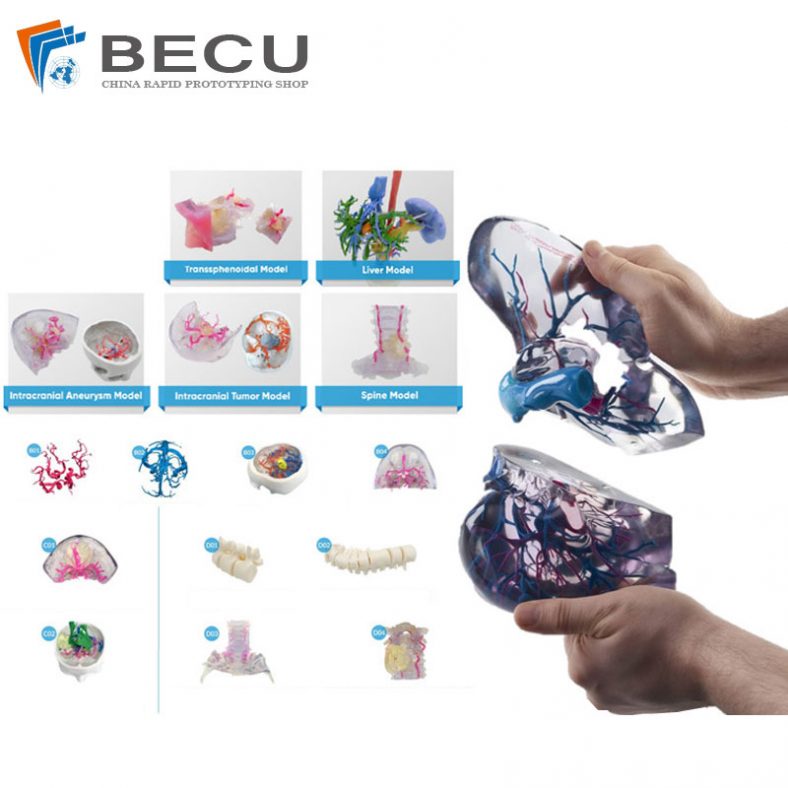
Omni-Directional Surgical Planning Medical Models
-
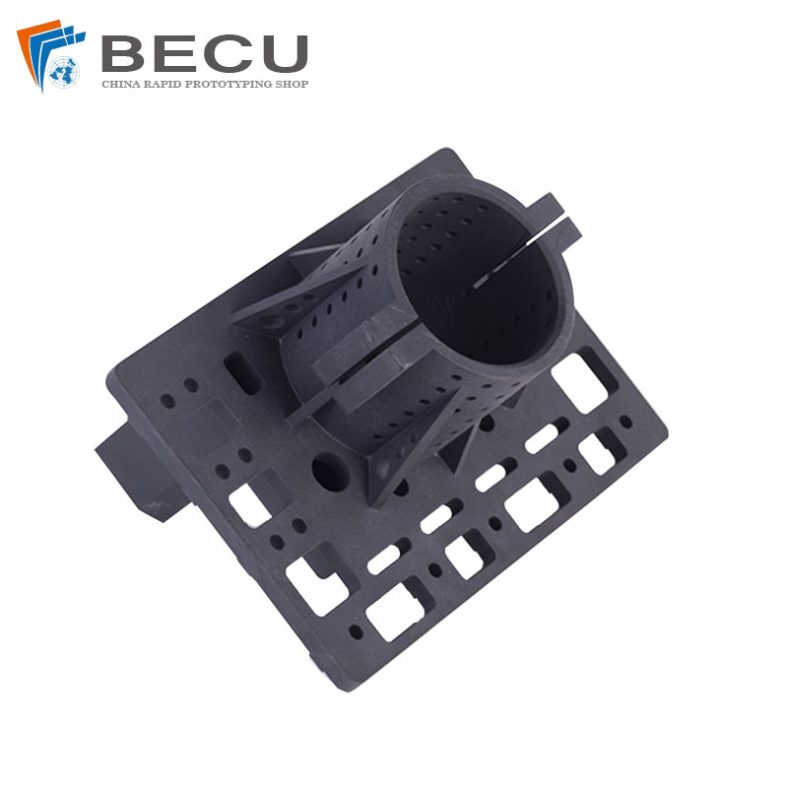
3D Printing Pool Pressure Cleaner Parts and Accessories
-
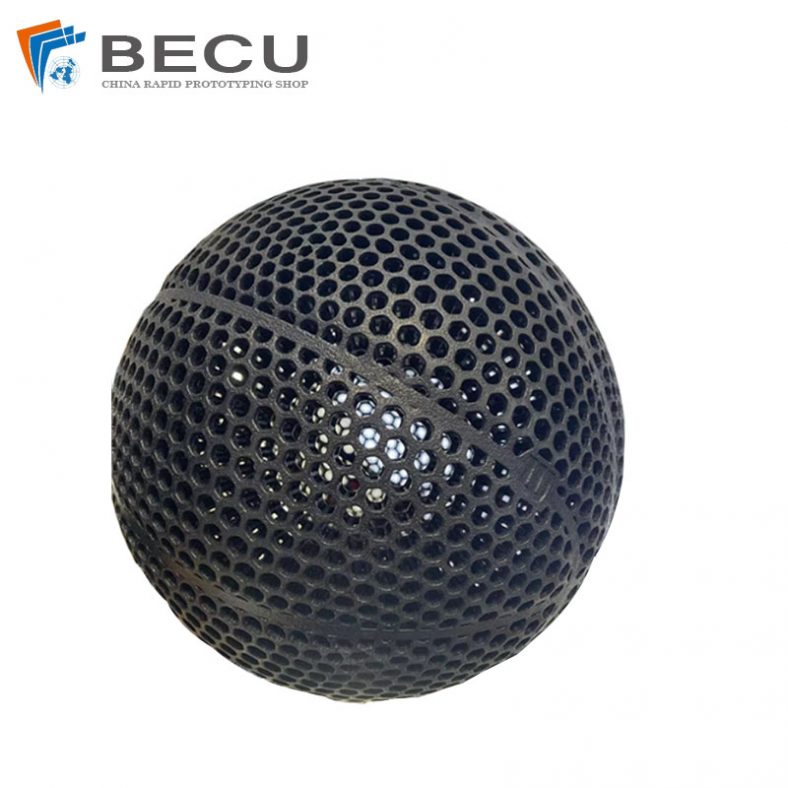
Nylon 3D Printed Size 5 Basketball
-

Black Nylon Medical Threaded Screw By MJF 3D Printing