
Injection molding is a widely used manufacturing process for producing parts with high precision and repeatability. It involves injecting molten material, often thermoplastic polymers, into a mold cavity under high pressure. This method is highly efficient for mass production, allowing manufacturers to create intricate shapes with tight tolerances and consistent results.
However, despite its numerous advantages, injection molding faces certain limitations that can impact part design and production. One of the key constraints in injection molding is the maximum wall thickness that can be achieved without compromising the quality of the molded part.
In typical injection molding applications, part design often dictates the wall thickness of the final product. This thickness is primarily determined by the material used, the mold design, the injection pressure, and the cooling rate. While thinner walls are generally favored because they allow for faster cooling times, lower material costs, and higher production efficiency, there are instances where thicker walls are necessary. These situations might arise when parts require increased strength, durability, or a specific aesthetic appearance. However, achieving thicker walls in injection molding can present a variety of challenges, including longer cycle times, warping, void formation, and incomplete filling of the mold cavity.
This article explores the issue of maximum wall thickness in injection molding, identifying the factors that influence it, the challenges associated with thick-walled parts, and the strategic approaches to overcoming these limits. Through an in-depth examination of material selection, mold design, process optimization, and advanced techniques, this article will provide a comprehensive understanding of how manufacturers can overcome the limitations of wall thickness in injection molding to produce high-quality, complex parts.
Understanding Wall Thickness in Injection Molding
In injection molding, wall thickness refers to the distance between the two outer surfaces of the molded part. This dimension is one of the most important design parameters, influencing material flow, cooling time, structural integrity, and overall production efficiency. In general, thinner walls are preferred because they allow for faster cooling, which reduces cycle time and energy consumption. However, there are practical limits to how thin a wall can be, based on factors such as material flow, mold design, and the intended function of the part.
Wall thickness in injection molding also directly affects the cooling rate. Thicker sections of the mold will take longer to cool, which in turn increases the cycle time. This increase in cycle time can reduce the overall efficiency of the injection molding process, particularly for high-volume production runs. Additionally, thick-walled parts are more prone to warping and internal stress due to uneven cooling rates, which can lead to defects such as sink marks or dimensional distortions.
Factors Influencing Maximum Wall Thickness
Several factors influence the maximum achievable wall thickness in injection molding, including:
- Material Properties: Different materials exhibit varying levels of flowability, thermal conductivity, and shrinkage rates. Materials with high viscosity or poor flow characteristics may struggle to fill thicker sections of the mold properly, leading to incomplete filling or air pockets. Additionally, materials with high shrinkage rates are more likely to experience warping or sink marks in thicker-walled sections.
- Mold Design: The mold plays a crucial role in determining the achievable wall thickness. Features such as gate placement, runner design, and the cooling system can all affect the material flow and cooling rate. Mold designers often use simulations to optimize these features and ensure that thicker walls can be adequately filled and cooled without compromising part quality.
- Injection Pressure: The injection pressure is the force applied to the molten material as it is injected into the mold cavity. Higher injection pressures can sometimes help achieve thicker walls, but they come with trade-offs. Excessively high pressure can lead to material degradation, flash formation, or overstressed molds, which can negatively impact part quality.
- Cooling Time: The cooling rate of the material is crucial in determining the maximum wall thickness. Thicker sections take longer to cool, which can increase the cycle time and reduce the efficiency of the molding process. Efficient cooling systems, such as conformal cooling channels, can help mitigate this issue.
- Part Geometry and Design: The geometry of the part and the way it is oriented in the mold also affect the maximum achievable wall thickness. Parts with complex shapes or varying thicknesses may require additional design considerations to ensure uniform filling and cooling.
Challenges of Achieving Thick-Walled Parts
Achieving thick-walled parts in injection molding is not without its challenges. The most significant issues include:
- Longer Cycle Times: Thicker walls lead to longer cooling times, which increases the overall cycle time. Longer cycle times mean higher production costs and lower throughput, which can make thick-walled injection molding parts less cost-effective, especially in high-volume manufacturing.
- Warpage and Sink Marks: As thicker sections of a molded part cool at different rates, internal stresses can develop. This leads to warping or sink marks, especially on the part’s surface. Sink marks occur when the material in the thickest section of the part solidifies more slowly than in thinner sections, causing a visible depression on the surface.
- Incomplete Filling: Thicker walls require more material to fill the mold cavity, and if the injection pressure is insufficient or the material flow is poor, the mold may not fill completely. This can result in short shots, where the molded part is missing material in certain areas.
- Material Degradation: Using high injection pressures or long cycle times to achieve thicker walls can lead to material degradation, especially in heat-sensitive materials. This degradation can manifest as discoloration, embrittlement, or reduced mechanical properties in the final part.
- Increased Material Costs: Thicker-walled parts require more material, which increases production costs. This can be particularly problematic when using expensive polymers or high-performance materials, as the cost of raw materials can significantly impact the overall cost-effectiveness of the manufacturing process.
Strategic Approaches to Overcoming the Maximum Wall Thickness Limit
Despite these challenges, several strategic approaches can help manufacturers overcome the limits of maximum wall thickness in injection molding. These approaches focus on optimizing the injection molding process, material selection, and mold design to achieve thicker walls without compromising part quality or production efficiency.
1. Optimizing Mold Design
One of the most effective ways to overcome the maximum wall thickness limit is through advanced mold design. By carefully designing the mold to promote efficient material flow and cooling, manufacturers can achieve thicker walls with minimal defects.
- Gate Placement and Type: Proper gate placement is essential for ensuring that the molten material flows uniformly into the mold cavity. For thicker-walled parts, multiple gates or larger gates may be necessary to ensure even filling. Hot runner systems can also be used to maintain the material in a molten state for longer, reducing the risk of cold spots and incomplete filling.
- Conformal Cooling Channels: Traditional cooling channels in injection molds are often designed in a uniform manner, but they may not provide optimal cooling for thick-walled sections. Conformal cooling channels, which follow the shape of the mold more closely, can significantly improve the cooling efficiency, reducing cycle time and minimizing warping or sink marks in thick-walled areas.
- Flow-Assist Features: Mold designers can incorporate flow-assist features such as spiral or helical channels in the mold cavity to promote even material flow. These features help distribute the material more evenly and reduce the chances of incomplete filling or air pockets.
2. Material Selection and Additives
Material choice is critical in determining the feasibility of achieving thick-walled parts. Some materials are better suited for thick-walled injection molding due to their flow characteristics, thermal properties, and shrinkage rates.
- High-Flow Materials: Polymers with high flowability are less likely to experience issues such as incomplete filling or air pockets. These materials are often preferred when molding thick-walled parts because they can fill the mold cavity more easily and evenly.
- Incorporating Fillers: The addition of fillers such as glass fibers or mineral-based compounds can enhance the flow properties of a material and increase its stiffness without significantly affecting the cooling rate. This can help in achieving thicker walls while maintaining the part’s structural integrity.
- Specialty Materials: Certain high-performance materials are specifically designed for injection molding thick-walled parts. These materials often have lower shrinkage rates, improved flowability, and higher thermal conductivity, making them ideal for thick-walled applications.
3. Advanced Injection Molding Techniques
To further overcome the challenges associated with thick-walled injection molding, several advanced techniques can be employed.
- Injection Pressure Control: By carefully controlling the injection pressure and rate, manufacturers can optimize the filling of the mold and prevent issues such as short shots or excessive pressure on the mold. Variable pressure injection molding systems allow for more precise control of the injection process, which can be beneficial when molding thick-walled parts.
- Multi-Stage Injection Molding: This process involves injecting material into the mold in stages rather than all at once. This allows for more control over the flow and cooling of the material, reducing the likelihood of defects such as sink marks or warping.
- Gas-Assisted Injection Molding: In gas-assisted injection molding, an inert gas is injected into the mold cavity to help fill thick sections of the part. The gas reduces the amount of material required to fill the mold, allowing for thicker walls without increasing cycle time or material usage.
4. Post-Molding Techniques
Even after a part is molded, post-processing techniques can help improve the quality of thick-walled parts and mitigate any defects caused by the injection molding process.
- Heat Treatment: Heat treating molded parts can help relieve internal stresses caused by uneven cooling. This can reduce the chances of warping and improve the overall mechanical properties of the part.
- Surface Treatment: Surface treatment processes such as polishing, painting, or coating can help mask any surface defects that may have occurred during the molding process, such as sink marks or discoloration.
Conclusion
Achieving thick-walled parts in injection molding presents a number of challenges, but with careful planning, advanced techniques, and the right materials, manufacturers can overcome these limitations. Optimizing mold design, selecting the appropriate materials, and utilizing advanced injection molding techniques such as gas-assisted injection molding and multi-stage injection molding can all contribute to the successful production of thick-walled parts. By adopting these strategic approaches, manufacturers can produce high-quality parts with thicker walls, meeting the demands of various industries while maintaining cost-effectiveness and efficiency.
The Detail Of BE-CU Plastic Injection Company
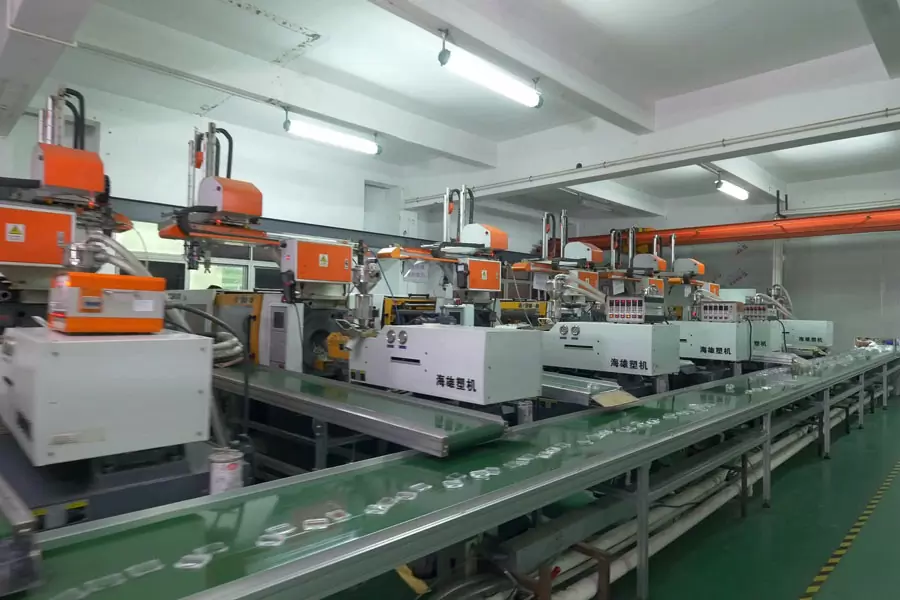
The core cooperative injection molding supplier has twelve 50T-200T injection molding machines, all of which are equipped with manipulators, mold temperature controllers, automatic assembly lines, and dust-free purification workshops. There are 4 automatic production lines in the oil spraying department: one 10,000-level automatic spraying production line (two sprays and two baking), 1 production line (one spray and one baking); 1 manual spraying production line, with a daily output of 150,000 pieces above. With brand-new professional technology, with an environmentally friendly anti-static, fully air-conditioned, dust-free workshop, the working environment is superior, the production equipment is complete, and the product testing equipment is perfect. Need mold making supplies for large quantities of production parts? Looking for a more cost effective and time efficient way of manufacturing parts? Don’t miss our injection molding services! At be-cu.com, we provide high quality and affordable injection molding for prototypes and production parts with quick turnaround times.
-

5 Axis CNC Machining Spiral Bevel Gear Mold
-
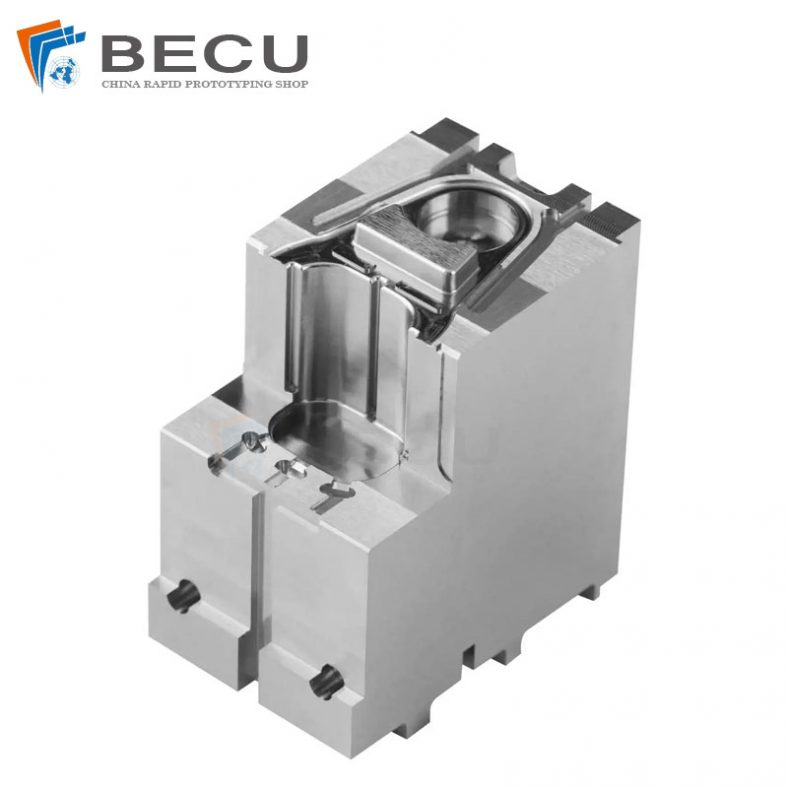
Small Precision Injection Molding Inserts
-
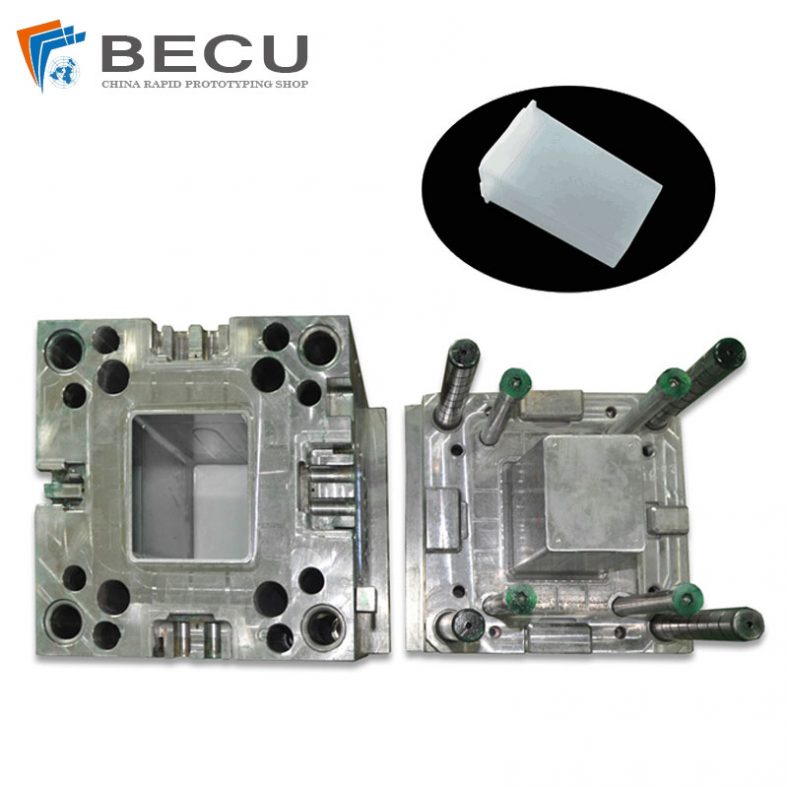
Plastic Storage Box Plastic Injection Mold
-
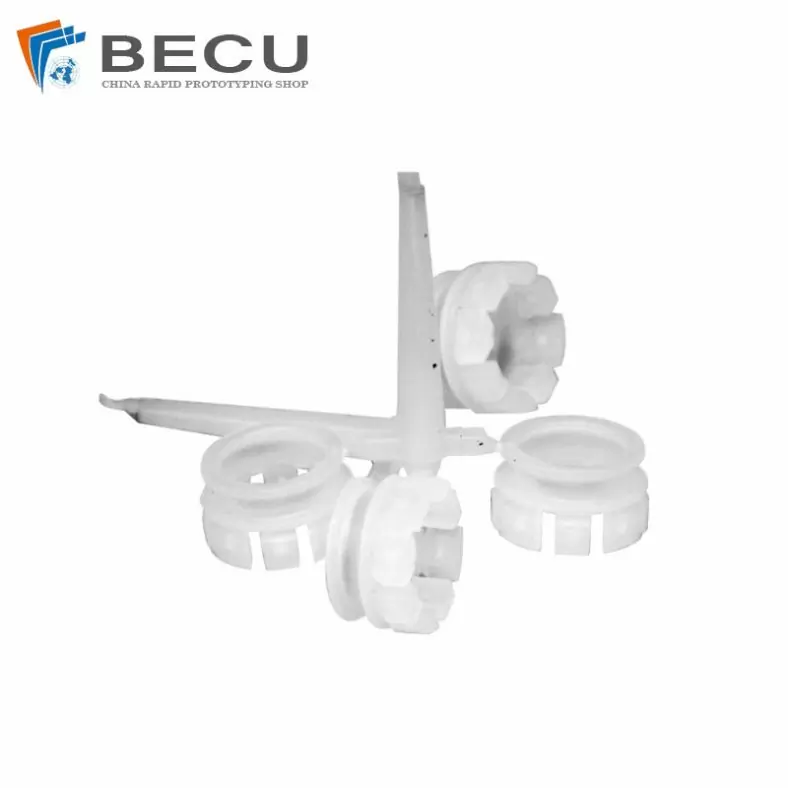
Injection Molding PE-UHMW Retaining Buckle And Ring
-
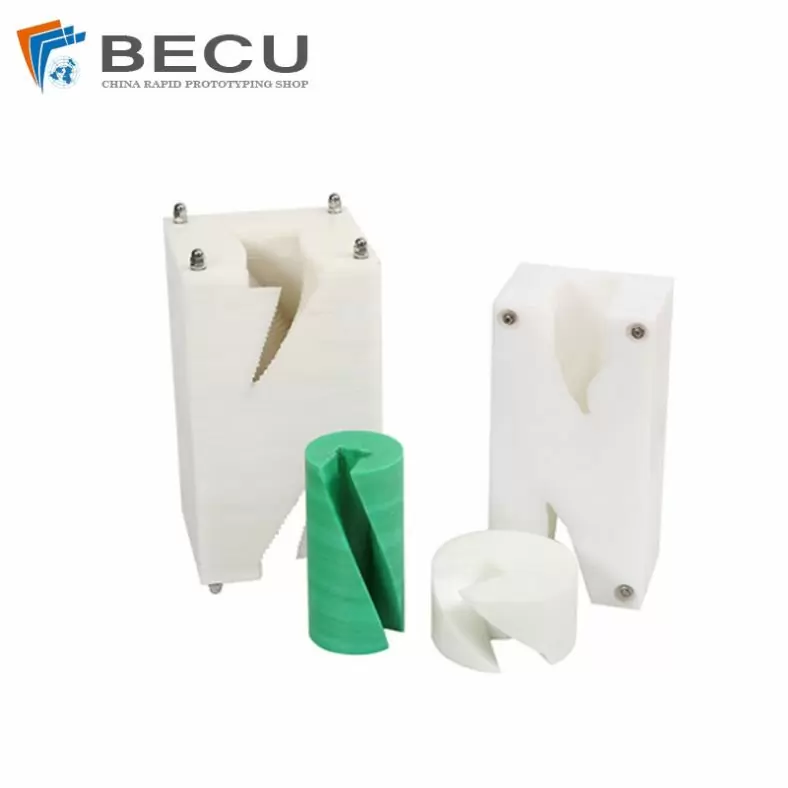
Cnc Machined UHMW-PE Bottle Turner
-
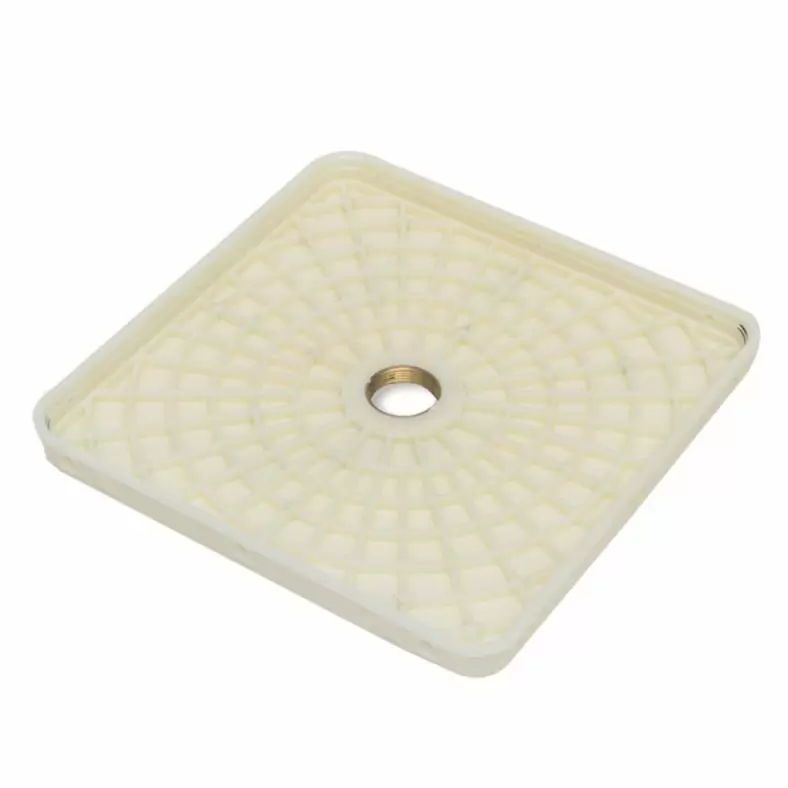
Shower Inclosure Sleeve By Plastic Injection
-
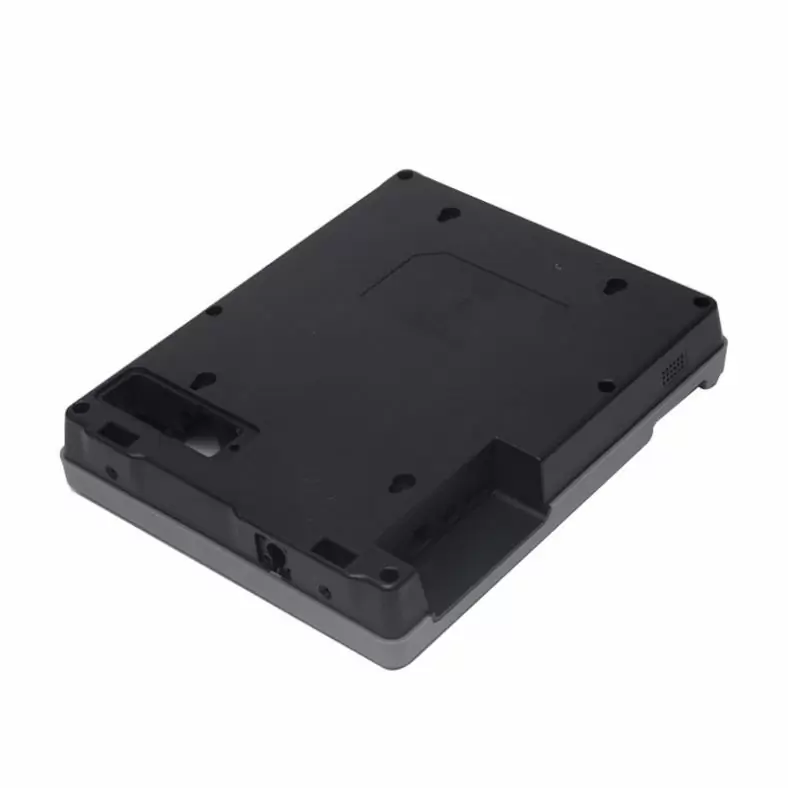
Injection Secret Security Machine Control Shell
-
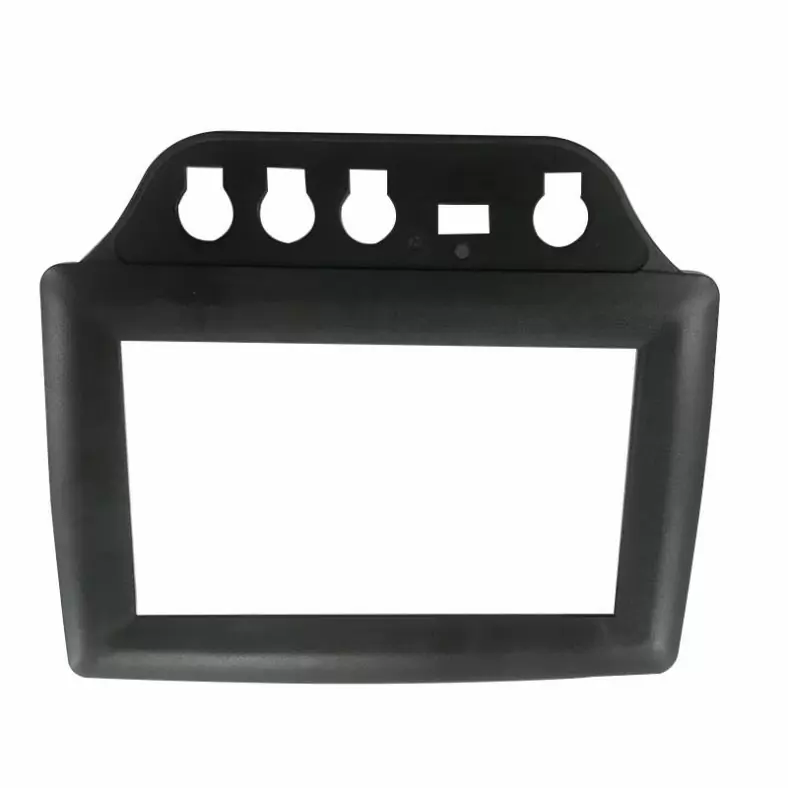
Sewing Machine Industrial Control Shell By Plastic Injection