
Injection molding is a widely used manufacturing process in which plastic material is injected into a mold cavity under high pressure.
The process is highly versatile, allowing for the creation of complex shapes and precise features in a variety of materials, most commonly thermoplastics.
One crucial element of this process is the gate—the point through which the molten plastic enters the mold cavity. Different gate types affect the molding process, the final product’s quality, and the mold’s efficiency.
The gate’s design, placement, and size are critical factors that determine the molding process’s success. Various types of gates are used depending on the material, part geometry, and molding requirements. This article explores the different types of injection mold gates, their applications, advantages, and limitations.
The Function of Gates in Injection Molding
Before delving into the specific types of gates, it’s important to understand their role in the injection molding process. The gate serves as the entry point for molten plastic into the mold cavity. Proper gate design ensures the material flows uniformly into all areas of the mold, achieving a high-quality part with consistent density and strength.
The gate must be designed to:
- Control the flow of plastic into the mold cavity
- Minimize defects such as flow lines, air traps, or weld marks
- Enable easy removal of the part from the mold
- Ensure the final part has good surface finish and mechanical properties
In addition to this, the choice of gate also influences the ease of ejecting the molded part, part cooling time, and post-processing steps like trimming or gate removal.
Common Types of Injection Mold Gates
Several different gate types are used in injection molding. The selection of gate depends on several factors, including the design of the part, material used, molding machine capabilities, and production requirements.
2.1 Edge Gate
The edge gate is one of the simplest and most common gate types used in injection molding. It is located on the edge of the molded part, typically at the parting line between the cavity and core. The molten plastic enters the mold at the edge of the part and flows inward, filling the cavity.
Advantages:
- Simple design and easy to implement
- Suitable for most types of thermoplastic materials
- Often used in thin-walled parts
Disadvantages:
- Can leave visible gate marks on the finished part, which may require additional finishing or trimming
- Less control over the flow of material into complex mold geometries, which can cause issues with uniform filling or material wastage
Applications:
- Edge gates are typically used for molded parts with relatively simple geometries, such as automotive components, electrical parts, and consumer goods.
2.2 Pin Gate
The pin gate, also known as a pinpoint gate or direct gate, is a small, precise gate located in the center of the part, often on the runner or in a core pin. It is characterized by a very small opening through which the molten material enters the cavity.
Advantages:
- Provides precise control over the flow of material into the mold
- Reduces the appearance of gate marks on the part surface
- Ideal for smaller, high-precision parts
Disadvantages:
- Requires careful design to ensure proper material flow
- May lead to more stress in the material, especially if the flow is too rapid
- Difficult to use in large molds or parts requiring significant flow
Applications:
- Commonly used in small, highly intricate molded parts such as medical devices, electronic components, and precision mechanical parts.
2.3 Submarine Gate
Submarine gates, also known as tunnel gates or concealed gates, are located at the parting line but are designed to be submerged within the molded part. They are often used in situations where aesthetics are crucial, as they minimize visible gate marks.
Advantages:
- The gate is hidden within the part, leaving no visible gate marks on the surface
- Helps in reducing cosmetic defects on the part
- Ideal for high-quality consumer products and parts requiring a smooth surface finish
Disadvantages:
- Can complicate the mold design, as the gate needs to be positioned precisely within the mold cavity
- May require additional trimming or secondary operations to remove the gate
- Can sometimes lead to thicker sections around the gate area, which can affect cooling and cycle times
Applications:
- Submarine gates are commonly used in the production of cosmetic products, such as high-end automotive parts, medical equipment, and electronics housings.
2.4 Hot Runner Gates
Hot runner systems use heated channels to keep the material in a molten state, providing more precise control over the flow of plastic into the mold. The hot runner gate is where the molten plastic enters the mold, and it remains in the runner system throughout the molding process, which reduces waste and increases efficiency.
Advantages:
- Eliminates the need for a cold runner system, reducing material waste
- More efficient, as the plastic material is continuously kept in a molten state
- Reduces cycle times, leading to faster production
- Ideal for high-volume production of small, intricate parts
Disadvantages:
- More expensive than cold runner systems due to the complexity of the design and heating elements
- Can require more maintenance due to the heating system’s wear and tear
- Typically requires more complex mold designs
Applications:
- Hot runner gates are used extensively in high-volume molding applications, including automotive components, consumer electronics, and medical devices.
2.5 Sprue Gate
The sprue gate is the primary gate that connects the injection molding machine’s nozzle to the mold cavity. It is typically larger than other gate types and serves as the entry point for molten plastic into the mold.
Advantages:
- Simple design and easy to incorporate into the mold
- Provides high material flow and filling capacity
- Works well with a variety of materials
Disadvantages:
- Leaves a visible sprue mark on the molded part, which may need to be trimmed off post-molding
- May result in some material waste, particularly in low-precision applications
- Not ideal for smaller or more intricate parts
Applications:
- Often used for larger parts or in molds with relatively simple geometries, where the sprue can be easily removed and trimmed.
2.6 Valve Gate
A valve gate is a type of gate that uses a valve or pin mechanism to control the flow of molten material into the mold cavity. The valve is typically controlled by the injection molding machine and is opened and closed at precise intervals during the molding cycle.
Advantages:
- Provides precise control over material flow, reducing flow lines and defects
- Helps minimize gate marks on the finished part
- Ideal for multi-cavity molds and highly detailed components
Disadvantages:
- More complex design, requiring precise control mechanisms
- Higher cost compared to simpler gate types
- Requires additional setup time for valve operation and control
Applications:
- Commonly used in the production of high-precision automotive parts, medical devices, and electronics.
2.7 Latched Gate
Latched gates are similar to valve gates but are operated by a mechanical latch that opens when pressure is applied. They are commonly used for more complex or multi-cavity mold systems where precision control of the material flow is critical.
Advantages:
- Offers precise flow control, helping to eliminate defects like air traps and flow lines
- Can be integrated into multi-cavity mold systems
- Ideal for highly detailed parts with tight tolerances
Disadvantages:
- More expensive and complex to design and implement
- Can require more maintenance due to moving parts and latches
Applications:
- Typically used in multi-cavity molds for high-quality consumer products, medical parts, and technical components.
Factors Influencing Gate Selection
The choice of gate type is not made arbitrarily but is instead influenced by various factors related to the part, material, and the overall manufacturing process. The most important factors include:
- Part Geometry: Complex shapes may require specific gate types to ensure even material flow and fill.
- Material Type: Different thermoplastics have varying flow characteristics and cooling rates, which influence the choice of gate.
- Aesthetic Requirements: For high-quality parts that require smooth surfaces and minimal visible defects, certain gate types (e.g., submarine gates) may be preferred.
- Cycle Time and Production Efficiency: In high-volume production, gates that reduce cycle times, such as hot runner systems, may be prioritized.
- Post-Processing Needs: Gates that require significant post-molding trimming or removal, such as sprue or edge gates, may add to the cost and complexity of production.
Conclusion
Injection mold gate types play a critical role in the injection molding process, influencing factors such as material flow, part quality, and manufacturing efficiency. The correct choice of gate type depends on a combination of part design, material selection, production needs, and cost considerations. By understanding the advantages and limitations of each gate type, manufacturers can optimize the molding process for a wide range of applications, ensuring that they produce high-quality, cost-effective parts in the shortest possible time.
This comprehensive exploration of injection mold gate types highlights the diversity of options available to mold designers and manufacturers. Whether opting for a simple edge gate or a complex hot runner system, each gate type offers distinct benefits that can be tailored to meet the needs of specific production requirements. By selecting the most appropriate gate for the application, manufacturers can ensure the efficiency, quality, and cost-effectiveness of their injection molding processes.
The Detail Of BE-CU Plastic Injection Company
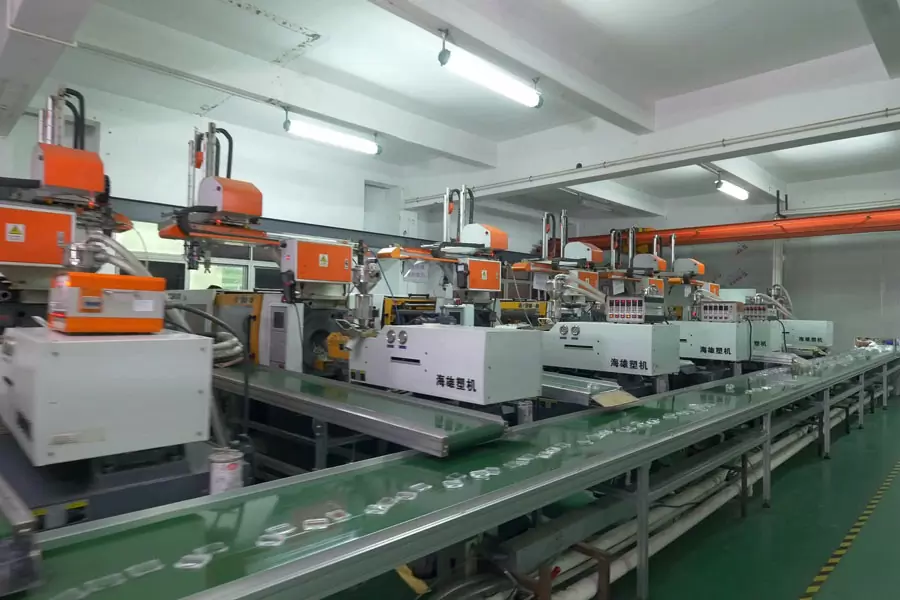
The core cooperative injection molding supplier has twelve 50T-200T injection molding machines, all of which are equipped with manipulators, mold temperature controllers, automatic assembly lines, and dust-free purification workshops. There are 4 automatic production lines in the oil spraying department: one 10,000-level automatic spraying production line (two sprays and two baking), 1 production line (one spray and one baking); 1 manual spraying production line, with a daily output of 150,000 pieces above. With brand-new professional technology, with an environmentally friendly anti-static, fully air-conditioned, dust-free workshop, the working environment is superior, the production equipment is complete, and the product testing equipment is perfect. Need mold making supplies for large quantities of production parts? Looking for a more cost effective and time efficient way of manufacturing parts? Don’t miss our injection molding services! At be-cu.com, we provide high quality and affordable injection molding for prototypes and production parts with quick turnaround times.
-

5 Axis CNC Machining Spiral Bevel Gear Mold
-
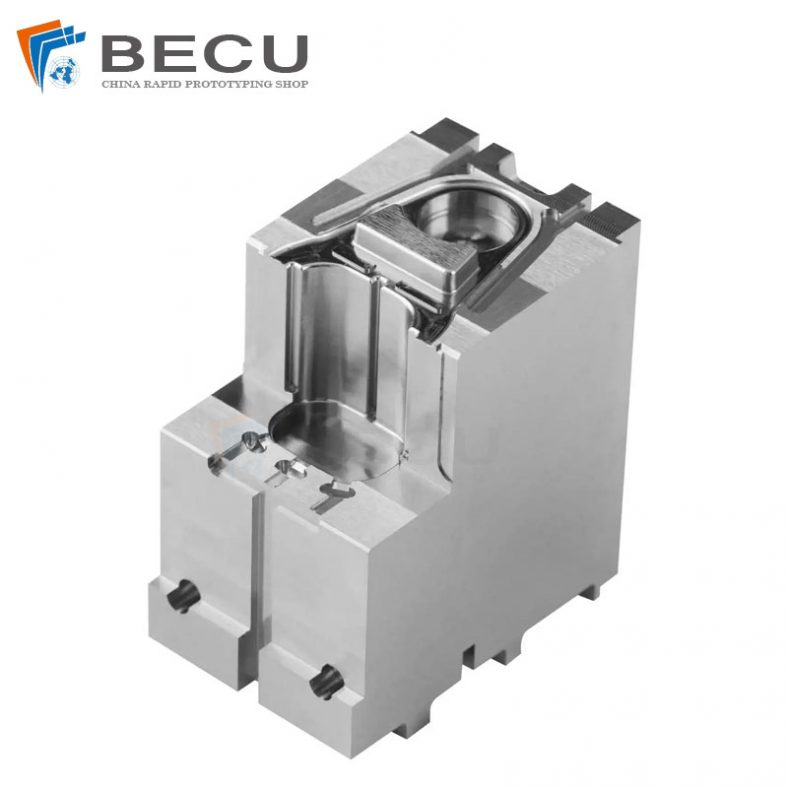
Small Precision Injection Molding Inserts
-
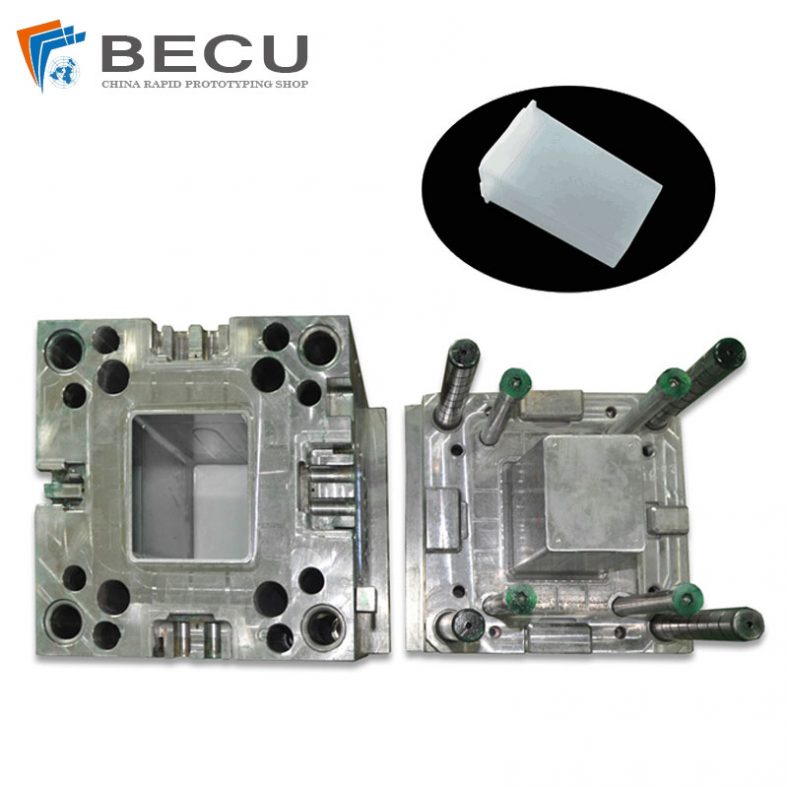
Plastic Storage Box Plastic Injection Mold
-
Injection Molding PE-UHMW Retaining Buckle And Ring
-
Cnc Machined UHMW-PE Bottle Turner
-
Shower Inclosure Sleeve By Plastic Injection
-
Injection Secret Security Machine Control Shell
-
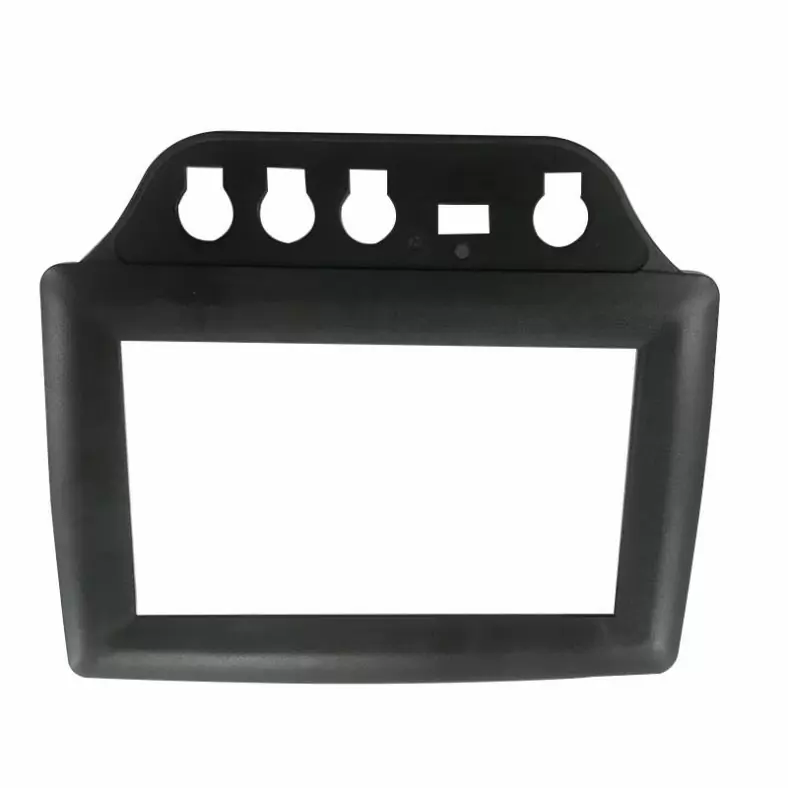
Sewing Machine Industrial Control Shell By Plastic Injection