
The demand for tool steel is increasing at a whopping 5% each year. In 2019, its global production reached over 1.3 million tons.At present, a wide number of industries utilise P20 Tool Steel. Aside from traditional and marine constructions, household appliances are also experiencing a rise in usage.While P20 Tool Steel is more expensive than mild steel, its excellent properties lead to increased service life and reduced cycle cost. So the larger upfront costs pay off in the longer run.This article will take a closer look at this metal and what makes it so popular in different industries.
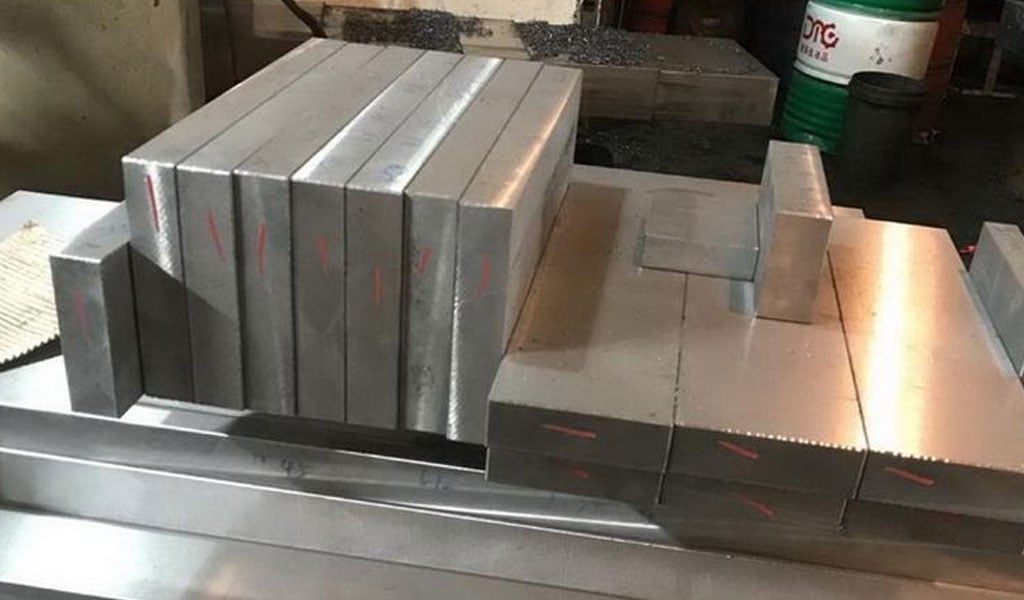
What Is P20 Steel?
P20 Steel is a versatile tool steel widely used in plastic mold and die casting applications. It is a pre-hardened steel that possesses excellent toughness, machinability, and polishability, making it ideal for molds requiring high durability and precision.
The development and use of P20 Steel date back to the mid-20th century, as manufacturers sought materials that could withstand the rigorous demands of plastic injection molding and die casting.
The standardization of P20 Steel has led to its widespread adoption across various industries globally.Due to its balanced properties, P20 Steel has become a standard choice in the manufacturing industry, particularly for injection molds and die-casting dies.
P20 Tool Steel: Composition
P20 Tool Steel typically contains a combination of carbon, manganese, chromium, and molybdenum. The precise chemical composition of P20 Tool Steel is crucial in determining its mechanical properties, such as hardness, tensile strength, and toughness.
| Element | Percentage (%) |
|---|---|
| Carbon (C) | 0.28 – 0.40 |
| Manganese (Mn) | 0.60 – 1.00 |
| Silicon (Si) | 0.20 – 0.40 |
| Chromium (Cr) | 1.40 – 2.00 |
| Molybdenum (Mo) | 0.30 – 0.55 |
| Nickel (Ni) | 0.50 max |
| Phosphorus (P) | 0.03 max |
| Sulfur (S) | 0.03 max |
Material Properties of P20 Steel
The material properties of P20 Steel make it suitable for a wide range of applications, particularly where high toughness and wear resistance are required. Some of the key properties include:
1. Hardness
P20 Steel is typically supplied in a pre-hardened state, with a hardness ranging from 28 to 34 HRC (Rockwell Hardness Scale). The pre-hardened nature of P20 Steel eliminates the need for additional heat treatment after machining, which is a significant advantage in mold-making processes.
2. Tensile Strength
P20 Steel exhibits high tensile strength, which is essential for maintaining the structural integrity of molds and dies under high pressure. The tensile strength of P20 Steel typically ranges between 930 to 1,160 MPa.
3. Toughness
The excellent toughness of P20 Steel ensures that it can withstand the repeated impact and mechanical stress encountered in plastic injection molding and die casting operations. This property also contributes to the extended service life of molds made from P20 Steel.
4. Machinability
P20 Steel is known for its excellent machinability, which allows for efficient and precise machining operations. This property is particularly important in the production of complex mold geometries and intricate details.
5. Polishability
P20 Steel offers good polishability, making it suitable for producing molds with a high-quality surface finish. The ability to achieve a mirror-like finish on molds is critical in applications where the appearance of the final plastic product is important.
6. Weldability
P20 Steel has good weldability, which is important for repairing or modifying molds and dies. Proper welding techniques and post-weld heat treatment are required to maintain the material’s integrity and performance.
Applications of P20 Tool Steel
P20 Steel is widely used in various industries for making plastic injection molds, die-casting dies, and other tooling components. Some of the common applications include:
- Injection Molds: P20 Steel is extensively used for producing injection molds for a wide range of plastic products, including automotive parts, consumer goods, and packaging materials.
- Die-Casting Dies: P20 Steel is also used in the manufacturing of die-casting dies for non-ferrous metals such as aluminum, zinc, and magnesium.
- Extrusion Dies: P20 Steel is used for extrusion dies that shape materials into continuous profiles such as pipes, tubing, and window frames.
- Blow Molds: P20 Steel is utilized in the production of blow molds used in the manufacturing of hollow plastic products like bottles and containers.
P20 Steel Equivalent Grades
Several equivalent grades of P20 Steel are used in different regions, depending on local standards and manufacturing practices. Some of the common equivalents include:
| Standard | Grade |
|---|---|
| AISI/SAE | P20 |
| DIN (Germany) | 1.2311 |
| JIS (Japan) | SCM4 |
| GB (China) | 3Cr2Mo |
| BS (United Kingdom) | 2311 |
Comparison of P20 Steel and 4140 Steel
P20 Steel and 4140 Steel are both popular tool steels used in various applications. However, they have different compositions and properties, making them suitable for different purposes.
1. Composition
P20 Steel and 4140 Steel have different chemical compositions, which result in distinct mechanical properties.
- P20 Steel: Contains carbon, manganese, chromium, and molybdenum, with a balanced composition that provides good toughness, machinability, and polishability.
- 4140 Steel: Contains a higher carbon content and additional elements like chromium and molybdenum, which contribute to its higher strength and hardness.
2. Hardness
- P20 Steel: Supplied in a pre-hardened state with a hardness of 28 to 34 HRC.
- 4140 Steel: Can be heat-treated to achieve a higher hardness level, typically ranging from 28 to 60 HRC, depending on the heat treatment process.
3. Applications
- P20 Steel: Primarily used for plastic injection molds, die-casting dies, and extrusion dies.
- 4140 Steel: Used in a wide range of applications, including machine tool components, automotive parts, and heavy-duty industrial equipment.
4. Machinability
- P20 Steel: Known for its excellent machinability, allowing for efficient and precise machining operations.
- 4140 Steel: Has good machinability, but it may require more advanced machining techniques due to its higher hardness.
5. Cost
- P20 Steel: Generally more expensive than 4140 Steel due to its specialized properties and applications.
- 4140 Steel: More cost-effective, making it a popular choice for general-purpose applications.
Heat Treatment of P20 Steel
The heat treatment process for P20 Steel is crucial in achieving the desired mechanical properties. The typical heat treatment process involves the following steps:
- Preheating: The steel is preheated to a temperature range of 600 to 650°C to reduce thermal stress during the hardening process.
- Hardening: The steel is heated to an austenitizing temperature of 840 to 880°C, followed by quenching in oil or air to achieve the desired hardness.
- Tempering: The steel is tempered at a temperature of 500 to 650°C to relieve residual stress and improve toughness.
Manufacturing and Processing of P20 Steel
P20 steel, known for its excellent machinability, toughness, and wear resistance, is widely used in the tooling and molding industries.
Proper manufacturing and processing techniques are crucial for ensuring that P20 steel performs optimally in its intended applications.
This section will explore the key processes involved in working with P20 steel, including machining, welding, polishing, and surface treatments.
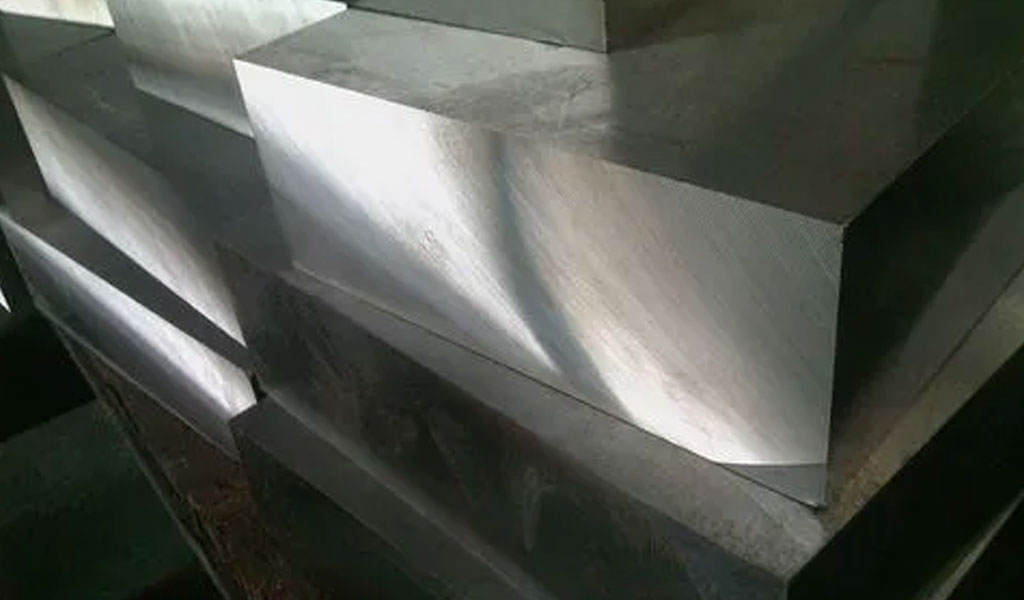
Machining of P20 Steel
Machining is one of the most critical processes in the production of tools and molds from P20 steel. Due to its balanced composition and good hardness (typically pre-hardened to around 30-34 HRC), P20 steel offers excellent machinability, which is an essential factor in reducing production costs and improving efficiency.
1. Machinability:
- Cutting Speeds: P20 steel can be machined at higher cutting speeds than many other tool steels. Recommended cutting speeds generally range from 180 to 250 meters per minute (m/min) when using high-speed steel (HSS) tools and 250 to 350 m/min with carbide tools.
- Feed Rates and Depth of Cut: Optimal feed rates and depths of cut depend on the specific machining operation (turning, milling, drilling, etc.) and the desired surface finish. A typical feed rate might range from 0.1 to 0.4 millimeters per revolution (mm/rev), with a depth of cut between 0.5 to 5 mm.
- Tool Wear: The wear resistance of P20 steel ensures a longer tool life, but it is essential to select appropriate cutting tools and conditions to minimize tool wear, especially during high-speed machining.
2. Milling:
- End Milling: P20 steel is often milled using carbide inserts or end mills, especially in the manufacture of complex mold geometries. High-speed machining (HSM) techniques are increasingly popular, reducing machining time while maintaining precision.
- Surface Finish: Achieving a good surface finish is critical, particularly in mold-making. With appropriate tool selection and cutting conditions, P20 steel can attain surface finishes in the range of 0.8 to 1.6 micrometers (μm) Ra.
3. Drilling:
- Drill Bit Selection: Carbide-tipped or cobalt drill bits are recommended for drilling P20 steel due to their ability to withstand the steel’s hardness.
- Lubrication and Cooling: Proper lubrication and cooling are essential to prevent overheating, which could lead to work hardening or tool damage.
4. Turning:
- Lathe Work: Turning operations on P20 steel typically involve carbide-tipped tools. High-speed turning is possible, but care must be taken to avoid excessive heat buildup.
- Threading: Thread cutting is feasible, but thread rolling might be preferred for producing high-strength threads due to the material’s inherent toughness.
Welding of P20 Steel
Welding P20 steel is a common practice in the repair of molds and the assembly of large components. However, it requires careful attention to the pre-weld and post-weld conditions to avoid issues like cracking or distortion.
1. Weldability:
P20 steel has moderate weldability due to its pre-hardened condition. While it can be welded using various methods, the material’s hardness and composition require specific techniques to ensure a sound weld.
2. Welding Techniques:
- Gas Tungsten Arc Welding (GTAW/TIG): GTAW, commonly known as TIG welding, is preferred for P20 steel because of its ability to produce high-quality, precise welds with minimal heat input.
- Gas Metal Arc Welding (GMAW/MIG): MIG welding is also used, especially for larger repairs or when welding thick sections. However, controlling heat input is critical to avoid overheating and distortion.
3. Pre-Weld Considerations:
- Preheating: Preheating P20 steel to a temperature between 150°C to 300°C is recommended to reduce the risk of thermal shock and minimize residual stresses. The exact preheat temperature depends on the thickness and complexity of the component.
- Cleaning: The weld area must be thoroughly cleaned to remove any contaminants, such as oils, rust, or oxides, which could lead to weld defects.
4. Post-Weld Treatment:
- Stress Relieving: After welding, stress relieving is typically performed at around 500°C to 600°C to reduce residual stresses and prevent cracking.
- Heat Treatment: In some cases, a full heat treatment cycle (quenching and tempering) may be necessary to restore the material’s original hardness and mechanical properties.
5. Common Weld Defects and Remedies:
- Cracking: Preheating and controlled cooling can help prevent cracking. If cracks do occur, they should be ground out before rewelding.
- Porosity: Proper shielding gas selection and maintaining a clean welding environment can reduce the risk of porosity in the weld.
Polishing of P20 Steel
Polishing is a critical step in mold-making, where a high-quality surface finish is required to ensure the production of smooth, defect-free plastic parts. P20 steel’s fine microstructure allows it to achieve a mirror-like polish when processed correctly.
1. Polishing Techniques:
- Mechanical Polishing: This involves using progressively finer abrasive media to remove surface imperfections and achieve the desired surface finish. Common tools include polishing stones, diamond paste, and rotary polishing machines.
- Electropolishing: In some cases, electropolishing might be used to further enhance the surface finish, particularly for components requiring a highly reflective surface.
2. Polishing Challenges:
- Surface Defects: Care must be taken to avoid introducing defects like scratches or micro-cracks during polishing. Using appropriate abrasives and maintaining a consistent technique can help minimize these issues.
- Uniformity: Achieving a uniform polish across complex geometries requires skill and attention to detail. Inconsistent polishing can lead to variations in surface texture, which may affect the final product.
3. Final Surface Finish:
- The final surface finish of P20 steel can range from a satin finish (achieved with coarse abrasives) to a mirror finish (achieved with fine abrasives and polishing compounds). The required finish depends on the mold’s application, with high-gloss finishes often used for producing clear or glossy plastic parts.
Surface Treatments for P20 Steel
Surface treatments are applied to P20 steel to enhance its wear resistance, corrosion resistance, and overall durability. These treatments can significantly extend the life of molds and tooling made from P20 steel.
1. Nitriding:
Nitriding involves diffusing nitrogen into the surface of the steel to form a hard, wear-resistant layer. Gas nitriding, plasma nitriding, and salt bath nitriding are common methods used for P20 steel.
Nitriding improves surface hardness (up to 65-70 HRC) and wear resistance without significantly altering the core properties of the steel. It also enhances corrosion resistance and reduces the coefficient of friction.
2. Chrome Plating:
Chrome plating involves electroplating a thin layer of chromium onto the surface of the steel. This process provides excellent corrosion resistance and enhances wear resistance.
Chrome-plated P20 steel is often used in molds that require high wear resistance and durability, such as those used in plastic injection molding.
3. PVD Coatings (Physical Vapor Deposition):
PVD coatings involve the deposition of thin, hard coatings like titanium nitride (TiN) or chromium nitride (CrN) onto the steel surface. These coatings enhance surface hardness, wear resistance, and reduce friction.
PVD-coated P20 steel is commonly used in high-performance tooling and cutting applications where extended tool life and superior surface properties are required.
4. Carburizing:
Carburizing involves adding carbon to the surface of the steel at high temperatures, followed by quenching to form a hard, wear-resistant outer layer while retaining a tough core.
While not as common as nitriding for P20 steel, carburizing can be used in specific applications where enhanced surface hardness and wear resistance are needed.
5. Shot Peening:
Shot peening involves bombarding the surface of the steel with small, spherical media to induce compressive stresses. This process improves fatigue resistance and surface hardness.
Shot peening can help improve the durability of molds and tools made from P20 steel, particularly in high-stress applications.
6. Stress Relieving:
Stress relieving is a heat treatment process used to reduce residual stresses in the steel after machining or welding. This process involves heating the steel to a specific temperature, holding it for a period, and then cooling it slowly.
Stress relieving helps prevent distortion, cracking, and premature failure in tools and molds, especially those subjected to cyclic loading or thermal stresses.
The manufacturing and processing of P20 steel involve several critical steps, including machining, welding, polishing, and surface treatments. Each of these processes plays a vital role in ensuring that P20 steel performs effectively in its intended applications, particularly in the tooling and molding industries. By understanding and carefully controlling these processes, manufacturers can produce high-quality tools and molds that offer excellent durability, precision, and longevity.
Conclusion
P20 Steel is a versatile and widely used tool steel with a unique combination of mechanical properties, making it an ideal choice for plastic injection molds, die-casting dies, metal stamping mold and other tooling applications.
Its excellent machinability, toughness, and polishability, along with its pre-hardened nature, make it a standard material in the manufacturing industry.
When compared to 4140 Steel, P20 Steel is more specialized for mold-making applications, while 4140 Steel offers greater versatility and cost-effectiveness for general-purpose uses. Understanding the properties, composition, and applications of P20 Steel is essential for selecting the right material for specific industrial needs.
China Top Mold Parts and Mold Making Company
BE-CU.com is a professional manufacturer of precision mould parts. We have the ability to manufacture all kind of precision mold parts, they are commonly used in precision plastic mold, auto mold, medicine mold, and precision automation machine.Our products including: Mold cavity,inserts,core pin,punches, ejector/sleeves pins, sleeves, leader pins, guide sprue bushings, ejector blades etc.We are fully equipped with CNC machining centers, precise surface grinder, numerical control machine, punch formers and precision centerless grinding machines etc.
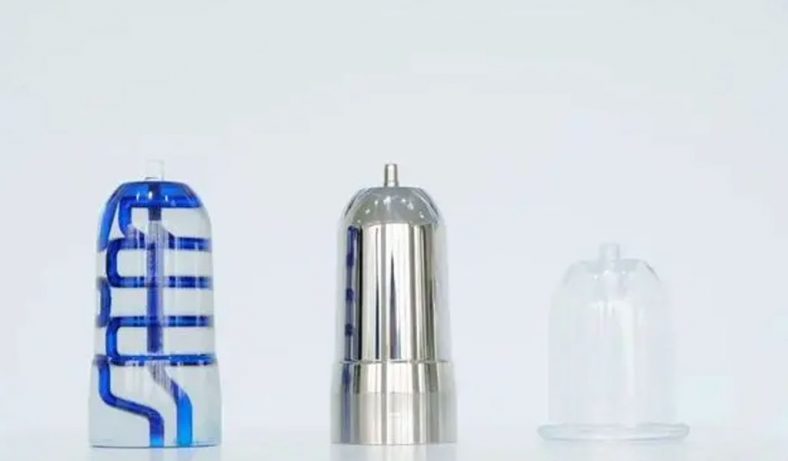
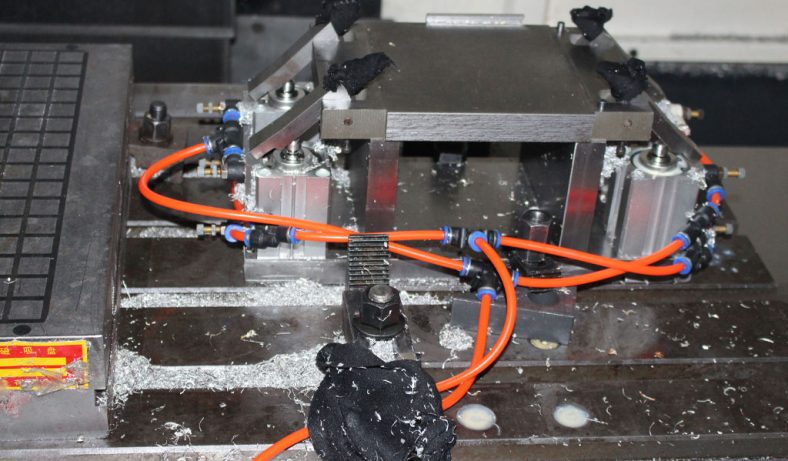
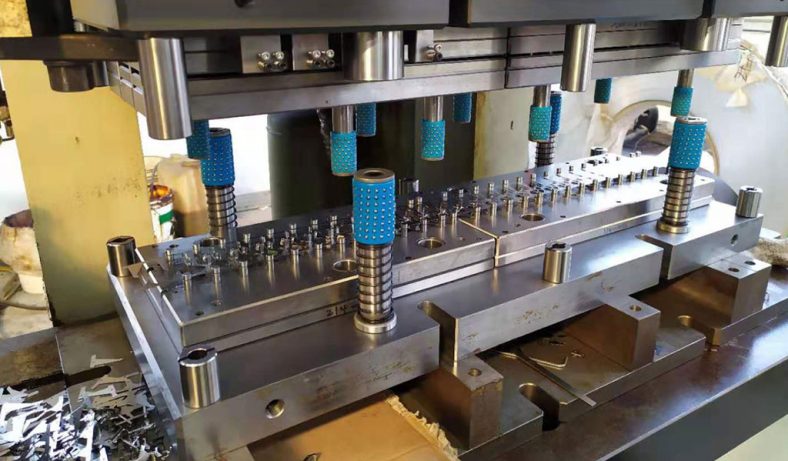
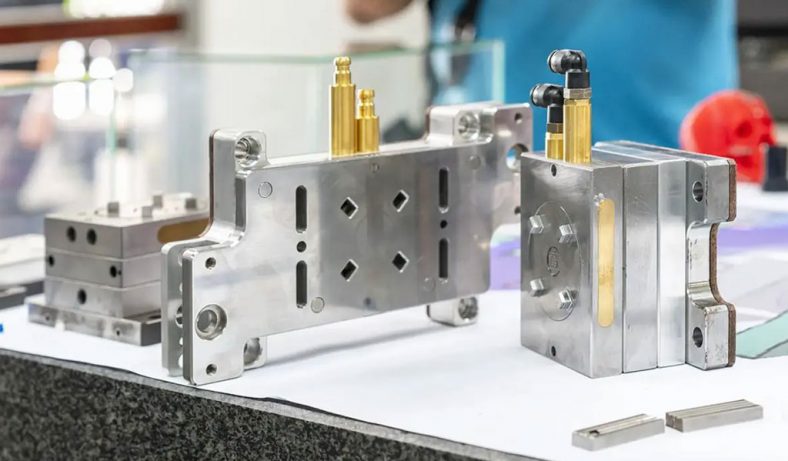
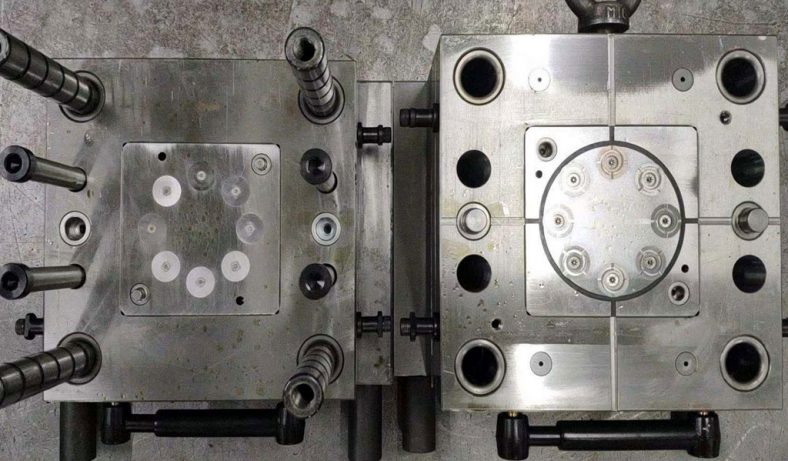
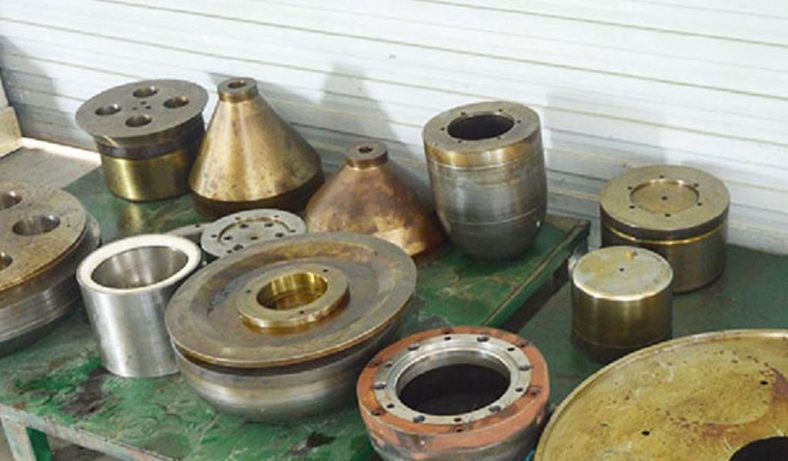
BE-CU Precision Parts Co.,Ltd. is established in 1995, is a professional manufacturer of precision mould parts. Our factory, located in the mould town--Chang'an. It is a professional company in research, development and manufacturing of precision mould components,we have over 30 years experience in this field,our advanced precision equipment and scientific quality control ensures customers satisfaction.
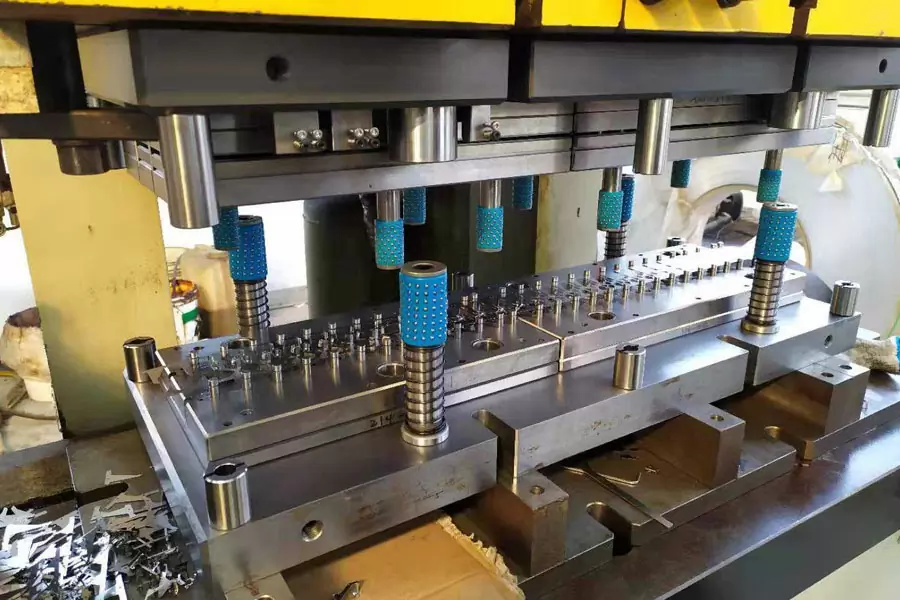
Our complete and advanced mold making facility provides a fundamental advantage as a complete product solution partner. Whether redesigning an existing mold or embarking on a brand new project, our team is able to deliver the highest quality tooling for molding with some of the shortest lead times in the industry.Our tool room is equipped with the latest resources in mold making technology, including CAM, CNC milling, grinding, EDM, inspection and more. These characteristics, coupled with a highly skilled staff encompass our mold-making department.Whatever you need prototype molds for the short-run production, or mass production molds for millions shots, Be-cu.com can handle them for you smoothly.
-

Precision Grinding Tungsten Steel Mold Parts
-

5 Axis CNC Machining Medical Olecranon Plate
-
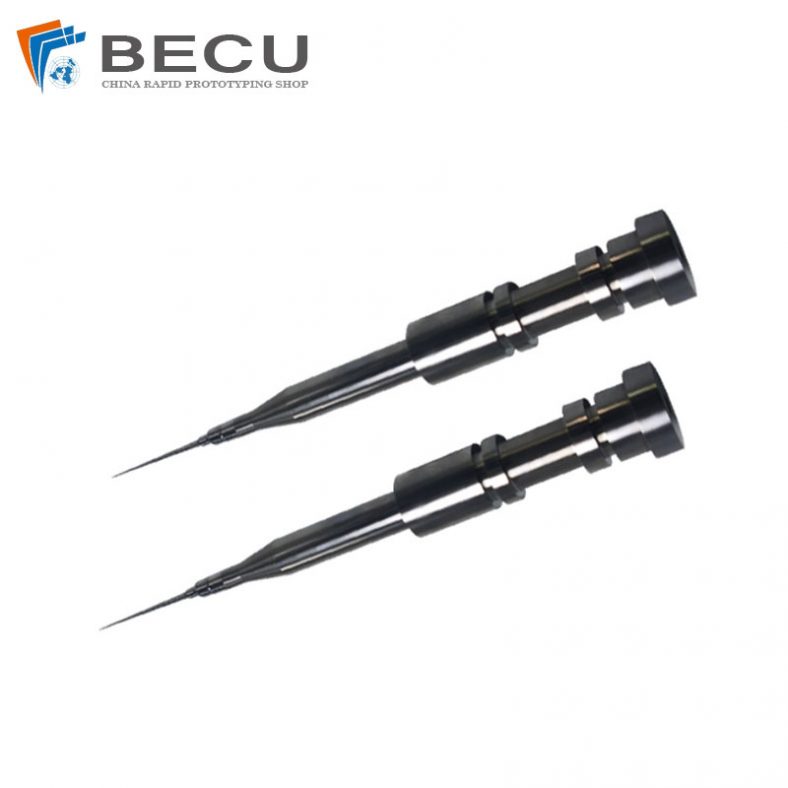
Special-Shaped Non-Standard Medical Device Needles
-
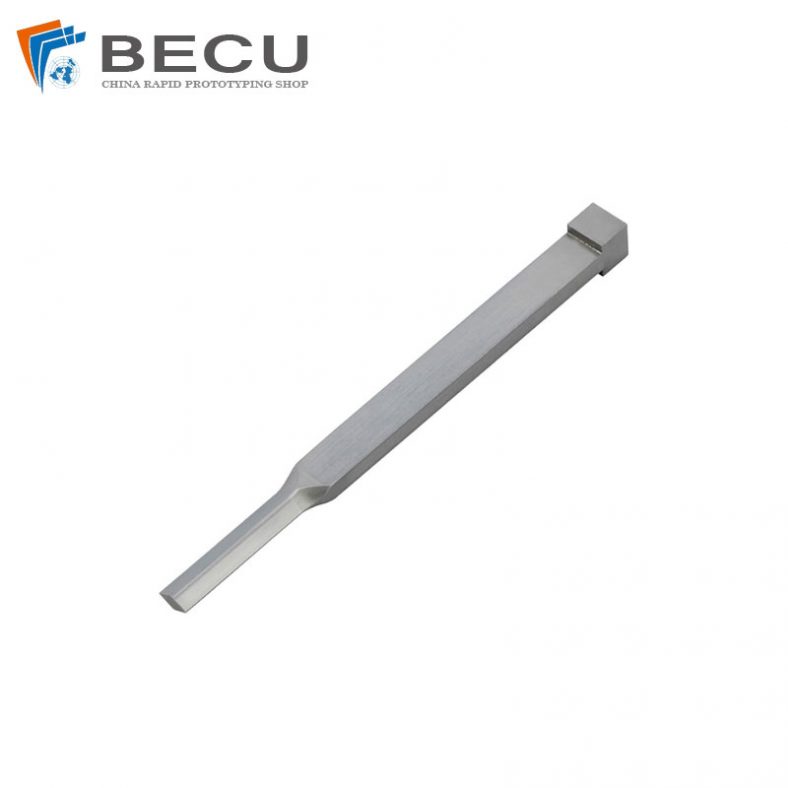
High-Speed Steel (HSS) Die Punching Needles
-

Precision Tungsten Copper Alloy Eccentric Insert
-

5 Axis CNC Machining Spiral Bevel Gear Mold
-
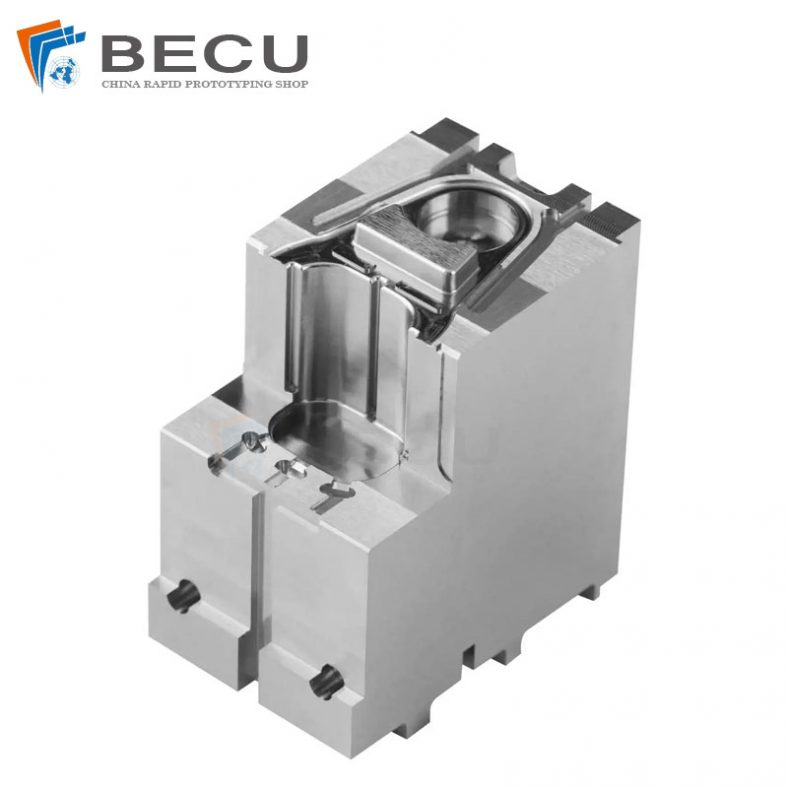
Small Precision Injection Molding Inserts
-
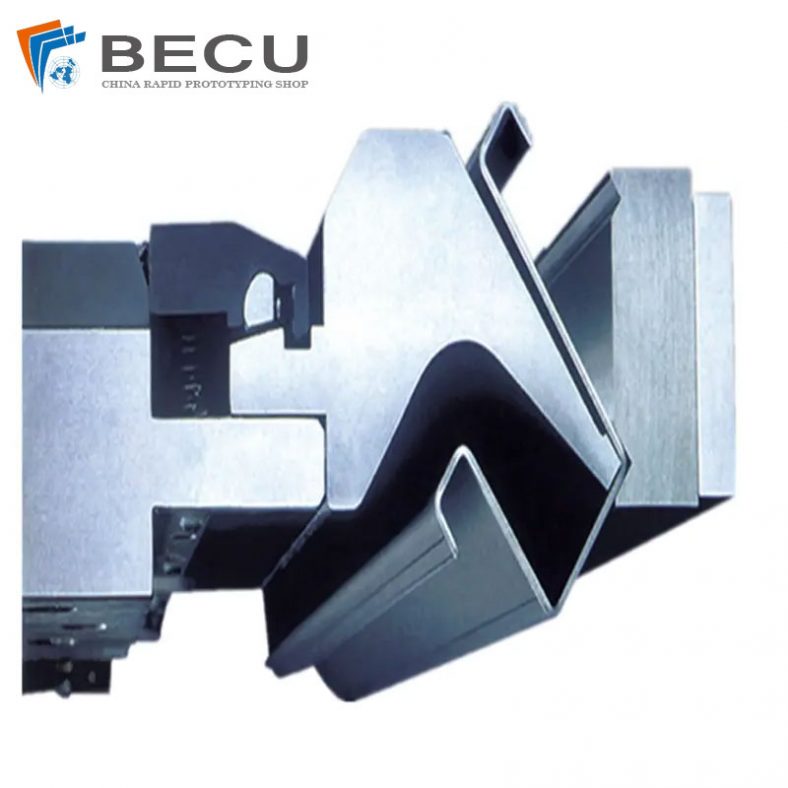
OEM Stainless Steel Press Brake Tooling