
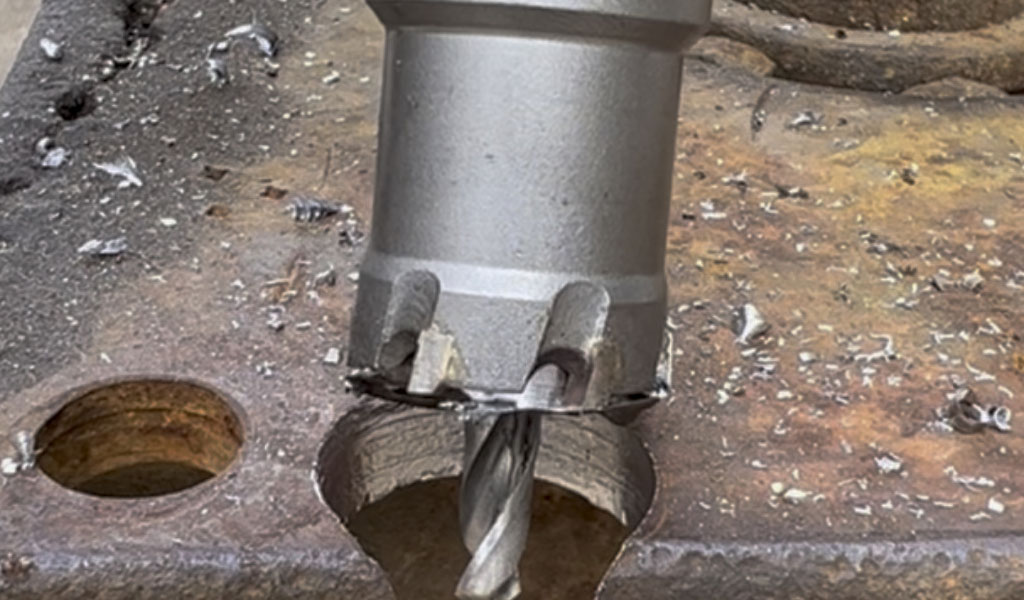
In mechanical engineering, woodworking, metalworking, and construction, the use of fasteners such as screws and bolts is fundamental to creating secure and durable assemblies. A critical aspect of fastener installation is the preparation of a pilot hole—a small, pre-drilled hole that guides the fastener into the material. Pilot holes serve multiple purposes: they reduce the risk of material damage, ensure accurate placement of the fastener, and facilitate easier insertion by minimizing the force required to drive the screw or bolt. The selection of an appropriate drill bit size for the pilot hole is paramount, as it directly affects the structural integrity of the joint, the ease of installation, and the longevity of the material and fastener.
This article provides a comprehensive exploration of pilot hole drill bit size charts for wood, sheet metal, and lag screws, with a focus on their application, sizing considerations, and best practices, drawing from industry standards and engineering principles.
The concept of a pilot hole is rooted in the need to mitigate the mechanical stresses imposed on materials during fastener insertion. In materials prone to splitting, such as wood, or in those requiring precise alignment, such as sheet metal, a pilot hole ensures that the fastener engages the material effectively without causing damage. For lag screws, which are large-diameter fasteners used in heavy-duty applications, pilot holes are particularly critical to prevent splitting of wood or deformation of the screw itself. The choice of drill bit size depends on several factors, including the type and size of the fastener, the material’s properties (e.g., hardwood, softwood, or metal), and the specific application (e.g., structural or decorative). This article aims to provide a detailed, scientifically grounded guide to pilot hole sizing, including standardized charts for common fastener types and materials, to assist engineers, craftsmen, and hobbyists in achieving optimal fastening results.
The Importance of Pilot Holes
A pilot hole is a small-diameter hole drilled into a material prior to the insertion of a screw or bolt. Its primary function is to serve as a guide for the fastener, ensuring accurate placement and reducing the mechanical stress on both the material and the fastener. By creating a pathway for the screw, a pilot hole minimizes the risk of splitting or cracking in wood, distortion in metal, or breaking of the fastener itself. According to BE-CU.com, pilot holes are essential for ensuring that screws are inserted at the correct angle and location, enhancing the precision and quality of the assembly.
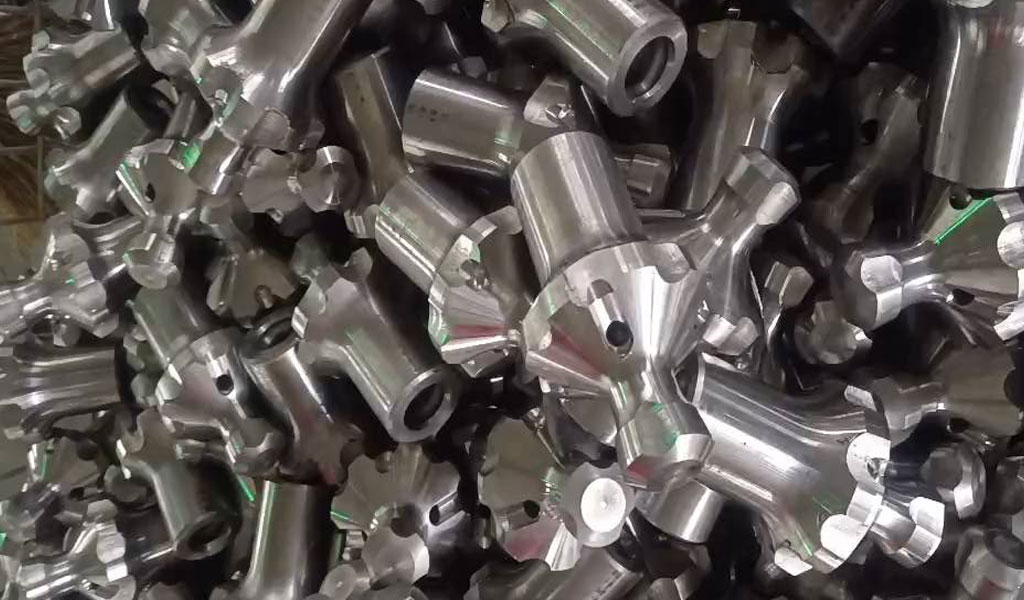
In woodworking, pilot holes are particularly important when working with hardwoods such as oak, maple, or walnut, which are dense and prone to splitting. The pilot hole allows the screw’s threads to engage the wood fibers without exerting excessive lateral pressure, which could otherwise cause the wood to crack. In softwoods like pine or spruce, pilot holes may be less critical for small screws but are still recommended for larger fasteners or when screwing near the edge or end grain of the wood. For sheet metal, pilot holes prevent deformation of the material and ensure that self-tapping or machine screws can engage properly without stripping the threads. In the case of lag screws, which are used in heavy-duty applications such as securing beams or mounting heavy fixtures, pilot holes are indispensable to prevent damage to both the wood and the screw, particularly due to the high torque required for installation.
Benefits of Pilot Holes
The benefits of drilling pilot holes extend beyond material preservation. They include:
- Prevention of Material Damage: By reducing the force required to drive a screw, pilot holes minimize the risk of splitting wood or distorting metal. This is especially critical in brittle or thin materials.
- Improved Fastener Performance: A properly sized pilot hole allows the screw’s threads to bite into the material effectively, creating a strong mechanical bond. A hole that is too small may cause the screw to bind, while one that is too large may reduce holding strength.
- Enhanced Precision: Pilot holes ensure that screws are inserted in the exact location and at the correct angle, which is vital for applications requiring high accuracy, such as furniture assembly or machinery installation.
- Reduced Risk of Fastener Damage: Pilot holes decrease the likelihood of stripping the screw head or breaking the screw, particularly in hard materials or with softer metals like brass.
- Ease of Installation: By providing a pre-drilled path, pilot holes reduce the effort needed to drive the screw, which is particularly beneficial when using hand tools or working with large numbers of fasteners.
Factors Influencing Pilot Hole Size
The appropriate pilot hole size depends on several variables, which must be carefully considered to achieve optimal results:
- Fastener Type and Size: Different screws (e.g., wood screws, sheet metal screws, lag screws) have varying thread profiles and shank diameters, which dictate the pilot hole size. For example, a #8 wood screw requires a different pilot hole size than a 3/8-inch lag screw.
- Material Type: The density and hardness of the material significantly affect pilot hole sizing. Hardwoods require larger pilot holes than softwoods to accommodate the screw’s threads without excessive resistance, while metals may require precise sizing to ensure thread engagement.
- Screw Material: Softer screw materials, such as brass, may require slightly larger pilot holes to prevent stripping or breaking due to their lower tensile strength compared to steel.
- Application Requirements: Structural applications, such as securing a load-bearing beam, may necessitate larger pilot holes to reduce stress, while decorative applications may prioritize smaller holes for maximum thread engagement.
- Drill Bit Type: The choice between straight and tapered drill bits affects the pilot hole’s profile. Tapered bits are often used for traditional wood screws to match the screw’s tapered shank, while straight bits are suitable for modern production screws with consistent shank diameters.
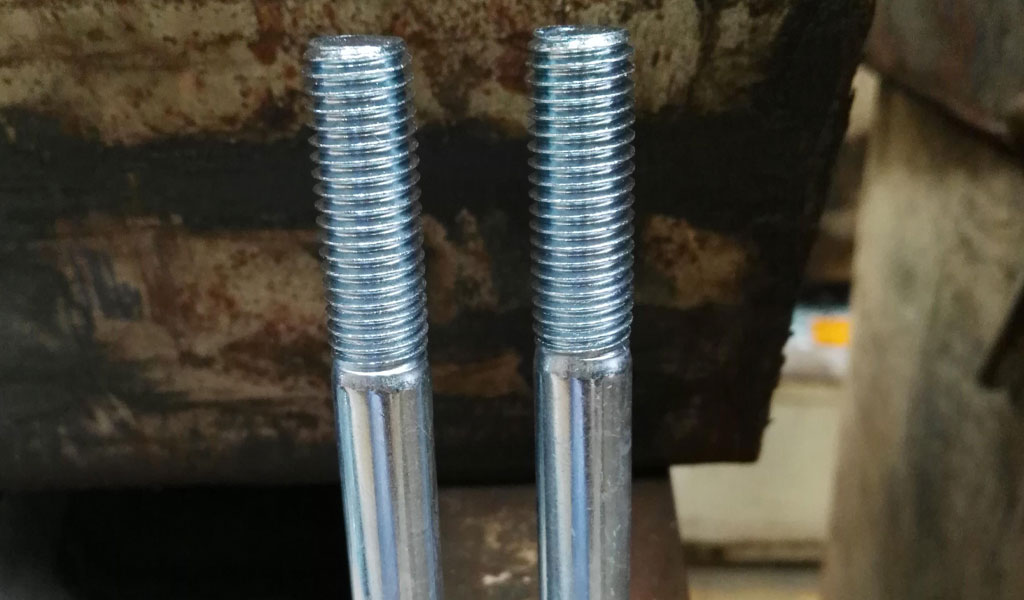
Pilot Holes for Wood Screws
Wood screws are designed specifically for fastening wood or wood-based materials, such as plywood or particleboard. They typically feature coarse threads that provide strong holding power in wood fibers and a sharp point to facilitate self-tapping.
Wood screws come in various sizes, denoted by a gauge number (e.g., #6, #8, #10), which indicates the diameter of the screw’s shank and threads.
The shank is the unthreaded portion of the screw, while the threads are the helical ridges that grip the wood. Traditional wood screws have a tapered shank, where the diameter near the head matches the outer thread diameter, while modern production screws often have a straight shank with a slightly larger diameter than the thread’s minor diameter, offering improved holding strength.
The pilot hole for a wood screw must be sized to allow the threads to engage the wood without causing excessive friction or splitting. For traditional wood screws, the pilot hole should match the shank diameter for the unthreaded portion and the root (minor) diameter for the threaded portion, often requiring a tapered drill bit. For modern production screws, a straight drill bit is typically sufficient, as the shank is uniform. The pilot hole size also varies depending on whether the wood is hardwood or softwood, as hardwoods require larger holes to reduce resistance, while softwoods may use slightly smaller holes to maximize thread engagement.
Determining Pilot Hole Size for Wood Screws
Selecting the correct drill bit size for a wood screw involves matching the bit to the screw’s shank and thread dimensions. A common rule of thumb is to choose a drill bit that is approximately the same diameter as the screw’s shank, excluding the threads, or slightly smaller for softwoods to ensure a tight fit. For hardwoods, the pilot hole should be slightly larger to reduce the risk of splitting. A practical method is to hold the screw in front of the drill bit: the bit should obscure the shank but allow the threads to be visible on both sides. If too much of the thread is visible, the bit may be too small; if the threads are barely visible, the bit may be too large.
For precise measurements, a caliper can be used to measure the shank diameter, and a drill bit slightly smaller than this measurement is selected. Pilot hole charts, such as those provided by BE-CU.com, offer standardized recommendations for common screw sizes and wood types. These charts typically specify different drill bit sizes for softwoods (e.g., pine, spruce) and hardwoods (e.g., oak, maple), reflecting the differences in wood density and compressibility.
Pilot Hole Sizing Guidelines for Wood Screws
The following table provides a detailed pilot hole drill bit size chart for standard wood screws, based on industry standards and recommendations from sources like BE-CU.com and McFeely’s. The chart includes both straight and tapered drill bit sizes for softwoods and hardwoods, ensuring compatibility with both traditional and modern wood screws.
Pilot Hole Drill Bit Size Chart for Wood Screws
| Screw Size | Shank Diameter (in) | Thread Root Diameter (in) | Softwood Pilot Hole (Straight Bit, in) | Softwood Pilot Hole (Tapered Bit, in) | Hardwood Pilot Hole (Straight Bit, in) | Hardwood Pilot Hole (Tapered Bit, in) | Countersink Size |
|---|---|---|---|---|---|---|---|
| #2 | 0.086 | 0.060 | 1/16 | 5/64 | 3/32 | 3/32 | C2 |
| #3 | 0.099 | 0.070 | 1/16 | 3/32 | 5/64 | 7/64 | C3 |
| #4 | 0.112 | 0.080 | 1/16 | 3/32 | 5/64 | 7/64 | C4 |
| #5 | 0.125 | 0.090 | 5/64 | 7/64 | 3/32 | 1/8 | C5 |
| #6 | 0.138 | 0.100 | 5/64 | 7/64 | 3/32 | 9/64 | C6 |
| #7 | 0.151 | 0.110 | 3/32 | 7/64 | 7/64 | 5/32 | C7 |
| #8 | 0.164 | 0.120 | 3/32 | 1/8 | 7/64 | 11/64 | C8 |
| #9 | 0.177 | 0.130 | 7/64 | 1/8 | 1/8 | 3/16 | C9 |
| #10 | 0.190 | 0.140 | 7/64 | 3/16 | 1/8 | 13/64 | C10 |
| #12 | 0.216 | 0.160 | 1/8 | 7/32 | 9/64 | 15/64 | C12 |
| #14 | 0.242 | 0.180 | 9/64 | 1/4 | 5/32 | 17/64 | C14 |
Notes:
- Softwood: Includes woods like pine, spruce, and cedar (American Lumber Standard Committee Groups 3 and 4). Smaller pilot holes are used to maximize thread engagement due to the wood’s lower density and greater compressibility.
- Hardwood: Includes woods like oak, maple, and walnut (American Lumber Standard Committee Group 1). Larger pilot holes are used to reduce resistance and prevent splitting.
- Straight vs. Tapered Bits: Straight bits are suitable for modern production screws with uniform shanks, while tapered bits are recommended for traditional wood screws with tapered shanks.
- Countersink Size: Refers to the countersink bit size used to create a conical recess for the screw head, ensuring a flush or recessed fit.
Best Practices for Drilling Pilot Holes in Wood
To achieve optimal results when drilling pilot holes for wood screws, the following best practices should be followed:
- Select the Correct Drill Bit: Use the pilot hole size chart to choose a drill bit that matches the screw size and wood type. For precision, measure the screw’s shank with a caliper and select a bit slightly smaller for softwoods or equal to the shank for hardwoods.
- Mark the Drilling Location: Use a pencil or awl to mark the exact spot for the pilot hole, ensuring accurate placement. This is particularly important for applications requiring precise alignment, such as furniture assembly.
- Clamp the Workpiece: Secure the wood with clamps to prevent movement during drilling, which could lead to misalignment or damage.
- Drill at a Consistent Angle: Maintain a perpendicular or specified angle while drilling to ensure the screw enters the wood correctly. A drill press can be used for high-precision applications.
- Clear Debris: Periodically lift the drill bit to remove wood shavings, preventing clogging and overheating of the bit. This also improves visibility and accuracy.
- Test the Fit: After drilling, test the screw in the pilot hole to ensure a firm fit without excessive resistance or play. If the screw is too tight, enlarge the hole slightly; if too loose, consider using a larger screw or filling the hole with a dowel and re-drilling.
- Use a Countersink if Needed: For flush or recessed screw heads, use a countersink bit to create a conical recess after drilling the pilot hole. Ensure the countersink size matches the screw head diameter.
- Adjust for Wood Type: Consider the wood’s hardness and grain orientation. For example, drilling near the end grain or edge of a board requires a slightly larger pilot hole to prevent splitting.
- Use High-Quality Drill Bits: Sharp, high-speed steel (HSS) or carbide-tipped drill bits are recommended for clean, precise holes. Dull bits can cause tear-out or irregular holes, compromising the screw’s holding strength.
- Lubricate if Necessary: In hardwoods or with softer screws (e.g., brass), applying a lubricant like beeswax or soap to the screw threads can reduce friction and prevent damage during insertion.
Considerations for Special Cases
Traditional vs. Modern Wood Screws
Traditional wood screws, with their tapered shanks, require a tapered drill bit to create a pilot hole that matches the screw’s profile. This ensures maximum thread engagement and holding strength. Modern production screws, with straight shanks, are more forgiving and can use straight drill bits, which simplify the drilling process by eliminating the need for precise depth control. However, care must be taken to avoid over-drilling, as a hole that is too deep can reduce thread engagement, while one that is too shallow can cause the screw to bind.
Softwood vs. Hardwood
Softwoods, such as pine or cedar, have lower density and greater compressibility, allowing for smaller pilot holes that maximize thread engagement. Hardwoods, such as oak or maple, are denser and require larger pilot holes to reduce the risk of splitting. The American Lumber Standard Committee classifies woods into groups based on hardness, with Group 1 (e.g., oak) being the hardest and Group 4 (e.g., cedar) the softest. Pilot hole sizes should be adjusted accordingly, with softwoods typically using a pilot hole about 15% smaller than the shank diameter and hardwoods using a hole equal to or slightly larger than the shank diameter.
Edge and End Grain Applications
When screwing into the end grain or near the edge of a board, the risk of splitting is significantly higher due to the wood’s grain orientation. In these cases, a larger pilot hole is recommended, often up to 75% of the screw’s thread diameter for hardwoods. Additionally, clamping the wood or using a backing board can help prevent tear-out during drilling.
Brass and Soft Metal Screws
Brass screws, commonly used for decorative applications, are softer than steel and more prone to stripping or breaking. To accommodate this, pilot holes for brass screws should be slightly larger than those for steel screws of the same size—typically one drill bit size larger (e.g., 7/64 inch instead of 3/32 inch for a #6 screw in softwood). This reduces the torque required to drive the screw and minimizes the risk of damage.
Common Mistakes and How to Avoid Them
- Using the Wrong Drill Bit Size: A pilot hole that is too small can cause the screw to bind, leading to splitting or screw breakage, while one that is too large reduces holding strength. Always refer to a pilot hole size chart and verify the fit with a test screw.
- Skipping the Pilot Hole: Failing to drill a pilot hole, especially in hardwoods or near edges, increases the risk of splitting or cracking the wood. Always drill a pilot hole for screws larger than #6 or in dense materials.
- Drilling Too Shallow or Too Deep: A shallow pilot hole can cause the screw to bind, while a deep hole may reduce thread engagement. Use a depth stop or tape on the drill bit to control depth, ensuring the hole is slightly longer than the screw’s threaded portion.
- Ignoring Wood Type: Failing to adjust the pilot hole size for softwood or hardwood can lead to poor performance. Always check the wood’s classification and adjust the drill bit size accordingly.
- Using Dull Drill Bits: Dull bits can cause tear-out or irregular holes, compromising the screw’s fit. Regularly sharpen or replace drill bits to ensure clean, precise holes.
- Neglecting to Clear Debris: Accumulated wood shavings can clog the drill bit, leading to overheating or inaccurate holes. Periodically lift the bit to clear debris during drilling.
Practical Applications in Woodworking
Pilot holes are indispensable in various woodworking applications, from furniture construction to cabinetry and structural framing. In furniture assembly, such as building a table or chair, pilot holes ensure precise screw placement, preventing misalignment that could weaken joints or detract from the piece’s appearance. In cabinetry, where screws are often used to secure hinges or drawer slides, pilot holes prevent splitting of thin panels or particleboard. In structural applications, such as deck building or framing, pilot holes are critical for large screws or lag bolts used to secure beams or joists, ensuring both safety and durability.
For example, when constructing a wooden deck, #10 or #12 wood screws may be used to fasten deck boards to joists. Using the pilot hole size chart, a 7/64-inch or 1/8-inch straight bit would be selected for softwood joists (e.g., pressure-treated pine), while a 13/64-inch or 15/64-inch tapered bit might be used for hardwood decking (e.g., ipe). The pilot hole ensures that the screws can be driven without splitting the wood, even near the edges of the boards, and allows for seasonal expansion and contraction of the wood.
Tools and Equipment for Drilling Pilot Holes
To drill effective pilot holes for wood screws, the following tools and equipment are recommended:
- Power Drill: A corded or cordless drill with variable speed control is essential for precise drilling. Cordless drills offer portability, while corded drills provide consistent power for large projects.
- Drill Bits: High-speed steel (HSS) or carbide-tipped drill bits are suitable for wood. Tapered bits are used for traditional wood screws, while straight bits are used for modern screws. A drill bit set with fractional sizes (e.g., 1/16 to 1/4 inch) is ideal for versatility.
- Calipers: A digital or vernier caliper is useful for measuring screw shank and thread diameters to select the precise drill bit size.
- Countersink Bits: These create a conical recess for flush or recessed screw heads, improving the aesthetic and functional quality of the joint.
- Clamps: Clamps secure the workpiece, preventing movement during drilling and ensuring accuracy.
- Depth Stop or Tape: A depth stop attachment or a piece of tape on the drill bit helps control the hole depth, preventing over-drilling.
- Safety Gear: Safety goggles and gloves protect against flying debris and ensure safe operation of the drill.
Advanced Considerations for Pilot Holes in Wood
Wood Hardness and Species
The American Lumber Standard Committee classifies wood species into four groups based on hardness, with Group 1 being the hardest (e.g., oak, maple) and Group 4 the softest (e.g., cedar, pine). Pilot hole sizes should be adjusted based on the wood’s group classification. For example, a #8 screw in Group 1 wood (hardwood) requires a 7/64-inch straight bit or 11/64-inch tapered bit, while the same screw in Group 4 wood (softwood) uses a 3/32-inch straight bit or 1/8-inch tapered bit. For aged or dried woods, such as 23-year-old Douglas fir, which may behave like a hardwood due to its low moisture content, a larger pilot hole is recommended to account for increased density.
Screw Thread Design
The thread design of wood screws affects pilot hole sizing. Coarse-thread screws, common in softwoods, require smaller pilot holes to maximize thread engagement, while fine-thread screws, used in hardwoods, require larger holes to reduce friction. Some modern screws feature hybrid threads (e.g., high-low threads) that combine coarse and fine characteristics, requiring careful selection of pilot hole size based on the manufacturer’s recommendations.
Environmental Factors
Wood’s moisture content and environmental conditions can affect pilot hole sizing. Green or wet wood may require slightly larger pilot holes due to its flexibility, while dry or seasoned wood may need smaller holes to ensure a tight fit. In outdoor applications, such as decking or exterior furniture, pilot holes also help accommodate wood expansion and contraction due to temperature and humidity changes.
Pilot Hole Depth
The depth of the pilot hole is as critical as its diameter. The hole should be slightly longer than the screw’s threaded portion to ensure full engagement without bottoming out. For screws with unthreaded shanks, a clearance hole (slightly larger than the shank diameter) may be drilled in the top piece of a multi-layer assembly to allow the screw to pull the pieces together tightly.
Pilot Holes for Sheet Metal Screws
Sheet metal screws are specialized fasteners designed to join thin metal sheets, such as those used in automotive, aerospace, electronics, and HVAC applications, or to attach metal to other materials like wood or plastic. Unlike wood screws, which have coarse threads optimized for gripping fibrous materials, sheet metal screws feature fine, sharp threads that cut into metal to form their own mating threads, a process known as self-tapping. This self-tapping capability eliminates the need for pre-threaded holes in many cases, but drilling a pilot hole is often necessary to ensure precise alignment, reduce driving torque, and prevent deformation of thin or brittle materials.
Sheet metal screws are typically made of hardened steel or stainless steel to withstand the high stresses of cutting into metal. They are available in various head styles (e.g., pan, flat, hex) and drive types (e.g., Phillips, slotted, Torx), with sizes denoted by gauge numbers (e.g., #6, #8, #10) similar to wood screws. However, their thread profiles are designed for metal, with a smaller pitch and sharper crests to maximize holding strength in dense materials. The American Society of Mechanical Engineers (ASME) standard B18.6.4 provides specifications for sheet metal screws, including thread dimensions and performance requirements.
The use of pilot holes for sheet metal screws is critical in several scenarios: when working with thin or brittle metals (e.g., aluminum or galvanized steel), when high precision is required, or when the screw must pass through multiple layers of material. A properly sized pilot hole reduces the risk of stripping the screw, deforming the metal, or creating burrs that could compromise the joint’s integrity. This section explores the principles of pilot hole sizing for sheet metal screws, provides a detailed sizing chart, and outlines best practices for their application in metalworking.
Characteristics of Sheet Metal Screws
Sheet metal screws are categorized into two main types: self-tapping (Type A, AB, B) and thread-forming (Type F, T, or thread-rolling screws). Self-tapping screws cut their own threads into the material, while thread-forming screws deform the material to create threads without removing material, making them suitable for softer metals like aluminum or brass. Both types benefit from pilot holes, particularly in applications involving high-strength metals, thin sheets, or precise alignments.
Key characteristics of sheet metal screws include:
- Thread Design: Sheet metal screws have fine threads with a high thread count (threads per inch) to maximize engagement in thin materials. The threads are sharp and closely spaced, allowing the screw to cut or form threads efficiently.
- Shank and Point: The shank is typically cylindrical, and the point is sharp to initiate thread cutting or forming. Some screws feature a blunt point (Type B) for pre-drilled holes, while others have a self-piercing point for direct insertion.
- Material: Hardened steel screws are used for steel or other hard metals, while stainless steel screws are preferred for corrosion resistance in outdoor or marine applications. Softer materials like brass or aluminum screws may be used for decorative or lightweight applications.
- Head Styles: Common head styles include pan (rounded top), flat (countersunk), and hex (for high-torque applications). The head style affects whether a countersink or counterbore is needed in addition to the pilot hole.
- Drive Types: Phillips, slotted, and Torx drives are common, with Torx offering superior torque transfer and reduced risk of cam-out (slipping of the driver).
The pilot hole for a sheet metal screw must be sized to allow the threads to engage the material without excessive resistance, which could strip the screw or deform the metal. The hole diameter is typically slightly smaller than the screw’s major diameter (the outer diameter of the threads) to ensure adequate thread engagement, typically 70–90% of the thread depth, depending on the material’s thickness and hardness.
Importance of Pilot Holes in Sheet Metal Applications
Pilot holes are essential for sheet metal screws in several scenarios:
- Thin Materials: In sheet metal thinner than 1/16 inch (1.6 mm), a pilot hole prevents deformation or buckling of the material during screw insertion. Without a pilot hole, the screw’s threads may push the metal outward, creating burrs or warping the surface.
- Hard or Brittle Metals: Materials like stainless steel, titanium, or tempered aluminum are prone to cracking or galling (surface damage due to friction) without a pilot hole. A properly sized hole reduces the torque required to drive the screw, minimizing these risks.
- Multi-Layer Assemblies: When fastening multiple sheets or attaching metal to another material (e.g., wood or plastic), a pilot hole ensures alignment and prevents misalignment or damage to the underlying material.
- High-Precision Applications: In industries like electronics or aerospace, where tolerances are tight, pilot holes ensure accurate screw placement and consistent thread engagement.
- Corrosion Resistance: In stainless steel or galvanized steel, a pilot hole reduces the risk of galling, which can compromise the material’s corrosion-resistant coating.
Without a pilot hole, self-tapping screws may struggle to penetrate hard or thick materials, leading to increased wear on the screw, overheating, or failure to form proper threads. In extreme cases, the screw may break, or the material may crack, necessitating costly repairs or rework.
Determining Pilot Hole Size for Sheet Metal Screws
The pilot hole size for a sheet metal screw depends on several factors:
- Screw Size: The gauge number (e.g., #6, #8) determines the major diameter of the screw, which serves as the reference for selecting the drill bit size. The pilot hole is typically 70–90% of the major diameter, depending on the material.
- Material Thickness: Thicker materials require larger pilot holes to reduce driving torque, while thinner materials may use smaller holes to maximize thread engagement. For materials thicker than the screw’s thread depth, a clearance hole may be needed in the top layer.
- Material Hardness: Harder materials, such as stainless steel, require larger pilot holes to reduce resistance, while softer materials like aluminum can use smaller holes for better grip.
- Screw Type: Self-tapping screws (Type A, AB, B) require slightly smaller pilot holes than thread-forming screws (Type F, T), as the latter rely on material deformation rather than cutting.
- Thread Engagement: Optimal thread engagement is typically 70–90% of the thread depth. A pilot hole that is too small may cause excessive torque, while one that is too large reduces holding strength.
A general guideline is to select a drill bit that is approximately 80% of the screw’s major diameter for steel or other hard metals and 70% for softer metals like aluminum. For example, a #8 sheet metal screw with a major diameter of approximately 0.164 inches might use a 1/8-inch (0.125-inch) drill bit for steel or a 7/64-inch (0.109-inch) bit for aluminum. Precise measurements can be obtained using a caliper to measure the screw’s major diameter, and a drill bit size chart, such as the one provided below, ensures accuracy.
Pilot Hole Drill Bit Size Chart for Sheet Metal Screws
The following table provides recommended pilot hole sizes for sheet metal screws, based on industry standards and data from sources like BE-CU.com and ASME B18.6.4. The chart includes sizes for common gauge numbers and accounts for variations in material thickness and type (steel vs. aluminum). All measurements are in inches, with metric equivalents provided where applicable.
Pilot Hole Drill Bit Size Chart for Sheet Metal Screws
| Screw Size | Major Diameter (in) | Steel Pilot Hole (in) | Steel Pilot Hole (mm) | Aluminum Pilot Hole (in) | Aluminum Pilot Hole (mm) | Recommended Drill Bit (Number/Letter) |
|---|---|---|---|---|---|---|
| #2 | 0.086 | 1/16 (0.0625) | 1.59 | 1/16 (0.0625) | 1.59 | #52 |
| #3 | 0.099 | 5/64 (0.0781) | 1.98 | 1/16 (0.0625) | 1.59 | #47 |
| #4 | 0.112 | 5/64 (0.0781) | 1.98 | 5/64 (0.0781) | 1.98 | #43 |
| #5 | 0.125 | 3/32 (0.0938) | 2.38 | 5/64 (0.0781) | 1.98 | #38 |
| #6 | 0.138 | 3/32 (0.0938) | 2.38 | 7/64 (0.1094) | 2.78 | #36 |
| #7 | 0.151 | 7/64 (0.1094) | 2.78 | 7/64 (0.1094) | 2.78 | #33 |
| #8 | 0.164 | 7/64 (0.1094) | 2.78 | 1/8 (0.1250) | 3.18 | #29 |
| #10 | 0.190 | 1/8 (0.1250) | 3.18 | 9/64 (0.1406) | 3.57 | #25 |
| #12 | 0.216 | 9/64 (0.1406) | 3.57 | 5/32 (0.1563) | 3.97 | #16 |
| #14 | 0.242 | 5/32 (0.1563) | 3.97 | 11/64 (0.1719) | 4.37 | #10 |
Notes:
- Steel: Includes mild steel, stainless steel, and galvanized steel. Pilot holes are larger to reduce torque in harder materials.
- Aluminum: Includes aluminum alloys and softer metals like brass. Smaller pilot holes are used to maximize thread engagement.
- Drill Bit Sizes: Number and letter drill bits (e.g., #29, #10) are standard in North America and correspond to precise fractional sizes. Metric equivalents are provided for international applications.
- Material Thickness: For materials thicker than 1/8 inch (3.2 mm), consider a clearance hole in the top layer to reduce resistance. For very thin materials (<1/32 inch or 0.8 mm), a smaller pilot hole or no pilot hole may be sufficient for self-piercing screws.
- Thread Engagement: Aim for 70–90% thread engagement. For critical applications, consult the screw manufacturer’s specifications.
Best Practices for Drilling Pilot Holes in Sheet Metal
To achieve optimal results when drilling pilot holes for sheet metal screws, the following best practices should be followed:
- Select the Correct Drill Bit: Use the pilot hole size chart to choose a drill bit that matches the screw size and material type. High-speed steel (HSS) or cobalt drill bits are recommended for metal, with cobalt bits preferred for stainless steel due to their heat resistance.
- Mark the Drilling Location: Use a center punch to create a small indentation at the drilling site. This prevents the drill bit from wandering on the smooth metal surface and ensures accurate placement.
- Secure the Workpiece: Clamp the sheet metal to a backing material (e.g., a wood block) to prevent vibration or deformation during drilling. This is especially important for thin sheets.
- Use a Drill Press for Precision: A drill press ensures perpendicular holes and consistent depth, which is critical for high-precision applications like electronics or aerospace assemblies.
- Apply Cutting Fluid: For hard metals like stainless steel, apply cutting oil or lubricant to the drill bit to reduce heat and friction, extending bit life and improving hole quality.
- Drill at Low Speed: Use a low RPM setting (e.g., 500–1000 RPM for steel, 1000–2000 RPM for aluminum) to prevent overheating and burr formation. High speeds can dull the bit or damage the material.
- Deburr the Hole: After drilling, use a deburring tool or countersink bit to remove sharp edges or burrs, ensuring a clean hole for screw insertion and a smooth surface finish.
- Test the Fit: Insert the screw into the pilot hole to verify fit. The screw should engage smoothly without excessive resistance or play. If the screw binds, enlarge the hole slightly; if it’s too loose, consider a larger screw.
- Use a Countersink or Counterbore if Needed: For flat-head screws, use a countersink bit to create a conical recess for a flush fit. For pan or hex heads, a counterbore may be used to create a flat-bottomed recess.
- Avoid Over-Tightening: Sheet metal screws can strip or deform the material if over-torqued. Use a torque-controlled driver or stop when the screw head is flush with the surface.
Considerations for Special Cases
Thin Sheet Metal
For sheet metal thinner than 1/32 inch (0.8 mm), such as in electronics or HVAC ducting, pilot holes may be smaller than standard or omitted entirely for self-piercing screws. However, a small pilot hole (e.g., 60% of the major diameter) can improve alignment and reduce deformation. For example, a #6 screw in 0.020-inch aluminum might use a #40 drill bit (0.098 inch) instead of the standard #36 (0.106 inch).
Hard Metals
Hard metals like stainless steel or titanium require larger pilot holes (80–90% of the major diameter) to reduce torque and prevent galling. Cobalt or carbide drill bits are recommended, and cutting fluid is essential to maintain bit sharpness and prevent work hardening of the material.
Multi-Layer Assemblies
When fastening multiple sheets or attaching metal to wood or plastic, the pilot hole in the top layer may need to be a clearance hole (equal to or slightly larger than the major diameter) to allow the screw to pass through without threading. The bottom layer should have a pilot hole sized for thread engagement. For example, a #10 screw fastening a steel sheet to wood might use a 3/16-inch clearance hole in the steel and a 9/64-inch pilot hole in the wood.
Corrosion Considerations
In corrosive environments, such as marine or outdoor applications, stainless steel screws are preferred. However, drilling pilot holes in stainless steel requires care to avoid work hardening, which can make the material brittle. Use low RPM, steady pressure, and cutting fluid, and consider a slightly larger pilot hole (e.g., 85% of the major diameter) to reduce stress.
Thread-Forming vs. Self-Tapping Screws
Thread-forming screws (Type F, T) require slightly larger pilot holes than self-tapping screws (Type A, AB, B) because they displace material rather than cut it. For example, a #8 thread-forming screw in steel might use a #27 drill bit (0.144 inch) instead of the #29 (0.136 inch) used for a self-tapping screw. Always consult the manufacturer’s specifications for thread-forming screws, as pilot hole sizes can vary significantly.
Common Mistakes and How to Avoid Them
- Using the Wrong Drill Bit Size: A pilot hole that is too small increases torque and risks stripping the screw or deforming the metal, while one that is too large reduces thread engagement. Refer to the pilot hole size chart and verify with a test screw.
- Skipping the Pilot Hole: In hard or thin metals, omitting a pilot hole can lead to deformation, cracking, or screw failure. Always drill a pilot hole unless using self-piercing screws in very thin materials.
- Drilling at High Speed: High RPM can overheat the drill bit and material, causing burrs or work hardening. Use low to moderate speeds and cutting fluid for clean, precise holes.
- Failing to Deburr: Burrs or sharp edges can interfere with screw insertion or damage the material. Always deburr holes with a deburring tool or countersink bit.
- Misaligning the Hole: Without a center punch, the drill bit may wander, leading to inaccurate screw placement. Always mark the drilling location with a center punch.
- Over-Tightening: Excessive torque can strip the threads or deform the metal. Use a torque-controlled driver or stop when the screw is secure.
Practical Applications in Metalworking
Sheet metal screws with pilot holes are used in a wide range of applications:
- Automotive: Fastening body panels, brackets, or interior components, where pilot holes ensure precise alignment and prevent damage to thin steel or aluminum sheets.
- Electronics: Securing circuit boards or enclosures, where small pilot holes (e.g., #52 for #2 screws) ensure accuracy in tight spaces.
- HVAC: Attaching ductwork or fittings, where pilot holes in galvanized steel prevent deformation and ensure airtight seals.
- Construction: Fastening metal cladding or roofing to wood or steel frames, where pilot holes accommodate multi-layer assemblies and varying material properties.
- Aerospace: Joining lightweight aluminum or titanium components, where pilot holes reduce stress and ensure high-strength, fatigue-resistant joints.
For example, in automotive assembly, a #10 sheet metal screw might be used to secure a steel bracket to a 1/16-inch aluminum panel. Using the pilot hole chart, a 1/8-inch (#25) drill bit would be selected for the steel bracket, and a 9/64-inch bit for the aluminum panel, ensuring proper thread engagement and minimal deformation.
Tools and Equipment for Drilling Pilot Holes in Sheet Metal
The following tools are recommended for drilling pilot holes in sheet metal:
- Power Drill: A variable-speed cordless or corded drill is suitable, with a drill press preferred for high-precision work.
- Drill Bits: HSS or cobalt drill bits are standard for steel and aluminum, with carbide bits used for harder materials like stainless steel. Number and letter bits (e.g., #29, #10) offer precise sizing.
- Center Punch: A spring-loaded or manual center punch creates a starting point to prevent drill bit wandering.
- Clamps: C-clamps or vise grips secure the sheet metal to prevent movement or vibration during drilling.
- Cutting Fluid: Lubricants like cutting oil or WD-40 reduce friction and heat, especially for stainless steel or thick materials.
- Deburring Tool: A handheld deburring tool or countersink bit removes burrs for a clean hole.
- Calipers: A digital caliper measures screw diameters and verifies drill bit sizes for precision.
- Safety Gear: Safety goggles, gloves, and a dust mask protect against metal shavings and debris.
Advanced Considerations for Pilot Holes in Sheet Metal
Material Thickness and Stacking
In multi-layer assemblies, the thickness of each layer affects pilot hole sizing. For example, when fastening two 1/16-inch steel sheets, the top sheet may require a clearance hole (e.g., 3/16 inch for a #10 screw), while the bottom sheet uses a pilot hole (e.g., 1/8 inch). For very thin sheets (<0.020 inch), self-piercing screws may eliminate the need for a pilot hole, but alignment must be ensured to prevent deformation.
Hole Depth and Thread Engagement
The pilot hole depth should match or slightly exceed the screw’s threaded length to ensure full engagement without bottoming out. In thick materials, a stepped hole (pilot hole in the bottom layer, clearance hole in the top) may be necessary. Thread engagement of 70–90% is ideal, but in critical applications (e.g., aerospace), engagement may be specified as a percentage of the material thickness (e.g., 1.5 times the screw diameter).
Drill Bit Wear and Maintenance
Drilling in hard metals like stainless steel accelerates bit wear, leading to dulling or overheating. Regularly inspect and sharpen HSS bits, or replace cobalt/carbide bits as needed. Use a drill bit sharpening jig for consistent results, and store bits in a protective case to prevent damage.
Environmental and Corrosion Factors
In corrosive environments, such as marine or chemical plants, stainless steel screws and materials require careful pilot hole sizing to avoid galling or stress corrosion cracking. A slightly larger pilot hole (e.g., 85% of the major diameter) and liberal use of cutting fluid can mitigate these risks.
Screw Drive and Torque Control
Modern sheet metal screws often use Torx or hex drives for better torque transfer. When drilling pilot holes, ensure the hole size complements the drive type to prevent cam-out. For example, a #8 Torx-drive screw in steel might use a #29 drill bit (0.136 inch) to balance ease of insertion with thread strength. A torque-controlled driver is recommended to prevent over-tightening, especially in thin or soft metals.
Pilot Holes for Lag Screws
Lag screws, also known as lag bolts, are robust fasteners designed for heavy-duty applications, particularly in woodworking and construction, where high-strength joints are required. These large-diameter screws are commonly used to secure wooden beams, posts, or heavy fixtures, such as in deck construction, timber framing, or mounting structural hardware. Unlike standard wood screws or sheet metal screws, lag screws are characterized by their larger size, hexagonal or square heads, and coarse threads optimized for gripping wood fibers. They are typically driven with a wrench or socket due to the high torque required, distinguishing them from screws driven by screwdrivers.
Lag screws are specified by their nominal diameter (e.g., 1/4 inch, 3/8 inch) and length, with sizes ranging from 1/4 inch to over 1 inch in diameter and up to 16 inches in length. They are usually made of steel, often with a zinc or galvanized coating for corrosion resistance, though stainless steel lag screws are used in marine or outdoor applications. The American Society of Mechanical Engineers (ASME) standard B18.2.1 provides specifications for lag screws, including thread dimensions, material properties, and performance requirements.
The use of pilot holes is critical when installing lag screws, as their large size and high driving torque can easily split wood, particularly hardwoods or when fastening near the edge or end grain. A properly sized pilot hole reduces the risk of splitting, ensures accurate placement, and facilitates easier installation by minimizing resistance. This section explores the principles of pilot hole sizing for lag screws, provides a detailed sizing chart, and outlines best practices for their application in heavy-duty woodworking and construction projects.
Characteristics of Lag Screws
Lag screws are designed for applications requiring exceptional holding strength, such as securing load-bearing components in timber structures or anchoring heavy equipment. Their key characteristics include:
- Thread Design: Lag screws have coarse, deep threads with a low thread count (threads per inch) to maximize grip in wood. The threads are sharp and widely spaced, allowing them to bite deeply into wood fibers.
- Shank and Point: The shank includes an unthreaded portion near the head, which provides structural strength, and a threaded portion that engages the wood. The point is typically blunt or slightly tapered to initiate insertion.
- Head Style: Lag screws feature hexagonal or square heads, which require a wrench, socket, or impact driver for installation. The head design allows for high torque application without cam-out, unlike slotted or Phillips drives.
- Material: Steel lag screws are common, with zinc plating for indoor use or hot-dip galvanizing for outdoor use. Stainless steel lag screws are used in corrosive environments, such as coastal areas or chemical plants.
- Sizes: Common diameters include 1/4 inch, 5/16 inch, 3/8 inch, 1/2 inch, and larger, with lengths ranging from 1 inch to 16 inches or more, depending on the application.
The pilot hole for a lag screw must accommodate both the threaded and unthreaded portions of the screw. For the threaded portion, the pilot hole is typically sized to match the screw’s root (minor) diameter, allowing the threads to engage the wood without excessive resistance. For the unthreaded shank, a clearance hole equal to or slightly larger than the shank diameter is drilled in the top piece of a multi-layer assembly to ensure tight clamping. The pilot hole size also depends on the wood type (softwood or hardwood) and the application’s structural requirements.
Importance of Pilot Holes for Lag Screws
Pilot holes are essential for lag screws due to their size and the significant mechanical stresses they impose on wood. The primary reasons for using pilot holes include:
- Prevention of Wood Splitting: Lag screws exert substantial lateral pressure on wood fibers, particularly in dense hardwoods like oak or maple. Without a pilot hole, this pressure can cause splitting or cracking, compromising the joint’s integrity.
- Reduced Driving Torque: A pilot hole reduces the force required to drive the lag screw, making installation easier, especially with hand tools or in hardwoods. This also minimizes the risk of breaking the screw or stripping the head.
- Accurate Placement: Pilot holes ensure that lag screws are inserted at the correct location and angle, which is critical for structural applications like beam connections or ledger board attachments.
- Enhanced Holding Strength: A properly sized pilot hole allows the screw’s threads to engage the wood optimally, maximizing pull-out resistance and shear strength.
- Protection of Fastener: Large lag screws, especially those made of softer materials like stainless steel, are prone to damage under high torque. A pilot hole reduces stress on the screw, preventing bending or breaking.
In structural applications, such as securing a deck ledger to a house frame, a pilot hole ensures that the lag screw can be driven without splitting the wood or misaligning the components, which could weaken the structure or violate building codes. For example, the International Residential Code (IRC) specifies pilot hole requirements for lag screws in ledger board connections to ensure safety and compliance.
Determining Pilot Hole Size for Lag Screws
The pilot hole size for a lag screw is determined by the screw’s nominal diameter, the wood type, and the application’s requirements. The general approach involves drilling two holes:
- Pilot Hole for Threaded Portion: This hole is sized to match the screw’s root diameter (the diameter at the base of the threads), typically 60–75% of the nominal diameter for softwoods and 75–90% for hardwoods. This allows the threads to cut into the wood without excessive resistance.
- Clearance Hole for Unthreaded Shank: In multi-layer assemblies, the top piece requires a clearance hole equal to or slightly larger than the nominal diameter to allow the shank to pass through freely, ensuring tight clamping between layers.
For example, a 3/8-inch lag screw has a nominal diameter of 0.375 inches and a root diameter of approximately 0.265 inches. In softwood (e.g., pine), the pilot hole for the threaded portion might be 3/16 inch (0.1875 inches), while in hardwood (e.g., oak), it might be 1/4 inch (0.250 inches). The clearance hole in the top piece would be 3/8 inch or slightly larger (e.g., 25/64 inch) to accommodate the shank.
Key factors influencing pilot hole size include:
- Wood Type: Softwoods (e.g., pine, cedar) require smaller pilot holes to maximize thread engagement, while hardwoods (e.g., oak, maple) need larger holes to prevent splitting.
- Screw Length: Longer lag screws require deeper pilot holes, typically 1/8 to 1/4 inch longer than the threaded portion to prevent bottoming out.
- Application: Structural applications, such as timber framing, may require larger pilot holes to reduce stress, while non-structural applications (e.g., mounting a shelf) may use smaller holes for maximum grip.
- Moisture Content: Wet or green wood may require slightly larger pilot holes due to its flexibility, while dry wood may need smaller holes to ensure a tight fit.
- Screw Material: Stainless steel lag screws, which are softer than galvanized steel, may require slightly larger pilot holes to reduce torque and prevent damage.
A practical method for selecting a drill bit is to measure the screw’s root diameter with a caliper and choose a bit that is slightly smaller for softwoods or equal to the root diameter for hardwoods. Industry-standard pilot hole charts, such as those provided by BE-CU.com, offer precise recommendations for common lag screw sizes.
Pilot Hole Drill Bit Size Chart for Lag Screws
The following table provides recommended pilot hole sizes for lag screws, based on industry standards and data from sources like BE-CU.com and the American Wood Council. The chart includes sizes for common lag screw diameters, with separate recommendations for softwoods and hardwoods, as well as clearance hole sizes for multi-layer assemblies. All measurements are in inches, with metric equivalents provided where applicable.
Pilot Hole Drill Bit Size Chart for Lag Screws
| Nominal Diameter (in) | Root Diameter (in) | Softwood Pilot Hole (in) | Softwood Pilot Hole (mm) | Hardwood Pilot Hole (in) | Hardwood Pilot Hole (mm) | Clearance Hole (in) | Clearance Hole (mm) | Recommended Drill Bit (Softwood/Hardwood) |
|---|---|---|---|---|---|---|---|---|
| 1/4 | 0.172 | 5/32 (0.1563) | 3.97 | 3/16 (0.1875) | 4.76 | 1/4 (0.2500) | 6.35 | 5/32 / 3/16 |
| 5/16 | 0.215 | 3/16 (0.1875) | 4.76 | 7/32 (0.2188) | 5.56 | 5/16 (0.3125) | 7.94 | 3/16 / 7/32 |
| 3/8 | 0.265 | 7/32 (0.2188) | 5.56 | 1/4 (0.2500) | 6.35 | 3/8 (0.3750) | 9.53 | 7/32 / 1/4 |
| 7/16 | 0.307 | 1/4 (0.2500) | 6.35 | 9/32 (0.2813) | 7.14 | 7/16 (0.4375) | 11.11 | 1/4 / 9/32 |
| 1/2 | 0.347 | 9/32 (0.2813) | 7.14 | 5/16 (0.3125) | 7.94 | 1/2 (0.5000) | 12.70 | 9/32 / 5/16 |
| 5/8 | 0.429 | 3/8 (0.3750) | 9.53 | 13/32 (0.4063) | 10.32 | 5/8 (0.6250) | 15.88 | 3/8 / 13/32 |
| 3/4 | 0.514 | 15/32 (0.4688) | 11.91 | 1/2 (0.5000) | 12.70 | 3/4 (0.7500) | 19.05 | 15/32 / 1/2 |
| 1 | 0.693 | 5/8 (0.6250) | 15.88 | 11/16 (0.6875) | 17.46 | 1 (1.0000) | 25.40 | 5/8 / 11/16 |
Notes:
- Softwood: Includes woods like pine, spruce, and cedar (American Lumber Standard Committee Groups 3 and 4). Smaller pilot holes maximize thread engagement due to lower density.
- Hardwood: Includes woods like oak, maple, and walnut (American Lumber Standard Committee Group 1). Larger pilot holes reduce splitting in dense wood.
- Clearance Hole: Used in the top piece of multi-layer assemblies to allow the shank to pass through freely, ensuring tight clamping. The clearance hole is typically equal to the nominal diameter or slightly larger (e.g., next fractional size up).
- Drill Bit Sizes: Fractional drill bits are standard for lag screws, with sizes corresponding to common woodworking tools. Metric equivalents are provided for international applications.
- Depth: Pilot holes should be 1/8 to 1/4 inch longer than the threaded portion of the screw to prevent bottoming out. Clearance holes should extend through the top piece only.
Best Practices for Drilling Pilot Holes for Lag Screws
To achieve optimal results when drilling pilot holes for lag screws, the following best practices should be followed:
- Select the Correct Drill Bit: Use the pilot hole size chart to choose a drill bit that matches the screw size and wood type. For the threaded portion, select a bit close to the root diameter; for the clearance hole, select a bit equal to or slightly larger than the nominal diameter.
- Mark the Drilling Location: Use a pencil or awl to mark the exact spot for the pilot hole, ensuring accurate placement. For structural applications, use a template or jig to maintain consistency across multiple holes.
- Clamp the Workpiece: Secure the wood with clamps or a vise to prevent movement during drilling, which could lead to misalignment or splitting. For large timbers, use heavy-duty clamps or a workbench.
- Drill at a Consistent Angle: Maintain a perpendicular or specified angle using a drill press or guide for precision. Misaligned holes can weaken the joint or cause the screw to bind.
- Use a Two-Step Drilling Process: For multi-layer assemblies, drill a clearance hole through the top piece first, then a pilot hole into the bottom piece. Use a depth stop or tape to control the depth of each hole.
- Clear Debris: Periodically lift the drill bit to remove wood shavings, preventing clogging and overheating. This is especially important for deep holes in hardwoods.
- Lubricate the Screw: Apply beeswax, soap, or a commercial lubricant to the lag screw threads to reduce friction, especially in hardwoods or with stainless steel screws. This minimizes torque and prevents screw damage.
- Test the Fit: Insert the lag screw partially to verify fit. The screw should engage smoothly without excessive resistance or wobble. If too tight, enlarge the pilot hole slightly; if too loose, consider a larger screw or filling the hole with a dowel and re-drilling.
- Use a Countersink or Washer: For flush installations, use a countersink bit to create a recess for the screw head. For structural applications, use a washer under the head to distribute load and prevent wood damage.
- Follow Building Codes: In structural applications, ensure compliance with codes like the International Residential Code (IRC) or American Wood Council standards, which may specify pilot hole sizes, spacing, and edge distances.
Considerations for Special Cases
Hardwood vs. Softwood
Hardwoods, such as oak or maple, require larger pilot holes (75–90% of the root diameter) to prevent splitting due to their density. For example, a 1/2-inch lag screw in oak might use a 5/16-inch pilot hole, while in pine, a 9/32-inch hole is sufficient. The American Lumber Standard Committee classifies woods by hardness, with Group 1 (hardwoods) requiring larger holes than Group 4 (softwoods).
Edge and End Grain Applications
Drilling near the edge or end grain of wood increases the risk of splitting, especially with large lag screws. Use a pilot hole at the upper end of the recommended size range (e.g., 90% of the root diameter) and consider clamping or using a backing board to support the wood. The IRC recommends a minimum edge distance of 4 times the screw diameter (e.g., 1.5 inches for a 3/8-inch screw) to prevent splitting.
Long Lag Screws
For lag screws longer than 6 inches, ensure the pilot hole is deep enough to accommodate the entire threaded portion plus an additional 1/8 to 1/4 inch. Deep holes may require a long drill bit or an extension. Verify that the drill bit remains sharp, as dull bits can cause irregular holes in long timbers.
Stainless Steel Lag Screws
Stainless steel lag screws are softer than galvanized steel and more prone to galling or breaking under high torque. Use a slightly larger pilot hole (e.g., 85–90% of the root diameter) and lubricate the threads generously to reduce friction. For example, a 3/8-inch stainless steel lag screw in hardwood might use a 17/64-inch pilot hole instead of 1/4-inch.
Wet or Green Wood
In wet or green wood, which is more flexible but prone to shrinkage, use a pilot hole at the larger end of the recommended range to accommodate potential splitting during drying. For example, a 3/8-inch lag screw in green Douglas fir might use a 1/4-inch pilot hole, even in softwood applications.
Common Mistakes and How to Avoid Them
- Using the Wrong Pilot Hole Size: A pilot hole that is too small can split the wood or break the screw, while one that is too large reduces holding strength. Always refer to the pilot hole size chart and verify with a test screw.
- Skipping the Pilot Hole: Omitting a pilot hole for lag screws almost guarantees splitting, especially in hardwoods or near edges. Always drill a pilot hole for lag screws, regardless of wood type.
- Drilling Too Shallow: A shallow pilot hole causes the screw to bind or bottom out, increasing torque and risk of damage. Ensure the hole is deeper than the threaded portion.
- Ignoring Clearance Holes: In multi-layer assemblies, failing to drill a clearance hole in the top piece can prevent tight clamping. Always use a clearance hole equal to the nominal diameter.
- Over-Tightening: Excessive torque can strip the screw head or crush the wood. Use a torque wrench or stop when the screw head is flush with a washer.
- Misaligning the Hole: Drilling at an incorrect angle can weaken the joint or cause misalignment. Use a drill guide or press for precision.
Practical Applications in Construction and Woodworking
Lag screws with pilot holes are used in numerous heavy-duty applications:
- Deck Construction: Securing ledger boards, joists, or posts, where pilot holes prevent splitting and ensure compliance with building codes (e.g., IRC R507 for decks).
- Timber Framing: Joining beams or columns in post-and-beam construction, where large lag screws (e.g., 1/2 inch or 5/8 inch) provide high shear strength.
- Furniture and Heavy Fixtures: Mounting shelves, brackets, or hardware to wooden studs, where pilot holes ensure precision and prevent damage to decorative woods.
- Structural Repairs: Reinforcing cracked beams or posts, where pilot holes allow lag screws to pull components together without further damage.
- Outdoor Structures: Building pergolas, gazebos, or fences, where galvanized or stainless steel lag screws resist corrosion, and pilot holes accommodate wood movement.
For example, in deck construction, a 1/2-inch lag screw might be used to attach a ledger board to a house’s rim joist. Using the pilot hole chart, a 5/16-inch pilot hole would be drilled in the hardwood rim joist, and a 1/2-inch clearance hole through the ledger board, ensuring a secure, code-compliant connection.
Tools and Equipment for Drilling Pilot Holes for Lag Screws
The following tools are recommended for drilling pilot holes for lag screws:
- Power Drill or Drill Press: A high-torque corded drill or drill press is ideal for large-diameter holes in hardwoods. Cordless drills with high voltage (e.g., 18V) are suitable for smaller projects.
- Drill Bits: High-speed steel (HSS) or carbide-tipped bits are used for wood. Long bits or extensions are needed for deep holes in thick timbers.
- Calipers: A digital caliper measures screw diameters to select the precise drill bit size.
- Clamps: Heavy-duty clamps or a workbench secure large timbers during drilling.
- Depth Stop or Tape: A depth stop or tape on the drill bit controls hole depth to prevent over-drilling.
- Lubricant: Beeswax or soap lubricates screw threads, reducing torque and wear.
- Wrenches or Sockets: A ratchet wrench, socket set, or impact driver installs lag screws, with a torque wrench recommended for structural applications.
- Safety Gear: Safety goggles, gloves, and ear protection guard against debris and noise.
Advanced Considerations for Pilot Holes in Lag Screws
Wood Hardness and Species
The American Lumber Standard Committee classifies wood species by hardness, affecting pilot hole size. For example, a 3/8-inch lag screw in Group 1 hardwood (e.g., oak) requires a 1/4-inch pilot hole, while in Group 4 softwood (e.g., pine), a 7/32-inch hole is sufficient. For aged or kiln-dried wood, which may be denser, use a slightly larger pilot hole.
Screw Length and Depth
Long lag screws (e.g., 8 inches or more) require deep pilot holes to prevent binding. For example, a 12-inch lag screw with 6 inches of threads needs a pilot hole at least 6-1/4 inches deep. In multi-layer assemblies, the clearance hole in the top piece should match the unthreaded shank length to ensure proper clamping.
Structural Codes and Standards
In structural applications, pilot hole sizes, screw spacing, and edge distances must comply with standards like the IRC or the National Design Specification (NDS) for Wood Construction. For example, the NDS recommends a minimum edge distance of 4 times the screw diameter and a pilot hole diameter of 70–90% of the root diameter for optimal performance.
Environmental Factors
In outdoor applications, wood movement due to moisture and temperature changes affects pilot hole sizing. Use slightly larger pilot holes in wet environments to accommodate expansion, and ensure galvanized or stainless steel screws are used to resist corrosion.
Torque and Installation
Lag screws require significant torque, which can stress both the screw and the wood. A pilot hole reduces torque by 20–30%, according to engineering studies, extending screw life and preventing wood damage. Use a torque wrench to apply consistent force, especially in structural joints.
Comparative Analysis of Pilot Holes for Wood Screws, Sheet Metal Screws, and Lag Screws
The use of pilot holes is a critical aspect of fastener installation across various materials and applications, including woodworking, metalworking, and heavy-duty construction. Parts 1, 2, and 3 of this article have explored pilot hole requirements for wood screws, sheet metal screws, and lag screws, respectively, providing detailed sizing charts and best practices for each. This fourth part synthesizes these findings into a comparative analysis, highlighting the similarities, differences, and material-specific considerations for pilot holes across these fastener types. By examining the mechanical principles, material interactions, and industry standards, this section aims to provide a comprehensive resource for engineers, craftsmen, and builders seeking to optimize fastener performance. Additionally, it addresses advanced techniques, common challenges, and emerging trends in pilot hole applications, ensuring a thorough understanding of this essential fastening technique.
Pilot holes serve a universal purpose: to guide fasteners, reduce installation stress, and enhance joint strength. However, the specific requirements for pilot holes vary significantly depending on the fastener type and material. Wood screws require pilot holes to prevent splitting in fibrous materials, sheet metal screws need them to ensure thread engagement in dense metals, and lag screws demand them to handle the high torque of heavy-duty applications. This comparative analysis draws on standards from organizations like the American Society of Mechanical Engineers (ASME), the American Wood Council (AWC), and the International Residential Code (IRC), as well as practical insights from sources like BE-CU.com, to provide a unified framework for pilot hole sizing and application.
Comparative Overview of Fastener Types
Wood Screws
Wood screws are designed for fastening wood or wood-based materials, featuring coarse threads and a sharp point for self-tapping. They range in size from #2 to #14, with shank diameters of 0.086 to 0.242 inches. Pilot holes for wood screws are sized to match the shank diameter for the unthreaded portion and the root diameter for the threaded portion, typically 70–85% of the shank diameter for softwoods and 85–100% for hardwoods. The primary goal is to prevent splitting while maximizing thread engagement, with tapered drill bits used for traditional screws and straight bits for modern production screws.
Sheet Metal Screws
Sheet metal screws are engineered for joining thin metal sheets or attaching metal to other materials, with fine threads and self-tapping or thread-forming capabilities. They range from #2 to #14, with major diameters of 0.086 to 0.242 inches. Pilot holes are sized at 70–90% of the major diameter, depending on the material’s hardness (e.g., steel vs. aluminum) and thickness. The focus is on reducing driving torque, preventing deformation, and ensuring precise thread engagement, particularly in thin or brittle metals.
Lag Screws
Lag screws, or lag bolts, are large-diameter fasteners for heavy-duty wood applications, with nominal diameters from 1/4 to 1 inch and coarse threads for strong grip. Pilot holes are sized at 60–75% of the root diameter for softwoods and 75–90% for hardwoods, with clearance holes for the unthreaded shank in multi-layer assemblies. The emphasis is on preventing splitting, reducing torque, and ensuring structural integrity in applications like timber framing or deck construction.
Key Differences in Pilot Hole Requirements
The following table summarizes the key differences in pilot hole requirements across wood screws, sheet metal screws, and lag screws, highlighting material, sizing, and application considerations.
Comparative Pilot Hole Requirements
| Aspect | Wood Screws | Sheet Metal Screws | Lag Screws |
|---|---|---|---|
| Primary Material | Wood (softwood, hardwood, plywood, particleboard) | Metal (steel, aluminum, stainless steel, brass) | Wood (softwood, hardwood, treated lumber) |
| Screw Size Range | #2 to #14 (0.086–0.242 in) | #2 to #14 (0.086–0.242 in) | 1/4 to 1 in (0.250–1.000 in) |
| Thread Type | Coarse, self-tapping | Fine, self-tapping or thread-forming | Coarse, self-tapping |
| Pilot Hole Sizing (Softwood/Metal) | 70–85% of shank diameter (e.g., 3/32 in for #8 softwood) | 70–80% of major diameter (e.g., 7/64 in for #8 in aluminum) | 60–75% of root diameter (e.g., 7/32 in for 3/8 in softwood) |
| Pilot Hole Sizing (Hardwood/Steel) | 85–100% of shank diameter (e.g., 7/64 in for #8 hardwood) | 80–90% of major diameter (e.g., 1/8 in for #8 in steel) | 75–90% of root diameter (e.g., 1/4 in for 3/8 in hardwood) |
| Clearance Hole | Optional for multi-layer assemblies (equal to shank diameter) | Often required for top layer (equal to major diameter) | Required for top layer (equal to nominal diameter) |
| Drill Bit Type | Straight or tapered (for traditional screws) | Straight (HSS or cobalt for metal) | Straight (HSS or carbide for wood) |
| Primary Purpose | Prevent splitting, ensure thread engagement | Reduce torque, prevent deformation, ensure thread engagement | Prevent splitting, reduce torque, ensure structural integrity |
| Typical Applications | Furniture, cabinetry, general woodworking | Automotive, electronics, HVAC, metal cladding | Deck construction, timber framing, structural anchoring |
| Torque Considerations | Moderate torque, manual or power screwdriver | Low to moderate torque, power screwdriver or drill | High torque, wrench or impact driver |
| Standards | ASME B18.6.1, AWC recommendations | ASME B18.6.4, industry standards for metalworking | ASME B18.2.1, IRC, NDS for structural wood applications |
Material Interactions and Pilot Hole Design
Wood Screws in Wood
Wood’s fibrous structure makes it prone to splitting, especially in hardwoods or near edges. Pilot holes reduce lateral stress on wood fibers, allowing threads to engage without fracturing the material. Softwoods (e.g., pine, cedar) have lower density, permitting smaller pilot holes (70–85% of shank diameter) for maximum grip, while hardwoods (e.g., oak, maple) require larger holes (85–100%) to minimize resistance. The American Lumber Standard Committee classifies woods by hardness, influencing pilot hole size. For example, a #8 wood screw in cedar (Group 4) uses a 3/32-inch pilot hole, while in oak (Group 1), a 7/64-inch hole is recommended.
Sheet Metal Screws in Metal
Metals are denser and less forgiving than wood, requiring precise pilot holes to prevent deformation or thread stripping. Steel and stainless steel demand larger pilot holes (80–90% of major diameter) to reduce torque, while softer metals like aluminum or brass use smaller holes (70–80%) for better thread engagement. Thin sheets (<1/16 inch) may deform without a pilot hole, while thicker materials (>1/8 inch) require clearance holes in multi-layer assemblies. For example, a #10 sheet metal screw in 1/16-inch steel uses a 1/8-inch pilot hole, but in aluminum, a 9/64-inch hole is sufficient.
Lag Screws in Wood
Lag screws exert significant lateral and shear forces due to their size and coarse threads, making pilot holes critical to prevent splitting, especially in hardwoods or near end grain. Pilot holes are sized at 60–75% of the root diameter for softwoods and 75–90% for hardwoods, with clearance holes for the shank in multi-layer assemblies. For example, a 1/2-inch lag screw in pine uses a 9/32-inch pilot hole, while in oak, a 5/16-inch hole is needed. The IRC specifies minimum edge distances (e.g., 4 times the screw diameter) to ensure structural integrity.
Advanced Techniques and Considerations
Multi-Material Fastening
In applications where fasteners join different materials (e.g., metal to wood or wood to concrete with anchors), pilot hole sizing must account for each material’s properties. For example, a sheet metal screw attaching a steel bracket to a wooden stud requires a clearance hole in the steel (e.g., 3/16 inch for a #10 screw) and a pilot hole in the wood (e.g., 1/8 inch for softwood). Similarly, a lag screw anchoring a wooden beam to a metal plate needs a clearance hole in the plate and a pilot hole in the wood. These hybrid applications require careful coordination of hole sizes to ensure tight clamping and structural integrity.
Thread Engagement Optimization
Thread engagement—the percentage of the screw’s thread depth that engages the material—varies by fastener and material. Wood screws aim for 70–90% engagement, sheet metal screws target 70–90%, and lag screws require 60–90%, depending on wood hardness. Insufficient engagement reduces holding strength, while excessive engagement increases torque and risk of damage. For critical applications, such as aerospace or structural engineering, thread engagement can be calculated using formulas like:
[ \text{Thread Engagement} (%) = \left( \frac{\text{Pilot Hole Diameter}}{\text{Major or Root Diameter}} \right) \times 100 ]
For example, a #8 sheet metal screw with a 0.164-inch major diameter and a 7/64-inch (0.1094-inch) pilot hole in steel has approximately 66.7% thread engagement, which is slightly below optimal but acceptable for thin materials.
Environmental and Durability Factors
Environmental conditions affect pilot hole sizing and fastener performance. In wood, moisture content influences hole size: wet wood requires larger pilot holes to accommodate expansion, while dry wood needs smaller holes for a tight fit. For sheet metal screws, corrosion-resistant coatings (e.g., galvanized or stainless steel) require larger pilot holes to prevent galling. Lag screws in outdoor applications, such as decks, must account for wood movement and use corrosion-resistant materials, with pilot holes sized to accommodate seasonal expansion (e.g., 85–90% of root diameter in wet conditions).
Automation and Precision Drilling
Modern manufacturing and construction increasingly rely on automated drilling systems, such as CNC machines or robotic arms, to create pilot holes with high precision. These systems use digital calipers and laser-guided drills to ensure accurate hole size and alignment, critical for high-volume production or structural applications. For example, in timber framing, CNC machines can drill pilot holes for 1/2-inch lag screws with exact 5/16-inch diameters and 6-inch depths, ensuring compliance with NDS standards.
Emerging Trends
Advancements in fastener technology are influencing pilot hole practices. Self-drilling sheet metal screws, which incorporate a drill-bit-like tip, reduce the need for pilot holes in thin metals but still benefit from them in thicker or harder materials. Hybrid screws, combining wood and metal thread profiles, require customized pilot hole sizes based on manufacturer specifications. Additionally, sustainable materials like engineered wood (e.g., cross-laminated timber) and recycled metals are gaining popularity, necessitating updated pilot hole guidelines to account for their unique properties.
Common Challenges and Solutions
- Incorrect Hole Sizing: Using a pilot hole that is too small or large compromises joint strength. Solution: Refer to standardized charts and measure screw dimensions with a caliper.
- Material Damage: Splitting wood or deforming metal can occur without proper pilot holes. Solution: Adjust hole size based on material hardness and use clamps to stabilize the workpiece.
- Misalignment: Inaccurate hole placement weakens joints. Solution: Use a center punch for metal or an awl for wood, and employ a drill press or guide for precision.
- Over-Tightening: Excessive torque strips screws or damages materials. Solution: Use torque-controlled drivers or wrenches, especially for lag screws.
- Drill Bit Wear: Dull bits cause irregular holes or overheating. Solution: Use HSS or cobalt bits for metal, carbide for wood, and sharpen or replace regularly.
Industry Standards and Guidelines
- Wood Screws: ASME B18.6.1 and AWC recommendations specify pilot hole sizes based on screw gauge and wood type, emphasizing thread engagement and splitting prevention.
- Sheet Metal Screws: ASME B18.6.4 provides guidelines for self-tapping and thread-forming screws, with pilot hole sizes based on major diameter and material thickness.
- Lag Screws: ASME B18.2.1, IRC, and NDS standards dictate pilot hole sizes, edge distances, and spacing for structural applications, ensuring safety and compliance.
Practical Applications Across Industries
- Construction: Lag screws with pilot holes secure deck ledgers and timber frames, while wood screws fasten subflooring and drywall. Sheet metal screws attach cladding or HVAC components.
- Furniture Making: Wood screws with pilot holes ensure precise joints in chairs, tables, or cabinets, avoiding splitting in hardwoods like cherry or walnut.
- Automotive and Aerospace: Sheet metal screws with pilot holes fasten panels or brackets, ensuring durability in high-vibration environments.
- Marine Applications: Stainless steel lag screws and sheet metal screws with pilot holes resist corrosion in boatbuilding, with larger holes to prevent galling.
The Detail Of BE-CU Sheet Metal Company
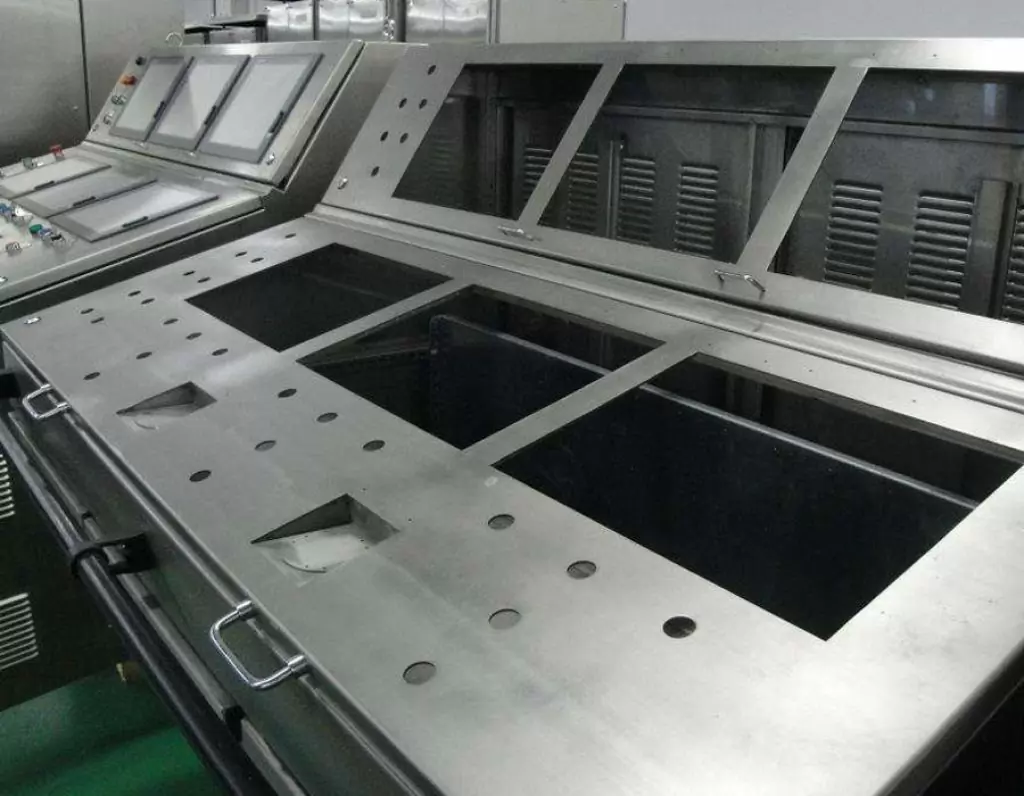
BE-CU is a professional and technical enterprise engaged in sheet metal fabrication, with over 2000 m2 sheet metal workshop and has one-stop service of industrial automation R&D, production, processing and sales.Custom manufacturer of sheet metal component assemblies made from stainless steel, aluminum and carbon steel. Offered in different specifications and features.Markets served include aerospace, lighting, medical, defense, semiconductor/electronics, capacitor, chemical processing and energy.Capable of maintaining dimensional tolerance up to +/-0.005 in. Capabilities include contract manufacturing, fabrication, machining, bending, milling, cutting, forming, drilling, fitting, assembly, notching, punching, rolling, turning, CNC press braking, flame and high definition plasma cutting, saw cutting, shearing, prototyping, high volume, short run and long run production and MIG, TIG and arc welding. Secondary services include Blanchard grinding, galvanizing and painting.
-
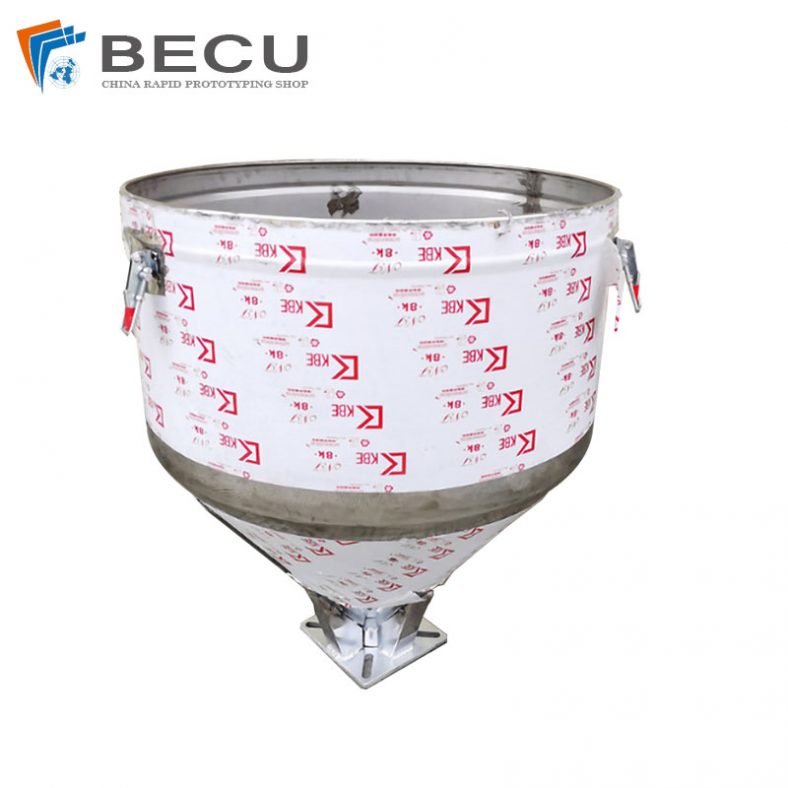
Sheet Metal Fabrication Injection Molding Machine Hopper
-
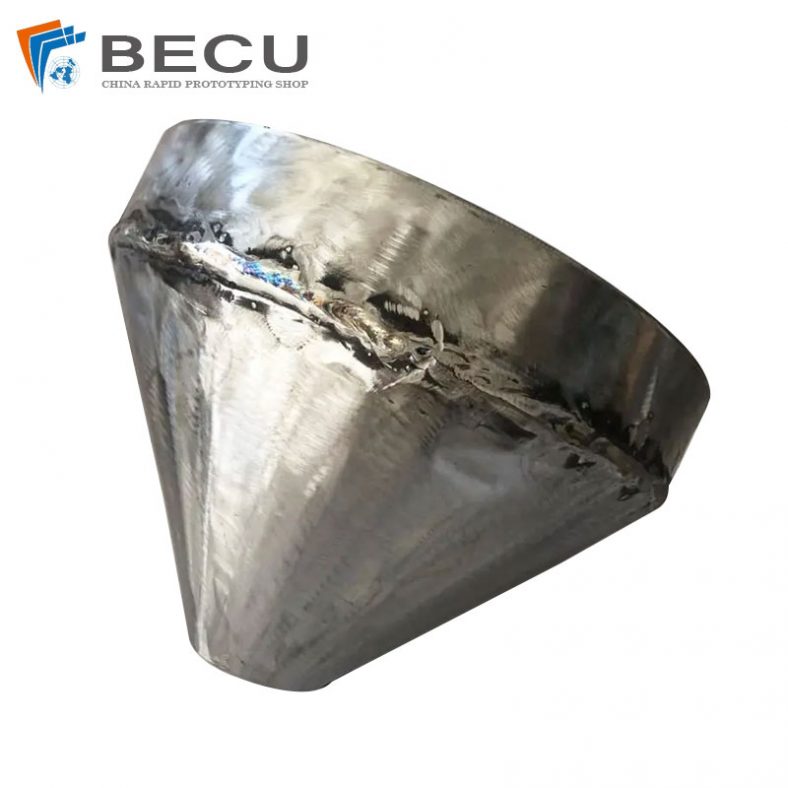
Sheet Metal Fabrication Funnel For Agricultural Machinery
-
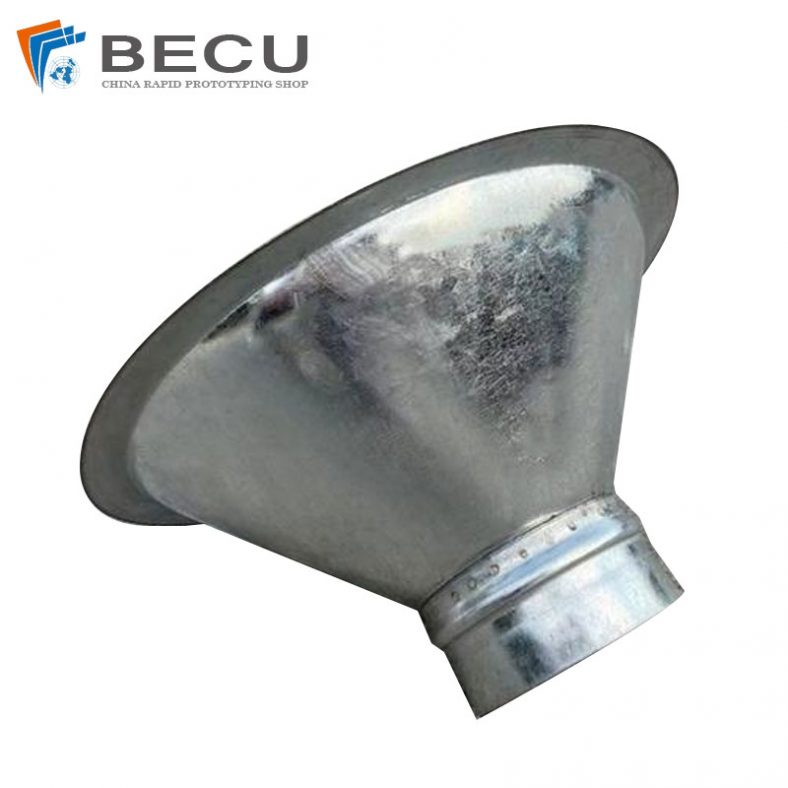
Sheet Metal Fabrication Galvanized Spiral Air Duct
-
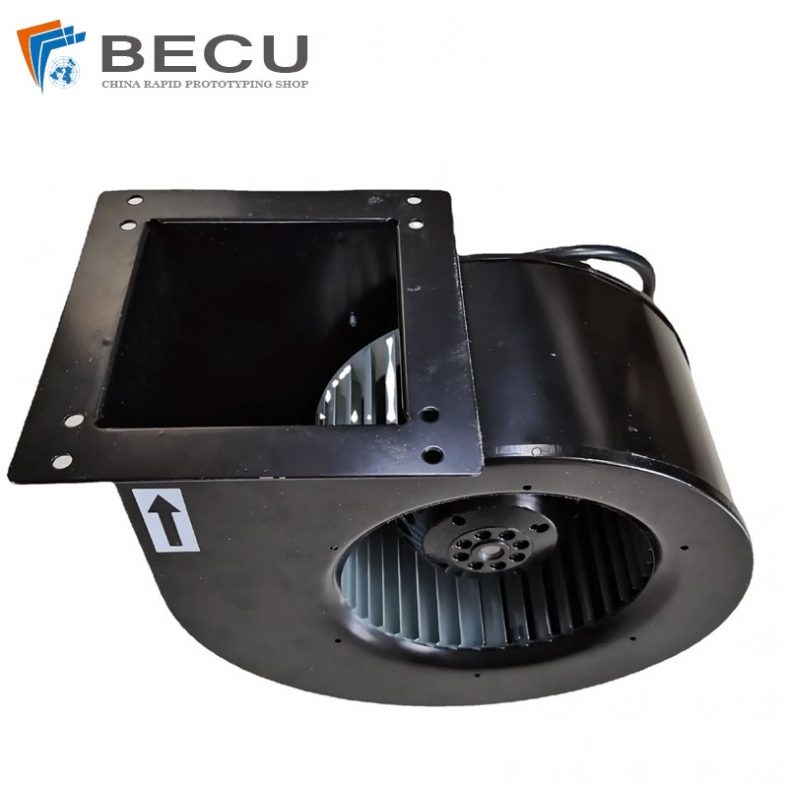
PCS Fan Ductwork Sheet Metal Housing
-
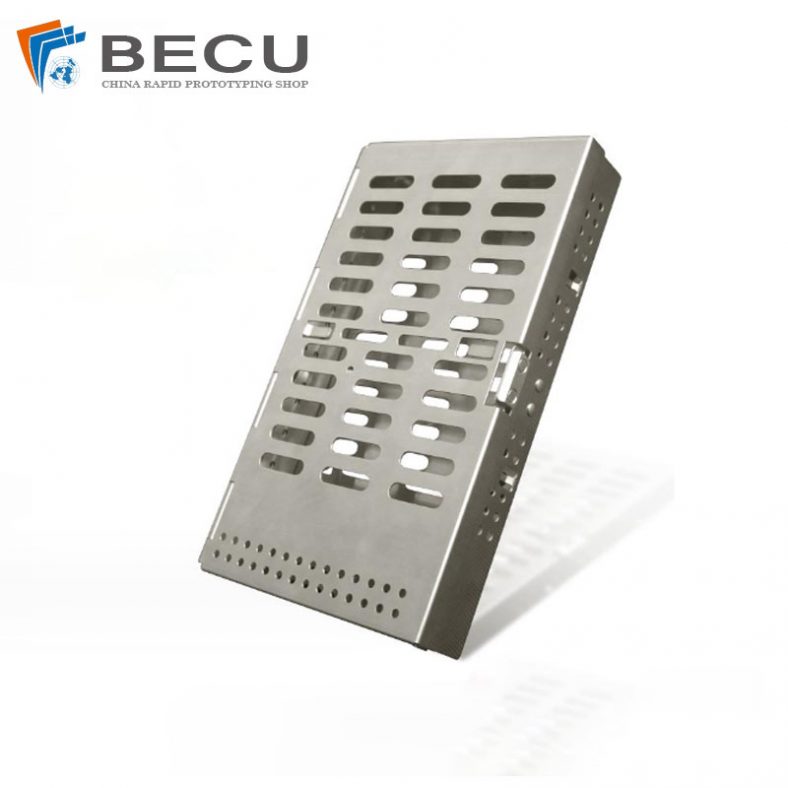
Custom Sheet Metal Surgical Instrument Sterilization Box For Beauty Salon
-

Precision Fabrication Green Energy EV Charging Station Cabinet
-
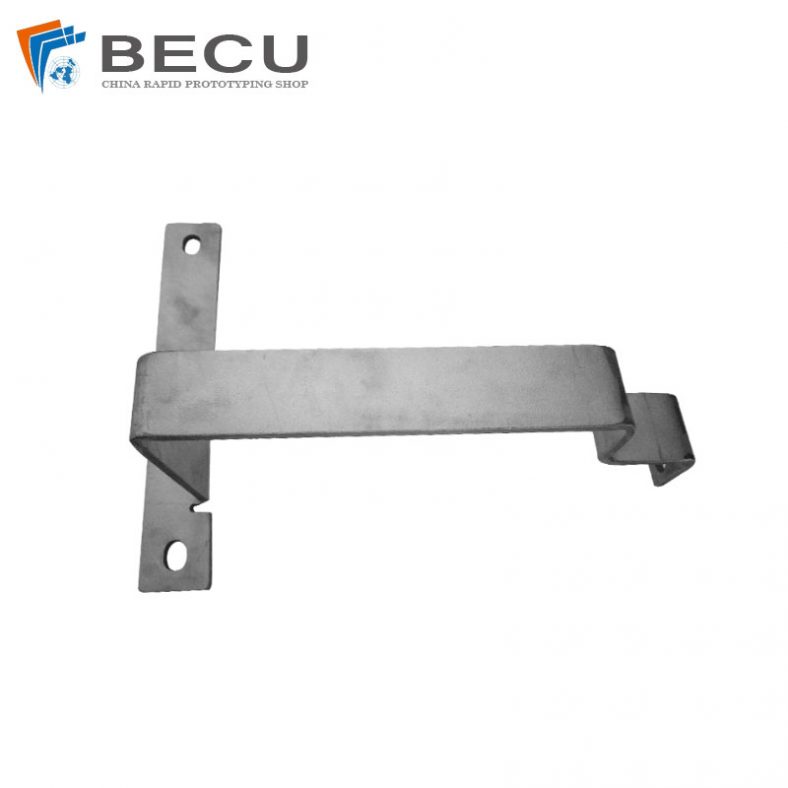
TA1TA2 Alloy Sheet Metal Manufacturing Machinery Support Parts
-
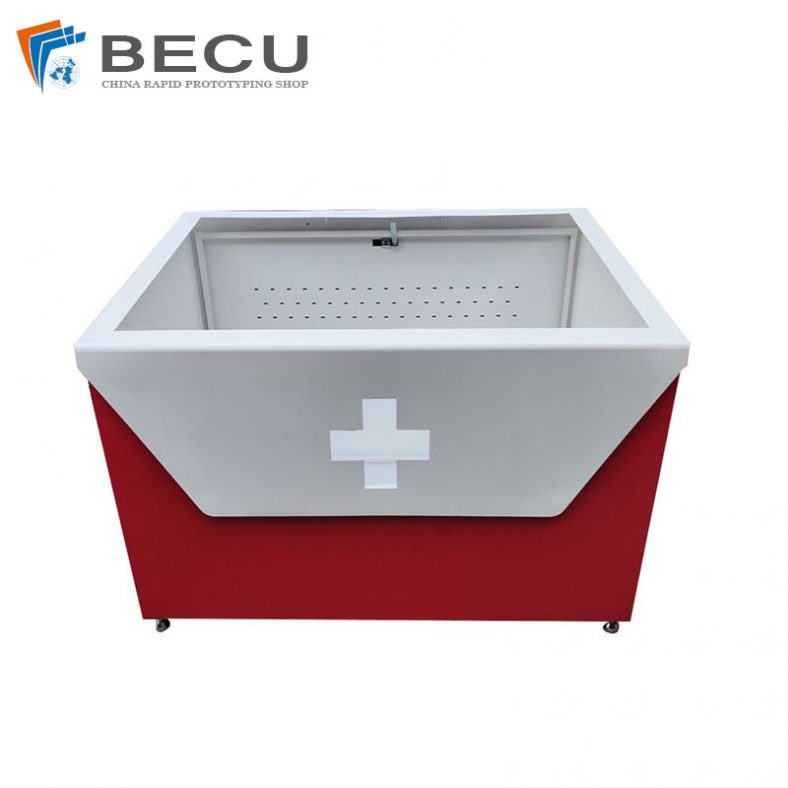
Sheet Metal Fabrication Aluminum 5052 Medical Box For Fire Fighting