
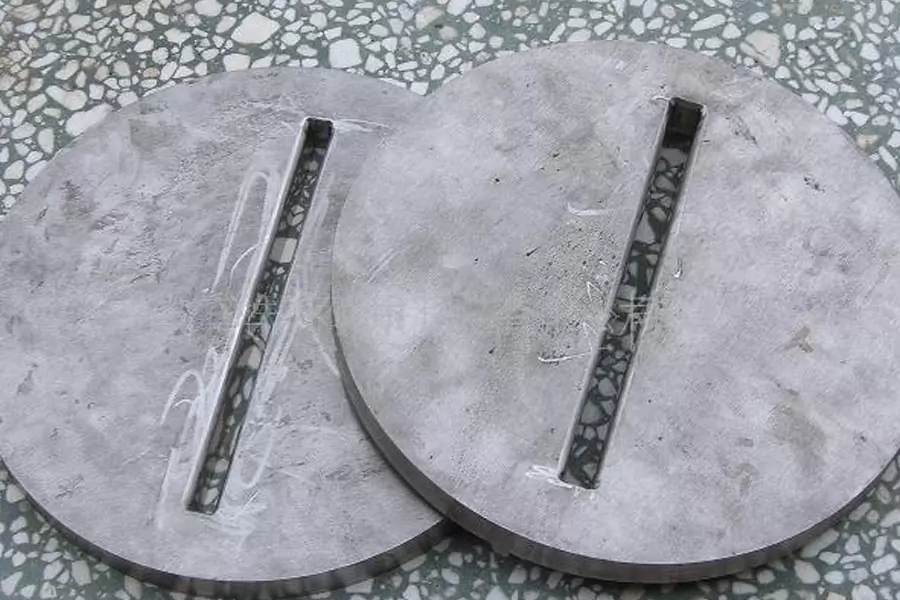
Continuous casting is a crucial process in the production of steel, enabling the transformation of molten metal into solid forms with desirable properties. However, this process is not without challenges, one of the most significant being the formation of transverse cracks, particularly in sub-peritectic steel. These cracks can severely affect the mechanical properties of the final product, leading to economic losses and operational inefficiencies.
Sub-peritectic steel, characterized by its composition and phase transformation behavior, presents unique challenges during the solidification phase of continuous casting.
The corner regions of continuously cast slabs are particularly susceptible to transverse cracking due to a combination of thermal stresses, material properties, and the casting environment. Understanding and controlling these factors is critical for improving product quality and yield.
This article aims to provide an in-depth analysis of the research conducted on the control of transverse cracks in the corners of sub-peritectic steel during continuous casting. It will explore the mechanisms of crack formation, the impact of casting parameters, and the advancements in technology and methodologies designed to mitigate these issues. By synthesizing current knowledge and research findings, this article seeks to contribute to the ongoing efforts to enhance the efficiency and effectiveness of continuous casting processes.
1. Background of Continuous Casting
1.1 Overview of Continuous Casting Process
The continuous casting process involves pouring molten steel into a mold where it solidifies into a semi-finished shape, such as slabs, blooms, or billets. The primary objective is to produce a uniform product with minimal defects.
1.2 Importance of Steel Quality
Steel quality is paramount in various applications, particularly in industries such as automotive, construction, and aerospace. Any defects, such as transverse cracks, can compromise the integrity of the final product.
2. Sub-Peritectic Steel
2.1 Definition and Composition
Sub-peritectic steel refers to steel compositions that undergo specific phase transformations during solidification. These steels typically contain varying amounts of carbon and other alloying elements, influencing their solidification behavior.
2.2 Phase Transformation Mechanisms
Understanding the phase transformation mechanisms is crucial for predicting and controlling the occurrence of transverse cracks.
3. Mechanisms of Transverse Crack Formation
3.1 Thermal Stresses
Thermal stresses arise due to the temperature gradient between the solid and liquid phases during solidification. These stresses can lead to crack initiation and propagation.
3.2 Mechanical Properties
The mechanical properties of the steel, including yield strength and ductility, play a significant role in crack susceptibility.
3.3 Microstructural Factors
Microstructural characteristics, such as grain size and distribution, influence the material’s response to stress and strain during cooling.
4. Factors Influencing Transverse Cracking
4.1 Casting Speed
The speed of the casting process affects the cooling rate and thermal gradients, influencing the likelihood of crack formation.
4.2 Mold Design
The design of the mold, including its material and cooling properties, significantly impacts the solidification process.
4.3 Alloying Elements
The addition of specific alloying elements can modify the solidification behavior and mechanical properties of sub-peritectic steel, affecting crack formation.
5. Research Methodologies
5.1 Experimental Approaches
Various experimental techniques have been employed to study the mechanisms of transverse cracking in sub-peritectic steel. This section will detail methods such as thermal analysis, mechanical testing, and microstructural examination.
5.2 Numerical Simulations
Computational modeling has become an essential tool for predicting crack formation. This section will discuss the use of finite element analysis and other simulation techniques.
6. Mitigation Strategies
6.1 Process Optimization
Optimizing casting parameters, such as temperature and speed, is critical for reducing the risk of transverse cracking.
6.2 Advanced Mold Materials
The use of advanced mold materials with enhanced thermal properties can improve heat transfer and reduce thermal stress concentrations.
6.3 Alloy Development
Research into new alloy compositions that minimize the risk of cracking is ongoing. This section will explore recent advancements in alloy technology.
7. Case Studies
7.1 Industry Applications
This section will present case studies from industry leaders who have successfully implemented strategies to control transverse cracking in sub-peritectic steel continuous casting.
7.2 Lessons Learned
Key takeaways from these case studies will provide valuable insights for future research and industrial practices.
8. Conclusion
Summarizing the importance of controlling transverse cracking in sub-peritectic steel, this section will highlight the ongoing research efforts and the need for continued innovation in continuous casting technologies.
Steel grades with a carbon mass fraction of 0.09% to 0.16% are called sub-peritectic steels. In the continuous casting process, molten steel undergoes a series of phase transformation, crystallization and other processes, especially when the carbon content of the steel is in the peritectic reaction zone, due to the occurrence of the peritectic reaction, the liquid phase and the delta phase almost disappear and transform into Austenite causes larger volume shrinkage, increases the gap between the casting slab and the mold, and increases the thermal resistance accordingly. Due to the uneven heat transfer, the thickness of the solidified shell is also uneven. Under the action of thermal stress, friction, and hydrostatic pressure of steel, the crack sensitivity is greatly increased, and when the value of these stresses is greater than the maximum that the shell surface can withstand Under stress, cracks will begin to occur on the surface of the cast slab, and the transverse cracks at the corners are particularly prominent.
In order to improve the surface quality of the sub-peritectic steel continuous casting slab, scholars at the University of Science and Technology Beijing used low-power microscopic observation and simulation to study the formation mechanism of the transverse cracks at the corners of the sub-peritectic steel continuous casting slab.
Different steel grades have different structures near the transverse cracks at the corners. The structure near the cracks of steel grades with a carbon content of 0.15% is uniform ferrite + pearlite
The cracks of the steel with 0.093% carbon mass fraction mainly occur on the intergranular proeutectoid ferrite film with a thickness of about 50μm, and the crack occurrence rate of the latter is about 3 times that of the former;
The carbon content has a fundamental impact on the plasticity of steel grades, thus affecting the occurrence of corner transverse cracks. Industrial test results show that when the carbon mass fraction is less than 0.1%, the carbon mass fraction is reduced to 0.07%, and the corner transverse cracks occur. The rate can be reduced from 44% to about 4%.
The optimization results of the secondary cooling numerical simulation show that the optimized cooling scheme of the weak cooling mode before the bending section and the strong cooling mode of the inner arc after the bending section can ensure that the temperature of the inner and outer arc corners of the continuous casting slab avoids the third brittle zone and optimizes the crack after optimization. The number and length are greatly reduced, and the occurrence of corner transverse cracks can be well controlled.
The Detail Of BE-CU Die Casting Company
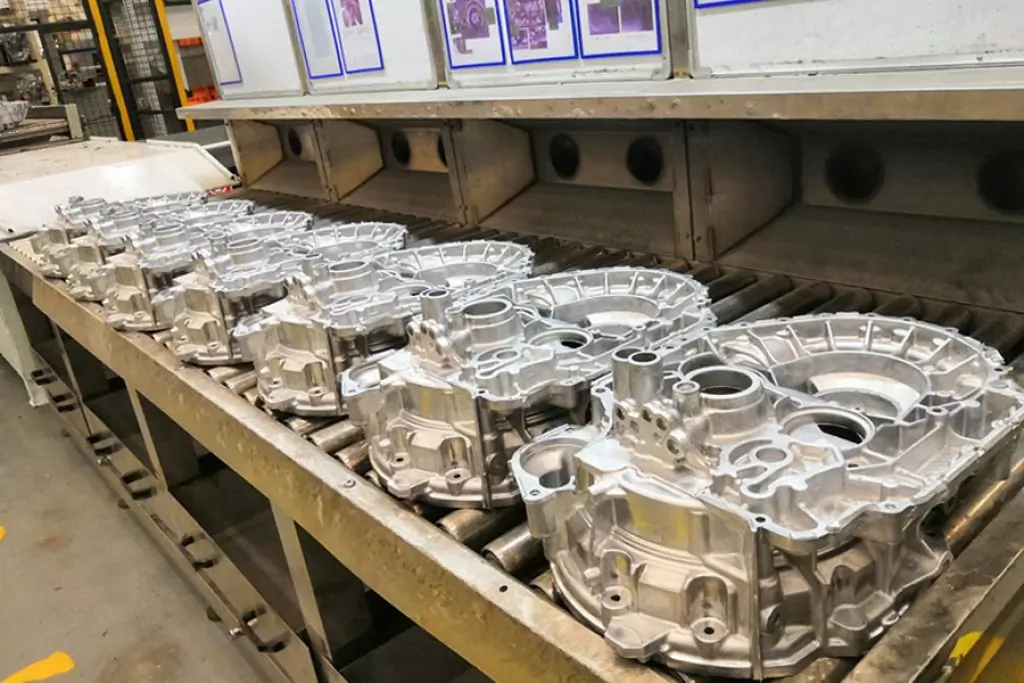
If you are looking for dependable volume manufacturing metal parts supplier with High pressure die casting service who offers you competitive price, good service and quality for aluminium die casting, zinc, or magnesium die casting, then BE-CU Prototype are surely a partner you are looking for to fulfill all your die casting needs. With quality service and state of art technology, BE-CU indeed claim in providing quality pressure die casting including aluminum/zamak/magnesium alloy castings to our customers all over the world.
To work with us,be-cu don’t just stop at taking your order and delivering your die casting products. be-cu are there for you at every step right from your preferred selection of aluminum die casting, Zamak die casting (Zamak 2, Zamak 3, Zamak 5, Zamak 8) or magnesium die casting products and services to post-order phase. In brief, once you become our customer, be-cu are with you every step on the way.
-
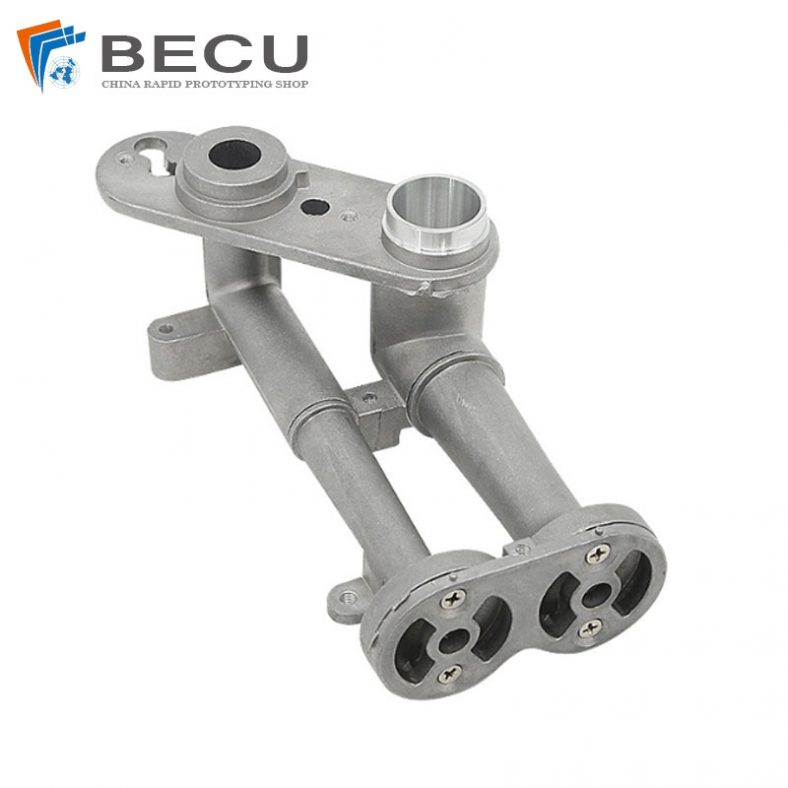
CNC Machining Gas Stove Bottom Joint
-
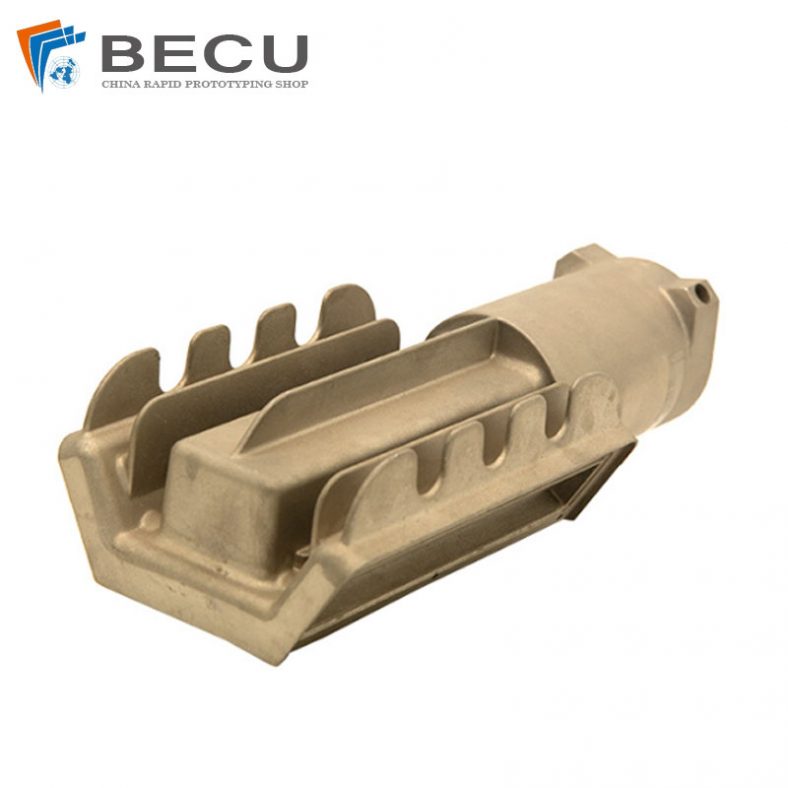
Gravity Die Casting Custom Street Light Heat Sink
-
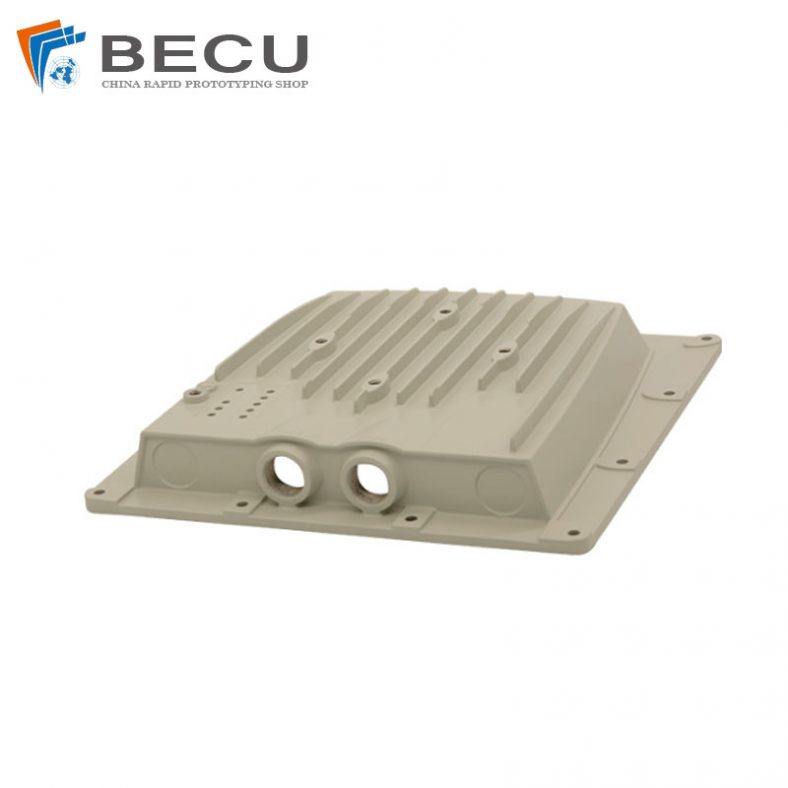
Die Casting LED Canopy Lights Heatsink For Gas Station
-
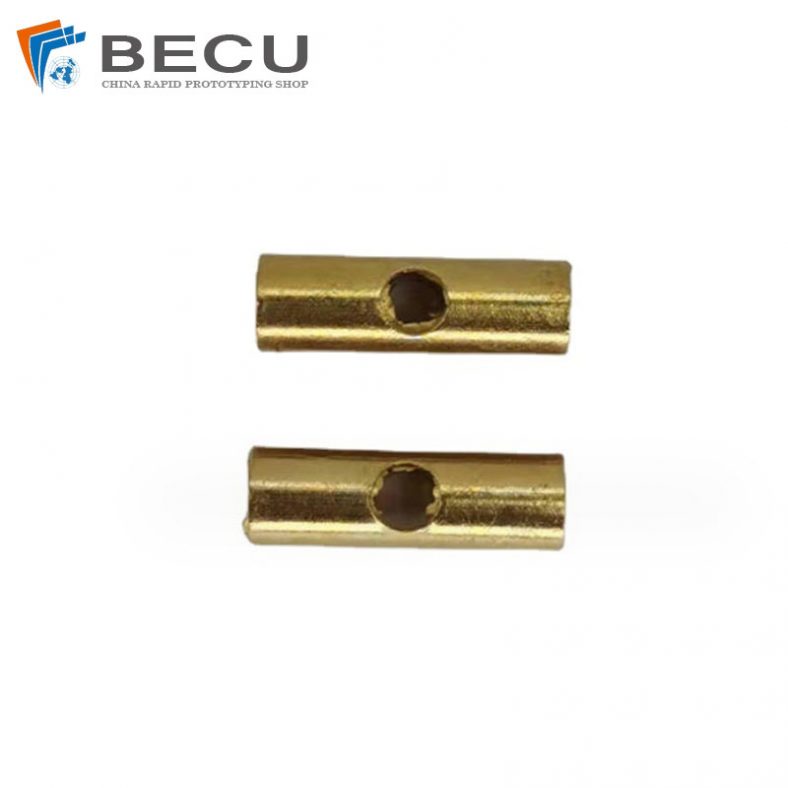
Zinc Die Casting PA10 Transformer Connector Terminal
-
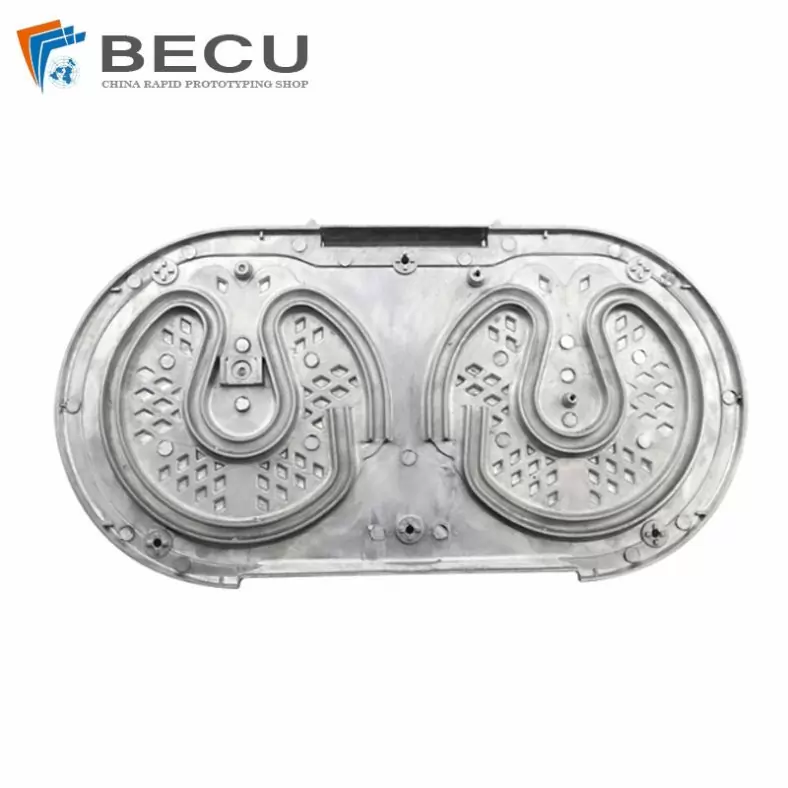
Die Casting Aluminium Cookware Chassis
-
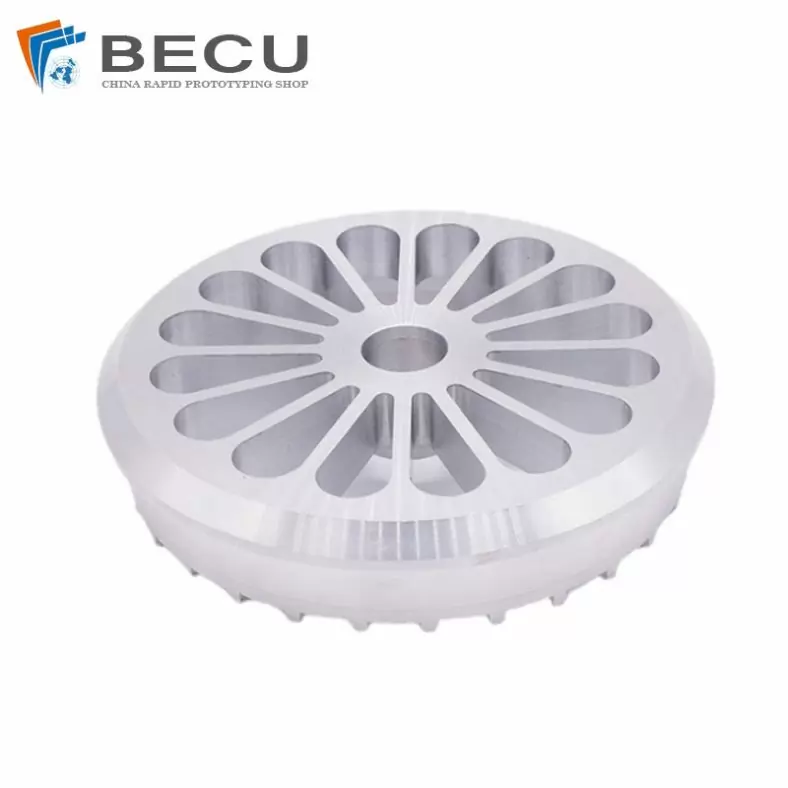
Die Casting Wheels With Aluminum Alloy 5 Axis CNC Machining
-
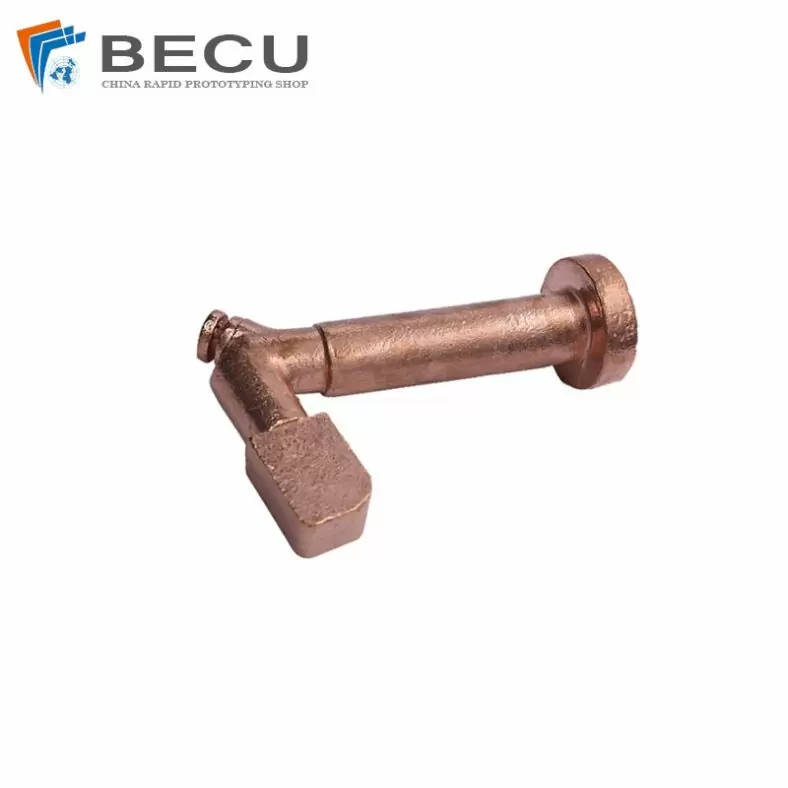
Precision Machined Copper Die Casting Parts
-
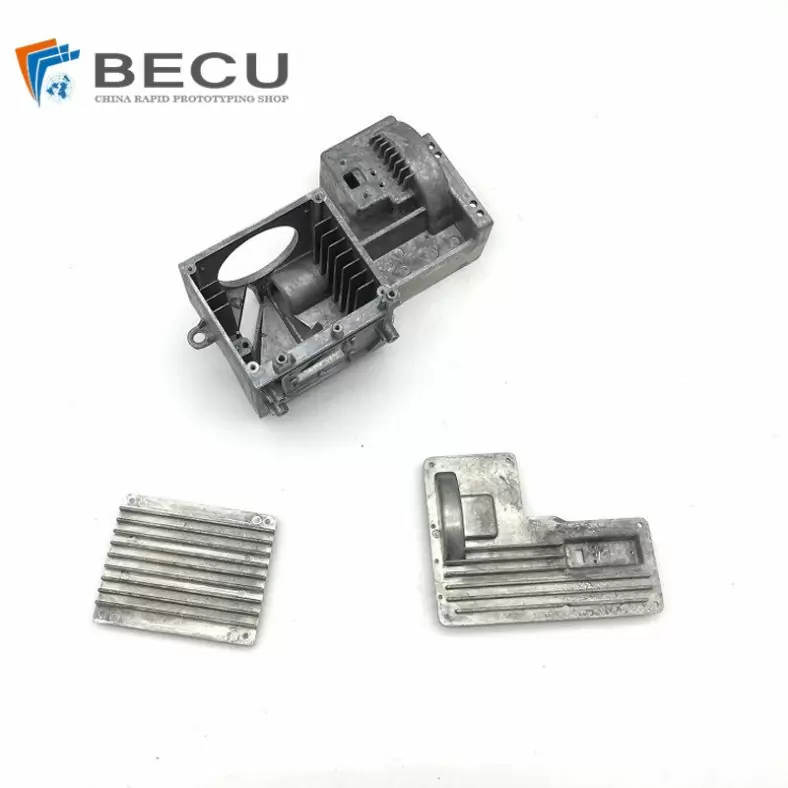
Professional Small Baler Aluminum Alloy Die-casting Mold Production
-
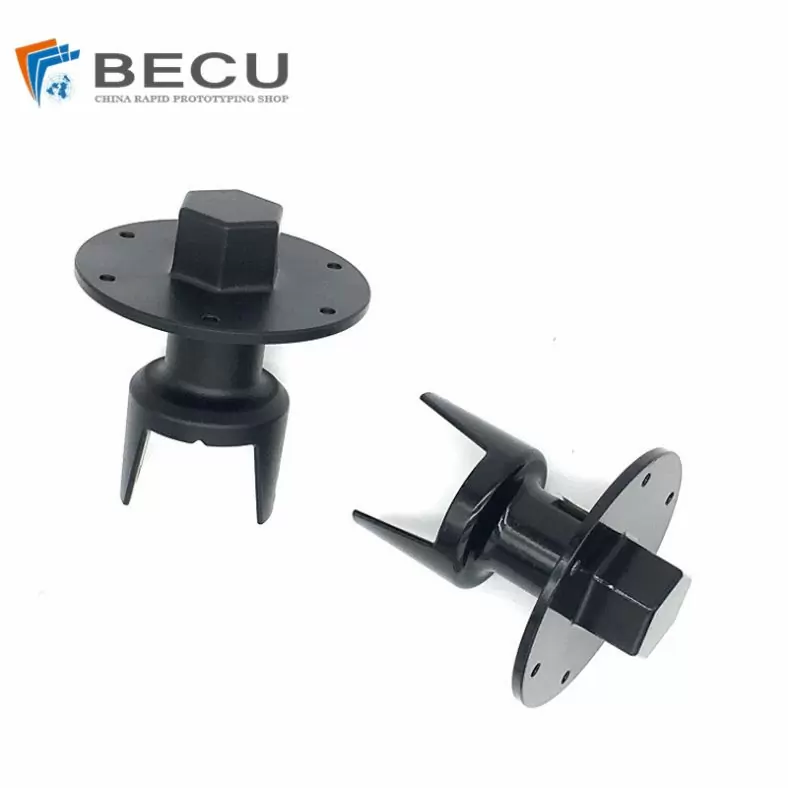
China Die Casting Factory Manufactures Surface Sprayed Aluminum Valve Body
-
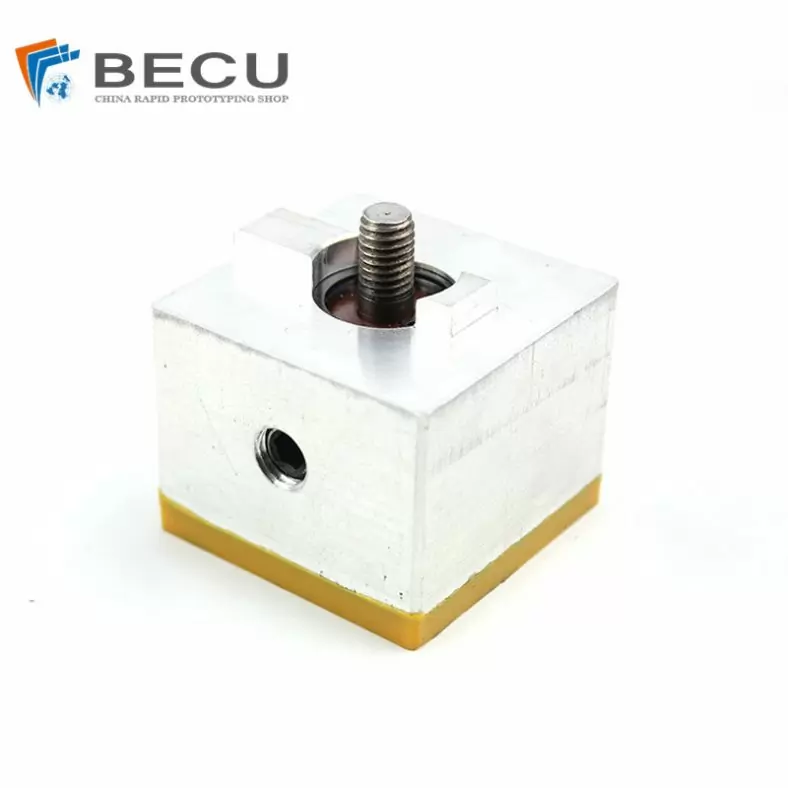
Extrusion Die-casting Polyurethane-Coated Aluminum Alloy Profiles
-
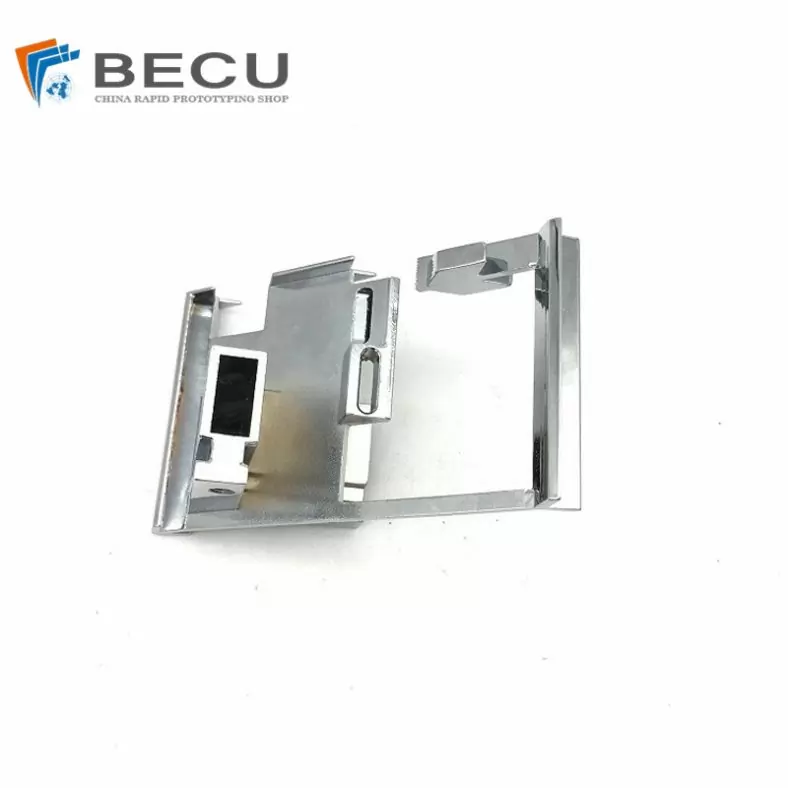
Custom Precision Aluminum Die Cast Brackets and Finishes
-
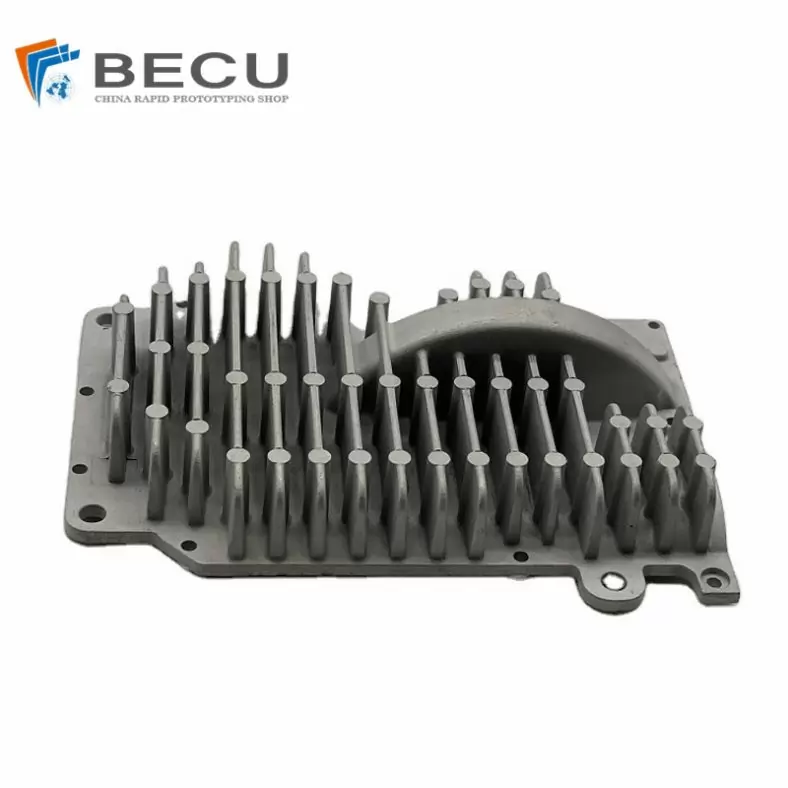
Extrusion Die-casting Magnesium Alloy Heat Sink Shell