
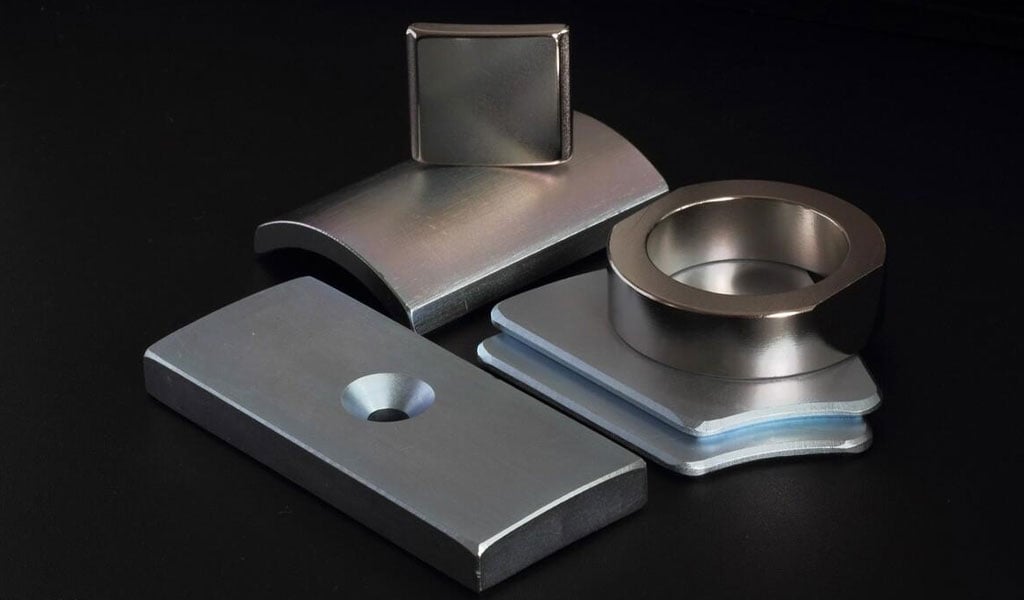
Magnetic materials are integral to a vast array of applications, ranging from everyday consumer electronics to specialized industrial and scientific equipment.
These materials are broadly categorized into two types based on their magnetic properties: soft magnetic materials and hard magnetic materials.
Each type exhibits distinct characteristics that make them suitable for specific applications. This article provides an in-depth comparison of soft and hard magnetic materials, exploring their properties, uses, and the underlying physics that governs their behavior.
Magnetic Properties Overview
Magnetic materials are substances that exhibit magnetic properties due to the alignment of magnetic moments within the material. The magnetic properties of a material are determined by its structure and the nature of the interactions between its atomic magnetic moments. These properties can be described by several parameters, including coercivity, retentivity, magnetic permeability, and magnetic saturation.
- Coercivity:Coercivity is the measure of the resistance of a ferromagnetic material to becoming demagnetized. It is defined as the intensity of the magnetic field required to reduce the magnetization of the material to zero after it has been magnetized to saturation. Materials with low coercivity are classified as soft magnetic materials, while those with high coercivity are classified as hard magnetic materials.
- Retentivity :Retentivity, or remanence, is the ability of a material to retain a certain level of magnetization after the external magnetic field has been removed. This property is particularly significant in the context of permanent magnets, which are expected to maintain their magnetization over time.
- Magnetic Permeability :Magnetic permeability is a measure of how easily a material can become magnetized when exposed to an external magnetic field. High magnetic permeability indicates that the material can easily attain a high level of magnetization, a characteristic desirable in soft magnetic materials used in transformers and inductors.
- Magnetic Saturation:Magnetic saturation occurs when an increase in the external magnetic field cannot result in a further increase in magnetization of the material. This parameter is crucial in determining the maximum magnetic flux that a material can handle.
Soft Magnetic Materials
Soft magnetic materials are characterized by their low coercivity and high magnetic permeability. These materials can be easily magnetized and demagnetized, making them ideal for applications that require frequent changes in magnetization direction.
Properties of Soft Magnetic Materials
- Low Coercivity: Soft magnetic materials require a minimal external magnetic field to demagnetize, allowing for rapid switching of magnetization.
- High Magnetic Permeability: These materials can easily support high levels of induced magnetic fields, enabling efficient energy transfer in applications such as transformers and inductors.
- Low Retentivity: Soft magnetic materials do not retain significant magnetization when the external field is removed, which is beneficial for applications needing minimal residual magnetism.
- High Electrical Conductivity: Many soft magnetic materials also exhibit high electrical conductivity, reducing energy losses due to eddy currents.
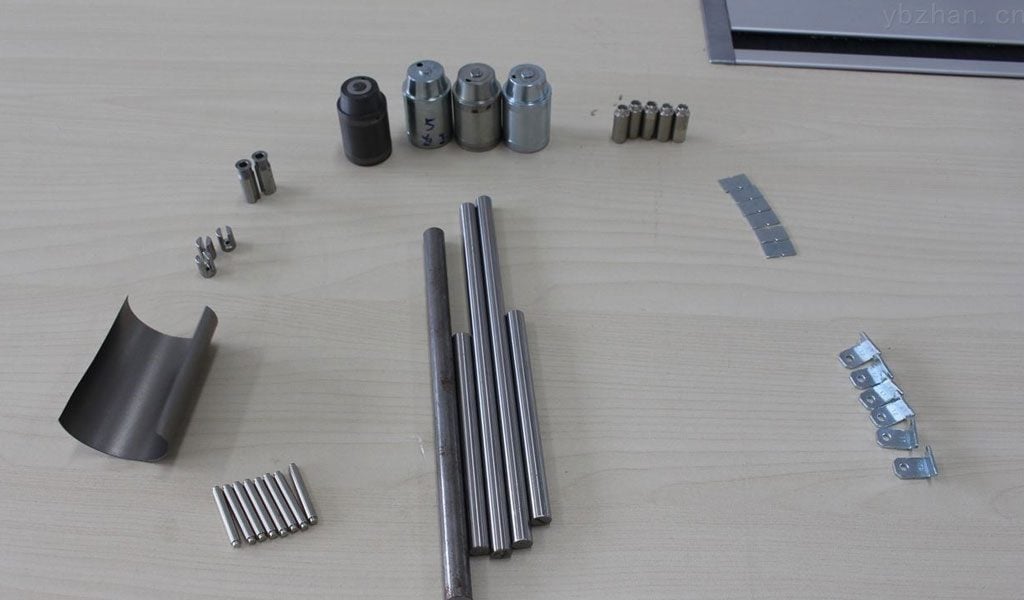
Common Soft Magnetic Materials
- Silicon Steel: Used extensively in electrical transformers and motors, silicon steel has high permeability and low hysteresis loss.
- Ferrites: These ceramic compounds are non-conductive, reducing eddy current losses in high-frequency applications.
- Permalloy: An alloy of nickel and iron, Permalloy is known for its high permeability and is used in magnetic shielding and transformer cores.
- Soft Iron: Pure iron with minimal impurities, soft iron is used in electromagnetic applications due to its excellent magnetic properties.
Applications of Soft Magnetic Materials
- Transformers: Soft magnetic materials are crucial in the cores of transformers, allowing efficient transfer of electrical energy between circuits.
- Electric Motors and Generators: These materials enhance the performance of motors and generators by improving the efficiency of magnetic flux conversion.
- Inductors and Chokes: Soft magnetic materials are used in inductors to store and transfer energy efficiently in various electronic circuits.
- Magnetic Amplifiers: These devices use soft magnetic materials to control the flow of electrical power in communication systems and control circuits.
Hard Magnetic Materials
Hard magnetic materials, also known as permanent magnets, are characterized by their high coercivity and retentivity. These materials are difficult to magnetize but retain their magnetization once it is achieved.
Properties of Hard Magnetic Materials

- High Coercivity: Hard magnetic materials require a strong external magnetic field to become demagnetized, ensuring they maintain their magnetization over time.
- High Retentivity: These materials retain significant magnetization even after the external magnetic field is removed, making them suitable for permanent magnets.
- Lower Magnetic Permeability: Compared to soft magnetic materials, hard magnetic materials have lower permeability, limiting their ability to support high levels of induced magnetic fields.
- High Magnetic Saturation: Hard magnetic materials can handle high levels of magnetic flux without becoming saturated.
Common Hard Magnetic Materials
- Alnico: An alloy of aluminum, nickel, and cobalt, Alnico is used in a variety of permanent magnet applications due to its high magnetic strength and stability.
- Ferrites: Hard ferrites, composed of iron oxide and other metallic elements, are used in permanent magnets for their cost-effectiveness and stability.
- Samarium-Cobalt (SmCo): Known for their high magnetic strength and temperature stability, SmCo magnets are used in high-performance applications such as aerospace and military technology.
- Neodymium-Iron-Boron (NdFeB): NdFeB magnets are the strongest permanent magnets available and are used in advanced technological applications, including electric vehicle motors and computer hard drives.
Applications of Hard Magnetic Materials
- Permanent Magnets: Hard magnetic materials are used to create permanent magnets for a wide range of applications, from refrigerator magnets to industrial motors.
- Data Storage: Hard magnetic materials are critical in data storage devices such as hard drives, where they enable the long-term retention of data.
- Electric Motors and Generators: Permanent magnets made from hard magnetic materials enhance the efficiency and performance of motors and generators.
- Magnetic Sensors and Actuators: These materials are used in sensors and actuators to provide precise control and measurement in various technological systems.
Comparative Analysis
The distinction between soft and hard magnetic materials is essential in selecting the appropriate material for specific applications. The choice depends on the required magnetic properties and the intended use.Here’s a table that compares the properties and applications of soft magnetic materials and hard magnetic materials:
| Characteristic | Soft Magnetic Materials | Hard Magnetic Materials |
|---|---|---|
| Coercivity | Low | High |
| Retentivity | Low | High |
| Magnetic Permeability | High | Low |
| Magnetic Saturation | Moderate to High | High |
| Ease of Magnetization | Easily magnetized and demagnetized | Difficult to magnetize, retain magnetization |
| Electrical Conductivity | High to moderate | Low to moderate |
| Common Materials | Silicon steel, ferrites, Permalloy, soft iron | Alnico, hard ferrites, Samarium-Cobalt (SmCo), Neodymium-Iron-Boron (NdFeB) |
| Primary Applications | Transformers, electric motors, inductors, magnetic amplifiers | Permanent magnets, data storage devices, electric motors, magnetic sensors and actuators |
| Energy Loss | Low (due to low hysteresis loss) | Higher (if demagnetization is required) |
| Frequency Range | Suitable for low to high-frequency applications | Typically low-frequency applications |
| Cost | Generally cost-effective | Can be expensive, especially rare earth magnets |
| Typical Shape | Laminations, powder cores, tapes | Blocks, discs, rings, custom shapes for specific uses |
| Temperature Stability | Moderate to high | High, especially for rare earth magnets |
| Examples of Use | Power supplies, audio transformers, magnetic shielding | Electric motors, MRI machines, loudspeakers, sensors |
| Mechanical Strength | Moderate | High |
| Magnetic Force | Relatively low | Very high |
| Innovation Areas | Nanocrystalline alloys, amorphous metals | Rare earth alternatives, hybrid materials |
Magnetic Behavior
- Soft Magnetic Materials: Easily magnetized and demagnetized, making them ideal for applications where rapid changes in magnetization are needed.
- Hard Magnetic Materials: Maintain their magnetization over time, suitable for applications requiring permanent magnets.
Energy Efficiency
- Soft Magnetic Materials: High permeability and low hysteresis loss contribute to efficient energy transfer in electrical systems.
- Hard Magnetic Materials: High retentivity ensures long-term magnetic stability, reducing the need for frequent remagnetization.
Cost and Availability
- Soft Magnetic Materials: Generally more abundant and cost-effective, especially silicon steel and ferrites.
- Hard Magnetic Materials: Some, like NdFeB and SmCo, are more expensive due to the rarity of their constituent elements.
Future Trends and Developments
Advancements in material science continue to enhance the performance of both soft and hard magnetic materials. Innovations include the development of new alloys, improved metal parts manufacturing techniques, and the exploration of nanostructured materials.
Soft Magnetic Materials
- Nanocrystalline Alloys: These materials exhibit superior magnetic properties and are being researched for applications in high-frequency transformers and inductors.
- Amorphous Metals: With low coercivity and high permeability, amorphous metals are being explored for energy-efficient transformer cores.
Hard Magnetic Materials
- Rare Earth Magnets: Ongoing research aims to reduce the reliance on rare earth elements by developing new composites and enhancing existing materials.
- Hybrid Materials: Combining hard and soft magnetic materials to create hybrid systems that leverage the benefits of both types.
Conclusion
Understanding the differences between soft and hard magnetic materials is crucial for their effective application in various technological fields. While soft magnetic materials are indispensable in dynamic magnetic systems requiring rapid changes in magnetization, hard magnetic materials are vital in applications needing permanent magnetization. Continued research and development in this field promise to yield even more efficient and versatile magnetic materials, driving innovation in countless industries.