
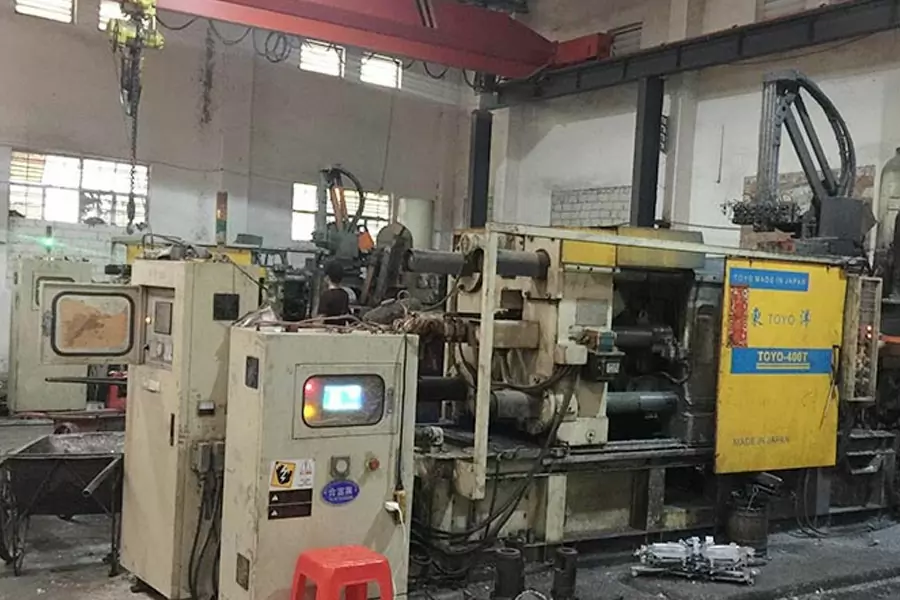
The AlSi10MgMn alloy, a widely utilized aluminum alloy in die casting, is particularly recognized for its favorable combination of mechanical properties, corrosion resistance, and lightweight characteristics. This alloy is primarily composed of aluminum (Al), silicon (Si), magnesium (Mg), and manganese (Mn), which work synergistically to enhance its performance in various applications, particularly in the automotive and aerospace industries.Die casting, a manufacturing process that involves forcing molten metal into a mold, is particularly suited for AlSi10MgMn due to the alloy’s excellent fluidity and ability to form intricate shapes with tight tolerances. The introduction of manganese into the alloy not only contributes to improved mechanical properties but also plays a crucial role in refining the microstructure, which is essential for achieving optimal performance in finished components.
Understanding the strengthening mechanisms at play in AlSi10MgMn is critical for both the design and production of die-cast components. The objectives of this article are to delve into the chemical composition of the alloy, explore its microstructure, discuss the various strengthening mechanisms that contribute to its enhanced performance, and examine the processing techniques that can influence these properties. Furthermore, we will consider the alloy’s applications across industries and reflect on future research directions that may lead to advancements in its utilization.
Chemical Composition
The AlSi10MgMn alloy consists primarily of the following elements:
- Aluminum (Al): The base metal, providing the primary matrix for the alloy.
- Silicon (Si): Typically comprising around 10% of the alloy, silicon improves fluidity and casting characteristics while enhancing corrosion resistance.
- Magnesium (Mg): Generally present at about 0.3% to 1.0%, magnesium contributes significantly to strength through solid solution strengthening and precipitation hardening.
- Manganese (Mn): The addition of manganese, typically around 0.4% to 0.8%, is crucial for enhancing the alloy’s strength and ductility, helping to refine the microstructure.
The specific ratios of these elements can be tailored to meet the requirements of different applications. Variations in the chemical composition can lead to significant changes in the mechanical properties and behavior of the alloy under various loading conditions.
Microstructure of AlSi10MgMn Alloy
The microstructure of AlSi10MgMn is characterized by several distinct phases, each playing a role in the alloy’s overall performance. The solidification process is complex and influenced by the cooling rates during casting, which can significantly affect the resultant microstructure.
Phases Present
In AlSi10MgMn, the primary phases include:
- α-Al (Aluminum): The solid solution phase, which forms the matrix of the alloy.
- β-Si (Silicon): This phase is critical in enhancing wear resistance and contributing to the overall mechanical properties of the alloy.
- Mg2Si: A precipitate that forms during heat treatment, contributing to age hardening.
Influence of Cooling Rates
The cooling rate during casting influences the size and distribution of the microstructural phases. Rapid cooling can lead to finer microstructures, which typically enhance mechanical properties. Conversely, slower cooling may result in larger grain sizes and a coarser microstructure, which can detract from strength and ductility.
Mechanical Properties
AlSi10MgMn exhibits a remarkable set of mechanical properties, making it suitable for various demanding applications. Key properties include:
- Tensile Strength: The alloy demonstrates high tensile strength, typically around 300 MPa in as-cast conditions and can exceed 400 MPa with appropriate heat treatment.
- Hardness: The hardness values can vary, with typical Brinell hardness ranging from 80 to 110 HB, depending on the processing conditions.
- Ductility: The alloy maintains a good balance of strength and ductility, with elongation percentages ranging from 4% to 10%.
- Fatigue Resistance: Due to its fine microstructure and the presence of strengthening precipitates, AlSi10MgMn exhibits excellent fatigue resistance, making it ideal for cyclic loading applications.
Strengthening Mechanisms
The strength of AlSi10MgMn can be attributed to several key mechanisms:
Solid Solution Strengthening
The incorporation of alloying elements such as magnesium and manganese into the aluminum matrix leads to solid solution strengthening. This phenomenon occurs when the solute atoms distort the lattice structure of the host metal, creating obstacles to dislocation movement and thereby enhancing strength.
Age Hardening
Age hardening, or precipitation hardening, involves the formation of fine precipitates within the microstructure during a heat treatment process. In AlSi10MgMn, Mg2Si precipitates are primarily responsible for this strengthening mechanism. By optimizing the aging process, significant increases in strength can be achieved.
Grain Refinement
Grain refinement techniques, including the use of grain refiners during casting, can produce finer microstructures that enhance mechanical properties. Smaller grain sizes contribute to improved strength through the Hall-Petch relationship, which states that smaller grains provide greater resistance to dislocation motion.
The Role of Mn in Strengthening
Manganese plays a dual role in AlSi10MgMn. Not only does it enhance solid solution strengthening, but it also contributes to microstructural refinement by promoting the formation of fine, evenly distributed precipitates. This dual action is critical in achieving the desired mechanical properties in the final product.
Processing Techniques
The processing techniques employed in the production of AlSi10MgMn components significantly influence the alloy’s properties. Key considerations include:
Die Casting Process Overview
The die casting process involves several steps, including mold preparation, melting the alloy, injection into molds, and cooling. Each step must be carefully controlled to ensure the optimal microstructure and mechanical properties of the final product.
Effects of Process Parameters on Microstructure and Strength
Factors such as injection speed, mold temperature, and cooling rates play crucial roles in determining the microstructure. For example, increased injection speeds can improve the filling of complex molds but may also lead to defects if not properly managed. Adjusting these parameters allows for the fine-tuning of mechanical properties.
Post-Processing Treatments
Post-processing treatments such as solution heat treatment and aging can significantly enhance the strength and hardness of AlSi10MgMn components. These treatments promote the formation of strengthening precipitates and can optimize the alloy’s microstructure for specific applications.
Applications
AlSi10MgMn is widely used across various industries due to its desirable properties. Key applications include:
Automotive Industry
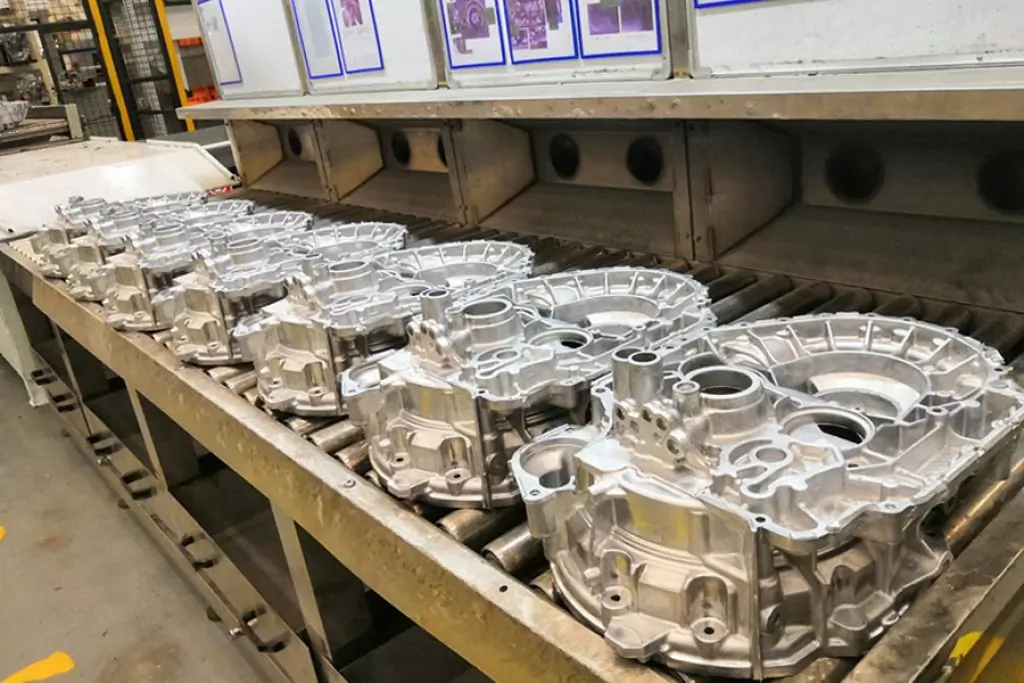
The automotive sector benefits from the alloy’s lightweight nature and excellent mechanical properties, making it ideal for components such as engine blocks, transmission cases, and structural parts.
Aerospace Sector
In aerospace applications, the high strength-to-weight ratio of AlSi10MgMn is critical for improving fuel efficiency and performance in aircraft components.
General Engineering
The versatility of AlSi10MgMn allows for its use in general engineering applications, including machinery parts, fixtures, and housings.
Future Trends
Ongoing research into enhancing the properties of AlSi10MgMn continues to push the boundaries of its applications. Innovations in alloy compositions, processing techniques, and additive manufacturing methods hold the potential to further optimize this versatile alloy.
Conclusion
The AlSi10MgMn die casting alloy represents a remarkable blend of strength, lightweight characteristics, and corrosion resistance. By understanding the underlying strengthening theories and mechanisms, manufacturers can tailor the alloy’s properties to meet the demanding requirements of various applications. Future research will undoubtedly uncover new possibilities for this alloy, enhancing its performance and broadening its applicability across industries.
In our country, die casting began in the middle and late 1940s. After the 1990s, technological progress and the rapid development of domestic automobile, communications, electronics, and real estate industries have provided a steady stream of development momentum for my country’s die-casting industry, and it has rapidly grown into an emerging industry. The annual output of die castings in my country rose rapidly from 266,000 tons to 870,000 tons in just ten years from 1995 to 2005, with an average annual growth rate of up to 20%, and aluminum alloy die castings accounted for more than 3/4 of all die casting output. Especially after entering the 21st century, the leapfrogging of the automotive industry
Development has become the main driving force for the development of the die-casting industry at this stage. However, the increasingly serious environmental problems brought about by the popularization of automobiles have also attracted people’s attention. According to reports, automobiles emit more than 4 billion tons of carbon dioxide into the atmosphere each year, accounting for a quarter of the total global carbon dioxide emissions, and with the increase in car ownership, it is increasing year by year. At the same time, vehicle fuel consumption is also an important part of global fuel consumption.
A large number of tests have proved that the lightweight of automobiles is an important means of energy saving and emission reduction. The literature,pointed out that for every 1kg of aluminum added to the automobile, approximately 19kg of carbon dioxide can be reduced during the life cycle of the automobile, and the weight of the automobile can be reduced by 10%. It can reduce energy consumption by 5% to 7%, and fuel consumption can be reduced by 0.7L/100km. The lightweight requirements of automobiles require the use of high-strength materials on the one hand and lightweight materials on the other. Aluminum alloy is a lightweight material with a density of only 1/3 of that of steel.
The use of aluminum alloy can achieve significant weight reduction. For example, the weight reduction effect of typical aluminum parts can reach 30%-40% at the first time, and the second weight reduction effect can even reach 50%. Therefore, the amount of aluminum used in automobiles is increasing year by year. In 2006, the average amount of aluminum used in cars in Europe, America and Japan It has reached 127Kg/vehicle, and it is predicted that before 2015, the average aluminum consumption of European cars can reach 300 Kg/vehicle. Therefore, under the pressure of environmental protection and energy saving, the trend of replacing steel with aluminum is more obvious. Aluminum alloy die-casting parts for automobiles have been used in automobile engine cylinder blocks, automobile wheels, automobile chassis suspension systems and other parts. With the development and application of new die-casting technologies and new die-casting alloys, die-casting parts will be more and more widely used in the production of automobiles in the future.
However, when traditional high-pressure casting is casting parts such as automobile clutch housings, gearboxes, engine blocks, suspension system parts of car chassis, etc., due to the high pressure and high speed in the injection process, it is easy to cause entrainment during the forming process. Defects such as pores are formed inside the casting, which reduces the effective load area and the density of the casting, and cannot meet the high tensile strength, high yield strength, high elongation and other high mechanical performance index requirements of such parts. For such high-mechanical load parts or structural parts, researchers have developed vacuum die-casting technology on the basis of traditional pressure casting (that is, the gas in the mold cavity is extracted before die-casting, and the molten metal fills the mold under a certain vacuum.
Mold cavity, the casting solidifies into a dense casting under pressure), oxygen-filled die-casting (that is, oxygen is filled into the mold cavity instead of air before die-casting. When the metal liquid is filled, part of the oxygen filled in overflows, and the rest is mixed with the metal melt. Reaction occurs and 2 forms fine dispersed solid particles, which stay inside the casting), semi-solid die casting (that is, the metal melt is stirred when the liquid solidifies, and at a certain cooling rate, about 50% or even Slurry with a higher solid phase component, and then die-casting technology with the slurry ), extrusion die-casting technology and so on. Among them, high vacuum die casting not only has the advantages of high material utilization rate, good surface quality, and high production efficiency of traditional die casting, but also adopts means such as vacuuming inside the mold cavity, which is easy to realize, greatly reduces the porosity inside the casting, and can meet the high requirements. High-vacuum die-casting has gained considerable application and development in industrial production due to the requirements of performance castings . Die-casting AlSi10MgMn alloy is Al-Si-Mg-Mn series high-strength, heat-treatable cast aluminum alloy with good air tightness and fluidity. Die-casting parts have high density and strength, strong corrosion resistance, and excellent The cutting processing and welding performance of the product has a wide range of applications in the production of thin-walled, complex-structured, and high-load products, such as transmission casings, cylinder blocks, pulleys, cover plates, automobile chassis parts, cylinder head valves, etc. Ship and aircraft parts.
High-vacuum die-casting AlSi10MgMn alloy castings have low gas content, no bubbling occurs on the surface of the casting during high temperature heat treatment, and the size of the casting will not undergo macroscopic deformation. During the heat treatment process, strengthening phases such as Mg 2 Si can be precipitated, and at the same time, eutectic during solution treatment The morphology of silicon will also be granulated and spheroidized, which can improve the mechanical properties of the casting, especially the elongation. At the same time, this subject has extremely strict requirements on the high vacuum die casting process, because
The basis of high-temperature and long-term heat treatment of castings is to ensure that the gas content of the castings is 1-3ml/100g, so this subject is a research project that integrates high-vacuum die-casting process, die-casting alloy and die-casting heat treatment. The strengthening theory and industrial production have important guiding significance.
The Detail Of BE-CU Die Casting Company
If you are looking for dependable volume manufacturing metal parts supplier with High pressure die casting service who offers you competitive price, good service and quality for aluminium die casting, zinc, or magnesium die casting, then BE-CU Prototype are surely a partner you are looking for to fulfill all your die casting needs. With quality service and state of art technology, BE-CU indeed claim in providing quality pressure die casting including aluminum/zamak/magnesium alloy castings to our customers all over the world.
To work with us,be-cu don’t just stop at taking your order and delivering your die casting products. be-cu are there for you at every step right from your preferred selection of aluminum die casting, Zamak die casting (Zamak 2, Zamak 3, Zamak 5, Zamak 8) or magnesium die casting products and services to post-order phase. In brief, once you become our customer, be-cu are with you every step on the way.
-
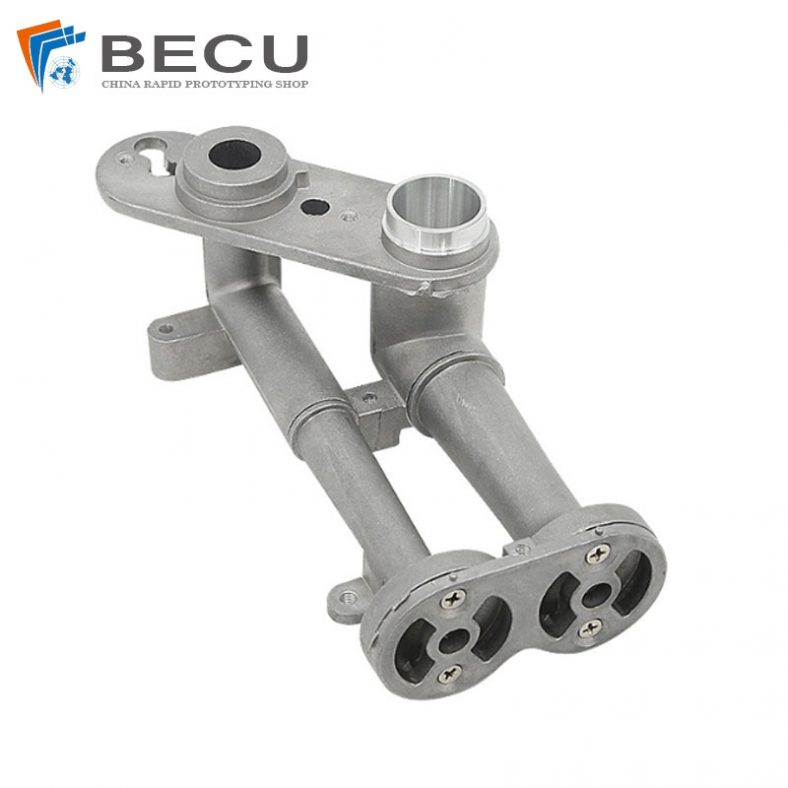
CNC Machining Gas Stove Bottom Joint
-
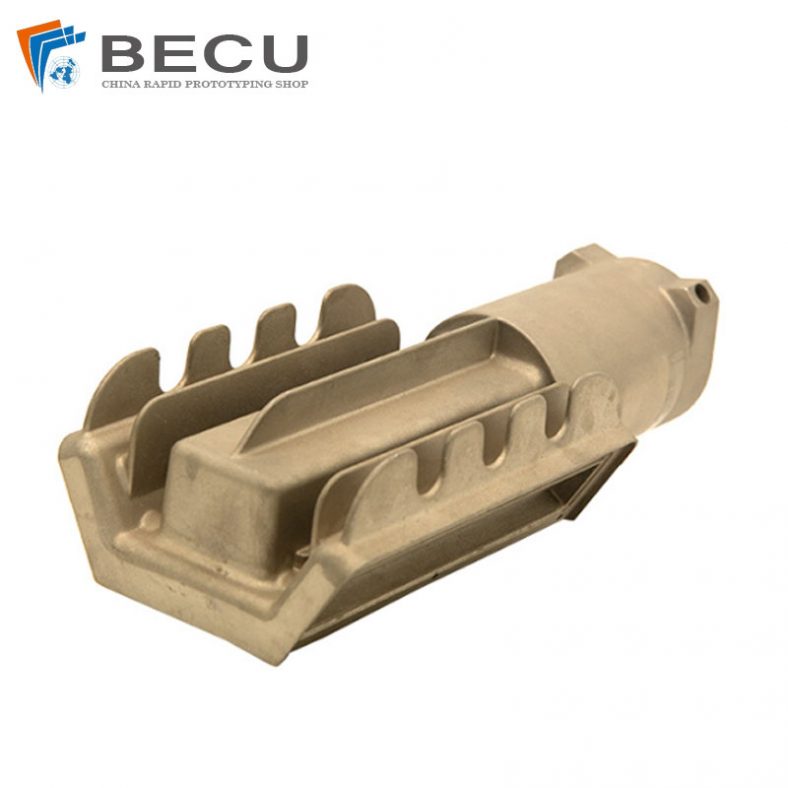
Gravity Die Casting Custom Street Light Heat Sink
-
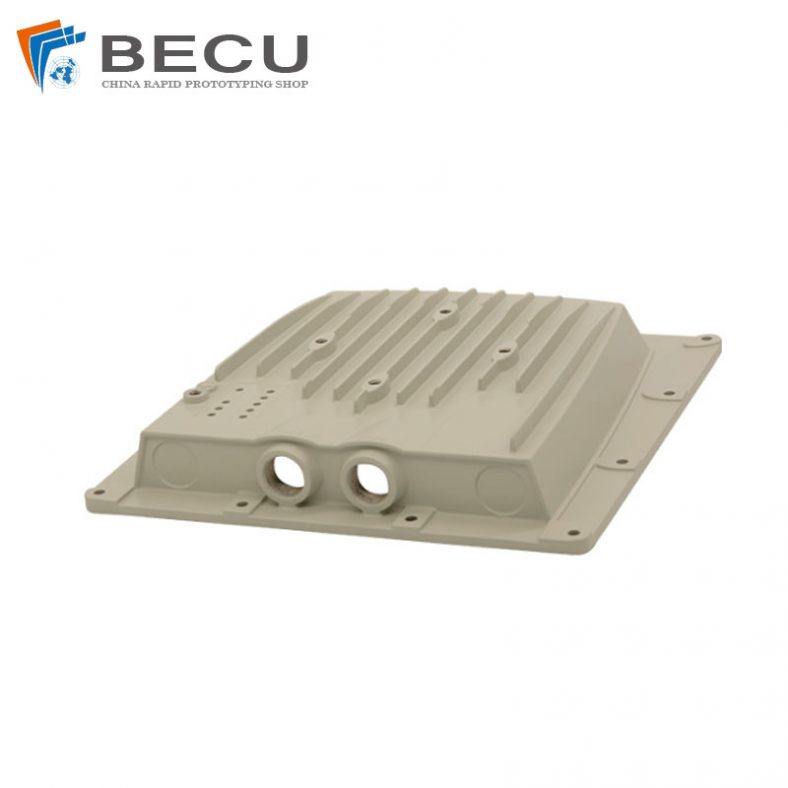
Die Casting LED Canopy Lights Heatsink For Gas Station
-
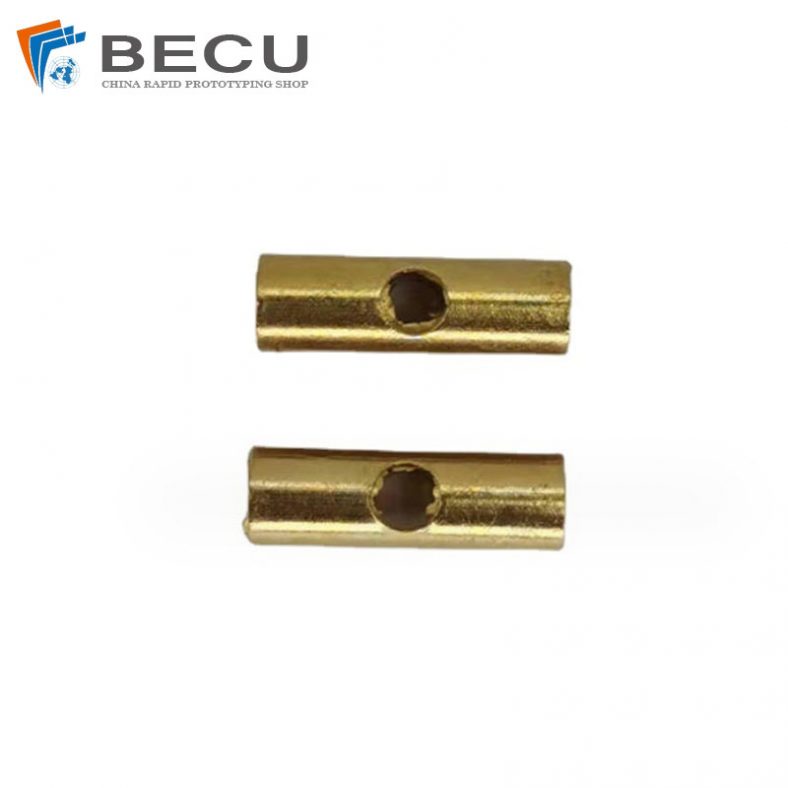
Zinc Die Casting PA10 Transformer Connector Terminal
-
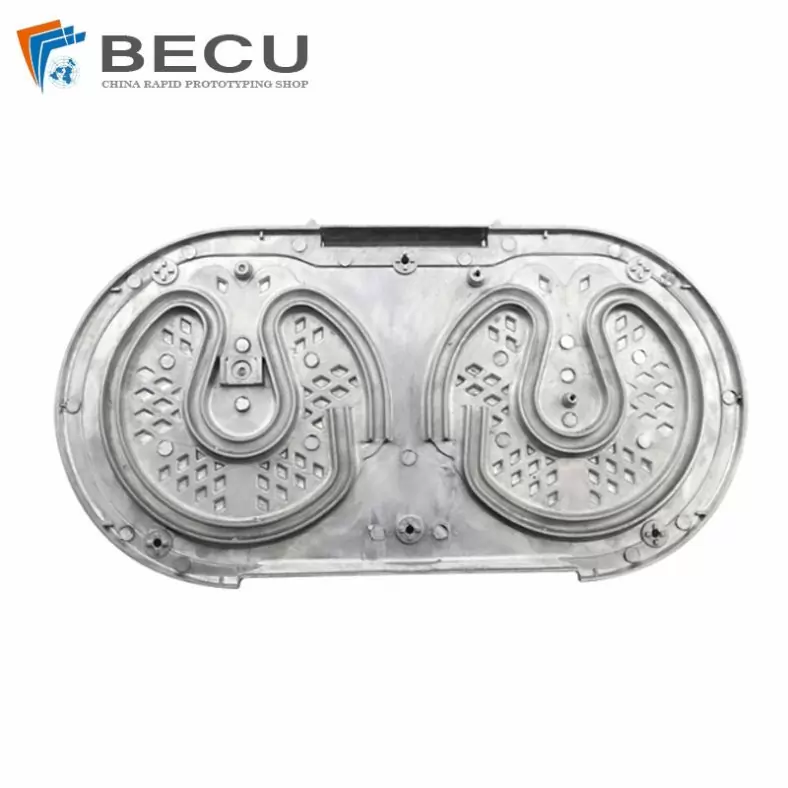
Die Casting Aluminium Cookware Chassis
-
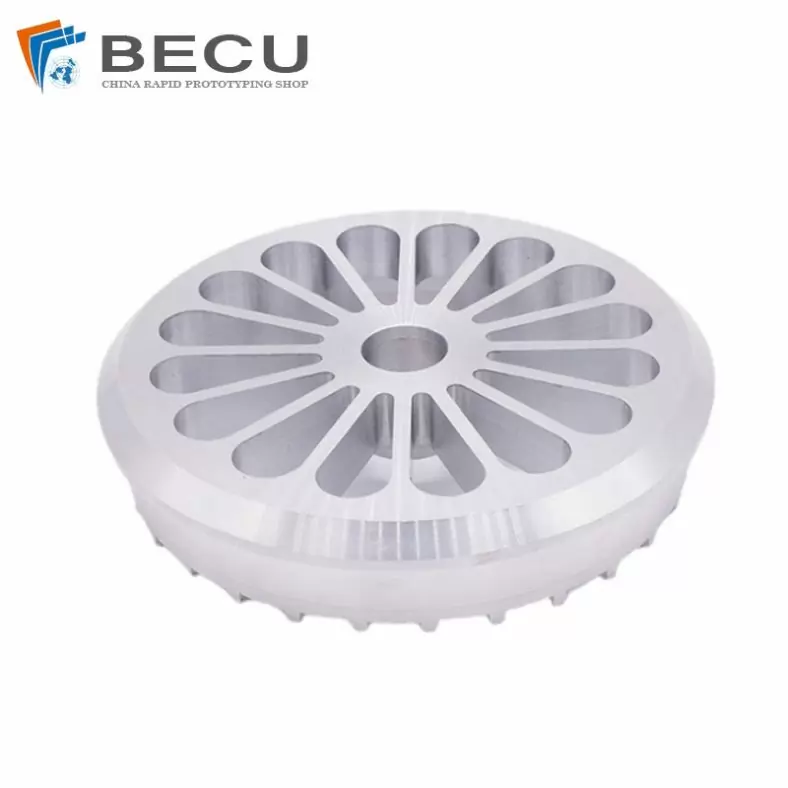
Die Casting Wheels With Aluminum Alloy 5 Axis CNC Machining
-
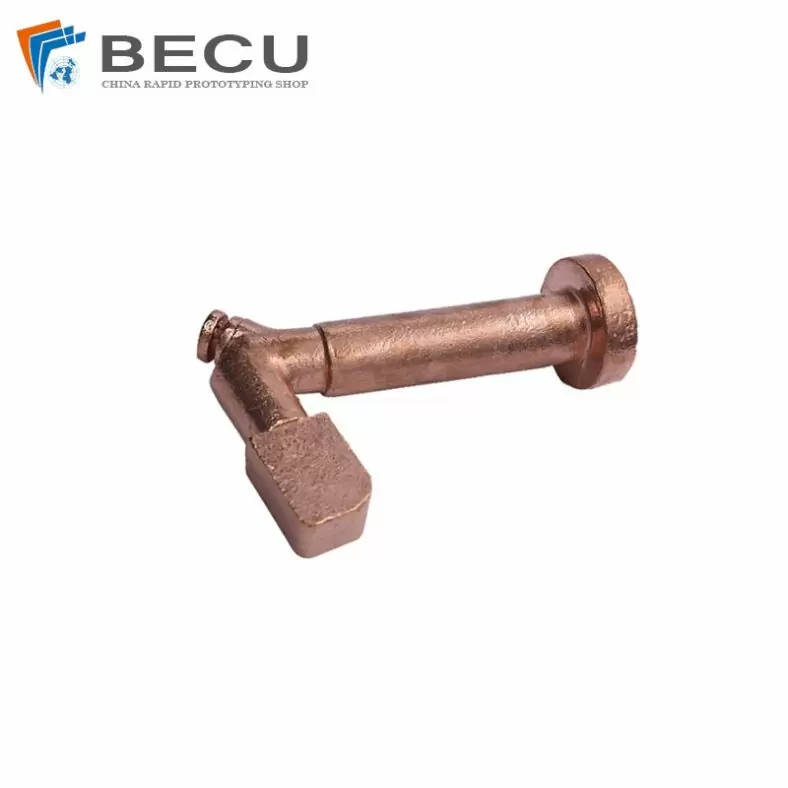
Precision Machined Copper Die Casting Parts
-
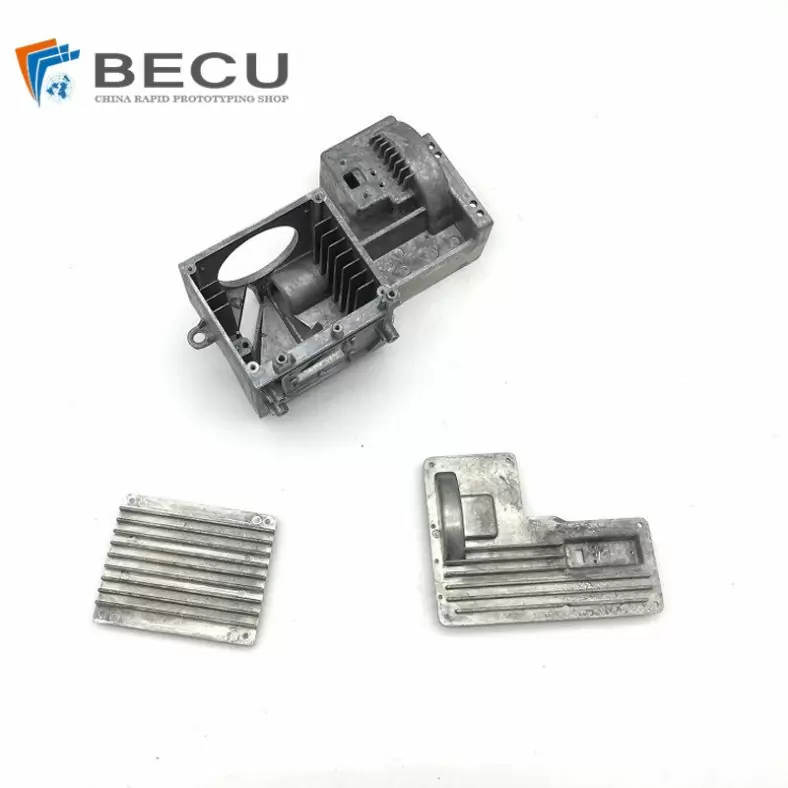
Professional Small Baler Aluminum Alloy Die-casting Mold Production
-
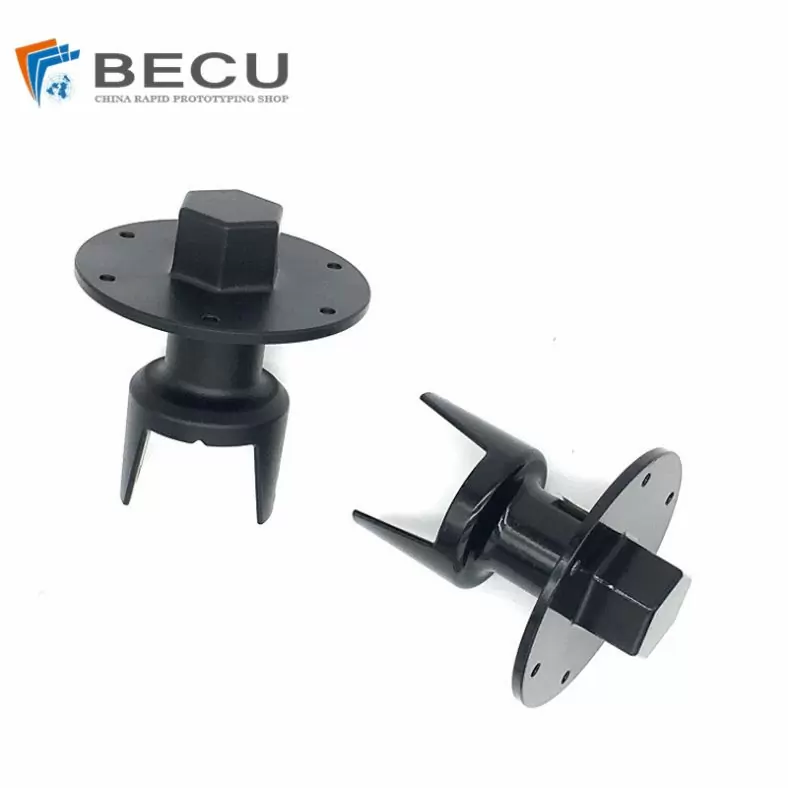
China Die Casting Factory Manufactures Surface Sprayed Aluminum Valve Body
-
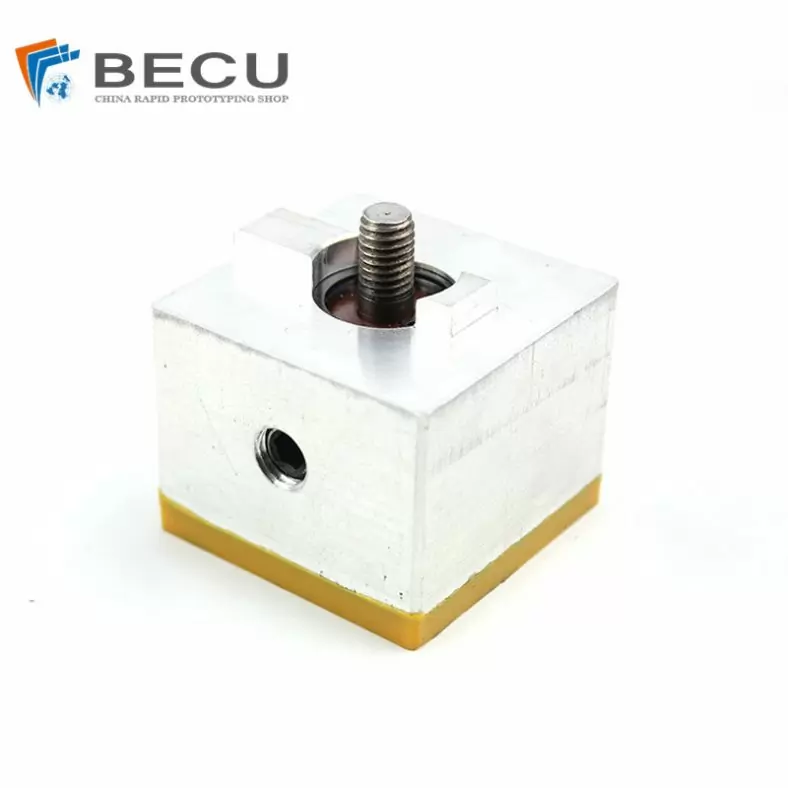
Extrusion Die-casting Polyurethane-Coated Aluminum Alloy Profiles
-
Custom Precision Aluminum Die Cast Brackets and Finishes
-
Extrusion Die-casting Magnesium Alloy Heat Sink Shell