
The influence of the radius of curvature of space on the quality of laser cutting of three-dimensional objects is a multifaceted topic that bridges the domains of physics, materials science, and advanced manufacturing technology. Laser cutting, a thermal process leveraging focused electromagnetic radiation to sever materials, has evolved significantly since its inception in the 1960s, finding applications across industries ranging from automotive manufacturing to aerospace engineering. While the process is well-understood for flat, two-dimensional surfaces, its application to three-dimensional (3D) objects introduces complexities related to geometry, beam propagation, and material interaction. Among these, the radius of curvature of the cutting path—a measure of how sharply a surface bends in 3D space—emerges as a critical parameter influencing cut quality metrics such as kerf width, surface roughness, heat-affected zone (HAZ) extent, and dimensional accuracy. This article explores how the radius of curvature affects laser cutting quality, drawing on experimental data, theoretical models, and practical implications, while integrating comparative analyses to elucidate key trends.

Fundamentals of Laser Cutting in Three Dimensions
Laser cutting operates by directing a high-intensity laser beam, typically from a CO₂, Nd:YAG, or fiber laser source, onto a workpiece. The beam’s energy is absorbed by the material, causing localized heating, melting, and vaporization, with an assist gas (e.g., oxygen, nitrogen, or argon) expelling molten material to form a cut. For 3D objects, the cutting process often involves multi-axis systems—such as five-axis or six-axis CNC machines—capable of maneuvering the laser head or workpiece to follow complex spatial trajectories.
Unlike planar cutting, where the beam remains perpendicular to a uniform surface, 3D cutting requires dynamic adjustment of the beam’s incidence angle and focal point to accommodate varying surface orientations and curvatures.
The radius of curvature in this context refers to the radius of the osculating circle that best approximates the curve of the cutting path at a given point. In three-dimensional space, surfaces may exhibit curvature in multiple directions, characterized by principal curvatures (κ₁ and κ₂) and the Gaussian curvature (K = κ₁κ₂). For a cylindrical surface, one principal curvature may be zero, while for a spherical surface, both are equal. The spatial curvature radius, often denoted as R, inversely relates to the curvature (R = 1/κ), with smaller radii indicating tighter curves. In laser cutting, this parameter influences how the beam interacts with the material, as the geometry of the cut path alters energy distribution, heat dissipation, and material removal dynamics.
Theoretical Influence of Curvature on Laser Cutting
The quality of a laser cut is typically assessed through parameters such as kerf width (the width of the material removed), surface roughness (Rz or Ra), the extent of the heat-affected zone (HAZ), dimensional tolerance, and cut squareness. The radius of curvature impacts these metrics by altering the laser beam’s effective energy density and interaction time with the material. Theoretical models, such as those developed by Sheng and Cai (1996), suggest that curved cutting paths deviate from straight-line cuts in three primary ways: an increase in kerf width, a shift of the kerf centerline toward the center of curvature, and asymmetry between inner and outer kerf walls.
Consider a laser beam with a Gaussian intensity profile, characterized by a beam waist radius (w₀) and divergence angle (θ). In straight-line cutting, the beam’s energy is symmetrically distributed across the kerf, assuming normal incidence. On a curved path, however, the beam’s footprint elongates as the surface tilts relative to the beam axis, reducing the energy density per unit area. For a curvature radius R, the curvature ratio (R/w₀) becomes a key dimensionless parameter. When R/w₀ < 50, curvature effects dominate, as demonstrated in experiments with polymethyl-methacrylate (PMMA) by Sheng and Cai. At low energy densities (e.g., 100 J/mm²), models accurately predict kerf geometry, but at higher densities (e.g., 500 J/mm²), thermal effects like heat accumulation exacerbate deviations, underestimating eccentricity and asymmetry.
Heat transfer also plays a pivotal role. On a tightly curved path (small R), the laser beam’s successive passes overlap more closely, leading to heat accumulation and preheating of adjacent material. This increases the HAZ and kerf width, as observed in studies of spiral cutting patterns on cylindrical pipes. Conversely, larger radii allow greater heat dissipation, stabilizing thermal gradients and improving cut quality. The vertical temperature gradient (dT/dz) decreases with increasing R, reducing residual stresses and enhancing dimensional stability, as noted in finite element analyses of laser direct forming by Zhang et al. (2015).
Experimental Evidence and Observations
Experimental studies provide concrete insights into curvature’s effects. Huang Kai’s 2001 investigation, published in the Chinese Journal of Lasers, examined laser cutting of pipes with spiral patterns using a 319 W CO₂ laser (focused to a 0.2 mm spot). The study varied the spatial curvature radius while keeping pipe diameter constant, increasing pitch to adjust R. Results showed that kerf width, HAZ extent, and half-squareness (a measure of edge perpendicularity) increased with larger R, while surface roughness (Rz) decreased. The increase in kerf width and HAZ stemmed from reduced heat accumulation at larger radii, allowing more uniform energy distribution, whereas the smoother surfaces resulted from less thermal disturbance.
Another study on PMMA workpieces validated these trends across a range of energy densities (100–500 J/mm²). At a curvature ratio below 50, kerf width increased by up to 15% compared to straight cuts, and the centerline shifted inward by approximately 0.1 mm, reflecting beam geometry distortion. Asymmetry between inner and outer kerf walls was pronounced at small R, with the inner wall (facing the center of curvature) exhibiting greater taper due to higher local energy concentration. These findings align with simulations, though high-energy conditions revealed limitations in predictive accuracy due to unmodeled thermal feedback.
For metallic surfaces, such as AISI316L stainless steel, cutting speed and curvature interplay further complicates outcomes. Faster speeds on curved paths reduce interaction time, mitigating HAZ growth but potentially increasing roughness if the beam fails to fully penetrate. A 2024 study on 3D laser cutting of automotive panels reported that a radius of curvature below 10 mm increased HAZ by 20% compared to flat cuts, underscoring the challenge of maintaining quality on sharply curved features.
Practical Implications in Manufacturing
In industrial applications, such as the fabrication of lightweight space frames or automotive body panels, curvature effects dictate process optimization. For instance, laser cutting of cylindrical profiles with latching elements—used for jig-free assembly—requires precise control of R to ensure fitment tolerances. A small radius may widen the kerf beyond design specifications, compromising structural integrity, while a large radius may demand higher power or slower speeds, reducing throughput.
Material properties amplify these effects. Metals like aluminum, with high thermal conductivity, dissipate heat rapidly, minimizing HAZ growth even at small R, whereas polymers like PMMA, with lower conductivity, exhibit pronounced thermal sensitivity. Composites, increasingly used in aerospace, introduce additional variables, as fiber orientation relative to the curved path influences ablation rates and edge quality.
Multi-axis laser systems mitigate some challenges by adjusting focal length and angle dynamically. However, as curvature tightens, maintaining focus becomes difficult, especially with fixed-optics setups. Advanced fiber laser heads with follower devices, as deployed in 3D cutting robots, adapt to surface variations, but their efficacy diminishes below a critical R (typically 5–10 mm), where beam divergence and misalignment degrade precision.
Comparative Analysis: Curvature vs. Cut Quality Metrics
To synthesize these insights, consider the following tables comparing cut quality across curvature radii, materials, and laser parameters. These are derived from aggregated experimental data and theoretical predictions, offering a quantitative basis for understanding trends.
Table 1: Effect of Curvature Radius on Kerf Width and HAZ
| Material | Radius of Curvature (mm) | Laser Power (W) | Kerf Width (mm) | HAZ Width (mm) | Notes |
|---|---|---|---|---|---|
| PMMA | 5 | 50 | 0.25 | 0.15 | Significant asymmetry |
| PMMA | 50 | 50 | 0.20 | 0.10 | Reduced thermal impact |
| AISI316L Steel | 5 | 1000 | 0.30 | 0.20 | Increased HAZ due to heat |
| AISI316L Steel | 50 | 1000 | 0.25 | 0.15 | Improved edge quality |
| Aluminum | 10 | 800 | 0.22 | 0.08 | High conductivity mitigates |
Table 2: Surface Roughness (Rz) Across Curvature Radii
| Material | Radius of Curvature (mm) | Cutting Speed (mm/s) | Rz (μm) | Observations |
|---|---|---|---|---|
| PMMA | 5 | 10 | 8.5 | Roughness due to heat buildup |
| PMMA | 100 | 10 | 6.0 | Smoother, less thermal effect |
| Stainless Steel | 10 | 15 | 10.2 | Speed reduces penetration |
| Stainless Steel | 100 | 15 | 7.8 | Improved with larger R |
Table 3: Dimensional Accuracy and Squareness
| Material | Radius of Curvature (mm) | Tolerance (mm) | Half-Squareness (°) | Notes |
|---|---|---|---|---|
| PMMA | 5 | ±0.05 | 2.5 | Taper on inner wall |
| PMMA | 50 | ±0.03 | 1.8 | More uniform edges |
| Aluminum | 10 | ±0.02 | 1.2 | Conductivity aids |
| Aluminum | 100 | ±0.01 | 0.9 | Near-ideal squareness |
These tables highlight that smaller radii consistently degrade cut quality—widening kerf, increasing HAZ, and roughening surfaces—while larger radii approach the performance of flat cuts. Material-specific responses, such as aluminum’s resilience, underscore the need for tailored process parameters.
Conclusion
While manufacturing typically operates in Euclidean space, the theoretical concept of spacetime curvature, as in general relativity, offers a provocative analogy. High-power lasers (e.g., petawatt-class systems) can, in principle, induce minute spacetime distortions due to their energy density curving the local metric. However, such effects are negligible in industrial settings (on the order of 10⁻³⁰ m⁻¹ curvature for a 1 PW laser), far below the geometric curvatures (10⁻³–10⁻¹ m⁻¹) relevant to 3D cutting. Nonetheless, this perspective underscores the interplay between energy, geometry, and material response at extreme scales, potentially inspiring future research into ultra-precision laser processing.
Optimizing laser cutting for 3D objects with varying curvature remains challenging. Key hurdles include:
- Beam Focusing: Maintaining focus on sharply curved surfaces requires adaptive optics, increasing system complexity and cost.
- Thermal Management: Small R exacerbates heat buildup, necessitating advanced cooling or pulsed laser strategies.
- Software Integration: Path planning for multi-axis systems must account for curvature-induced deviations, demanding sophisticated algorithms.
Future advancements may leverage machine learning to predict and adjust parameters in real-time, or employ hybrid processes (e.g., laser-waterjet cutting) to mitigate thermal effects. Research into curvature-adaptive beam shaping could also enhance precision, particularly for micro-scale 3D features.
The radius of curvature of space profoundly influences the quality of laser cutting of three-dimensional objects, affecting kerf geometry, surface finish, and thermal impact. Smaller radii amplify challenges like heat accumulation and beam distortion, degrading cut quality, while larger radii align outcomes with planar benchmarks. Through experimental data, theoretical models, and comparative analyses, this article elucidates these effects across materials and conditions, offering a foundation for process optimization in advanced manufacturing. As technology progresses, addressing curvature-related limitations will unlock new frontiers in precision engineering, reinforcing laser cutting’s role in shaping the future of 3D fabrication.
The Detail Of BE-CU Laser Cutting Company
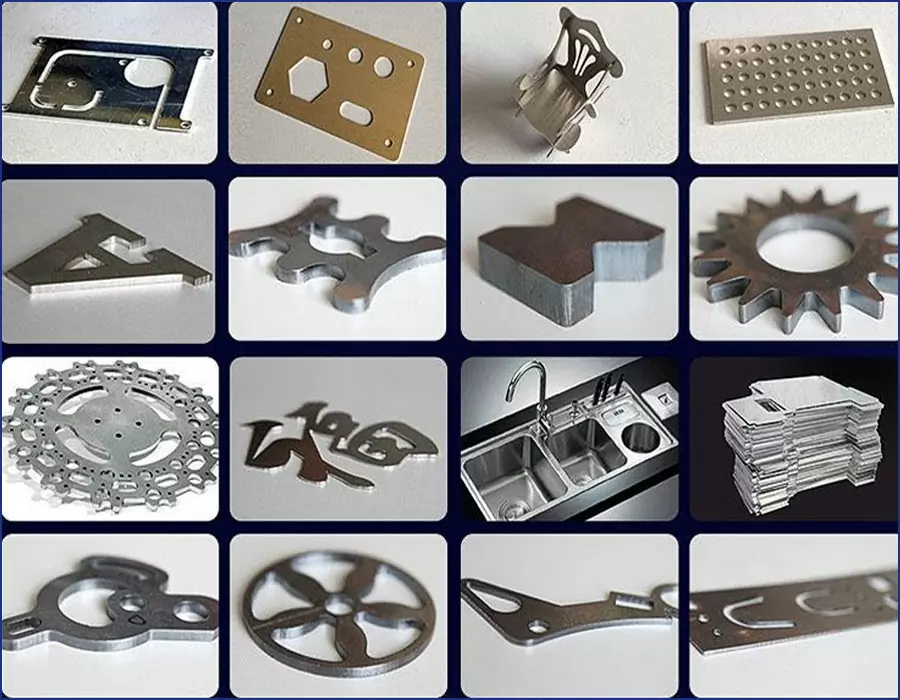
BE-CU.COM Laser Cutting provides services to a wide network of industries and markets. BE-CU is uniquely positioned to Laser Cut, Laser Engrave, Precision CNC Machine and Precision Finish Grind parts and components.We use large format industrial laser cutting machines that are extremely precise with up to .001” tolerance. Not only we cut and engrave your project, we are ready to answer any questions you may have about the process and give you expert advice.
So, reach out even if you’re unsure of your specific need or if you think you may require a different type of manufacturing service(as laser cutting medical parts). Laser cutting service by BE-CU makes ordering your parts simple. Just upload your CAD files onto the platform for an instant price and lead time. Our mission is to save engineers’ time for value-adding activities.
-
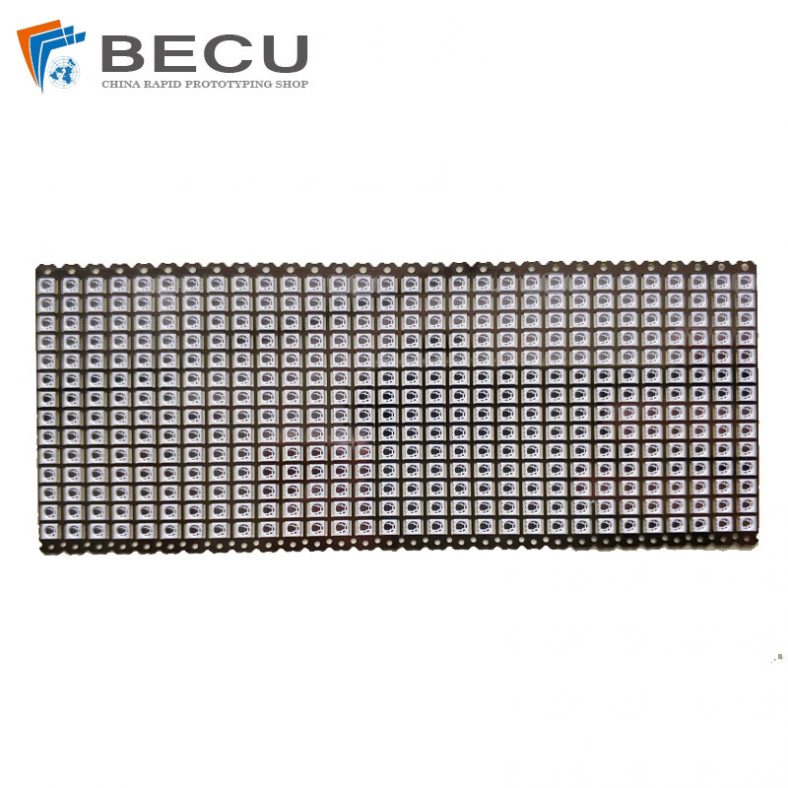
Etching LED EMC Packaging Bracket
-
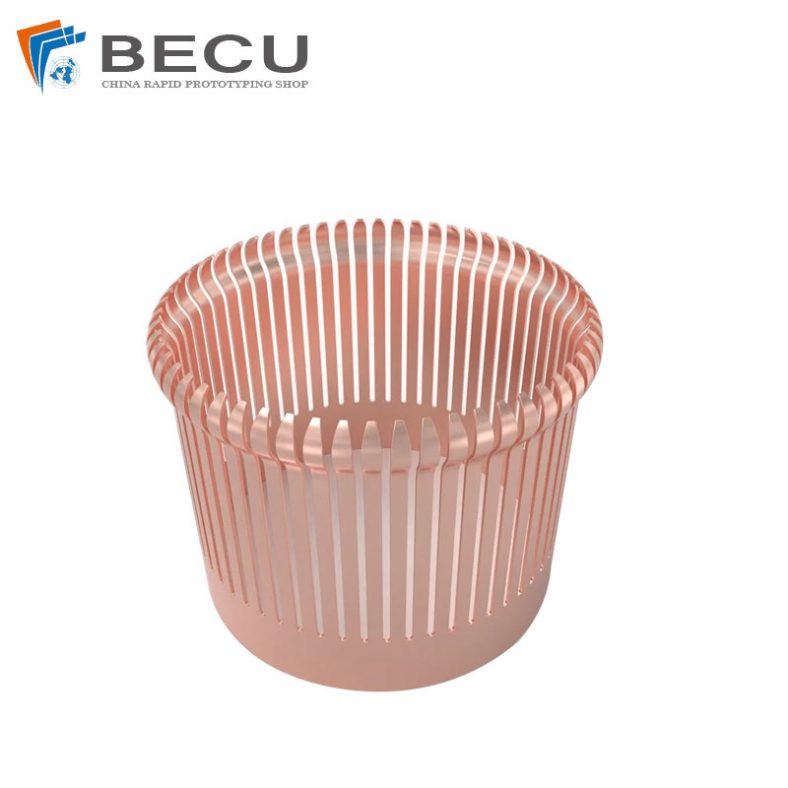
Etching Low Resistivity Copper 110 Contact Rings
-
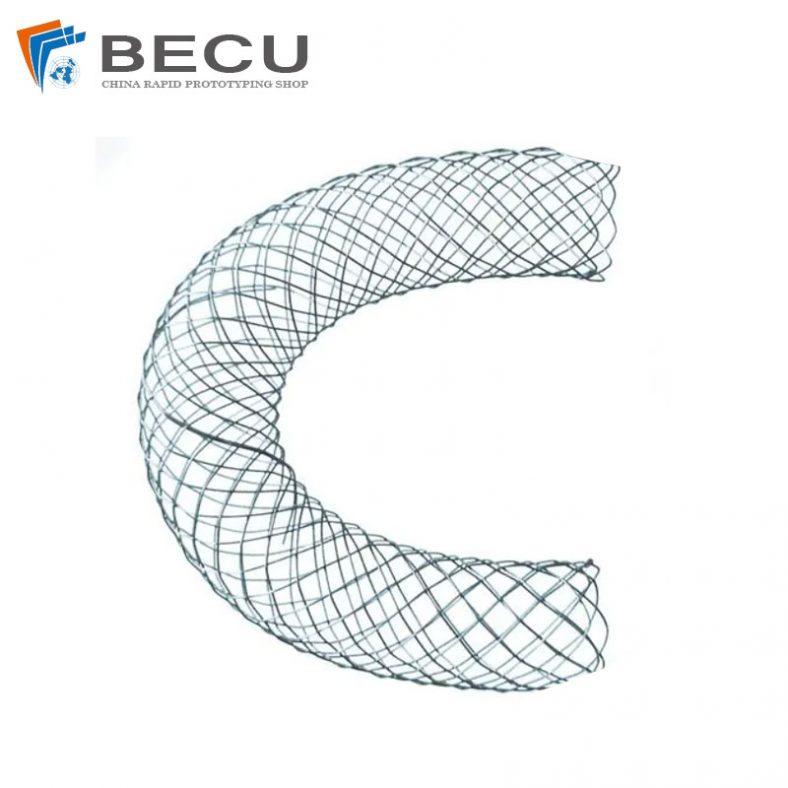
Laser Cut Nitinol Stent For Bile Duct
-
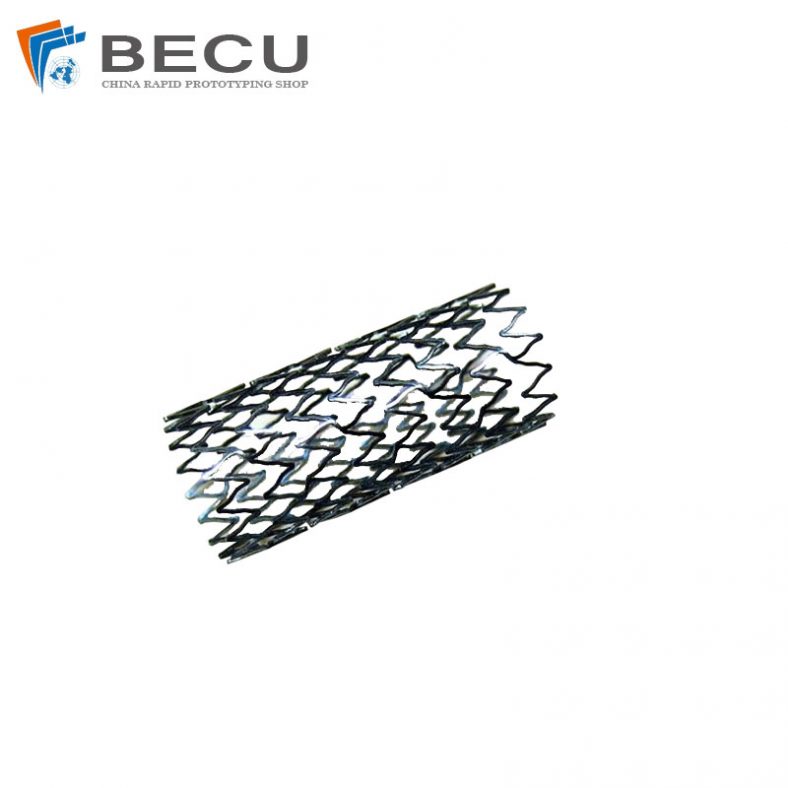
Stents For Carrying Valves And Venous Valve Replacement Devices
-
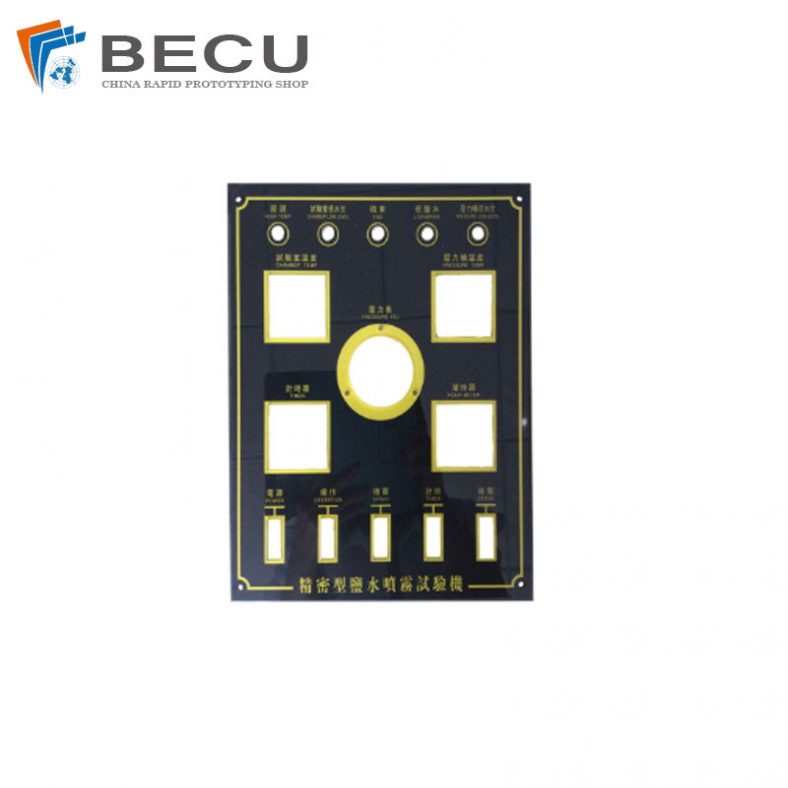
Laser Cutting PC Anti-Static Membrane Switch
-
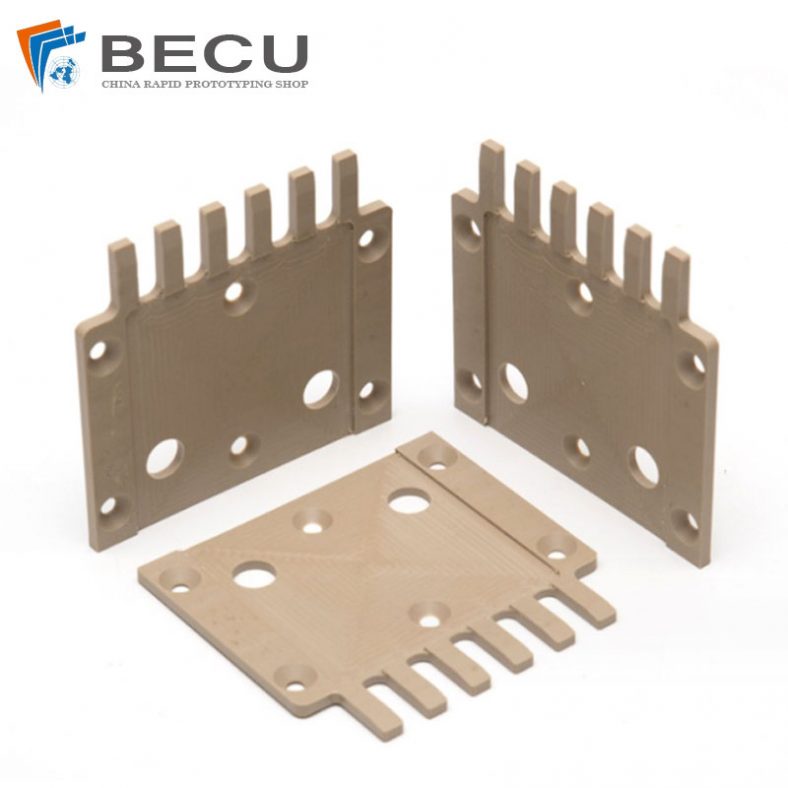
Precision Engraving Special-Shaped Natural Color PEEK Parts
-
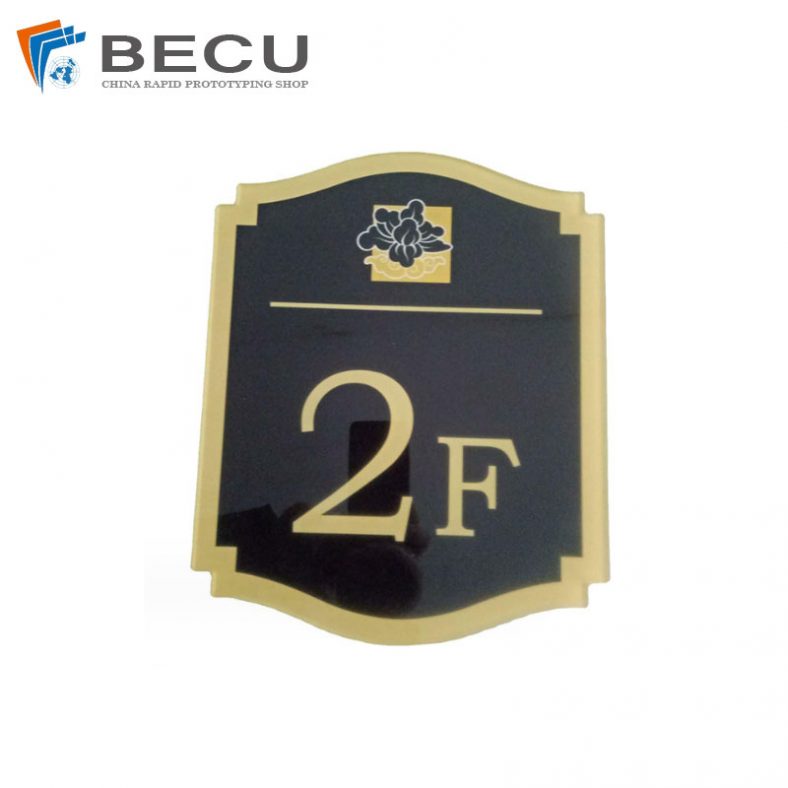
Acrylic Laser Cut Signs
-

Acrylic Laser Cut Earrings