
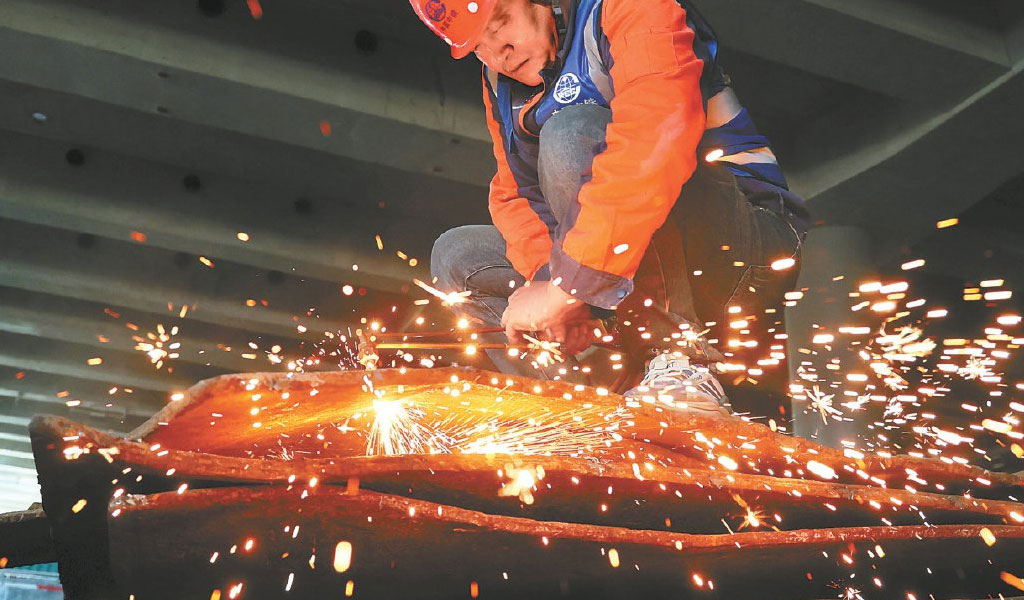
Welding is a critical process in the fabrication of structures and components across industries, from pressure vessels and piping to aerospace and automotive applications. To ensure the integrity, safety, and reliability of welded joints, standardized systems have been developed to streamline welding procedures, qualifications, and material selections. Among these, the American Society of Mechanical Engineers (ASME) Boiler and Pressure Vessel Code (BPVC), specifically Section IX, introduces classification systems known as P-Numbers and F-Numbers. These designations categorize base metals and filler metals, respectively, based on their properties and characteristics, facilitating efficient welding procedure specifications (WPS), procedure qualification records (PQR), and welder performance qualifications (WPQ). Additionally, related classifications such as Group Numbers and A-Numbers further refine these systems, enhancing their applicability. This article provides a comprehensive exploration of P-Numbers and F-Numbers, their significance, applications, and technical details, with a focus on their role in welding standardization and compliance.
Welding Classification Systems
Welding involves the joining of materials, typically metals or thermoplastics, through the application of heat, pressure, or both, to create a permanent bond. The quality of a weld depends on numerous factors, including the properties of the base metal, the filler metal, the welding process, and the skill of the welder. To manage the complexity of welding across diverse materials and applications, standardization bodies like ASME, the American Welding Society (AWS), and the International Organization for Standardization (ISO) have developed classification systems to group materials with similar characteristics.
These systems reduce the need for repetitive testing and qualification, thereby saving time, cost, and resources while ensuring consistency and safety.The ASME BPVC Section IX is a cornerstone of welding standardization, particularly for applications involving pressure vessels, boilers, piping, and nuclear components. Within this code, P-Numbers and F-Numbers serve as essential tools for categorizing base metals and filler metals, respectively. P-Numbers group base metals based on their weldability, chemical composition, and mechanical properties, while F-Numbers classify filler metals based on their usability characteristics. Together, these systems simplify the development of welding procedures and the qualification of welders, ensuring that welds meet stringent industry standards.
This article delves into the technical underpinnings of P-Numbers and F-Numbers, their historical development, their role in welding procedures, and their practical applications. It also explores related concepts such as Group Numbers, A-Numbers, and S-Numbers (now obsolete), providing a holistic understanding of welding material classifications. Detailed tables are included to compare P-Numbers, F-Numbers, and their associated material groups, enhancing the reader’s ability to navigate these systems effectively.
Historical Context and Development
The development of P-Numbers and F-Numbers is rooted in the evolution of welding as an industrial process. In the early 20th century, welding gained prominence as a method for fabricating structures, particularly during the industrial boom and World War efforts. However, the lack of standardized procedures led to inconsistent weld quality, posing safety risks in critical applications like pressure vessels and pipelines. Recognizing this, the ASME established the Boiler and Pressure Vessel Code in 1914, with Section IX focusing specifically on welding and brazing qualifications.
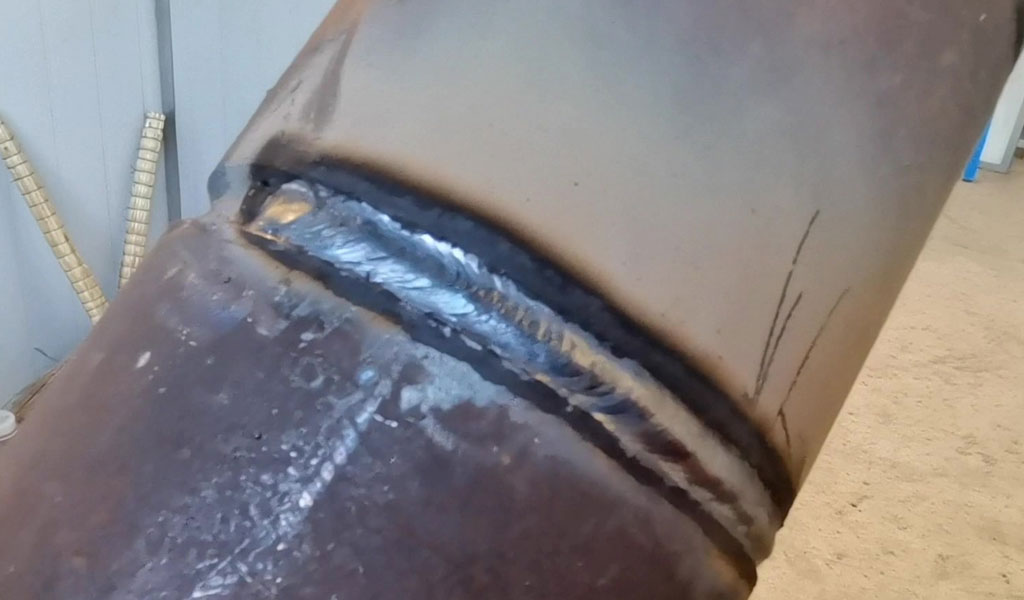
The introduction of P-Numbers and F-Numbers in the ASME BPVC Section IX was a response to the need for a systematic approach to welding procedure and welder qualification. Prior to their adoption, each material and filler metal required individual qualification, a process that was time-consuming and costly. By grouping materials with similar welding characteristics, the ASME aimed to reduce the number of qualifications required while maintaining safety and quality standards. The P-Number system was formalized to categorize base metals, while the F-Number system addressed filler metals, with both systems evolving over time to accommodate new materials and welding processes.
The S-Number system, which was similar to P-Numbers but applied to materials used in piping under the ASME B31 Code, was phased out in 2009, with S-Numbers merged into the P-Number system to streamline classifications. Group Numbers were introduced as subsets of P-Numbers to address specific requirements, such as impact testing for ferrous metals. A-Numbers, which classify the chemical composition of weld metal deposits, were also developed to complement these systems, providing a comprehensive framework for welding standardization.
The historical development of these classification systems reflects the welding industry’s commitment to balancing efficiency with safety. As new alloys, welding processes, and applications emerged, the ASME BPVC Section IX was updated to incorporate these advancements, ensuring that P-Numbers and F-Numbers remained relevant and effective.
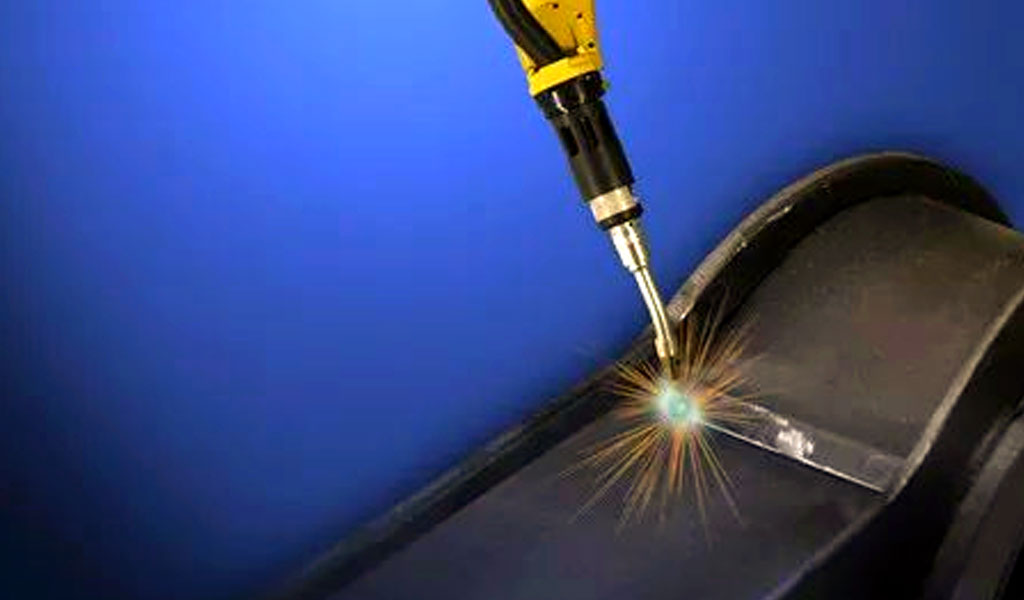
P-Numbers: Classification of Base Metals
P-Numbers are alphanumeric designations assigned to base metals by the ASME BPVC Section IX to group materials with similar welding characteristics. The primary purpose of P-Numbers is to reduce the number of welding procedure qualifications required by allowing a single qualification to apply to a group of materials with comparable properties. These properties include chemical composition, weldability, brazeability, and mechanical characteristics such as tensile strength and toughness.
By grouping base metals, P-Numbers streamline the development of Welding Procedure Specifications (WPS), which outline the parameters for a welding process, and Procedure Qualification Records (PQR), which document the testing and validation of those parameters. P-Numbers also facilitate welder performance qualifications (WPQ), enabling welders to work on multiple materials within the same group without requiring separate certifications for each.
Assignment Criteria
P-Numbers are assigned based on the following characteristics of base metals:
- Chemical Composition: The alloying elements and their percentages significantly influence weldability. For example, carbon steels, stainless steels, and nickel alloys are grouped separately due to differences in their chemical makeup.
- Weldability: Materials with similar responses to welding processes, such as susceptibility to cracking or the need for preheating, are grouped together.
- Mechanical Properties: Tensile strength, yield strength, and toughness are considered to ensure that grouped materials behave similarly under stress.
- Brazeability: For non-ferrous materials, the ability to be brazed is a factor in P-Number assignment.
- Service Requirements: The intended application, such as high-temperature or corrosive environments, influences grouping to ensure compatibility.
The assignments are detailed in ASME Section IX, Table QW/QB-422, which lists materials by their specification, grade, and corresponding P-Number. Not all materials have a P-Number; specialized alloys or those not commonly used in pressure vessels or piping may be unassigned, requiring individual qualification.
P-Number Ranges and Alloy Classes
P-Numbers are organized into ranges that correspond to different alloy classes. The following table provides an overview of the primary P-Number ranges and their associated material types:
| P-Number Range | Material Type | Examples | Description |
|---|---|---|---|
| 1 | Carbon Steel | ASTM A36, ASTM A516 Gr. 70 | Low-carbon steels with high weldability, used in structural and pressure vessel applications. |
| 3 | Low-Alloy Steel | ASTM A335 P11 | Steels with small additions of alloying elements like chromium or molybdenum, requiring specific welding considerations. |
| 4 | Low-Alloy Steel | ASTM A335 P22 | Higher alloy content than P-No. 3, often used in high-temperature applications. |
| 5A, 5B, 5C | Cr-Mo Steel | ASTM A387 Gr. 11, 22 | Chromium-molybdenum steels for high-temperature and pressure applications. |
| 6 | Martensitic Stainless Steel | AISI 410 | Stainless steels with high strength but lower corrosion resistance. |
| 7 | Ferritic Stainless Steel | AISI 430 | Stainless steels with good corrosion resistance but limited weldability. |
| 8 | Austenitic Stainless Steel | AISI 304, 316 | Highly corrosion-resistant steels used in chemical and food processing industries. |
| 9 | Nickel Steel | ASTM A333 Gr. 8 | Steels alloyed with nickel for low-temperature applications. |
| 10A–10I | High-Strength Low-Alloy Steel | ASTM A514 | Steels with enhanced mechanical properties, often requiring toughness testing. |
| 11A, 11B | High-Strength Steel | ASTM A517 | Quenched and tempered steels for specialized applications. |
| 15A–15F | Specialty Steels | Maraging Steel | Advanced alloys, often unassigned due to unique properties. |
| 21–25 | Aluminum Alloys | AA6061, AA5083 | Non-ferrous alloys used in lightweight structures. |
| 31–35 | Copper Alloys | C11000, C70600 | Non-ferrous alloys for corrosion-resistant applications. |
| 41–49 | Nickel Alloys | Inconel 625, Monel 400 | High-performance alloys for extreme environments. |
| 51–57 | Titanium Alloys | Ti-6Al-4V | Lightweight, corrosion-resistant alloys for aerospace and medical applications. |
Group Numbers
Within P-Numbers, Group Numbers are subsets assigned to ferrous base metals that require toughness testing, particularly for applications subject to impact loading or low-temperature service. Group Numbers are considered supplementary essential variables when impact testing is mandated by the construction code (e.g., ASME Section VIII). For example:
- P-No. 1, Group 1: Includes carbon steels like ASTM A516 Gr. 60 with moderate toughness.
- P-No. 1, Group 2: Includes higher-strength carbon steels like ASTM A516 Gr. 70.
Group Numbers ensure that materials with similar notch-toughness properties are grouped together, enhancing the safety of welds in critical applications. Table QW/QB-422 in ASME Section IX provides detailed assignments of Group Numbers.
Applications and Benefits
P-Numbers offer several advantages in welding:
- Efficiency: By grouping materials, P-Numbers reduce the number of WPS and PQR required, saving time and cost.
- Standardization: They provide a consistent framework for material selection and procedure development across industries.
- Safety: Grouping materials with similar properties ensures that welds maintain structural integrity and meet code requirements.
- Welder Qualification: Welders qualified on one material within a P-Number group can work on others in the same group, enhancing flexibility.
However, P-Numbers do not imply that materials within a group are interchangeable without consideration of metallurgical compatibility, post-weld heat treatment (PWHT), or service conditions. Engineering assessments are necessary to ensure suitability.
F-Numbers: Classification of Filler Metals
F-Numbers are designations assigned to filler metals (electrodes, welding rods, or wires) by ASME BPVC Section IX to group them based on their usability characteristics. The primary purpose of F-Numbers is to reduce the number of welding procedure and welder performance qualifications by grouping filler metals that require similar welding techniques and skills. F-Numbers are critical in ensuring that welders can produce sound welds with a given filler metal, as usability characteristics directly influence the ease of welding and the quality of the weld deposit.
Assignment Criteria
F-Numbers are assigned based on the following usability characteristics:
- Welding Process: The type of welding process (e.g., Shielded Metal Arc Welding [SMAW], Gas Tungsten Arc Welding [GTAW], Gas Metal Arc Welding [GMAW]) influences the filler metal’s behavior.
- Electrode Coating or Flux: For SMAW, the type of coating (e.g., cellulose, rutile, basic) affects arc stability and slag formation.
- Welding Position: The ability of the filler metal to perform in various positions (flat, horizontal, vertical, overhead) is considered.
- Polarity and Current: The electrical characteristics (e.g., direct current electrode positive [DCEP], alternating current [AC]) impact filler metal performance.
- Metallurgical Compatibility: The filler metal’s composition must be compatible with the base metal to ensure sound welds.
The assignments are detailed in ASME Section IX, Table QW-432, which lists filler metals by their specification, classification, and corresponding F-Number.
F-Number Ranges and Welding Processes
F-Numbers are organized into ranges that correspond to different welding processes and filler metal types. The following table provides an overview of the primary F-Number ranges and their associated filler metals:
| F-Number | Welding Process | Filler Metal Type | Examples | Description |
|---|---|---|---|---|
| 1 | SMAW | Cellulose-Coated Electrodes | E6010, E6011 | High-penetration electrodes for root passes, suitable for all positions. |
| 2 | SMAW | Rutile-Coated Electrodes | E6012, E6013 | General-purpose electrodes with easy slag removal, used in flat and horizontal positions. |
| 3 | SMAW | Low-Hydrogen Electrodes | E7016, E7018 | Electrodes requiring moisture control, used for high-strength welds. |
| 4 | SMAW | Basic-Coated Electrodes | E7028, E7048 | Low-hydrogen electrodes for thick sections and vertical welding. |
| 5 | SMAW | Stainless Steel Electrodes | E308-16, E316-15 | Electrodes for corrosion-resistant welds, used in austenitic stainless steels. |
| 6 | GTAW, GMAW, FCAW, SAW | Solid and Flux-Cored Wires | ER70S-6, ER308 | Wires for gas-shielded or submerged arc welding, versatile across processes. |
| 11–15 | SAW | Fluxes and Wires | F7A2-EM12K | Combinations for submerged arc welding, varying by flux type. |
| 21–25 | GTAW, GMAW | Aluminum Wires | ER4043, ER5356 | Wires for welding aluminum alloys, requiring specific shielding gases. |
| 31–37 | GTAW, GMAW | Copper Wires | ERCu, ERCuNi | Wires for copper and copper alloy welding, used in marine applications. |
| 41–49 | GTAW, GMAW | Nickel Wires | ERNiCrMo-3 | Wires for nickel alloy welding, used in high-temperature and corrosive environments. |
| 51–57 | GTAW, GMAW | Titanium Wires | ERTi-2, ERTi-5 | Wires for titanium welding, used in aerospace and medical applications. |
Applications and Benefits
F-Numbers offer several advantages in welding:
- Simplified Qualifications: By grouping filler metals with similar usability, F-Numbers reduce the need for multiple WPS and WPQ.
- Welder Proficiency: Welders qualified on one filler metal within an F-Number group can use others in the same group, provided compatibility is ensured.
- Process Consistency: F-Numbers ensure that filler metals behave predictably, enhancing weld quality.
- Cost Savings: Reduced qualification requirements lower the cost of testing and certification.
However, F-Numbers do not imply that filler metals within a group are interchangeable without considering metallurgical compatibility, PWHT, or service conditions. For example, substituting a stainless steel filler (F-No. 5) for a carbon steel filler (F-No. 6) requires careful evaluation to avoid weld imperfections.
Group Numbers: Enhancing P-Number Specificity
Definition and Purpose
Group Numbers are subsets of P-Numbers assigned to ferrous base metals that require toughness testing, particularly for applications subject to impact loading or low-temperature service. They are considered supplementary essential variables when the construction code mandates impact testing, such as in ASME Section VIII or B31.3. The purpose of Group Numbers is to further refine P-Number groupings by accounting for differences in notch-toughness, ensuring that welds meet specific performance criteria in demanding environments.
Assignment Criteria
Group Numbers are assigned based on:
- Notch-Toughness: The ability of the material to resist brittle fracture under impact loading, often tested using Charpy V-notch tests.
- Chemical Composition: Variations in alloying elements that affect toughness, such as manganese or nickel content.
- Heat Treatment: The material’s response to post-weld heat treatment (PWHT) or quenching and tempering.
- Service Conditions: The intended application, such as low-temperature or cryogenic service.
Assignments are detailed in ASME Section IX, Table QW/QB-422, alongside P-Numbers.
Examples of Group Number Assignments
The following table illustrates Group Number assignments within selected P-Numbers:
| P-Number | Group Number | Material Examples | Description |
|---|---|---|---|
| 1 | 1 | ASTM A516 Gr. 60 | Carbon steel with moderate toughness, used in pressure vessels. |
| 1 | 2 | ASTM A516 Gr. 70 | Higher-strength carbon steel with improved toughness. |
| 9 | 1 | ASTM A333 Gr. 3 | Nickel-alloyed steel for low-temperature service. |
| 10H | 1 | S32750 (Duplex SS) | Duplex stainless steel with high toughness and corrosion resistance. |
Applications and Benefits
Group Numbers enhance the precision of material selection and qualification by addressing toughness requirements. They are critical in applications where welds must withstand impact or low temperatures, such as in cryogenic vessels or offshore structures. By incorporating Group Numbers, welding procedures can be tailored to meet specific performance criteria, improving safety and reliability.
A-Numbers: Weld Metal Composition
A-Numbers are designations assigned to the chemical composition of the weld metal deposit, as defined in ASME Section IX, Table QW-442. Unlike P-Numbers and F-Numbers, which focus on base metals and filler metals, A-Numbers classify the resulting weld metal, which is a combination of the base metal and filler metal after welding. The purpose of A-Numbers is to reduce the number of procedure qualifications by grouping weld metals with similar chemical compositions, ensuring consistency in weld properties.
Assignment Criteria
A-Numbers are determined based on the chemical composition of the weld metal in the as-welded state, considering:
- Alloying Elements: The percentages of elements such as carbon, manganese, chromium, nickel, and molybdenum.
- Weld Metal Properties: The mechanical properties, such as tensile strength and toughness, influenced by the composition.
- Welding Process: The process (e.g., SMAW, GTAW) affects dilution and the final weld metal composition.
Table QW-442 lists A-Numbers and their corresponding chemical compositions. For example:
- A-No. 1: Carbon steel weld metal with low alloy content.
- A-No. 8: Austenitic stainless steel weld metal with high chromium and nickel.
Applications and Benefits
A-Numbers are primarily used in WPS and PQR to document the weld metal composition. They are essential variables for procedure qualification, ensuring that the weld metal meets the required properties for the application. A-Numbers also aid in quality control by providing a standardized method to verify weld metal consistency.
S-Numbers: A Historical Perspective
Definition and Purpose
S-Numbers were designations similar to P-Numbers, assigned to base metals used in piping under the ASME B31 Code or specific Boiler and Pressure Vessel Code Cases. Their purpose was to group materials with similar welding characteristics for piping applications, reducing the number of qualifications required.
Phase-Out and Integration
In 2009, the ASME BPVC Section IX phased out S-Numbers, merging them into the P-Number system to streamline classifications. Materials previously assigned S-Numbers were reassigned corresponding P-Numbers or P-Numbers with Group Numbers. This integration simplified the code and eliminated redundancy, as S-Numbers served a purpose nearly identical to P-Numbers.
Legacy Impact
While S-Numbers are no longer in use, their historical significance lies in their contribution to the development of the P-Number system. Understanding S-Numbers provides context for the evolution of welding standards and the ongoing effort to improve efficiency and clarity in material classifications.
Practical Applications in Welding Procedures
Welding Procedure Specification (WPS)
A Welding Procedure Specification (WPS) is a document that outlines the parameters for a welding process, including the base metal, filler metal, welding process, and other variables. P-Numbers and F-Numbers are integral to WPS development, as they define the material and filler metal groups to which the procedure applies. For example:
- A WPS qualified for P-No. 1, Group 1 (e.g., ASTM A516 Gr. 60) can be used for other materials in the same group, such as ASTM A36.
- A WPS specifying an F-No. 4 filler metal (e.g., E7018) can apply to other low-hydrogen electrodes in the same F-Number group.
Procedure Qualification Record (PQR)
A Procedure Qualification Record (PQR) documents the testing and validation of a WPS, including mechanical tests (e.g., tensile, bend, impact) to verify weld quality. P-Numbers and F-Numbers are recorded in the PQR to indicate the material and filler metal groups qualified. For example, a PQR tested with P-No. 8 (austenitic stainless steel) and F-No. 5 (stainless steel electrode) qualifies the procedure for other materials and fillers in those groups, subject to code restrictions.
Welder Performance Qualification (WPQ)
A Welder Performance Qualification (WPQ) certifies a welder’s ability to produce sound welds using a specific process, material, and filler metal. P-Numbers and F-Numbers define the range of materials and fillers the welder is qualified to use. For instance, a welder qualified with P-No. 1 and F-No. 3 can weld other P-No. 1 materials with F-No. 1, 2, or 3 fillers, as per ASME Section IX, Table QW-433.
Case Studies
- Pressure Vessel Fabrication: In constructing a pressure vessel using ASTM A516 Gr. 70 (P-No. 1, Group 2), a WPS is developed with E7018 (F-No. 4). The PQR qualifies the procedure for all P-No. 1 materials, reducing the need for additional testing when welding ASTM A36 (P-No. 1, Group 1) components.
- Piping System Installation: A piping system using AISI 316 stainless steel (P-No. 8) and ER316 filler wire (F-No. 6) requires a WPS. The PQR qualifies the procedure for other P-No. 8 materials, such as AISI 304, streamlining the project.
- Low-Temperature Service: For a cryogenic vessel using ASTM A333 Gr. 3 (P-No. 9, Group 1), impact testing is required. The Group Number ensures that the WPS accounts for toughness, enhancing weld reliability.
Challenges and Limitations
Material Interchangeability
While P-Numbers and F-Numbers simplify qualifications, they do not imply that materials or fillers within a group are interchangeable without consideration. Factors such as metallurgical compatibility, PWHT requirements, and service conditions must be evaluated. For example, welding P-No. 8 (stainless steel) to P-No. 1 (carbon steel) requires careful selection of filler metals to prevent issues like cracking or corrosion.
Unassigned Materials
Not all materials have P-Numbers or F-Numbers. Specialized alloys, such as maraging steel or certain titanium grades, may be unassigned, requiring individual qualification. This can increase project costs and complexity, particularly in niche applications like aerospace or medical devices.
Code Compliance
Adhering to ASME Section IX and other codes (e.g., AWS D1.1, ISO 15614) requires a thorough understanding of P-Numbers and F-Numbers. Misinterpretation or incorrect application can lead to non-compliance, resulting in rejected welds or safety risks.
Evolving Standards
As new materials and welding processes emerge, the ASME BPVC must be updated to incorporate them. Staying current with code revisions is essential for engineers, welders, and inspectors to ensure compliance and optimal performance.
Comparison with Other Standards
AWS D1.1
The AWS D1.1 Structural Welding Code uses a different material grouping system for structural applications, focusing on carbon and low-alloy steels. While AWS D1.1 adopts F-Numbers similar to ASME, its base metal groupings are based on material specifications and grades rather than P-Numbers. For example, ASTM A36 and A572 Gr. 50 may be grouped differently in AWS D1.1 compared to ASME’s P-No. 1.
ISO 15608
The ISO 15608 standard provides a material grouping system for welding, similar to P-Numbers, but with different designations (e.g., Group 1 for carbon steels, Group 8 for austenitic stainless steels). While ISO 15608 aligns with ASME in many cases, its groupings may differ in scope and criteria, requiring cross-referencing for international projects.
Comparison Table
| Standard | Base Metal Grouping | Filler Metal Grouping | Key Differences |
|---|---|---|---|
| ASME Section IX | P-Numbers, Group Numbers | F-Numbers, A-Numbers | Focuses on pressure vessels and piping, with detailed toughness requirements. |
| AWS D1.1 | Material Specifications | F-Numbers | Emphasizes structural welding, with simpler groupings for carbon and low-alloy steels. |
| ISO 15608 | ISO Groups | Not specified | Broad international applicability, with groupings based on chemical and mechanical properties. |
Conclusion:Future Trends and Innovations
P-Numbers and F-Numbers are foundational elements of welding standardization, as defined by the ASME BPVC Section IX. By grouping base metals and filler metals based on their welding characteristics, these systems streamline procedure and performance qualifications, enhance safety, and reduce costs. P-Numbers categorize base metals by chemical composition, weldability, and mechanical properties, while F-Numbers classify filler metals by usability characteristics. Supplementary systems like Group Numbers and A-Numbers further refine these classifications, addressing specific requirements such as toughness and weld metal composition.
Advanced Materials
The development of advanced materials, such as high-entropy alloys, composites, and additively manufactured metals, poses challenges for P-Number and F-Number assignments. Future revisions of ASME Section IX may include new classifications to accommodate these materials, ensuring their integration into standardized welding practices.
Automation and Digitalization
Automated welding systems and digital tools, such as welding procedure management software (e.g., ProWrite), are transforming the application of P-Numbers and F-Numbers. These tools streamline WPS and PQR development, automate material selection, and enhance compliance with code requirements.
Sustainability
Sustainability in welding involves optimizing material use, reducing energy consumption, and minimizing waste. P-Numbers and F-Numbers contribute by reducing the need for redundant qualifications, but future standards may prioritize eco-friendly materials and processes, influencing classification criteria.
Global Harmonization
Efforts to harmonize welding standards across ASME, AWS, ISO, and other bodies are ongoing. Aligning P-Numbers and F-Numbers with international systems like ISO 15608 could simplify global projects, reducing confusion and improving efficiency.
Despite their benefits, P-Numbers and F-Numbers have limitations, including the need for careful consideration of material compatibility and the challenge of unassigned materials. Understanding these systems requires familiarity with ASME Section IX and related standards, as well as awareness of their applications in WPS, PQR, and WPQ. As welding technology evolves, P-Numbers and F-Numbers will continue to adapt, incorporating new materials, processes, and global standards to meet the demands of modern industry.
This comprehensive exploration of P-Numbers and F-Numbers underscores their critical role in welding, providing a robust framework for engineers, welders, and inspectors to achieve high-quality, compliant welds. By leveraging these classifications effectively, the welding industry can maintain its commitment to safety, efficiency, and innovation.
The Detail Of BE-CU Sheet Metal Company
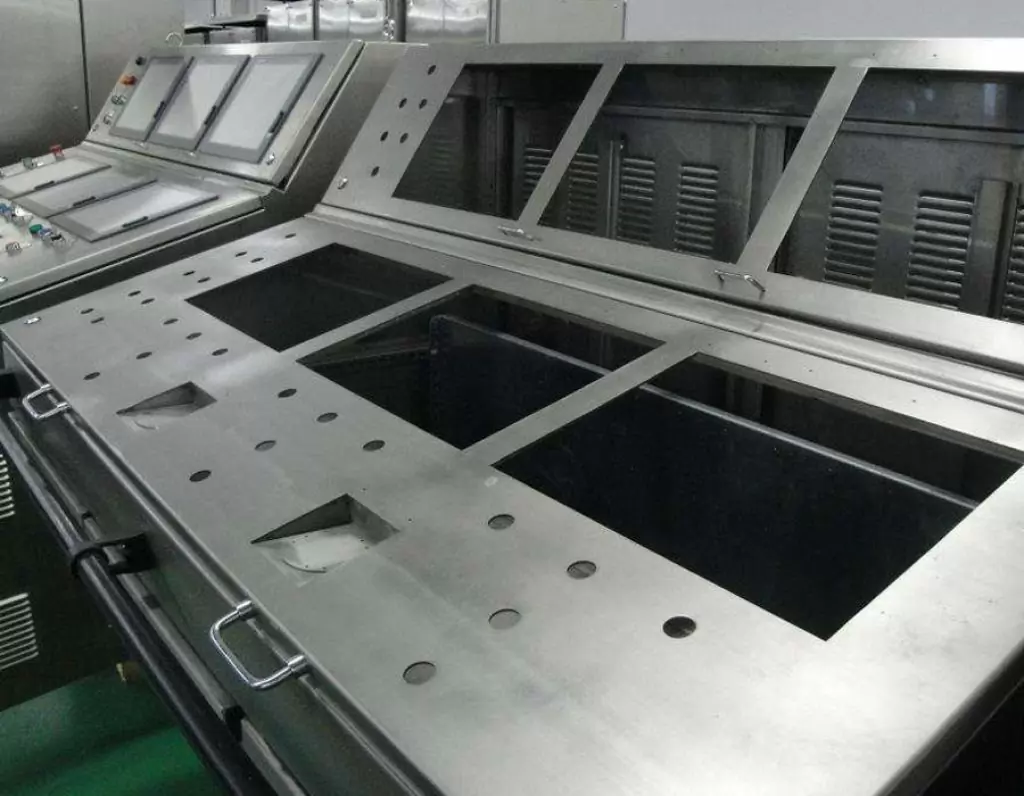
BE-CU is a professional and technical enterprise engaged in sheet metal fabrication, with over 2000 m2 sheet metal workshop and has one-stop service of industrial automation R&D, production, processing and sales.Custom manufacturer of sheet metal component assemblies made from stainless steel, aluminum and carbon steel. Offered in different specifications and features.Markets served include aerospace, lighting, medical, defense, semiconductor/electronics, capacitor, chemical processing and energy.Capable of maintaining dimensional tolerance up to +/-0.005 in. Capabilities include contract manufacturing, fabrication, machining, bending, milling, cutting, forming, drilling, fitting, assembly, notching, punching, rolling, turning, CNC press braking, flame and high definition plasma cutting, saw cutting, shearing, prototyping, high volume, short run and long run production and MIG, TIG and arc welding. Secondary services include Blanchard grinding, galvanizing and painting.
-
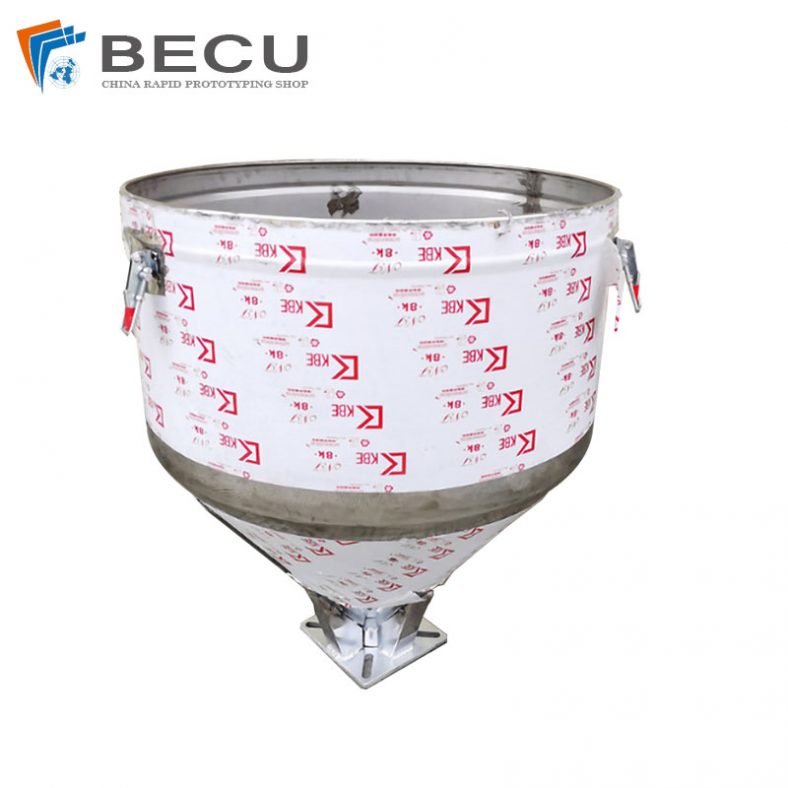
Sheet Metal Fabrication Injection Molding Machine Hopper
-
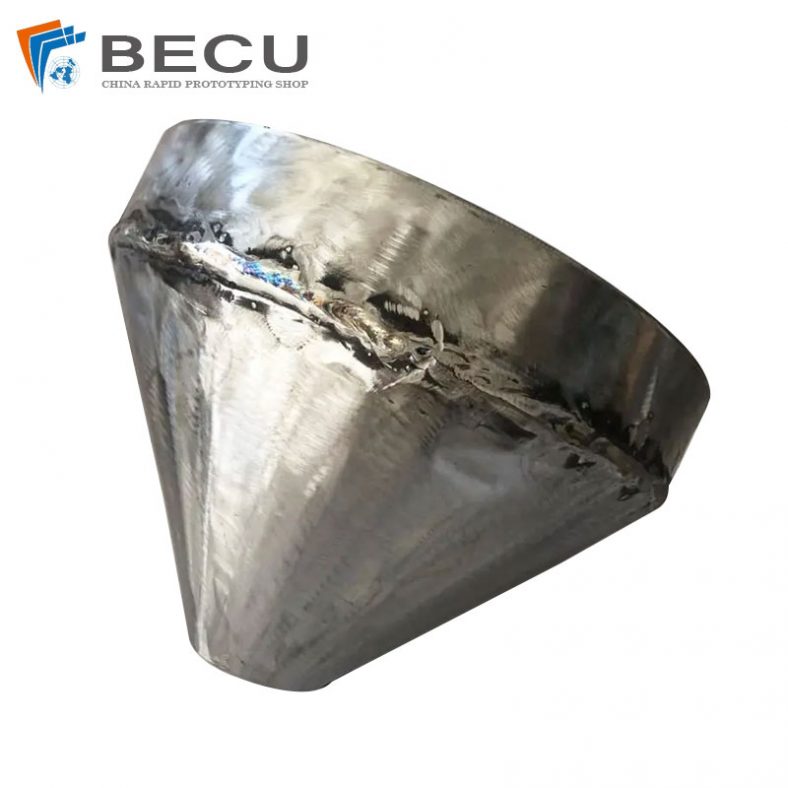
Sheet Metal Fabrication Funnel For Agricultural Machinery
-
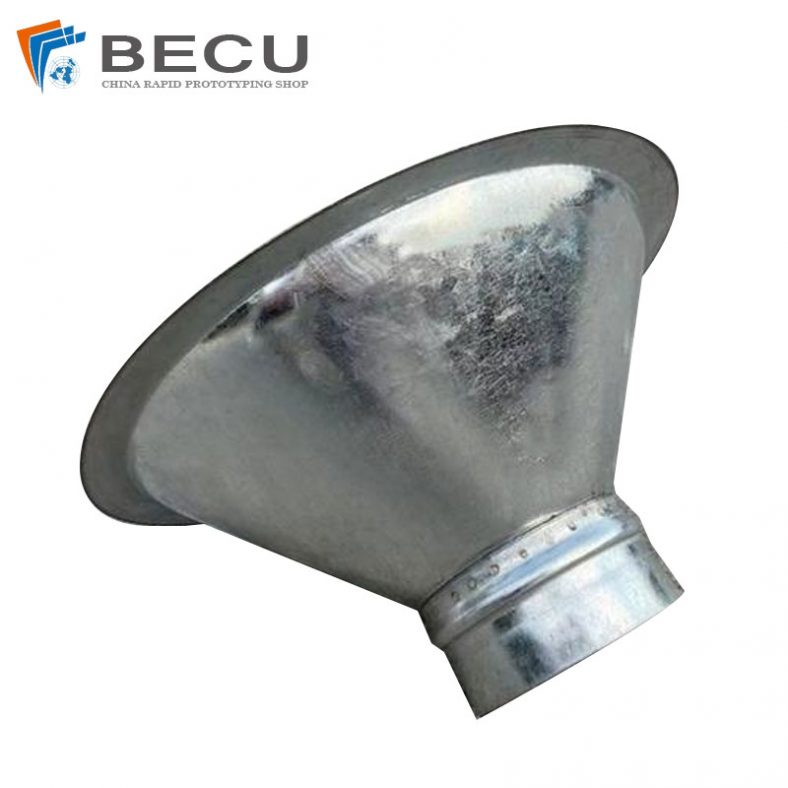
Sheet Metal Fabrication Galvanized Spiral Air Duct
-
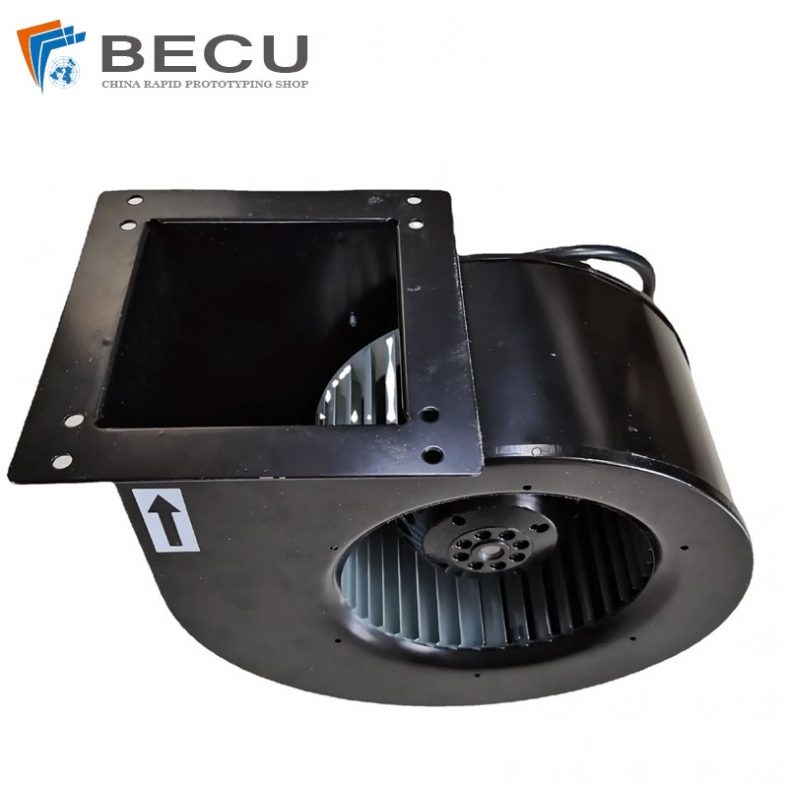
PCS Fan Ductwork Sheet Metal Housing
-
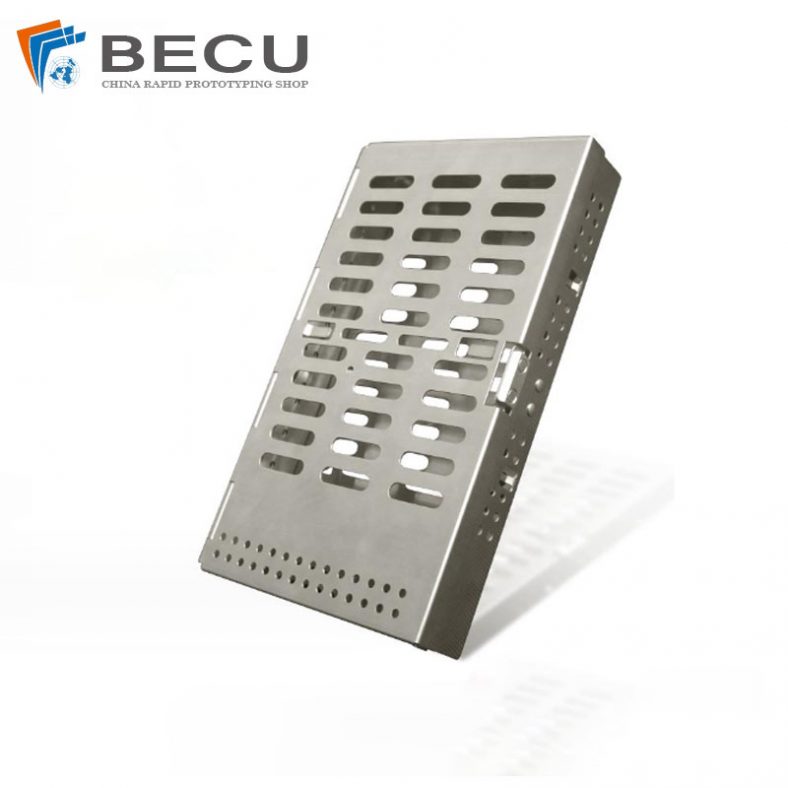
Custom Sheet Metal Surgical Instrument Sterilization Box For Beauty Salon
-
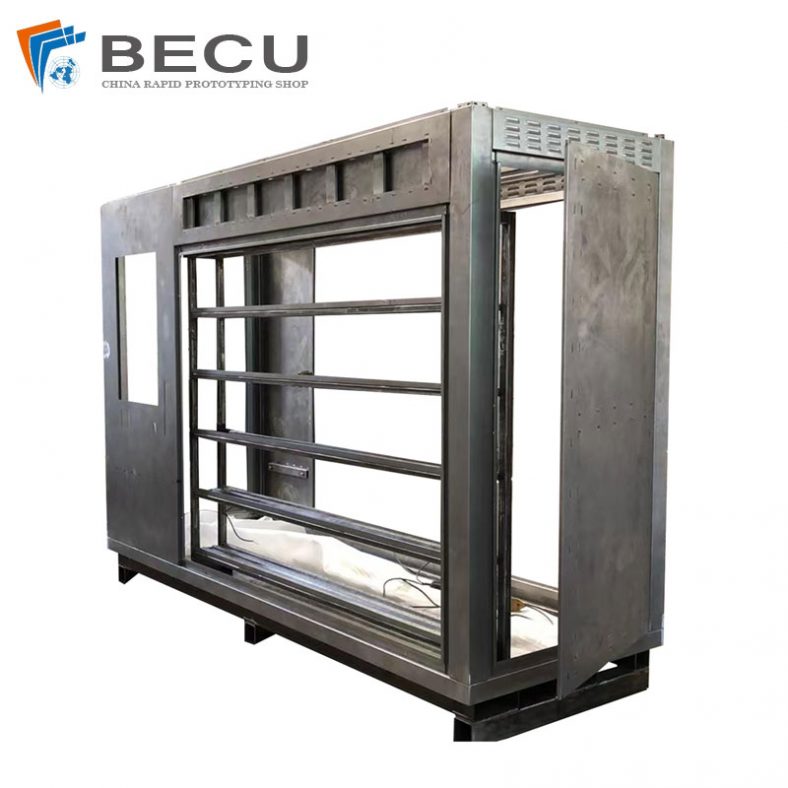
Precision Fabrication Green Energy EV Charging Station Cabinet
-
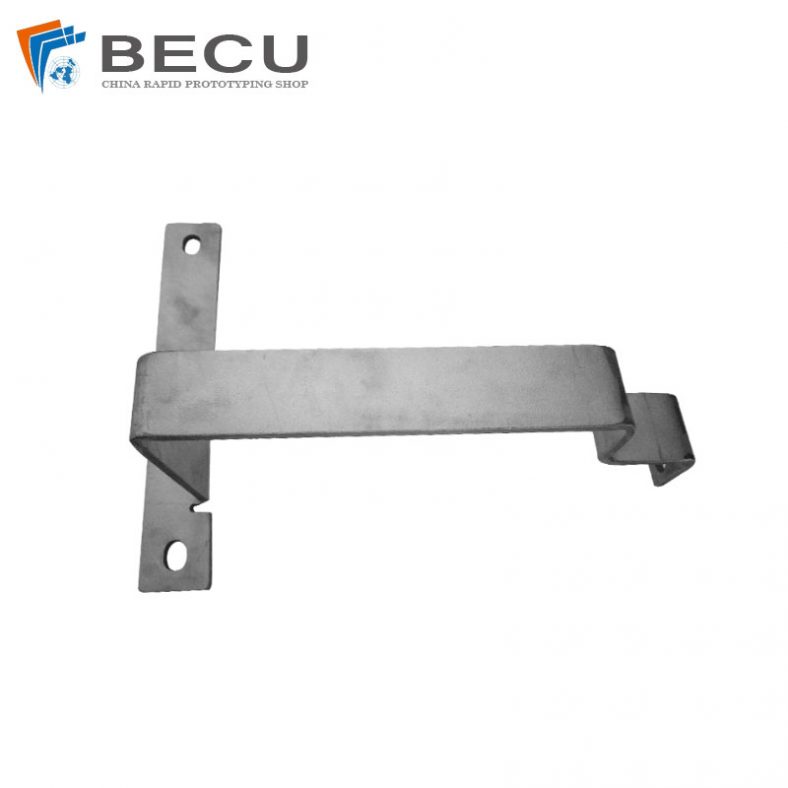
TA1TA2 Alloy Sheet Metal Manufacturing Machinery Support Parts
-
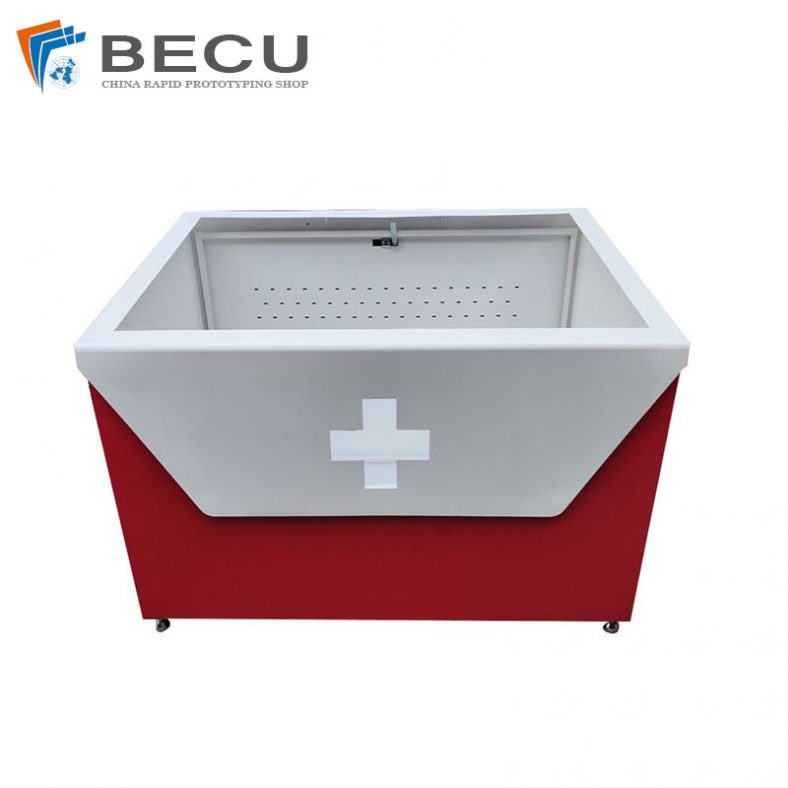
Sheet Metal Fabrication Aluminum 5052 Medical Box For Fire Fighting