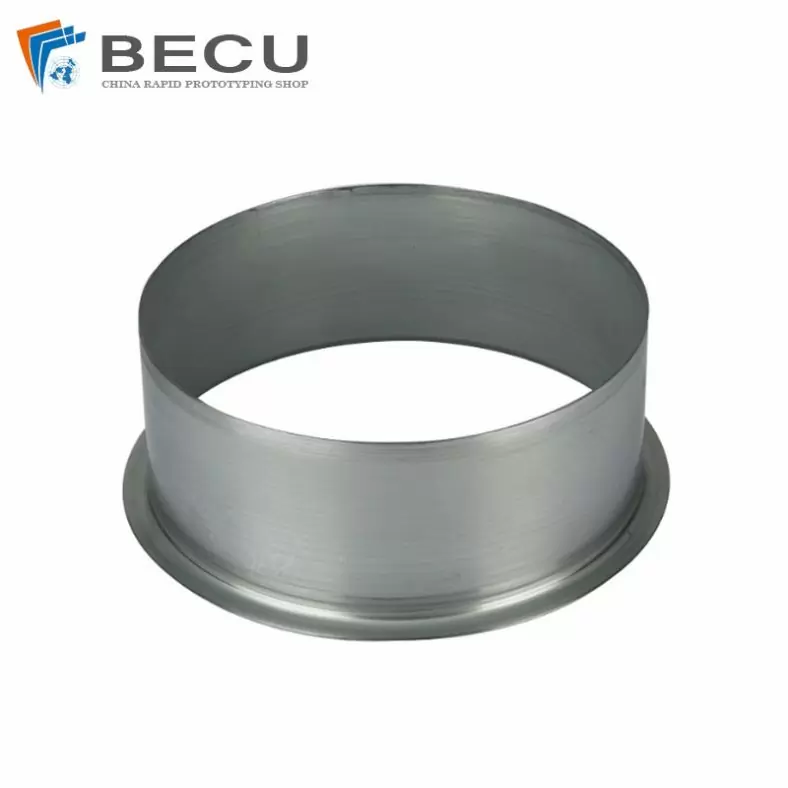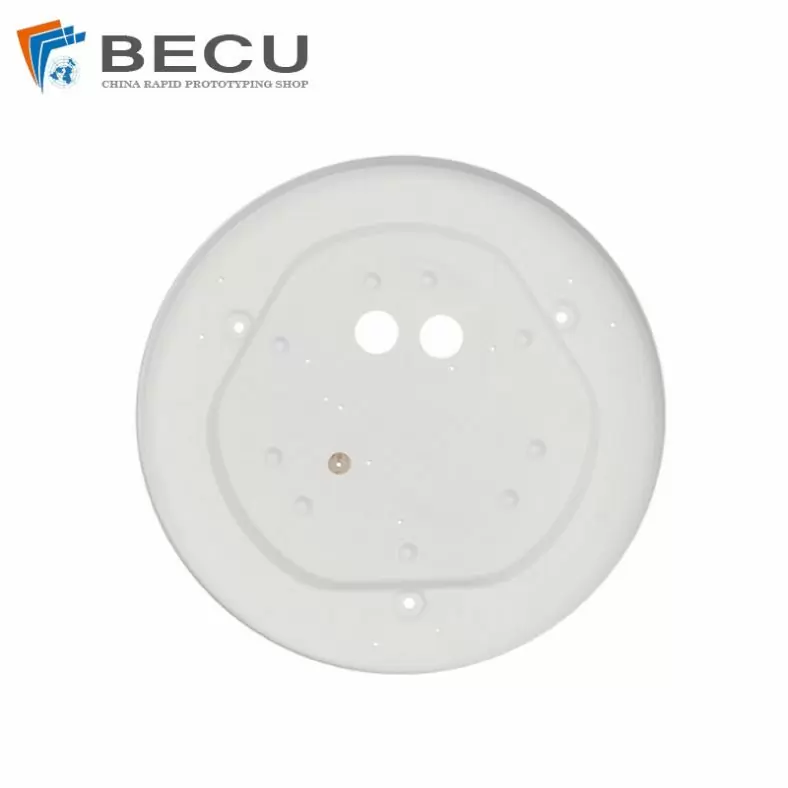

Steel Spinning
Steel spinning is a versatile and precise metalworking process that plays an important role in the creation of cylindrical and symmetrical components for a wide range of industries. As a specialized technique in the broader field of metal forming, steel spinning involves shaping a sheet or disc of steel into a hollow form by applying pressure with a rotating mandrel and tools, usually a roller or pad. This process allows for the manufacture of parts that are both strong and lightweight, and that exhibit a high degree of precision in terms of thickness, roundness, and overall shape.
Steel spinning is fundamentally a process of forming a metal sheet or disc into a desired shape by applying pressure as it is rotated. The process typically begins with the selection of a raw material, often in the form of a flat steel disc, which is secured on a rotating mandrel. The material is then progressively formed by the application of various tools that manipulate the shape of the metal. These tools may include rollers, pads, and other forming elements, which are guided along the surface of the rotating sheet to achieve the desired geometry.
Steel Spinning Service – Metal Spinning Steel – Spun Steel
Steel spinnings are the heart of metal spinning. Steel spinning is a versatile and cost-effective metal forming process that has found applications in a wide range of industries, from aerospace to automotive to consumer goods. The process offers a number of advantages, including high precision, material efficiency, and the ability to produce complex shapes. Despite its challenges, steel spinning remains an essential technique for manufacturing high-quality components with tight tolerances and superior material properties. While Be-Cu has advanced with new technology to meet the metal spun steel demands of our customers, we still hold strong to our founding core business: to give our customers the highest quality of steel metal spinnings.
Other Advantage Of Be-cu.com
- ISO 9001:2015 certified and ITAF 16949 certified
- Fully compliant with the exacting requirements of our customers,High customer satisfaction and loyalty
- Average 7 days turnaround time and 99.85% on time delivery
- Multiple options of cnc spinning materials to meet specific properties.
- Skilled in KanBan and other customer driven quality and inventory management systems
- Efficient precision spinning factory for mass production rapid prototyping service
- Fast free quotation within 24 hours after inquiry
- Rich design and manufacturing experience

Materials Used in Steel Metal Spinning
The material selected for steel spinning plays a significant role in the success of the process, as different materials have varying levels of malleability, strength, and resistance to deformation. Steel spinning typically involves the use of metal sheets or discs, which are progressively formed into cylindrical or conical shapes through the application of pressure. While steel is the primary material used in this process, other metals and alloys may also be employed depending on the specific requirements of the part being produced, such as strength, durability, corrosion resistance, and cost-effectiveness.
The most commonly used materials in steel spinning are different types of steel, including carbon steel, stainless steel, alloy steel, and high-strength low-alloy (HSLA) steels. Each material has unique properties that make it suitable for particular applications. Below, we will explore the key materials used in steel spinning and their respective advantages.

1. Carbon Steel Spinning
Carbon steel is the most widely used material in steel spinning due to its favorable combination of strength, ductility, and ease of formability.
It is a versatile material that offers a good balance between performance and cost, making it suitable for a broad range of applications. Carbon steel contains carbon as its principal alloying element, with varying amounts depending on the grade of steel.
This type of carbon steel typically contains less than 0.3% carbon, making it highly ductile and easy to form. Low-carbon steel is ideal for parts that require a high degree of deformation and shaping. It is commonly used in the production of thin-walled parts and components that do not require high strength, such as decorative items, automotive body panels, and household goods.
Containing between 0.3% and 0.6% carbon, medium-carbon steel has greater strength and hardness compared to low-carbon steel, while still maintaining a good level of formability. Medium-Carbon Steel material and its alloy is used for more structurally demanding applications, such as in the production of automotive parts and industrial equipment.
High-carbon steel, with a carbon content of 0.6% to 1.4%, is much harder and stronger than low- and medium-carbon steels. However, it is less ductile and more difficult to form. High-carbon steel is typically used for parts that require superior wear resistance, such as cutting tools and springs, though it is less commonly used in spinning due to the difficulty in shaping.

2. Stainless Steel Spinning
Stainless steel is a corrosion-resistant alloy of steel that contains a minimum of 10.5% chromium, which imparts its resistance to rust, stains, and corrosion. Due to its enhanced strength and durability, stainless steel is commonly used in applications where the material is exposed to harsh environments, such as in the aerospace, automotive, medical, and food processing industries.Stainless steel is more challenging to spin than carbon steel due to its higher tensile strength, but its exceptional corrosion resistance and ability to withstand high temperatures make it a preferred material for many applications.
Austenitic stainless steels, such as 304 and 316, are the most common grades used in steel spinning. These materials offer excellent corrosion resistance and good formability, especially when used in thin gauge materials. They are widely used in applications that require hygiene, durability, and resistance to oxidation, such as in the production of kitchenware, medical devices, and chemical processing equipment.
Ferritic stainless steels, such as 409 and 430, are magnetic and have good resistance to corrosion but lower strength than austenitic grades. They are often used in applications where corrosion resistance is needed but where the material does not need to withstand extreme conditions, such as exhaust systems or decorative trim pieces.
Martensitic stainless steels, such as 410, are stronger and harder than austenitic grades but have lower corrosion resistance. They are used in applications that require higher strength and hardness, such as industrial equipment and tools.

3. Alloy Steel Spinning
Alloy steel is made by adding elements such as chromium, nickel, molybdenum, or vanadium to carbon steel, which enhances its mechanical properties and resistance to corrosion, wear, and heat.
These materials are particularly useful for producing components that must withstand high-stress conditions, extreme temperatures, or chemical exposure.
Nickel enhances the strength, toughness, and corrosion resistance of steel. Nickel alloys are often used in the aerospace, automotive, and chemical industries, particularly for components exposed to high temperatures and corrosive environments.
Molybdenum is added to steel to increase its strength at high temperatures, making it ideal for producing components that need to perform under thermal stress, such as turbine blades, heat exchangers, and other critical aerospace parts.
Vanadium is used to improve the toughness and strength of steel. It is commonly used in applications where high tensile strength and resistance to wear and fatigue are required, such as in the manufacturing of tools and heavy machinery.
Chromium is added to steel to increase its hardness, tensile strength, and wear resistance. It is commonly used for parts that require enhanced durability, such as gears, shafts, and other industrial components.
The Advantage Of Steel Spinning
Steel spinning offers several advantages over other metal forming techniques, including its cost, versatility, and ability to produce high-quality components. The key benefits of steel spinning include:
Precision
Material Efficiency
Low Tooling Costs
Ability to Produce Complex Shapes
Flexibility

Our Case Studies Gallery Of Spun Steel CNC Spinning
Put Be-cu.com’ experience to work for all of your steel spinning and spin forming needs—from traditional manual steel spinning to cutting edge CNC steel spinning. The spun steel spinning process is perfect for a wide variety of industries that require consistent tolerances, fast turn-around, and uncompromising quality.