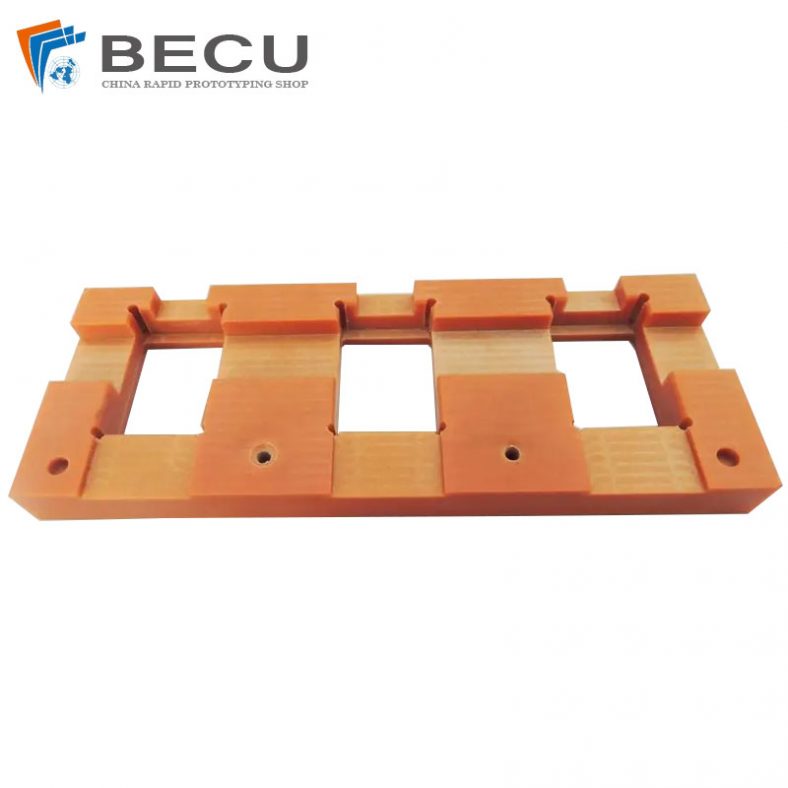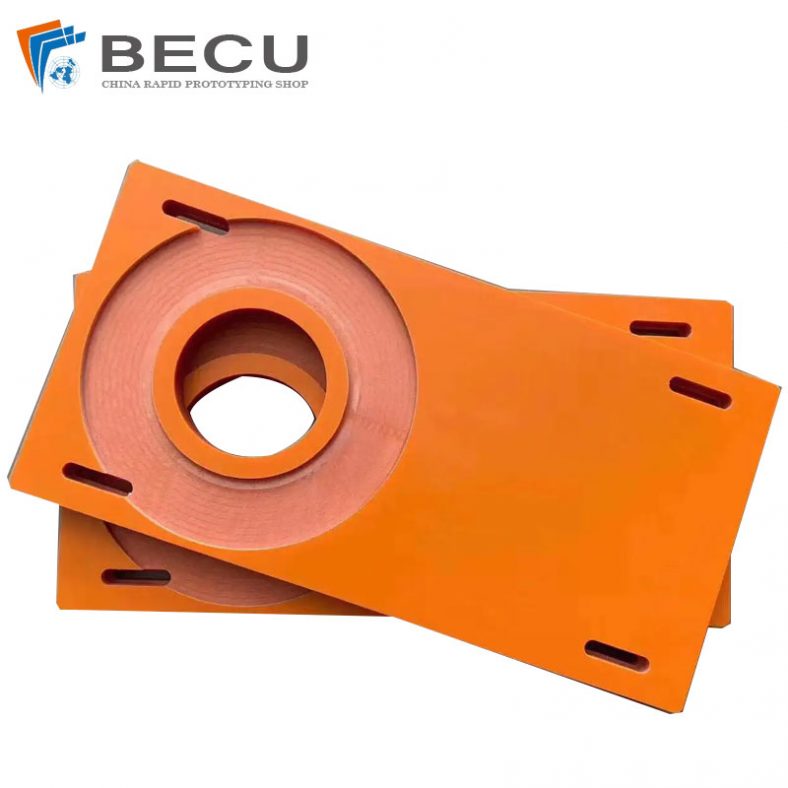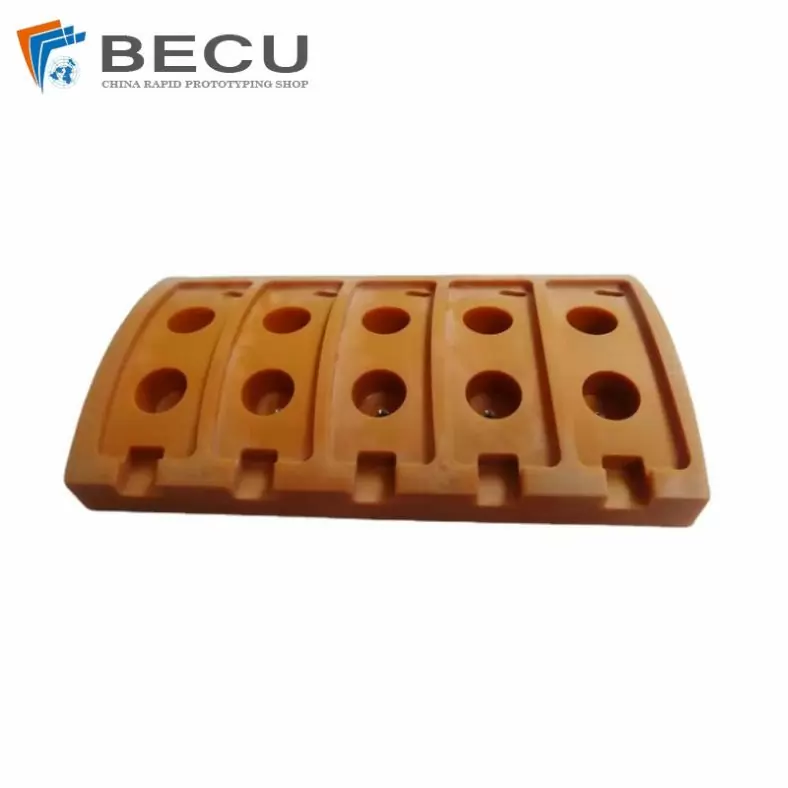


Circuit Board Test Fixture
- Product Name: Bakelite Parts
- No+Color:Custom
- Surface Treatment: Oxidation
- Product Material: Plastic
- Proofing Cycle:7 days(100000 pcs/M)
- Application:Precision Cnc Machining
- machining Factory:Be-cu Rapid Prototyping Companies
- Product Category: Machining Fixtures
- Process: Cnc Machining Bakelite
- Size: According To Customer’s Drawings
High-Quality CNC Machining Bakelite Circuit Board Test Fixture
A circuit board test fixture, often referred to simply as a test fixture or test jig, is a specialized tool used in the electronics industry to test the functionality and reliability of printed circuit boards (PCBs). As electronic devices become increasingly complex, the need for effective testing methods has grown, making test fixtures crucial for quality assurance and performance validation. These fixtures ensure that circuit boards meet design specifications and operate correctly before they are deployed in end-user applications.
Circuit board test fixtures play a crucial role in ensuring the functionality, reliability, and quality of printed circuit boards. By providing a stable and precise means of testing, they help identify defects, verify performance, and maintain high standards in electronic manufacturing. As technology continues to advance, test fixtures will evolve to meet the demands of increasingly complex and miniaturized electronic devices, driving improvements in testing efficiency and accuracy.
Purpose of Circuit Board Test Fixtures
The primary purpose of a circuit board test fixture is to provide a stable and precise means of testing PCBs. Testing is essential to identify defects, verify circuit functionality, and ensure that boards meet design criteria. Test fixtures facilitate this by securely holding the PCB in place and providing the necessary electrical connections for testing.Key purposes of circuit board test fixtures include:
- Defect Detection: Test fixtures help identify manufacturing defects, such as soldering issues, component misplacement, or electrical faults.
- Functional Verification: They allow for the testing of the board’s electrical functionality, including signal integrity, power distribution, and communication protocols.
- Quality Assurance: By verifying that each PCB meets design specifications, test fixtures contribute to the overall quality and reliability of electronic products.
- Efficiency: Test fixtures streamline the testing process, making it faster and more accurate compared to manual testing methods.
Types of Circuit Board Test Fixtures
Several types of test fixtures are used depending on the testing requirements and PCB characteristics. Common types include:
1. Bed-of-Nails Test Fixtures
Bed-of-nails fixtures use a grid of pins or probes to make contact with the test points on a PCB. The board is placed on a bed with numerous spring-loaded pins that align with the test points. This type of fixture is widely used for its reliability and ability to test a large number of points simultaneously.
2. Flying Probe Test Fixtures
Flying probe test fixtures use robotic probes that move across the PCB to make contact with test points. This method is ideal for low-volume production or prototypes where custom fixtures are not cost-effective. Flying probe testers can access a wide range of test points without the need for a physical fixture.
3. Fixture-less Test Systems
Fixture-less test systems rely on advanced technologies, such as automated optical inspection (AOI) and in-circuit testing (ICT), to test PCBs without the need for physical test fixtures. These systems use cameras and sensors to inspect the board’s components and connections.
4. Functional Test Fixtures
Functional test fixtures are designed to test the complete functionality of a PCB, simulating real-world operating conditions. These fixtures may include specialized hardware and software to assess the performance of the board under various scenarios.
Components of Circuit Board Test Fixtures
Test fixtures consist of several key components that work together to ensure effective testing:
1. Fixture Frame
The fixture frame provides structural support and holds the PCB in place. It must be robust and accurately machined to ensure proper alignment.
2. Test Probes
Test probes make electrical contact with the PCB’s test points. They can be spring-loaded or fixed, depending on the design requirements.
3. Interconnects
Interconnects link the test probes to the test equipment, ensuring that electrical signals are accurately transmitted.
4. Mechanical Supports
Mechanical supports, such as clamps or vacuum systems, secure the PCB within the fixture, preventing movement during testing.
5. Signal Conditioning Equipment
Signal conditioning equipment is used to modify or enhance electrical signals for accurate measurement and analysis.
The Advantages Of CNC Machining Bakelite Circuit Board Test Fixture
- – Excellent wear and impact resistance
- – Durable and solid, long lifetime
- – Good strength and electrical conductivity
- – Customization based on customer specification
Specifications of CNC Machining Bakelite Circuit Board Test Fixture
| Material | Bakelite |
| Tolerance | +/-0.05mm |
| Surface Treatment | Custom |
| Main Process | CNC Milling, Swiss Machining, 5 Axis Cnc Machining , CNC Turning |
| Quality Control | Strictly Quality control in the whole process, from material to packing, Coordinate-measuring machine |
| Usage | Jig And Fixture |
| Customized Drawings | Auto CAD, JPEG, PDF, STP, IGS, and most other file formats are accepted |
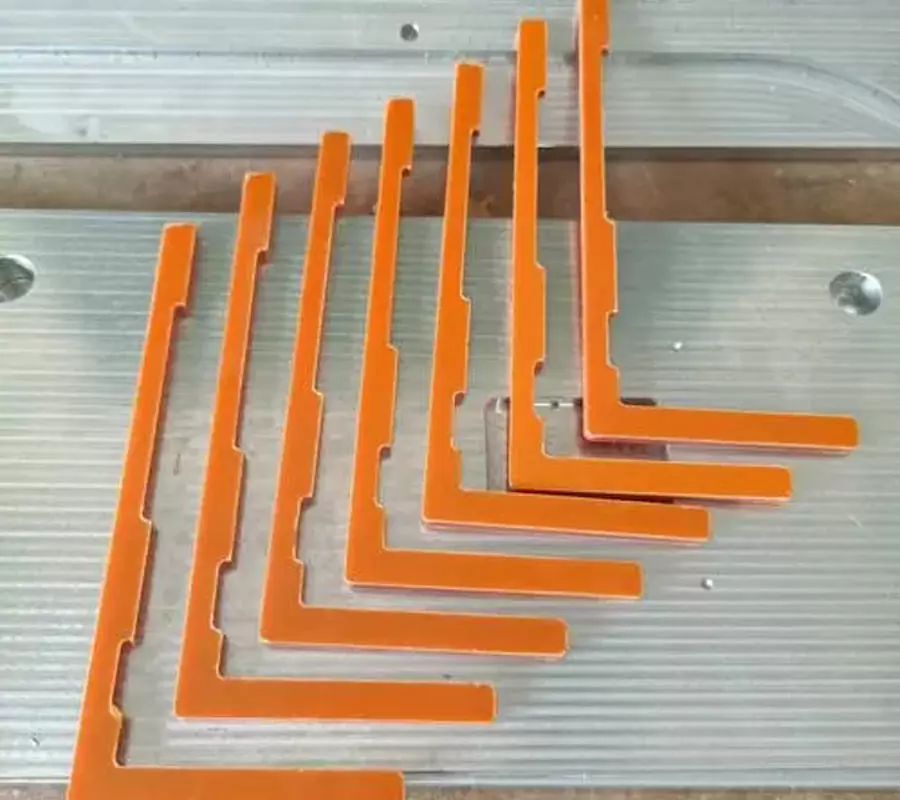
Bakelite(CNC Machining Bakelite Plastic Jig and Fixtures) is a synthetic chemical material. Once heated and formed, it cannot be remade into other things. With excellent performance in hydrophobicity, electrical insulation, abrasive resistance, high strength and thermal resistance, it is used widely in electronic appliance. CNC machining bakelite jigs and fixtures are also common in production line of electronic products.
CNC machining bakelite jigs and fixtures are suitable for insulating parts of mechanical equipment. Besides, they are also common in PCBA drilling mat, distribution box, fixture board, high-voltage or low-voltage marshalling box, packing machine and comb. The machining methods of bakelite are various, like numerical-controlled engraving, numerical-controlled drilling and CNC machining. After studying the design drawing, we can decide which method is the best for you.With over 30 years of engineering expertise we are dedicated to offering the highest quality Bakelite CNC machining and other products.For your custom Bakelite CNC machining design, or fixtures engineering, our exemplary service and efficient production ensures prompt deliveries coupled with outstanding service.