
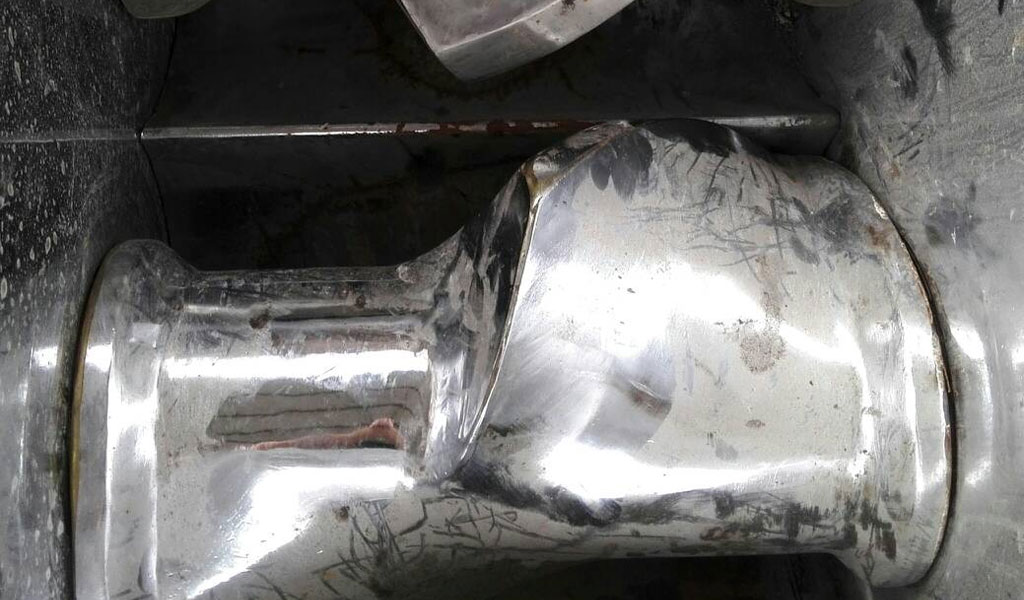
Machined rotors are components primarily used in mechanical systems where rotary motion is essential for the function of the machinery. These rotors are created through a process of machining, which involves the removal of material from a workpiece to achieve a desired shape, dimension, and finish.
Typically made of metal, rotors are key components in various applications, including automotive brake systems, turbines, electric motors, and pumps. Their design and manufacture are critical to the performance, safety, and efficiency of the systems they serve.
Machining is a subtractive manufacturing process that contrasts with additive methods like 3D printing. In machining, material is selectively removed from a raw workpiece using cutting tools. This process can be done using a variety of machines, including lathes, mills, and specialized equipment, depending on the rotor’s application and design specifications.
The production of machined rotors involves several stages, including raw material selection, the machining process itself, post-machining processes such as heat treatment, and final inspections to ensure the part meets the necessary performance standards. The design of these rotors is influenced by the specific requirements of their intended use, including factors such as weight, material strength, durability, and resistance to wear and heat.
Definition and General Function
At its core, a rotor is a rotating part of a machine, often a cylindrical or disk-shaped component. In its broadest sense, it is any part that rotates around a central axis to perform mechanical work.
A rotor’s primary function is to transmit motion or energy, typically converting energy from one form to another. Depending on its application, a rotor might rotate to drive another component, pump fluid, or generate power.

In many applications, rotors are coupled with other components like stators, shafts, and bearings, all of which contribute to the rotor’s overall performance. In the case of electric motors, for example, the rotor interacts with the magnetic fields created by the stator to produce rotational movement. Similarly, in brake systems, rotors convert the kinetic energy of a moving vehicle into thermal energy, which is then dissipated through friction.
Machined rotors are designed to withstand considerable stresses, including mechanical forces, thermal loads, and, in some cases, corrosive environments. The quality and precision of the machining process directly affect the rotor’s performance, longevity, and reliability.
Types of Machined Rotors
There are several types of rotors, and each type has distinct design and functional characteristics based on the application. Some of the most common types of machined rotors include:
- Brake Rotors: Brake rotors, often called disc rotors, are key components of a disc brake system in vehicles. They are typically made of cast iron or carbon composite materials and are machined to precise tolerances. Brake rotors must withstand high levels of friction and heat generated during braking, which can cause warping or wear over time. The machining process ensures that the rotor is flat, smooth, and free from defects, which is critical for uniform brake pad contact and effective braking performance.
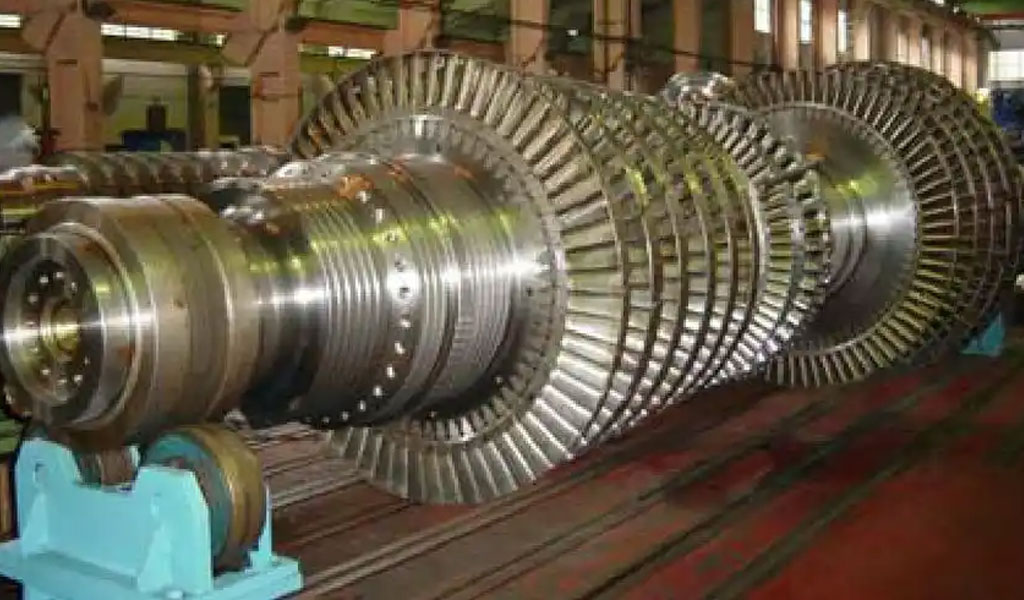
- Turbine Rotors: In steam, gas, and water turbines, rotors are critical for energy generation. These rotors are designed to convert the energy from expanding gases or steam into mechanical energy. Turbine rotors are typically made of high-strength alloys to withstand extreme temperatures and stresses. They are often machined to tight tolerances to ensure they function effectively and efficiently. The machining process is typically complex, requiring advanced techniques such as precision grinding and balancing to ensure that the rotor operates smoothly and reliably.
- Electric Motor Rotors: Electric motor rotors are the moving parts of electric motors. They are typically cylindrical and made of conductive materials like copper or aluminum. The rotor interacts with the stator to create rotational movement via electromagnetic induction. Machining these rotors involves processes such as turning, milling, and drilling to achieve the desired dimensions, surface finish, and balance. The precision of the rotor’s machining is essential for minimizing energy loss and ensuring the motor runs efficiently.
- Pump Rotors: In centrifugal pumps, the rotor (often referred to as an impeller) moves fluid through the system. These rotors are typically made of materials that offer resistance to wear and corrosion, such as stainless steel or specialized alloys. Machining pump rotors involves achieving the correct shape and surface finish to ensure that fluid flows smoothly through the pump, minimizing turbulence and maximizing efficiency.
- Compressor Rotors: Compressors, commonly used in refrigeration, air conditioning, and gas turbine engines, rely on rotors to compress air or gas. These rotors are usually made from strong, lightweight materials and are precision-machined to achieve the necessary tolerances for high performance and efficiency. Compressor rotors may have a variety of geometries, including screw, scroll, and centrifugal types, each requiring a different approach to machining.
Materials Used in Machined Rotors
The material selection for machined rotors is paramount to ensuring their strength, durability, and performance. Depending on the rotor’s function and operating conditions, different materials are used. The most common materials for machined rotors include:
- Cast Iron: Cast iron is one of the most common materials used in the manufacturing of brake rotors. It is chosen for its excellent wear resistance, good machinability, and high strength. Cast iron also has good thermal conductivity, allowing it to dissipate heat effectively during braking. However, cast iron is relatively brittle, so it requires careful handling and machining.
- Steel Alloys: Steel, especially alloy steels, is commonly used in turbine rotors, electric motor rotors, and pump rotors. Steel is prized for its strength, durability, and ability to withstand high temperatures and stresses. The use of alloying elements, such as chromium, nickel, and molybdenum, enhances the steel’s performance in specific applications. For example, stainless steel rotors are often used in applications where resistance to corrosion is important, such as in marine or chemical processing environments.
- Aluminum: Aluminum is a lightweight material used in some rotor applications, particularly in electric motors and small pumps. Aluminum rotors are often machined for applications that require low weight and high strength-to-weight ratios. Aluminum is also highly resistant to corrosion, making it ideal for certain environments.
- Titanium Alloys: Titanium is used in high-performance applications, such as aerospace turbine rotors and military-grade equipment. It is lightweight, corrosion-resistant, and capable of withstanding extreme temperatures. The machining of titanium requires specialized techniques due to the material’s hardness and tendency to gall or stick to cutting tools.
- Nickel Alloys: Nickel alloys are used in the manufacture of rotors for high-temperature applications, such as gas turbines and jet engines. These alloys can withstand the intense heat and mechanical stresses found in these environments. Machining nickel alloys requires advanced tools and techniques, as they are hard and difficult to machine.
- Carbon Composites: In some specialized applications, such as high-performance automotive or aerospace applications, carbon composite materials are used for rotors. These materials combine high strength with low weight and offer excellent thermal performance. Machining carbon composites requires specialized equipment, as the material can be abrasive to conventional cutting tools.
The Machining Process
The process of machining rotors is a multi-step procedure that requires precision and expertise. The specific methods and techniques employed depend on the rotor’s design, material, and application. The following outlines the general steps involved in machining rotors:
- Material Selection: The first step in the rotor manufacturing process is selecting the appropriate material. This decision is based on the rotor’s intended use and the performance characteristics required, such as strength, wear resistance, thermal properties, and corrosion resistance.
- Initial Shaping: After selecting the material, the raw workpiece is often rough cut to an approximate shape. This is typically done using a lathe or a milling machine, depending on the rotor’s geometry. During this step, excess material is removed to bring the workpiece closer to its final size.
- Precision Machining: Once the rough shape is achieved, precision machining is used to achieve the final dimensions and tolerances. This step involves a variety of techniques, such as turning, milling, grinding, and drilling, depending on the rotor’s specific design. For example, brake rotors may undergo a lathe turning process to create a smooth, flat surface, while turbine rotors may require intricate milling and grinding to achieve their complex geometries.
- Heat Treatment: For many rotors, heat treatment is necessary to enhance the material’s mechanical properties. This can include processes like hardening, tempering, or annealing, which alter the material’s microstructure to improve strength, toughness, or resistance to fatigue.
- Balancing: After machining, rotors must be balanced to ensure smooth rotation. Unbalanced rotors can cause vibrations, reduce efficiency, and lead to premature wear of bearings and other components. Balancing is typically performed using specialized equipment that can detect any variations in weight distribution and correct them by removing material or adding balancing weights.
- Surface Finishing: The surface finish of a rotor is crucial for its performance. A smooth surface helps to reduce friction, prevent wear, and improve the rotor’s overall efficiency. Common surface finishing processes include polishing, grinding, and coating. For example, brake rotors may be ground to a mirror finish to ensure proper contact with the brake pads.
- Inspection and Quality Control: Once the machining process is complete, rotors undergo rigorous inspection to ensure they meet the required specifications. This can include dimensional checks, visual inspections for cracks or defects, and testing for material properties such as hardness and tensile strength. Advanced techniques, such as ultrasonic testing or x-ray inspection, may also be used to detect internal flaws.
Applications of Machined Rotors
Machined rotors are used in a wide variety of industries and applications, each with its own set of requirements and challenges. The following is a closer look at some of the primary applications for machined rotors:
- Automotive Industry: In the automotive sector, brake rotors are among the most common types of machined rotors. Disc brakes rely on rotors to convert kinetic energy into heat through friction. High-performance vehicles, in particular, require rotors that can withstand extreme temperatures and maintain effective braking performance under heavy use. Rotors must also be precision-machined to ensure proper contact with brake pads, minimizing wear and maximizing safety.
- Aerospace: In aerospace applications, rotors are used in a variety of components, including turbine engines, landing gear systems, and helicopter rotors. Machined turbine rotors, for example, must withstand the intense heat and stress generated during operation. These rotors often require complex geometries and the use of advanced materials, such as titanium or nickel alloys, to ensure they perform effectively in high-temperature environments.
- Industrial Equipment: Rotors are widely used in industrial machinery, including compressors, pumps, and generators. In these applications, rotors must be machined to high tolerances to ensure the equipment operates efficiently and reliably. In compressors, for example, rotors compress air or gas, while in pumps, rotors help to move fluids through the system.
- Power Generation: In power plants, turbine rotors are key components in steam, gas, and hydroelectric turbines. These rotors convert thermal energy into mechanical energy, which is then used to generate electricity. The machining of turbine rotors is a highly specialized process, as these parts must be able to withstand extreme temperatures and mechanical stresses while maintaining high efficiency.
- Marine Industry: In the marine industry, rotors are used in propulsion systems, such as in gas turbines or water jets. The machining of these rotors is critical to ensuring the efficiency and durability of the systems. Materials used in marine rotors must be resistant to corrosion from saltwater, which is a common challenge in these applications.
- Medical Devices: In the medical field, machined rotors are used in devices such as centrifuges and diagnostic equipment. These rotors must be manufactured to stringent specifications, as they often operate at high speeds and must be free from defects to prevent failure during critical procedures.
Conclusion
Machined rotors are fundamental components in a wide variety of industries, playing crucial roles in mechanical systems that rely on rotary motion. From automotive and aerospace to industrial and power generation applications, the precise machining of rotors is essential to ensuring their performance, safety, and longevity. Advances in material science, machining technology, and manufacturing processes continue to improve the design and efficiency of machined rotors, driving innovation across many sectors.
Through careful material selection, precision machining techniques, and rigorous testing, manufacturers are able to produce rotors that meet the demanding requirements of modern engineering and industrial applications. As technologies continue to evolve, so too will the design and production of machined rotors, ensuring they remain at the heart of countless mechanical systems around the world.
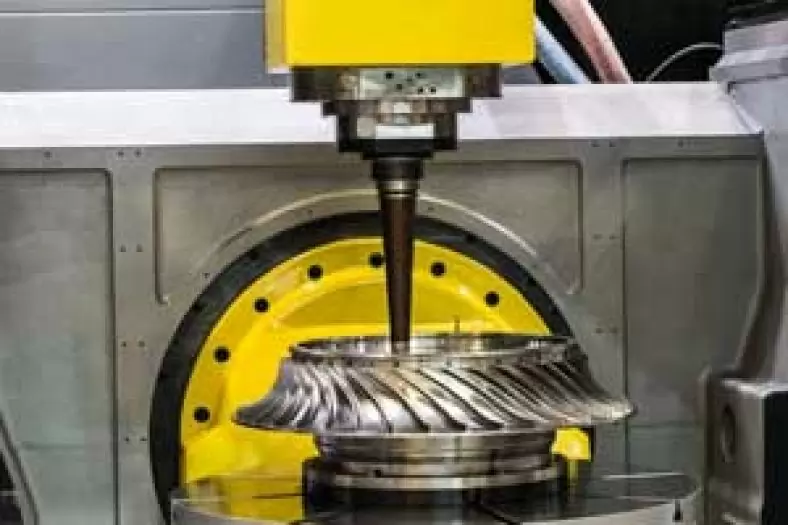
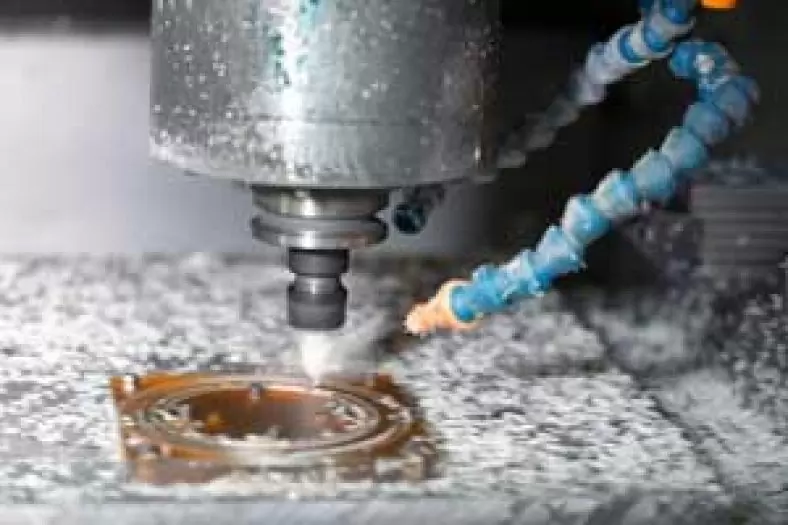
The Detail Of BE-CU Cnc Machining Shop
BE-CU.COM – As an accomplished CNC machining Service Manufacturer and CNC shop, BE-CU Prototype has been specialized in OEM CNC lathing, custom CNC machining parts production and rapid CNC machining services China for over 35 years and always maintaining the highest standard in delivery speed and reliable quality of precision CNC manufacturing components. With the help of high-level technology and efficient equipment, as well as rigorous attitude, BE-CU passed the ISO9001:2015 quality certification, which supports the long-term development of CNC milling services, CNC turning services, CNC milling-turning, CNC drilling services, 3/4/5 axis machining, gear machining services, CNC machining China custom parts and service, small parts machining, etc.Our CNC machining products can be utilized in a broad range of industries. Contact us for email: [email protected]
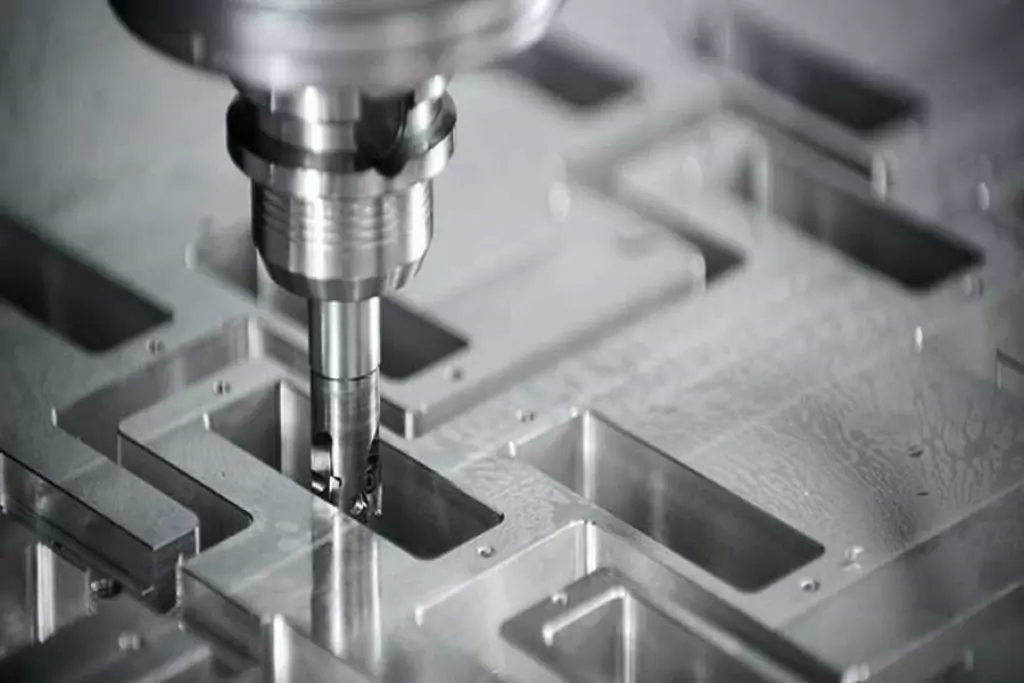
-
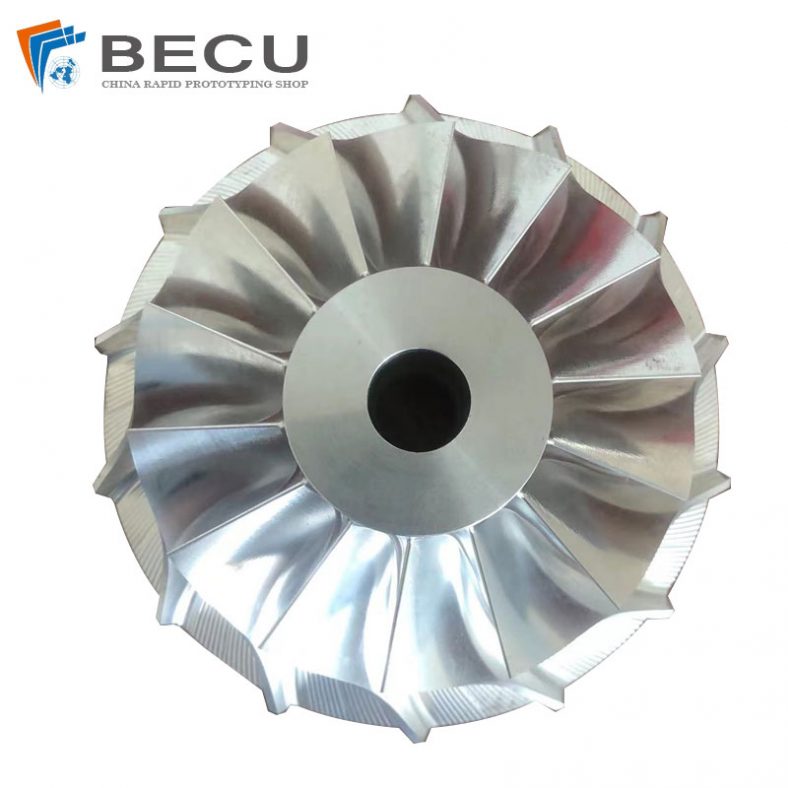
3-Way Centrifugal Compressor Closed Impeller By 5 Axis Machining
-

3/4/5 Axis Precision Milling Custom Vehicle Parts
-
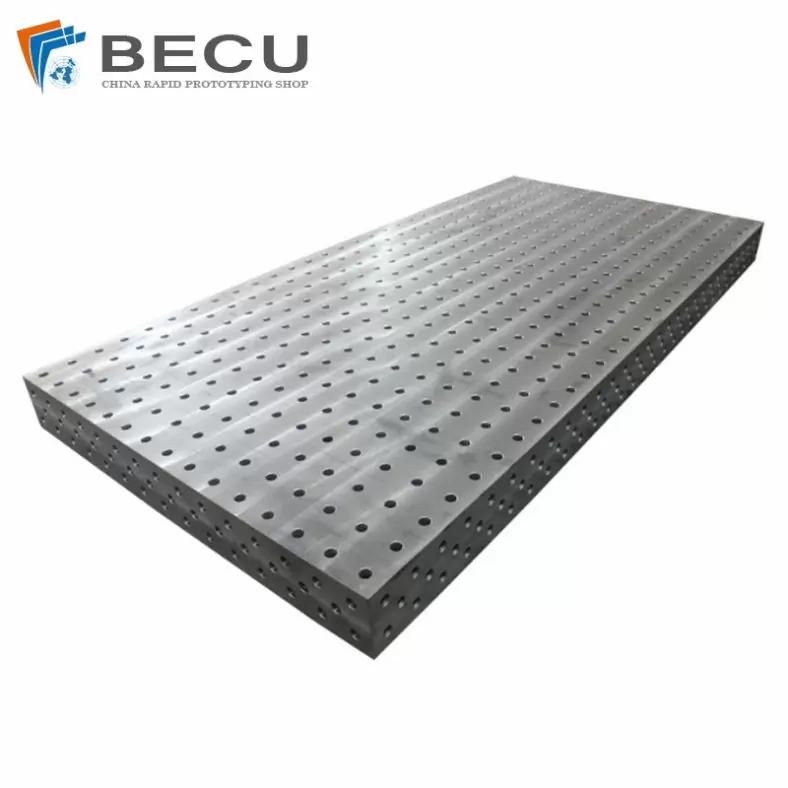
3D Flexible Welding Platform By Large Machining
-
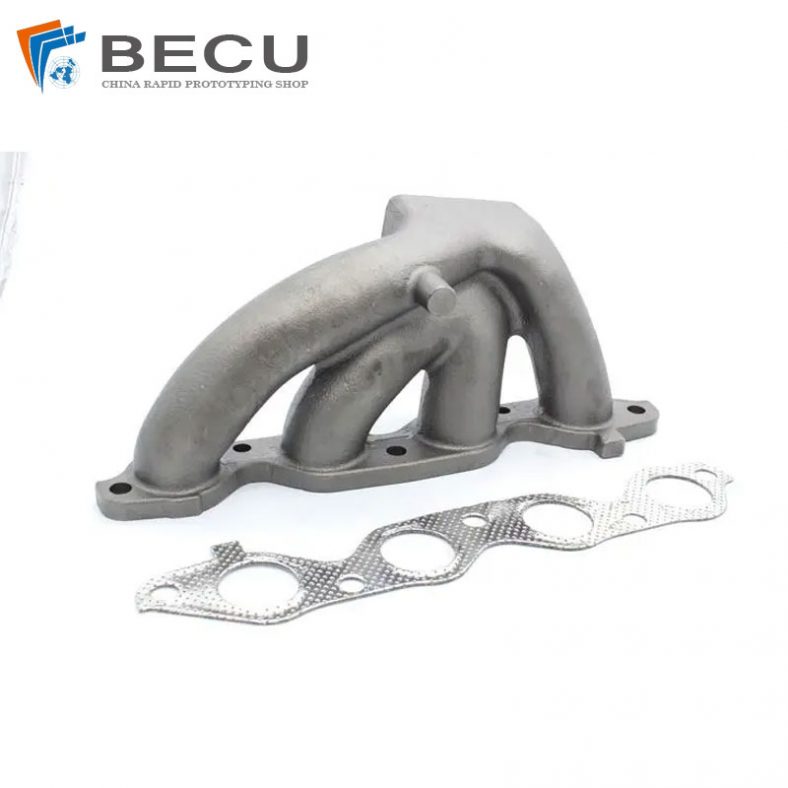
3D Printed Inconel Exhaust Manifold
-
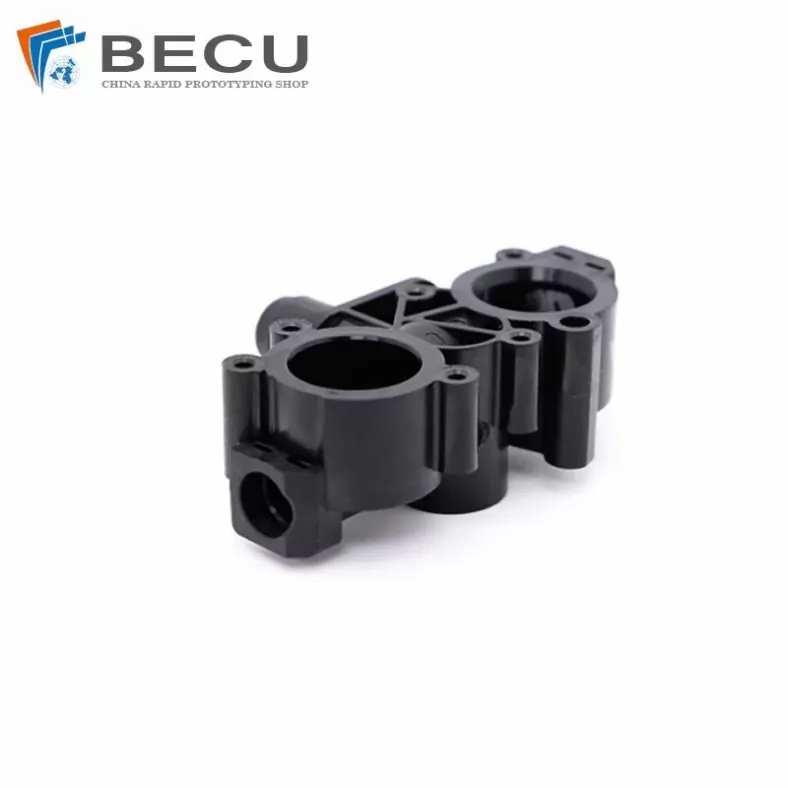
3D Printing And CNC Machining Custom Black PPS Valve
-
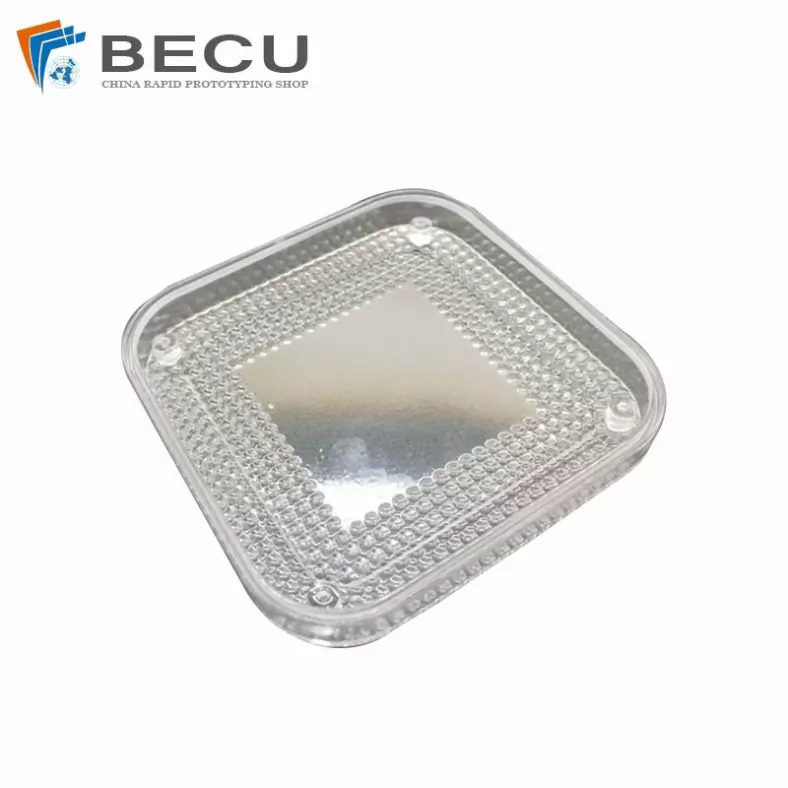
3D Printing Full Transparent Acrylic Lampshade Model
-
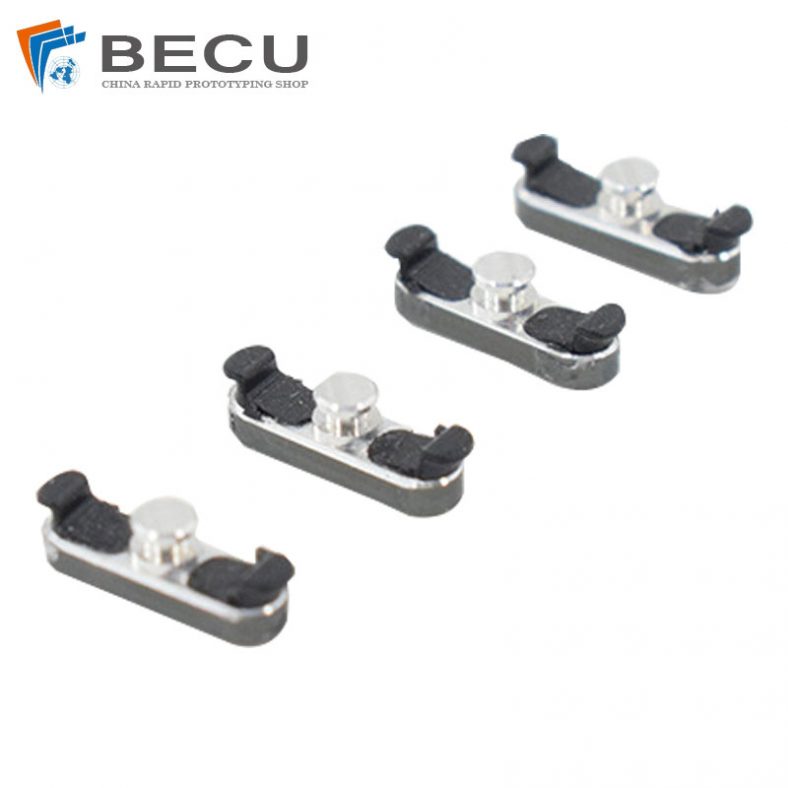
4 Axis CNC Machining Titanium Grade 5 Mobile Phone Buttons
-
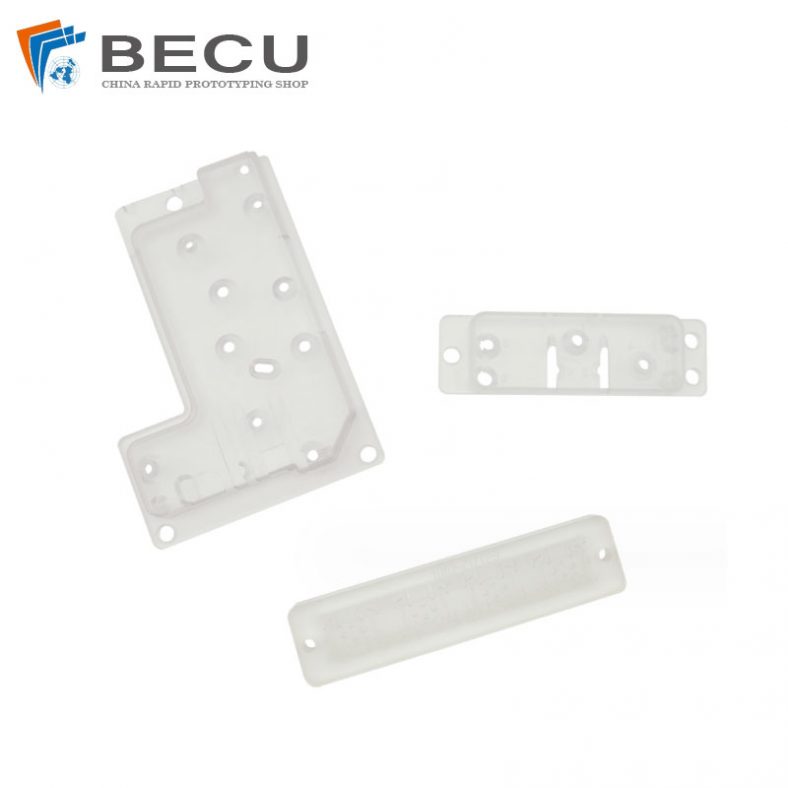
4 Axis Machining Highly Transparent Acrylic LED Tunnel Light Lens