
Connecting rods are integral components in internal combustion engines, playing a critical role in transferring the force generated by the combustion of fuel to the crankshaft, which then drives the rotation of the engine. These parts must withstand extreme forces, high temperatures, and significant wear, making the precision machining of connecting rods a crucial process in the manufacture of high-performance engines. The machining of connecting rod parts involves a variety of techniques aimed at achieving the exact geometrical shape, surface finish, and structural integrity necessary for optimal performance.
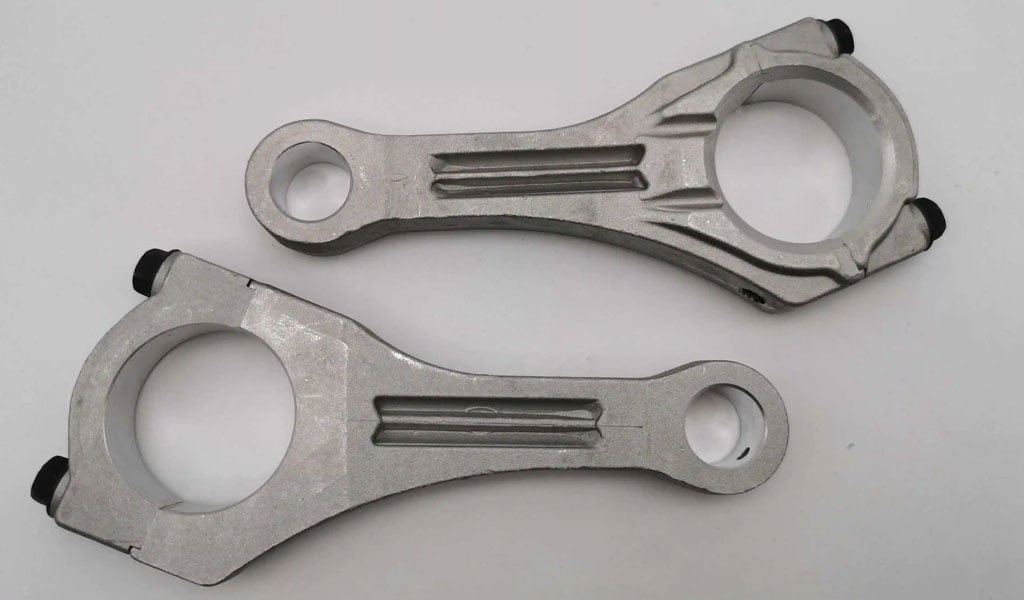
Overview of Connecting Rods
A connecting rod is typically a metal component that connects the piston to the crankshaft, converting the linear motion of the piston into rotational motion.
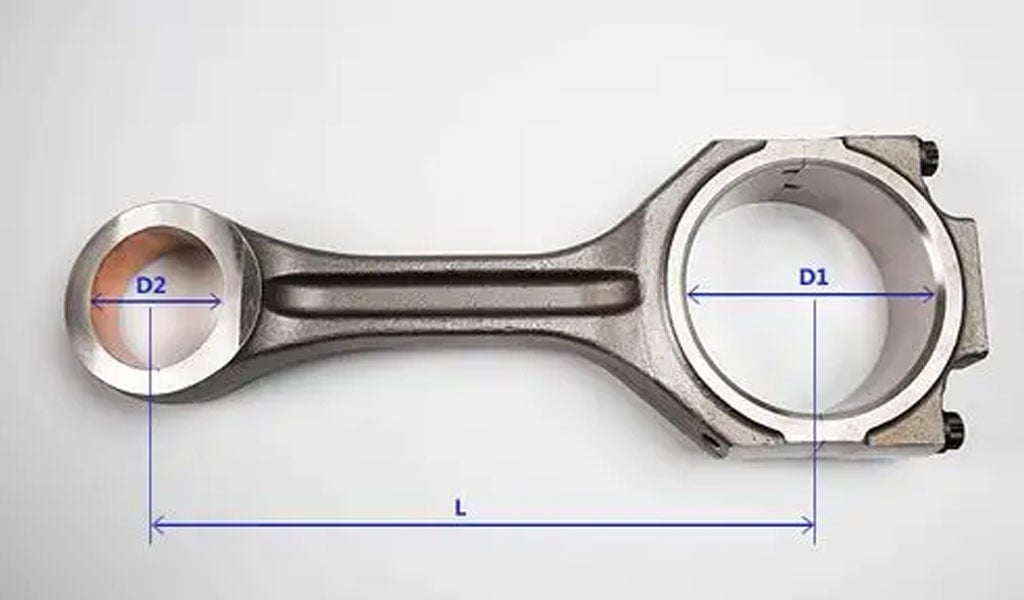
It consists of two primary sections: the small end, which is attached to the piston, and the big end, which is connected to the crankshaft. Connecting rods are generally made from high-strength materials such as steel alloys, aluminum, or titanium, depending on the engine’s performance requirements.
Given the importance of connecting rods in engine operation, precise machining is required to ensure that the parts function efficiently. The process of machining connecting rod parts involves several steps, each contributing to the creation of a finished component with accurate dimensions, proper material properties, and suitable surface characteristics.
Materials Used in the Manufacture of Connecting Rods
Connecting rods are often made from forged steel, which provides excellent strength and fatigue resistance. Other materials that are used for connecting rods include cast iron, aluminum, and titanium alloys. Steel, especially alloys such as 4340 steel or 8620 steel, is favored in performance applications due to its ability to withstand high stresses and temperatures. Aluminum alloys, while not as strong as steel, are often used in lightweight engine applications, particularly in small engines or performance vehicles where weight reduction is critical.
Titanium, known for its high strength-to-weight ratio, is used in high-performance and racing engines where both weight and durability are paramount.The choice of material dictates the type of machining techniques that are employed. For example, steel rods may require more advanced machining processes due to their hardness, while aluminum rods may be easier to machine but require attention to avoid deformation.
Raw Material Preparation
The machining process of connecting rod parts begins with the preparation of raw materials. The raw material, usually in the form of a forged or cast blank, is selected based on the material requirements for the engine.
The blank typically undergoes processes like forging or casting to form a near-net shape. The purpose of this step is to achieve a shape that is close to the final geometry of the connecting rod, reducing the amount of machining required in subsequent steps.
In the case of forged blanks, a process called hot forging is often used. This involves heating the metal to a high temperature and then applying pressure to shape it. The forging process enhances the mechanical properties of the material, improving its grain structure and resulting in a part that is stronger and more durable than a cast counterpart. Forged blanks are often used for high-performance applications, where strength and fatigue resistance are critical.
Rough Machining
Rough machining is the first step in the actual shaping of the connecting rod. It involves removing large amounts of material from the forged or cast blank to approach the approximate dimensions of the final part.
This step is critical to achieving the correct overall geometry while minimizing tool wear and reducing the amount of material removed in later stages, which would take longer and increase costs.
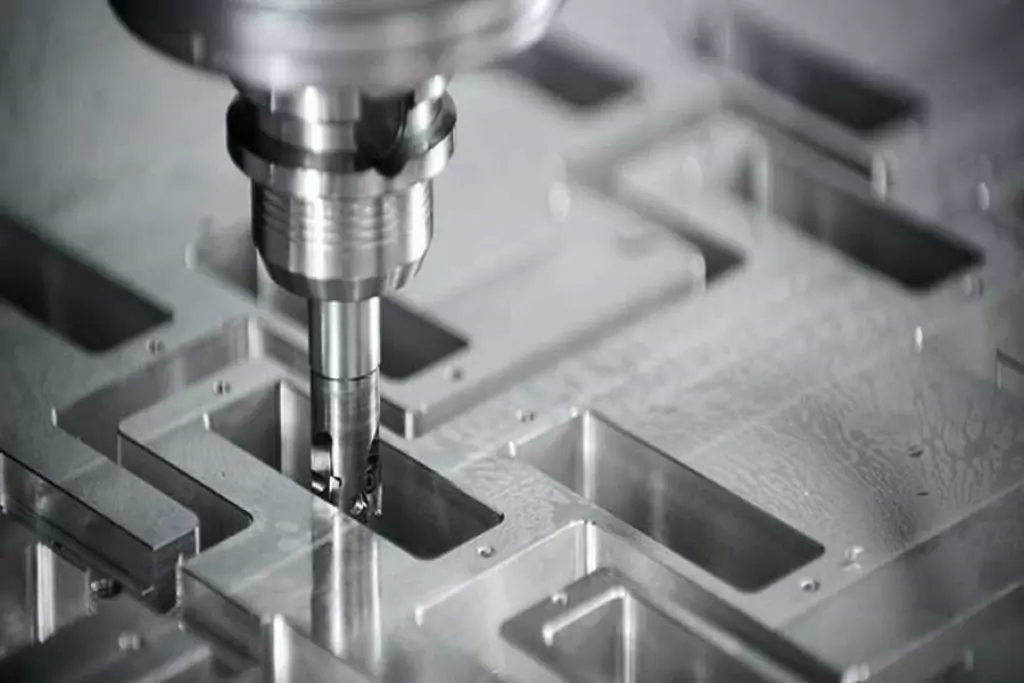
Rough machining is typically performed using CNC (computer numerical control) machines such as vertical or horizontal milling machines, CNC lathes, or dedicated turning centers. The part is often secured in a fixture or clamped in a vise, and a variety of cutting tools, including roughing end mills and high-speed steel tools, are employed to remove material.
During rough machining, operations like drilling, boring, and turning are often performed to achieve the rough shape of the small end, big end, and other sections of the connecting rod. For example, the big end may be drilled or bored to achieve the required bearing journal diameter. Similarly, the small end is drilled and reamed to accommodate the wrist pin that attaches the connecting rod to the piston.
Precision Machining
Precision machining is the next step in the process and is essential to ensure the final connecting rod meets tight tolerances and dimensional accuracy. The goal of precision machining is to refine the geometry, smooth out surfaces, and ensure that the critical features of the connecting rod, such as the big end and small end diameters, are finished to specification. This is typically done with CNC machines using specialized tools and processes that allow for high levels of accuracy.
Boring and Honing
Boring is a precision machining process used to increase the diameter of a hole while maintaining concentricity and alignment. In the case of connecting rods, boring is often used to finish the big end and small end bores. This is particularly important for the big end, where the bearing journal must be perfectly round and smooth to ensure proper bearing contact.
Honing is a final step used to refine the bore surfaces, providing a finer finish and improving the dimensional accuracy of the part. This is particularly important for the big end and small end bores of the connecting rod, as smooth surfaces are necessary to minimize friction and wear between the connecting rod and the bearing surfaces.
Grinding
Grinding is used to achieve a high level of surface finish and dimensional accuracy on the connecting rod. It is particularly important for critical surfaces, such as the bearing journals and mating surfaces between the connecting rod and the piston. Precision grinding processes, such as cylindrical grinding, are often employed to ensure that the connecting rod maintains its shape and size while achieving the desired surface roughness.
Surface grinding is also used to improve the overall surface finish of the connecting rod, providing a smoother finish that minimizes friction when the part is in operation. The surface finish is particularly critical for the areas in contact with bearings or other moving components, as rough surfaces can lead to increased wear and reduced component life.
Milling and Drilling
Milling operations are employed to create complex features on the connecting rod, including the cutouts, chamfers, and other geometrical details. CNC milling machines use rotating cutting tools to remove material from the surface of the part, achieving the required shapes. These operations are critical to producing the final contour of the connecting rod, especially where it connects to the piston and crankshaft.
Drilling is used to create holes in the connecting rod for various purposes, such as mounting bolts, pins, or to lighten the part for weight reduction. CNC drills are capable of performing precise hole drilling to tight tolerances, ensuring that the holes are aligned properly and are the correct size.
Heat Treatment
Once the connecting rod has been machined to its final dimensions, it often undergoes heat treatment to enhance its mechanical properties. Heat treatment processes such as quenching and tempering, induction hardening, or surface hardening may be used depending on the material of the connecting rod and the specific performance requirements.
For example, steel connecting rods often undergo quenching and tempering to improve their hardness and strength while maintaining ductility. The quenching process involves heating the material to a high temperature and then rapidly cooling it, usually in water or oil. This process increases the hardness of the material but can make it brittle, so it is followed by tempering, a process of reheating the material to a lower temperature to relieve stresses and improve toughness.
Induction hardening is another heat treatment method commonly used for steel connecting rods. This process involves applying a high-frequency alternating magnetic field to selectively heat specific areas of the rod, such as the bearing journals, before cooling them rapidly to harden the surface. This results in a hard, wear-resistant surface while maintaining a tougher core.
Finishing Operations
After heat treatment, the connecting rod often undergoes several finishing operations to further refine its surface finish, remove any remaining burrs, and prepare it for final assembly.
- Deburring:Deburring is a critical step in the finishing process, as it removes any sharp edges, burrs, or imperfections that may have resulted from the machining or heat treatment processes. Deburring can be performed manually or with automated equipment, such as vibratory deburring machines, which use abrasives to smooth out the surfaces of the part.
- Shot Peening:Shot peening is a surface enhancement process that involves bombarding the connecting rod with small, hard particles to create compressive stress on the surface. This process improves the fatigue strength of the part by inducing a layer of compressive stress that helps resist the formation and propagation of cracks. Shot peening is particularly useful for high-stress components like connecting rods, which are subject to cyclic loading during engine operation.
- Surface Finishing:The final step in the finishing process is often surface polishing or coating. Surface polishing improves the smoothness of the rod, reducing friction and wear between moving parts. In some cases, connecting rods may be coated with materials like phosphate or a dry-film lubricant to further reduce wear and improve performance in extreme environments.
Final Inspection and Quality Control
Once the machining and finishing processes are complete, the connecting rod undergoes a thorough inspection to ensure that it meets all design specifications and quality standards. This typically involves the use of precision measuring instruments such as micrometers, calipers, and coordinate measuring machines (CMMs) to verify critical dimensions, such as the length, bore diameters, and surface finish.
Non-destructive testing (NDT) methods like ultrasonic testing, magnetic particle testing, or X-ray inspection may also be employed to detect any internal defects or material inconsistencies. These tests ensure that the connecting rod is free from voids, cracks, or other structural issues that could compromise its strength and reliability.
Conclusion
The machining process of connecting rod parts is a complex and highly precise operation that involves multiple stages of machining, heat treatment, and finishing. Each step, from rough machining to final inspection, plays a crucial role in ensuring that the connecting rod meets the stringent requirements of modern internal combustion engines. The precision and quality of the machining process directly impact the performance, durability, and reliability of the engine, making it essential to utilize the appropriate techniques, equipment, and materials throughout the manufacturing process.
The constant evolution of engine design and materials technology means that the machining of connecting rods will continue to improve, with advances in automation, precision machining technologies, and material science driving the development of even more efficient and high-performance engines.
The Detail Of BE-CU Cnc Machining Shop
BE-CU.COM – As an accomplished CNC machining Service Manufacturer and CNC shop, BE-CU Prototype has been specialized in OEM CNC lathing, custom CNC machining parts production and rapid CNC machining services China for over 35 years and always maintaining the highest standard in delivery speed and reliable quality of precision CNC manufacturing components. With the help of high-level technology and efficient equipment, as well as rigorous attitude, BE-CU passed the ISO9001:2015 quality certification, which supports the long-term development of CNC milling services, CNC turning services, CNC milling-turning, CNC drilling services, 3/4/5 axis machining, gear machining services, CNC machining China custom parts and service, small parts machining, etc.Our CNC machining products can be utilized in a broad range of industries. Contact us for email: [email protected]
-
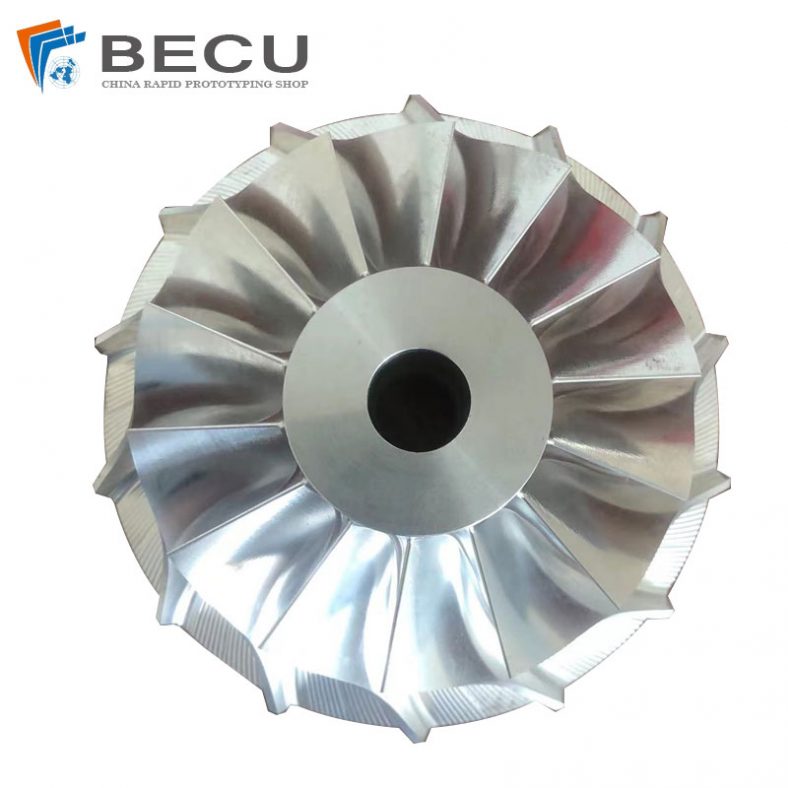
3-Way Centrifugal Compressor Closed Impeller By 5 Axis Machining
-
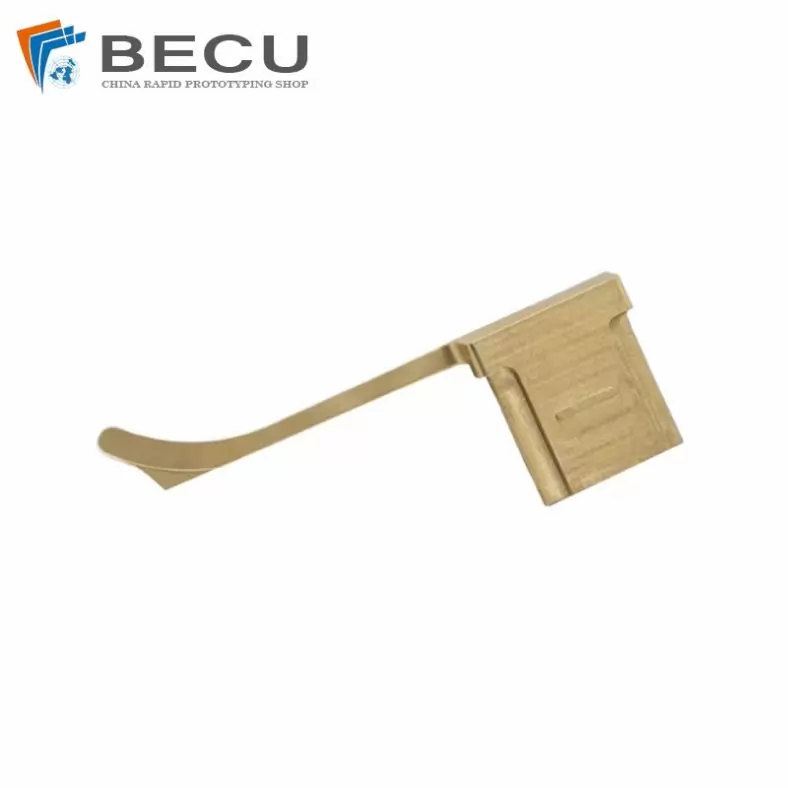
3/4/5 Axis Precision Milling Custom Vehicle Parts
-
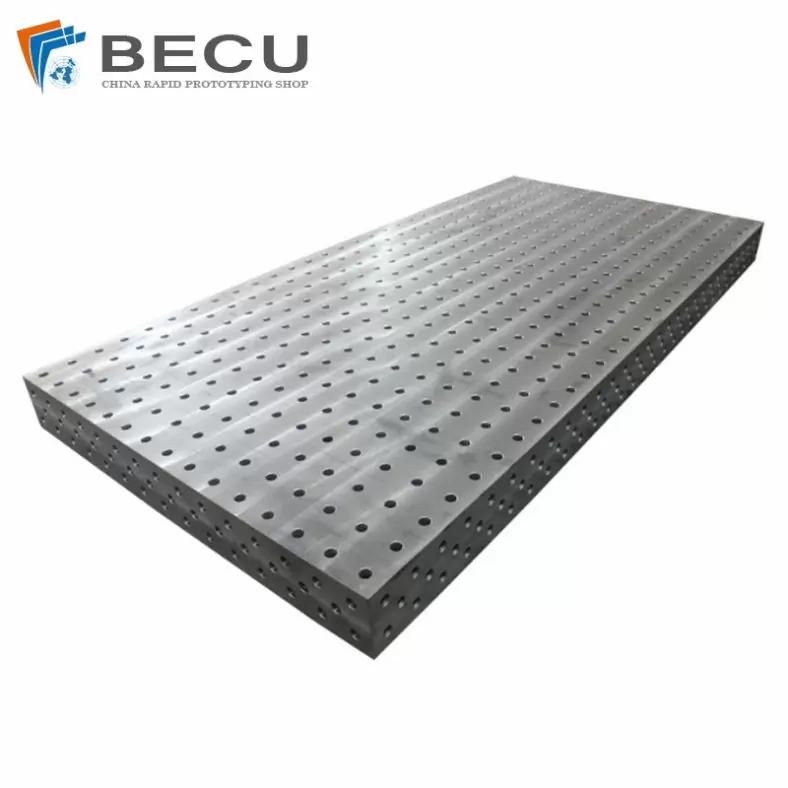
3D Flexible Welding Platform By Large Machining
-
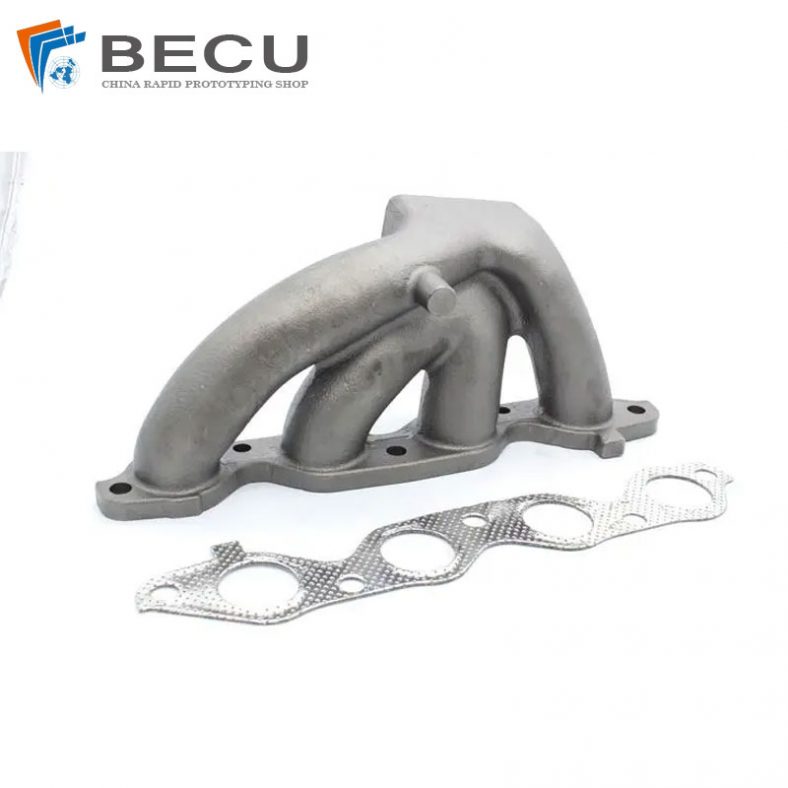
3D Printed Inconel Exhaust Manifold
-
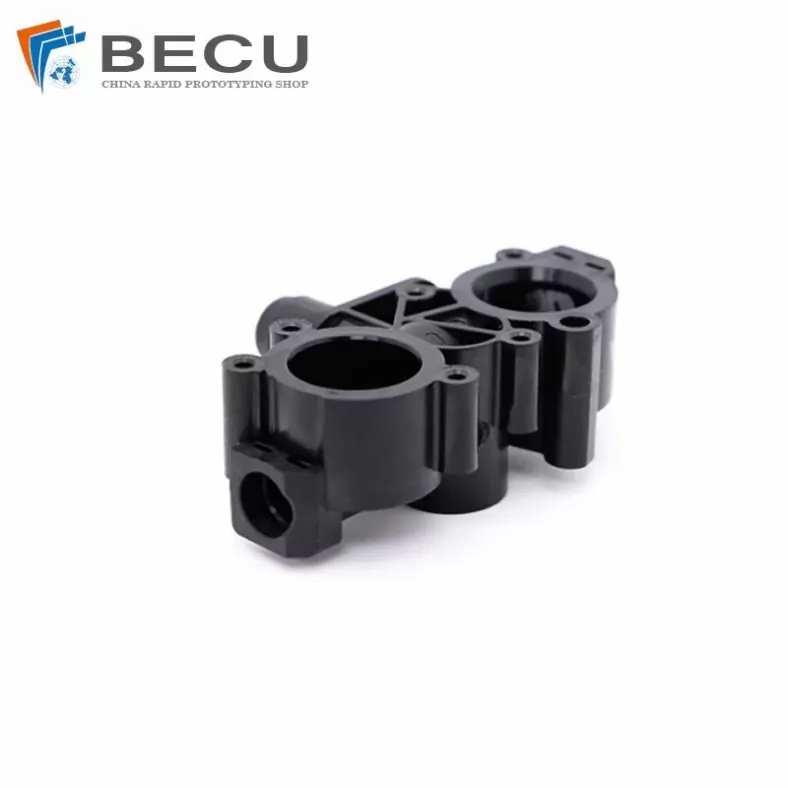
3D Printing And CNC Machining Custom Black PPS Valve
-
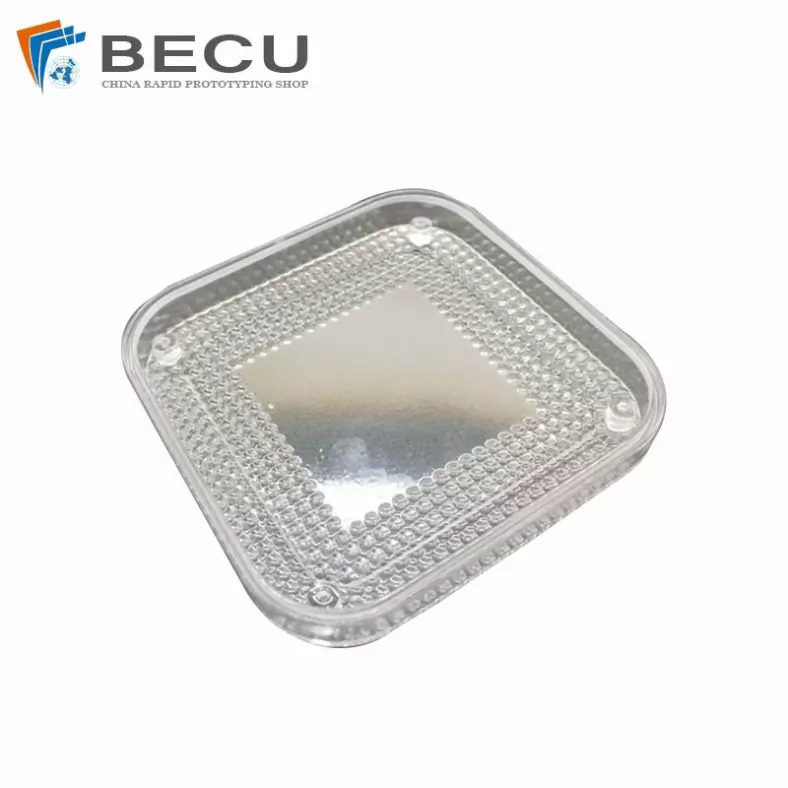
3D Printing Full Transparent Acrylic Lampshade Model
-
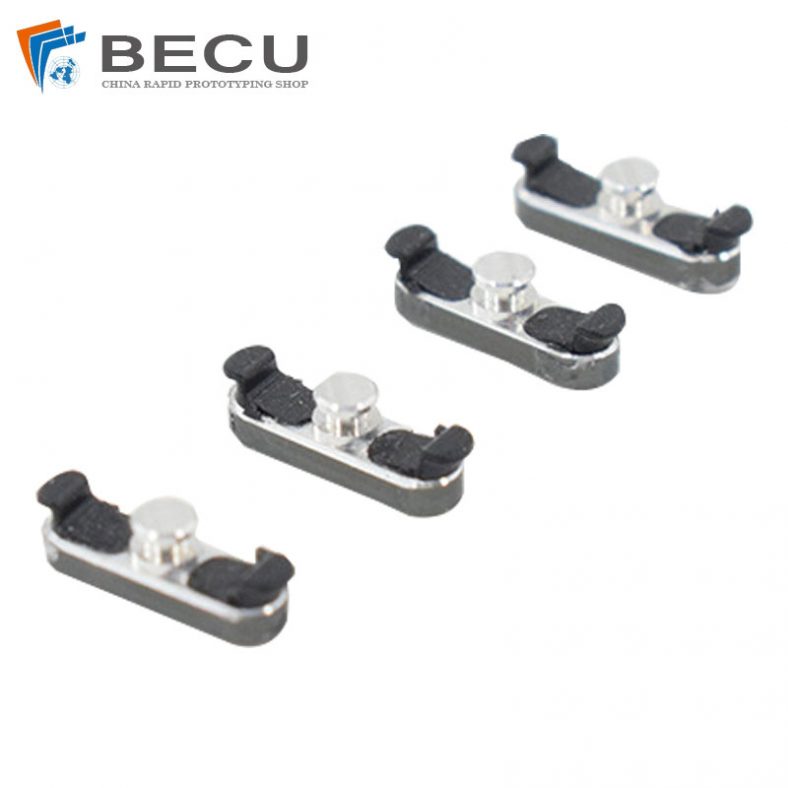
4 Axis CNC Machining Titanium Grade 5 Mobile Phone Buttons
-
4 Axis Machining Highly Transparent Acrylic LED Tunnel Light Lens