
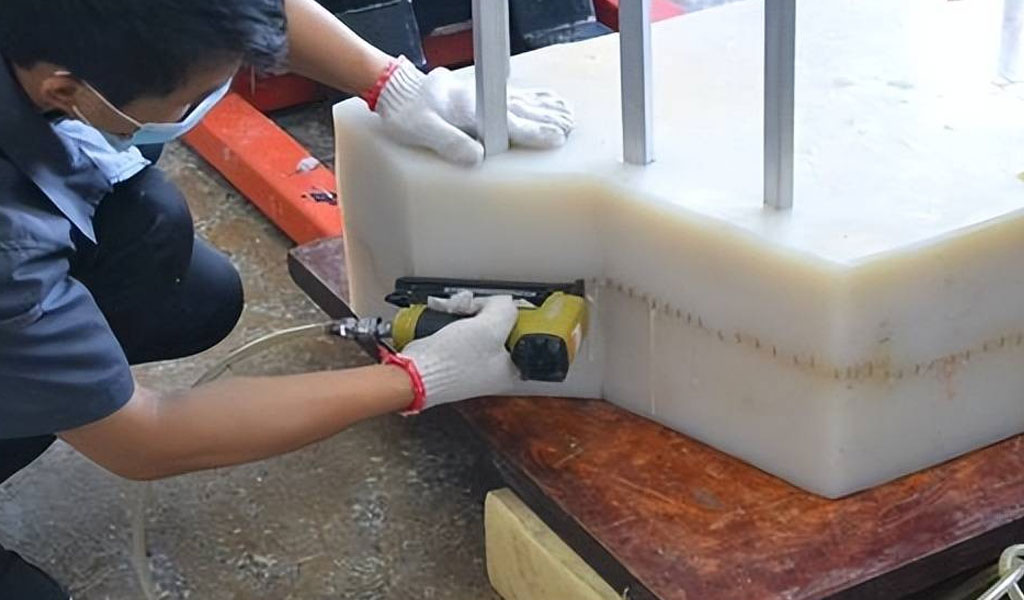
Vacuum casting is a widely used manufacturing process that replicates high-quality parts from a master model. It employs a vacuum environment to pull liquid materials into molds, ensuring precision and minimizing defects.
The process is especially popular for small production runs, prototyping, and creating components with intricate geometries. Understanding how to calculate the price and tooling cost of vacuum casting is vital for manufacturers, product developers, and clients seeking to optimize their budgets. This article delves deeply into the factors influencing vacuum casting pricing and the tooling cost considerations.
Materials and Their Vacuum Casting Costs
The choice of material plays a crucial role in determining the overall price of vacuum casting. The two primary components in this category are the master model material and the casting material itself.
- Master Model Material:The master model is often created using high-resolution 3D printing, CNC machining, or similar techniques. Common materials include plastics like ABS or SLA resin, depending on the desired finish and durability. The cost of master model materials typically ranges from $50 to $500, depending on the size and complexity of the model.
- Casting Material : Vacuum casting uses polyurethane (PU) resins and silicones as primary materials for molds and parts. The price of PU resin varies significantly based on its properties, such as flexibility, rigidity, and temperature resistance. On average, the cost of PU resin ranges from $5 to $50 per kilogram. Silicone, used for creating molds, costs between $10 and $80 per kilogram.
Labor Costs
Labor costs include the time and expertise required for each step in the vacuum casting process. These costs can be broken down into the following categories:
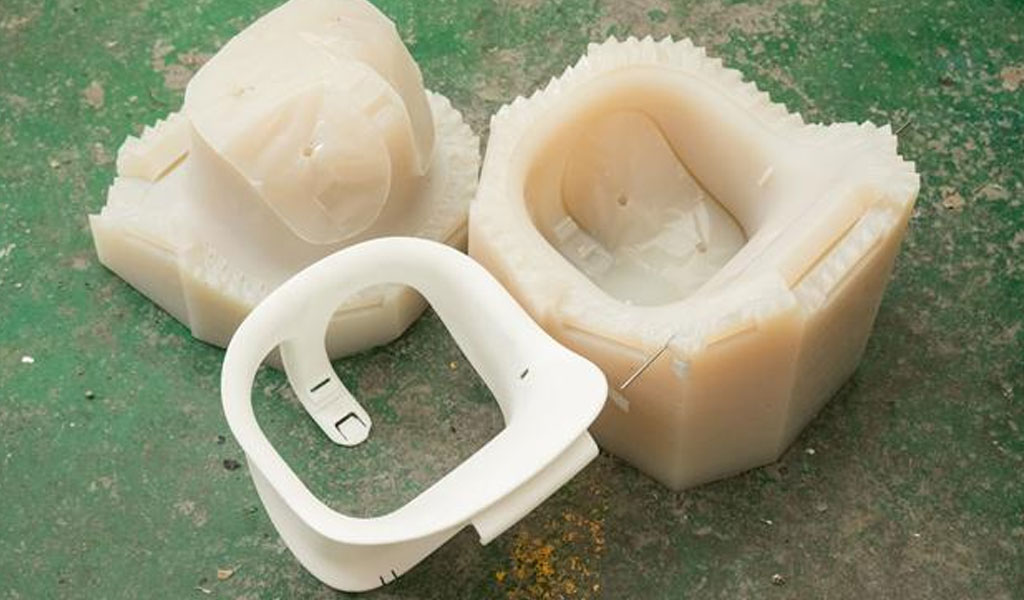
- Master Model Preparation:Creating the master model often involves skilled labor, especially if manual finishing or adjustments are required. Labor costs for this step vary between $50 and $200, depending on the complexity.
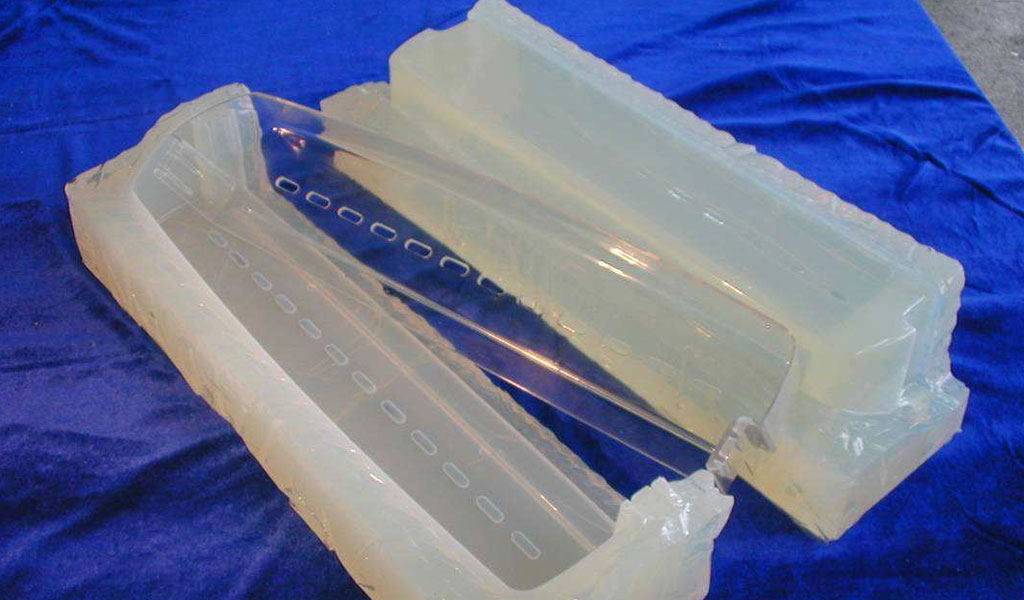
- Mold Creation:Preparing silicone molds involves precise work to ensure that the mold accurately replicates the master model. Labor costs for mold preparation generally range from $100 to $500.
- Casting Process:The vacuum casting process itself requires technicians to mix, degas, and pour materials, then cure the components in controlled conditions. The cost of labor for casting typically ranges from $10 to $50 per part, depending on the intricacy of the design.
Equipment Costs
The equipment required for vacuum casting significantly impacts the price, especially for manufacturers who are just starting out or expanding their capacity.
Vacuum Casting Machine:A vacuum casting machine, which creates the vacuum environment necessary for the process, is a critical investment. The price of these machines ranges from $5,000 for smaller, entry-level models to over $50,000 for industrial-grade equipment.
Auxiliary Equipment : Additional equipment such as ovens for curing, degassing chambers, and mixing devices also contribute to the overall cost. These can add another $1,000 to $20,000 to the setup costs.
Tooling Costs
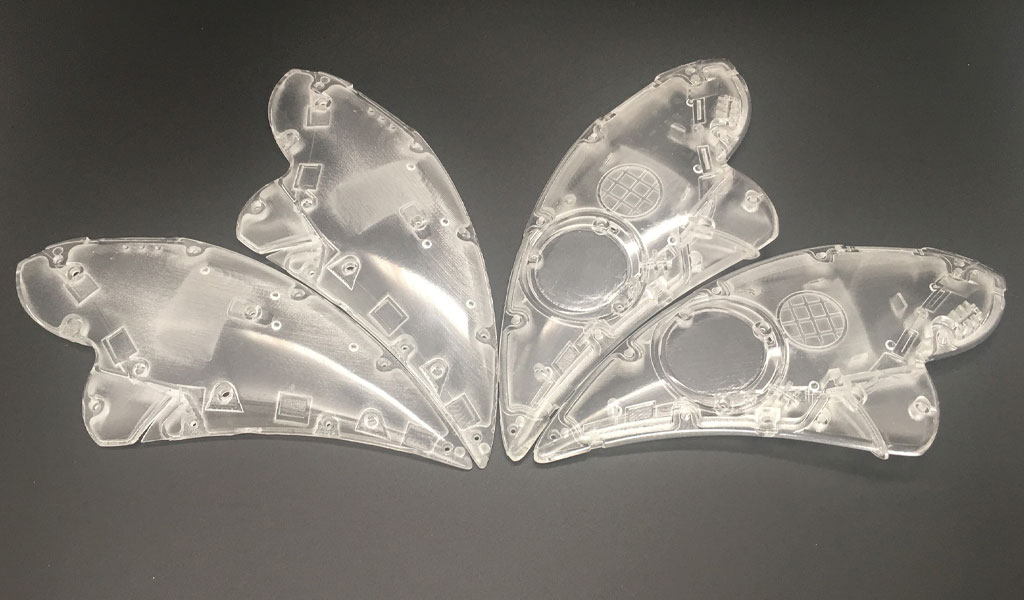
Tooling costs in vacuum casting refer primarily to the cost of creating the silicone molds. Several factors affect this expense:
Mold Size and Complexity
Larger and more intricate molds require more material and time to produce. A typical silicone mold for vacuum casting ranges from $100 to $1,000.
Mold Lifespan
Silicone molds have a limited lifespan, usually producing 20 to 50 parts before degradation occurs. This means that the tooling cost must be spread over the number of parts produced, directly affecting the price per part.
Design Iterations
If the mold requires multiple iterations to achieve the desired accuracy, the tooling cost increases. Each iteration may add $100 to $500, depending on the changes needed.
Overhead Costs
Overhead costs include expenses not directly tied to the materials or labor but still essential for the operation. These may include electricity, facility maintenance, and administrative costs. For vacuum casting, overhead costs generally range from 10% to 30% of the total project cost.
Pricing Breakdown
To calculate the price of vacuum casting, it is essential to consider all the components discussed above. The formula for estimating the price per part can be expressed as:
Price per Part = (Material Costs + Labor Costs + Tooling Costs + Overhead Costs) / Number of Parts
Example Calculation
Assume the following parameters for a project:
- Material Costs: $200
- Labor Costs: $300
- Tooling Costs: $500
- Overhead Costs: 20% of the total material, labor, and tooling costs
- Number of Parts: 50
First, calculate the overhead costs:
Overhead Costs = 20% × ($200 + $300 + $500) = $200
Next, calculate the total costs:
Total Costs = $200 (Material) + $300 (Labor) + $500 (Tooling) + $200 (Overhead) = $1,200
Finally, calculate the price per part:
Price per Part = $1,200 / 50 = $24 per part
Optimizing Costs
Several strategies can be employed to reduce the cost of vacuum casting without compromising quality:
- 1. Optimize Mold Usage:Maximizing the number of parts produced per mold reduces the tooling cost per part. This can be achieved by carefully planning production runs to match the mold’s lifespan.
- 2. Choose Cost-Effective Materials : Selecting materials that meet the performance requirements without exceeding them can lower costs. For instance, opting for a mid-range PU resin instead of a high-performance one may suffice for prototypes.
- 3. Streamline Processes : Investing in automated equipment or training staff to improve efficiency can reduce labor costs over time.
- 4. Partner with Experienced Manufacturers : Collaborating with a manufacturer experienced in vacuum casting can help avoid costly errors and inefficiencies.
Conclusion
Calculating the price and tooling cost of vacuum casting involves a detailed analysis of materials, labor, equipment, and overhead expenses. By understanding each cost component, manufacturers and clients can make informed decisions that align with their budgets and project goals. Vacuum casting remains a versatile and cost-effective option for producing high-quality parts, especially when pricing is calculated accurately and strategically managed.
The Detail Of BE-CU 3D Printing Company
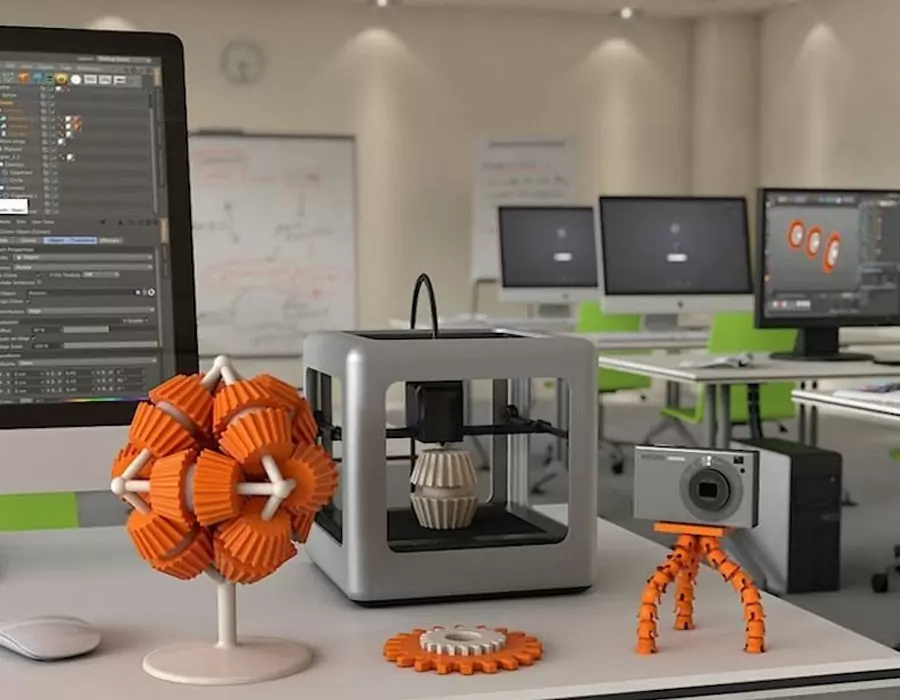
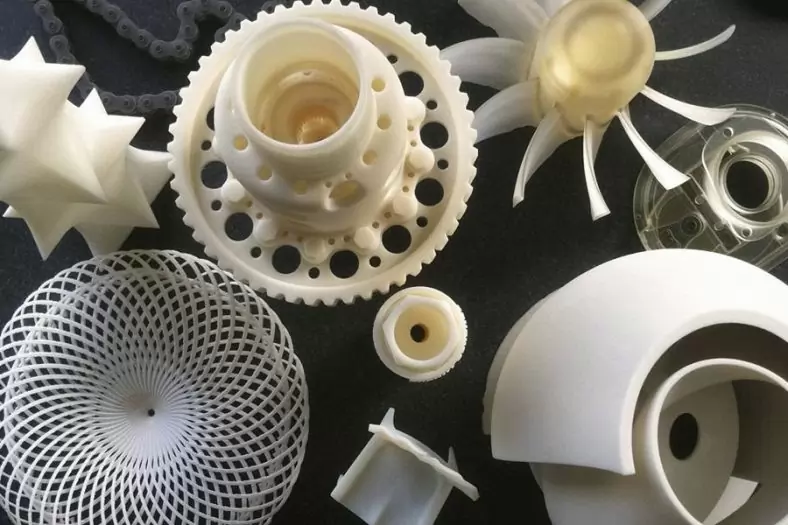
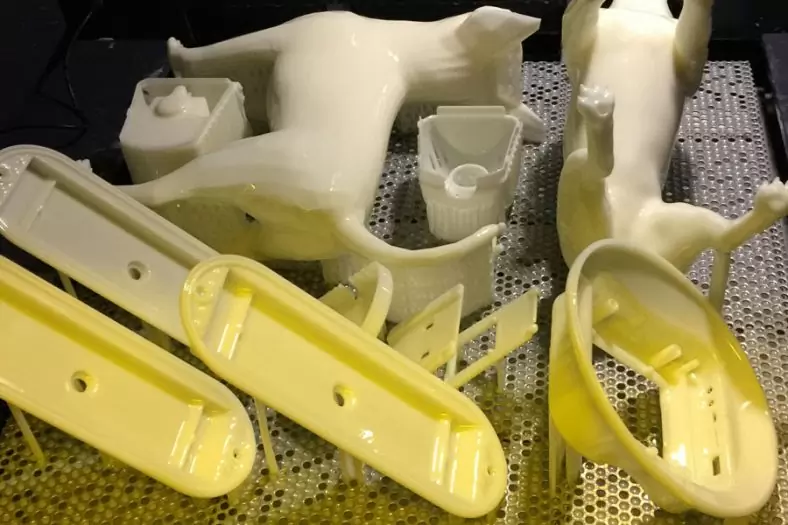
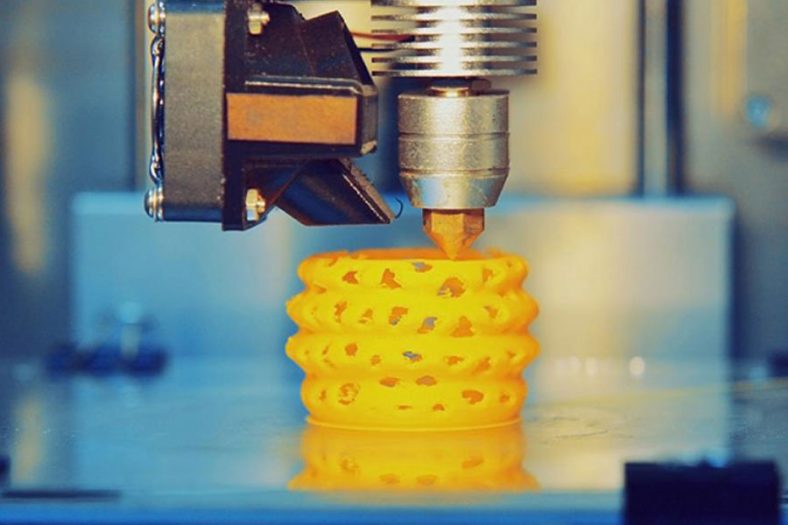
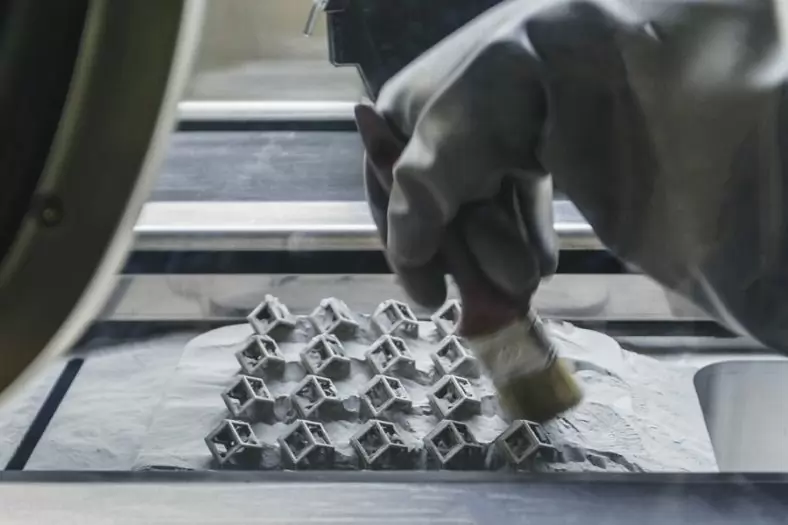
BE-CU.COM offers online 3D printing services for rapid prototyping and production in volume. Our clients are across a wide variety of industries and companies, including automotive, construction, aerospace, defense, electronics, machinery, industrial automation, medical, healthcare, consumer production, oil & gas, etc. Accelerate your product development and manufacturing process with our industry-leading metal & plastic 3D printing service and 3D printed parts. We’ll find the best 3D printing solution for your projects, to lower your cost and shorten the lead time based on your needs, while maintaining the quality. From 3D prototyping to end-use parts production, multiple materials are available for custom 3D printing parts. Need an alternative to the traditional solution? Submit your 3D CAD file to get an online quotation quickly. Our 3D printing service ensures accuracy and speed. We can help you choose the most appropriate technology and material to match your applications or request.
-
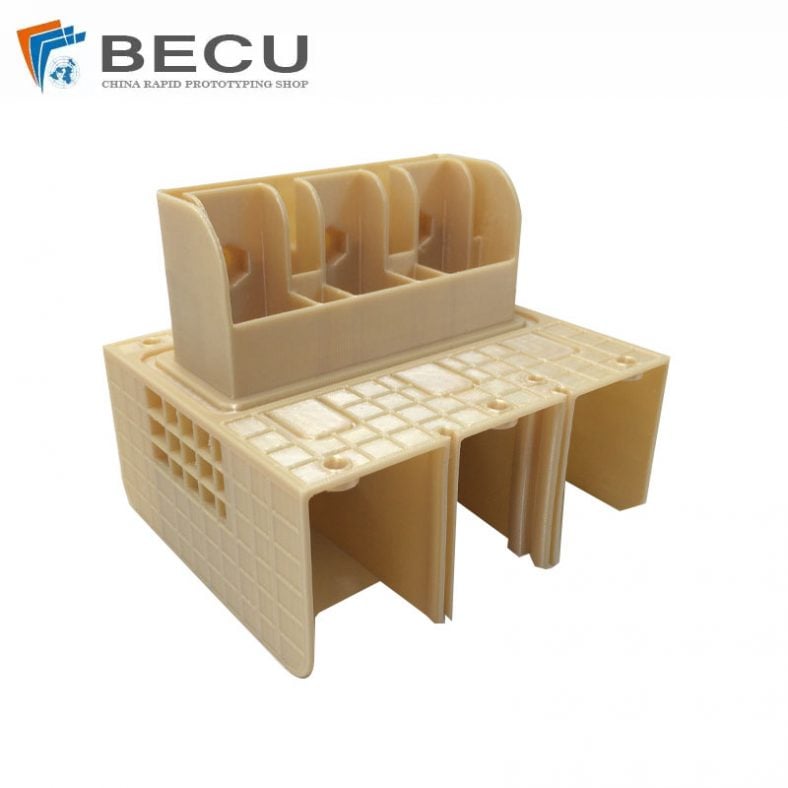
FDM 3D Printing Ultra-High Voltage Strong Electrical Connector
-
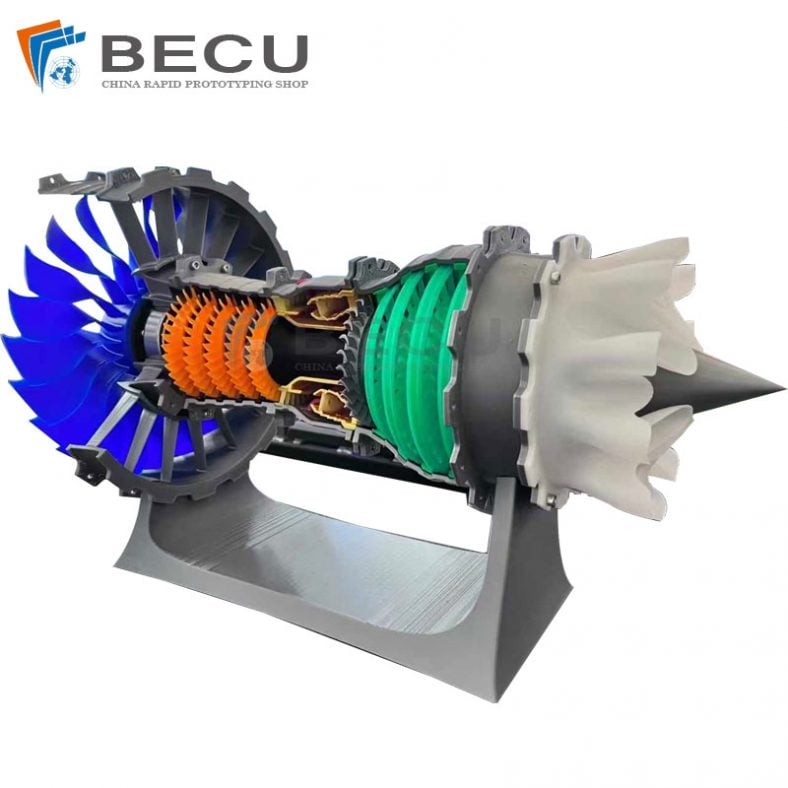
3D Printed Jet Engine Model
-
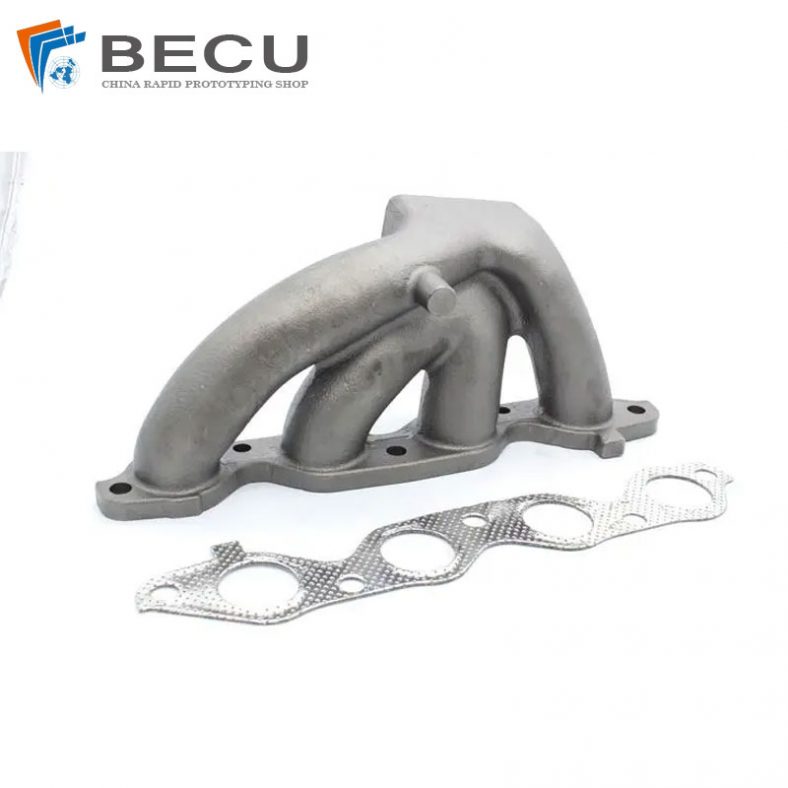
3D Printed Inconel Exhaust Manifold
-
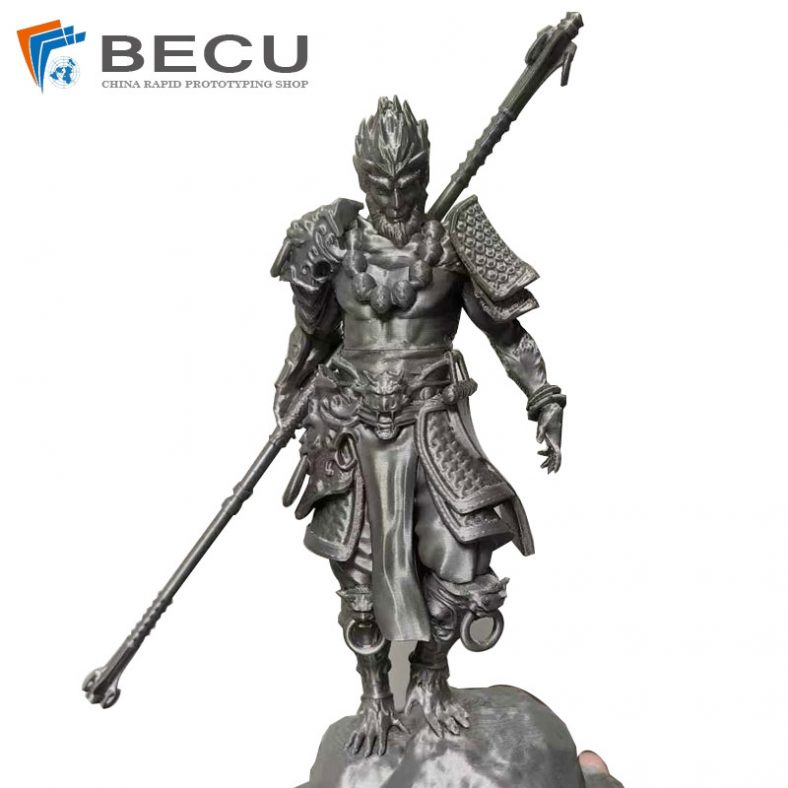
3D Printed Black Myth: Wukong Model
-
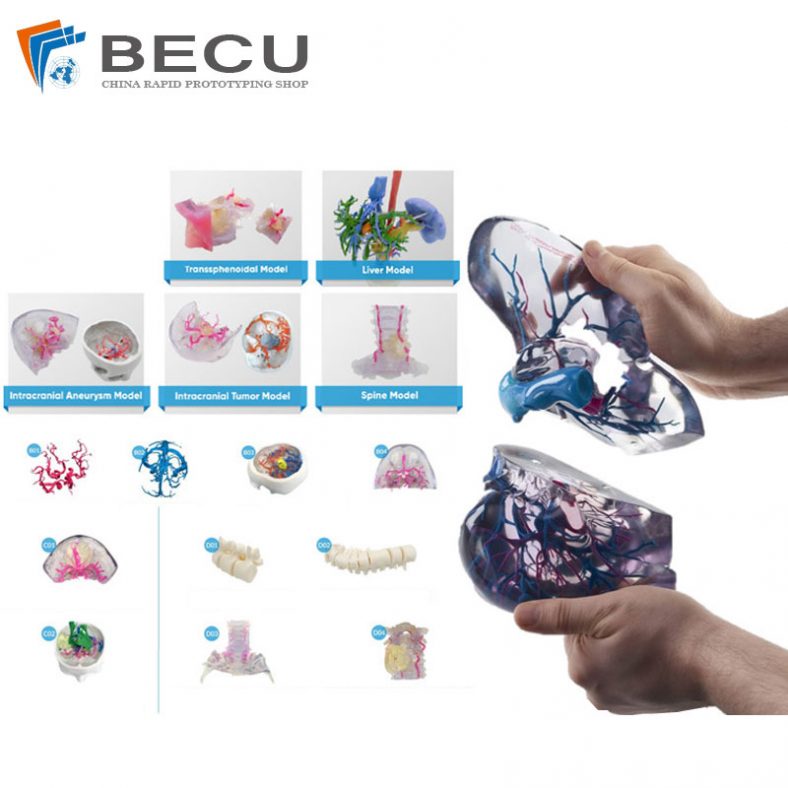
Omni-Directional Surgical Planning Medical Models
-
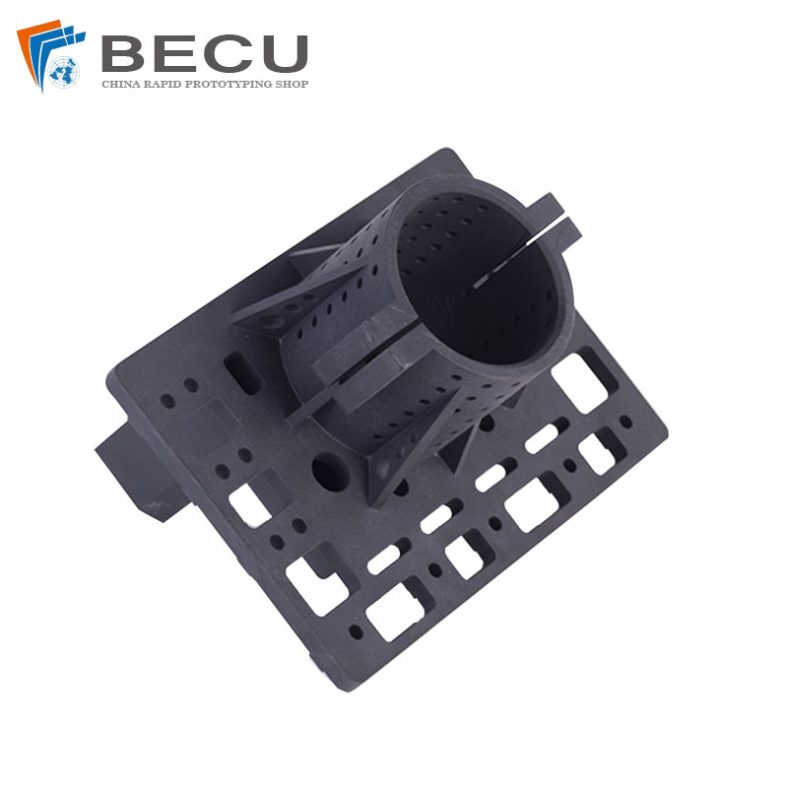
3D Printing Pool Pressure Cleaner Parts and Accessories
-
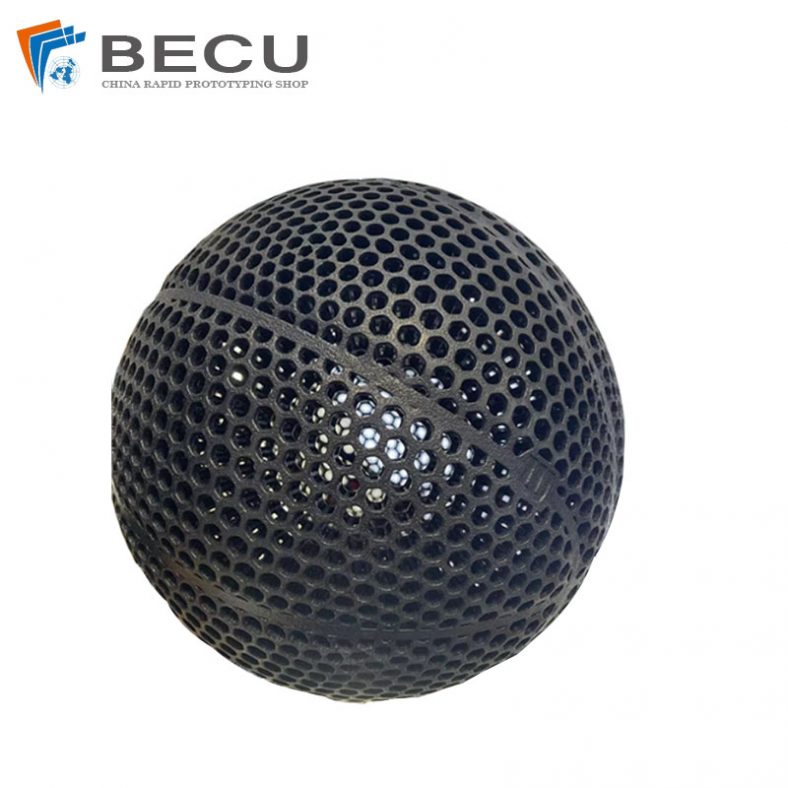
Nylon 3D Printed Size 5 Basketball
-
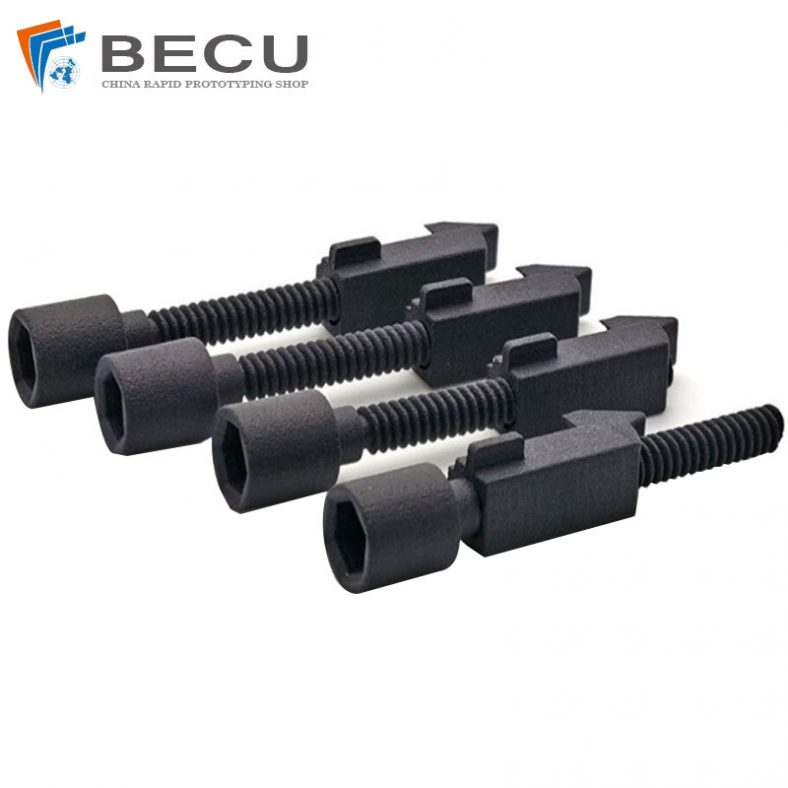
Black Nylon Medical Threaded Screw By MJF 3D Printing