
Lap shear testing is a cornerstone of materials science and engineering, providing critical insights into the mechanical behavior of bonded joints under shear stress. This testing method evaluates the strength and durability of adhesive bonds, welds, and other joining techniques used across industries, from aerospace and automotive to electronics and biomedical engineering. By subjecting specimens to controlled shear forces, lap shear testing quantifies the ability of a joint to withstand in-plane stresses, offering valuable data for material selection, design optimization, and quality assurance.

This article aims to provide a comprehensive exploration of lap shear testing, encompassing its methodologies, practical applications, and mathematical underpinnings. Designed to serve as a definitive resource, it adopts a scientific, Wikipedia-style approach, with detailed explanations, historical context, and technical rigor.
The article is structured to guide readers through the principles of lap shear testing, its experimental procedures, real-world applications, and the calculations used to interpret results. Periodic section headings and comparative tables ensure clarity and accessibility, catering to both novice readers and seasoned engineers.
With an emphasis on depth, this article spans the theoretical foundations, experimental protocols, and industry-specific case studies, supplemented by quantitative analyses and standardized references. Whether you are a researcher, engineer, or student, this document seeks to illuminate the critical role of lap shear testing in advancing material reliability and structural integrity across diverse fields.
Introduction
Lap shear testing is a fundamental mechanical testing method used to evaluate the strength and integrity of bonded joints under shear loading conditions. As a critical tool in materials science and engineering, it provides essential data for designing and assessing structures that rely on adhesives, welds, or mechanical fasteners. This section introduces the concept of lap shear testing, its historical development, and the scope of this article, setting the stage for a comprehensive exploration of its methodologies, applications, and analytical frameworks.
Definition and Overview
Definition of Lap Shear Testing
Lap shear testing is a standardized mechanical testing procedure designed to measure the shear strength of a bonded joint, typically involving two overlapping substrates joined by an adhesive, weld, or mechanical fastener. The test applies a tensile load parallel to the plane of the bond, inducing shear stress across the joint until failure occurs. The primary metric obtained is the lap shear strength, defined as the maximum shear stress the joint can withstand, calculated as the maximum force divided by the bonded area ((\tau = \frac{F}{A})). This test is widely used to assess the performance of adhesives, the compatibility of substrates, and the reliability of joints under in-plane shear forces.
Lap shear testing is typically conducted using a single-lap joint configuration, where two substrates overlap over a specified area, though other configurations, such as double-lap or scarf joints, are also employed depending on the application. The test is governed by standards such as ASTM D1002 (for metal-to-metal adhesive bonds) and ISO 4587 (for adhesives in general), which specify specimen dimensions, loading rates, and environmental conditions to ensure reproducibility.
Importance in Materials Science and Engineering
Lap shear testing is indispensable in materials science and engineering due to its ability to quantify the mechanical performance of bonded joints, which are critical components in modern manufacturing and construction. Adhesive bonding has become a preferred joining method in industries such as aerospace, automotive, and electronics, offering advantages over traditional mechanical fastening, including weight reduction, uniform stress distribution, and the ability to join dissimilar materials. Lap shear testing provides critical data for:
- Material Selection: Evaluating the suitability of adhesives and substrates for specific applications.
- Design Optimization: Informing the design of joints to maximize strength and durability.
- Quality Assurance: Ensuring consistent bond quality in production processes.
- Failure Analysis: Identifying failure modes (adhesive, cohesive, or substrate) to improve joint performance.
The test’s simplicity and versatility make it a cornerstone for assessing the mechanical integrity of joints in both research and industrial settings. By simulating real-world shear stresses, lap shear testing bridges the gap between theoretical material properties and practical engineering applications.
Brief Comparison with Other Mechanical Testing Methods
Lap shear testing is one of several mechanical testing methods used to characterize materials and joints. To understand its role, it is useful to compare it with other common tests:
- Tensile Testing: Measures a material’s response to uniaxial tensile forces, focusing on properties like ultimate tensile strength and elongation. Unlike lap shear testing, which targets in-plane shear stress in joints, tensile testing evaluates bulk material properties or joints under normal stress.
- Peel Testing: Assesses the resistance of an adhesive bond to peeling forces, where the substrates are pulled apart at an angle (e.g., 90° or 180°). Peel testing emphasizes bond flexibility and adhesion, whereas lap shear testing focuses on shear strength.
- Compression Testing: Evaluates a material’s behavior under compressive forces, often used for bulk materials or structural components. It contrasts with lap shear testing, which isolates shear forces in bonded joints.
- Flexural Testing: Measures a material’s resistance to bending, typically for beams or plates. Unlike lap shear testing, it involves complex stress states combining tension, compression, and shear.
Lap shear testing is unique in its focus on shear stress within a bonded interface, making it particularly relevant for applications where joints experience sliding or shearing forces, such as in laminated composites or adhesively bonded panels.
Historical Context
Origins of Lap Shear Testing
The development of lap shear testing is closely tied to the rise of adhesive bonding in the early 20th century. While mechanical fastening and welding dominated industrial joining techniques in the 19th and early 20th centuries, the advent of synthetic adhesives during World War II spurred the need for reliable testing methods. Early adhesives, such as phenolic resins, were used in aircraft manufacturing, necessitating standardized tests to evaluate bond strength under operational conditions. Lap shear testing emerged as a practical method due to its simplicity and ability to replicate the shear stresses experienced in real-world applications.
The single-lap joint configuration, which remains the most common setup, was first formalized in the 1940s as adhesive bonding gained prominence in aerospace applications. Researchers recognized that shear forces were a primary mode of loading in bonded structures, such as aircraft skins and fuselage panels, leading to the development of standardized test methods.
Evolution of Standards
The establishment of lap shear testing standards marked a significant milestone in ensuring consistency and comparability of results. Key standards include:
- ASTM D1002 (first published in 1949): Developed by the American Society for Testing and Materials (ASTM), this standard outlines the procedure for testing adhesively bonded metal-to-metal single-lap joints under tensile shear loading. It remains one of the most widely used standards for industrial applications.
- ISO 4587 (introduced in 1979): Published by the International Organization for Standardization (ISO), this standard provides a general framework for testing adhesive bonds in shear, applicable to a wide range of substrates and adhesives.
- ASTM D5868 (for composite materials): Introduced later to address the growing use of composites, this standard adapts lap shear testing for fiber-reinforced polymer substrates.
These standards have evolved to incorporate advancements in materials, testing equipment, and analytical techniques. For example, modern standards account for environmental factors (e.g., temperature, humidity) and provide guidelines for testing advanced adhesives like epoxies and polyurethanes.
Key Milestones in Adhesive and Joint Testing
- 1940s: Formalization of lap shear testing for aerospace adhesives during World War II, driven by the need for lightweight, reliable aircraft structures.
- 1960s: Expansion of lap shear testing to automotive and construction industries, coinciding with the development of high-performance adhesives.
- 1980s: Introduction of finite element analysis (FEA) to model stress distributions in lap shear joints, improving the accuracy of theoretical predictions.
- 2000s: Integration of environmental and fatigue testing into lap shear protocols, reflecting the demand for durable bonds in harsh conditions.
- 2010s–Present: Advances in automation, micro-scale testing, and machine learning for failure prediction, enhancing the precision and applicability of lap shear testing.
These milestones reflect the growing sophistication of lap shear testing as a tool for material characterization and engineering design.
Scope and Objectives of the Article
Purpose of the Article
This article aims to provide a comprehensive, authoritative resource on lap shear testing, covering its theoretical foundations, experimental methodologies, practical applications, and analytical techniques. By synthesizing historical context, standardized procedures, and industry-specific case studies, the article seeks to serve as a definitive guide for understanding and implementing lap shear testing. It addresses both fundamental principles and advanced topics, ensuring accessibility for readers with varying levels of expertise.
Target Audience
The article is designed for a diverse audience, including:
- Engineers: Professionals in mechanical, aerospace, automotive, and civil engineering seeking to design and test bonded structures.
- Researchers: Academics and scientists investigating adhesive technologies, composite materials, and joint mechanics.
- Students: Undergraduate and graduate students in materials science, engineering, and related fields learning about mechanical testing methods.
- Industry Practitioners: Quality control specialists and manufacturing engineers responsible for ensuring bond reliability in production.
Structure and Organization of Content
The article is organized into several key sections to provide a logical and comprehensive exploration of lap shear testing:
- Fundamentals: Covers the principles of shear stress, joint configurations, materials, and failure modes.
- Experimental Methodology: Details standardized procedures, specimen preparation, and testing equipment.
- Calculations and Data Analysis: Explains shear strength calculations, stress distribution models, and statistical analysis.
- Applications: Explores the use of lap shear testing across industries, with case studies.
- Advanced Topics: Discusses environmental effects, dynamic testing, and emerging innovations.
- Challenges and Limitations: Addresses practical and theoretical challenges, with future directions.
- Appendices and References: Provide supplementary data, glossaries, and citations for further reading.
This structure ensures a thorough examination of lap shear testing, supported by comparative tables and detailed examples to enhance clarity and applicability.
Fundamentals of Lap Shear Testing
The fundamentals of lap shear testing provide the theoretical and practical foundation for understanding how bonded joints behave under shear loading. This section explores the principles of shear stress, the types of joints tested, the materials and adhesives involved, and the failure modes observed during testing. By establishing these core concepts, readers can better appreciate the experimental and analytical aspects of lap shear testing discussed in later sections.
Principles of Shear Stress
Definition of Shear Stress and Strain
Shear stress ((\tau)) is defined as the force per unit area acting parallel to the plane of a material or joint, expressed mathematically as: [ \tau = \frac{F}{A} ] where (F) is the applied force (in Newtons) and (A) is the area of the bonded overlap (in square meters). Shear stress is typically reported in megapascals (MPa) or pounds per square inch (psi). Shear strain ((\gamma)) measures the deformation resulting from shear stress, calculated as the ratio of the lateral displacement to the thickness of the bond line.
In lap shear testing, shear stress is induced by applying a tensile load to a bonded joint, causing the substrates to slide relative to each other. This mimics real-world conditions where joints experience in-plane forces, such as in adhesively bonded panels or composite laminates.
Mechanics of Shear in Bonded Joints
The mechanics of shear in bonded joints are complex due to the interaction between the adhesive, substrates, and external loading. In a single-lap joint, the applied tensile load creates a combination of shear and bending stresses due to the eccentric loading path. The adhesive layer experiences shear stress primarily along the overlap region, but stress concentrations occur at the edges of the bond due to geometric discontinuities. Analytical models, such as those by Volkersen and Goland-Reissner, describe these stress distributions, accounting for factors like adhesive thickness, substrate stiffness, and overlap length.
Comparison of Shear vs. Normal Stresses
Shear stresses differ from normal stresses (tensile or compressive) in their direction and effect on materials:
- Shear Stress: Acts parallel to the material plane, causing sliding or shearing deformation. It is critical in bonded joints where relative motion between substrates is a primary failure mechanism.
- Normal Stress: Acts perpendicular to the material plane, causing elongation (tensile) or shortening (compressive). Normal stresses dominate in tensile or compression tests but play a secondary role in lap shear testing due to bending effects.
Understanding the interplay between shear and normal stresses is essential for interpreting lap shear test results, as bending can influence failure modes and stress distributions.
Types of Joints Tested
Lap shear testing is applied to various joint configurations, each with unique characteristics and applications. The choice of joint type depends on the material, adhesive, and intended use.
Single-Lap Joints
The single-lap joint is the most common configuration in lap shear testing, consisting of two substrates overlapped and bonded over a specified area. The joint is loaded in tension, inducing shear stress in the adhesive layer. Single-lap joints are simple to prepare and test, making them ideal for standardized protocols like ASTM D1002. However, they are prone to bending stresses due to the eccentric load path, which can complicate stress analysis.
Double-Lap Joints
Double-lap joints involve a central substrate bonded to two outer substrates, reducing bending stresses compared to single-lap joints. This configuration provides a more uniform shear stress distribution, making it suitable for high-strength applications or when testing thick substrates. However, double-lap joints are more complex to fabricate and require precise alignment during testing.
Other Configurations
- Scarf Joints: Feature angled bonding surfaces, reducing stress concentrations and improving load transfer. They are used in aerospace applications where smooth load paths are critical.
- Stepped-Lap Joints: Combine multiple overlap regions with varying thicknesses, optimizing strength for specific applications. They are less common but useful for complex structures.
Each configuration offers trade-offs in terms of ease of testing, stress distribution, and applicability to real-world scenarios.
Materials and Adhesives
Common Substrates
Lap shear testing is applied to a wide range of substrates, including:
- Metals: Aluminum, steel, and titanium, commonly used in aerospace and automotive applications.
- Composites: Carbon-fiber-reinforced polymers (CFRP) and glass-fiber-reinforced polymers (GFRP), prevalent in lightweight structures.
- Polymers: Thermoplastics and thermosets, used in electronics and consumer goods.
- Ceramics and Glass: Employed in specialized applications like biomedical devices.
Substrate properties, such as stiffness, surface roughness, and thermal expansion, significantly influence lap shear performance.
Types of Adhesives
Adhesives tested in lap shear configurations include:
- Epoxy: High-strength, durable adhesives used in aerospace and automotive applications.
- Acrylic: Versatile adhesives with good environmental resistance, common in electronics.
- Polyurethane: Flexible adhesives suitable for bonding dissimilar materials.
- Cyanoacrylate: Fast-curing adhesives for small-scale applications.
- Silicone: Used in flexible, high-temperature, or biomedical applications.
Adhesive selection depends on the substrate, environmental conditions, and required performance.
Welded and Mechanically Fastened Joints
While lap shear testing is primarily associated with adhesives, it is also applied to welded and mechanically fastened joints. Welded joints (e.g., spot welds, friction stir welds) are tested to evaluate shear strength in the weld zone, while mechanical fasteners (e.g., rivets, bolts) are assessed for shear resistance in the fastener or surrounding material.
Failure Modes in Lap Shear Testing
Understanding failure modes is critical for interpreting lap shear test results and improving joint design.
Adhesive Failure
Adhesive failure occurs at the interface between the adhesive and substrate, indicating weak bonding due to poor surface preparation, incompatible materials, or environmental degradation. It is characterized by clean separation of the adhesive from the substrate.
Cohesive Failure
Cohesive failure occurs within the adhesive layer, where the adhesive itself fractures. This suggests that the adhesive is the weakest link, often due to insufficient strength or improper curing.
Substrate Failure
Substrate failure occurs when the substrate yields or fractures before the adhesive fails, indicating that the adhesive bond is stronger than the substrate material. This is common in weak substrates like low-strength polymers.
Mixed-Mode Failures
Mixed-mode failures involve a combination of adhesive, cohesive, and substrate failures, often due to non-uniform stress distributions or defects in the joint. Analyzing these failures requires detailed inspection, often using microscopy or non-destructive testing.
| Joint Type | Description | Advantages | Limitations | Typical Applications |
|---|---|---|---|---|
| Single-Lap | Two substrates overlapped and bonded, loaded in tension to induce shear stress. | Simple to fabricate and test; widely standardized (e.g., ASTM D1002). | Prone to bending stresses; non-uniform shear stress distribution. | Aerospace (skin panels), automotive (body panels). |
| Double-Lap | Central substrate bonded to two outer substrates, reducing bending stresses. | More uniform shear stress; higher strength for thick substrates. | Complex fabrication; requires precise alignment. | Heavy-duty structures, composite laminates. |
| Scarf | Angled bonding surfaces for improved load transfer. | Reduced stress concentrations; smoother load paths. | Difficult to fabricate; requires precise machining. | Aerospace (wing joints), high-performance composites. |
| Stepped-Lap | Multiple overlap regions with varying thicknesses. | Optimized strength for complex structures; customizable load distribution. | Highly complex fabrication; limited standardization. | Specialized aerospace and automotive components. |
Experimental Methodology
The experimental methodology of lap shear testing is critical to obtaining reliable and reproducible results that accurately reflect the mechanical performance of bonded joints. This section provides a detailed examination of the test standards, specimen preparation techniques, testing equipment, procedures, and sources of error, offering a comprehensive guide to conducting lap shear tests in accordance with established protocols. By addressing both practical and theoretical aspects, this section equips researchers and engineers with the knowledge needed to design and execute effective lap shear experiments.
3.1 Test Standards and Protocols
ASTM D1002, ASTM D5868, ISO 4587, etc.
Lap shear testing is governed by standardized protocols that ensure consistency, repeatability, and comparability of results across different laboratories and applications. The most widely used standards include:
- ASTM D1002: Titled “Standard Test Method for Apparent Shear Strength of Single-Lap-Joint Adhesively Bonded Metal Specimens by Tension Loading,” this standard, first published in 1949 and updated regularly, is a cornerstone for testing adhesive bonds between metal substrates. It specifies a single-lap joint configuration with a defined overlap length (typically 25.4 mm or 1 inch) and a test speed of 1.3 mm/min (0.05 in/min). ASTM D1002 is widely used in aerospace and automotive industries for quality control and material evaluation.
- ASTM D5868: This standard, “Standard Test Method for Lap Shear Adhesion for Fiber Reinforced Plastic (FRP) Bonding,” addresses the testing of composite materials, which are increasingly prevalent in lightweight structures. It adapts the single-lap joint configuration for FRP substrates, specifying procedures for surface preparation and testing under controlled conditions.
- ISO 4587: Titled “Adhesives — Determination of Tensile Lap-Shear Strength of Rigid-to-Rigid Bonded Assemblies,” this international standard provides a general framework for testing adhesive bonds between various substrates, including metals, plastics, and composites. It allows flexibility in specimen dimensions and test conditions, making it suitable for diverse applications.
- Other Standards: Additional standards, such as ASTM D3163 (for rigid plastics), ASTM D3528 (for double-lap joints), and EN 1465 (European equivalent to ISO 4587), address specific materials or configurations. These standards complement the primary protocols by accommodating specialized testing needs.
Each standard outlines requirements for specimen preparation, test conditions, and data reporting, ensuring that results are comparable across different testing environments.
Key Requirements for Specimen Preparation
Specimen preparation is a critical aspect of lap shear testing, as inconsistencies can significantly affect results. Key requirements include:
- Substrate Dimensions: Standards specify precise dimensions for substrates to ensure uniformity. For example, ASTM D1002 recommends metal substrates of 1.6 mm (0.063 in) thickness, 25.4 mm (1 in) width, and 101.6 mm (4 in) length, with a 25.4 mm (1 in) overlap.
- Surface Preparation: Substrates must be cleaned and treated to remove contaminants (e.g., oils, oxides) and enhance adhesion. Common methods include abrasive blasting, chemical etching, and solvent cleaning.
- Adhesive Application: The adhesive must be applied uniformly to achieve a consistent bondline thickness (typically 0.1–0.5 mm). Spacers or shims are often used to control thickness.
- Curing Conditions: Adhesives must be cured according to manufacturer specifications, with controlled temperature, humidity, and time to ensure optimal bond strength.
- Alignment: Substrates must be aligned precisely during bonding to avoid misalignment, which can introduce bending stresses during testing.
International Variations in Standards
While ASTM and ISO standards share similar objectives, they differ in scope, specimen requirements, and test conditions:
- ASTM Standards: Focus on specific applications (e.g., metals in ASTM D1002, composites in ASTM D5868) and are widely used in North America. They emphasize detailed procedures and strict dimensional tolerances.
- ISO Standards: Offer greater flexibility to accommodate diverse materials and applications, making them prevalent in Europe and globally. ISO 4587, for example, allows variations in substrate type and test speed.
- EN Standards: European standards, such as EN 1465, align closely with ISO 4587 but may include additional requirements for specific industries, such as construction or automotive.
- Other Regional Standards: Standards like JIS K 6850 (Japan) or DIN 6701 (Germany) cater to regional industries, often incorporating unique environmental or material considerations.
These variations reflect differences in industrial practices and regulatory requirements, necessitating careful selection of the appropriate standard for a given application.
Specimen Preparation
Substrate Selection and Surface Preparation
The choice of substrate material is driven by the application and test objectives. Common substrates include:
- Metals: Aluminum, steel, and titanium, selected for their high strength and common use in structural applications.
- Composites: Carbon-fiber-reinforced polymers (CFRP) and glass-fiber-reinforced polymers (GFRP), used in lightweight structures.
- Polymers: Thermoplastics (e.g., polycarbonate, ABS) and thermosets (e.g., epoxy composites), common in electronics and consumer goods.
Surface preparation is critical to achieving strong adhesive bonds. Techniques include:
- Mechanical Abrasion: Sanding or grit blasting to increase surface roughness and improve mechanical interlocking.
- Chemical Etching: Acid or alkaline treatments to remove oxides and enhance surface energy (e.g., chromic acid etching for aluminum).
- Solvent Cleaning: Degreasing with solvents like acetone or isopropyl alcohol to remove oils and contaminants.
- Plasma Treatment: Used for polymers and composites to activate surfaces and improve wettability.
Surface preparation must be consistent with the chosen standard and adhesive requirements to ensure reliable test results.
Adhesive Application Techniques
Adhesive application requires precision to achieve a uniform bondline and avoid defects. Common techniques include:
- Manual Application: Using brushes, rollers, or syringes for small-scale or laboratory testing. This method is prone to variability but suitable for prototyping.
- Automated Dispensing: Employing robotic systems or dispensers for high-volume production, ensuring consistent adhesive thickness and coverage.
- Film Adhesives: Pre-formed adhesive films applied between substrates, offering uniform thickness and ease of use, especially for aerospace applications.
- Spacers or Shims: Used to control bondline thickness, ensuring compliance with standards (e.g., 0.1–0.3 mm for ASTM D1002).
Proper application minimizes voids, bubbles, and uneven curing, which can compromise shear strength.
Curing Processes and Environmental Controls
Curing is a critical step that affects adhesive performance. Key considerations include:
- Temperature: Most adhesives require specific curing temperatures (e.g., 20–150°C for epoxies). Elevated temperatures accelerate curing but may affect substrate properties.
- Time: Curing times vary from minutes (e.g., cyanoacrylates) to hours or days (e.g., epoxies), depending on the adhesive and application.
- Humidity: Environmental humidity can affect curing, particularly for moisture-cured adhesives like polyurethanes.
- Pressure: Applied during curing to ensure intimate contact between adhesive and substrates, typically using clamps or autoclaves.
Environmental controls, such as curing in a controlled chamber, are essential to prevent variations in temperature or humidity that could alter test outcomes.
Testing Equipment
Universal Testing Machines (UTMs)
Universal testing machines (UTMs) are the primary equipment for lap shear testing, capable of applying controlled tensile loads to specimens. Key features include:
- Load Capacity: Typically 1–100 kN, depending on the material and joint strength.
- Crosshead Speed: Adjustable to meet standard requirements (e.g., 1.3 mm/min for ASTM D1002).
- Data Acquisition: Integrated systems to record load, displacement, and time.
Modern UTMs, such as those from Instron or MTS, offer high precision and programmable test sequences, enabling both static and dynamic testing.
Grips, Fixtures, and Alignment Considerations
Grips and fixtures ensure proper loading and alignment of specimens:
- Grips: Self-aligning or fixed grips secure the specimen ends, preventing slippage. Wedge grips are common for high-strength materials.
- Fixtures: Alignment fixtures maintain parallelism between substrates, minimizing bending stresses. ASTM D1002 recommends spacers or shims to ensure proper alignment.
- Alignment Considerations: Misalignment can introduce secondary stresses, leading to inaccurate results. Laser alignment systems or precision jigs are often used to ensure accuracy.
Instrumentation for Load and Displacement Measurement
Accurate measurement of load and displacement is essential for calculating shear strength and analyzing failure behavior:
- Load Cells: Measure applied force with high accuracy (typically ±0.5% of full scale).
- Extensometers: Measure displacement or strain in the bondline, often with sub-micron resolution.
- Data Acquisition Systems: Record load-displacement data in real-time, enabling the generation of load-displacement curves for analysis.
Advanced systems may include high-speed cameras or digital image correlation (DIC) to monitor deformation and failure modes.
Test Procedure
Loading Conditions
Lap shear tests are typically conducted under controlled loading conditions:
- Constant Rate Loading: The most common method, where the UTM applies a constant crosshead speed (e.g., 1.3 mm/min for ASTM D1002). This produces a load-displacement curve used to determine maximum shear strength.
- Cyclic Loading: Used for fatigue testing, where the specimen is subjected to repeated loading cycles to assess durability. Cyclic tests are governed by standards like ASTM D3166.
- Dynamic Loading: Involves high-speed loading to simulate impact or shock conditions, relevant for automotive crashworthiness studies.
The choice of loading condition depends on the application and standard requirements.
Environmental Factors
Environmental conditions significantly affect lap shear test results:
- Temperature: Tests may be conducted at ambient (23°C), elevated (e.g., 80°C), or low temperatures (e.g., -40°C) to simulate operational conditions. Standards specify temperature tolerances (e.g., ±2°C).
- Humidity: High humidity can weaken adhesive bonds, particularly for moisture-sensitive adhesives. Controlled humidity chambers are used for testing.
- Other Factors: Exposure to chemicals, UV radiation, or salt spray may be incorporated for durability testing, especially in marine or aerospace applications.
Data Acquisition and Recording
Data acquisition involves collecting load and displacement data throughout the test:
- Load-Displacement Curves: Generated in real-time, these curves show the relationship between applied force and specimen deformation, with the peak load indicating maximum shear strength.
- Failure Mode Observation: Visual or microscopic inspection post-test to identify adhesive, cohesive, or substrate failure.
- Software Integration: Modern UTMs use software to record, analyze, and store data, ensuring traceability and compliance with standards.
Sources of Error and Variability
Misalignment and Edge Effects
Misalignment of substrates or grips can introduce bending stresses, leading to non-uniform shear stress distribution. Edge effects, such as stress concentrations at the bondline edges, can cause premature failure. Mitigation strategies include:
- Using alignment fixtures or laser systems.
- Ensuring uniform adhesive application to minimize edge irregularities.
Adhesive Thickness Variations
Inconsistent bondline thickness can affect shear strength. Variations may arise from improper application or curing. Spacers or automated dispensing systems help maintain uniform thickness.
Environmental Influences
Fluctuations in temperature, humidity, or curing conditions can alter adhesive properties. Controlled environments and strict adherence to curing protocols are essential to minimize variability.
| Standard | Issuing Body | Scope | Specimen Dimensions | Test Speed | Applications |
|---|---|---|---|---|---|
| ASTM D1002 | ASTM | Shear strength of adhesively bonded metal-to-metal single-lap joints | 1.6 mm thick, 25.4 mm wide, 25.4 mm overlap | 1.3 mm/min | Aerospace, automotive, metal bonding |
| ASTM D5868 | ASTM | Lap shear adhesion of fiber-reinforced plastic (FRP) bonded assemblies | Varies, typically 2–4 mm thick, 25 mm wide, 25 mm overlap | 1–5 mm/min | Composites, aerospace, lightweight structures |
| ISO 4587 | ISO | Tensile lap-shear strength of rigid-to-rigid bonded assemblies | Flexible, typically 25 mm wide, 25 mm overlap | 5–10 mm/min | General adhesives, diverse substrates |
| EN 1465 | CEN | Tensile lap-shear strength of adhesive bonds, aligned with ISO 4587 | Similar to ISO 4587 | 5–10 mm/min | European industries, construction, automotive |
Calculations and Data Analysis
The analysis of lap shear test data involves calculating shear strength, modeling stress distributions, applying statistical methods, and interpreting results to understand joint performance. This section provides a detailed exploration of these processes, equipping readers with the tools to analyze and apply lap shear test results effectively.
Shear Strength Calculation
Formula for Lap Shear Strength
The primary metric in lap shear testing is the shear strength ((\tau)), calculated as: [ \tau = \frac{F}{A} ] where:
- (F) is the maximum force (in Newtons) recorded at failure.
- (A) is the bonded overlap area (in square meters), typically calculated as the product of the overlap length and width.
This formula assumes uniform shear stress across the bondline, which is an approximation for single-lap joints due to stress concentrations.
Explanation of Force (F) and Overlap Area (A)
- Force (F): Measured by the UTM’s load cell, the maximum force corresponds to the point of failure, where the joint can no longer sustain the applied load. This is derived from the peak of the load-displacement curve.
- Overlap Area (A): Determined by measuring the bonded region, typically standardized (e.g., 25.4 mm × 25.4 mm for ASTM D1002). Precise measurement is critical, as small errors in area calculation can significantly affect reported shear strength.
Units and Conversions
Shear strength is typically reported in:
- Megapascals (MPa): SI unit, where 1 MPa = (10^6 , \text{N/m}^2).
- Pounds per Square Inch (psi): Common in US industries, where 1 MPa ≈ 145 psi.
Conversions are essential for comparing results across standards or industries. For example, a shear strength of 20 MPa is equivalent to approximately 2,900 psi.
Stress Distribution Analysis
Non-Uniform Stress in Single-Lap Joints
Single-lap joints exhibit non-uniform shear stress due to eccentric loading, which induces bending moments. Stress concentrations occur at the bondline edges, reducing the effective shear strength compared to theoretical predictions. This non-uniformity complicates the interpretation of results and necessitates advanced modeling.
Finite Element Analysis (FEA) for Stress Modeling
Finite element analysis (FEA) is used to model stress distributions in lap shear joints, accounting for:
- Geometry: Overlap length, substrate thickness, and bondline thickness.
- Material Properties: Elastic moduli of substrates and adhesive, Poisson’s ratio.
- Loading Conditions: Tensile load, boundary conditions, and alignment.
FEA software (e.g., ANSYS, Abaqus) discretizes the joint into elements, solving for stress and strain distributions. This provides insights into peak stresses and potential failure points.
Analytical Models
Several analytical models describe stress distributions in lap shear joints:
- Volkersen Model: Assumes linear shear stress distribution, neglecting bending. The shear stress is given by: [ \tau(x) = \frac{P}{b} \cdot \frac{\sinh(\lambda x)}{\sinh(\lambda L)} ] where (P) is the applied load, (b) is the joint width, (L) is the overlap length, and (\lambda) is a shear lag parameter.
- Goland-Reissner Model: Accounts for bending stresses, providing a more accurate stress distribution for single-lap joints.
- Hart-Smith Model: Extends earlier models by incorporating adhesive plasticity and thermal effects, suitable for high-performance adhesives.
These models are used to validate experimental results and guide joint design.
Statistical Analysis
Mean, Standard Deviation, and Confidence Intervals
Lap shear tests are typically conducted on multiple specimens (e.g., 5–10 per ASTM D1002) to account for variability. Statistical metrics include:
- Mean Shear Strength: Average of maximum shear strengths across specimens.
- Standard Deviation: Measures variability, indicating consistency of the bonding process.
- Confidence Intervals: Provide a range within which the true shear strength lies, typically at 95% confidence.
Repeatability and Reproducibility
- Repeatability: Consistency of results within a single laboratory, assessed by testing multiple specimens under identical conditions.
- Reproducibility: Consistency across different laboratories or operators, evaluated through inter-laboratory studies.
Standards like ASTM E691 provide guidelines for assessing repeatability and reproducibility.
Weibull Analysis for Failure Probability
Weibull analysis is used to model the probability of failure in lap shear joints, particularly for brittle adhesives or composites. The Weibull distribution is given by: [ P_f = 1 – e^{-\left(\frac{\sigma}{\sigma_0}\right)^m} ] where (P_f) is the failure probability, (\sigma) is the stress, (\sigma_0) is the characteristic strength, and (m) is the Weibull modulus. This analysis helps predict joint reliability under varying loads.
Interpretation of Results
Determining Failure Modes from Load-Displacement Curves
Load-displacement curves provide insights into failure behavior:
- Adhesive Failure: Sharp drop in load after peak, indicating interfacial failure.
- Cohesive Failure: Gradual load decrease, suggesting adhesive fracture.
- Substrate Failure: Premature failure before peak load, indicating substrate weakness.
Microscopic analysis or visual inspection confirms the failure mode.
Comparing Experimental vs. Theoretical Results
Experimental shear strengths are compared to predictions from analytical models or FEA. Discrepancies may arise due to:
- Non-uniform stress distributions.
- Manufacturing defects (e.g., voids, misalignment).
- Environmental effects.
Adjustments to joint design or testing conditions can address these discrepancies.
Reporting Standards and Best Practices
Test reports should include:
- Shear strength (mean and standard deviation).
- Failure mode observations.
- Test conditions (e.g., temperature, speed).
- Compliance with standards (e.g., ASTM D1002).
Clear documentation ensures traceability and facilitates comparison with other studies.
| Model Name | Assumptions | Equations | Applications | Limitations |
|---|---|---|---|---|
| Volkersen | Linear shear stress, no bending, elastic adhesive and substrates | (\tau(x) = \frac{P}{b} \cdot \frac{\sinh(\lambda x)}{\sinh(\lambda L)}) | Simple joints, preliminary design | Ignores bending, oversimplifies stress |
| Goland-Reissner | Accounts for bending and shear, elastic materials | Complex equations involving bending moments and shear lag | Single-lap joints, aerospace applications | Computationally intensive, assumes elasticity |
| Hart-Smith | Includes adhesive plasticity, thermal effects, and differential stiffness | Modified shear and peel stress equations | High-performance adhesives, composites | Requires detailed material data |
Applications of Lap Shear Testing
Lap shear testing is a versatile and critical tool across numerous industries, providing essential data for evaluating the performance of bonded joints in real-world applications. This section explores the diverse applications of lap shear testing in aerospace, automotive, construction, electronics, biomedical, and other industries, highlighting specific use cases, material considerations, and case studies. By examining how lap shear testing informs design, manufacturing, and quality assurance, this section underscores its importance in advancing engineering and technology.
Aerospace Industry
Bonding in Aircraft Structures
In the aerospace industry, adhesive bonding is a cornerstone of modern aircraft design, enabling lightweight, high-strength structures that improve fuel efficiency and performance. Lap shear testing is used to evaluate the strength and reliability of adhesive bonds in critical components such as fuselage panels, wing skins, and structural assemblies. Adhesives, such as epoxies and acrylics, are preferred for their ability to join dissimilar materials (e.g., aluminum to composites) and distribute stresses uniformly compared to mechanical fasteners.
Lap shear tests ensure that bonded joints meet stringent safety and performance requirements under operational conditions, including high altitudes, temperature fluctuations, and vibrational stresses. For example, ASTM D1002 is commonly used to test metal-to-metal bonds in aircraft fuselage sections, while ASTM D5868 addresses composite-to-composite bonds in wing structures.
Composite Material Joints
Composite materials, such as carbon-fiber-reinforced polymers (CFRP) and glass-fiber-reinforced polymers (GFRP), are increasingly used in aerospace due to their high strength-to-weight ratio. Lap shear testing is critical for evaluating adhesive bonds in composite joints, which are susceptible to delamination and matrix failure. Tests assess the compatibility of adhesives with composite substrates, ensuring that bonds withstand shear stresses without compromising structural integrity.
Key considerations include surface preparation (e.g., plasma treatment to enhance adhesion) and adhesive selection (e.g., toughened epoxies for high-impact resistance). Lap shear testing also evaluates the effects of environmental factors, such as moisture and temperature, on composite joint performance, which is critical for long-term durability in aircraft.
Case Studies: Boeing, Airbus
- Boeing 787 Dreamliner: The Boeing 787 extensively uses adhesive bonding for composite fuselage and wing assemblies. Lap shear testing was integral during the design phase to validate bond strength in CFRP joints, ensuring compliance with FAA regulations. Tests revealed that toughened epoxy adhesives provided superior shear strength under cyclic loading, leading to optimized joint designs.
- Airbus A350 XWB: Airbus employed lap shear testing to assess adhesive bonds in the A350’s composite wing structures. Testing under elevated temperatures (up to 80°C) and humidity conditions ensured that bonds maintained integrity in harsh environments. Results informed the selection of acrylic adhesives for their resistance to moisture-induced degradation.
These case studies highlight how lap shear testing drives innovation in aerospace, enabling safer and more efficient aircraft designs.
Automotive Industry
Adhesive Bonding in Vehicle Assembly
Adhesive bonding is increasingly used in automotive manufacturing to join body panels, structural components, and interior assemblies. Lap shear testing evaluates the strength of these bonds, ensuring they meet performance requirements for safety, durability, and manufacturability. Adhesives like polyurethanes and acrylics are used to bond metals (e.g., steel, aluminum) and composites, reducing the need for mechanical fasteners and enabling streamlined assembly processes.
Lap shear tests are conducted to assess bond performance under static and dynamic loads, such as those experienced during vehicle operation or crash events. Standards like ISO 4587 are commonly used to ensure consistency across automotive applications.
Lightweighting and Crashworthiness
Lightweighting is a key driver in automotive design, particularly for electric vehicles (EVs), where reducing weight improves range and efficiency. Adhesive bonding facilitates the use of lightweight materials like aluminum and CFRP, which are tested using lap shear methods to ensure structural integrity. For example, lap shear testing verifies that adhesive bonds in aluminum chassis components can withstand shear stresses without failure.
Crashworthiness is another critical application, as adhesive bonds must maintain integrity during high-impact events. Lap shear tests under dynamic loading conditions simulate crash scenarios, providing data on energy absorption and failure modes. This informs the design of safer vehicles with improved occupant protection.
Case Studies: Electric Vehicles, Structural Adhesives
- Tesla Model 3: Tesla uses adhesive bonding extensively in the Model 3’s aluminum chassis and battery pack assembly. Lap shear testing was employed to evaluate polyurethane adhesives, ensuring high shear strength and resistance to thermal cycling. Test results guided the optimization of bondline thickness to balance strength and weight.
- BMW i3: The BMW i3’s carbon-fiber-reinforced plastic (CFRP) body structure relies on adhesive bonding for structural integrity. Lap shear testing under cyclic loading conditions confirmed the durability of epoxy adhesives, enabling BMW to achieve significant weight reduction while meeting crashworthiness standards.
These case studies demonstrate how lap shear testing supports the automotive industry’s push toward lightweight, safe, and efficient vehicles.
Construction and Civil Engineering
Structural Adhesives for Bridges and Buildings
In construction and civil engineering, structural adhesives are used to bond components in bridges, buildings, and infrastructure projects. Lap shear testing evaluates the strength of these bonds, ensuring they can withstand shear stresses from wind, seismic activity, and traffic loads. Common applications include bonding steel reinforcements, concrete elements, and composite panels.
Adhesives like epoxies and methacrylates are tested for their ability to join dissimilar materials, such as steel to concrete or composite to masonry. Lap shear tests provide data on bond strength and durability, critical for ensuring long-term structural stability.
Testing of Composite Reinforcements
Composite reinforcements, such as CFRP strips or plates, are used to strengthen aging infrastructure, such as bridges and buildings. Lap shear testing assesses the adhesive bonds between composites and substrates (e.g., concrete, steel), ensuring effective load transfer. Tests are conducted under environmental conditions (e.g., humidity, temperature) to simulate real-world exposure, with standards like ASTM D5868 guiding the process.
Electronics and Microelectronics
Bonding in Circuit Boards and Semiconductors
In electronics, adhesive bonding is used to assemble printed circuit boards (PCBs), attach components, and encapsulate semiconductors. Lap shear testing evaluates the strength of bonds in these applications, ensuring reliability under thermal and mechanical stresses. Common adhesives include epoxies and silicones, which are tested for shear strength in micro-scale joints.
Micro-scale lap shear testing is particularly important for semiconductors, where bond dimensions are on the order of micrometers. Specialized equipment, such as micro-tensile testers, is used to measure shear strength with high precision.
Micro-Scale Lap Shear Testing
Micro-scale testing involves challenges such as precise specimen preparation and accurate load measurement. Techniques like focused ion beam (FIB) milling are used to create micro-scale lap joints, while high-resolution load cells measure forces in the micro-Newton range. These tests ensure that adhesive bonds in electronics withstand thermal cycling and mechanical vibrations.
Biomedical Applications
Adhesives in Medical Devices
Adhesive bonding is critical in medical devices, such as catheters, prosthetics, and implants, where biocompatibility and reliability are paramount. Lap shear testing evaluates the strength of adhesives like cyanoacrylates and silicones used in these applications. Tests ensure that bonds maintain integrity under physiological conditions, such as exposure to bodily fluids.
Tissue Bonding and Surgical Applications
In surgical applications, adhesives are used for tissue bonding, wound closure, and implant fixation. Lap shear testing assesses the performance of bioadhesives, such as fibrin glues and synthetic polymers, under shear stresses mimicking tissue movement. These tests are critical for ensuring safety and efficacy in clinical settings.
Other Industries
Marine, Energy, Consumer Goods
Lap shear testing is applied in:
- Marine: Bonding composite hulls and deck structures, tested for resistance to saltwater and mechanical stresses.
- Energy: Joining components in wind turbines and solar panels, ensuring durability under environmental exposure.
- Consumer Goods: Bonding plastics and metals in appliances and electronics, evaluated for cost-effective performance.
Emerging Applications
Emerging applications include 3D-printed joints, where lap shear testing assesses the strength of bonds in additively manufactured structures. These tests address challenges like layer adhesion and material anisotropy, supporting the adoption of 3D printing in industries like aerospace and automotive.
| Industry | Common Substrates | Adhesives Used | Test Standards | Key Challenges |
|---|---|---|---|---|
| Aerospace | Aluminum, CFRP, titanium | Epoxy, acrylic | ASTM D1002, ASTM D5868 | Environmental durability, weight reduction |
| Automotive | Steel, aluminum, CFRP | Polyurethane, acrylic, epoxy | ISO 4587, ASTM D1002 | Crashworthiness, lightweighting |
| Construction | Concrete, steel, CFRP | Epoxy, methacrylate | ASTM D5868, EN 1465 | Long-term durability, environmental exposure |
| Electronics | PCBs, silicon, polymers | Epoxy, silicone | ISO 4587 | Micro-scale testing, thermal cycling |
| Biomedical | Polymers, titanium, tissue | Cyanoacrylate, fibrin glue | Custom protocols | Biocompatibility, physiological conditions |
| Others | Composites, metals, plastics | Various (epoxy, polyurethane) | ISO 4587, ASTM D1002 | Cost-effectiveness, scalability |
Advanced Topics in Lap Shear Testing
This section explores advanced aspects of lap shear testing, including environmental effects, dynamic and fatigue testing, non-destructive testing (NDT) integration, and emerging innovations. These topics address the evolving needs of industries and the challenges of testing complex materials and conditions.
Environmental Effects
Temperature and Humidity Effects
Environmental conditions significantly impact adhesive bond performance:
- High Temperature: Elevates adhesive flexibility but may reduce shear strength due to softening. For example, epoxy adhesives may lose 20–30% of shear strength at 80°C.
- Low Temperature: Increases adhesive brittleness, potentially leading to cohesive failure. Tests at -40°C are common for aerospace and automotive applications.
- Humidity: Moisture can degrade adhesive bonds, particularly for polyurethanes, reducing shear strength by up to 50% in high-humidity environments.
Lap shear tests under controlled environmental chambers simulate these conditions, with standards like ASTM D1151 specifying procedures.
Aging and Durability Testing
Aging tests assess long-term bond performance under environmental exposure. Lap shear testing is conducted after prolonged exposure to temperature, humidity, or UV radiation, revealing degradation mechanisms. For example, accelerated aging at 60°C and 90% relative humidity can simulate years of service life in weeks.
Corrosion and Chemical Exposure
Corrosion (e.g., in metal substrates) and chemical exposure (e.g., saltwater, acids) can weaken bonds. Lap shear testing evaluates resistance to these conditions, critical for marine and chemical processing applications. Standards like ASTM B117 (salt spray testing) are often combined with lap shear protocols.
Dynamic and Fatigue Testing
Cyclic Loading and Fatigue Life
Dynamic testing involves cyclic loading to assess fatigue life, simulating repeated stresses in applications like aircraft wings or vehicle suspensions. Lap shear tests under cyclic loading (e.g., ASTM D3166) measure the number of cycles to failure, providing data on bond durability. For example, epoxy-bonded aluminum joints may withstand 10^6 cycles at 50% of ultimate shear strength.
Creep and Relaxation in Adhesive Joints
Creep (time-dependent deformation under constant load) and stress relaxation (decrease in stress under constant strain) are critical for long-term applications. Lap shear tests under sustained loads evaluate these phenomena, particularly for viscoelastic adhesives like polyurethanes.
Non-Destructive Testing (NDT) Integration
Combining Lap Shear with Ultrasonic or X-ray Inspection
NDT methods, such as ultrasonic testing and X-ray radiography, are integrated with lap shear testing to assess joint integrity without destructive testing. Ultrasonic testing detects voids or delaminations in the bondline, while X-ray imaging reveals internal defects. These methods complement lap shear testing by identifying defects that may affect shear strength.
Real-Time Monitoring of Joint Integrity
Real-time monitoring using acoustic emission or strain gauges during lap shear testing provides insights into crack initiation and propagation. This is particularly useful for composites, where subtle defects can lead to catastrophic failure.
Innovations in Lap Shear Testing
Automation and High-Throughput Testing
Automation of lap shear testing, using robotic systems for specimen preparation and testing, increases efficiency and reduces variability. High-throughput testing systems enable rapid evaluation of multiple specimens, critical for quality control in high-volume production.
Machine Learning for Failure Prediction
Machine learning (ML) models analyze lap shear test data to predict failure modes and shear strength based on material properties, bondline thickness, and environmental conditions. ML algorithms, such as neural networks, improve accuracy in complex systems like composite joints.
Nano-Scale and Micro-Scale Testing Advancements
Advancements in micro-scale testing enable lap shear tests on nano- and micro-scale joints, relevant for electronics and biomedical applications. Techniques like atomic force microscopy (AFM) and micro-tensile testers measure shear strength with high precision, addressing challenges in miniaturization.
| Condition | Effect on Shear Strength | Mitigation Strategies | Test Standards |
|---|---|---|---|
| High Temperature | Reduces shear strength due to adhesive softening | Use heat-resistant adhesives (e.g., epoxies) | ASTM D1151, ISO 9142 |
| Low Temperature | Increases brittleness, risk of cohesive failure | Select ductile adhesives, test at low temperatures | ASTM D2557 |
| Humidity | Degrades bond, reduces shear strength | Use moisture-resistant adhesives, sealants | ASTM D1151, ISO 9142 |
| Chemical Exposure | Corrosion or degradation of bondline | Apply protective coatings, use chemical-resistant adhesives | ASTM B117, ISO 9227 |
Case Studies and Practical Examples
This section presents detailed case studies and practical examples of lap shear testing, illustrating its application in real-world scenarios across aerospace, automotive, and biomedical industries, followed by a comparative analysis.
Aerospace Case Study
Testing Composite Wing Joints
In the development of a composite wing for a commercial aircraft, lap shear testing was used to evaluate adhesive bonds between CFRP panels. Tests per ASTM D5868 assessed shear strength under ambient and elevated temperatures (80°C). Results showed that toughened epoxy adhesives provided shear strengths of 25 MPa, with cohesive failure dominating. Finite element analysis (FEA) validated stress distributions, guiding design improvements.
Failure Analysis and Design Improvements
Failure analysis revealed edge stress concentrations, leading to the adoption of scarf joints to reduce stress peaks. Subsequent tests showed a 15% increase in shear strength, improving wing durability.
Automotive Case Study
Adhesive Bonding in Electric Vehicle Battery Packs
Lap shear testing was used to evaluate polyurethane adhesives in an EV battery pack, bonding aluminum casings to CFRP supports. Tests per ISO 4587 under dynamic loading simulated crash conditions, revealing shear strengths of 18 MPa. Cohesive failure indicated robust adhesion, but FEA identified bondline thickness variations as a concern.
Performance under Crash Loading
Dynamic tests at high strain rates confirmed the adhesive’s energy absorption, enabling the battery pack to withstand crash impacts without compromising structural integrity. Adjustments to bondline thickness improved consistency.
Biomedical Case Study
Lap Shear Testing of Tissue Adhesives
Lap shear testing assessed fibrin glue for tissue bonding in surgical applications. Custom protocols measured shear strength on porcine tissue substrates, yielding strengths of 0.5–1 MPa. Tests under physiological conditions (37°C, saline exposure) ensured biocompatibility and performance.
Clinical Implications and Regulatory Considerations
Results informed the adhesive’s suitability for wound closure, with regulatory approval requiring consistent shear strength and biocompatibility. Challenges included variability in tissue properties, addressed through standardized preparation.
Comparative Analysis
Cross-Industry Comparison of Lap Shear Results
Comparing lap shear results across industries reveals common challenges and solutions:
- Aerospace: High shear strengths (20–30 MPa) with epoxies, but environmental durability is critical.
- Automotive: Moderate strengths (15–20 MPa) with polyurethanes, focusing on crashworthiness.
- Biomedical: Lower strengths (0.5–2 MPa) due to soft tissue substrates, with biocompatibility paramount.
Lessons Learned and Best Practices
- Standardize surface preparation to reduce variability.
- Use FEA to complement experimental results.
- Tailor adhesives to specific environmental and loading conditions.
Lap shear testing, while robust, faces experimental and theoretical challenges that impact its accuracy and applicability. This section discusses these limitations and proposes future directions.
Conclusion
Lap shear testing is a cornerstone of materials science and engineering, providing critical data on the shear strength and reliability of bonded joints. From aerospace to biomedical applications, it informs design, manufacturing, and quality assurance, ensuring safe and efficient structures. Key points include:
- Versatility: Applicable to diverse materials and industries.
- Standardization: Governed by ASTM, ISO, and other standards for consistency.
- Advancements: Innovations like automation and machine learning enhance testing capabilities.
The importance of lap shear testing lies in its ability to bridge theoretical mechanics with practical applications, enabling advancements in lightweighting, safety, and durability. Future trends include:
- Micro-Scale Testing: Addressing the needs of electronics and biomedical fields.
- Environmental Durability: Developing adhesives for extreme conditions.
- Automation and AI: Improving efficiency and predictive accuracy.
As industries continue to adopt advanced materials and bonding techniques, lap shear testing will remain a vital tool for innovation and reliability.
Experimental Challenges
Variability in Adhesive Application
Inconsistent adhesive application, such as uneven bondline thickness or voids, can reduce shear strength. Automated dispensing systems and spacers mitigate this issue.
Alignment and Gripping Issues
Misalignment introduces bending stresses, skewing results. Precision fixtures and laser alignment systems ensure accurate specimen positioning.
Theoretical Limitations
Assumptions in Analytical Models
Models like Volkersen assume uniform shear stress, oversimplifying real-world conditions. Advanced models (e.g., Hart-Smith) account for plasticity but require complex computations.
Complexity of Stress Distribution
Non-uniform stress distributions in single-lap joints complicate analysis. FEA provides detailed insights but requires significant computational resources.
Industry-Specific Challenges
Scaling from Lab to Production
Lab-scale tests may not reflect production conditions, such as large-scale bonding or environmental exposure. Pilot-scale testing bridges this gap.
Cost and Time Constraints
High-throughput testing and automation reduce costs and time, but initial investment in equipment can be significant.
Future Directions
Addressing Current Limitations
- Develop advanced fixtures for precise alignment.
- Integrate real-time NDT for defect detection.
Potential for Standardization and Automation
- Standardize micro-scale testing protocols.
- Implement automated testing systems for efficiency.
The Detail Of BE-CU Laser Cutting Company
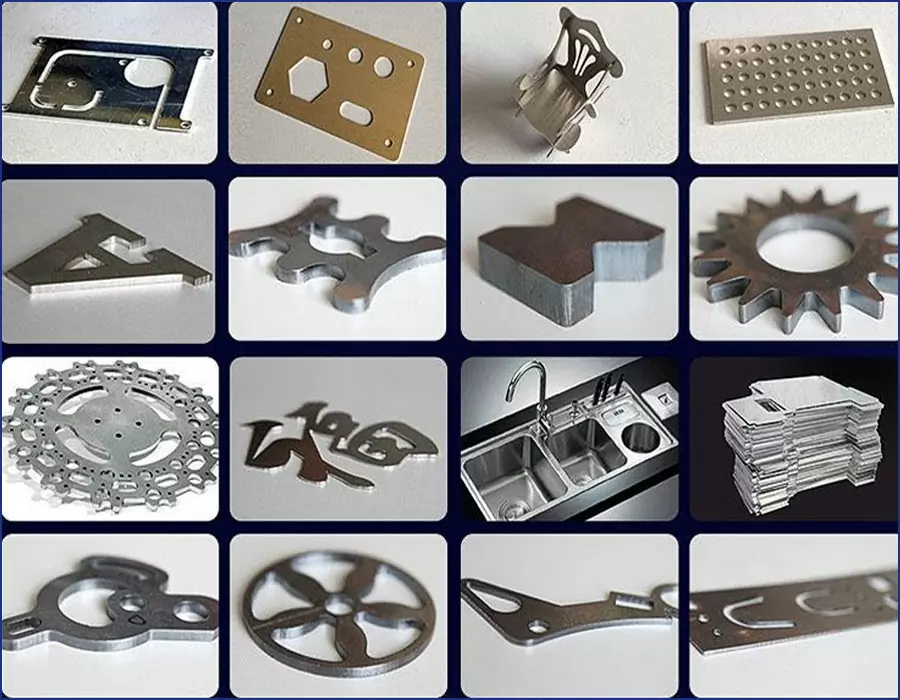
BE-CU.COM Laser Cutting provides services to a wide network of industries and markets. BE-CU is uniquely positioned to Laser Cut, Laser Engrave, Precision CNC Machine and Precision Finish Grind parts and components.We use large format industrial laser cutting machines that are extremely precise with up to .001” tolerance. Not only we cut and engrave your project, we are ready to answer any questions you may have about the process and give you expert advice.
So, reach out even if you’re unsure of your specific need or if you think you may require a different type of manufacturing service(as laser cutting medical parts). Laser cutting service by BE-CU makes ordering your parts simple. Just upload your CAD files onto the platform for an instant price and lead time. Our mission is to save engineers’ time for value-adding activities.
-

Etching LED EMC Packaging Bracket
-
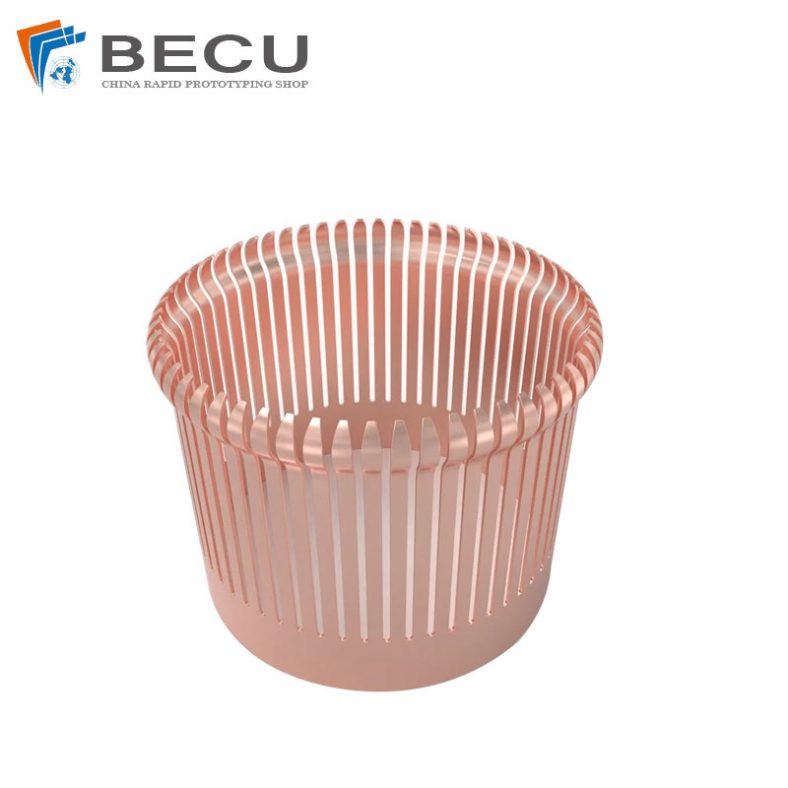
Etching Low Resistivity Copper 110 Contact Rings
-

Laser Cut Nitinol Stent For Bile Duct
-
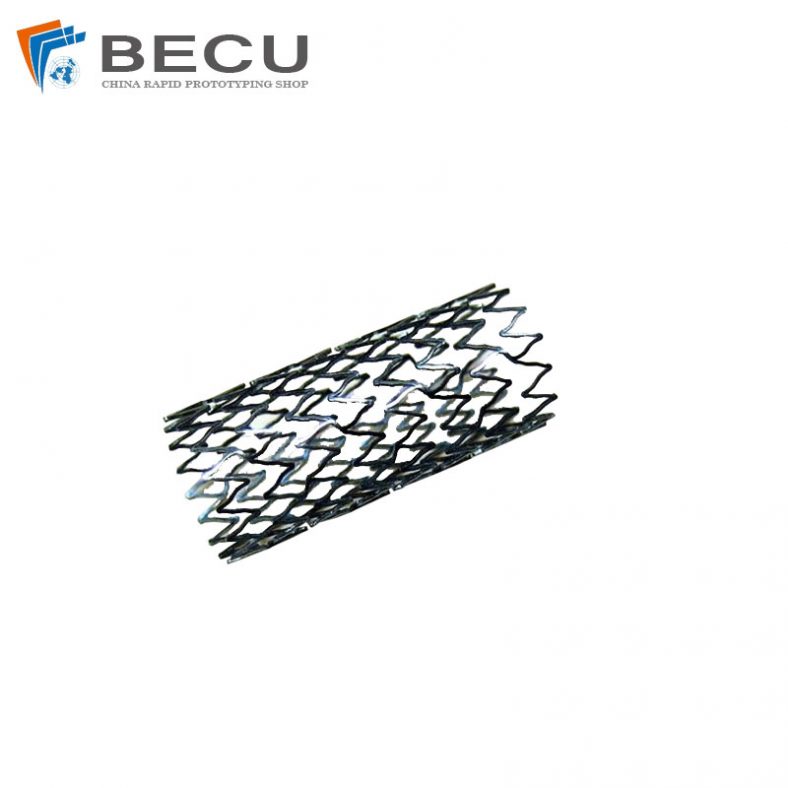
Stents For Carrying Valves And Venous Valve Replacement Devices
-

Laser Cutting PC Anti-Static Membrane Switch
-
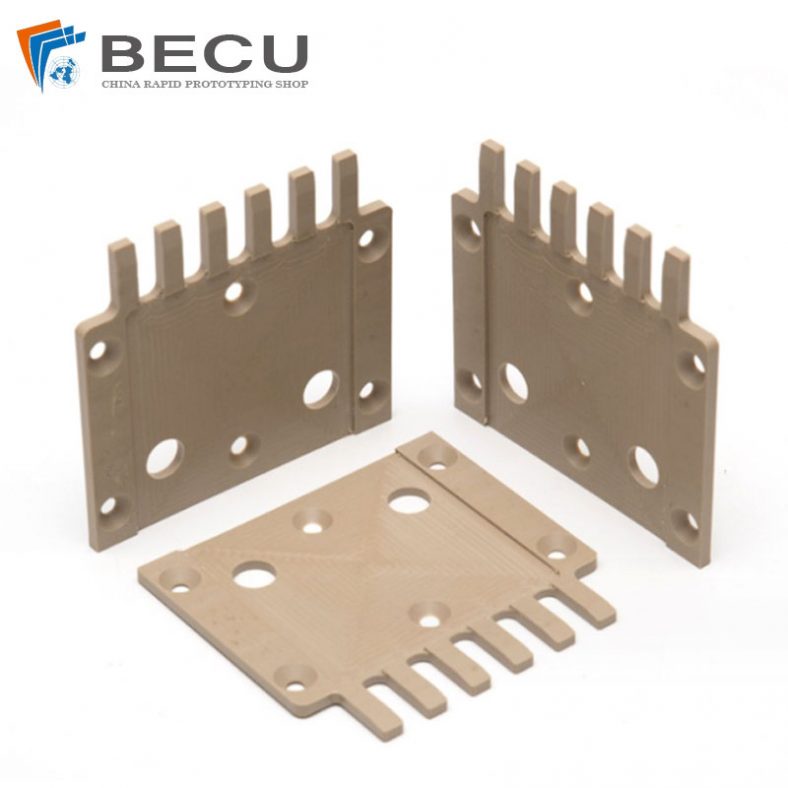
Precision Engraving Special-Shaped Natural Color PEEK Parts
-

Acrylic Laser Cut Signs
-

Acrylic Laser Cut Earrings