
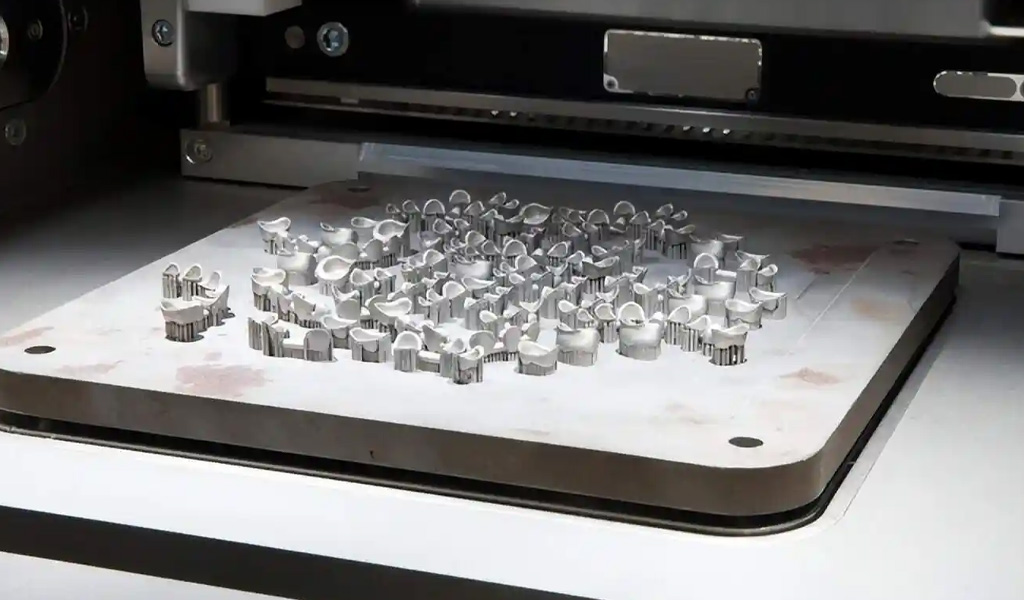
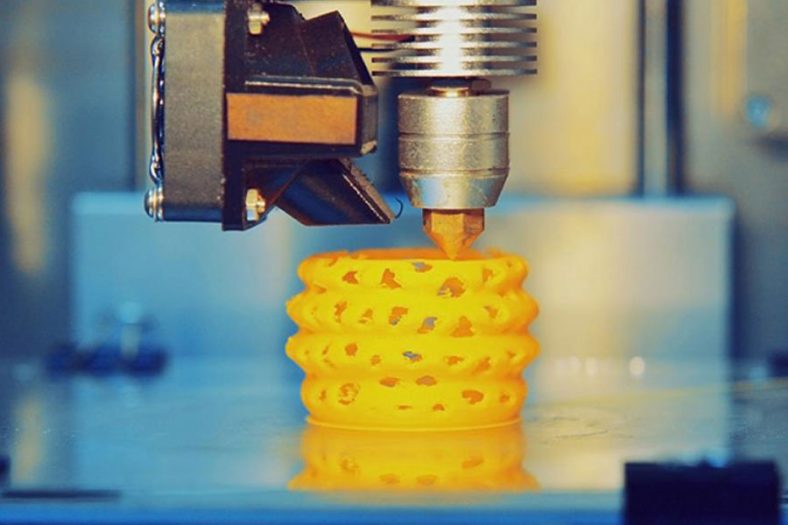
Acetone vapor smoothing is a widely utilized post-processing technique in additive manufacturing, particularly for enhancing the surface quality of 3D-printed thermoplastic parts. This method leverages the chemical properties of acetone, a volatile organic solvent, to dissolve and redistribute the surface material of compatible plastics, resulting in a smoother, glossier finish. Predominantly applied to parts fabricated via fused deposition modeling (FDM), acetone vapor smoothing addresses the inherent surface roughness and layer lines characteristic of this layer-by-layer printing process. The technique has gained prominence in both hobbyist and industrial settings due to its simplicity, cost-effectiveness, and ability to improve both aesthetic and functional properties of printed objects.
This article explores the principles, processes, material compatibility, scientific underpinnings, practical applications, safety considerations, and comparative analyses of acetone vapor smoothing, providing a comprehensive overview of its role in 3D printing.
Principles of Acetone Vapor Smoothing
Acetone vapor smoothing operates on the principle of controlled chemical dissolution. Acetone (C₃H₅O), a colorless, flammable liquid with a distinctive odor, is a ketone solvent known for its ability to dissolve certain polymers by disrupting their intermolecular bonds. When a 3D-printed plastic part is exposed to acetone vapor, the solvent molecules penetrate the surface, softening and partially liquefying the outer layer. This liquefied layer then flows under surface tension, filling in microscopic imperfections such as layer lines, gaps, and ridges. As the acetone evaporates, the plastic re-solidifies, leaving behind a smoother, more uniform surface.

The efficacy of this process depends on several factors, including the chemical composition of the plastic, the concentration and temperature of the acetone vapor, the exposure time, and the geometry of the part. Plastics with amorphous structures, such as acrylonitrile butadiene styrene (ABS), are particularly responsive due to their solubility in acetone. In contrast, semi-crystalline polymers like polylactic acid (PLA) exhibit minimal interaction with acetone, rendering them unsuitable for this technique.
Historical Context
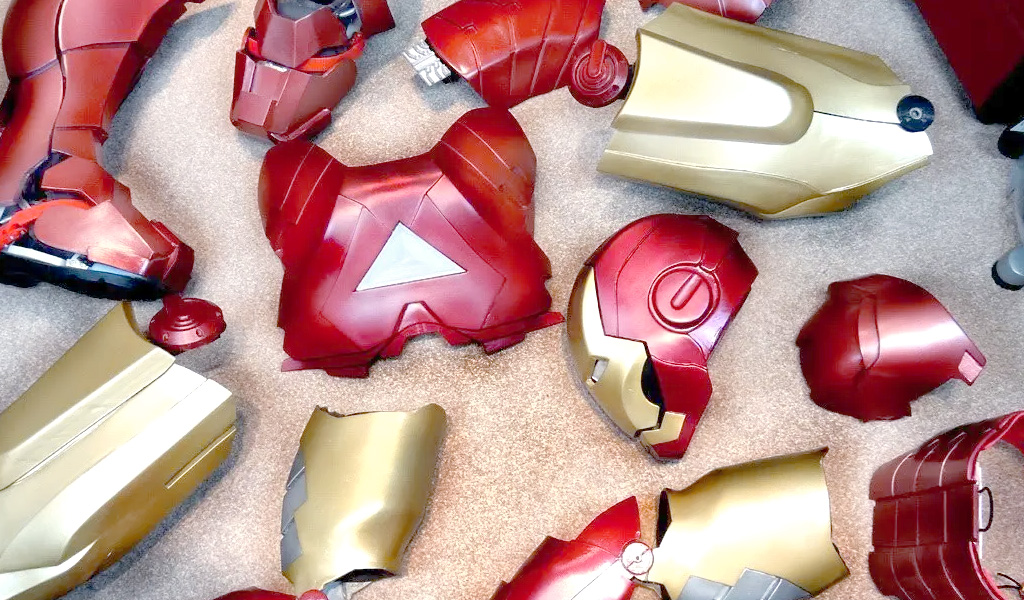
The use of acetone for smoothing 3D-printed parts emerged alongside the rise of consumer-level FDM printers in the early 2000s. As hobbyists and engineers sought methods to improve the aesthetics of their prints, acetone vapor smoothing became a popular solution for ABS, one of the earliest and most common FDM filaments. Early adopters improvised setups using household items like glass jars and nail polish remover, refining the technique through trial and error. Over time, the process evolved from a DIY practice to a standardized industrial method, with dedicated equipment and safety protocols developed to ensure consistency and mitigate risks.
Process Description
The acetone vapor smoothing process typically involves the following steps:
- Preparation: The 3D-printed part is cleaned and, if necessary, sanded to remove large protrusions or support material remnants. Sanding with coarse-grit sandpaper (e.g., 100–200 grit) can enhance the uniformity of the final finish by reducing initial roughness.
- Setup: A non-reactive, sealable container—often glass or metal—is selected to house the part and acetone. The part is suspended or placed on a platform (e.g., aluminum foil or a wire rack) to prevent direct contact with liquid acetone, which could cause excessive dissolution.
- Vapor Generation: A small quantity of acetone (typically 10–50 mL, depending on container size) is introduced into the container. To accelerate vaporization, the acetone may be absorbed into a paper towel or heated gently (e.g., to 30–50°C). The container is then closed, though not airtight, to allow pressure equalization and prevent explosion risks.
- Exposure: The part is exposed to the acetone vapor for a duration ranging from a few minutes to several hours, depending on the desired smoothing level, part size, and material thickness. Periodic monitoring is essential, as overexposure can lead to dimensional inaccuracies or structural weakening.
- Drying: After smoothing, the part is removed and allowed to air-dry in a well-ventilated area. Residual acetone evaporates, and the surface hardens, typically within 30 minutes to an hour.
This process is inherently empirical, requiring adjustments based on specific conditions. Automated systems, such as the Zortrax Apoller, have been developed to control variables like temperature, vapor concentration, and exposure time, offering more repeatable results.
Material Compatibility
Acetone vapor smoothing is not universally applicable to all 3D printing materials. Its effectiveness is tied to the solvent’s ability to dissolve the polymer, which varies across thermoplastic types. Below is an analysis of common FDM materials and their compatibility:
- Acrylonitrile Butadiene Styrene (ABS): ABS is the primary candidate for acetone vapor smoothing. Composed of acrylonitrile, butadiene, and styrene, ABS is an amorphous thermoplastic with a glass transition temperature (Tg) of approximately 105°C. Acetone disrupts the polymer chains, allowing surface reflow. Studies indicate that smoothed ABS parts exhibit reduced surface roughness (Ra) by up to 90%, from 10–15 µm to 1–2 µm.
- Acrylonitrile Styrene Acrylate (ASA): Similar to ABS, ASA is acetone-soluble due to its styrene and acrylonitrile components. It offers improved UV resistance, making it suitable for outdoor applications, and responds well to vapor smoothing with comparable results to ABS.
- Polymethyl Methacrylate (PMMA): Known as acrylic, PMMA dissolves in acetone and can be smoothed effectively. However, its use in FDM is less common due to higher printing temperatures and brittleness.
- High-Impact Polystyrene (HIPS): HIPS, often used as a support material, is acetone-soluble and can be smoothed, though its primary role in 3D printing limits its application as a standalone smoothed material.
- Polycarbonate (PC): PC exhibits partial solubility in acetone, allowing limited smoothing. However, the effect is less pronounced than with ABS, and prolonged exposure may weaken the material.
- Polylactic Acid (PLA): PLA, a biodegradable semi-crystalline polymer, is largely unaffected by acetone due to its ester-based structure. Alternative solvents like ethyl acetate or tetrahydrofuran (THF) are required for PLA smoothing.
- Polyethylene Terephthalate Glycol (PETG): PETG resists acetone, necessitating mechanical methods like sanding or heat treatment for smoothing.
- Nylon (Polyamide): Nylon’s crystalline structure renders it incompatible with acetone. Specialized solvents or mechanical finishing are typically employed.
- Thermoplastic Polyurethane (TPU): Flexible TPU does not respond to acetone, and smoothing is impractical due to its elasticity.
This selective compatibility underscores the importance of material selection when planning for acetone vapor smoothing in a 3D printing workflow.
Scientific Mechanisms
The smoothing process involves both chemical and physical phenomena. Acetone’s low molecular weight (58.08 g/mol) and polarity enable it to penetrate polymer surfaces, reducing the glass transition temperature of the affected layer. For ABS, this creates a temporary semi-liquid state, allowing polymer chains to reorganize and fill surface voids. The evaporation of acetone then “freezes” the surface in its new configuration.
Surface tension plays a critical role in achieving uniformity. As the liquefied polymer flows, it minimizes its surface energy, smoothing out irregularities. However, this can also round sharp edges or reduce fine details, a trade-off that must be considered in design.
Mechanical properties may also be affected. Research suggests that acetone smoothing enhances interlayer adhesion in ABS by fusing adjacent layers, potentially increasing tensile strength in the z-axis (perpendicular to the print bed) by 5–10%. Conversely, prolonged exposure can reduce strength in the x- and y-axes due to material loss or stress concentration at smoothed surfaces.
Practical Applications
Acetone vapor smoothing is employed across various domains:
- Prototyping: Smoother surfaces improve the professional appearance of prototypes, making them suitable for presentations or client reviews.
- Functional Parts: Enhanced interlayer bonding can improve the durability of load-bearing components, such as gears or brackets.
- Aesthetics: Jewelry, figurines, and decorative items benefit from the glossy finish, reducing the need for additional painting or coating.
- Medical Devices: Smoothed surfaces reduce bacterial adhesion, as demonstrated in studies on vapor-smoothed nylon, suggesting potential parallels for ABS in sterile applications.
- Consumer Products: Sealed surfaces improve water resistance, useful for containers or enclosures.
Safety Considerations
Acetone’s flammability (flash point: -20°C) and toxicity necessitate strict safety protocols:
- Ventilation: Perform smoothing in a well-ventilated area or fume hood to avoid inhaling vapors, which can cause respiratory irritation or dizziness.
- Protective Equipment: Wear gloves, goggles, and a respirator to prevent skin contact and inhalation.
- Fire Hazards: Keep acetone away from ignition sources, as its vapors can ignite explosively.
- Storage: Store acetone in a cool, dry place in a sealed container to minimize evaporation and degradation.
Improper handling has led to documented incidents of fires and health issues, emphasizing the need for caution.
Comparison with Alternative Methods
Acetone vapor smoothing is one of several post-processing techniques for 3D-printed plastics. The following table compares it with common alternatives:
| Method | Compatible Materials | Process | Advantages | Disadvantages | Surface Roughness (Ra, µm) |
|---|---|---|---|---|---|
| Acetone Vapor Smoothing | ABS, ASA, PMMA, HIPS | Exposure to acetone vapor | Glossy finish, improved strength | Material-specific, safety risks | 1–2 |
| Sanding | All plastics | Manual/mechanical abrasion | Universal, precise control | Time-consuming, dust generation | 0.5–5 |
| Epoxy Coating | All plastics | Application of resin layer | Durable, customizable finish | Adds thickness, curing time | 0.1–1 |
| Heat Treatment | PLA, ABS | Controlled heating (e.g., heat gun) | Simple, no chemicals | Risk of warping, limited to small areas | 2–5 |
| THF Smoothing | PLA | Exposure to tetrahydrofuran vapor | Effective for PLA | Highly toxic, less accessible | 1–3 |
Acetone vapor smoothing excels in achieving a glossy finish and enhancing mechanical properties for compatible materials, but its chemical specificity and safety requirements limit its versatility compared to sanding or coating.
Experimental Data and Tables
To illustrate the effects of acetone vapor smoothing, consider the following experimental data compiled from various studies:
| Exposure Time (min) | Initial Ra (µm) | Final Ra (µm) | Reduction (%) |
|---|---|---|---|
| 10 | 12.5 | 3.2 | 74.4 |
| 20 | 12.5 | 1.8 | 85.6 |
| 30 | 12.5 | 1.2 | 90.4 |
| 40 | 12.5 | 0.9 | 92.8 |
| Property | Untreated | Smoothed (20 min) | Change (%) |
|---|---|---|---|
| Tensile Strength (MPa) | 35 | 37 | +5.7 |
| Z-Axis Strength (MPa) | 20 | 22 | +10.0 |
| X/Y-Axis Strength (MPa) | 40 | 38 | -5.0 |
These tables highlight the trade-offs: significant roughness reduction and z-axis strength gains come at the cost of minor x/y-axis weakening and potential detail loss.
Conclusion
Advancements in acetone vapor smoothing include automated systems with precise vapor control, reducing operator error and improving repeatability. Research into safer, less volatile solvents could expand the technique’s applicability to a broader range of materials. Additionally, integrating smoothing into the printing process itself—via in-situ vapor application—may streamline workflows, though this remains experimental.
Acetone vapor smoothing represents a pivotal technique in the post-processing of 3D-printed plastics, particularly for ABS and related materials. Its ability to transform rough, layered surfaces into smooth, glossy finishes has made it a staple in additive manufacturing. While limited by material compatibility and safety concerns, its benefits in aesthetics, strength, and functionality are well-documented. As technology progresses, acetone vapor smoothing is likely to evolve, maintaining its relevance in the ever-expanding field of 3D printing.
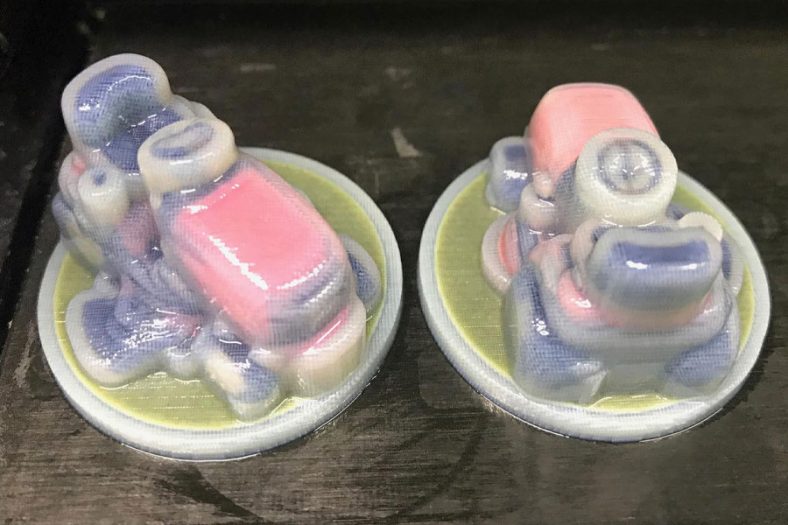
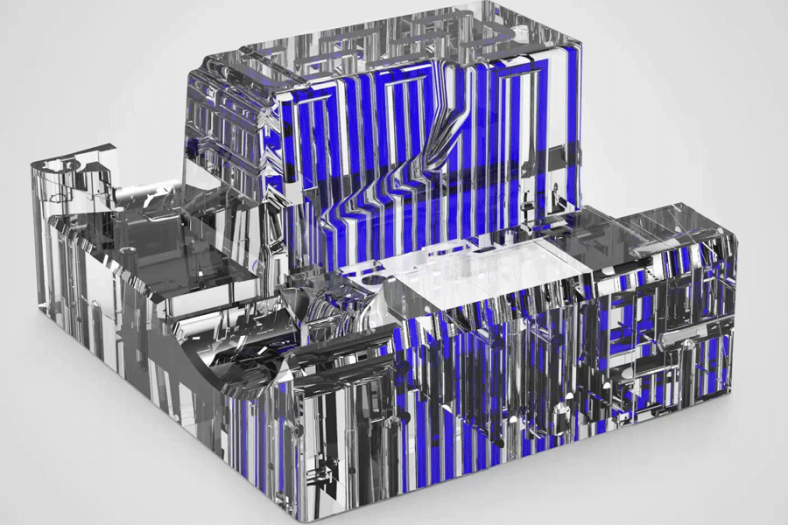
The Detail Of BE-CU 3D Printing Company
BE-CU.COM offers online 3D printing services for rapid prototyping and production in volume. Our clients are across a wide variety of industries and companies, including automotive, construction, aerospace, defense, electronics, machinery, industrial automation, medical, healthcare, consumer production, oil & gas, etc. Accelerate your product development and manufacturing process with our industry-leading metal & plastic 3D printing service and 3D printed parts. We’ll find the best 3D printing solution for your projects, to lower your cost and shorten the lead time based on your needs, while maintaining the quality. From 3D prototyping to end-use parts production, multiple materials are available for custom 3D printing parts. Need an alternative to the traditional solution? Submit your 3D CAD file to get an online quotation quickly. Our 3D printing service ensures accuracy and speed. We can help you choose the most appropriate technology and material to match your applications or request.
-
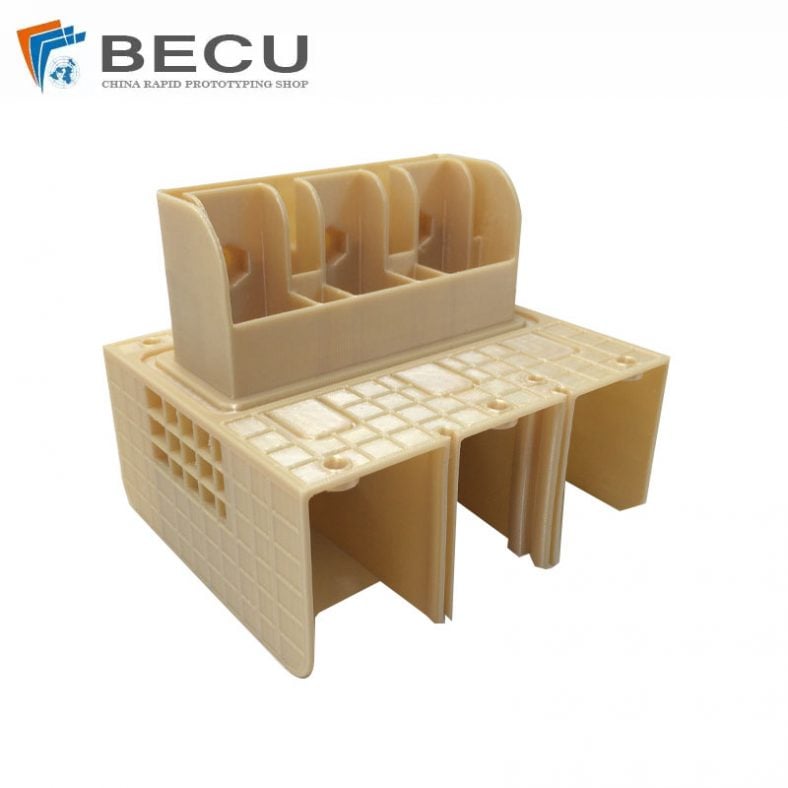
FDM 3D Printing Ultra-High Voltage Strong Electrical Connector
-
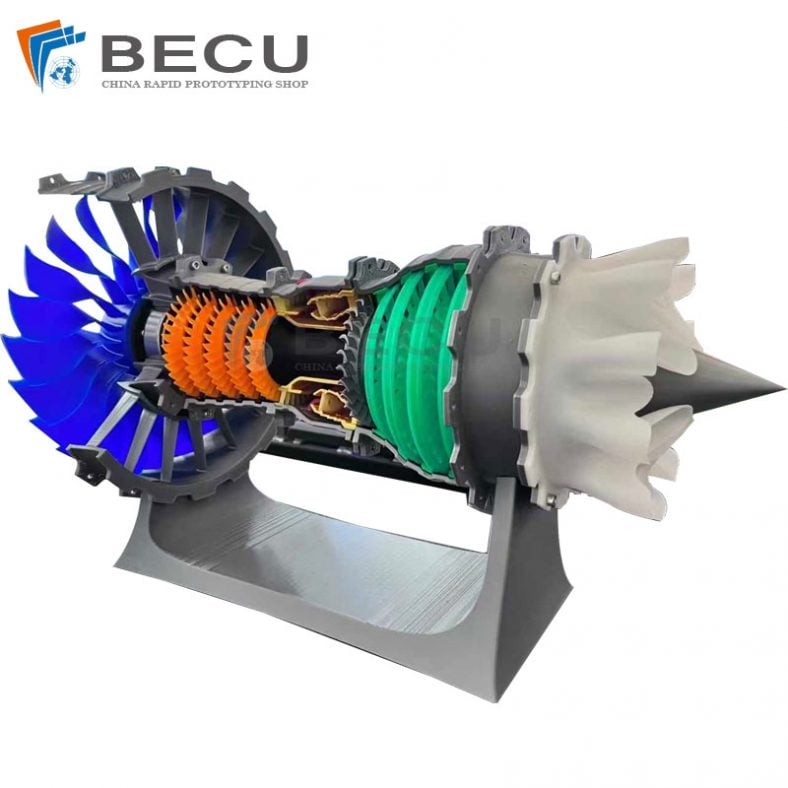
3D Printed Jet Engine Model
-
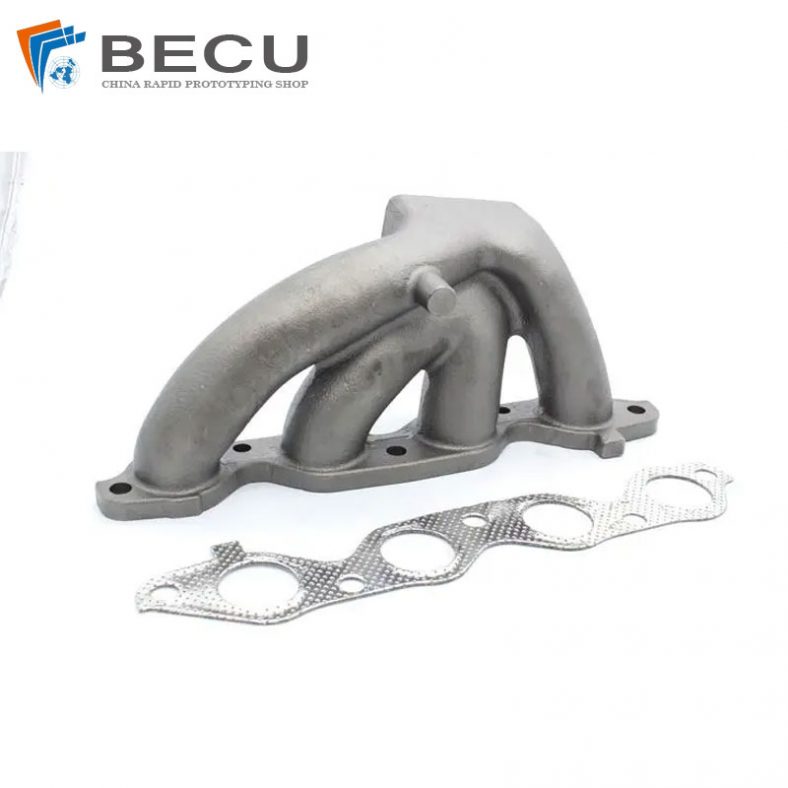
3D Printed Inconel Exhaust Manifold
-
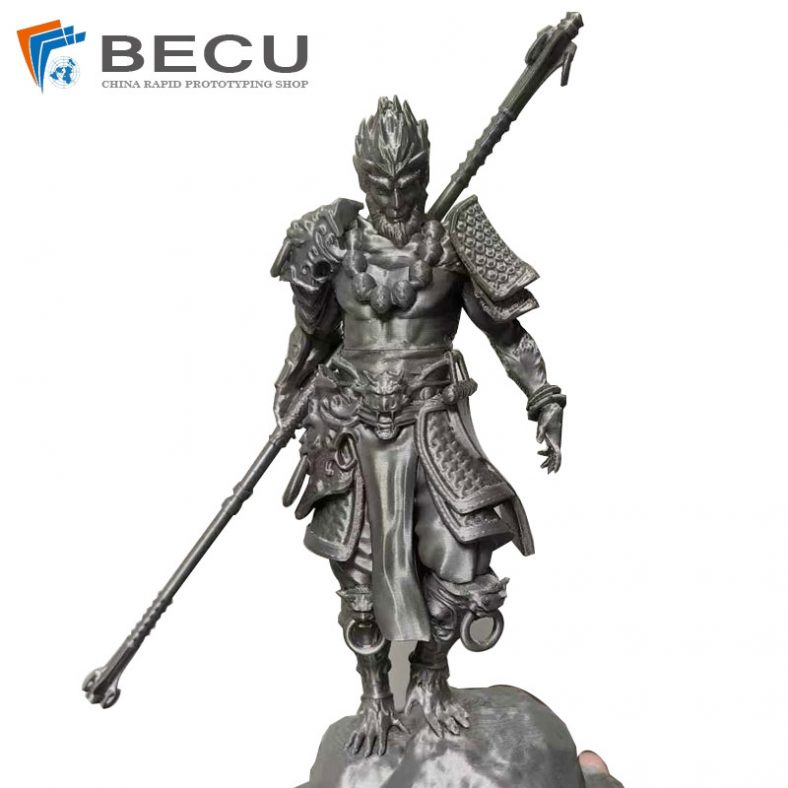
3D Printed Black Myth: Wukong Model
-
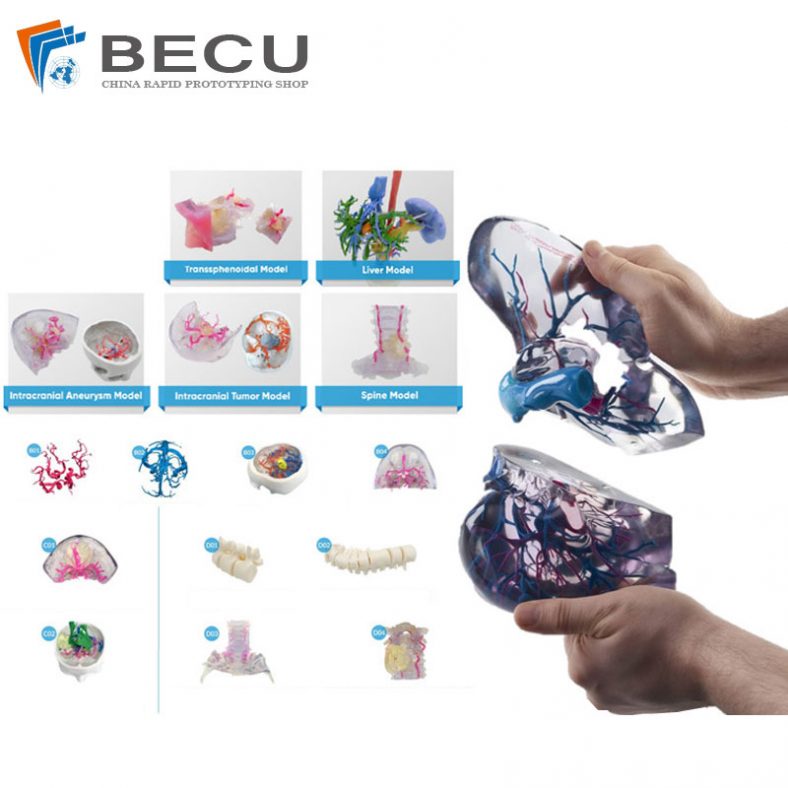
Omni-Directional Surgical Planning Medical Models
-
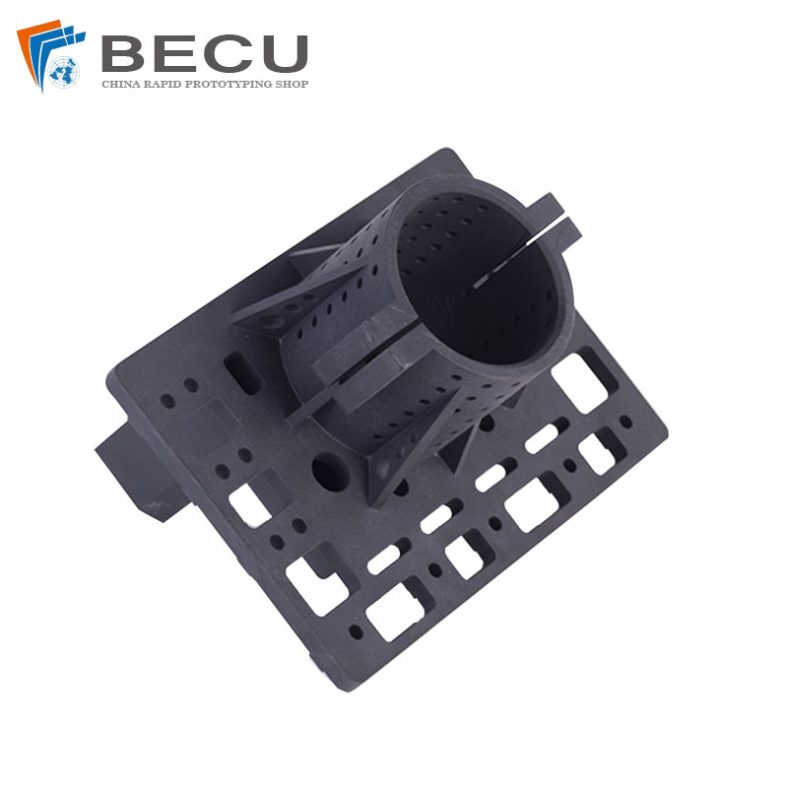
3D Printing Pool Pressure Cleaner Parts and Accessories
-
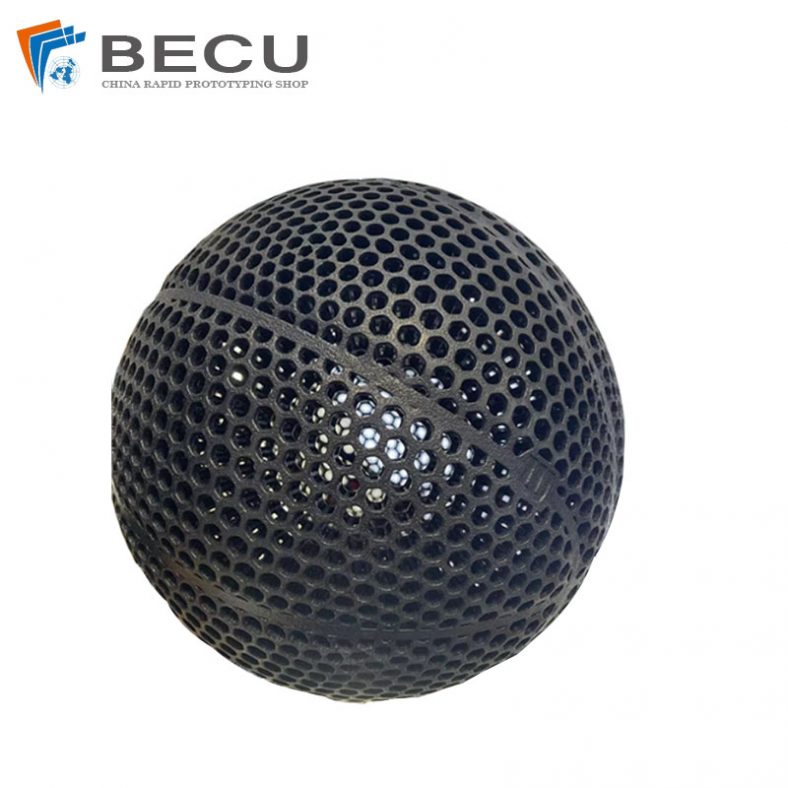
Nylon 3D Printed Size 5 Basketball
-
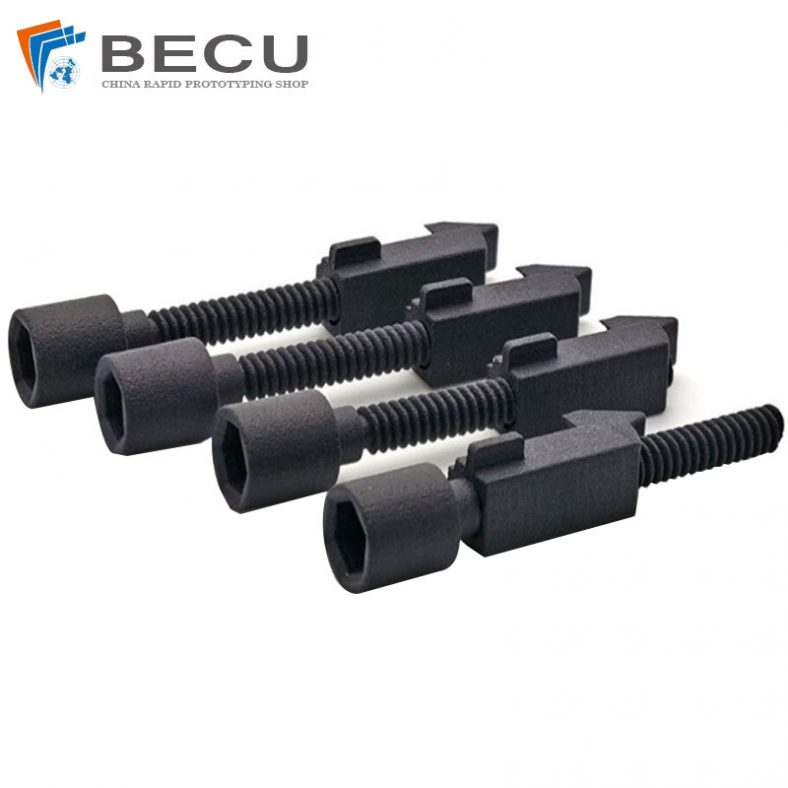
Black Nylon Medical Threaded Screw By MJF 3D Printing