
Nylon, a family of synthetic polyamides, has become a cornerstone material in modern manufacturing due to its versatility, durability, and cost-effectiveness. First synthesized in 1935 by Wallace Carothers at DuPont, nylon revolutionized industries ranging from textiles to engineering plastics. In the context of toy manufacturing, nylon’s unique properties—such as high tensile strength, abrasion resistance, and flexibility—make it an ideal choice for producing durable, safe, and aesthetically pleasing toys. This article explores the common types of nylon used in toy manufacturing, delving into their chemical compositions, mechanical properties, manufacturing processes, and specific applications within the toy industry.
By examining variants such as Nylon 6, Nylon 6,6, Nylon 12, and others, we aim to provide a comprehensive understanding of how these materials contribute to the design and production of toys, from action figures to mechanical components.
Toy manufacturing demands materials that balance safety, durability, and manufacturability. Nylon’s ability to be molded into complex shapes, dyed in vibrant colors, and withstand repeated use aligns perfectly with these requirements. The discussion will proceed through an analysis of nylon’s historical development, its chemical and physical properties, the specific types employed in toys, and their comparative advantages and limitations. Detailed tables will accompany the text to facilitate a scientific comparison of these nylon variants.
Historical Context of Nylon in Manufacturing
Nylon’s journey began in the 1930s when DuPont sought a synthetic alternative to silk, culminating in the development of Nylon 6,6, the first commercially successful polyamide. Introduced to the public in 1938 as a fiber for stockings, its applications quickly expanded during World War II to include parachutes, ropes, and tire cords, showcasing its strength and versatility. Post-war, nylon transitioned into consumer goods, including toys, as manufacturers recognized its potential for injection molding and extrusion—processes well-suited to mass production.
In toy manufacturing, nylon emerged as a preferred material in the mid-20th century, particularly with the rise of plastic toys. Companies like LEGO, while primarily known for using acrylonitrile butadiene styrene (ABS), occasionally incorporated nylon for specific components requiring enhanced flexibility or wear resistance. The evolution of nylon grades, such as Nylon 6 and Nylon 12, further expanded its utility, allowing toy designers to create intricate, functional parts that could endure the rigors of child play.
Chemical Composition and Synthesis of Nylon
Nylon is a polyamide characterized by repeating amide linkages (-CONH-) in its polymer chain. The nomenclature of nylon types (e.g., Nylon 6, Nylon 6,6) reflects the number of carbon atoms in the monomer units. For instance, Nylon 6 is derived from a single monomer, caprolactam, with six carbon atoms, while Nylon 6,6 is synthesized from two monomers—hexamethylenediamine (six carbons) and adipic acid (six carbons)—via condensation polymerization. This process involves the reaction of amine (-NH2) and carboxyl (-COOH) groups, releasing water as a byproduct.
The synthesis of nylon for toy manufacturing typically occurs in industrial reactors under controlled temperature and pressure. For Nylon 6, caprolactam undergoes ring-opening polymerization, initiated by water, to form a linear polymer. Nylon 6,6, conversely, requires a two-step process: first forming a nylon salt from its monomers, then heating it to polymerize. These polymers are then melted, extruded, or molded into pellets or filaments, which serve as raw materials for toy production.
Physical and Mechanical Properties of Nylon
Nylon’s appeal in toy manufacturing stems from its robust physical and mechanical properties. It exhibits high tensile strength (typically 40-100 MPa, depending on the type and additives), excellent abrasion resistance, and moderate flexibility. Its melting point varies—Nylon 6 melts at approximately 220°C, while Nylon 6,6 withstands up to 265°C—allowing it to endure processing conditions and retain structural integrity in finished products. Nylon is also lightweight (density ~1.14 g/cm³) and resistant to impact, making it suitable for toys that must survive drops and rough handling.
However, nylon is hygroscopic, absorbing moisture from the environment (2-3% for Nylon 6, less for Nylon 12), which can alter its dimensions and mechanical properties. In toy applications, this necessitates careful design to account for potential swelling or warping. Additives such as glass fibers or plasticizers can enhance stiffness or flexibility, tailoring nylon to specific toy requirements.
Common Types of Nylon in Toy Manufacturing
Nylon 6
Nylon 6, also known as polycaprolactam, is one of the most widely used nylons in toy manufacturing. Synthesized from caprolactam through ring-opening polymerization, it offers a balanced combination of strength, toughness, and ease of processing. Its lower melting point (220°C) and good flow properties make it ideal for injection molding, a common technique in toy production.
In toys, Nylon 6 is frequently employed for flexible components, such as hinges, wheels, and articulated joints in action figures. Its ability to absorb moisture enhances its dyeability, allowing manufacturers to produce vibrant, colorful parts that appeal to children. However, its higher moisture absorption (up to 3%) compared to other nylons can lead to dimensional instability, requiring precise engineering in humid environments.
Nylon 6,6
Nylon 6,6, or polyhexamethylene adipamide, is another prevalent nylon in toy manufacturing, distinguished by its higher crystallinity and thermal stability (melting point ~265°C). Formed from hexamethylenediamine and adipic acid, it boasts superior tensile strength (up to 85 MPa unfilled) and stiffness, making it suitable for load-bearing components.
In the toy industry, Nylon 6,6 is used for gears, axles, and structural elements in mechanical toys, such as wind-up cars or robotic figures. Its resistance to wear and chemicals ensures longevity, while its higher stiffness (Young’s modulus ~3 GPa) supports precise tolerances in interlocking parts. However, its higher processing temperature and cost relative to Nylon 6 may limit its use in low-cost toys.
Nylon 12
Nylon 12, derived from laurolactam, stands out for its lower moisture absorption (around 1.5%) and enhanced flexibility compared to Nylon 6 and 6,6. With a melting point of approximately 180°C, it is easier to process and exhibits excellent impact resistance, even at low temperatures.
In toy manufacturing, Nylon 12 is favored for soft, pliable components, such as squeeze toys, flexible connectors, or tubing in water-based playsets. Its chemical resistance and low friction properties also make it suitable for moving parts that require minimal lubrication. While more expensive than Nylon 6 or 6,6, its performance in demanding applications justifies its use in premium toys.
Nylon 11
Nylon 11, produced from 11-aminoundecanoic acid (often derived from castor oil), is less common but valued for its eco-friendly origins and flexibility. Its melting point (~185°C) and low moisture absorption (~1.8%) resemble Nylon 12, but it offers superior resistance to UV degradation and cracking.
In toys, Nylon 11 is used for outdoor playsets or components exposed to sunlight, such as playground equipment or toy vehicle tires. Its biocompatibility and renewable sourcing align with growing demands for sustainable materials, though its higher cost limits widespread adoption.
Glass-Filled Nylon Variants
Glass-filled nylons, such as glass-reinforced Nylon 6 or 6,6 (typically 10-30% glass fiber), enhance mechanical strength and stiffness for specialized toy applications. The addition of glass fibers increases tensile strength (up to 150 MPa) and reduces flexibility, making these variants ideal for high-stress parts.
In toy manufacturing, glass-filled nylon is used in structural supports, chassis, or gears in complex mechanical toys, such as remote-controlled vehicles. The trade-off is reduced ductility and a rougher surface finish, which may require post-processing for aesthetic purposes.
Manufacturing Processes for Nylon in Toys
Nylon’s versatility in toy production is amplified by its compatibility with various manufacturing techniques. Injection molding dominates, allowing rapid production of precise, complex shapes like toy figurines or interlocking parts. The process involves melting nylon pellets, injecting them into molds under pressure, and cooling them to solidify. Nylon 6 and 6,6 excel here due to their flow properties, while Nylon 12’s lower viscosity suits finer details.
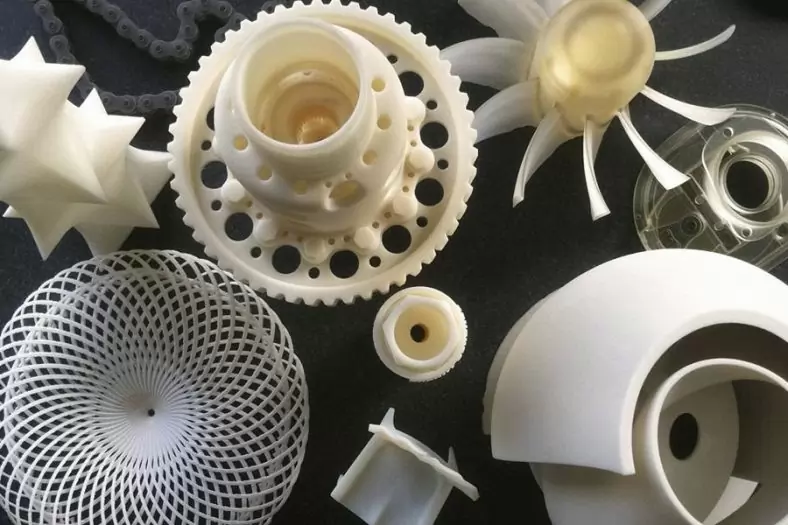
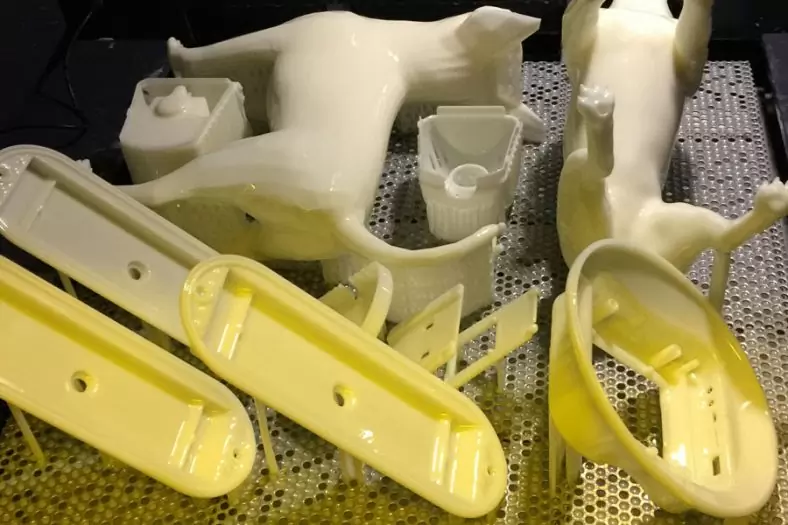
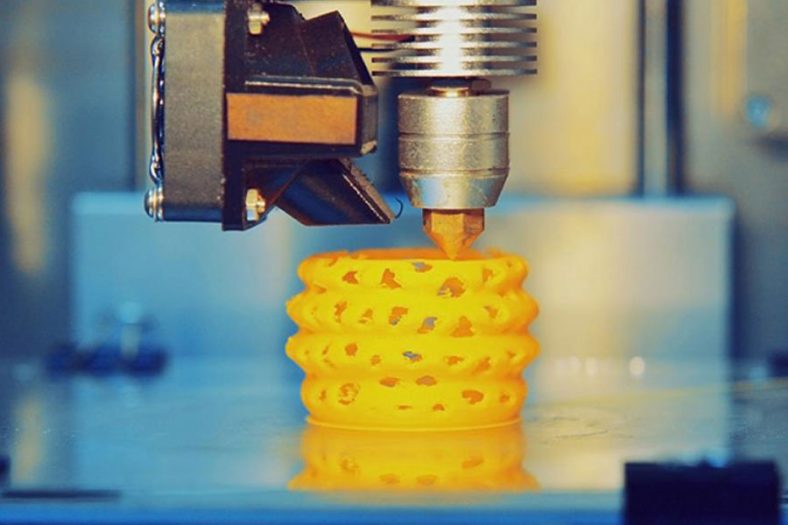
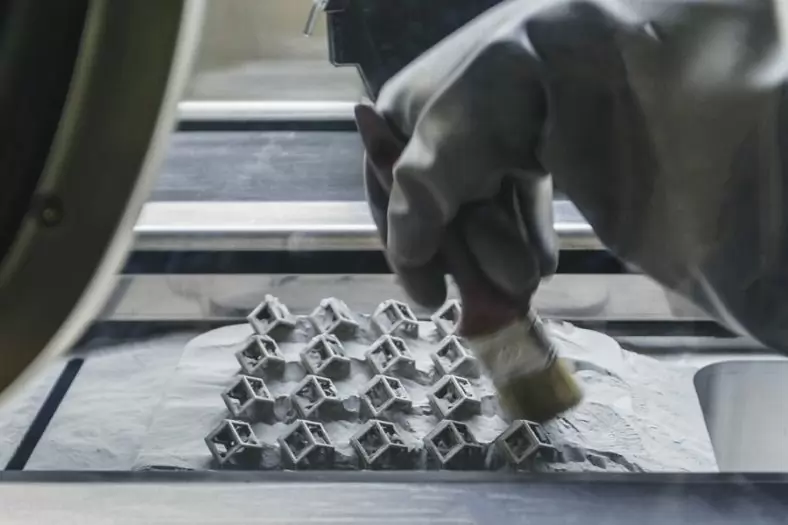
Extrusion is used for producing nylon filaments or sheets, which can be cut or thermoformed into toy components like ropes or flat panels. Additive manufacturing (3D printing), particularly selective laser sintering (SLS) with Nylon 12 powder, is gaining traction for prototyping or small-batch toy production, offering design flexibility for custom figures or replacement parts.
Applications in Toy Design
Nylon’s applications in toys span a wide range, reflecting its adaptability:
- Action Figures and Dolls: Nylon 6 and 6,6 form articulated limbs and accessories, balancing flexibility and durability.
- Mechanical Toys: Gears, axles, and springs in wind-up or motorized toys often use Nylon 6,6 or glass-filled variants for strength.
- Soft Toys: Nylon 12’s pliability suits squeezable or bendable components.
- Outdoor Toys: Nylon 11’s UV resistance makes it ideal for kites, frisbees, or playground equipment.
- Educational Toys: Interlocking blocks or robotics kits leverage nylon’s precision and wear resistance.
Comparative Analysis of Nylon Types
The following tables provide a detailed comparison of the nylon types discussed, focusing on properties relevant to toy manufacturing.
| Property | Nylon 6 | Nylon 6,6 | Nylon 12 | Nylon 11 | Glass-Filled Nylon (30%) |
|---|---|---|---|---|---|
| Monomer(s) | Caprolactam | Hexamethylenediamine, Adipic Acid | Laurolactam | 11-Aminoundecanoic Acid | Varies (e.g., Nylon 6 or 6,6 base) |
| Melting Point (°C) | 220 | 265 | 180 | 185 | 220-265 (base dependent) |
| Density (g/cm³) | 1.14 | 1.14 | 1.01 | 1.04 | 1.3-1.4 |
| Moisture Absorption (%) | 2.5-3.0 | 2.0-2.5 | 1.5 | 1.8 | 1.5-2.0 |
| Crystallinity | Moderate | High | Low | Moderate | High |
| Property | Nylon 6 | Nylon 6,6 | Nylon 12 | Nylon 11 | Glass-Filled Nylon (30%) |
|---|---|---|---|---|---|
| Tensile Strength (MPa) | 60-70 | 75-85 | 45-55 | 50-60 | 120-150 |
| Young’s Modulus (GPa) | 2.5-3.0 | 3.0-3.5 | 1.5-2.0 | 1.8-2.2 | 5.0-7.0 |
| Elongation at Break (%) | 50-100 | 20-60 | 200-300 | 150-250 | 5-10 |
| Impact Resistance | Good | Moderate | Excellent | Very Good | Moderate |
| Abrasion Resistance | High | Very High | Moderate | High | Very High |
| Nylon Type | Common Toy Applications | Advantages | Limitations |
|---|---|---|---|
| Nylon 6 | Hinges, wheels, action figure joints | Cost-effective, dyeable | Higher moisture absorption |
| Nylon 6,6 | Gears, axles, structural parts | High strength, wear resistance | Higher cost, stiffness |
| Nylon 12 | Squeeze toys, flexible connectors | Flexibility, low moisture | Expensive, lower strength |
| Nylon 11 | Outdoor toys, tires | UV resistance, renewable | Costly, limited availability |
| Glass-Filled Nylon | Chassis, high-stress gears | Exceptional strength | Brittle, rough surface |
Conclusion
Nylon’s advantages in toy manufacturing include its durability, moldability, and ability to be customized with additives. It resists wear from repeated use, a critical factor for toys, and its lightweight nature reduces shipping costs. However, its moisture sensitivity can complicate design, and higher-cost variants like Nylon 12 or 11 may not suit budget-conscious products. Environmental concerns—nylon’s petroleum-based origins and slow decomposition—also prompt exploration of recycled or bio-based alternatives.
The toy industry increasingly prioritizes sustainability, and nylon’s traditional production from fossil fuels raises concerns. Recycled nylon (e.g., ECONYL) and bio-based options (e.g., Nylon 11 from castor oil) offer greener alternatives, though their adoption in toys remains limited by cost and scalability. Manufacturers must weigh these factors against performance requirements, especially as consumer demand for eco-friendly toys grows.
Nylon’s role in toy manufacturing is multifaceted, with types like Nylon 6, 6,6, 12, and 11 addressing diverse needs from flexibility to strength. Their chemical compositions and properties enable a wide range of applications, supported by advanced manufacturing techniques. While challenges like moisture absorption and cost persist, nylon’s adaptability ensures its continued relevance. Future innovations in sustainable nylon variants may further enhance its utility, aligning with the industry’s evolving priorities.
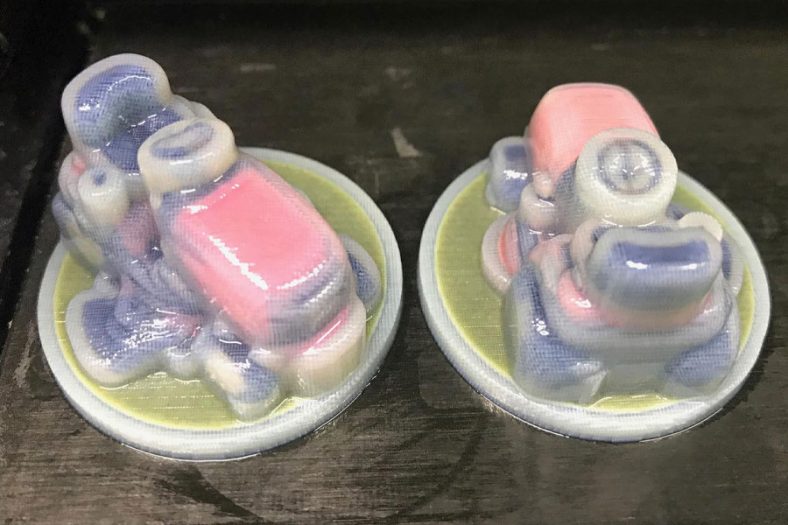
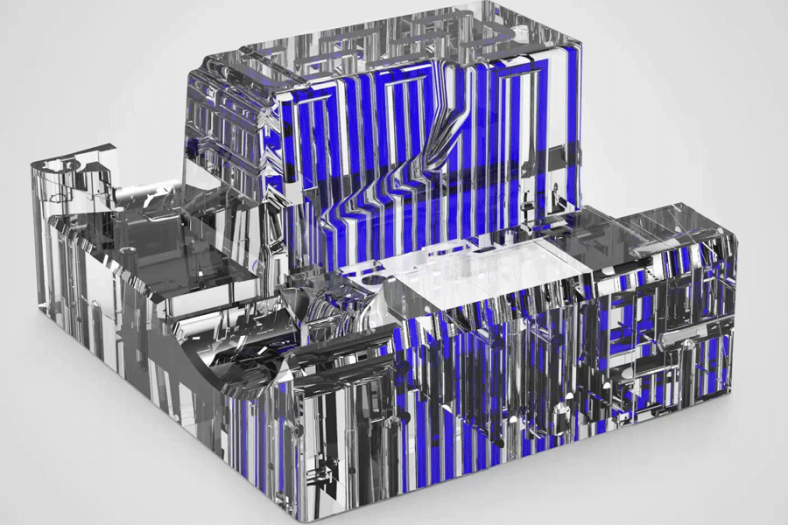
The Detail Of BE-CU 3D Printing Company
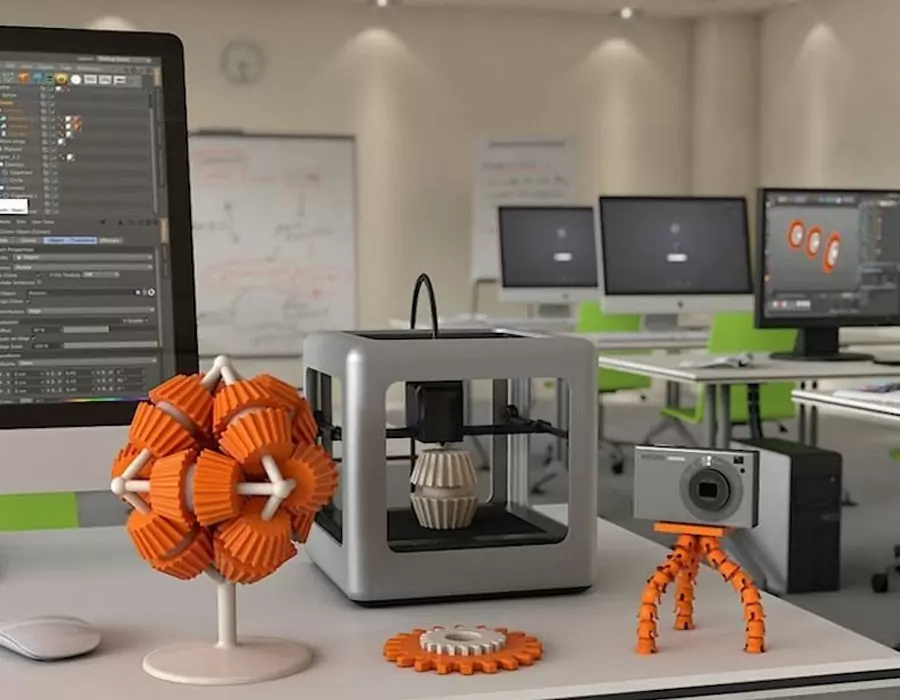
BE-CU.COM offers online 3D printing services for rapid prototyping and production in volume. Our clients are across a wide variety of industries and companies, including automotive, construction, aerospace, defense, electronics, machinery, industrial automation, medical, healthcare, consumer production, oil & gas, etc. Accelerate your product development and manufacturing process with our industry-leading metal & plastic 3D printing service and 3D printed parts. We’ll find the best 3D printing solution for your projects, to lower your cost and shorten the lead time based on your needs, while maintaining the quality. From 3D prototyping to end-use parts production, multiple materials are available for custom 3D printing parts. Need an alternative to the traditional solution? Submit your 3D CAD file to get an online quotation quickly. Our 3D printing service ensures accuracy and speed. We can help you choose the most appropriate technology and material to match your applications or request.
-
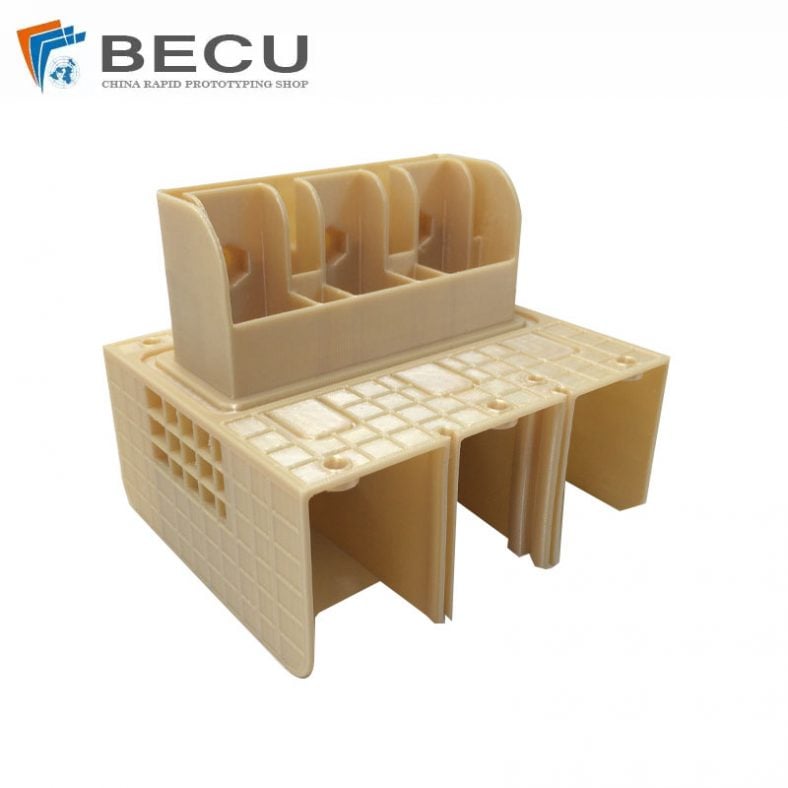
FDM 3D Printing Ultra-High Voltage Strong Electrical Connector
-
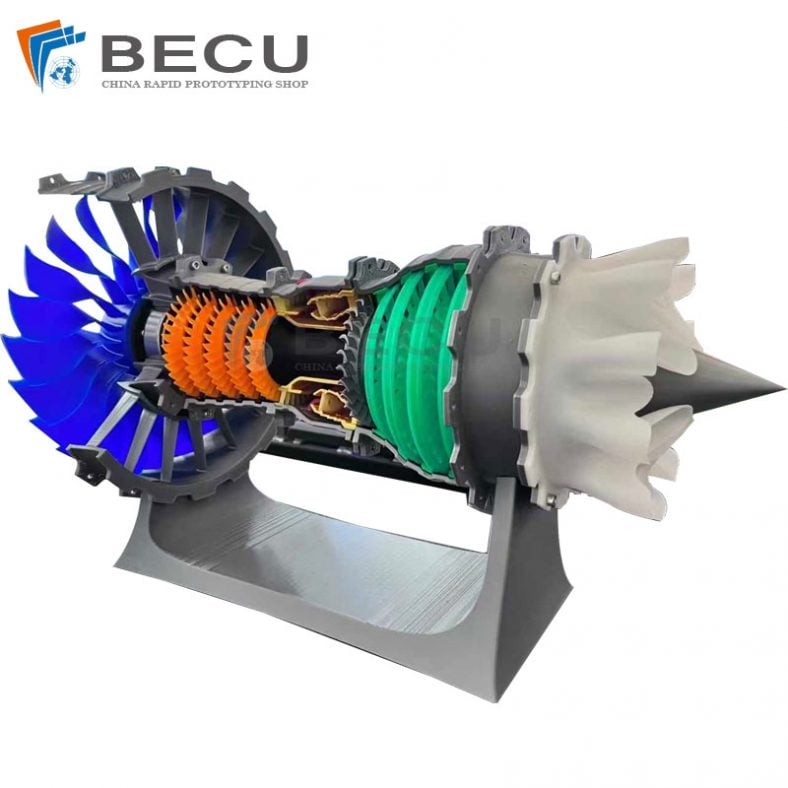
3D Printed Jet Engine Model
-
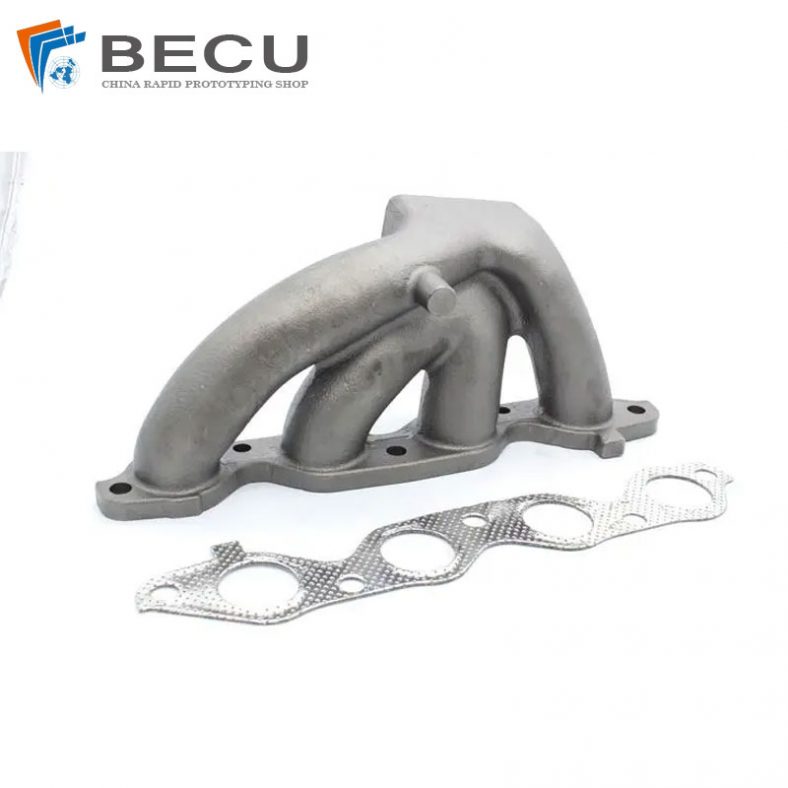
3D Printed Inconel Exhaust Manifold
-
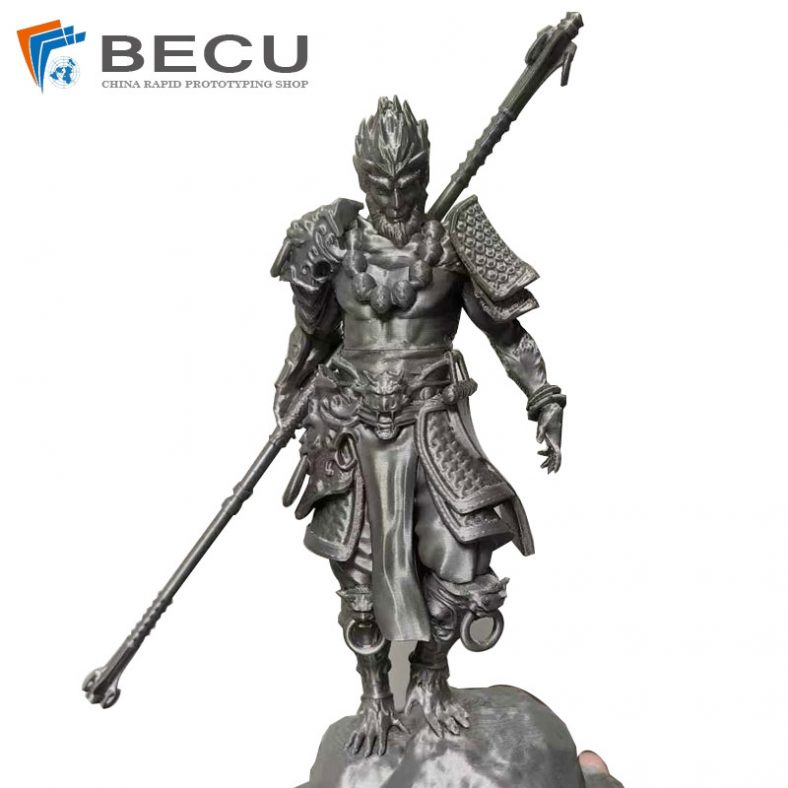
3D Printed Black Myth: Wukong Model
-
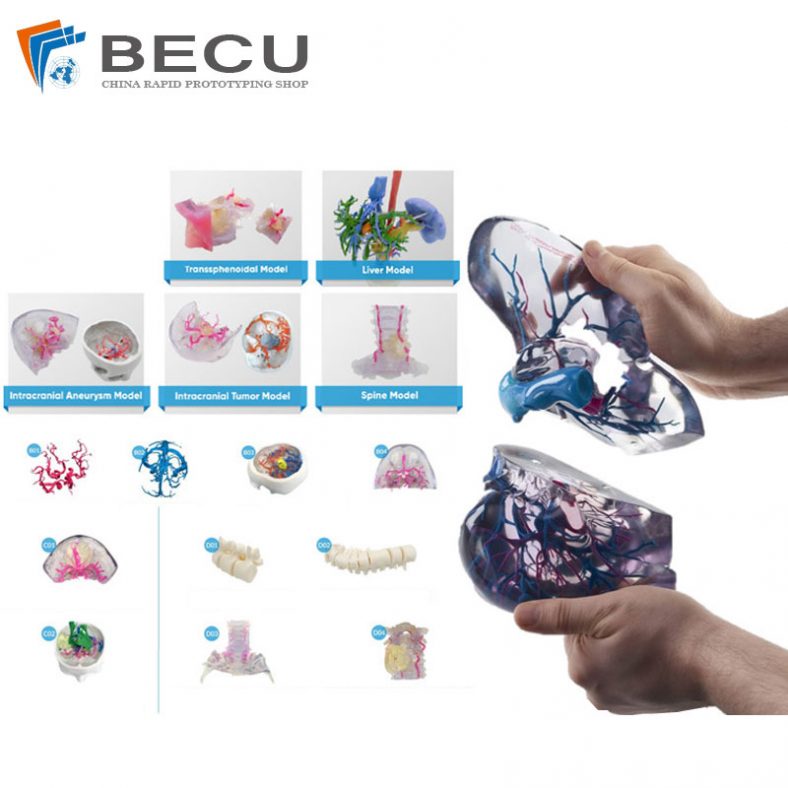
Omni-Directional Surgical Planning Medical Models
-
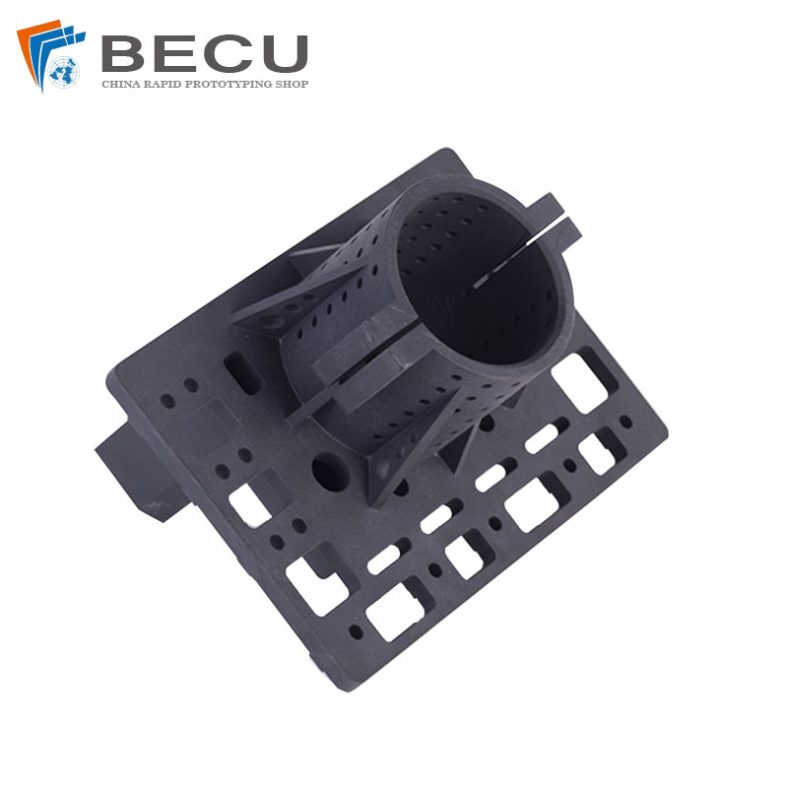
3D Printing Pool Pressure Cleaner Parts and Accessories
-
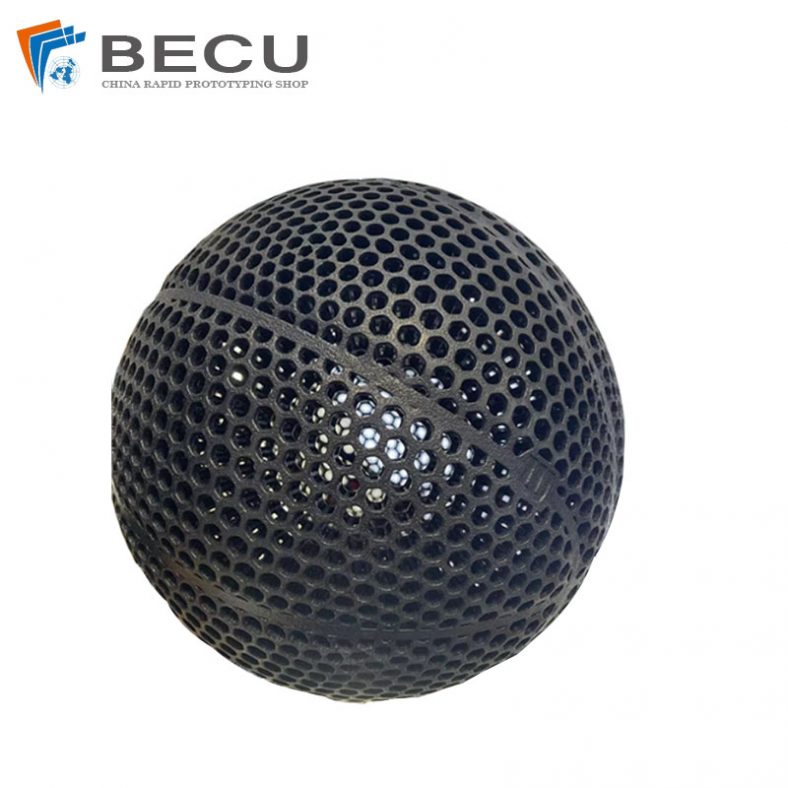
Nylon 3D Printed Size 5 Basketball
-
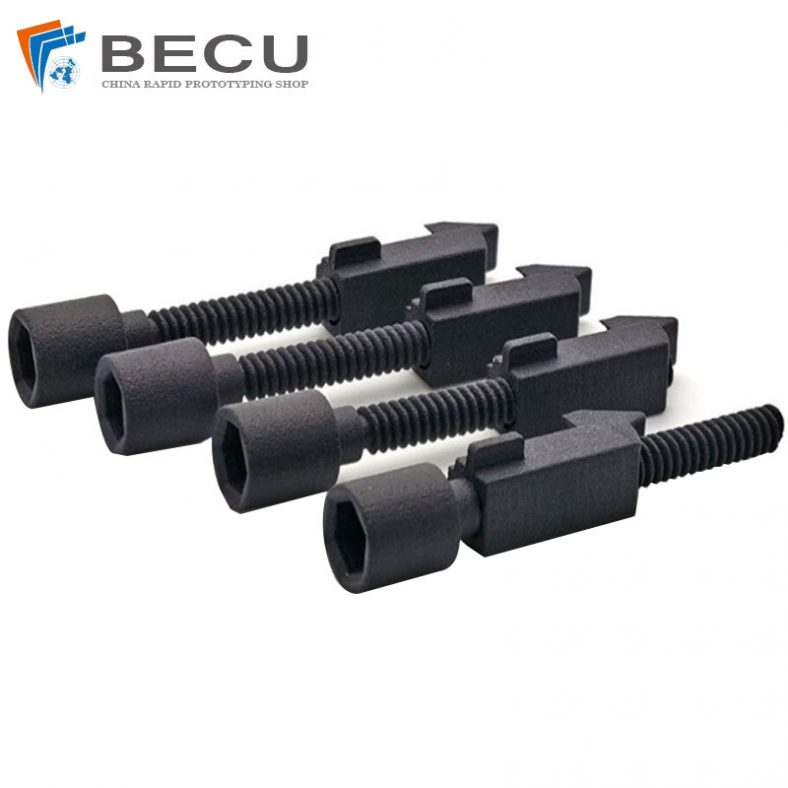
Black Nylon Medical Threaded Screw By MJF 3D Printing