
The manufacturing industry has witnessed significant advancements in production technologies, with 3D printing (additive manufacturing) and injection molding emerging as two prominent methods for producing plastic parts.
Each method offers distinct advantages and limitations, particularly in terms of cost, scalability, and application suitability. This article provides a comprehensive analysis of the cost structures associated with 3D printing and injection molding, focusing on the factors that influence their economic viability and the critical break-even points where one method becomes more cost-effective than the other.
By examining material costs, equipment expenses, labor requirements, production volumes, and other key variables, this study aims to offer a detailed framework for manufacturers, engineers, and decision-makers to evaluate these technologies. The analysis is grounded in recent studies and industry data, ensuring an objective and evidence-based comparison.
Overview of Manufacturing Processes
3D Printing (Additive Manufacturing)
3D printing, also known as additive manufacturing, constructs three-dimensional objects by depositing material layer by layer based on a digital model, typically created using computer-aided design (CAD) software. The process encompasses various technologies, including Fused Deposition Modeling (FDM), Stereolithography (SLA), Selective Laser Sintering (SLS), and Multi Jet Fusion (MJF). Each technology utilizes specific materials, such as thermoplastics (e.g., PLA, ABS), resins, or powdered polymers, to produce parts with varying levels of precision, strength, and surface finish.
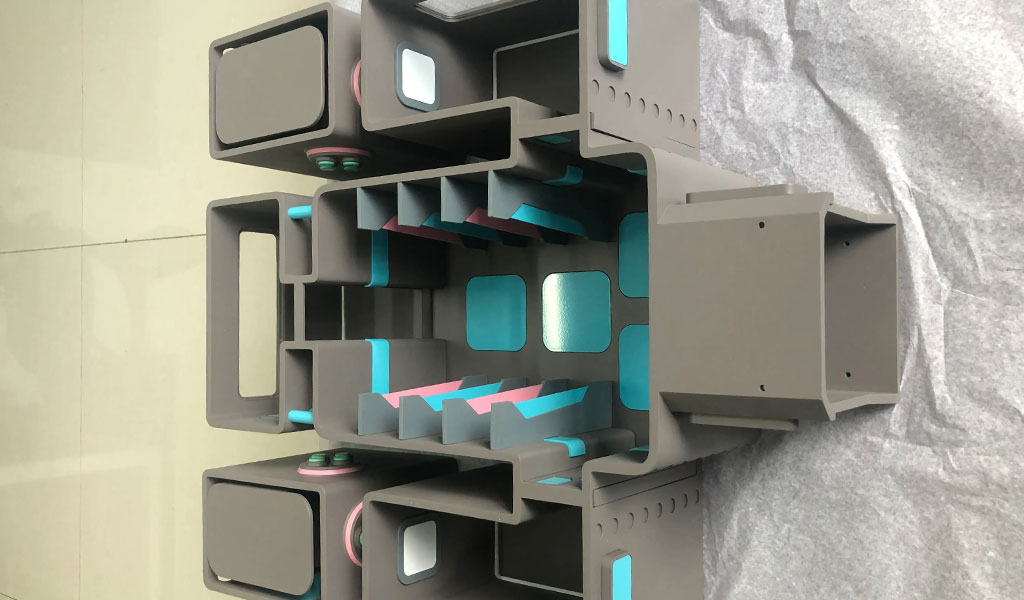
The primary advantage of 3D printing lies in its flexibility and low setup costs. Unlike traditional manufacturing, it requires no tooling, allowing for rapid prototyping and the production of complex geometries that would be challenging or impossible with other methods. However, 3D printing is generally slower and can incur higher per-part costs at larger production volumes due to material expenses and longer build times.

Injection Molding
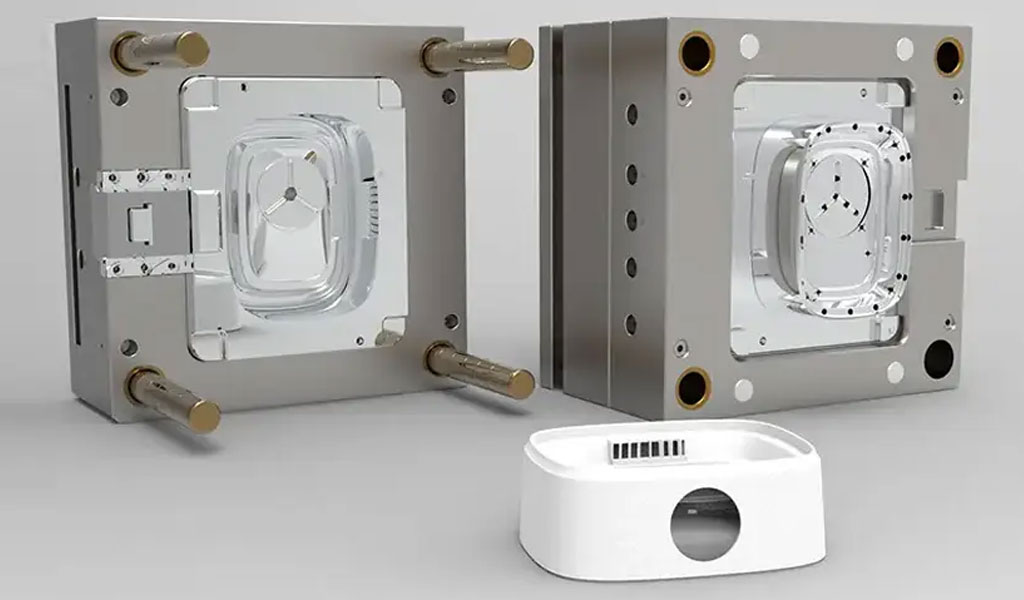
Injection molding is a well-established manufacturing process that involves injecting molten material—typically thermoplastic or thermosetting polymers—into a precision-machined mold. The mold, usually made of steel or aluminum, defines the shape and features of the final part. The process consists of several stages: melting the material, injecting it into the mold under high pressure, cooling the material to solidify it, and ejecting the finished part. Injection molding is renowned for its ability to produce high volumes of identical parts with tight tolerances and excellent surface finishes.
The main drawback of injection molding is the high upfront cost of mold creation, which can range from a few thousand to over $100,000, depending on the complexity and material of the mold. However, once the mold is made, the per-unit cost decreases significantly with higher production volumes, making it a preferred method for mass production.
Cost Components in 3D Printing and Injection Molding
To compare the cost-effectiveness of 3D printing and injection molding, it is essential to break down the cost components of each process. These include material costs, equipment and maintenance expenses, labor costs, tooling costs (for injection molding), post-processing requirements, and overhead costs. The following sections analyze each component in detail.
Material Costs
3D Printing
Material costs in 3D printing vary significantly depending on the technology and material used. Common materials include:
- FDM: Uses filament materials like PLA ($20–$50/kg), ABS ($25–$60/kg), or specialized materials like PETG or TPU ($30–$100/kg). High-performance materials, such as PEEK or ULTEM, can cost $150–$500/kg.
- SLA: Employs photopolymer resins, typically priced at $50–$200 per liter, with specialized resins (e.g., flexible or high-temperature) costing up to $300/liter.
- SLS/MJF: Utilizes powdered thermoplastics like Nylon 12 ($50–$100/kg) or flame-retardant Nylon 11 ($100–$150/kg).
Material waste in 3D printing is generally low, as the additive process uses only the material required to build the part, plus any support structures. However, support materials and consumables (e.g., build platform adhesives) add to the cost. For example, SLA and MJF often require support structures that must be removed, contributing to material and labor expenses.
Injection Molding
Injection molding uses pelletized thermoplastics, such as ABS ($2–$5/kg), polypropylene ($1.5–$4/kg), or glass-filled nylon ($5–$10/kg). These materials are significantly cheaper than 3D printing materials due to economies of scale in bulk purchasing. However, injection molding can generate material waste during setup (e.g., purging the machine) and from sprues and runners, which may account for 5–20% of material usage, depending on the mold design.
| Material Type | 3D Printing Cost ($/kg or L) | Injection Molding Cost ($/kg) |
|---|---|---|
| ABS | $25–$60 (filament) | $2–$5 |
| PLA | $20–$50 (filament) | N/A |
| Nylon 12 | $50–$100 (powder) | $5–$10 |
| Photopolymer Resin (SLA) | $50–$300 (per liter) | N/A |
| PEEK/ULTEM | $150–$500 (filament/powder) | $50–$150 |
| Polypropylene | N/A | $1.5–$4 |
Note: Costs are approximate and based on 2024 market data.
Equipment and Maintenance Costs
3D Printing
The cost of 3D printing equipment varies widely, from desktop FDM printers ($200–$5,000) to industrial-grade SLS or MJF systems ($50,000–$500,000). Maintenance costs include regular cleaning, calibration, and replacement of components like nozzles, build plates, or laser sources. For example, an FDM printer may require $100–$500 annually for maintenance, while an SLS printer may incur $5,000–$20,000 per year due to complex components.
Injection Molding
Injection molding machines range from small benchtop models ($5,000–$20,000) to industrial presses ($50,000–$500,000+). The cost of the mold is a significant factor, with simple single-cavity molds costing $1,000–$10,000 and complex multi-cavity steel molds ranging from $50,000 to $100,000 or more. Maintenance costs for injection molding include mold upkeep, machine calibration, and energy consumption for heating and cooling, averaging $10,000–$50,000 annually for industrial setups.
| Component | 3D Printing Cost ($) | Injection Molding Cost ($) |
|---|---|---|
| Entry-Level Machine | $200–$5,000 | $5,000–$20,000 |
| Industrial Machine | $50,000–$500,000 | $50,000–$500,000+ |
| Mold Cost (per mold) | N/A | $1,000–$100,000+ |
| Annual Maintenance | $100–$20,000 | $10,000–$50,000 |
Note: Costs are approximate and vary by application.
Labor Costs
3D Printing
3D printing is relatively hands-off once the print job is set up, requiring minimal labor for operation. However, labor is needed for file preparation, printer setup, and post-processing (e.g., removing supports, sanding, or coating). Labor costs typically range from $15–$50/hour, depending on the region and skill level. For small-scale operations, a single operator can manage multiple printers, reducing per-part labor costs.
Injection Molding
Injection molding requires skilled labor for mold design, machine setup, operation, and quality control. Setup and tooling adjustments can be time-intensive, particularly for complex molds. Labor costs for injection molding are higher, often $20–$75/hour, due to the need for specialized technicians. However, once the machine is running, it can produce parts with minimal operator intervention, especially for high-volume runs.
| Task | 3D Printing Cost ($/hour) | Injection Molding Cost ($/hour) |
|---|---|---|
| Setup and File Preparation | $15–$50 | $20–$75 |
| Operation | $15–$30 | $20–$50 |
| Post-Processing/Quality Control | $15–$50 | $20–$75 |
Note: Costs are based on U.S. labor rates in 2024.
Tooling Costs
3D Printing
3D printing eliminates the need for tooling, as parts are built directly from digital files. This significantly reduces upfront costs, making 3D printing ideal for prototyping and low-volume production. However, some 3D printing processes (e.g., SLA, MJF) may require fixtures for post-processing, adding minor costs.
Injection Molding
Tooling is the most significant cost driver in injection molding. Molds are typically made of aluminum (for low- to mid-volume production) or steel (for high-volume production). Mold costs depend on factors such as:
- Complexity: Simple molds with single cavities cost less than multi-cavity molds or those with undercuts and side actions.
- Material: Aluminum molds ($1,000–$10,000) are cheaper than steel molds ($10,000–$100,000+).
- Size: Larger molds require more material and machining time, increasing costs.
- Design Features: Features like ribs, bosses, or tight tolerances increase mold complexity and cost.
The high initial investment in tooling makes injection molding less economical for low volumes but highly cost-effective for large-scale production, as the cost is amortized over thousands or millions of parts.
Post-Processing Costs
3D Printing
3D printed parts often require post-processing to achieve the desired surface finish or mechanical properties. Common post-processing steps include:
- Support Removal: SLA and MJF parts require removal of support structures, which can take 0.5–2 hours per part.
- Sanding/Polishing: To remove layer lines, parts may need sanding or polishing, adding $1–$10 per part.
- Coating/Painting: For aesthetic or functional purposes, coatings add $2–$20 per part.
- Machining: For precision applications, additional machining may cost $5–$50 per part.
These steps increase both labor and material costs, particularly for high-precision or aesthetic parts.
Injection Molding
Injection molded parts typically require minimal post-processing, as molds can produce parts with high-quality surface finishes directly. Common post-processing includes:
- Deburring: Removing excess material from sprues or runners, costing $0.1–$1 per part.
- Surface Finishing: Polishing or texturing, if required, adds $0.5–$5 per part.
- Assembly: For multi-part products, assembly may add $1–$10 per unit.
Injection molding’s ability to produce finished parts directly from the mold reduces post-processing costs compared to 3D printing.
| Process | 3D Printing Cost ($/part) | Injection Molding Cost ($/part) |
|---|---|---|
| Support Removal | $0.5–$2 | N/A |
| Sanding/Polishing | $1–$10 | $0.5–$5 |
| Coating/Painting | $2–$20 | $0.5–$5 |
| Machining | $5–$50 | $1–$10 |
Note: Costs vary by part complexity and finish requirements.
Overhead and Other Costs
Both processes incur overhead costs, including facility expenses, energy consumption, and certifications. 3D printing typically has lower overhead for small-scale operations, as it requires less space and energy. Injection molding, however, involves higher energy costs due to heating and cooling systems and larger facility requirements. Additional costs for injection molding include mold storage, shipping, and inventory management, which can add 5–15% to the total cost.
Break-Even Analysis
The break-even point is the production volume at which the total cost of 3D printing equals that of injection molding. Below this point, 3D printing is more cost-effective; above it, injection molding becomes cheaper due to the amortization of tooling costs over a larger number of parts. The break-even point depends on several factors, including part size, complexity, material, and production requirements.
Methodology for Break-Even Analysis
To calculate the break-even point, the total cost for each process is modeled as:
- 3D Printing Total Cost = (Material Cost per Part + Labor Cost per Part + Post-Processing Cost per Part) × Quantity + Equipment Amortization
- Injection Molding Total Cost = Mold Cost + (Material Cost per Part + Labor Cost per Part + Post-Processing Cost per Part) × Quantity + Equipment Amortization
The break-even point occurs when:
[ \text{Total Cost}{3D} = \text{Total Cost}{IM} ]
Case Study 1: Small, Simple Part (e.g., 40g Widget)
Consider a simple plastic widget (84.5 mm × 80 mm × 24 mm, 40g) made of ABS. The following assumptions are made based on industry data:
- 3D Printing:
- Material Cost: $50/kg (ABS filament) → $2/part (40g)
- Labor Cost: $0.5/part (setup and post-processing)
- Post-Processing: $1/part (sanding and support removal)
- Equipment Amortization: $0.2/part (based on a $5,000 printer over 25,000 parts)
- Total Cost per Part: $3.7
- Total Cost: $3.7 × Quantity
- Injection Molding:
- Mold Cost: $10,000 (single-cavity aluminum mold)
- Material Cost: $3/kg (ABS pellets) → $0.12/part (40g)
- Labor Cost: $0.1/part (automated production)
- Post-Processing: $0.1/part (deburring)
- Equipment Amortization: $0.05/part (based on a $50,000 machine over 1,000,000 parts)
- Total Cost per Part: $0.27 + ($10,000 ÷ Quantity)
- Total Cost: $10,000 + $0.27 × Quantity
Break-Even Calculation:
[ 3.7Q = 10,000 + 0.27Q ] [ 3.43Q = 10,000 ] [ Q \approx 2,915 \text{ parts} ]
For this widget, the break-even point is approximately 2,915 parts. Below this quantity, 3D printing is cheaper; above it, injection molding is more cost-effective.
Table 5: Cost Breakdown for 40g Widget
| Quantity | 3D Printing Cost ($) | Injection Molding Cost ($) | Cheaper Method |
|---|---|---|---|
| 100 | 370 | 10,270 | 3D Printing |
| 1,000 | 3,700 | 10,270 | 3D Printing |
| 2,915 | 10,785 | 10,787 | Break-Even |
| 10,000 | 37,000 | 12,700 | Injection Molding |
| 50,000 | 185,000 | 23,500 | Injection Molding |
Source: Adapted from
Case Study 2: Complex, Small Part (e.g., Microscale Component)
For small, high-precision parts (e.g., a 10 mm × 10 mm × 5 mm component), the break-even point shifts due to higher mold costs and lower material usage. Assumptions:
- 3D Printing (using SLS):
- Material Cost: $100/kg (Nylon 12) → $0.5/part (5g)
- Labor Cost: $1/part
- Post-Processing: $2/part
- Equipment Amortization: $0.3/part
- Total Cost per Part: $3.8
- Total Cost: $3.8 × Quantity
- Injection Molding:
- Mold Cost: $50,000 (steel mold for precision)
- Material Cost: $5/kg (Nylon 12) → $0.025/part (5g)
- Labor Cost: $0.2/part
- Post-Processing: $0.2/part
- Equipment Amortization: $0.05/part
- Total Cost per Part: $0.475 + ($50,000 ÷ Quantity)
- Total Cost: $50,000 + $0.475 × Quantity
Break-Even Calculation:
[ 3.8Q = 50,000 + 0.475Q ] [ 3.325Q = 50,000 ] [ Q \approx 15,038 \text{ parts} ]
The break-even point is approximately 15,038 parts, reflecting the higher mold cost for precision components.
| Quantity | 3D Printing Cost ($) | Injection Molding Cost ($) | Cheaper Method |
|---|---|---|---|
| 100 | 380 | 50,475 | 3D Printing |
| 1,000 | 3,800 | 50,475 | 3D Printing |
| 15,038 | 57,144 | 57,143 | Break-Even |
| 50,000 | 190,000 | 73,750 | Injection Molding |
| 100,000 | 380,000 | 97,500 | Injection Molding |
Source: Adapted from
Case Study 3: Large Part (e.g., 33 cm × 18 cm × 18 cm PEEK Component)
For large parts made of high-performance materials like PEEK, material costs dominate. Assumptions:
3D Printing:
- Material Cost: $400/kg (PEEK filament) → $48/part (120g)
- Labor Cost: $2/part
- Post-Processing: $5/part
- Equipment Amortization: $0.5/part
- Total Cost per Part: $55.5
- Total Cost: $55.5 × Quantity
Injection Molding:
- Mold Cost: $80,000 (steel mold for large part)
- Material Cost: $100/kg (PEEK pellets) → $12/part (120g)
- Labor Cost: $0.5/part
- Post-Processing: $0.5/part
- Equipment Amortization: $0.1/part
- Total Cost per Part: $13.1 + ($80,000 ÷ Quantity)
- Total Cost: $80,000 + $13.1 × Quantity
Break-Even Calculation:
[ 55.5Q = 80,000 + 13.1Q ] [ 42.4Q = 80,000 ] [ Q \approx 1,887 \text{ parts} ]
The break-even point is approximately 1,887 parts, driven by the high material cost of PEEK in 3D printing.
| Quantity | 3D Printing Cost ($) | Injection Molding Cost ($) | Cheaper Method |
|---|---|---|---|
| 100 | 5,550 | 81,310 | 3D Printing |
| 1,000 | 55,500 | 93,100 | 3D Printing |
| 1,887 | 104,674 | 104,719 | Break-Even |
| 10,000 | 555,000 | 211,000 | Injection Molding |
| 50,000 | 2,775,000 | 735,000 | Injection Molding |
Source: Adapted from
Factors Influencing Break-Even Points
The break-even point varies based on several factors, which are critical for manufacturers to consider when choosing between 3D printing and injection molding.
Part Size and Complexity
- Small, Simple Parts: 3D printing is often cheaper for small parts with low material usage, as seen in Case Study 1 (break-even at 2,915 parts). Simple geometries reduce print time and material costs.
- Complex Parts: For parts with intricate features (e.g., lattices, internal channels), 3D printing has an advantage due to its ability to produce complex geometries without additional tooling costs. However, high-precision molds for such parts increase injection molding costs, pushing the break-even point higher (e.g., 15,038 parts in Case Study 2).
- Large Parts: Large parts, especially those using high-cost materials like PEEK, have lower break-even points due to the high material cost in 3D printing (e.g., 1,887 parts in Case Study 3).
Production Volume
- Low Volume (1–1,000 parts): 3D printing is almost always more cost-effective due to the absence of tooling costs. It is ideal for prototyping and small-batch production.
- Mid Volume (1,000–10,000 parts): The break-even point typically falls in this range, depending on part size and complexity. For example, Formlabs reported a break-even point of 13,050 parts for a specific component.
- High Volume (10,000+ parts): Injection molding dominates due to low per-unit costs. At 10,000 parts, injection molding can be 5–10 times cheaper per part than 3D printing.
Material Selection
Materials significantly affect costs. For example, commodity plastics like ABS are cheaper in injection molding, while high-performance materials like PEEK are expensive in both processes but disproportionately so in 3D printing due to specialized filament or powder costs.
Design Flexibility and Iterations
3D printing allows for rapid design changes without additional costs, making it ideal for iterative prototyping. Injection molding requires mold modifications, which can cost $1,000–$10,000 per change, making it less suitable for designs that are not finalized.
Surface Finish and Post-Processing
3D printed parts often require extensive post-processing to achieve smooth finishes, increasing costs. Injection molded parts typically exit the mold with the desired finish, reducing post-processing expenses.
Lead Time and Time-to-Market
3D printing offers shorter lead times (hours to days) compared to injection molding (weeks to months, including mold fabrication). This makes 3D printing preferable for rapid prototyping and time-sensitive projects.
Strategic Considerations for Manufacturers
Prototyping vs. Production
3D printing is the preferred choice for prototyping due to its low upfront costs and flexibility. Many manufacturers use 3D printing for initial prototypes and then transition to injection molding for production once the design is finalized. This hybrid approach leverages the strengths of both technologies.
Market and Demand Uncertainty
For products with uncertain demand or short lifecycles, 3D printing reduces financial risk by avoiding high tooling costs. Injection molding is better suited for products with stable, high-volume demand.
Sustainability and Environmental Impact
Injection molding generates more material waste (e.g., sprues, runners) and consumes more energy for heating and cooling. 3D printing is more material-efficient but can have higher energy consumption per part due to longer build times. A 2023 study found injection molding to be more energy-efficient for high volumes, with specific energy consumption of 0.929–1.28 kWh/kg compared to 5.28–16.5 kWh/kg for 3D printing.
| Metric | 3D Printing | Injection Molding |
|---|---|---|
| Material Waste | 5–10% (supports) | 5–20% (sprues, runners) |
| Specific Energy Consumption | 5.28–16.5 kWh/kg | 0.929–1.28 kWh/kg |
| Recyclability | Limited (resins, powders) | High (thermoplastics) |
Source:
Recent Advances in Technology
3D Printing Innovations
Recent advancements in 3D printing, such as Formlabs’ Form 4L (with 4.6x the build volume of Form 4) and Selective Thermoplastic Electrophotographic Process (STEP), have reduced costs and increased production speeds. These technologies enable 3D printing to compete with injection molding for mid-volume production (up to 40,000 parts in some cases).
Injection Molding Innovations
Developments in rapid tooling and 3D-printed molds have lowered the barrier to entry for injection molding. For example, 3D-printed polymer molds can produce hundreds of parts for $100–$1,000, making injection molding viable for low-volume production.
Industry Applications
3D Printing Applications
- Prototyping: Rapid iteration for product development (e.g., aerospace, medical devices).
- Custom Parts: Patient-specific medical implants, dental components, and wearables.
- Low-Volume Production: Small batches for niche markets or replacement parts.
Injection Molding Applications
- High-Volume Production: Consumer goods, automotive parts, and electronics housings.
- Precision Parts: Medical devices, aerospace components, and optical parts requiring tight tolerances.
- Large-Scale Manufacturing: Products with consistent demand, such as packaging or household items.
Limitations and Challenges
3D Printing Limitations
- Material Limitations: Fewer material options compared to injection molding, with differences in end-use properties.
- Surface Finish: Rougher finishes require additional post-processing.
- Build Size: Limited by printer bed size, restricting large parts.
- Production Speed: Slower for high volumes, making it less competitive for mass production.
Injection Molding Limitations
- High Upfront Costs: Mold costs deter low-volume production.
- Design Constraints: Limited to geometries that can be molded without undercuts or complex side actions.
- Lead Time: Mold fabrication can take weeks or months, delaying production.
Conclusion
The gap between 3D printing and injection molding is narrowing due to technological advancements. Large-scale 3D printing farms, such as those operated by Slant 3D, have reduced per-part costs to compete with injection molding up to 50,000–100,000 parts. Meanwhile, hybrid approaches, such as using 3D-printed molds for injection molding, offer cost-effective solutions for low- to mid-volume production.
Sustainability is also driving innovation, with both industries exploring recyclable materials and energy-efficient processes. Future developments may further shift break-even points, making 3D printing viable for higher volumes and injection molding more accessible for smaller runs.
The choice between 3D printing and injection molding depends on production volume, part complexity, material requirements, and time-to-market considerations. 3D printing excels in prototyping and low-volume production (up to a few thousand parts), offering flexibility and low upfront costs. Injection molding is the preferred method for high-volume production (10,000+ parts), where the amortization of tooling costs results in significantly lower per-unit costs. Break-even points typically range from 250 to 40,000 parts, influenced by part size, material, and mold complexity. By understanding these factors and leveraging hybrid approaches, manufacturers can optimize costs and efficiency for their specific needs.
The Detail Of BE-CU Plastic Injection Company
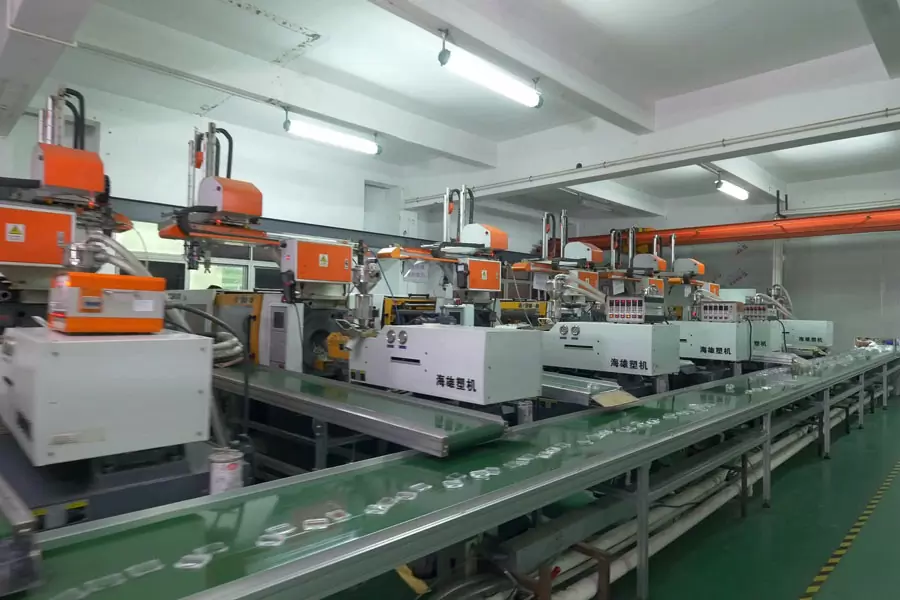
The core cooperative injection molding supplier has twelve 50T-200T injection molding machines, all of which are equipped with manipulators, mold temperature controllers, automatic assembly lines, and dust-free purification workshops. There are 4 automatic production lines in the oil spraying department: one 10,000-level automatic spraying production line (two sprays and two baking), 1 production line (one spray and one baking); 1 manual spraying production line, with a daily output of 150,000 pieces above. With brand-new professional technology, with an environmentally friendly anti-static, fully air-conditioned, dust-free workshop, the working environment is superior, the production equipment is complete, and the product testing equipment is perfect. Need mold making supplies for large quantities of production parts? Looking for a more cost effective and time efficient way of manufacturing parts? Don’t miss our injection molding services! At be-cu.com, we provide high quality and affordable injection molding for prototypes and production parts with quick turnaround times.
-

5 Axis CNC Machining Spiral Bevel Gear Mold
-
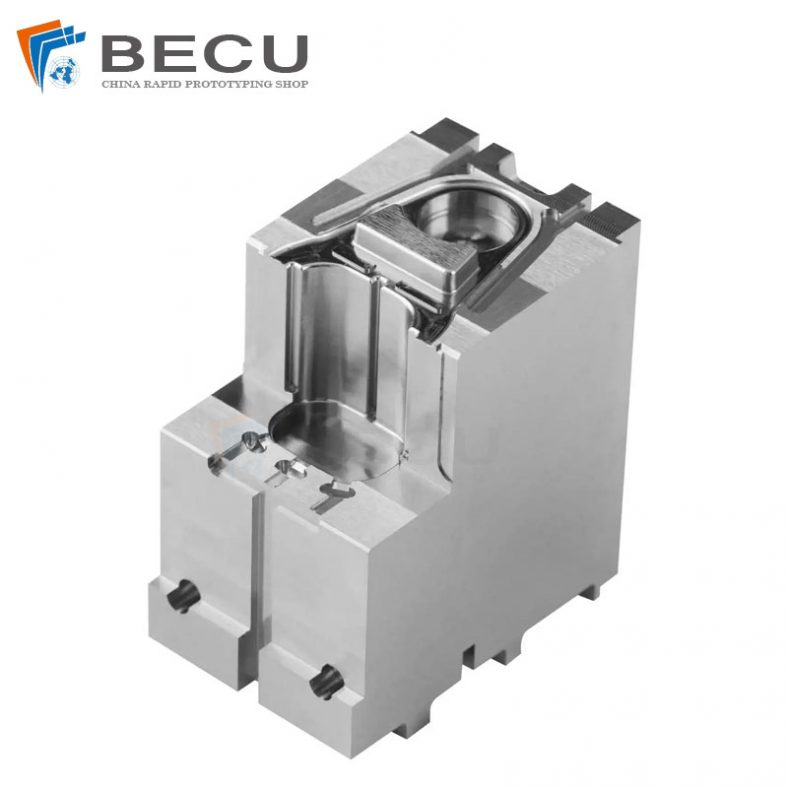
Small Precision Injection Molding Inserts
-
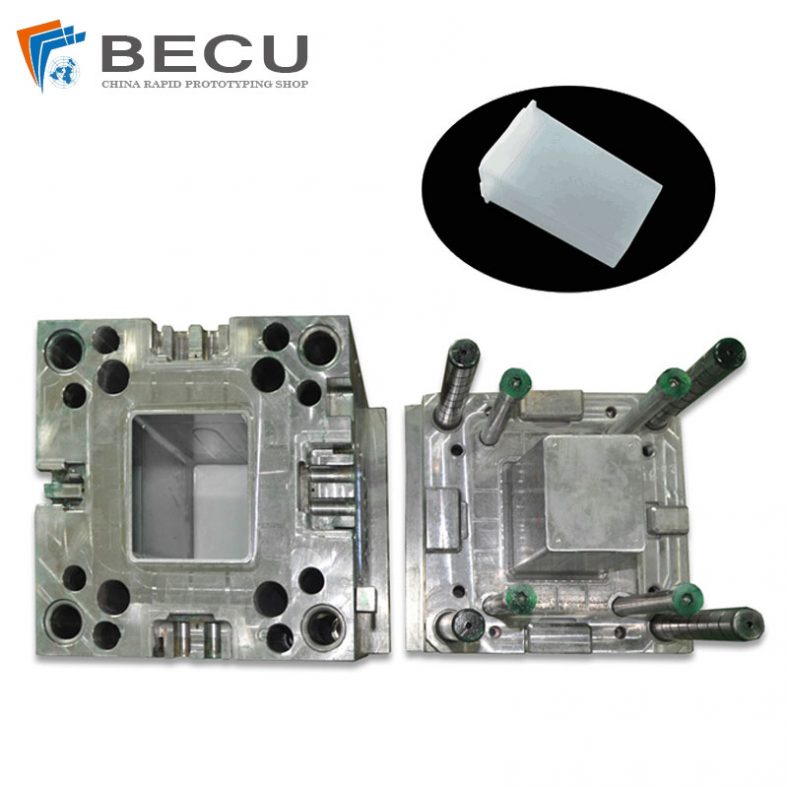
Plastic Storage Box Plastic Injection Mold
-
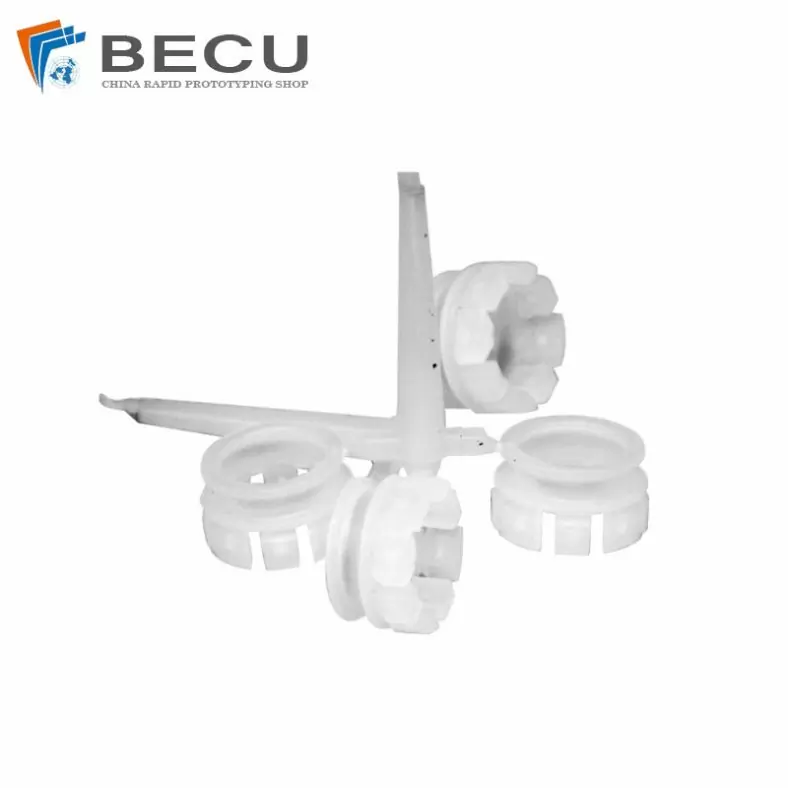
Injection Molding PE-UHMW Retaining Buckle And Ring
-
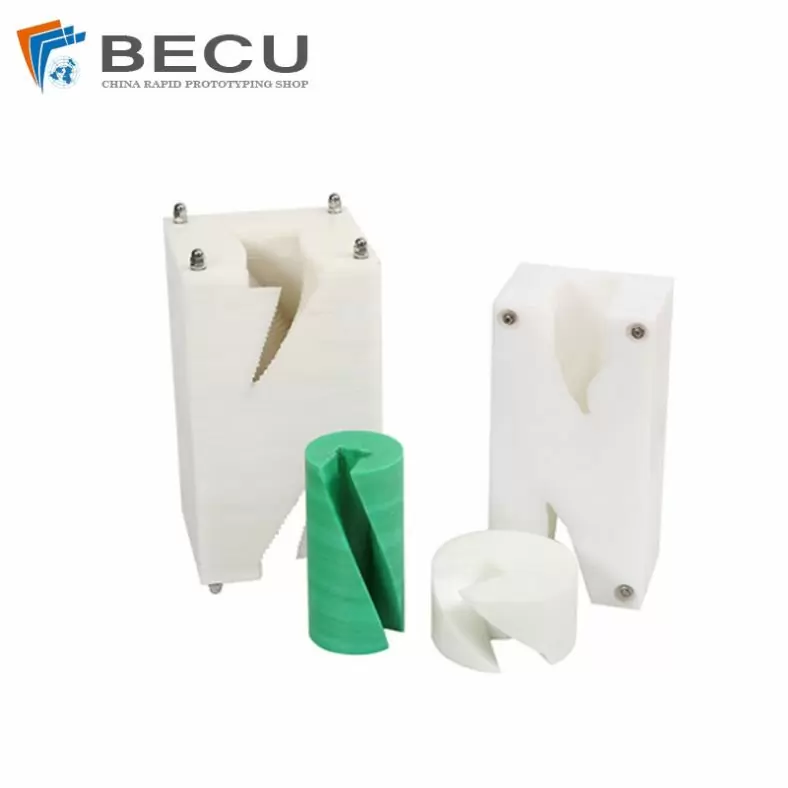
Cnc Machined UHMW-PE Bottle Turner
-
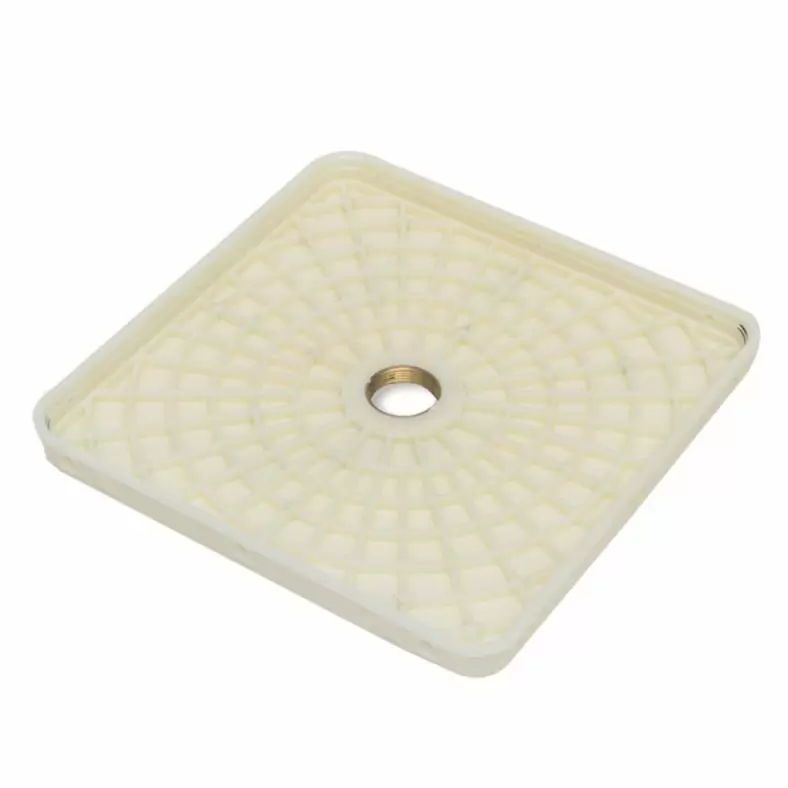
Shower Inclosure Sleeve By Plastic Injection
-
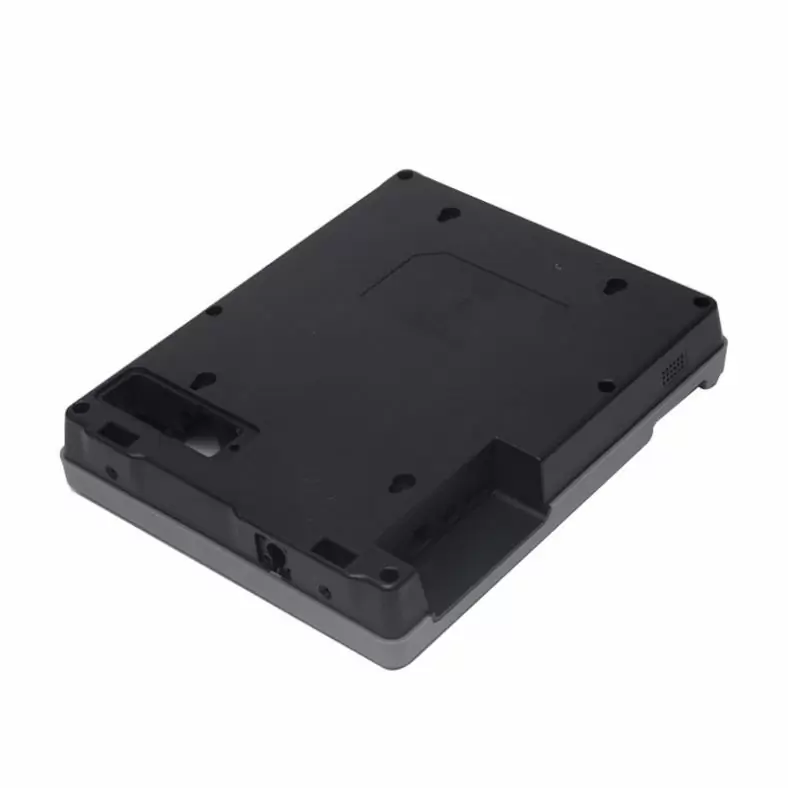
Injection Secret Security Machine Control Shell
-
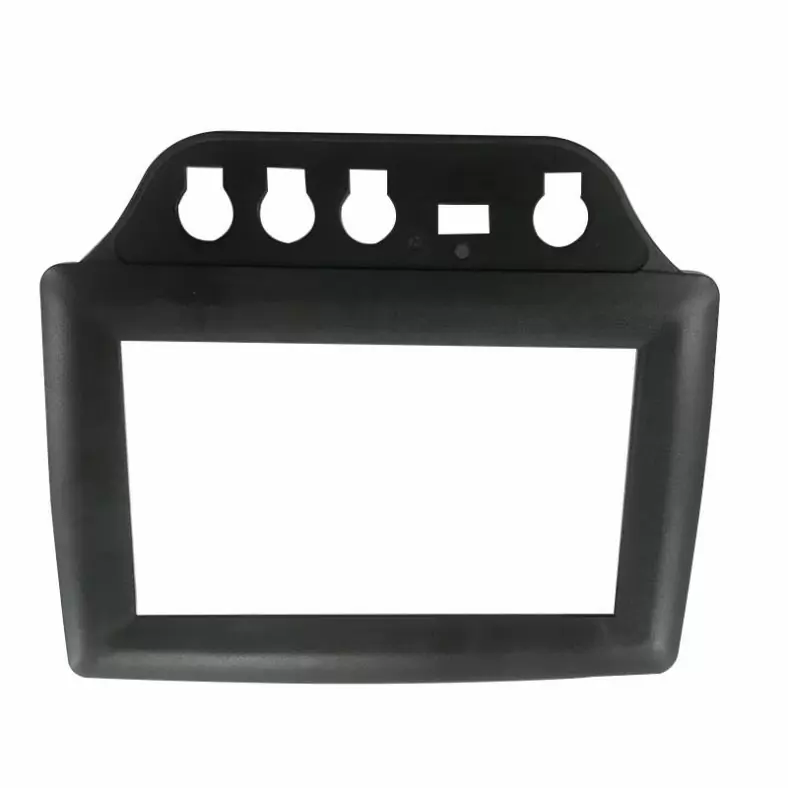
Sewing Machine Industrial Control Shell By Plastic Injection