

Electroslag Smelting (ESS) is a highly refined technique in metallurgical engineering, known for its ability to purify metals, particularly steel, by removing undesirable impurities. Among these impurities, sulfur is one of the most detrimental, leading to poor mechanical properties and increased brittleness in steel. The desulfurization process, therefore, plays a crucial role in the production of high-quality steel ingots, particularly in applications requiring pure iron steel.In this context, the desulfurization of pure iron steel ingots via Electroslag Smelting has gained significant attention.This article delves into the methodology, process parameters, and outcomes of desulfurization tests conducted using the ESS method. It aims to provide a comprehensive overview of the process, highlighting its effectiveness and limitations compared to traditional desulfurization techniques.
Historical Background
The control of sulfur content in steel has been a persistent challenge in the metallurgy industry. Sulfur, typically present in steel as iron sulfide, can lead to the formation of brittle phases, particularly at grain boundaries, which compromises the steel’s overall mechanical properties. Early attempts to remove sulfur from steel involved basic oxygen furnaces and ladle metallurgy, but these methods had limited effectiveness, particularly in high-purity applications.
The introduction of Electroslag Smelting in the mid-20th century marked a significant advancement in steel refining techniques. ESS provided a controlled environment where the temperature, slag composition, and other parameters could be precisely managed, leading to more effective removal of sulfur and other impurities.
Electroslag Smelting Process
Electroslag Smelting is a process in which an electric current is passed through a slag bath, causing the slag to heat up and melt the metal above it. The molten metal drips through the slag, which acts as a refining medium, removing impurities such as sulfur. The slag is typically composed of a mixture of calcium fluoride (CaF2), lime (CaO), and alumina (Al2O3), which work together to absorb sulfur and other impurities from the molten metal.
During the ESS process, the molten metal is continuously refined as it drips through the slag, with the refined metal collecting at the bottom of the furnace. The slag, now enriched with impurities, floats on top of the molten metal and can be removed periodically. This continuous refining process allows for the production of steel with very low levels of sulfur and other impurities.
Through experiments, it is found that carbon content at the bottom of the electroslag ingot will increase when the carbon content in the purified slag is higher than 0.02%. When produced according to the traditional process, the carbon content in the purified slag is about 0.07%, and the carbon mainly comes from alumina powder (containing 0.06% to 0.08% C). Furthermore, if graphite electrodes are used to melt the slag, the carbon increase of the steel ingot will be aggravated. It is also found that the carbon increase of electroslag steel ingots gradually decreases from bottom to top. This is because during the smelting process, part of the C in the slag has diffused into the steel, and part of it is gradually burned.
The quality of O-S purified slag is the key to the desulfurization of electroslag process. Purified slag is generally smelted with iron-aluminum rods to reduce the SiO: brought in the fluorite. If the SiO: content of the finished slag is high (>3%), the desulfurization ability of the slag will be poor. The returned slag has been analyzed, and the total content of unstable oxides (FeO, SiO, and MnO) in the slag is up to 20%, and the slag is black. At this time, the electroslag process has no desulfurization effect and the quality of the steel ingot is poor.
In the process of electroslag smelting, the oxidation and alkalinity of the slag changes with the changes of various smelting conditions, which affects the desulfurization effect, especially when the oxidation of the slag increases, the desulfurization effect becomes significantly worse. The literature believes that the high content of FeO and MnO in the slag will significantly increase the oxygen permeability to the slag. The continuous increase of FeO content in the slag phase will cause burning loss of active elements and changes in the composition of remelted metals and slag.
Through production tests, it is concluded that the main reason for the increased oxidation of slag during the electroslag smelting process is that there is residual oxide scale on the surface of the electrode blank, and it is prone to rust due to weather. The oxidation of the electrode surface is aggravated under high temperature conditions. As it progresses, the oxides on the electrode surface continue to enter the liquid slag, causing the slag to increase in oxidation.
In the experiment, it was also found that the oxidation rate of the slag from the large ingot bipolar tandem process increased quickly; the aluminum content in the YT01 electrode blank was low, which was not conducive to controlling the oxidation of the slag. Therefore, it is believed that the surface oxide scale and rust of the electrode, and the high temperature oxide on the electrode surface during the smelting process are the main sources of unstable oxides in the slag.
The Detail Of BE-CU Die Casting Company
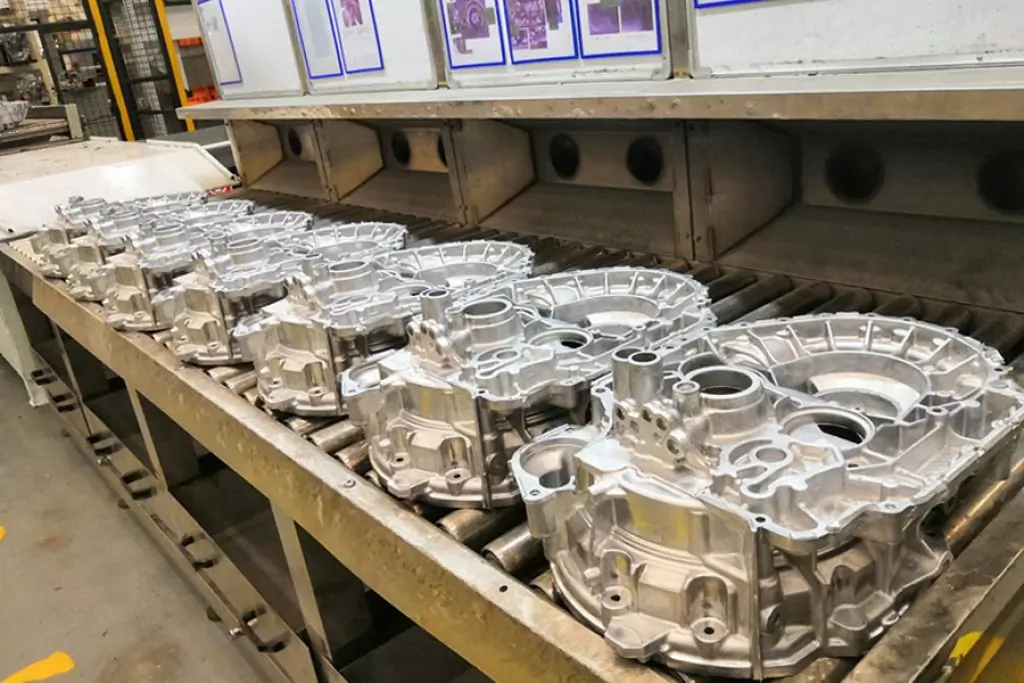
If you are looking for dependable volume manufacturing metal parts supplier with High pressure die casting service who offers you competitive price, good service and quality for aluminium die casting, zinc, or magnesium die casting, then BE-CU Prototype are surely a partner you are looking for to fulfill all your die casting needs. With quality service and state of art technology, BE-CU indeed claim in providing quality pressure die casting including aluminum/zamak/magnesium alloy castings to our customers all over the world.
To work with us,be-cu don’t just stop at taking your order and delivering your die casting products. be-cu are there for you at every step right from your preferred selection of aluminum die casting, Zamak die casting (Zamak 2, Zamak 3, Zamak 5, Zamak 8) or magnesium die casting products and services to post-order phase. In brief, once you become our customer, be-cu are with you every step on the way.
-
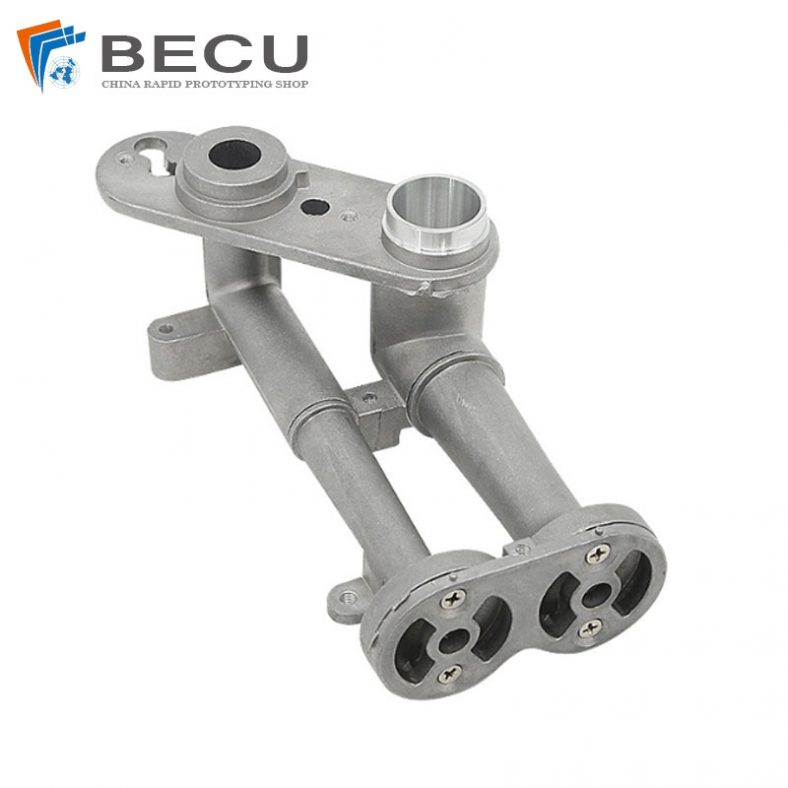
CNC Machining Gas Stove Bottom Joint
-
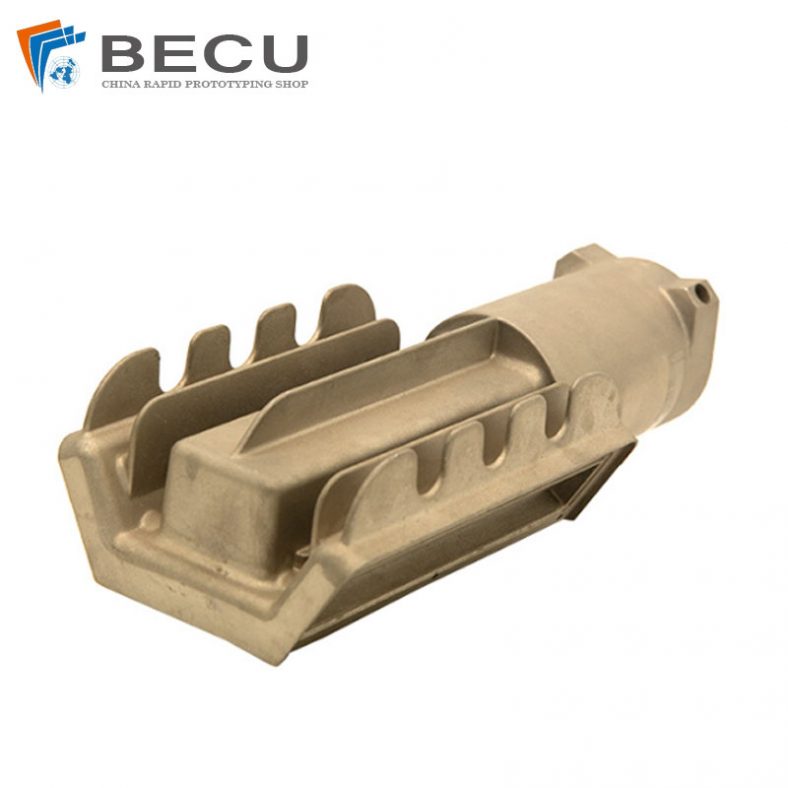
Gravity Die Casting Custom Street Light Heat Sink
-
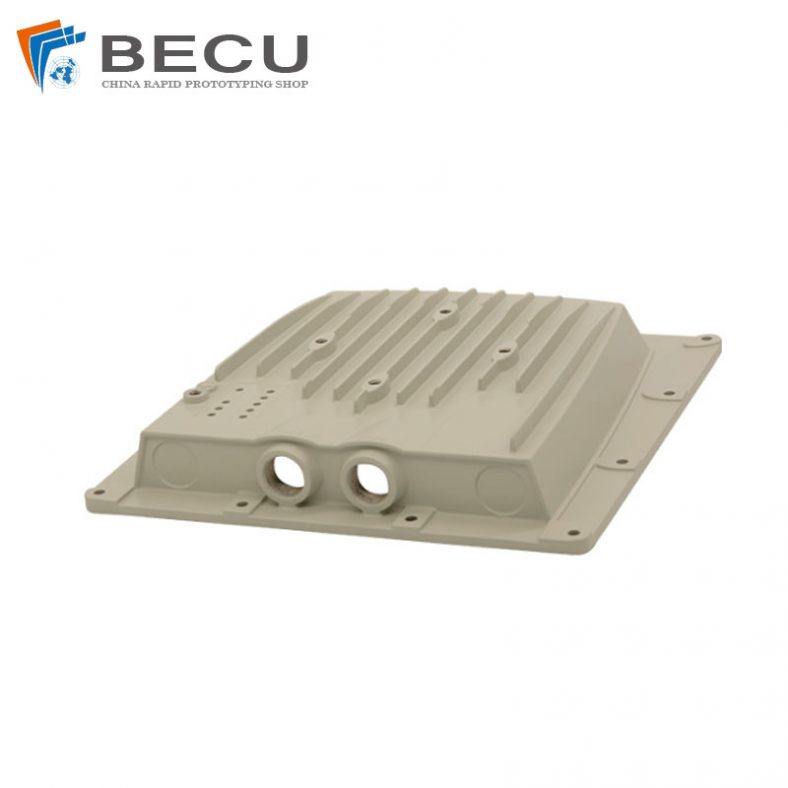
Die Casting LED Canopy Lights Heatsink For Gas Station
-
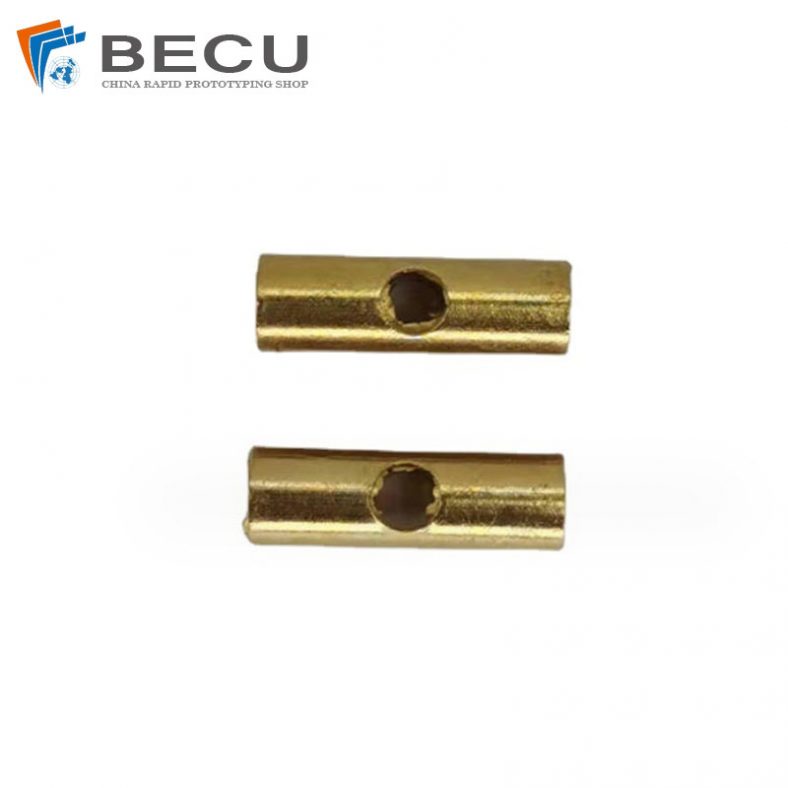
Zinc Die Casting PA10 Transformer Connector Terminal
-
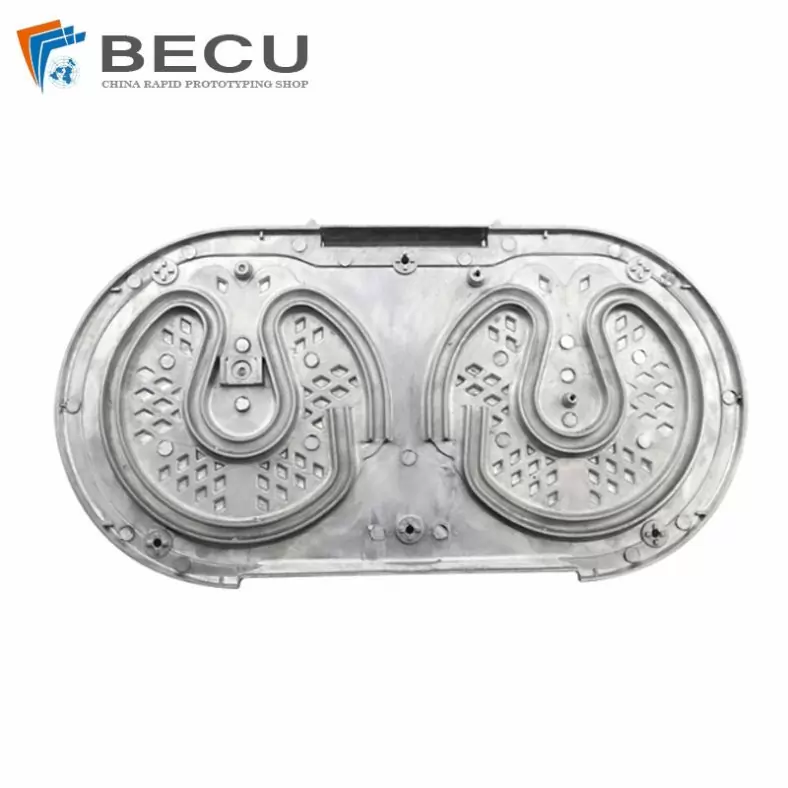
Die Casting Aluminium Cookware Chassis
-
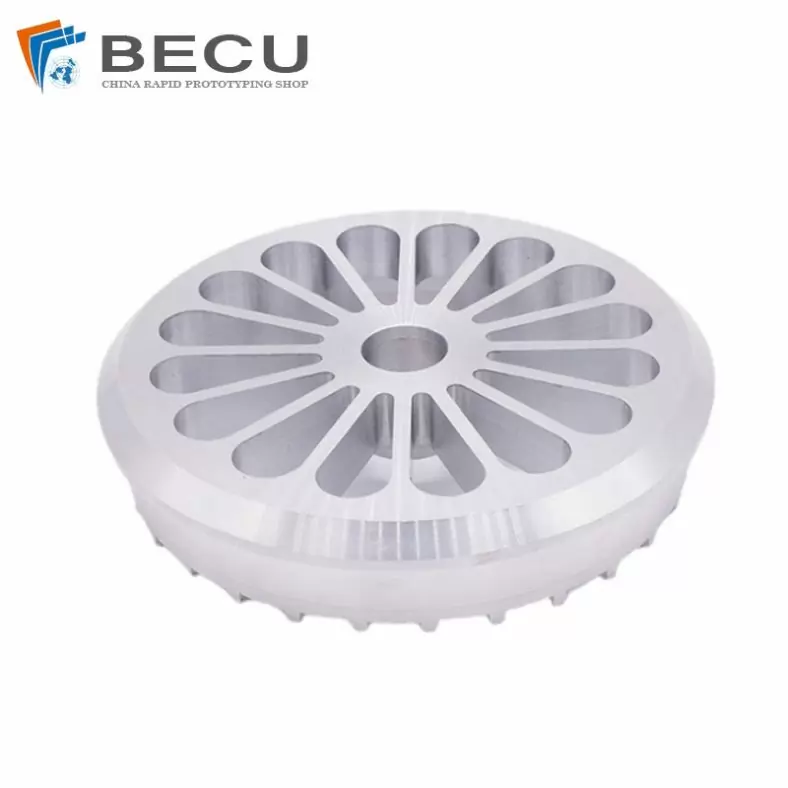
Die Casting Wheels With Aluminum Alloy 5 Axis CNC Machining
-
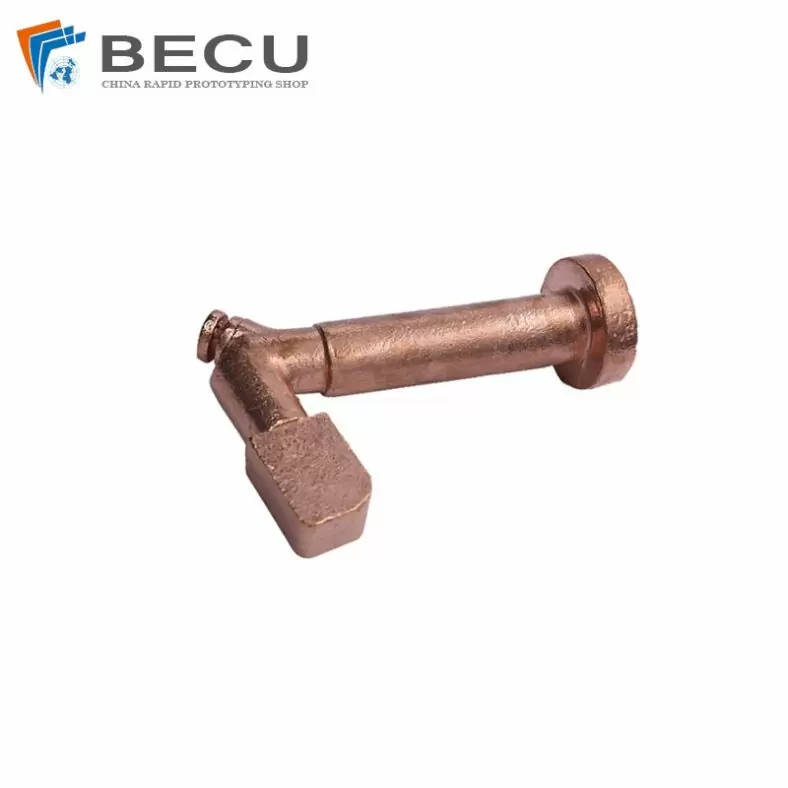
Precision Machined Copper Die Casting Parts
-
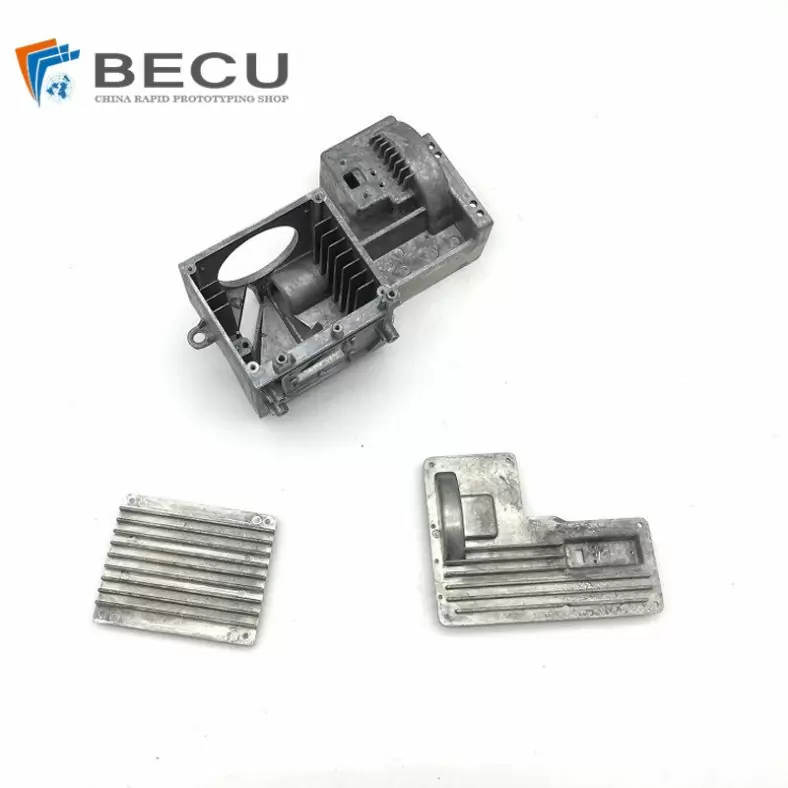
Professional Small Baler Aluminum Alloy Die-casting Mold Production
-
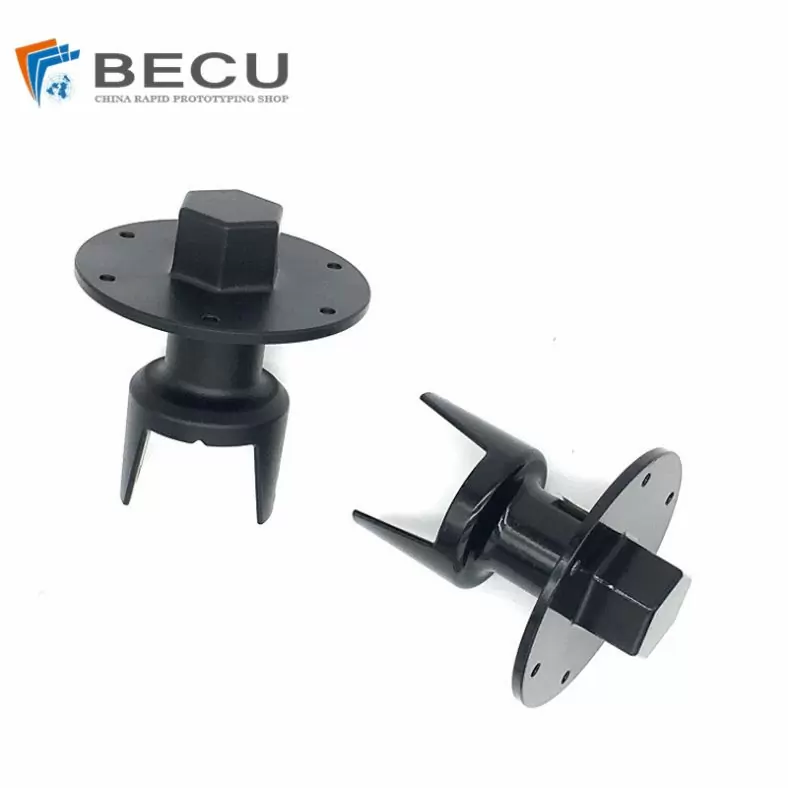
China Die Casting Factory Manufactures Surface Sprayed Aluminum Valve Body
-
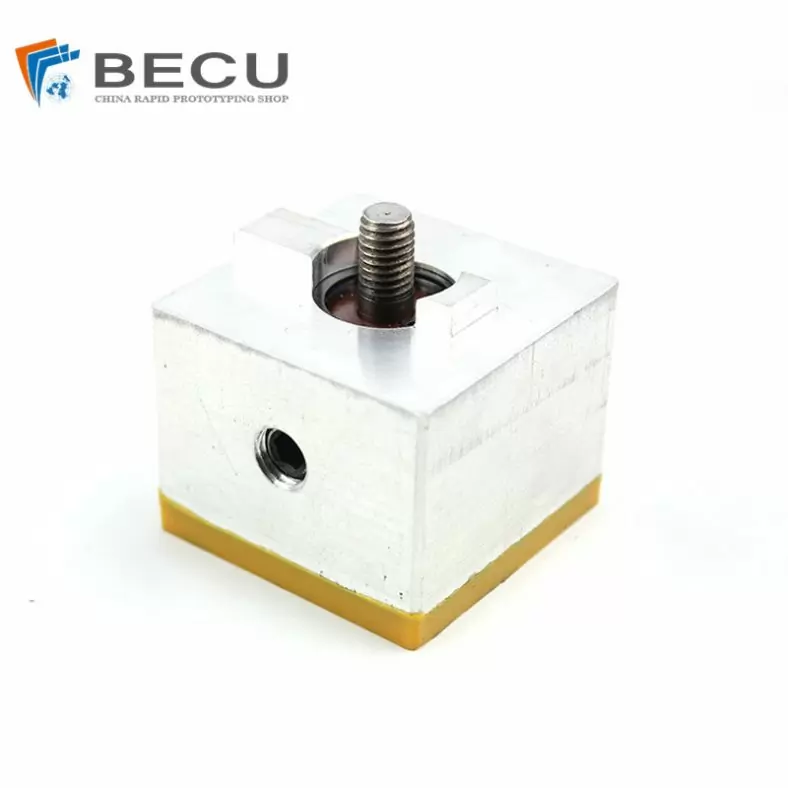
Extrusion Die-casting Polyurethane-Coated Aluminum Alloy Profiles
-
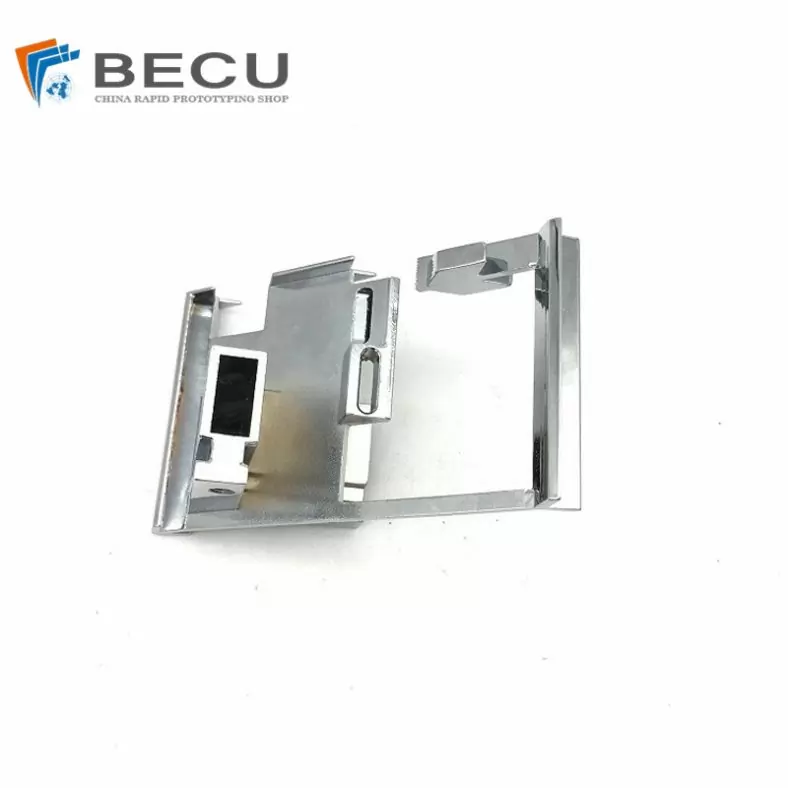
Custom Precision Aluminum Die Cast Brackets and Finishes
-
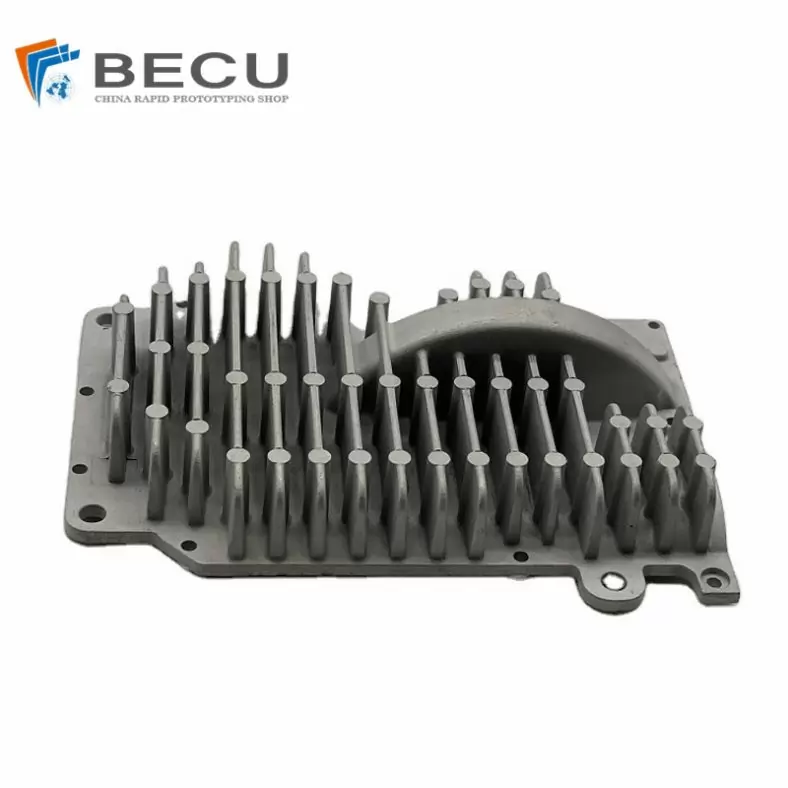
Extrusion Die-casting Magnesium Alloy Heat Sink Shell