
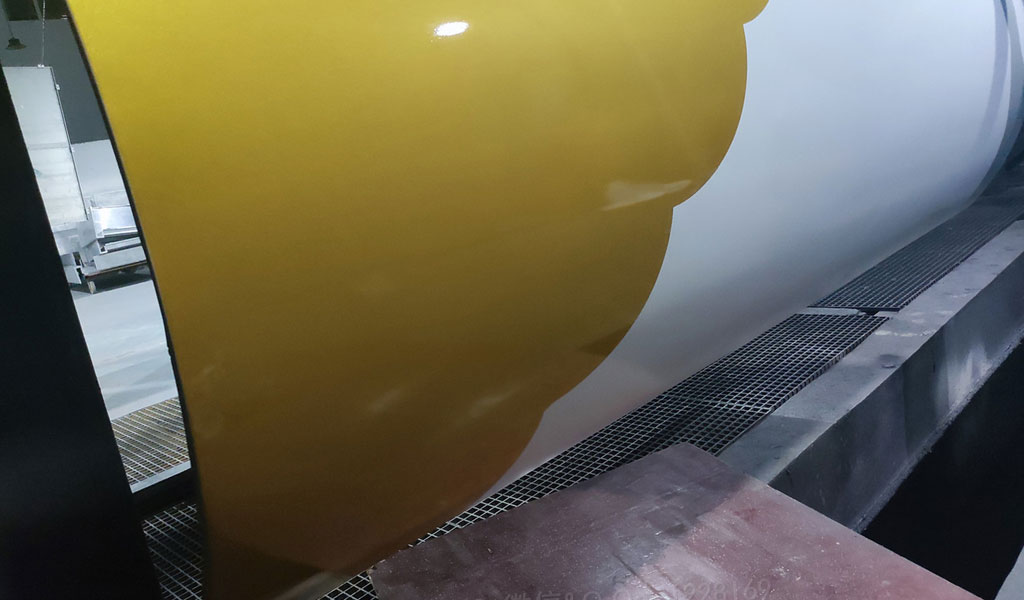
Dual-tone baking paint technology is a sophisticated coating technique primarily used in the automotive and manufacturing industries to create a two-tone effect on various surfaces. This method is designed to offer distinct color contrasts, typically by applying two separate layers of paint in different hues, with each layer cured using a heat process. The process not only enhances the aesthetic appeal of the products but also improves the durability, resistance to environmental factors, and overall surface quality. The development and evolution of dual-tone baking paint technology have significantly impacted the appearance and longevity of painted surfaces, contributing to the dynamic, multi-dimensional finish commonly seen in modern vehicles, appliances, furniture, and other industrial products.
The process of dual-tone baking paint technology combines two key elements: the application of two different color layers and the baking or curing of these layers using heat. Both color layers undergo separate applications, and each is cured independently, often requiring two different baking cycles at high temperatures. This procedure results in a robust, multi-layer finish that offers enhanced durability, resistance to fading, and an aesthetically appealing look.
What is Dual-tone Baking Paint
The origins of dual-tone baking paint technology can be traced back to the early developments of automotive coatings in the mid-20th century.
As automotive manufacturers sought ways to improve the visual appeal of their vehicles, the idea of applying two contrasting paint colors became increasingly popular. This idea evolved with the advancement of coating technologies and the growing demand for more sophisticated, long-lasting paint solutions.
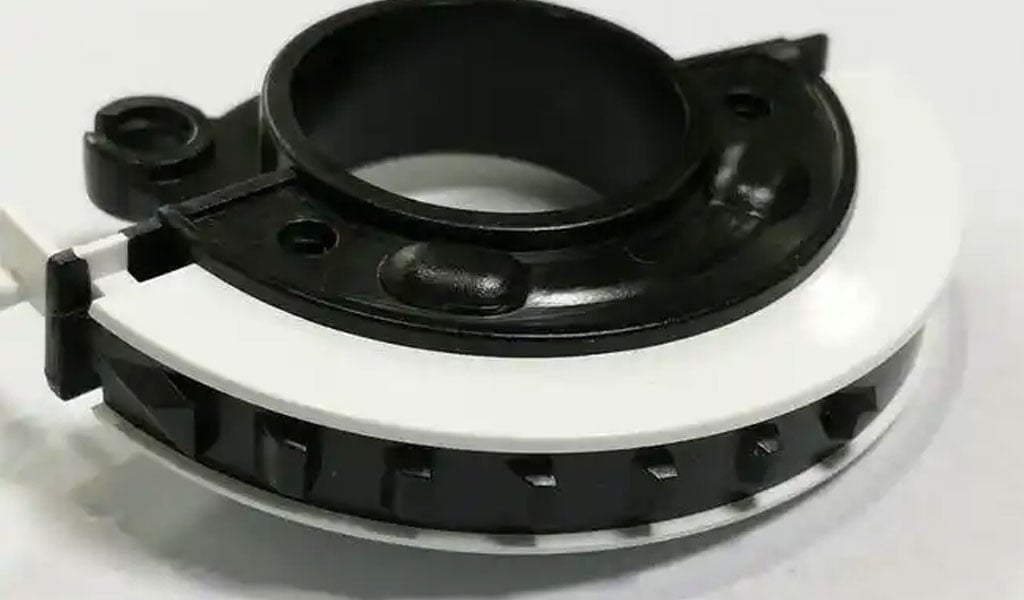
Initially, dual-tone paint schemes were manually applied, often requiring highly skilled labor and precise methods to ensure the clean separation between the two tones. With the introduction of advanced automated processes and improved chemical formulations, the technology became more efficient and cost-effective. In particular, the development of heat-curing paints allowed for better adhesion and resistance to environmental factors such as UV radiation, moisture, and abrasion, leading to the widespread adoption of this technology.
The process gained significant momentum in the automotive sector, where it became synonymous with high-end models and custom designs. Over time, dual-tone applications expanded beyond vehicles to include other industries such as home appliances, electronics, and industrial machinery, where aesthetics and durability were key concerns.
The Science Behind Dual-tone Baking Paint Technology
Dual-tone baking paint technology relies on a combination of chemical and physical processes to achieve its distinct visual and functional properties. At the heart of this technology is the use of specially formulated paints that are designed to be applied in two distinct layers. Each layer serves a specific purpose, such as providing color, protection, or texture.
Paint Composition and Types
Dual-tone baking paints typically consist of multiple components, including pigments, binders, solvents, and additives. The choice of pigments determines the color of the final product, while binders serve to hold the pigments in place and provide adhesion to the substrate. Solvents help to adjust the viscosity of the paint and facilitate the application process. Additives, such as stabilizers, anti-settling agents, and UV inhibitors, enhance the performance and longevity of the paint.
The first layer of paint, often referred to as the base coat, provides the primary color and serves as the foundation for the second layer. Base coats are usually made of high-quality pigments that offer strong opacity and color vibrancy. The second layer, known as the topcoat or clear coat, is typically a transparent layer designed to protect the base coat from environmental damage while also enhancing its depth and glossiness.
In some cases, a third layer may be used, often in the form of a clear protective coat that adds additional durability and shine. This clear coat acts as a barrier against scratches, corrosion, and environmental pollutants, ensuring that the paint job remains pristine over time.
Application Techniques
The application of dual-tone paints typically follows a two-step process. In the first step, the base coat is applied to the surface. This layer is usually sprayed onto the substrate using automated spray guns or robotic arms, ensuring an even and consistent coating. Depending on the desired finish, the paint may be sprayed in one or more passes to build up the required thickness.
Once the base coat is applied, it undergoes a curing process, typically involving the use of heat. The baking process is crucial, as it causes the paint to harden and bond with the substrate, resulting in enhanced adhesion and durability. The baking cycle typically takes place in an oven, where the coated object is exposed to high temperatures ranging from 120°C to 200°C, depending on the type of paint used.
After the base coat has been cured, the second layer of paint—the topcoat—is applied. This layer is often more delicate, as it must be applied over the already-cured base coat without disturbing the first layer. The topcoat may also be baked separately, following the same curing process as the base coat, to ensure that both layers achieve the necessary hardness and durability.
In certain cases, additional steps may be required, such as polishing or finishing, to refine the appearance of the dual-tone paintwork and enhance its glossiness.
Baking and Curing Process
The baking and curing stages are integral to the success of dual-tone baking paint technology. The heat causes chemical reactions within the paint, such as cross-linking of polymers, which result in a hard, durable surface. This process also promotes adhesion between the paint and the substrate, whether it is metal, plastic, or another material.
The curing temperature and time vary depending on the type of paint used. For example, thermosetting paints require higher temperatures to cure effectively, while thermoplastic paints can be cured at lower temperatures. The temperature and duration of the baking process are carefully controlled to ensure that the paint layers achieve optimal hardness without damaging the underlying substrate.
In many cases, the baked paint surface is also subjected to a cooling phase to allow it to solidify and harden completely. This cooling phase ensures that the paint maintains its integrity and that the surface is free from any defects such as bubbles, cracks, or discoloration.
Advantages of Dual-tone Baking Paint Technology
The application of dual-tone baking paint technology offers numerous advantages across various industries. These benefits can be broadly categorized into aesthetic, functional, and economic advantages.
Aesthetic Appeal
One of the primary reasons for using dual-tone baking paint technology is the visual impact it offers. The ability to apply two distinct colors to a single product creates a striking and dynamic appearance. In the automotive industry, dual-tone finishes are often used to highlight specific design features or create a sense of contrast between different parts of the vehicle. This effect can be seen in various forms, from simple two-tone color schemes to more complex patterns and gradients.
Dual-tone paint finishes can also be customized to create unique designs, such as matte and glossy contrasts, metallic and non-metallic finishes, or even pearlescent effects. The versatility of this technology allows manufacturers to cater to a wide range of design preferences, from bold and vibrant colors to subtle, sophisticated tones.
Enhanced Durability and Protection
In addition to their visual appeal, dual-tone baked paints offer superior protection compared to traditional single-layer coatings. The baked paint forms a hard, durable surface that is resistant to scratches, chips, and fading. This is particularly important in industries like automotive manufacturing, where products are exposed to harsh environmental conditions such as UV radiation, moisture, and road debris.
The clear topcoat layer in dual-tone baking paint technology serves as a protective barrier, safeguarding the base coat from damage. This dual-layer system ensures that the color remains vibrant and intact for an extended period, reducing the need for frequent touch-ups or repainting.
Resistance to Environmental Factors
Dual-tone baked paints are highly resistant to environmental factors such as temperature fluctuations, humidity, and UV exposure. The heat-curing process ensures that the paint bonds strongly to the substrate, making it less susceptible to peeling or cracking. This makes dual-tone baking paints ideal for outdoor applications, such as automotive exteriors and industrial machinery, where the coating must withstand exposure to the elements.
Cost-effectiveness and Efficiency
While the initial setup and application of dual-tone baking paint technology may require a higher investment in terms of equipment and materials, the long-term cost savings are significant. The enhanced durability and resistance to damage reduce the need for maintenance, touch-ups, or re-coating, leading to lower overall costs. Furthermore, the use of automated spray systems and robotic arms for application ensures that the process is efficient and scalable, making it suitable for both small and large production runs.
Applications of Dual-tone Baking Paint Technology
Dual-tone baking paint technology has found widespread use in various industries, each benefiting from its aesthetic and functional advantages. Some of the most prominent applications include:
Automotive Industry
The automotive industry is perhaps the most prominent user of dual-tone baking paint technology. Modern vehicles often feature two-tone color schemes, where the roof, hood, side panels, or other parts of the vehicle are painted in contrasting colors. This technique enhances the visual appeal of the vehicle, making it stand out in the marketplace.
Luxury and high-performance cars, in particular, often feature dual-tone finishes as part of their bespoke designs, offering a personalized touch for customers. The dual-tone technique is also used to create striking designs in racing cars, concept vehicles, and limited-edition models.
Consumer Electronics
In the consumer electronics sector, dual-tone baking paint technology is used to enhance the appearance of products such as smartphones, laptops, and home appliances. The combination of contrasting colors allows manufacturers to create sleek, modern designs that appeal to consumers looking for products with a premium finish. Dual-tone finishes are often used to differentiate high-end models from standard versions, providing a sense of exclusivity.
Furniture and Home Decor
Dual-tone baking paint technology is also applied in the furniture and home decor industry. Furniture pieces, such as cabinets, tables, and chairs, can be painted with dual-tone finishes to create stylish and eye-catching designs. The use of durable, heat-cured paints ensures that the furniture remains in excellent condition even with regular use.
Industrial Machinery and Equipment
In industrial applications, dual-tone baking paint technology is used to coat machinery and equipment that require both functional and aesthetic coatings. Industrial machines, tools, and devices are often exposed to harsh environments, and the added protection provided by dual-tone baked paints helps to extend the lifespan of the equipment. Moreover, the ability to color-code different parts of machinery can assist in improving safety and operational efficiency.
Future Developments in Dual-tone Baking Paint Technology
As technology continues to advance, dual-tone baking paint technology is expected to evolve, with new developments focused on improving the performance and environmental sustainability of the process. Innovations may include the use of more eco-friendly paint formulations, such as water-based or solvent-free paints, which reduce the environmental impact of the coating process. Additionally, advances in automated application techniques and curing methods could further enhance the efficiency and consistency of dual-tone paint applications.
Furthermore, the integration of digital technologies, such as 3D printing and advanced robotics, may allow for even more complex and customizable dual-tone designs. This could open up new possibilities for industries such as automotive design, where intricate patterns and gradients could be achieved with greater precision and flexibility.
Conclusion
Dual-tone baking paint technology is a vital component of modern manufacturing and design, offering both aesthetic and functional benefits across a wide range of industries. By combining two distinct color layers with a heat-curing process, manufacturers are able to create visually striking, durable, and long-lasting finishes that enhance the appearance and performance of products. The ongoing advancements in materials, application techniques, and automation are likely to further expand the possibilities of dual-tone baking paint technology, ensuring its continued relevance in the years to come.
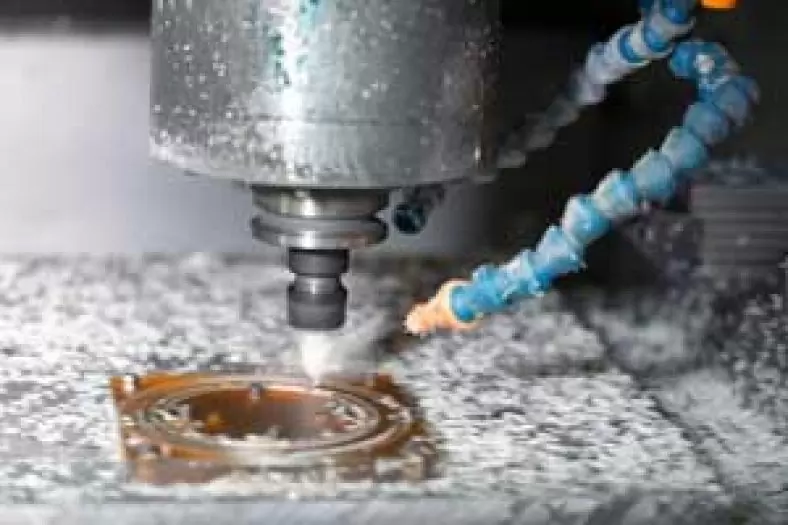
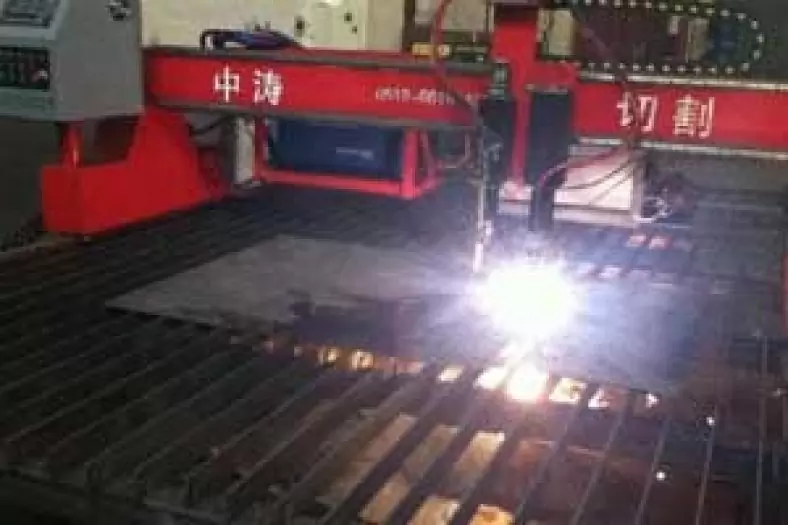
The Detail Of BE-CU Cnc Machining Shop
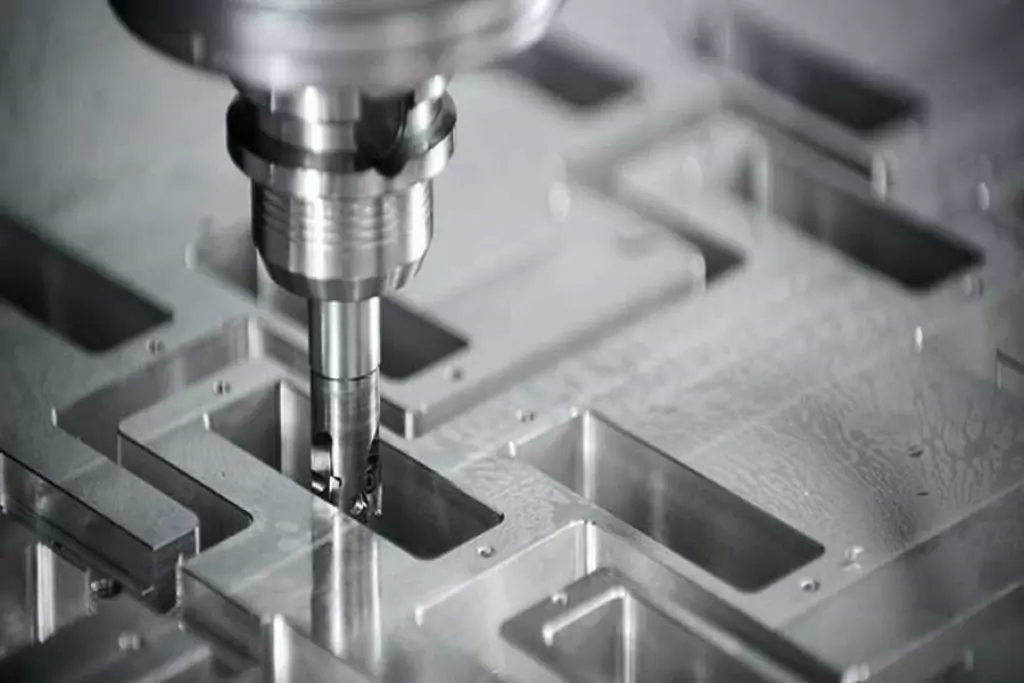
BE-CU.COM – As an accomplished CNC machining Service Manufacturer and CNC shop, BE-CU Prototype has been specialized in OEM CNC lathing, custom CNC machining parts production and rapid CNC machining services China for over 35 years and always maintaining the highest standard in delivery speed and reliable quality of precision CNC manufacturing components. With the help of high-level technology and efficient equipment, as well as rigorous attitude, BE-CU passed the ISO9001:2015 quality certification, which supports the long-term development of CNC milling services, CNC turning services, CNC milling-turning, CNC drilling services, 3/4/5 axis machining, gear machining services, CNC machining China custom parts and service, small parts machining, etc.Our CNC machining products can be utilized in a broad range of industries. Contact us for email: [email protected]
-
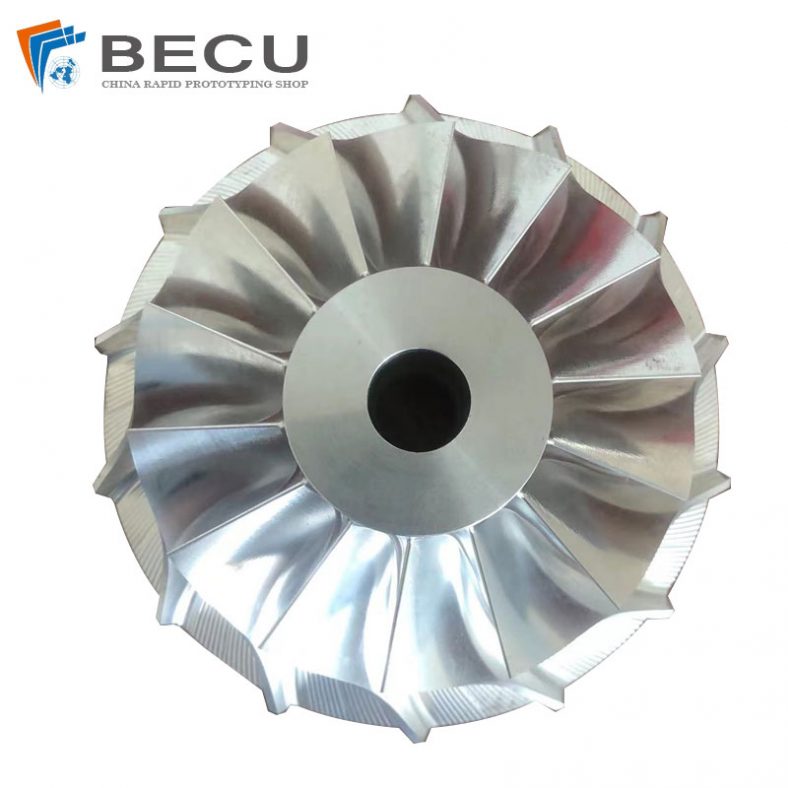
3-Way Centrifugal Compressor Closed Impeller By 5 Axis Machining
-
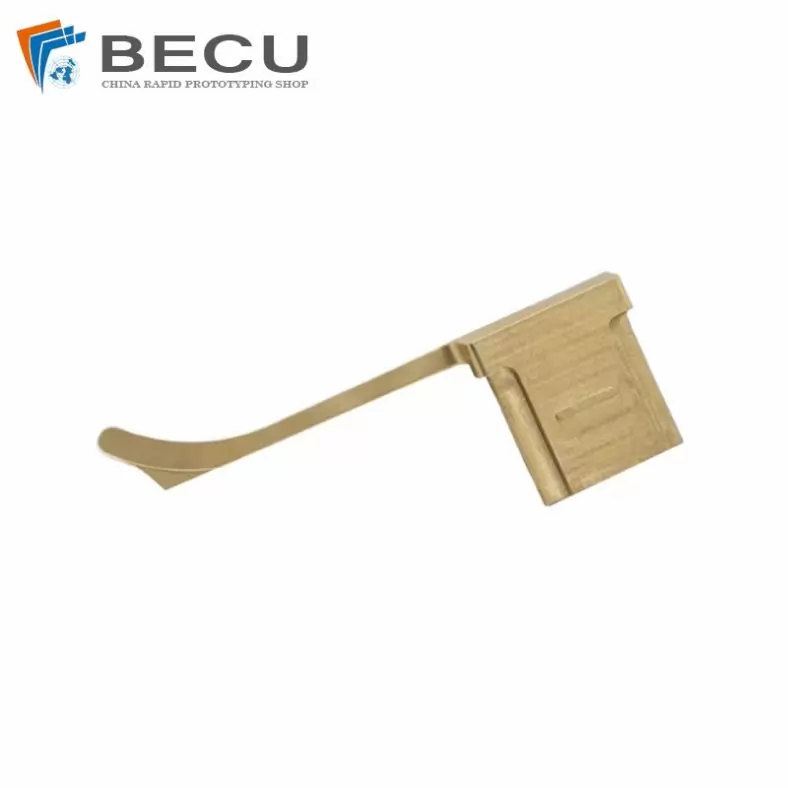
3/4/5 Axis Precision Milling Custom Vehicle Parts
-
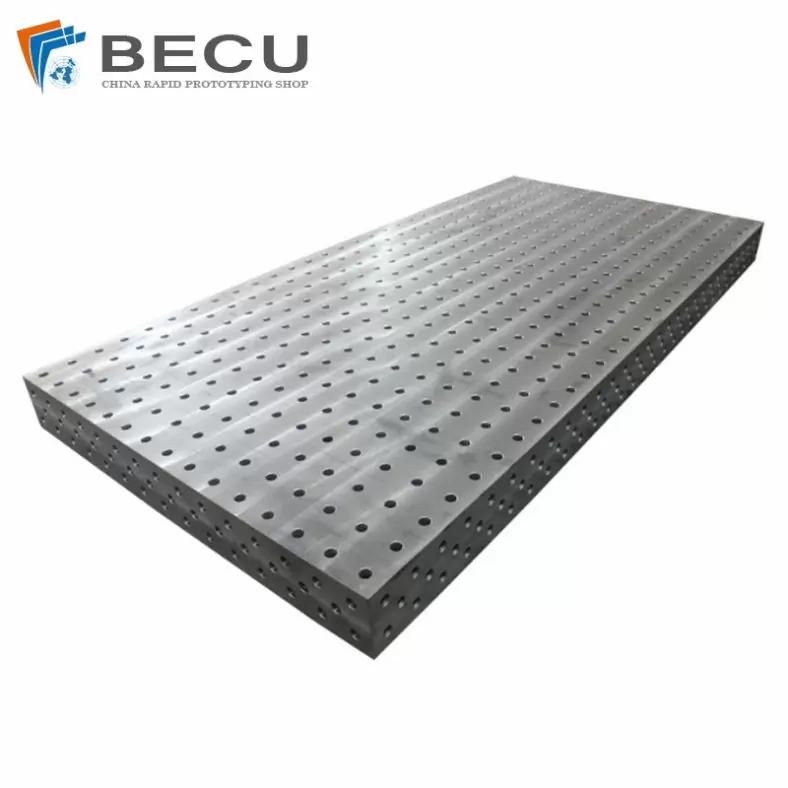
3D Flexible Welding Platform By Large Machining
-
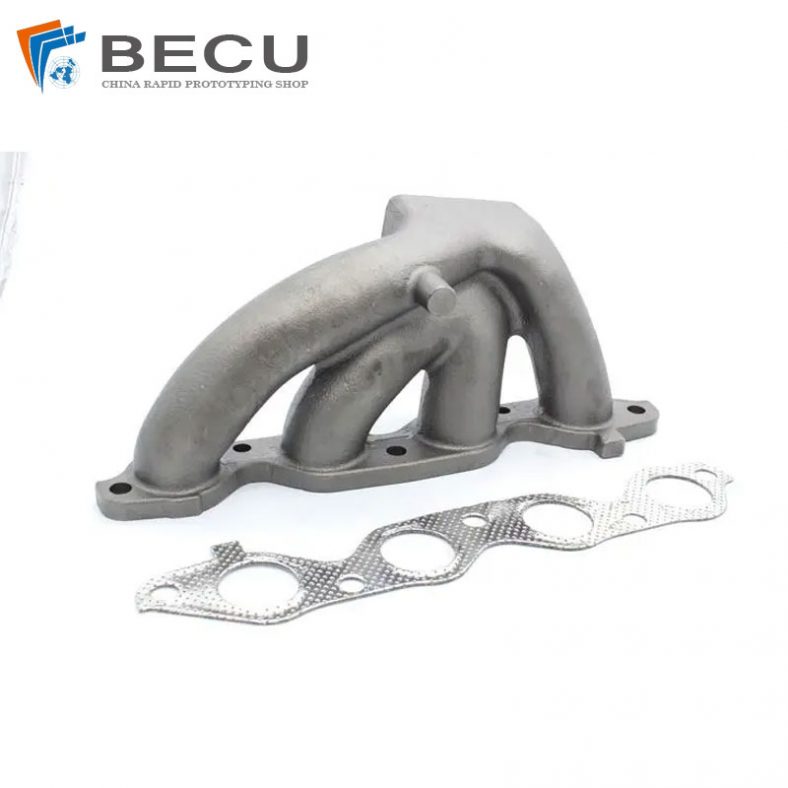
3D Printed Inconel Exhaust Manifold
-
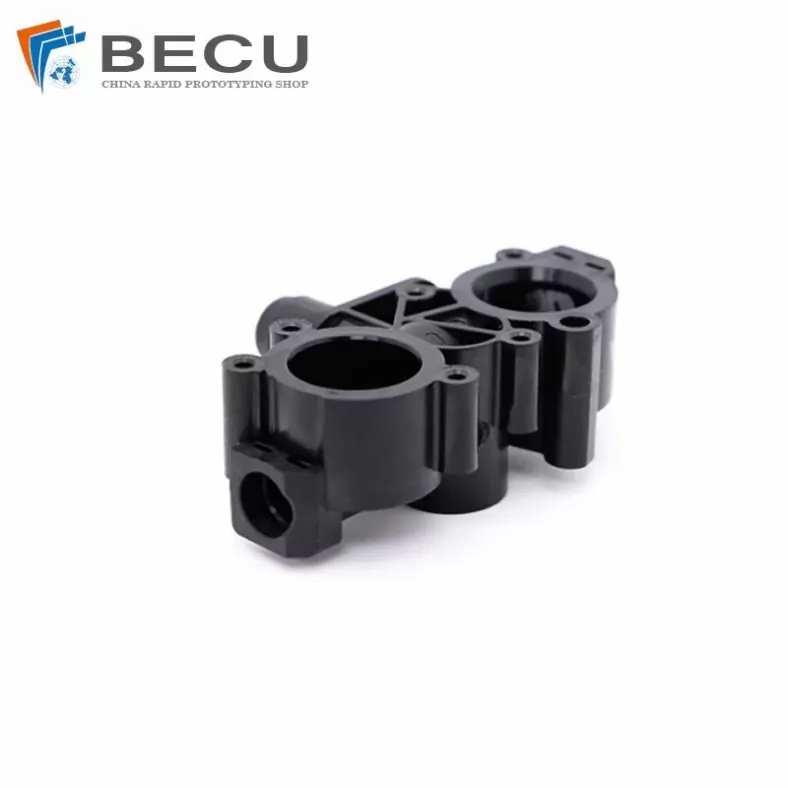
3D Printing And CNC Machining Custom Black PPS Valve
-
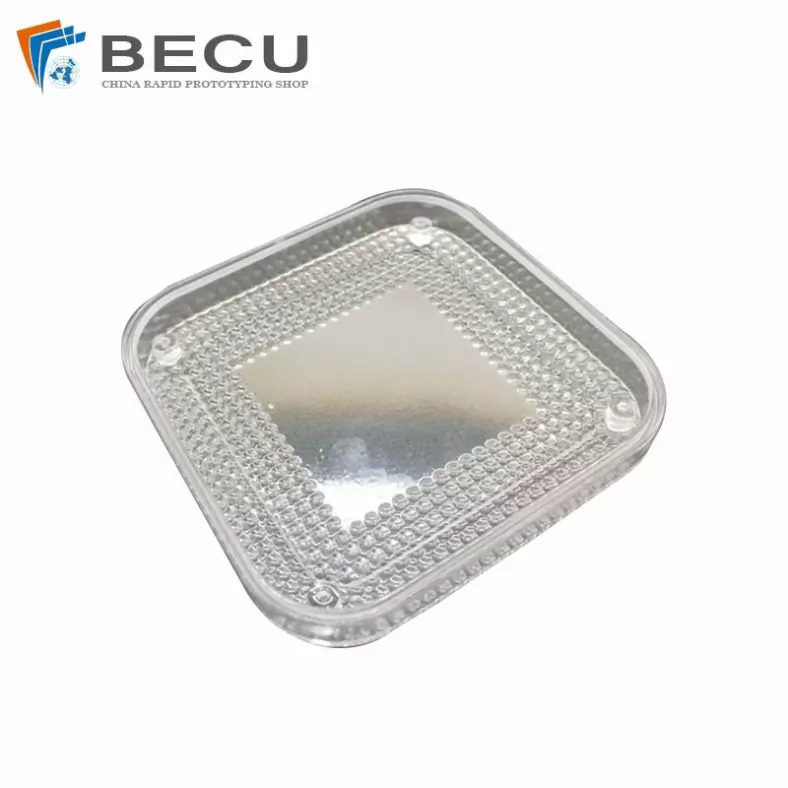
3D Printing Full Transparent Acrylic Lampshade Model
-
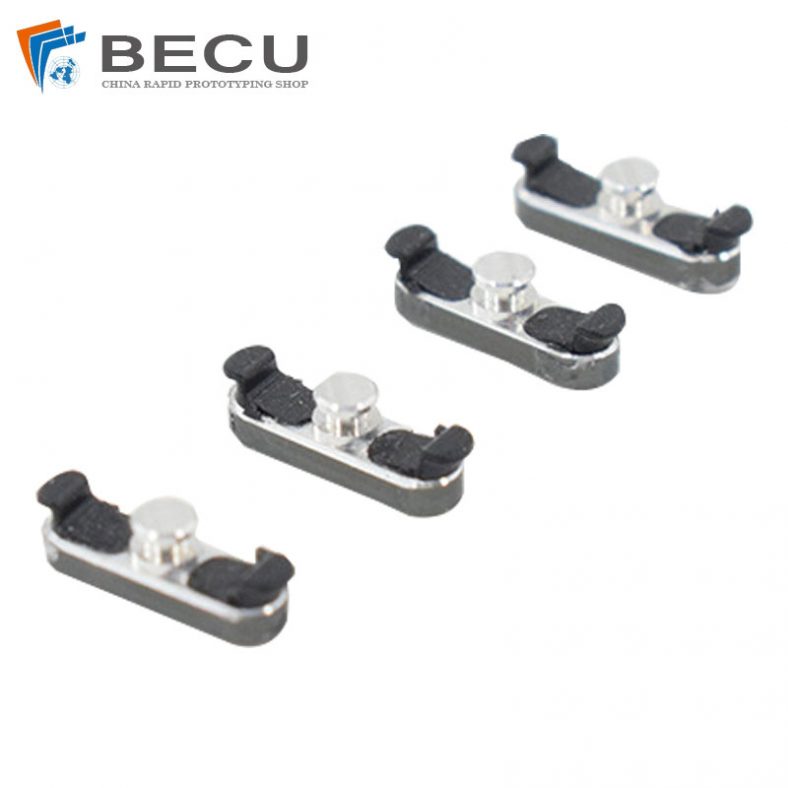
4 Axis CNC Machining Titanium Grade 5 Mobile Phone Buttons
-
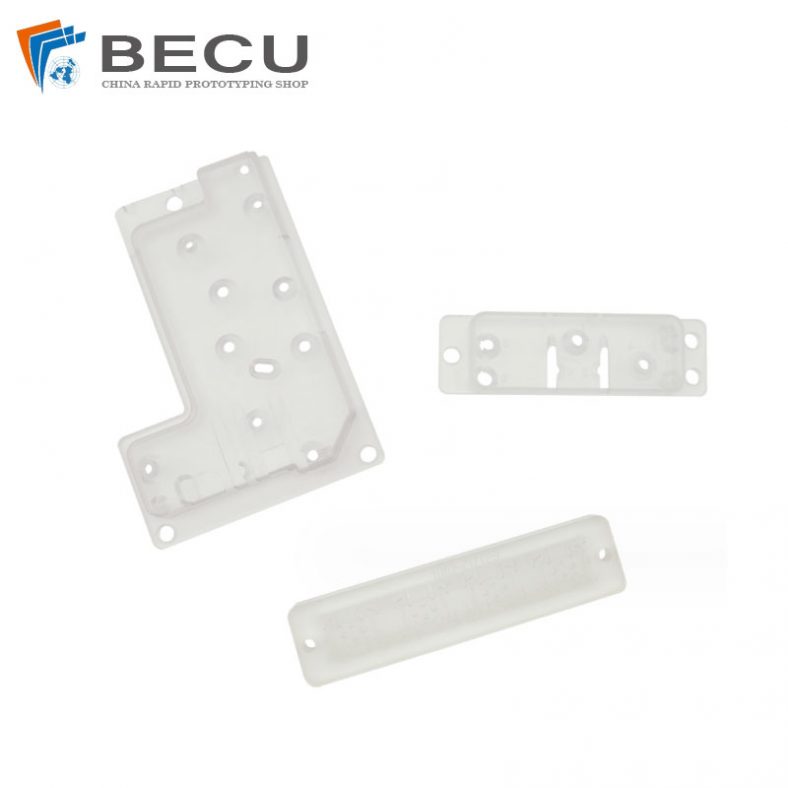
4 Axis Machining Highly Transparent Acrylic LED Tunnel Light Lens