
Ultrasonic vibration turning (UVT) is an advanced machining technique that combines traditional turning processes with high-frequency, low-amplitude vibrations. This innovative method has gained significant attention in the manufacturing industry due to its ability to enhance machining performance, particularly in terms of surface quality, tool life, and cutting forces. The kinematics of UVT involve the study of the motion of the cutting tool and the workpiece, which are crucial for understanding the underlying mechanisms that contribute to the improved machining outcomes.
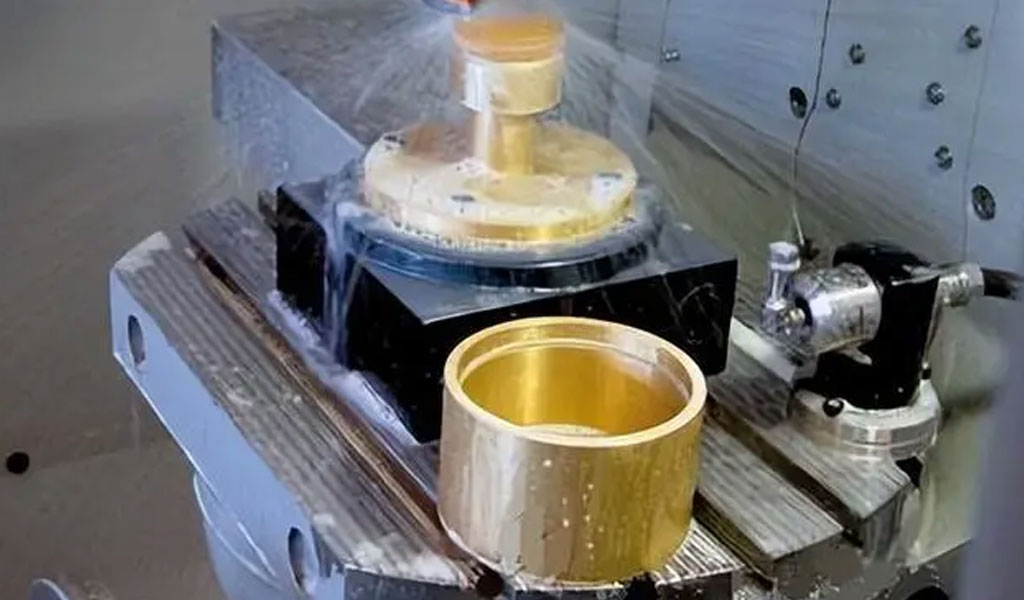
Principles of Ultrasonic Vibration Turning
Ultrasonic vibration turning operates on the principle of superimposing ultrasonic vibrations onto the conventional turning motion. The cutting tool is excited by a piezoelectric transducer, which generates high-frequency vibrations typically in the range of 20 kHz to 40 kHz. These vibrations are transmitted to the cutting edge of the tool, resulting in a periodic interruption of the cutting process. This intermittent cutting action reduces the continuous contact between the tool and the workpiece, leading to several beneficial effects.
The kinematic model of UVT can be described by the following parameters:
- Amplitude (A): The peak-to-peak displacement of the tool vibration.
- Frequency (f): The number of vibration cycles per second.
- Cutting Speed (Vc): The linear velocity of the cutting tool relative to the workpiece.
- Feed Rate (f): The rate at which the tool advances along the workpiece.
- Depth of Cut (d): The thickness of the material removed in a single pass.
The vibration of the cutting tool can be represented by a sinusoidal function:
x(t)=Asin(2πft)
where x(t) is the displacement of the tool at time t.
Effects on Cutting Forces
One of the primary advantages of UVT is the reduction in cutting forces. The intermittent contact between the tool and the workpiece decreases the average cutting force, which can be expressed as:
Favg=(1/T)∫(T/0)F(t)dt
where F(t) is the instantaneous cutting force and T is the period of the vibration.
The reduction in cutting forces leads to several benefits, including:
- Improved Tool Life: Lower cutting forces result in reduced wear and tear on the cutting tool, extending its lifespan.
- Enhanced Surface Quality: The intermittent cutting action minimizes the formation of built-up edges and reduces the likelihood of surface defects.
- Better Chip Formation: The vibrations facilitate the breaking of chips, leading to smaller and more manageable chip sizes.
Kinematic Analysis
The kinematic analysis of UVT involves studying the relative motion between the cutting tool and the workpiece. The tool path can be described by combining the linear motion of the turning process with the sinusoidal vibration of the tool. The resultant tool path can be expressed as:
y(t)=Vct+Asin(2πft)
where y(t) is the position of the tool along the cutting direction at time t.
The intermittent cutting action can be visualized as a series of discrete cuts, each separated by a small interval determined by the vibration frequency. This discrete cutting mechanism is responsible for the reduced cutting forces and improved surface quality.
Machining Surface Quality
The surface quality of a machined component is a critical factor that determines its performance and reliability. In UVT, the surface quality is influenced by several parameters, including the vibration amplitude, frequency, cutting speed, feed rate, and depth of cut. The following sections discuss the impact of these parameters on the surface quality and provide a comparative analysis with conventional turning processes.
Surface Roughness
Surface roughness is a measure of the texture of a machined surface and is typically quantified by parameters such as Ra (average roughness) and Rz (maximum height of the profile). In UVT, the surface roughness is significantly improved compared to conventional turning. The intermittent cutting action reduces the formation of surface defects and results in a smoother finish.
The surface roughness in UVT can be influenced by the following factors:
- Vibration Amplitude: Higher amplitudes generally result in better surface roughness due to the more pronounced intermittent cutting action.
- Vibration Frequency: Optimal frequency selection is crucial for achieving the desired surface quality. Too high or too low frequencies can lead to suboptimal results.
- Cutting Speed: The cutting speed affects the surface roughness by influencing the chip formation and the heat generated during the cutting process.
- Feed Rate: The feed rate determines the spacing between consecutive cuts and directly impacts the surface roughness.
- Depth of Cut: The depth of cut influences the material removal rate and the resulting surface finish.
Comparative Analysis
To illustrate the advantages of UVT over conventional turning, a comparative analysis is presented in the table below. The table compares the surface roughness parameters Ra and Rz for different machining conditions.
| Machining Process | Vibration Amplitude (µm) | Vibration Frequency (kHz) | Cutting Speed (m/min) | Feed Rate (mm/rev) | Depth of Cut (mm) | Ra (µm) | Rz (µm) |
|---|---|---|---|---|---|---|---|
| Conventional Turning | – | – | 100 | 0.1 | 0.5 | 2.5 | 12.0 |
| UVT | 10 | 20 | 100 | 0.1 | 0.5 | 1.2 | 6.0 |
| UVT | 15 | 20 | 100 | 0.1 | 0.5 | 0.9 | 4.5 |
| UVT | 10 | 30 | 100 | 0.1 | 0.5 | 1.0 | 5.0 |
| UVT | 15 | 30 | 100 | 0.1 | 0.5 | 0.8 | 4.0 |
From the table, it is evident that UVT results in significantly lower surface roughness values compared to conventional turning. The reduction in Ra and Rz values indicates a smoother and more uniform surface finish. The optimal combination of vibration amplitude and frequency further enhances the surface quality.
Surface Integrity
Surface integrity refers to the overall condition of the machined surface, including its microstructure, residual stresses, and hardness. In UVT, the intermittent cutting action and reduced cutting forces contribute to improved surface integrity. The following factors influence the surface integrity in UVT:
- Residual Stresses: The reduced cutting forces in UVT result in lower residual stresses, which are beneficial for the fatigue life and performance of the machined component.
- Microstructure: The intermittent cutting action minimizes the thermal and mechanical damage to the workpiece, preserving the microstructure of the material.
- Hardness: The reduced heat generation in UVT prevents the softening of the workpiece material, maintaining its hardness and mechanical properties.
Comparative Analysis
The table below compares the surface integrity parameters for conventional turning and UVT under different machining conditions.
| Machining Process | Vibration Amplitude (µm) | Vibration Frequency (kHz) | Cutting Speed (m/min) | Feed Rate (mm/rev) | Depth of Cut (mm) | Residual Stress (MPa) | Microstructure | Hardness (HV) |
|---|---|---|---|---|---|---|---|---|
| Conventional Turning | – | – | 100 | 0.1 | 0.5 | 200 | Slightly damaged | 300 |
| UVT | 10 | 20 | 100 | 0.1 | 0.5 | 150 | Intact | 320 |
| UVT | 15 | 20 | 100 | 0.1 | 0.5 | 140 | Intact | 330 |
| UVT | 10 | 30 | 100 | 0.1 | 0.5 | 130 | Intact | 340 |
| UVT | 15 | 30 | 100 | 0.1 | 0.5 | 120 | Intact | 350 |
The table illustrates that UVT results in lower residual stresses and improved microstructure compared to conventional turning. The hardness of the machined surface is also enhanced in UVT, indicating better surface integrity.
Conclusion
Ultrasonic vibration turning is a cutting-edge machining technique that offers significant advantages over conventional turning processes. The kinematics of UVT, characterized by the superimposition of high-frequency vibrations onto the cutting tool, result in reduced cutting forces, improved tool life, and enhanced surface quality. The intermittent cutting action minimizes surface defects, reduces residual stresses, and preserves the microstructure and hardness of the workpiece material.
The comparative analysis presented in this article demonstrates the superior surface roughness and integrity achieved with UVT compared to conventional turning. The optimal selection of vibration amplitude, frequency, cutting speed, feed rate, and depth of cut is crucial for maximizing the benefits of UVT.
As the manufacturing industry continues to evolve, the adoption of advanced machining techniques such as UVT will play a pivotal role in enhancing productivity, quality, and sustainability. Further research and development in this field will pave the way for innovative applications and improved machining outcomes.
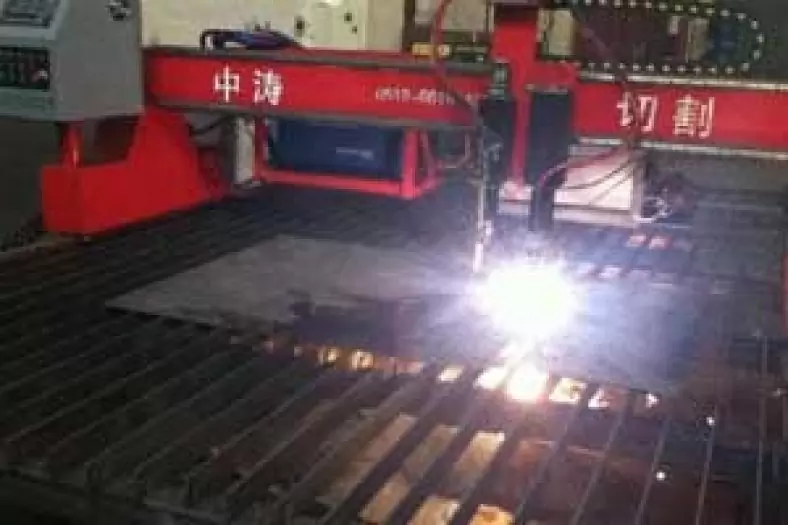
The Detail Of BE-CU Cnc Machining Shop
BE-CU.COM – As an accomplished CNC machining Service Manufacturer and CNC shop, BE-CU Prototype has been specialized in OEM CNC lathing, custom CNC machining parts production and rapid CNC machining services China for over 35 years and always maintaining the highest standard in delivery speed and reliable quality of precision CNC manufacturing components. With the help of high-level technology and efficient equipment, as well as rigorous attitude, BE-CU passed the ISO9001:2015 quality certification, which supports the long-term development of CNC milling services, CNC turning services, CNC milling-turning, CNC drilling services, 3/4/5 axis machining, gear machining services, CNC machining China custom parts and service, small parts machining, etc.Our CNC machining products can be utilized in a broad range of industries. Contact us for email: [email protected]
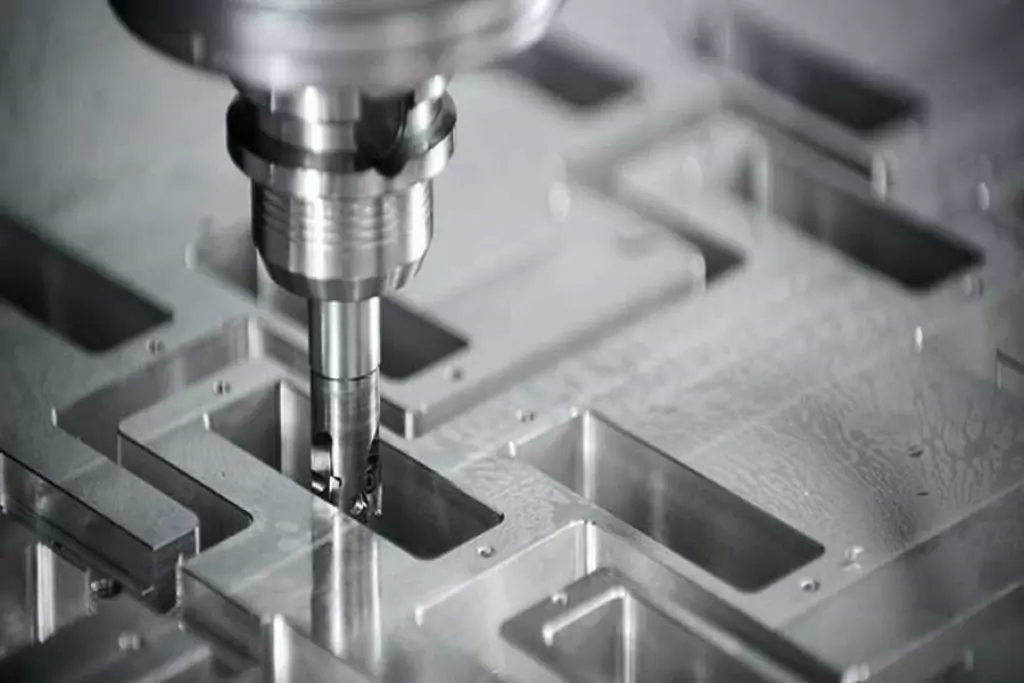
-
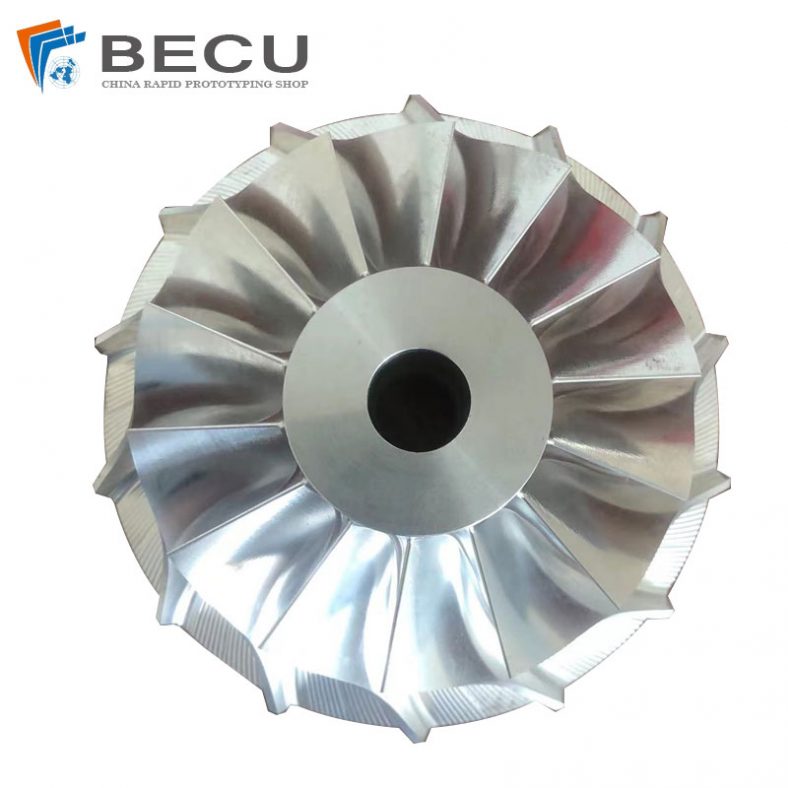
3-Way Centrifugal Compressor Closed Impeller By 5 Axis Machining
-
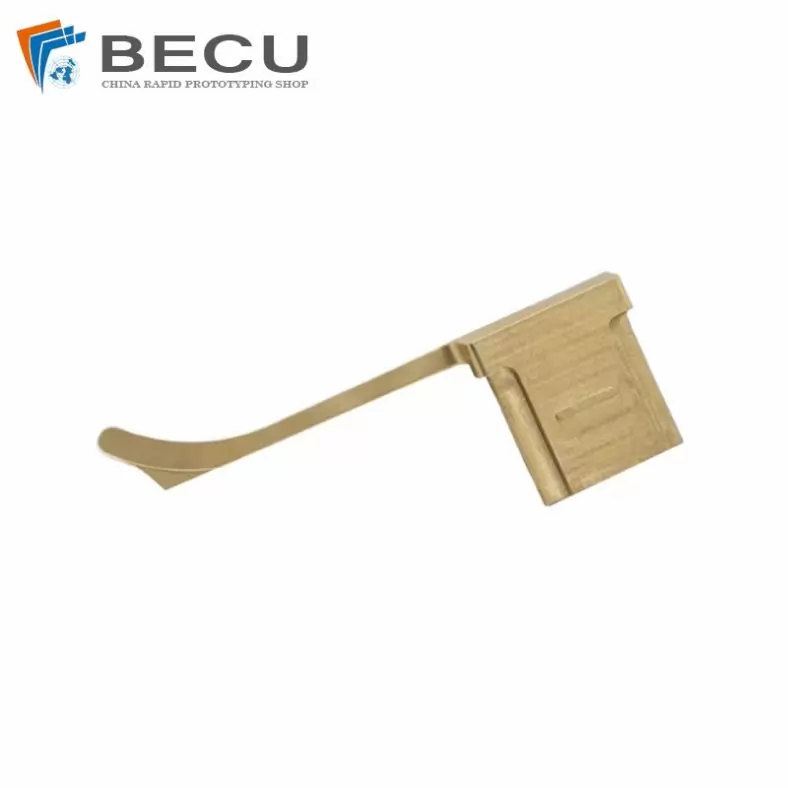
3/4/5 Axis Precision Milling Custom Vehicle Parts
-
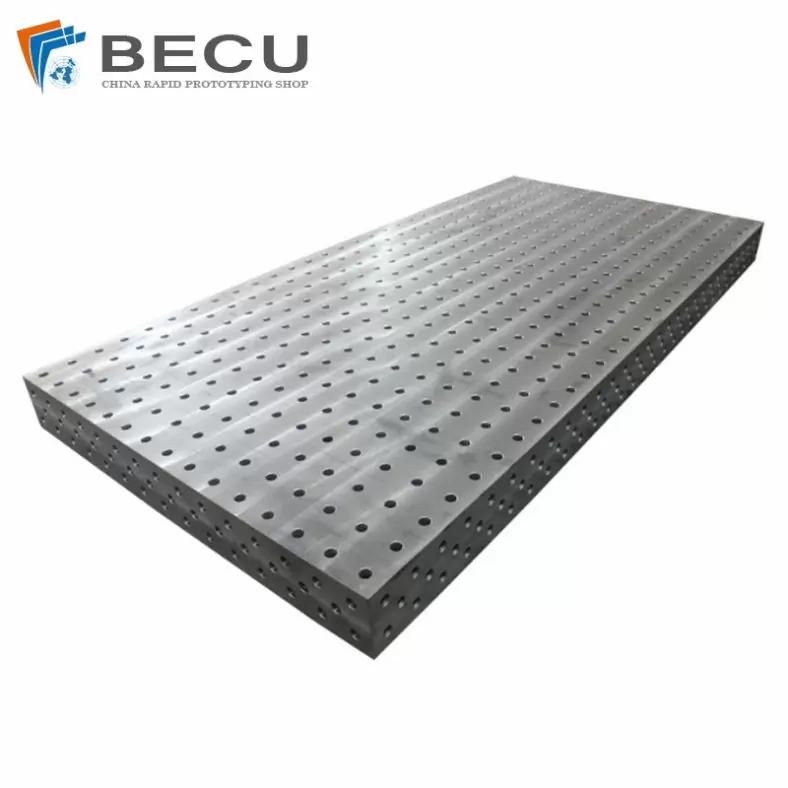
3D Flexible Welding Platform By Large Machining
-
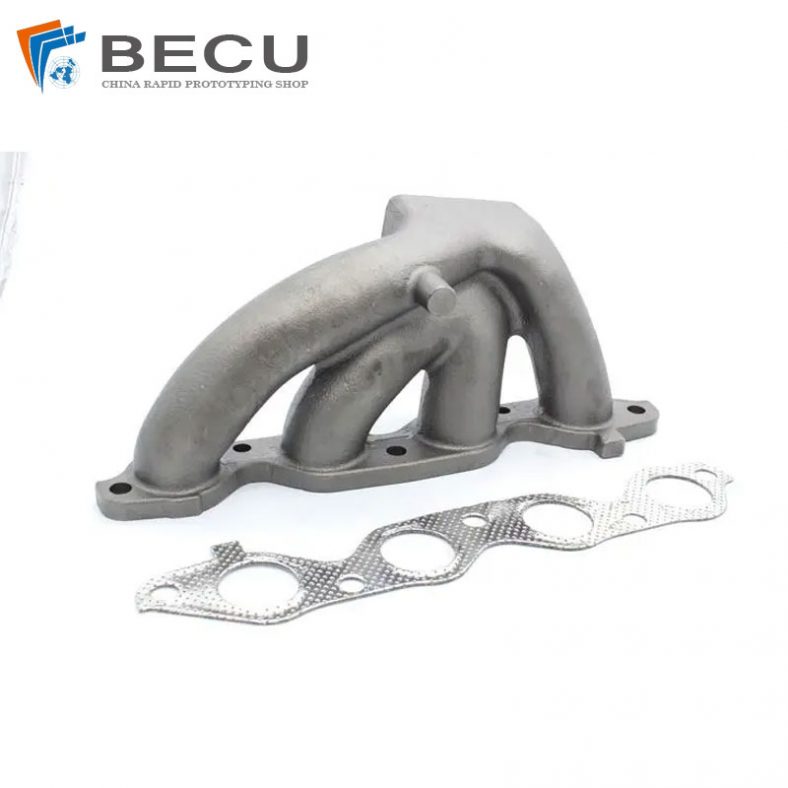
3D Printed Inconel Exhaust Manifold
-
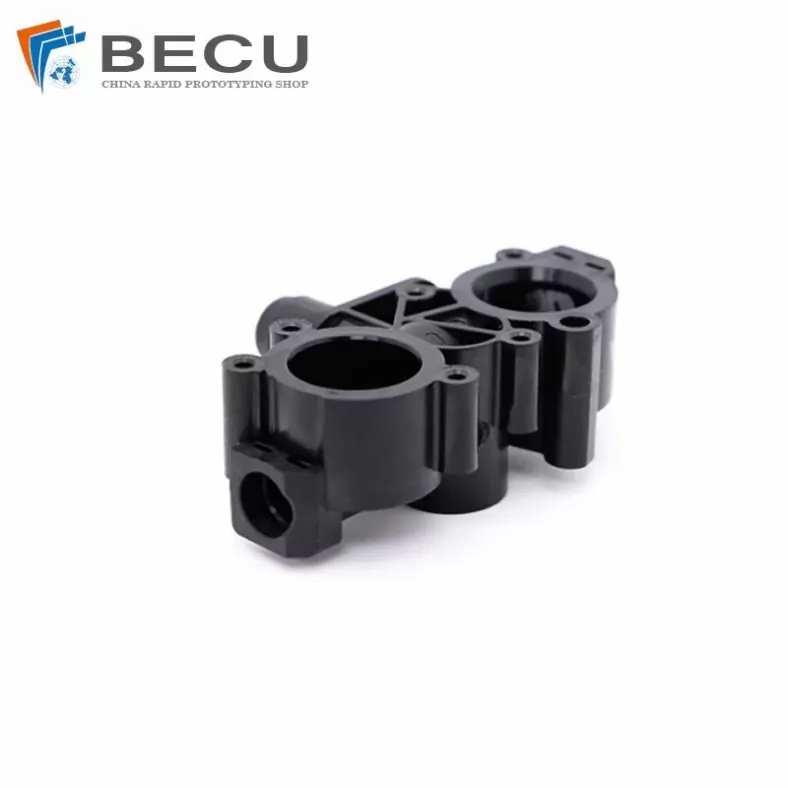
3D Printing And CNC Machining Custom Black PPS Valve
-
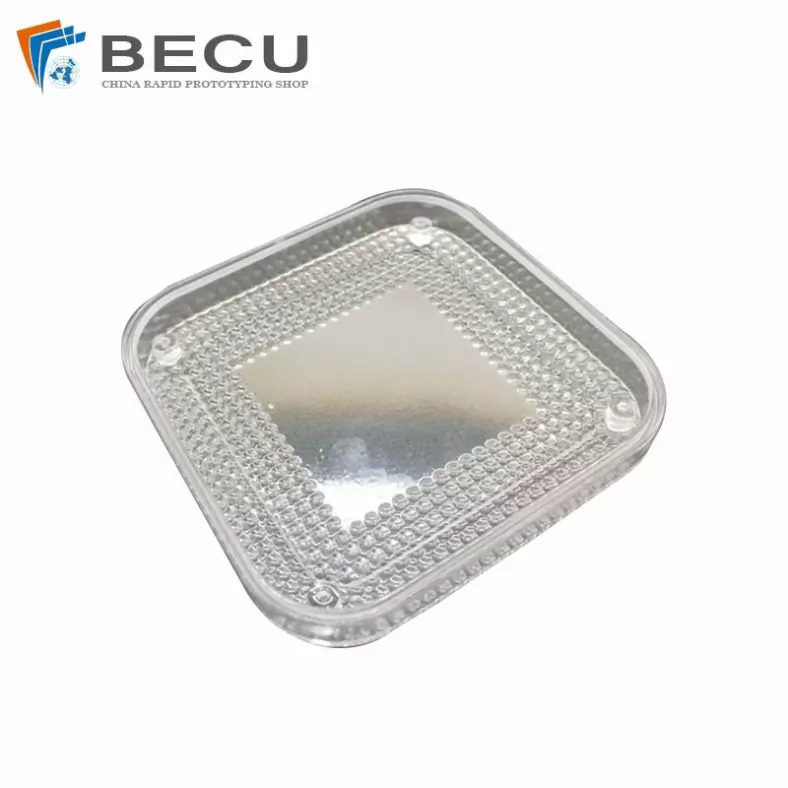
3D Printing Full Transparent Acrylic Lampshade Model
-
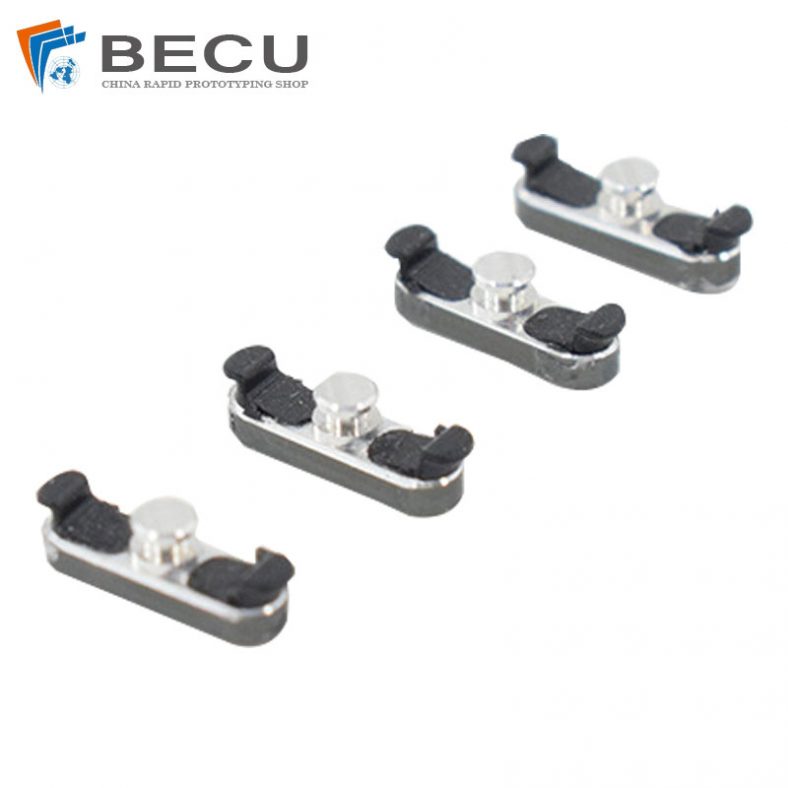
4 Axis CNC Machining Titanium Grade 5 Mobile Phone Buttons
-
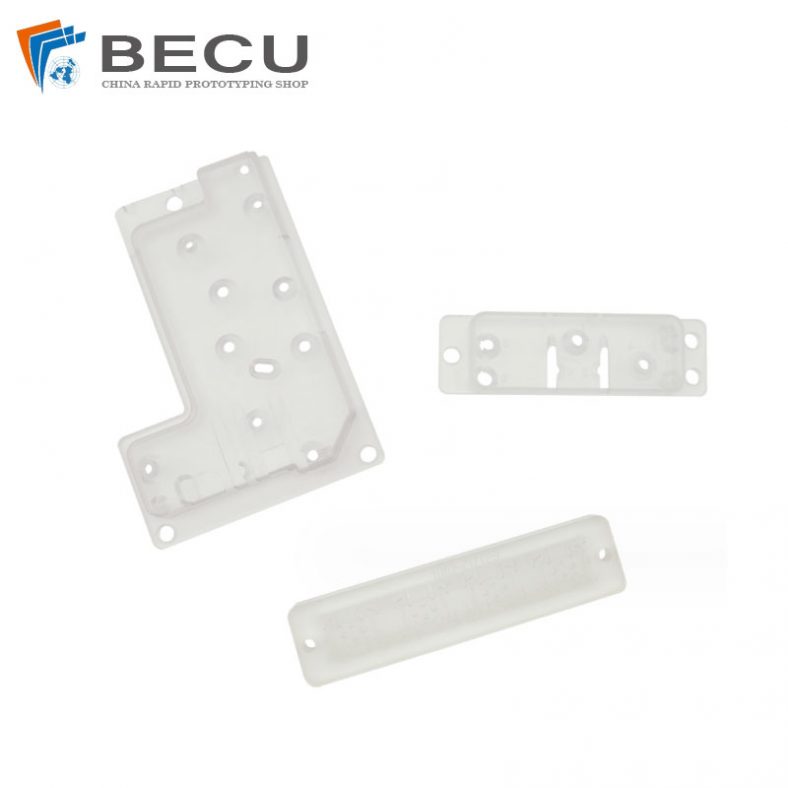
4 Axis Machining Highly Transparent Acrylic LED Tunnel Light Lens