
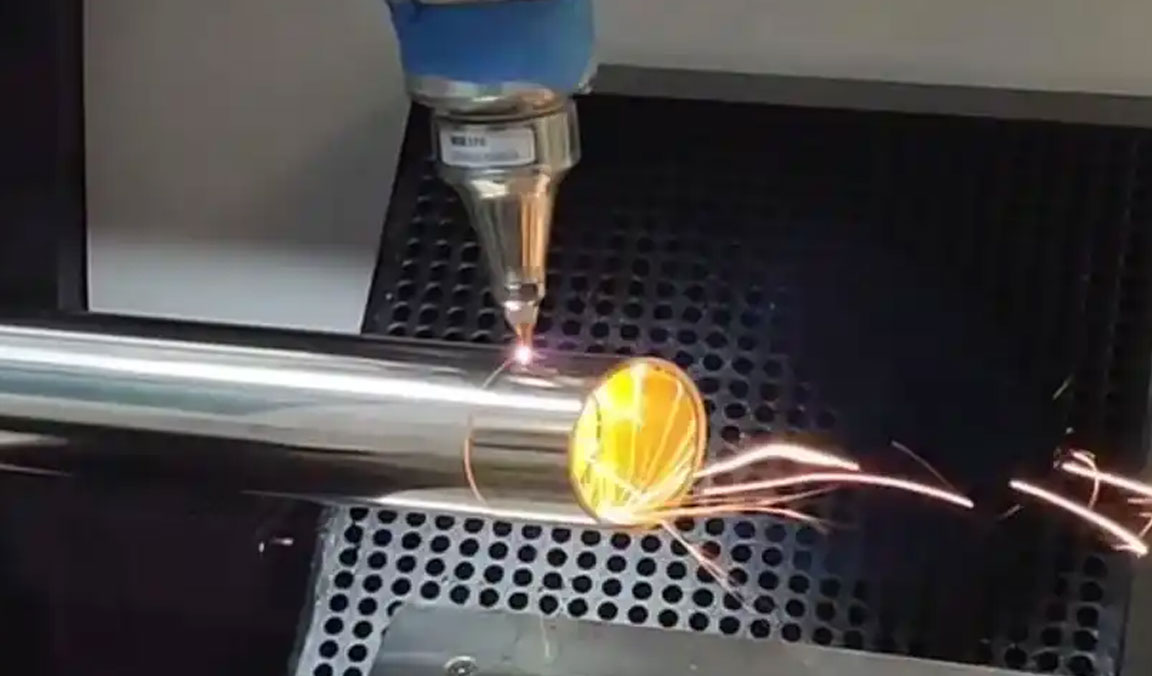
Laser cutting has become a cornerstone in modern manufacturing, especially for industries that require high precision and intricate designs, such as aerospace, automotive, medical, and electronics.
The process uses a focused laser beam to cut materials with extreme accuracy, leaving smooth, burr-free edges and reducing the need for additional finishing work. However, despite the undeniable advantages in terms of quality and speed, the cost of laser cutting can be a significant consideration for manufacturers, especially for large production runs or smaller companies with tight budgets.
In this article, we will explore the factors that influence laser cutting costs, focusing particularly on the cost per minute of laser cutting operations. We will break down the various elements involved in calculating the cost, including the type of laser cutting machine, the materials being cut, the complexity of the cut, energy consumption, labor, maintenance, and overhead costs. Additionally, we will delve into industry-specific nuances, pricing models, and provide insights into how businesses can optimize their laser cutting processes to achieve cost efficiency.
Laser cutting is a thermal-based cutting process that uses a focused laser beam to melt, burn, or vaporize material along a pre-programmed path. The laser is typically generated by a CO₂ or fiber laser, with the beam directed through mirrors or fiber optics to a cutting head. The material is fed into the cutting area, and the laser is controlled with high precision to create the desired cut.
The technology has evolved significantly since its inception, with advancements in laser power, beam quality, and cutting speed allowing for a broad range of materials, from metals to plastics, ceramics, and even wood.
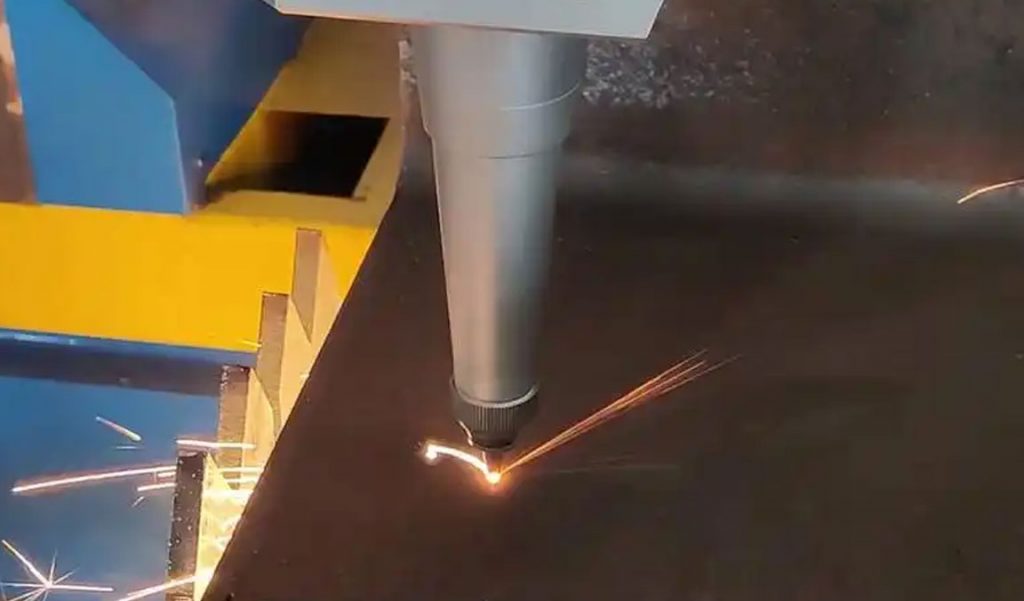
Laser cutting is renowned for its ability to produce highly precise cuts, especially in complex shapes or delicate materials. In addition to its precision, laser cutting is often preferred for its clean cuts, reducing the need for post-processing work, and its capacity for high-speed production.
The Cost of Laser Cutting: Factors at Play
The cost per minute of laser cutting is not a fixed value but is influenced by a variety of factors. Some of these factors include:
Type of Laser Cutting Machine
The first variable that affects the cost of laser cutting is the type of machine being used. Laser cutting machines come in different configurations, each with its own capabilities and cost structures. Common types include:
- CO₂ Lasers: These are the most commonly used lasers for cutting non-metallic materials and thin metals. They typically offer lower capital investment costs but might have higher operational costs due to energy consumption and slower cutting speeds compared to newer technologies.
- Fiber Lasers: Known for their higher efficiency and faster cutting speeds, fiber lasers have become increasingly popular for cutting metals like steel, aluminum, and titanium. These lasers tend to have higher upfront costs but lower operating costs over time due to their energy efficiency.
Material Being Cut
The type of material being processed is another key determinant in the cost per minute. Harder materials, such as stainless steel or titanium, require more power and slower cutting speeds, which increase both the time required for cutting and the overall energy consumed. On the other hand, softer materials like aluminum or plastics can typically be cut more quickly and with lower power settings, reducing the overall cutting time and cost.
Material Thickness
The thickness of the material being cut directly affects the cutting speed and the power required. For example, cutting through thicker steel requires more energy, which means the machine will work harder, and the cost per minute will increase. Thicker materials also tend to slow down the cutting process as more laser passes are required to achieve the desired cut. Consequently, the cost per minute rises with material thickness.
Cut Complexity
The complexity of the cuts being made can also have a substantial impact on the cost per minute. Intricate shapes, narrow features, or intricate etching require more time for the laser to trace the cutting path. Complex patterns often require slower cutting speeds to ensure the precision needed, which, in turn, increases the time the machine spends cutting. Simple, straight cuts or basic shapes can generally be cut faster, thus lowering the cost per minute.
Cutting Speed
Cutting speed is directly related to the efficiency of the laser machine and the thickness of the material. Faster cutting speeds generally reduce the time required to complete the task, thus lowering the cost per minute. The cutting speed is influenced by several factors, such as laser power, material type, and thickness, and it varies from one laser cutting machine to another.
Laser Power
The power of the laser is another key factor that influences the cost per minute. Higher-powered lasers allow for faster cutting, especially in thicker materials. However, higher power lasers typically consume more energy, which increases operational costs. The optimal laser power setting varies depending on the material and thickness being cut, so the cost per minute can fluctuate depending on the efficiency of power usage.
Labor Costs
While laser cutting machines are automated, labor still plays a role in the operation and setup of the machines. Skilled operators are needed to load the material, program the cutting paths, and monitor the process. Labor costs are typically factored into the cost per minute of the laser cutting process, although these costs can be reduced with highly automated systems that require less human intervention.
Machine Maintenance and Overhead
Regular maintenance is necessary to keep laser cutting machines in optimal working condition. Maintenance costs, which include routine servicing, parts replacement, and calibration, are often spread out over the total number of minutes the machine operates. Additionally, overhead costs such as facility rent, utilities, and insurance must be factored into the cost per minute, as they contribute to the overall cost of operation.
Energy Consumption
Laser cutting is an energy-intensive process, and the energy consumption varies depending on the type of laser, material, thickness, and cutting speed. Fiber lasers are more energy-efficient than CO₂ lasers, and this difference in energy consumption can significantly influence the cost per minute. For example, cutting thicker metals or using higher-powered lasers will require more energy, raising the overall cost.
Cost Calculations for Laser Cutting Per Minute
To determine the cost per minute of laser cutting, it is essential to account for all the factors discussed above. While the exact cost will depend on the specific circumstances of each job, a general approach can be outlined.
The formula for calculating laser cutting cost per minute is:
Cost per Minute=(Laser Power Cost+Material Cost+Labor Cost+Maintenance and Overhead)/Cutting Time
Laser Power Cost is the cost of electricity used by the laser machine, calculated by the power consumption of the laser and the local cost per kilowatt-hour.
Material Cost includes the cost of the material being cut, as well as any scrap or waste generated during the cutting process.
Labor Cost is the wage paid to the operator, multiplied by the time spent operating the machine.
Maintenance and Overhead includes a portion of the cost of maintaining the machine and operating the facility.
Cutting Time is the amount of time the machine actually spends cutting the material, which is influenced by factors such as material thickness and cut complexity.
For example, if a company has a fiber laser cutting machine that consumes 3 kW of power, cuts steel at 10 inches per minute, and operates for 60 minutes at a cost of $0.10 per kWh, the power cost per minute would be:
Laser Power Cost per Minute=3kW×0.10USD/kWh=0.30USD per minute
From here, the material cost, labor cost, and maintenance overhead would be added to determine the total cost per minute.
Laser Cutting Cost Optimization Strategies
- Efficient Use of Machine Time Maximizing machine uptime is essential to reducing the cost per minute. This can be achieved through proper job scheduling, minimizing downtime, and ensuring the machine is operating at peak efficiency. Automating certain processes, such as loading and unloading materials, can also help reduce the time spent per job.
- Material Selection and Optimization Selecting the right material for the job can impact both the speed of cutting and the overall cost. For example, using thinner materials can reduce cutting times and material waste. Additionally, optimizing the cutting paths to minimize waste and maximize material usage can contribute to cost savings.
- Laser Power Optimization Adjusting the laser power to match the material and thickness being cut can reduce energy consumption and improve cutting speed. However, finding the right balance between power and speed is key to maintaining high quality without sacrificing efficiency.
- Preventive Maintenance Regular maintenance helps prevent machine breakdowns, which can lead to unexpected downtime and increased repair costs. Establishing a preventive maintenance schedule can extend the lifespan of the equipment and reduce overall operational costs.
- Outsourcing Laser Cutting Jobs Small businesses or companies with occasional laser cutting needs may find it more cost-effective to outsource their cutting jobs rather than investing in their own machines. Outsourcing allows companies to pay only for the cutting time they use, without the need to cover the high upfront and operational costs of owning a laser cutting machine.
Conclusion
The cost per minute of laser cutting is influenced by multiple factors, including machine type, material, thickness, complexity of the cut, labor, and overhead costs. By carefully considering these factors and implementing strategies to optimize the process, businesses can reduce their laser cutting costs and improve efficiency. Whether it is selecting the appropriate laser, optimizing cutting parameters, or investing in advanced technology, understanding the key cost drivers in laser cutting is essential for businesses looking to remain competitive in today’s fast-paced manufacturing environment.
The Detail Of BE-CU Laser Cutting Company
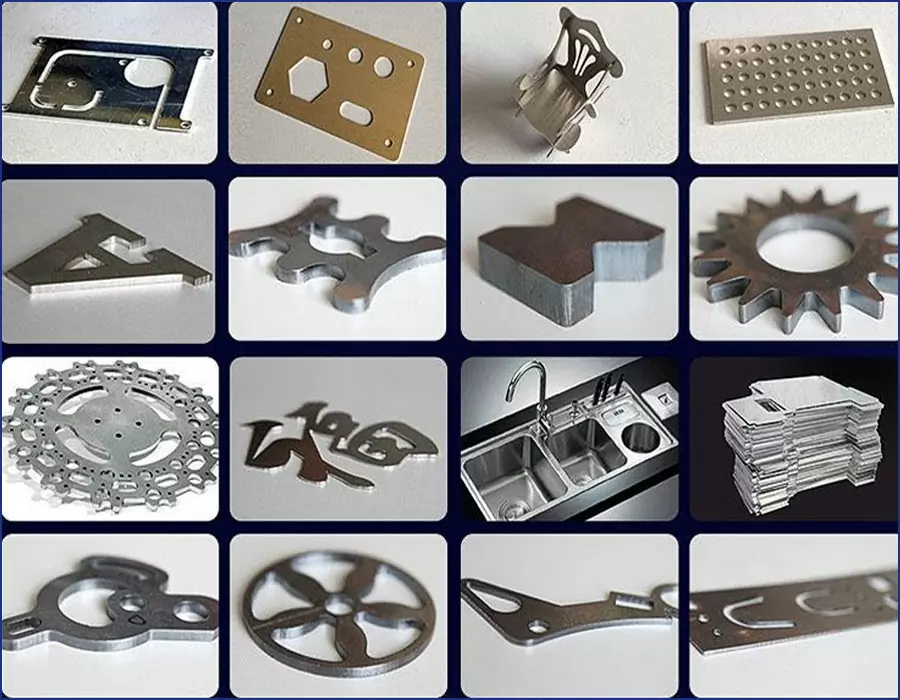
BE-CU.COM Laser Cutting provides services to a wide network of industries and markets. BE-CU is uniquely positioned to Laser Cut, Laser Engrave, Precision CNC Machine and Precision Finish Grind parts and components.We use large format industrial laser cutting machines that are extremely precise with up to .001” tolerance. Not only we cut and engrave your project, we are ready to answer any questions you may have about the process and give you expert advice.
So, reach out even if you’re unsure of your specific need or if you think you may require a different type of manufacturing service(as laser cutting medical parts). Laser cutting service by BE-CU makes ordering your parts simple. Just upload your CAD files onto the platform for an instant price and lead time. Our mission is to save engineers’ time for value-adding activities.
-
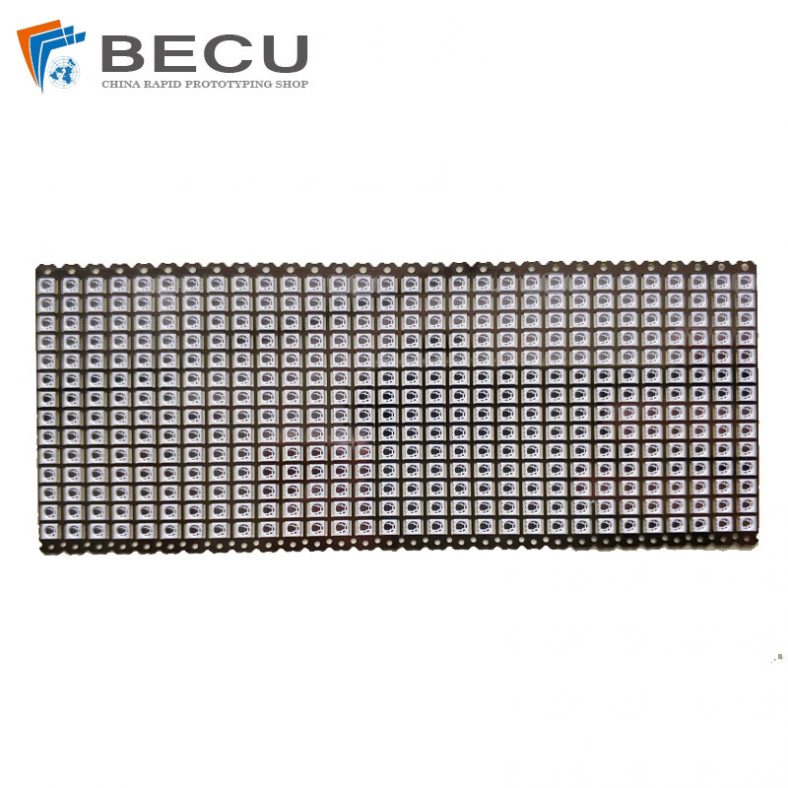
Etching LED EMC Packaging Bracket
-
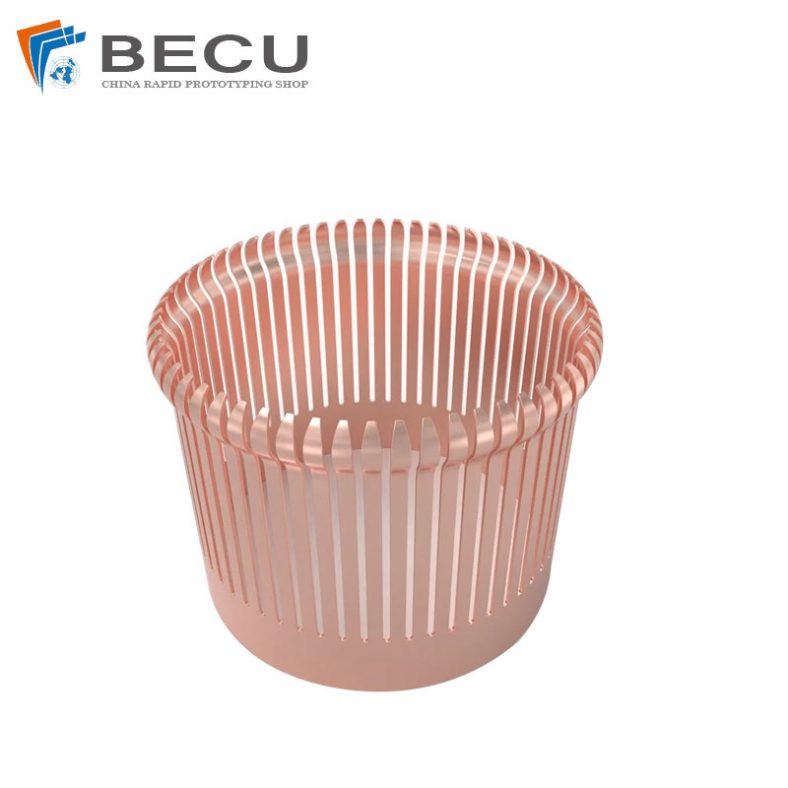
Etching Low Resistivity Copper 110 Contact Rings
-
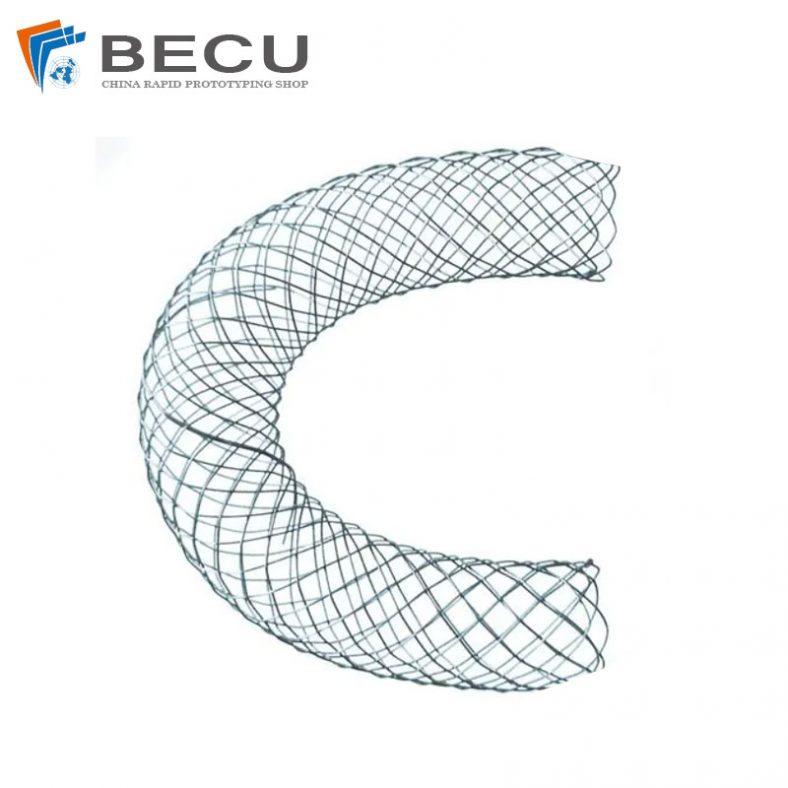
Laser Cut Nitinol Stent For Bile Duct
-
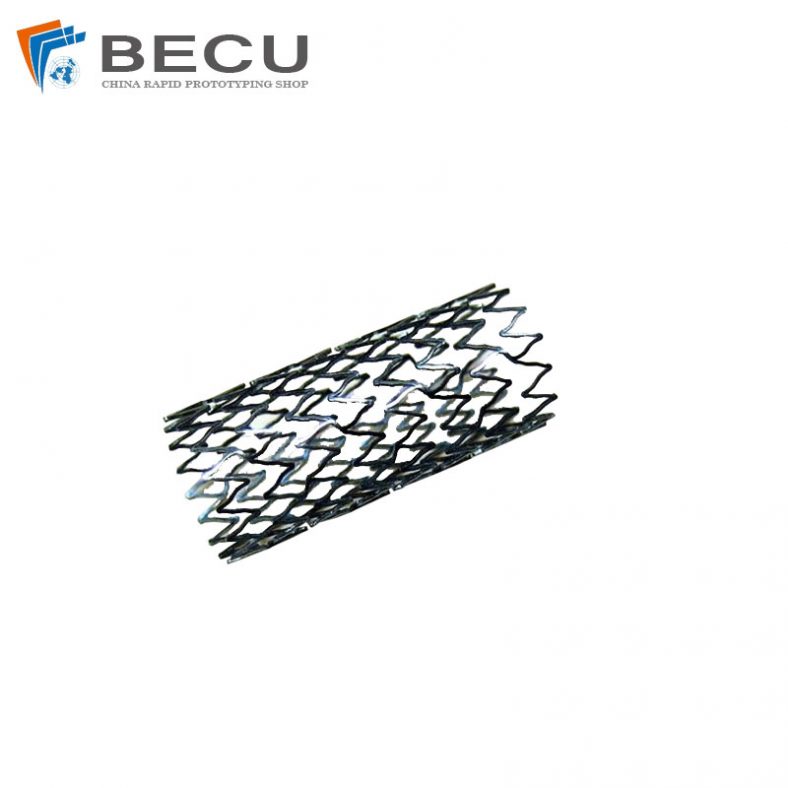
Stents For Carrying Valves And Venous Valve Replacement Devices
-
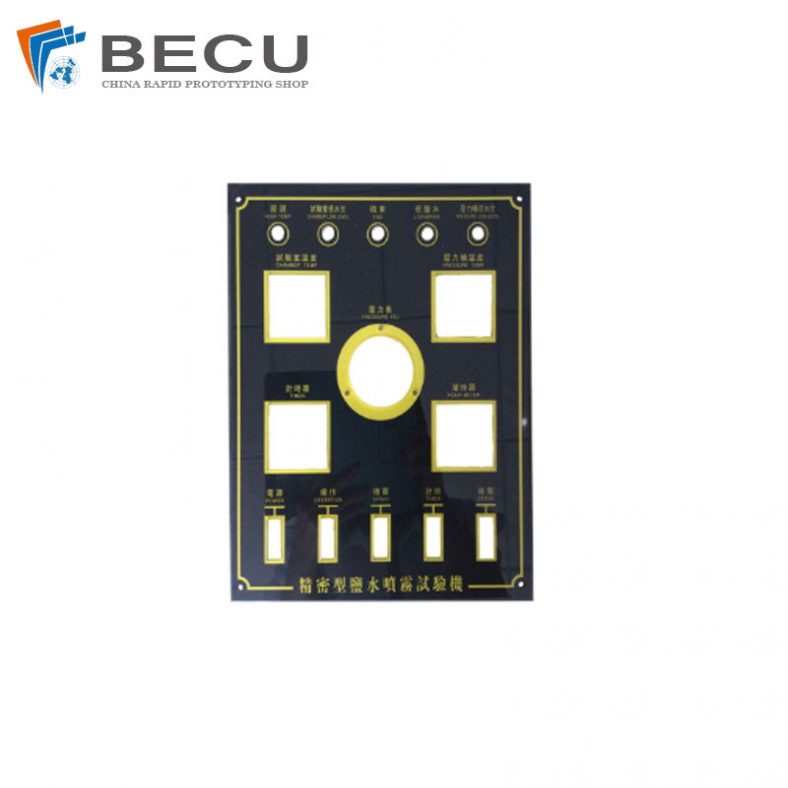
Laser Cutting PC Anti-Static Membrane Switch
-
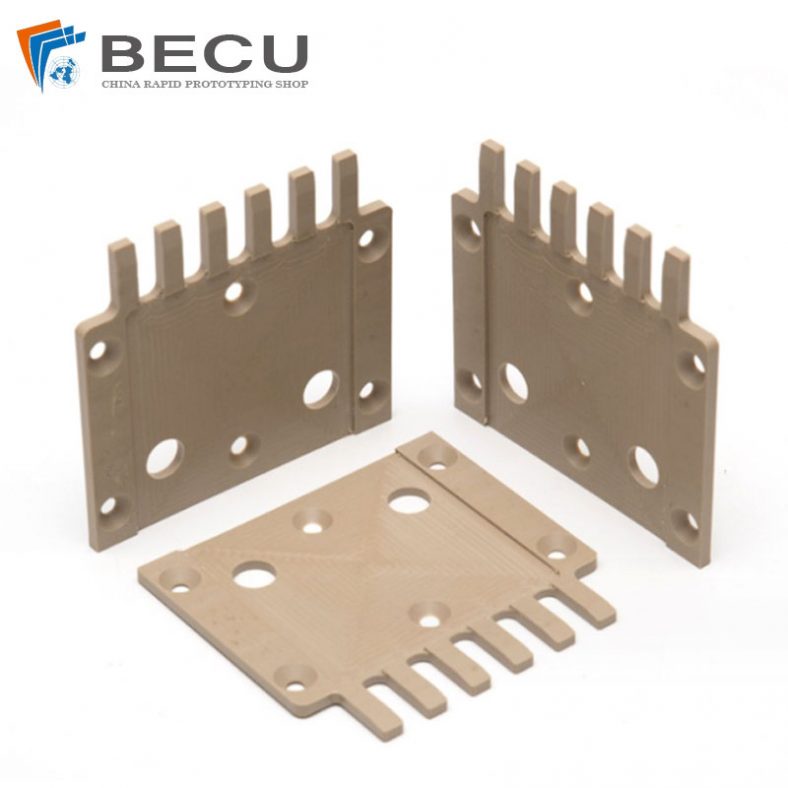
Precision Engraving Special-Shaped Natural Color PEEK Parts
-
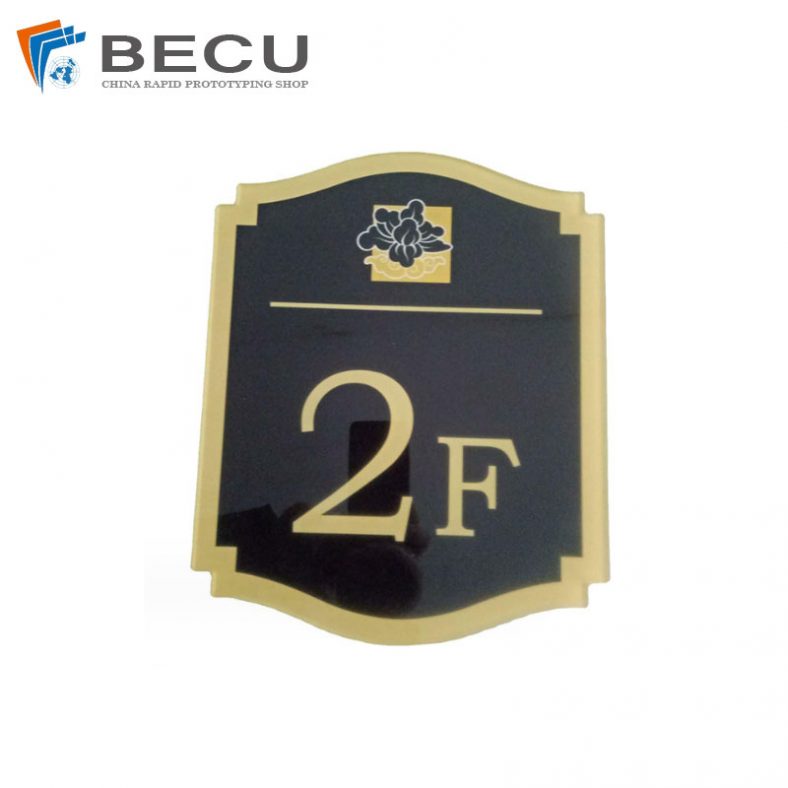
Acrylic Laser Cut Signs
-

Acrylic Laser Cut Earrings