
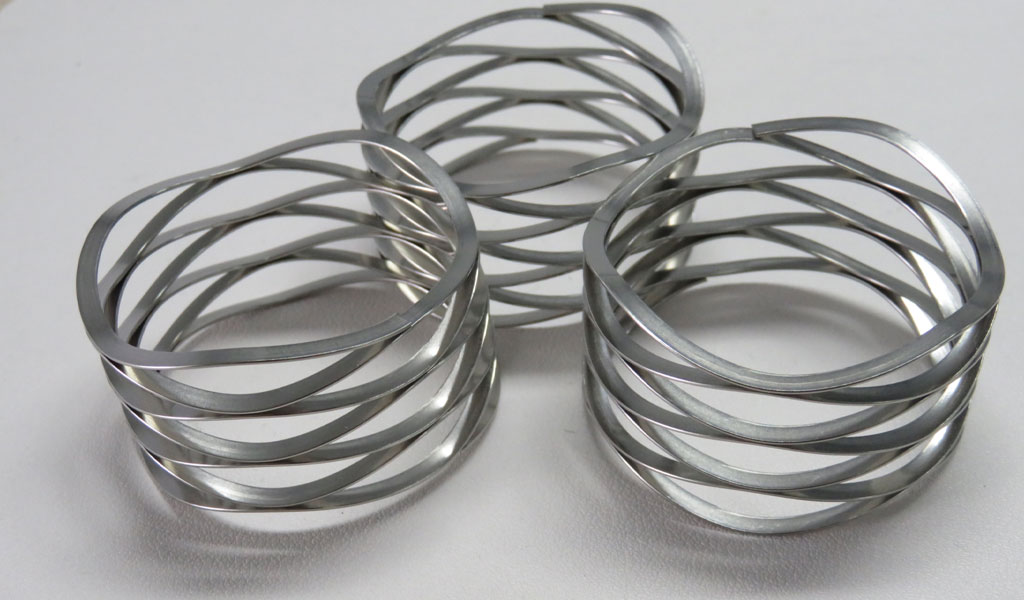
Elastomeric components are critical to a vast array of industries, including automotive, aerospace, medical, and consumer goods, owing to their unique material properties such as flexibility, resilience, and the ability to return to their original shape after deformation.
These materials, commonly referred to as elastomers, are polymers that exhibit rubber-like elasticity and are typically used in components such as seals, gaskets, hoses, diaphragms, and various molded parts. The manufacturing of elastomeric components involves a range of processes tailored to meet the performance and durability requirements of specific applications.
Materials Used in the Manufacturing of Elastomeric Components
Elastomeric components are typically made from synthetic rubbers or natural rubber, both of which have distinct characteristics that make them suitable for different applications. Natural rubber, also known as latex, is derived from the sap of rubber trees, while synthetic elastomers are produced from petroleum-based monomers. Some of the most common elastomers include:
- Nitrile Butadiene Rubber (NBR): Known for its resistance to oils, fuels, and other hydrocarbons, NBR is commonly used in seals, gaskets, and fuel system components in the automotive and aerospace industries.
- Silicone Rubber: Valued for its heat resistance, flexibility, and biocompatibility, silicone rubber is often used in medical devices, food processing applications, and high-temperature seals.
- Ethylene Propylene Diene Monomer (EPDM): Known for its weathering resistance, EPDM is commonly used in automotive weather seals and roofing membranes.
- Fluorocarbon Rubber (FKM): This class of materials includes materials such as Viton®, which offers excellent resistance to high temperatures and chemicals, making it ideal for sealing components in aggressive environments.
- Polyurethane (PU): Polyurethane elastomers are noted for their wear resistance and high tensile strength, making them suitable for applications requiring durability, such as bushings, seals, and wheels.
- Neoprene (CR): Offering good weather, ozone, and oil resistance, neoprene is often used in seals, hoses, and gaskets in industrial environments.
Each elastomer has unique chemical, thermal, and mechanical properties that influence the manufacturing process and the final product’s performance. These materials are selected based on specific end-use requirements, which dictate properties such as compression set, tensile strength, chemical resistance, and flexibility.
Manufacturing Processes for Elastomeric Components
The production of elastomeric components generally involves processes that can accommodate the material’s flow characteristics, molding requirements, and cross-linking mechanisms. Several manufacturing methods are used, each suited to different forms, volumes, and performance characteristics required by the component. The most common manufacturing processes for elastomeric components include injection molding, compression molding, transfer molding, extrusion, calendaring, and dip molding.
Injection Molding
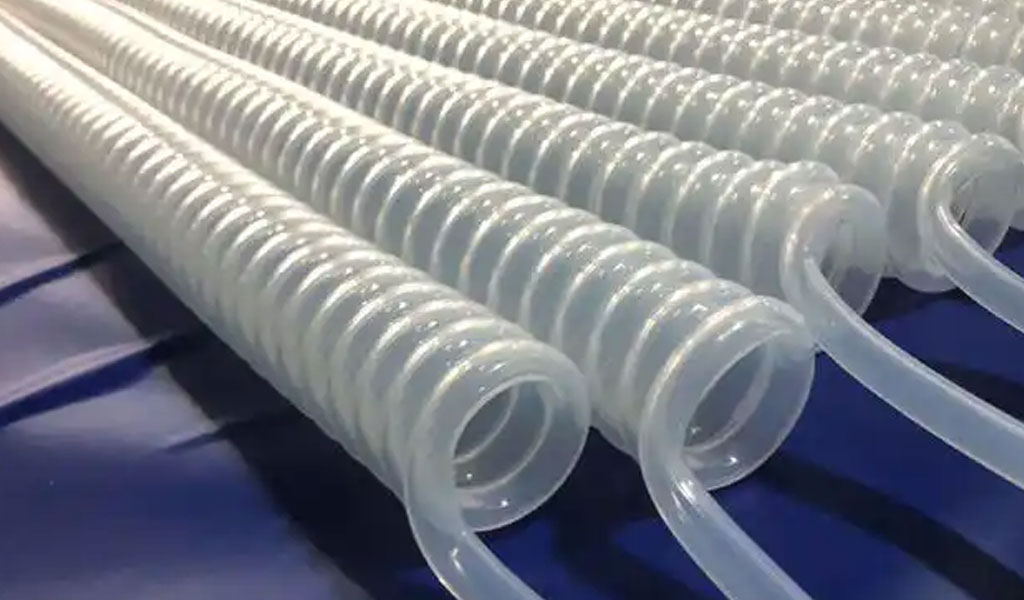
Injection molding is one of the most widely used manufacturing techniques for elastomeric components, especially for high-volume production. In this process, elastomeric material is fed into a heated barrel, where it is melted and then injected into a mold cavity under high pressure. The mold is cooled, and the component is ejected.
The advantages of injection molding for elastomers include:
- Precision: High accuracy in terms of component dimensions and surface finish.
- High Production Rate: Efficient for large-scale production of identical parts.
- Complex Geometries: Capable of producing intricate designs and fine details, including undercuts, with ease.
Injection molding is commonly used for producing seals, gaskets, O-rings, and other small elastomeric components.
Compression Molding
Compression molding is another common method for producing elastomeric components, particularly when dealing with thick or large parts. In this process, a pre-measured amount of elastomeric material is placed into an open, heated mold cavity. The mold is then closed, and pressure is applied to shape the component. The material is allowed to cure (cross-link), and the mold is opened to remove the finished part.
The benefits of compression molding include:
- Low Initial Tooling Cost: Suitable for low to medium production volumes due to lower mold costs compared to injection molding.
- Versatility: Effective for a wide range of elastomeric materials, including those with high viscosity.
- Ideal for Large Parts: Compression molding is often used to manufacture large, thick-walled elastomeric components like seals, gaskets, and bushings.
Transfer Molding
Transfer molding combines elements of both injection and compression molding. The elastomeric material is placed in a pot, and as the mold is closed, material is transferred into the mold cavity under pressure. The transfer process allows for the production of more complex shapes than compression molding but at a lower cost than injection molding. It is particularly useful for components that require precise dimensional control and can be used to produce parts with inserts or metal reinforcements.
The key benefits of transfer molding include:
- Particular for Small and Medium Volume Production: Ideal for prototyping and low to medium volume runs.
- Incorporation of Inserts: Transfer molding is suitable for embedding inserts or other reinforcing materials in the elastomeric component.
- Versatility in Material Selection: Suitable for a range of elastomeric materials, including thermoset rubbers.
Extrusion
Extrusion is commonly used to manufacture continuous elastomeric profiles or parts with uniform cross-sections. The process involves forcing elastomeric material through a die to form a specific shape. After extrusion, the material is typically cured in a hot air or steam oven to cross-link and harden the rubber.
The advantages of extrusion include:
- High Throughput: Suitable for producing long, continuous parts, such as seals, gaskets, tubing, and weatherstripping.
- Low Material Waste: The extrusion process is highly efficient, minimizing material waste compared to other methods.
- Customization of Profiles: Extrusion allows for precise control over the dimensions of the part, making it ideal for custom profiles and specialized components.
Calendaring
Calendaring is a process used to produce thin sheets or films of elastomeric material. The material is passed through a series of rollers that compress and shape it into the desired thickness. Calendaring is primarily used for producing rubber sheets, films, and coatings, which can be further processed into finished components by other methods such as cutting, die cutting, or laminating.
Calendaring is particularly advantageous for:
- Uniform Thickness: The process ensures consistent thickness and smooth surfaces.
- Large Surface Area Components: Ideal for producing large sheets of elastomeric material used in flooring, roofing, and industrial applications.
Dip Molding
Dip molding is used to create hollow elastomeric components by immersing a mold in liquid elastomer. The mold is heated, and the elastomer is allowed to coat the mold, then cured to form the component. This process is commonly used for producing elastomeric coatings or protective covers, such as grips, handles, and protective boots.
Dip molding is particularly useful for:
- Coating Small Parts: Ideal for creating protective coatings on metal or plastic components.
- Low-Cost Tooling: Typically requires simpler molds and lower capital investment than other molding methods.
Curing and Cross-Linking in Elastomeric Manufacturing
One of the defining characteristics of elastomeric materials is their ability to undergo a curing or cross-linking process that imparts the rubber-like elasticity. Curing is a chemical reaction in which polymer chains are linked together, forming a three-dimensional network that gives the elastomer its strength, flexibility, and durability. There are several methods of curing elastomeric materials, including:
Vulcanization
Vulcanization, the most common form of curing for elastomers, involves heating the elastomeric material with sulfur, creating cross-links between the polymer chains. This process increases the material’s resilience, tensile strength, and resistance to wear and aging. Vulcanized elastomers are used in a wide range of applications, from tires to seals and gaskets.
Electron Beam Curing
Electron beam curing is a process in which high-energy electrons are directed at the elastomeric material, causing cross-linking to occur without the need for heat or chemical accelerators. This process is particularly useful for heat-sensitive materials that cannot undergo traditional vulcanization.
Thermoplastic Vulcanizates (TPVs)
Thermoplastic vulcanizates (TPVs) combine the properties of thermoplastic materials with the durability and elasticity of vulcanized rubber. TPVs are created by dynamically vulcanizing a blend of rubber and thermoplastic resin, resulting in a material that can be processed using conventional thermoplastic processing techniques like injection molding and extrusion.
Quality Control and Testing of Elastomeric Components
To ensure the performance and reliability of elastomeric components, rigorous quality control and testing are essential. Several standard tests are performed to assess the material properties and ensure that the components meet the required specifications. These tests include:
- Tensile Testing: Measures the strength of the elastomer under tension and helps determine its suitability for high-stress applications.
- Compression Set Test: Assesses the material’s ability to return to its original shape after compression, which is critical for seals and gaskets.
- Hardness Testing: Used to measure the material’s resistance to indentation, which affects its wear resistance and elasticity.
- Chemical Resistance Testing: Evaluates the elastomer’s ability to withstand exposure to various chemicals and solvents.
- Aging and Weathering Tests: Simulate the effects of long-term exposure to heat, light, and environmental conditions to assess the material’s durability.
Conclusion
The manufacturing of elastomeric components involves a range of techniques and processes designed to produce parts that meet specific performance, durability, and cost requirements. From injection molding and extrusion to compression molding and dip molding, each process offers advantages for different types of components, volumes, and material characteristics. The selection of the appropriate manufacturing method depends on factors such as the complexity of the part, production volume, material properties, and the specific application requirements. As industries continue to demand higher performance and more versatile elastomeric components, advancements in material science and manufacturing techniques will play a critical role in driving innovation and meeting the challenges of future applications.
The Detail Of BE-CU Plastic Injection Company
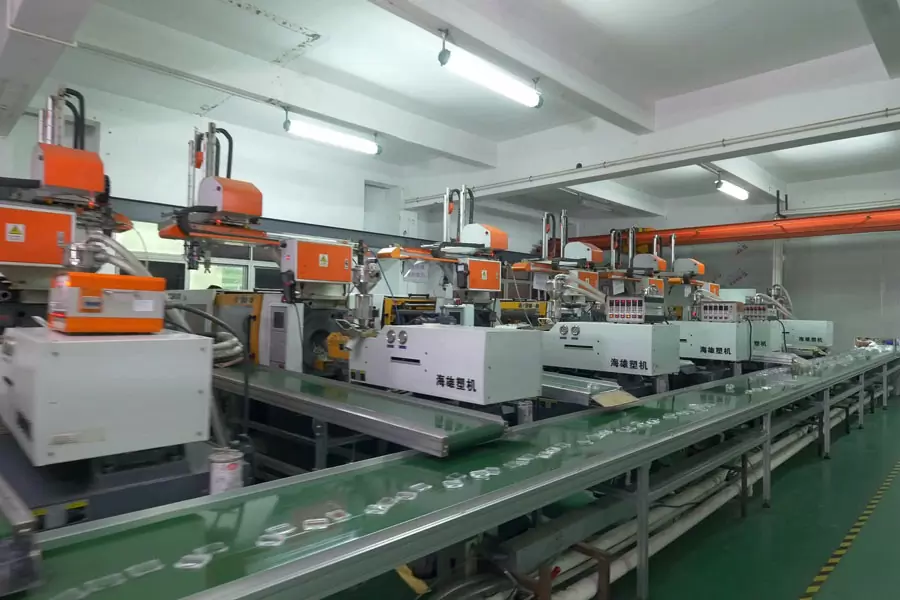
The core cooperative injection molding supplier has twelve 50T-200T injection molding machines, all of which are equipped with manipulators, mold temperature controllers, automatic assembly lines, and dust-free purification workshops. There are 4 automatic production lines in the oil spraying department: one 10,000-level automatic spraying production line (two sprays and two baking), 1 production line (one spray and one baking); 1 manual spraying production line, with a daily output of 150,000 pieces above. With brand-new professional technology, with an environmentally friendly anti-static, fully air-conditioned, dust-free workshop, the working environment is superior, the production equipment is complete, and the product testing equipment is perfect. Need mold making supplies for large quantities of production parts? Looking for a more cost effective and time efficient way of manufacturing parts? Don’t miss our injection molding services! At be-cu.com, we provide high quality and affordable injection molding for prototypes and production parts with quick turnaround times.
-

5 Axis CNC Machining Spiral Bevel Gear Mold
-
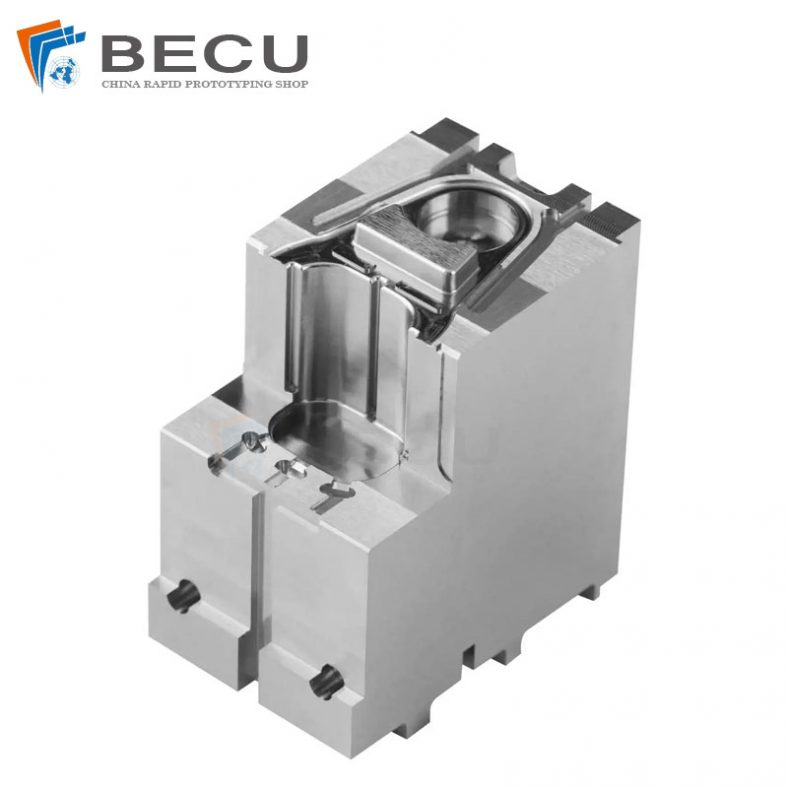
Small Precision Injection Molding Inserts
-
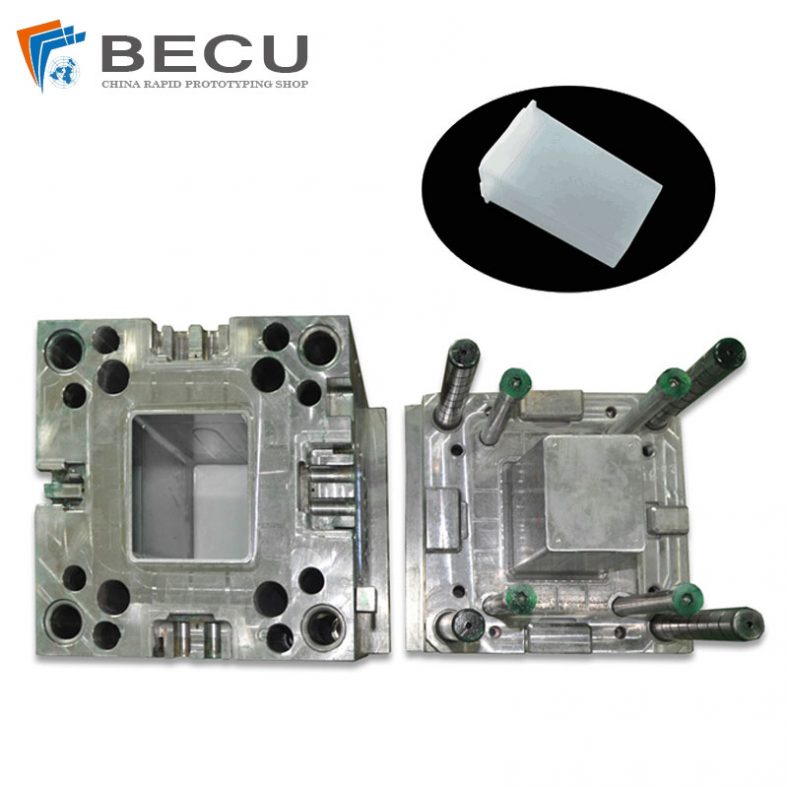
Plastic Storage Box Plastic Injection Mold
-
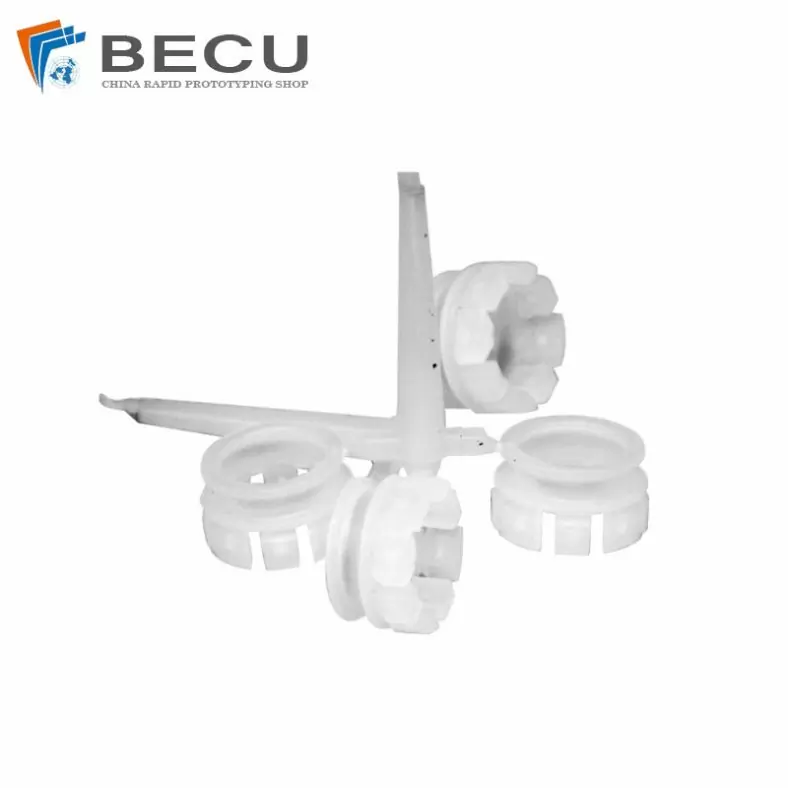
Injection Molding PE-UHMW Retaining Buckle And Ring
-
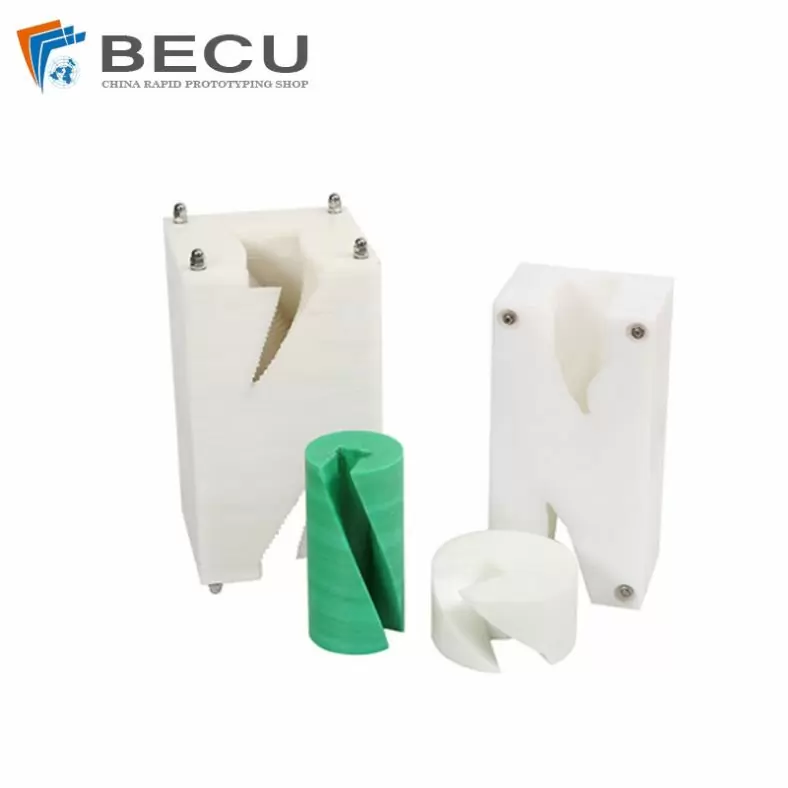
Cnc Machined UHMW-PE Bottle Turner
-
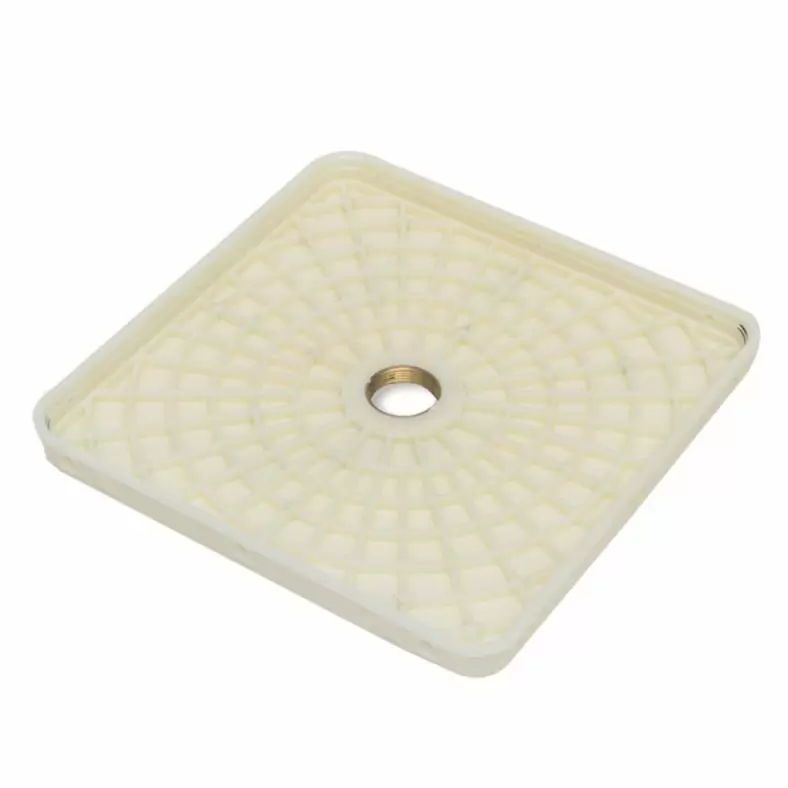
Shower Inclosure Sleeve By Plastic Injection
-
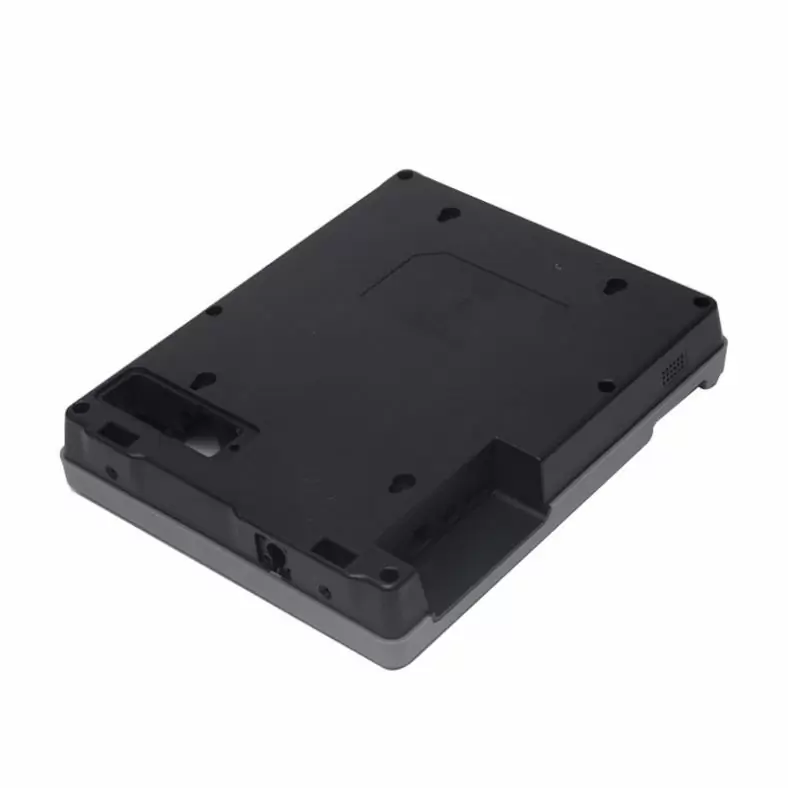
Injection Secret Security Machine Control Shell
-
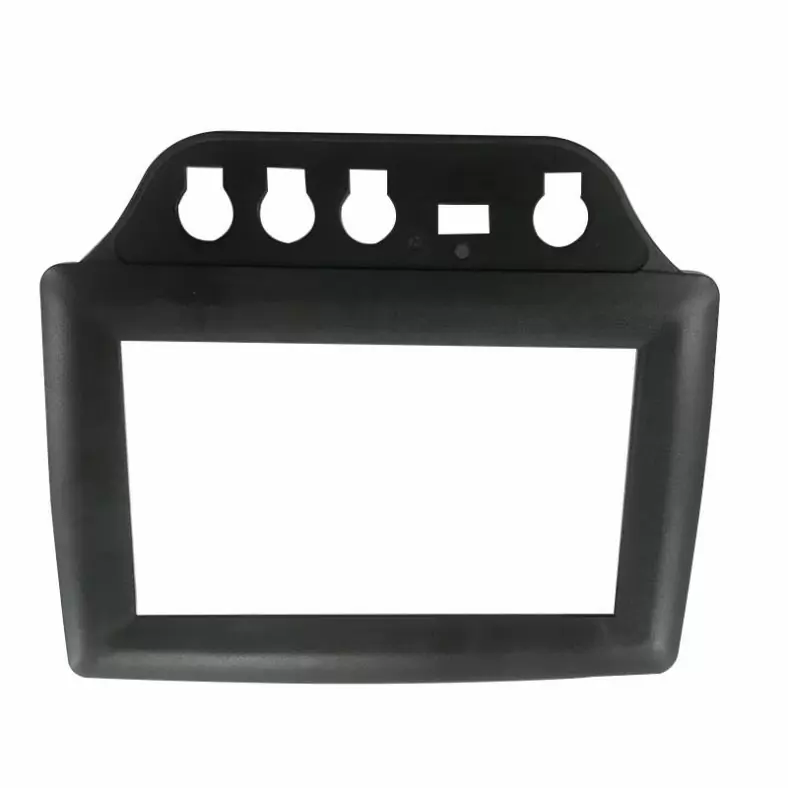
Sewing Machine Industrial Control Shell By Plastic Injection