
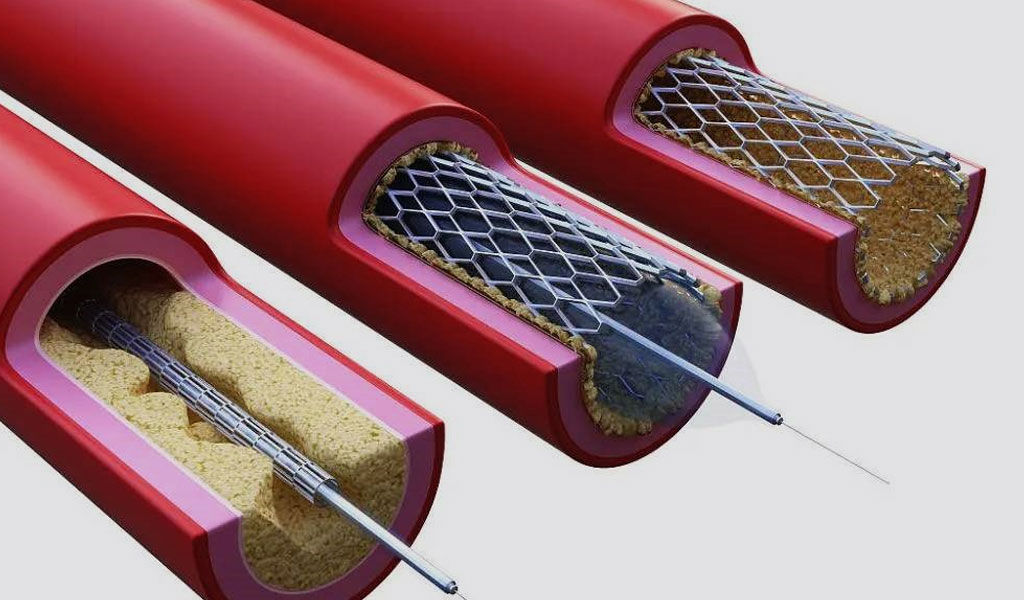
Medical stents are small, expandable devices used to maintain the patency of blood vessels or other anatomical passageways. These devices play a crucial role in the treatment of a variety of medical conditions, such as coronary artery disease, peripheral artery disease, and biliary or urethral obstructions. Stents can be used to restore the flow of blood, bile, or urine through the affected passageways. The manufacturing of medical stents is a complex and highly regulated process that involves various materials and techniques to ensure that the final product meets stringent safety and performance requirements.This article explores the different methods used to manufacture medical stents, focusing on the materials, design considerations, and the manufacturing processes employed in their production.
What Is Medical Stents
A medical stent is a tube-like device that is inserted into a passageway, such as an artery or duct, to keep it open. Stents are commonly used in procedures such as angioplasty, where they are inserted into arteries to maintain blood flow, especially in cases where the artery has been narrowed due to atherosclerosis. Stents are also used in urological, biliary, and gastrointestinal procedures to prevent blockages.
Types of Stents
Medical stents are broadly classified into several categories based on their application and materials. The most common types include:
- Coronary Stents: Used to treat coronary artery disease by keeping narrowed or blocked coronary arteries open.
- Peripheral Stents: Used in the arteries outside the heart, such as those in the legs, to treat peripheral artery disease.
- Urological Stents: Inserted into the ureter or urethra to prevent obstruction in the urinary tract.
- Biliary Stents: Used to keep bile ducts open, usually in cases where tumors or other conditions cause obstructions.
- Gastrointestinal Stents: Deployed in the esophagus, small intestine, or colon to maintain the patency of these structures.
Stents can be further categorized based on their material and functionality, such as bare-metal stents (BMS), drug-eluting stents (DES), and biodegradable stents.
Importance of Stents in Modern Medicine
The development of medical stents has revolutionized the treatment of various diseases. Coronary artery disease, which leads to heart attacks, can now be treated more effectively and less invasively with the use of coronary stents. Similarly, stents used in peripheral arteries, bile ducts, and the urinary system have greatly improved patient outcomes by reducing the need for invasive surgeries. Drug-eluting stents have further enhanced patient care by delivering therapeutic agents directly to the affected area, reducing the risk of restenosis.
Materials Used in Stent Manufacturing
The selection of materials is a critical aspect of stent design and manufacturing. The materials used must meet a number of stringent requirements, including biocompatibility, mechanical strength, flexibility, and corrosion resistance.
Metallic Materials For Stent Manufacturing
Metals are the most commonly used materials in the production of stents due to their strength, durability, and ability to be expanded without fracturing. The most frequently used metals include:
- Stainless Steel: One of the earliest materials used in stent manufacturing, stainless steel is strong, corrosion-resistant, and biocompatible.
- Cobalt-Chromium Alloys: These alloys offer better flexibility and strength compared to stainless steel, making them ideal for thinner stent designs.
- Platinum-Chromium Alloys: Known for their radiopacity, which makes them more visible on imaging, these alloys are useful for stents that require precise placement.
- Nitinol (Nickel-Titanium Alloys): Nitinol is a shape-memory alloy that allows stents to return to their pre-set shape after deformation. This material is highly flexible and is often used in self-expanding stents,the process is nitinol laser cutting.
Polymeric Materials For Stent Manufacturing
Polymeric stents are gaining attention due to their biodegradable properties. These materials can dissolve or be absorbed by the body over time, reducing the long-term risks associated with permanent implants. Common polymeric materials used include:
- Polylactic Acid (PLA): A biodegradable polymer that breaks down into lactic acid, which is absorbed by the body.
- Polycaprolactone (PCL): Another biodegradable polymer with a slower degradation rate compared to PLA, making it suitable for stents that need to remain in place for a longer period.
- Polyethylene Terephthalate (PET): PET is commonly used in balloon-expandable stents due to its flexibility and strength.
Drug Coatings For Stent Manufacturing
In drug-eluting stents (DES), the stent surface is coated with drugs that help prevent restenosis, a condition where the artery narrows again after stent placement. These drugs are typically anti-proliferative agents, such as:
- Sirolimus: An immunosuppressant that helps prevent excessive cell proliferation at the stent site.
- Paclitaxel: A chemotherapy drug that inhibits cell division and is used to prevent smooth muscle cell proliferation.
The drug coating is typically applied to the stent surface using techniques such as dip-coating or spray-coating, ensuring even and controlled drug release.
Design Considerations for Medical Stents
The design of a medical stent must take into account several factors to ensure that it functions effectively and safely. Key considerations include stent geometry, flexibility, radial strength, and surface finish.
Stent Geometry
The geometry of the stent is a critical factor that affects its flexibility, strength, and overall performance. Common stent designs include:
- Slotted Tube Design: Involves creating small slots or openings in a tube, allowing it to expand when deployed. This design is common in coronary stents.
- Wire Mesh Design: Made from woven metal wires, wire mesh stents are typically used in peripheral arteries and other non-coronary applications.
- Helical Design: A coiled or helical design provides increased flexibility and kink resistance, making it ideal for use in tortuous arteries.
The pattern and arrangement of the stent’s struts determine its radial strength, flexibility, and expansion characteristics.
Radial Strength and Flexibility
Radial strength refers to the stent’s ability to resist compressive forces and maintain its shape once deployed. A stent must be strong enough to keep the vessel open, yet flexible enough to conform to the natural curves of the vessel. The choice of materials and the stent’s design both play crucial roles in achieving the right balance between strength and flexibility.
Surface Finish and Coating
The surface finish of a stent is important for minimizing the risk of blood clot formation (thrombosis) and ensuring good biocompatibility. Many stents undergo surface treatments such as electropolishing, which smoothens the stent surface, reducing roughness and improving biocompatibility. For drug-eluting stents, the surface is also coated with polymers that carry the drug, ensuring controlled drug release over time.
Advanced Stents Manufacturing Techniques
The development of advanced manufacturing techniques has revolutionized the production of medical stents, enabling the creation of more effective, durable, and biocompatible devices. These techniques have allowed for greater customization, improved performance, and the development of innovative materials such as bioresorbable polymers and smart stents. Below are some of the most notable advancements in stent manufacturing.
3D Printing (Additive Manufacturing) for Stent Manufacturing
The 3D printing process starts with a digital design created using Computer-Aided Design (CAD) software. The stent’s geometry, strut thickness, and other critical dimensions are modeled based on the specific clinical requirements. This model is then converted into thin layers, which are printed one at a time using additive manufacturing techniques like:
- Selective Laser Melting (SLM): In this process, a laser selectively fuses powdered material layer by layer to form the stent structure. It is particularly suitable for metallic stents made from materials like cobalt-chromium or stainless steel.
- Stereolithography (SLA): A UV laser is used to cure a liquid resin layer by layer, building the stent out of photopolymeric material. This technique is mainly used for polymeric or biodegradable stents.
Advantages
- Customization: 3D printing allows for patient-specific stents based on individual anatomical data, ensuring a better fit and potentially improving clinical outcomes.
- Complexity: The technique can easily produce complex geometries and intricate patterns that might be difficult to achieve using traditional methods.
- Material Versatility: Both metallic and polymeric materials can be utilized, and new biocompatible materials can be tested for different medical applications.
Challenges
- Resolution Limitations: Current 3D printing technologies may not always achieve the fine resolution required for very thin stent struts, especially for coronary stents.
- Production Speed: The layer-by-layer nature of 3D printing can make the process slower compared to traditional methods, especially for high-volume manufacturing.
Electrospinning for Stent Manufacturing
Electrospinning is a technique that produces ultra-fine polymer fibers by using an electric field to draw out a polymer solution. This method is highly suitable for creating stent scaffolds or coating stents with drug-eluting polymers, offering significant advantages for producing biodegradable stents and drug-eluting stents (DES).
In electrospinning, a polymer solution or melt is placed in a syringe, and a high-voltage electric field is applied between the syringe and a collecting surface. The electric field forces the polymer to elongate into fine fibers, which are collected on a mandrel to form a mesh-like structure.
For stents, electrospinning can be used in two primary ways:
- Fiber-Based Stents: The entire stent structure is made from the electrospun fibers, which are typically biodegradable. These stents can dissolve in the body over time, reducing the need for long-term implants.
- Coatings for Drug-Eluting Stents (DES): Electrospun fibers can be applied as a coating on metallic stents, allowing for the controlled release of therapeutic drugs to prevent restenosis.
Advantages
- Fine Control of Drug Release: Electrospinning allows for the precise control of drug-eluting properties by adjusting the fiber diameter and porosity.
- Biodegradability: This method is highly suited for creating biodegradable stents that degrade naturally after serving their function, reducing long-term complications.
- Material Versatility: Electrospinning can be applied to a wide variety of polymeric materials, providing flexibility in the choice of biodegradable materials or drug delivery systems.
Challenges
- Mechanical Properties: Electrospun fibers may lack the mechanical strength required for applications that need high radial strength, such as coronary stents.
- Process Control: The electrospinning process can be sensitive to environmental factors such as temperature and humidity, making it more challenging to scale for mass production.
Laser Micro-Machining for Stent Manufacturing
Laser micro-machining is an advanced form of laser cutting that allows for ultra-precise manufacturing of stents with smaller and more intricate designs. Traditional laser cutting uses continuous-wave lasers to cut metal tubes, while laser micro-machining uses short-pulse or ultrafast lasers (picosecond or femtosecond lasers) to achieve much higher precision and minimize thermal damage to the material.
- Short-Pulse Lasers: In short-pulse laser machining, pulses of energy are directed at the material in extremely short bursts (picoseconds or femtoseconds). These ultrafast pulses ablate the material without causing heat to spread, resulting in cleaner cuts and less distortion.
- Ultrafast Lasers: These are capable of machining extremely small features with minimal damage to the surrounding material, which is crucial for producing stents with thin struts and high flexibility.
Advantages
- High Precision: Laser micro-machining allows for the creation of stents with very fine features and complex geometries, ideal for next-generation designs.
- Minimal Thermal Damage: The ultrafast laser pulses reduce the risk of heat damage or microcracks in the stent material, improving the overall quality and durability of the stent.
- Flexibility in Design: This technique offers great flexibility in terms of design iterations, allowing for rapid prototyping and manufacturing.
Challenges
- Cost: The equipment for laser micro-machining can be expensive, which increases the cost of manufacturing.
- Throughput: The process is slower than traditional laser cutting, potentially limiting its use in high-volume production settings.
Nanotechnology for Stent Manufacturing
Nanotechnology plays an increasingly important role in enhancing the properties of stents by improving their biocompatibility, drug-eluting capabilities, and surface interactions with biological tissues. Nanostructures can be incorporated into the stent’s surface, while nanoparticles can be embedded into coatings for drug delivery purposes.
Nanoparticle coatings are often used in drug-eluting stents to enhance drug delivery and control release rates. Nanoparticles loaded with drugs can be attached to the stent surface or embedded in polymer coatings, ensuring the gradual release of therapeutic agents.
- Silver Nanoparticles: These are used for their antimicrobial properties, helping to reduce the risk of infection at the stent site.
- Gold Nanoparticles: Gold is known for its anti-inflammatory properties, making it useful for stent coatings to reduce restenosis.
Nanofiber and Nanotube Structures
Nanofiber and nanotube structures can be used to create more advanced surface topographies for stents. These nanoscale features promote endothelial cell growth while preventing smooth muscle cell proliferation, reducing the likelihood of thrombosis or restenosis.
- Nanotube Arrays: These arrays can be created on the surface of metallic stents to increase biocompatibility and promote tissue healing.
- Nanofiber Coatings: Nanofibers created through techniques such as electrospinning can be applied as coatings to enhance drug delivery and tissue integration.
Advantages
- Enhanced Drug Delivery: Nanotechnology allows for more precise control over drug release rates, improving the effectiveness of drug-eluting stents.
- Improved Biocompatibility: Nanostructured surfaces promote better interaction with biological tissues, leading to faster healing and reduced inflammation.
- Functionalization: Nanoparticles can be functionalized with bioactive molecules, such as antibodies or peptides, to target specific cell types and improve therapeutic outcomes.
Challenges
- Manufacturing Complexity: The incorporation of nanotechnology into stent manufacturing adds complexity to the process and may require specialized equipment.
- Regulatory Approval: Stents that incorporate nanotechnology may face additional regulatory scrutiny due to the novel materials and processes used.
Bioresorbable and Biodegradable Stents
Bioresorbable and biodegradable stents are designed to dissolve or be absorbed by the body over time, offering a temporary scaffolding solution that reduces the risks associated with permanent stent implants, such as late stent thrombosis. These stents are typically made from materials that degrade into biocompatible byproducts, such as polylactic acid (PLA) or magnesium alloys.
- Polymeric Stents: Bioresorbable polymeric stents are often manufactured using techniques such as injection molding, extrusion, or 3D printing. These methods allow for precise control over the stent’s geometry and drug-eluting properties.
- Magnesium Stents: Magnesium-based stents are produced through a combination of laser cutting, electrochemical machining, and surface treatment to optimize their degradation rate and mechanical properties.
Quality Control and Regulatory Considerations
The manufacturing of medical stents is subject to strict regulatory oversight to ensure that the final product is safe and effective. Quality control is a critical aspect of the manufacturing process, with stringent standards in place to ensure that each stent meets the required specifications.
Quality Control in Stent Manufacturing
Quality control involves the use of various testing and inspection techniques to verify that stents meet the required performance standards. Common quality control measures include:
- Dimensional Inspection: Stents must be inspected to ensure that they meet the precise dimensions specified in the design. This can be done using techniques such as optical microscopy, laser scanning, and coordinate measuring machines (CMM).
- Mechanical Testing: Stents are subjected to mechanical tests to assess their radial strength, flexibility, and fatigue resistance. These tests simulate the conditions the stent will experience in the body, ensuring that it can withstand the forces exerted by the surrounding tissue and blood flow.
- Surface Characterization: The surface of the stent is inspected to ensure that it is smooth and free of defects that could cause thrombosis or other complications. Surface characterization techniques include scanning electron microscopy (SEM) and atomic force microscopy (AFM).
- Drug Release Testing: For drug-eluting stents, it is important to verify that the drug is released at the correct rate and for the desired duration. Drug release testing is typically conducted using in vitro methods that simulate the conditions in the body.
Regulatory Considerations
The production of medical stents is regulated by agencies such as the U.S. Food and Drug Administration (FDA) and the European Medicines Agency (EMA). These regulatory bodies require that stent manufacturers adhere to strict guidelines for product safety, efficacy, and quality.
- Good Manufacturing Practices (GMP): Stent manufacturers must comply with GMP regulations, which cover all aspects of the manufacturing process, from material selection and production to packaging and labeling. GMP ensures that the stents are consistently produced to the required quality standards.
- Clinical Trials: Before a new stent can be approved for use, it must undergo clinical trials to demonstrate its safety and efficacy. These trials involve testing the stent in human patients to assess its performance and identify any potential risks or complications.
- Post-Market Surveillance: After a stent is approved for use, manufacturers are required to conduct post-market surveillance to monitor its long-term performance and safety. This may involve collecting data on patient outcomes and reporting any adverse events to regulatory authorities.
Conclusion
As technology continues to advance, the field of stent manufacturing is expected to evolve, with new materials, manufacturing techniques, and design innovations leading to improved patient outcomes.
Biodegradable Stents
One of the most promising areas of research is the development of biodegradable stents, which are designed to dissolve or be absorbed by the body over time. These stents offer the advantage of reducing the long-term risks associated with permanent implants, such as late stent thrombosis and chronic inflammation. Biodegradable stents are typically made from polymers such as polylactic acid (PLA) or polycaprolactone (PCL), and they can be coated with drugs to prevent restenosis.
Smart Stents
Smart stents are an emerging technology that incorporates sensors or other electronic components into the stent design. These sensors can monitor various parameters, such as blood flow or pressure, and transmit real-time data to healthcare providers. Smart stents have the potential to improve patient care by enabling early detection of complications, such as restenosis or stent thrombosis, allowing for timely intervention.
Customizable Stents
With the advent of 3D printing and other advanced manufacturing techniques, it is becoming increasingly feasible to create stents that are tailored to the specific needs of individual patients. Customizable stents can be designed to match the unique anatomy of a patient’s blood vessels, improving the stent’s fit and performance. This approach has the potential to reduce complications and improve long-term outcomes for patients with complex or challenging anatomy.
The manufacturing of medical stents is a complex and highly regulated process that involves a wide range of materials and techniques. From traditional methods such as laser cutting and balloon expansion to advanced techniques like 3D printing and electrospinning, stent manufacturers are continually innovating to improve the performance and safety of these critical medical devices. With the ongoing development of biodegradable stents, smart stents, and customizable designs, the future of stent manufacturing holds great promise for improving patient outcomes and advancing the field of minimally invasive medicine.

Micro Manufacturing For Medical Industries
We are manufacturer engaged in rapid prototyping for many years, is one the China’s largest manufacturers of 3D Printing,CNC machining and femtosecond laser cutting medical parts for surgical instruments and medical devices. With extraordinary technology and advanced equipment, we have become the leader of parts manufacturing for medical products. We provide customized medical prototyping process and various performance-critical medical component manufacturing services.
In order to meet the high-volume and high-precision development needs of medical equipment, high-speed, high-precision, intelligent, composite, and environmental protection have been the main development directions of our medical parts and micro manufacturing.Services including:
We always deliver high quality, precision Medical products on time and at affordable rates.
-
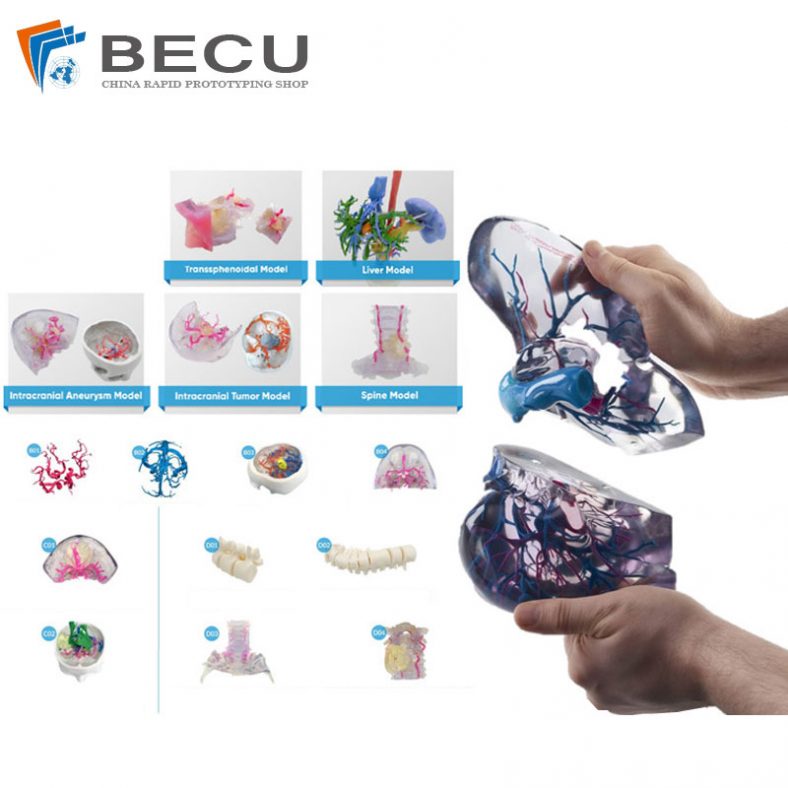
Omni-Directional Surgical Planning Medical Models
-
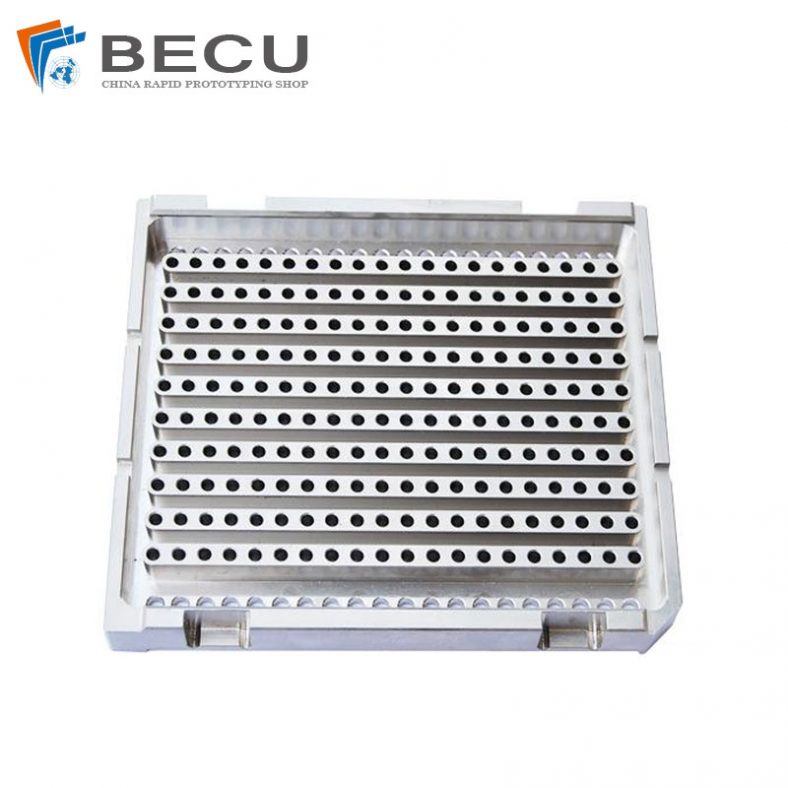
Vertical CNC Milling SUS316L Medical Reagent Bracket
-

5 Axis CNC Machining Medical Olecranon Plate
-
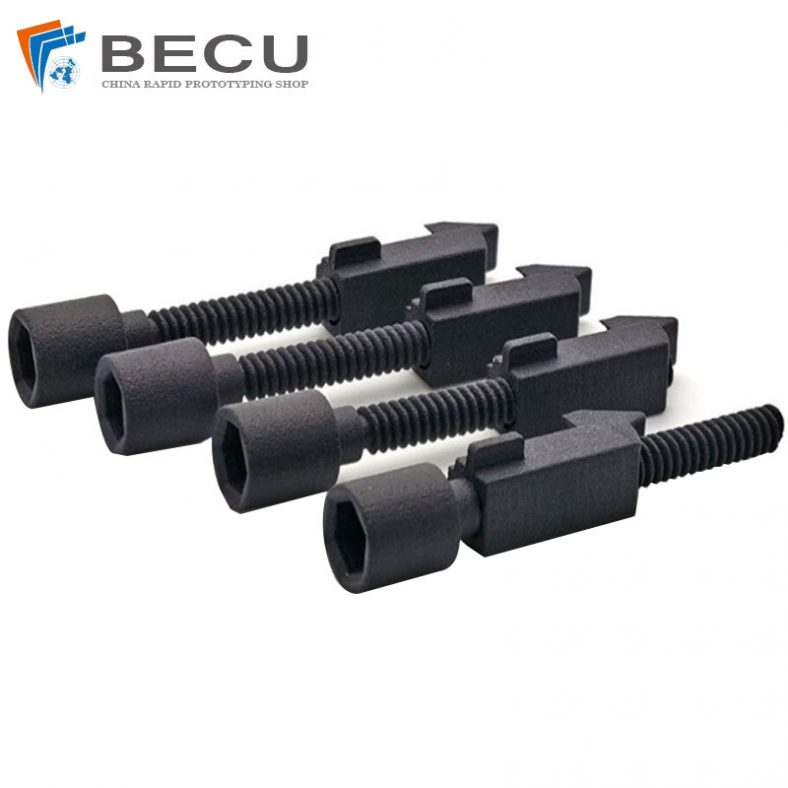
Black Nylon Medical Threaded Screw By MJF 3D Printing
-
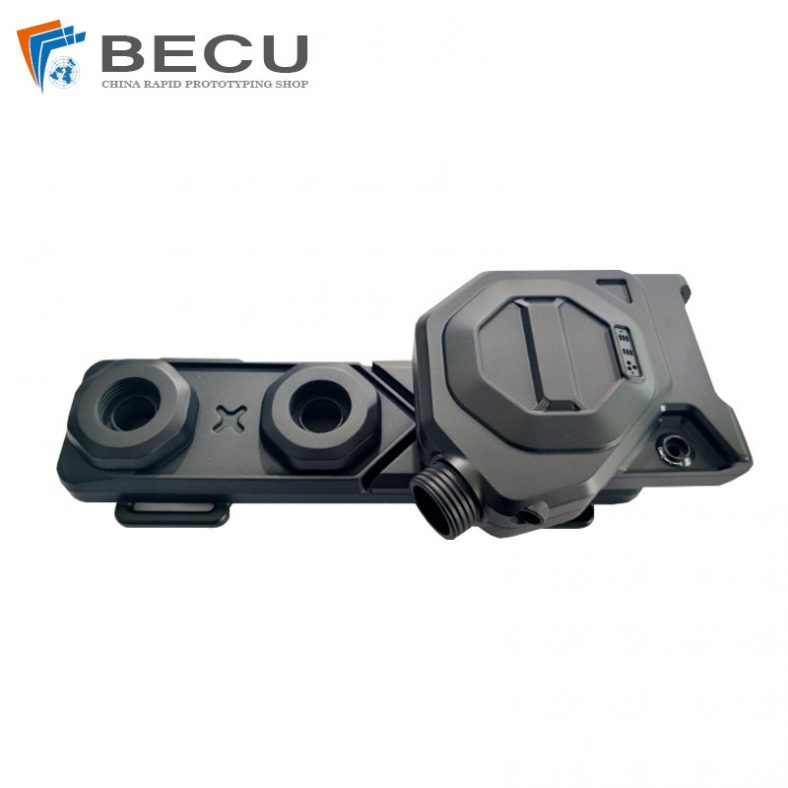
MJF 3D Printing Black Nylon Red Dot Sighting For Medical
-
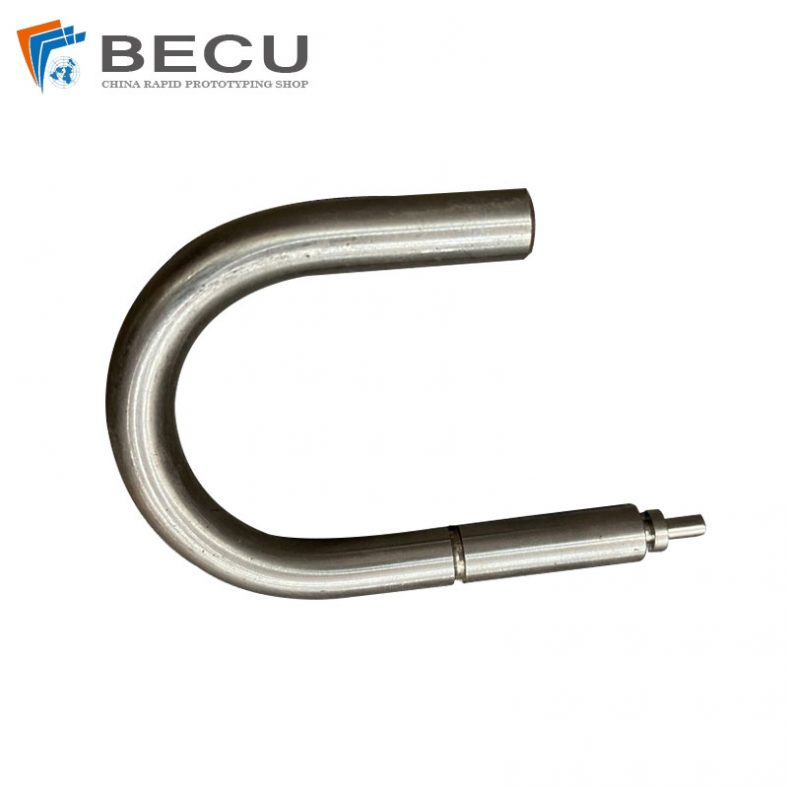
Automatic Swiss Turning Stainless Steel 316L U-bolt
-
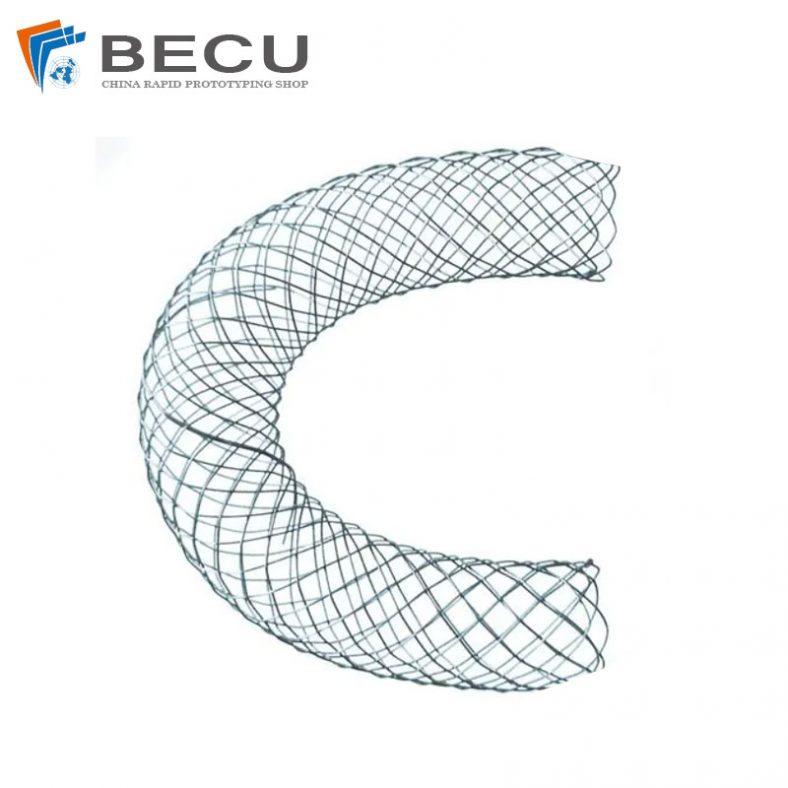
Laser Cut Nitinol Stent For Bile Duct
-
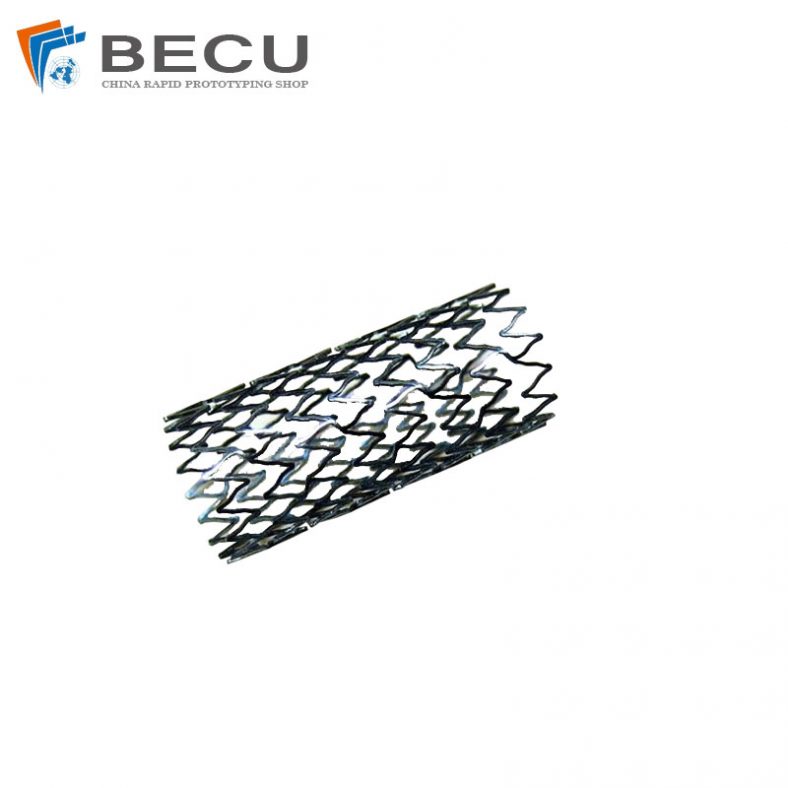
Stents For Carrying Valves And Venous Valve Replacement Devices
-
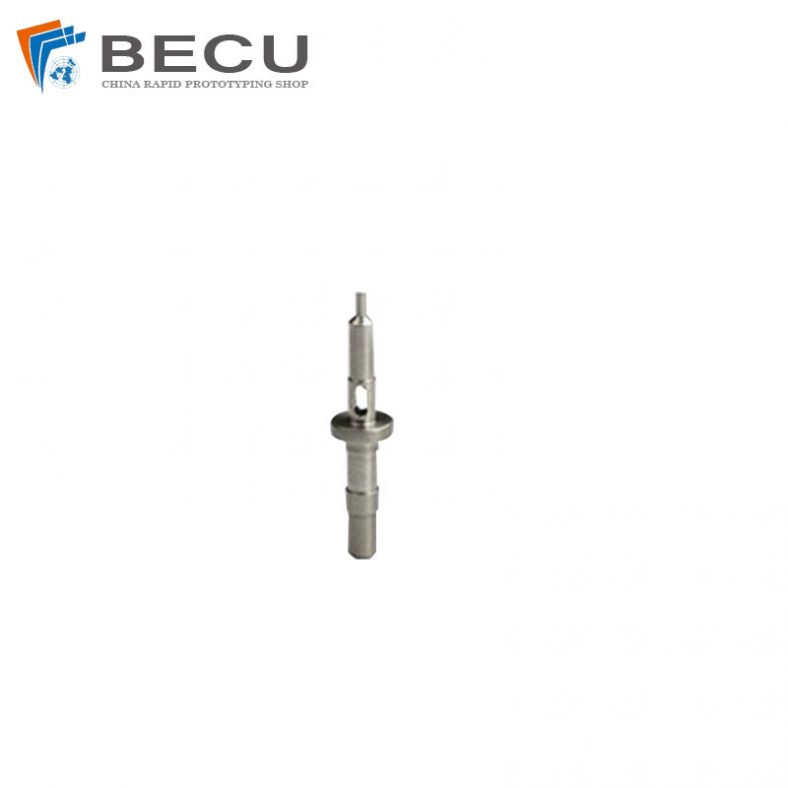
Micro CNC Machining Kovar 4J29 Medical Implant
-
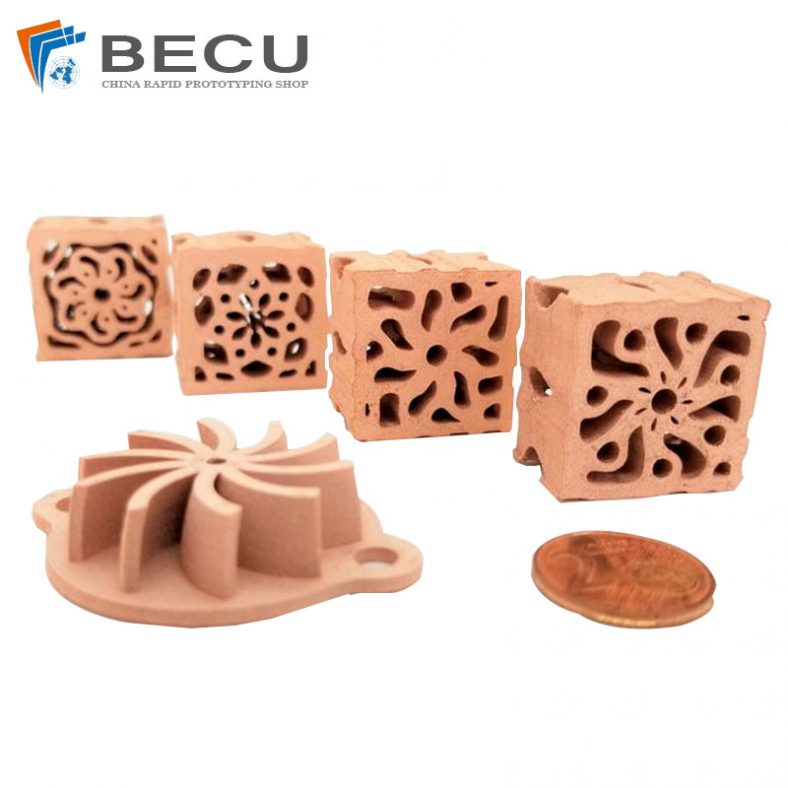
FFF Fused Wire Extrusion 3D Printed Pure Copper Parts
-

MJF 3D Printing Black Nylon Medical Arm Guards
-
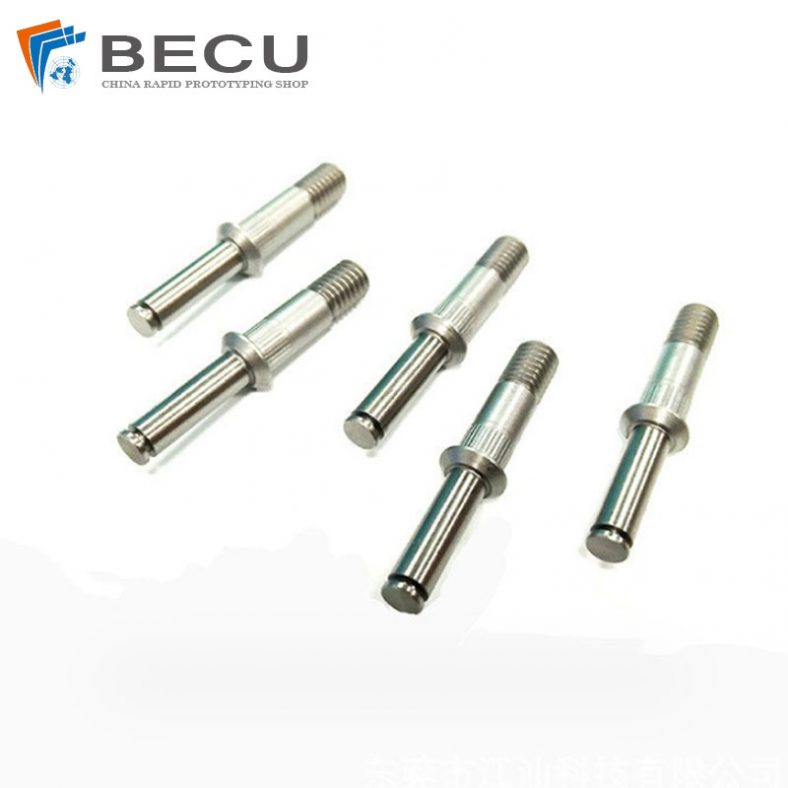
Precision Swiss Turning Titanium Alloy Medical Shaft