
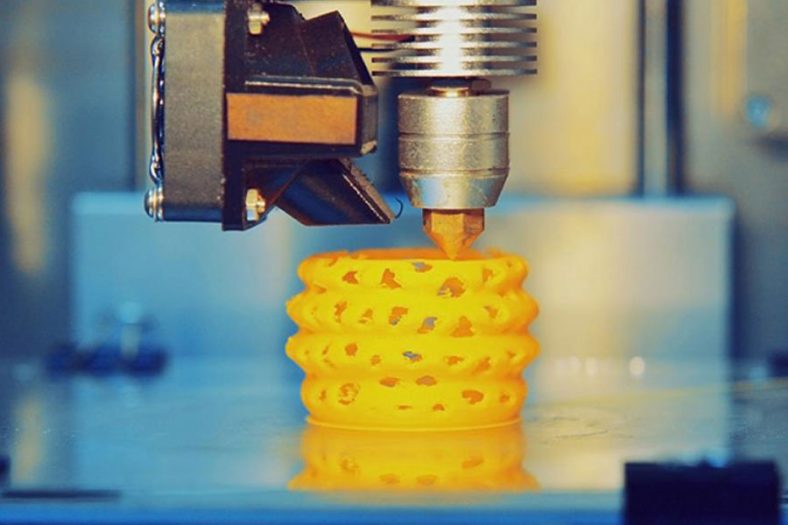
Polyethylene Terephthalate Glycol (PETG) and Polylactic Acid (PLA) are two of the most widely used thermoplastic materials in the field of fused deposition modeling (FDM) 3D printing, a process that involves the layer-by-layer deposition of melted filament to create three-dimensional objects. Both materials have garnered significant attention due to their accessibility, versatility, and distinct material properties, making them suitable for a broad range of applications, from hobbyist projects to industrial prototyping. Understanding the differences between PETG and PLA—spanning their chemical composition, mechanical properties, thermal behavior, environmental impact, and optimal printing settings—is essential for selecting the appropriate filament for a given project. This article provides a comprehensive, scientific examination of PETG and PLA, delving into their molecular structures, physical characteristics, practical uses, and detailed printing parameters, supplemented by comparative tables to elucidate their distinctions.

Chemical Composition and Molecular Structure
PETG is a glycol-modified variant of polyethylene terephthalate (PET), a polyester commonly encountered in packaging materials such as plastic bottles. The incorporation of glycol into the PET structure enhances its flexibility and reduces its crystallinity, yielding a thermoplastic that is both durable and easier to process in 3D printing than unmodified PET. Chemically, PETG consists of repeating units of ethylene glycol and terephthalic acid, with the glycol modification interrupting the polymer chain’s tendency to form highly ordered crystallites.
This results in a material that is predominantly amorphous, contributing to its transparency and toughness.
BE-CU.com
In contrast, PLA is a biodegradable thermoplastic derived from renewable resources, such as corn starch, sugarcane, or other plant-based materials rich in lactic acid. PLA belongs to the family of aliphatic polyesters and is produced through the polymerization of lactide, a cyclic dimer of lactic acid. Its molecular structure features a backbone of carbon, oxygen, and hydrogen atoms arranged in a relatively simple, linear configuration. This structure imparts PLA with a semi-crystalline nature, although the degree of crystallinity depends heavily on processing conditions, such as cooling rates during printing. The bio-based origin of PLA distinguishes it from PETG, which is petroleum-derived, and this difference profoundly influences their environmental footprints and degradation behaviors.
Physical and Mechanical Properties
The physical and mechanical properties of PETG and PLA are critical in determining their suitability for specific applications. PETG exhibits a tensile strength typically ranging from 50 to 60 megapascals (MPa), making it notably stronger than PLA, which generally falls between 40 and 50 MPa. This enhanced strength arises from PETG’s molecular flexibility, which allows it to absorb energy and deform plastically before fracturing. PETG also boasts a higher elongation at break—often exceeding 100%—compared to PLA’s more modest 5–10%. This ductility renders PETG less brittle and more resistant to impact, a key advantage in applications requiring durability.

PLA, while less robust in terms of tensile strength and flexibility, offers a higher Young’s modulus (approximately 3,500 MPa versus PETG’s 2,000–2,200 MPa), indicating greater stiffness. This rigidity makes PLA ideal for objects that must maintain precise shapes under load, such as architectural models or decorative items. However, PLA’s brittleness becomes apparent under sudden stress, as it tends to crack rather than deform, a limitation that contrasts sharply with PETG’s tougher profile.
Thermally, PETG outperforms PLA in terms of heat resistance. PETG has a glass transition temperature (Tg) of approximately 80–85°C and can withstand continuous exposure to temperatures up to 70°C without significant deformation. PLA, with a lower Tg of 55–60°C, begins to soften and lose structural integrity at temperatures exceeding 50°C, rendering it unsuitable for high-temperature environments, such as automotive parts exposed to sunlight. PETG’s higher thermal stability is complemented by its resistance to creep—the gradual deformation under sustained loads—further enhancing its utility in functional components.
Another distinguishing factor is hardness. PETG typically registers around 105–110 on the Rockwell R scale, slightly softer than PLA’s 115–120. This difference, though subtle, affects surface wear and scratch resistance, with PLA offering a marginally harder finish that may appeal to aesthetic applications. Both materials exhibit good layer adhesion when printed correctly, though PETG’s amorphous nature reduces warping compared to PLA, which can shrink slightly as its semi-crystalline regions cool and contract.

Environmental Impact and Biodegradability
The environmental profiles of PETG and PLA diverge significantly due to their origins and end-of-life behaviors. PLA’s status as a bio-based polymer positions it as a more sustainable option in terms of raw material sourcing. Derived from renewable feedstocks, PLA reduces reliance on fossil fuels, and its production emits fewer greenhouse gases than petroleum-based plastics like PETG. Moreover, PLA is compostable under industrial conditions—typically requiring temperatures of 60°C and high humidity in the presence of microorganisms—to break down into carbon dioxide, water, and biomass over several months.
However, in standard landfills or home composting setups, PLA degrades slowly, if at all, limiting its practical biodegradability.
PETG, conversely, is not biodegradable. As a petroleum-derived plastic, it persists in the environment for hundreds of years unless recycled. Recycling PETG is feasible, as it can be melted and reprocessed into new filament or other products, aligning with circular economy principles. However, its production involves greater energy consumption and carbon emissions compared to PLA, reflecting the higher environmental cost of extracting and refining fossil resources. For users prioritizing sustainability, PLA holds an advantage, though its compostability is contingent on access to specialized facilities, while PETG’s recyclability offers a pragmatic alternative where mechanical recycling infrastructure exists.
Practical Uses and Applications
The distinct properties of PETG and PLA translate into a wide array of practical applications, each leveraging the strengths of the respective filament. PLA’s ease of printing, vibrant color options, and biodegradability make it a favorite among hobbyists, educators, and artists. It excels in producing detailed prototypes, educational models, and decorative objects such as figurines, vases, and jewelry. Its stiffness and low cost—typically ranging from $20 to $30 per kilogram—also make it suitable for rapid prototyping where mechanical strength is not a primary concern.

However, PLA’s susceptibility to heat and brittleness limits its use in functional parts subjected to mechanical stress or elevated temperatures.
PETG, priced slightly higher at $25 to $40 per kilogram, bridges the gap between PLA’s accessibility and the performance of more advanced engineering plastics like ABS or nylon. Its strength, flexibility, and thermal resistance make it ideal for functional components, such as mechanical enclosures, brackets, and containers. PETG’s transparency and food-safe variants (when certified) also enable its use in packaging, drinkware, and medical prototypes. In industrial settings, PETG is favored for jigs, fixtures, and protective covers that require durability without the complexity of printing high-temperature materials. Unlike PLA, PETG can endure outdoor exposure and minor chemical contact, such as with oils or cleaning agents, broadening its scope to automotive and consumer goods applications.
Printing Settings and Techniques
Achieving optimal results with PETG and PLA in 3D printing hinges on tailoring printer settings to their unique thermal and rheological properties. PLA is renowned for its ease of use, requiring minimal equipment adjustments. It prints effectively at nozzle temperatures of 185–215°C, with a heated bed temperature of 20–60°C (often optional for small prints). PLA’s low melting point (approximately 150–160°C) and minimal shrinkage reduce the need for an enclosed printer, though a cooling fan set to 50–100% enhances surface finish and detail resolution. Bed adhesion is typically robust with materials like painter’s tape, glass, or PEI sheets, often aided by a thin layer of glue stick or hairspray. Print speeds for PLA range from 40 to 80 mm/s, balancing quality and efficiency.
PETG demands more precise control due to its higher melting point (around 220–250°C) and tendency to string or ooze if not properly managed. Nozzle temperatures of 230–260°C are standard, paired with a heated bed set to 70–90°C to prevent warping and ensure adhesion. Unlike PLA, PETG benefits from slower cooling—fan speeds of 0–30%—to promote layer bonding and reduce internal stresses. Print speeds of 30–60 mm/s are recommended to mitigate stringing, a common issue caused by PETG’s viscosity and stickiness. Bed surfaces like PEI or glass with a PVA glue coating work well, though PETG’s strong adhesion can occasionally damage delicate surfaces upon removal. An enclosure is optional but advantageous for large PETG prints to maintain consistent temperatures and minimize cracking.
Retraction settings also differ. PLA requires retraction distances of 0.5–2 mm and speeds of 25–45 mm/s to prevent stringing, while PETG typically needs 3–6 mm at 20–40 mm/s to account for its higher flow rate. Overhangs and bridges perform better with PLA due to its rapid solidification, whereas PETG excels in vertical strength but may droop without adequate support or cooling adjustments. Both filaments are compatible with standard 1.75 mm FDM printers, though PETG’s toughness can accelerate wear on brass nozzles, prompting some users to opt for hardened steel alternatives.
Comparative Analysis and Tables
To synthesize the differences between PETG and PLA, the following tables provide a detailed comparison across key categories:
Table 1: Material Properties Comparison
| Property | PETG | PLA |
|---|---|---|
| Tensile Strength (MPa) | 50–60 | 40–50 |
| Elongation at Break (%) | >100 | 5–10 |
| Young’s Modulus (MPa) | 2,000–2,200 | ~3,500 |
| Glass Transition Temp (°C) | 80–85 | 55–60 |
| Heat Resistance (°C) | Up to 70 | Up to 50 |
| Hardness (Rockwell R) | 105–110 | 115–120 |
| Density (g/cm³) | 1.27 | 1.24 |
| Crystallinity | Amorphous | Semi-crystalline |
Table 2: Printing Settings Comparison
| Parameter | PETG | PLA |
|---|---|---|
| Nozzle Temp (°C) | 230–260 | 185–215 |
| Bed Temp (°C) | 70–90 | 20–60 (optional) |
| Print Speed (mm/s) | 30–60 | 40–80 |
| Cooling Fan (%) | 0–30 | 50–100 |
| Retraction Distance (mm) | 3–6 | 0.5–2 |
| Retraction Speed (mm/s) | 20–40 | 25–45 |
| Bed Surface | PEI, glass with glue | Glass, tape, PEI |
Table 3: Environmental and Cost Comparison
| Aspect | PETG | PLA |
|---|---|---|
| Raw Material | Petroleum-based | Bio-based (renewable) |
| Biodegradability | No (recyclable) | Yes (industrially) |
| Production Emissions | Higher | Lower |
| Cost per kg (USD) | 25–40 | 20–30 |
Extended Discussion on Material Science
From a material science perspective, the differences between PETG and PLA are rooted in their polymer chemistry and processing behavior. PETG’s amorphous structure stems from the disruption of chain packing by glycol units, reducing the energy required for molecular motion during extrusion. This contributes to its lower brittleness and higher impact resistance, as the disordered chains can slide past one another under stress. The trade-off is a slightly lower stiffness, as measured by Young’s modulus, since crystalline regions typically enhance rigidity in polymers. PETG’s thermal properties also reflect its higher Tg, a consequence of stronger intermolecular forces between its aromatic terephthalate groups compared to PLA’s aliphatic backbone.
PLA’s semi-crystalline nature arises from the stereochemistry of its lactic acid monomers, which can exist as L- or D-isomers. Commercial PLA often contains a mix of these isomers, influencing the degree of crystallinity during cooling. Rapid cooling yields a more amorphous PLA with reduced strength but improved clarity, while slow cooling fosters crystallite formation, enhancing stiffness at the expense of flexibility. This variability complicates PLA’s behavior in 3D printing, as inconsistent cooling can lead to uneven shrinkage or warping—challenges less pronounced with PETG’s stable amorphous state.
Rheologically, PETG exhibits a higher melt viscosity than PLA, necessitating higher extrusion temperatures to achieve flowability. This viscosity contributes to PETG’s tendency to string, as the molten filament retains cohesion longer than PLA’s lower-viscosity melt, which solidifies quickly upon exiting the nozzle. These flow characteristics underscore the importance of fine-tuning retraction and cooling settings, particularly for intricate designs with frequent starts and stops.
Practical Considerations for Advanced Users
For advanced users, additional factors come into play when choosing between PETG and PLA. Post-processing options differ markedly: PLA sands and paints easily due to its hardness, making it ideal for models requiring a polished finish. PETG, while sandable, resists smoothing with solvents like acetone (which dissolves PLA), though it can be heat-treated to enhance clarity in transparent prints. Chemical resistance also varies—PETG withstands exposure to dilute acids, bases, and alcohols better than PLA, which degrades under similar conditions, a consideration for functional parts in harsh environments.
Support structures pose another distinction. PLA’s brittleness simplifies support removal, as it snaps cleanly, whereas PETG’s toughness can make detaching supports more labor-intensive unless dissolvable filaments like PVA are used. Bed adhesion challenges with PETG, particularly on glass, may require experimentation with adhesives or textured surfaces, while PLA’s forgiving nature accommodates a wider range of setups.
Conclusion
PETG and PLA represent two pillars of 3D printing filament, each with strengths tailored to specific needs. PLA’s simplicity, affordability, and eco-friendly profile make it a staple for beginners and non-functional prints, while PETG’s robustness, heat resistance, and versatility cater to demanding applications. By understanding their chemical foundations, mechanical attributes, and printing nuances—quantified in the accompanying tables—users can make informed decisions to optimize their 3D printing outcomes. Whether prioritizing sustainability, strength, or ease of use, the choice between PETG and PLA hinges on a careful balance of project requirements and material capabilities.
The Detail Of BE-CU 3D Printing Company
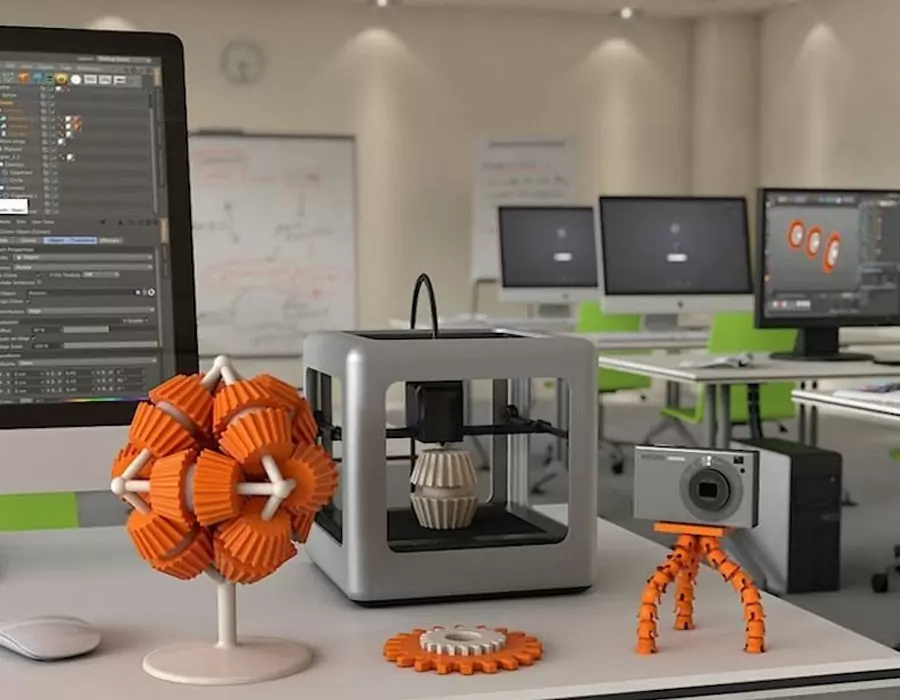
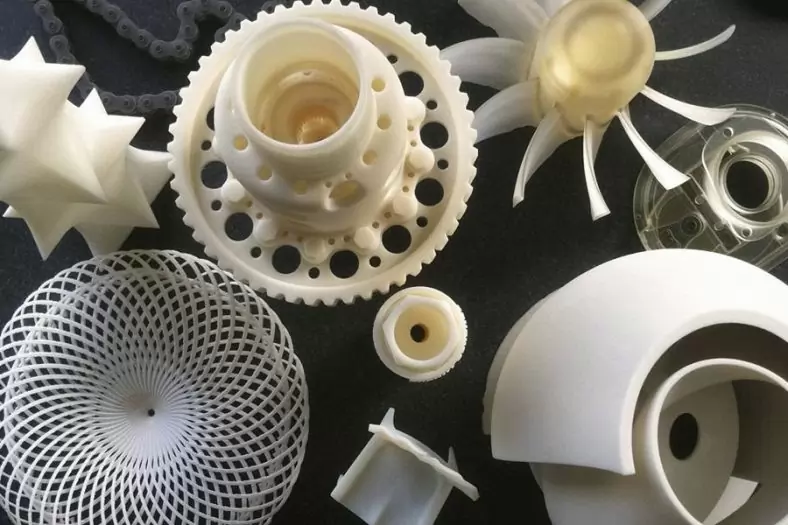
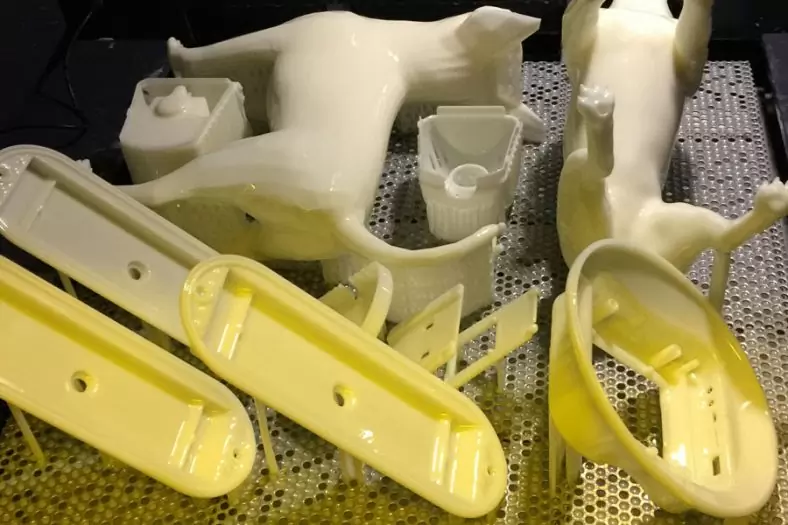
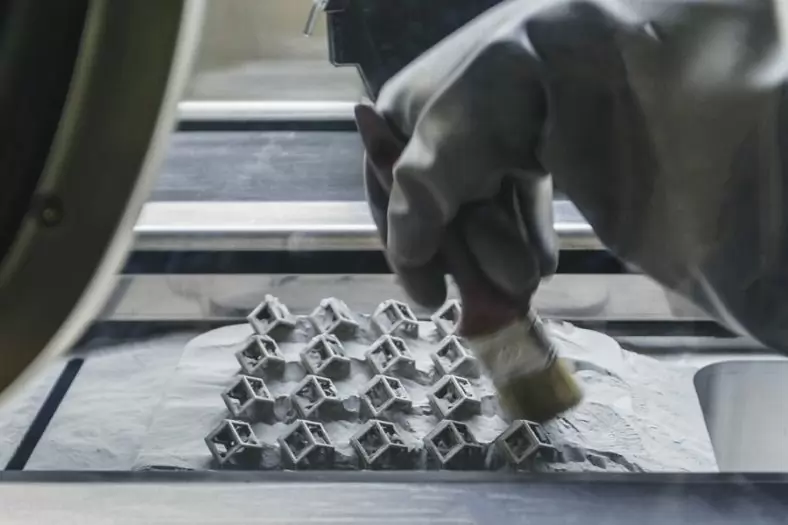
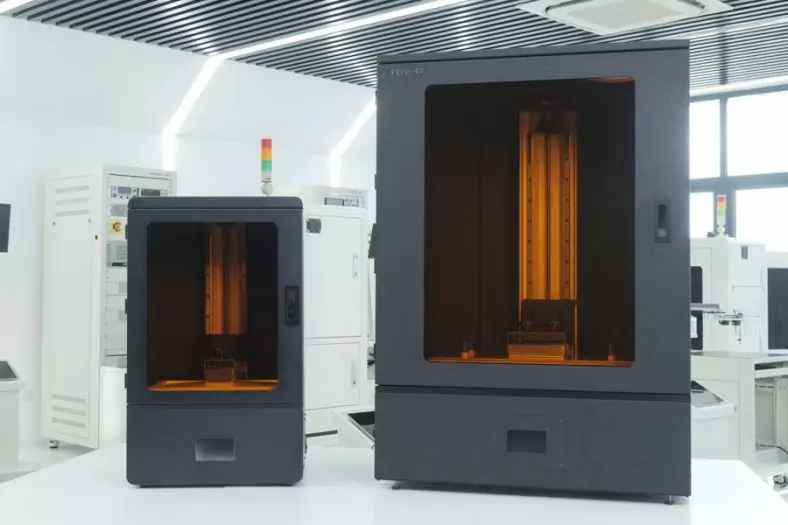
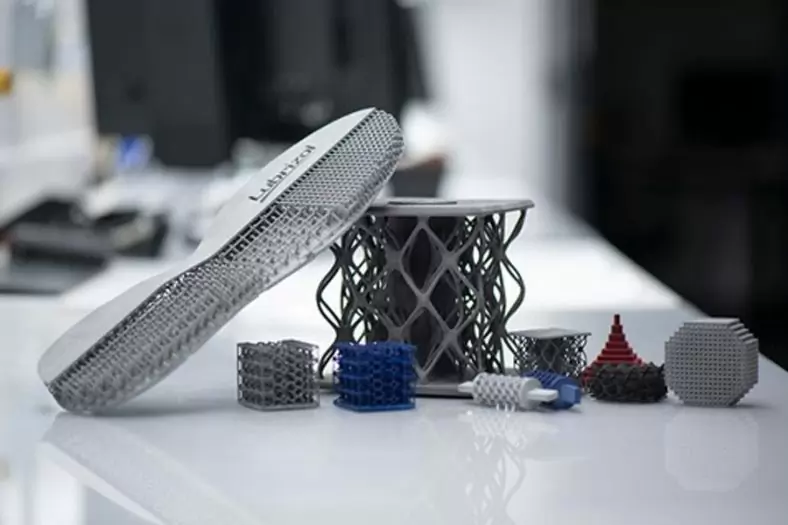
BE-CU.COM offers online 3D printing services for rapid prototyping and production in volume. Our clients are across a wide variety of industries and companies, including automotive, construction, aerospace, defense, electronics, machinery, industrial automation, medical, healthcare, consumer production, oil & gas, etc. Accelerate your product development and manufacturing process with our industry-leading metal & plastic 3D printing service and 3D printed parts. We’ll find the best 3D printing solution for your projects, to lower your cost and shorten the lead time based on your needs, while maintaining the quality. From 3D prototyping to end-use parts production, multiple materials are available for custom 3D printing parts. Need an alternative to the traditional solution? Submit your 3D CAD file to get an online quotation quickly. Our 3D printing service ensures accuracy and speed. We can help you choose the most appropriate technology and material to match your applications or request.
-
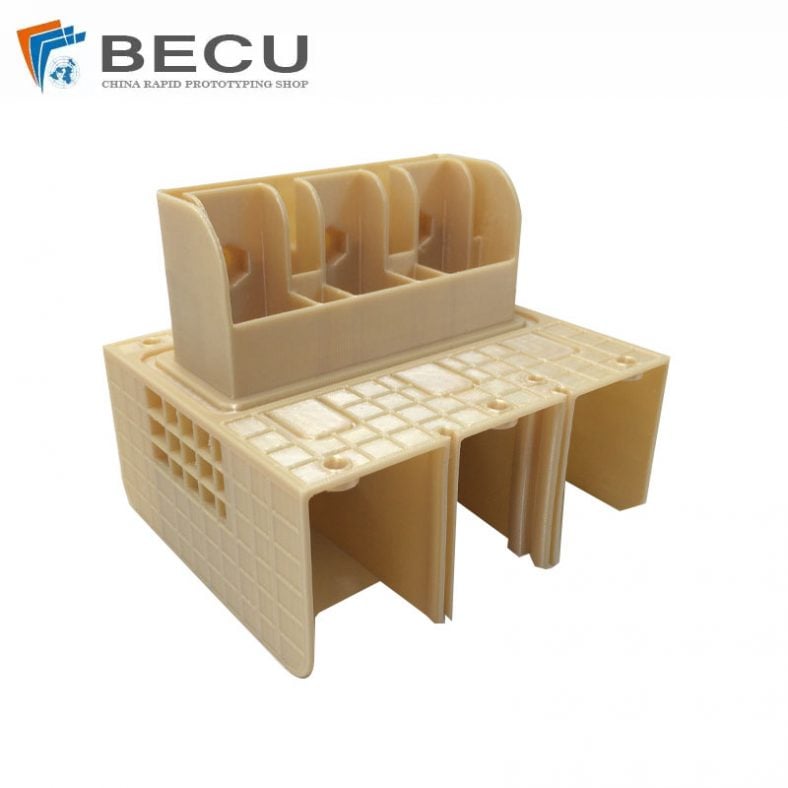
FDM 3D Printing Ultra-High Voltage Strong Electrical Connector
-
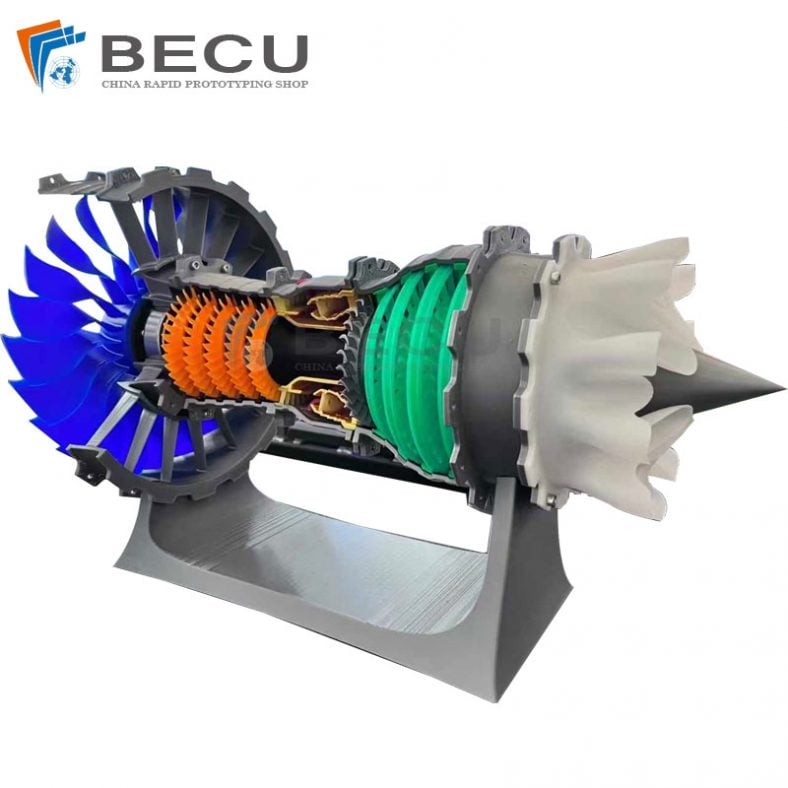
3D Printed Jet Engine Model
-
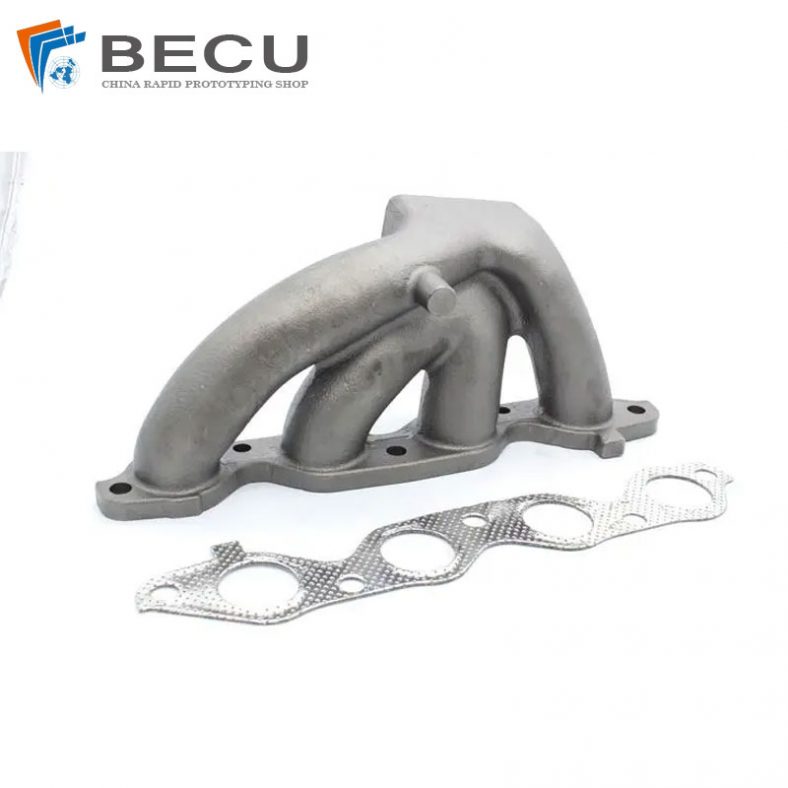
3D Printed Inconel Exhaust Manifold
-
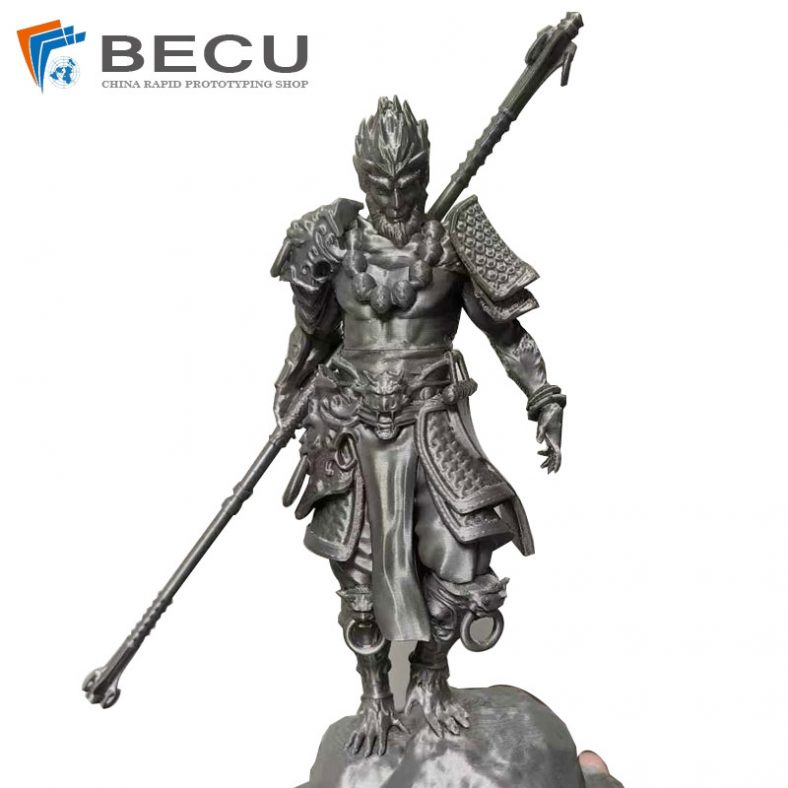
3D Printed Black Myth: Wukong Model
-
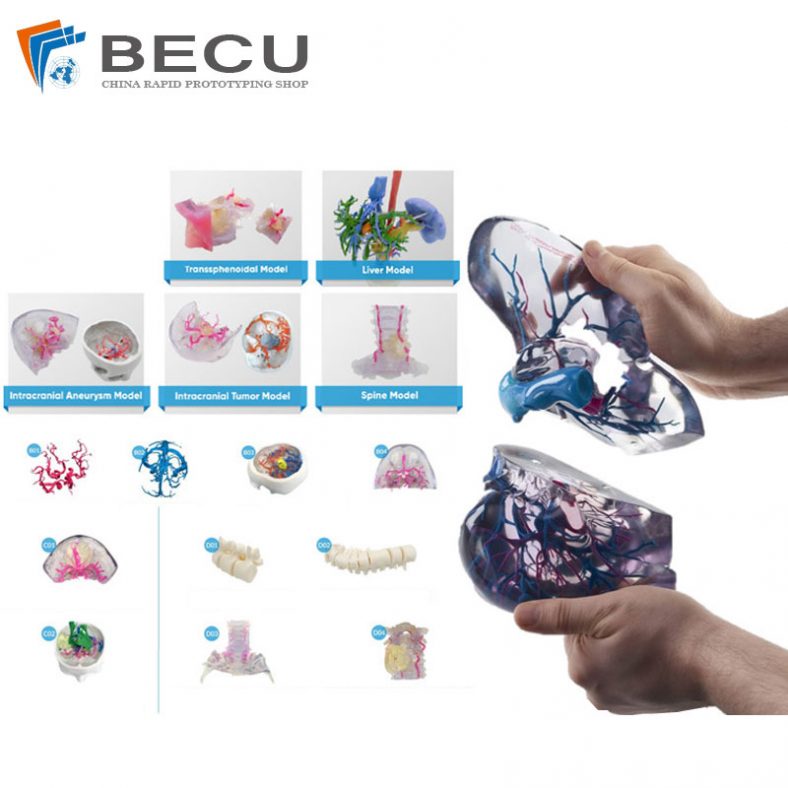
Omni-Directional Surgical Planning Medical Models
-
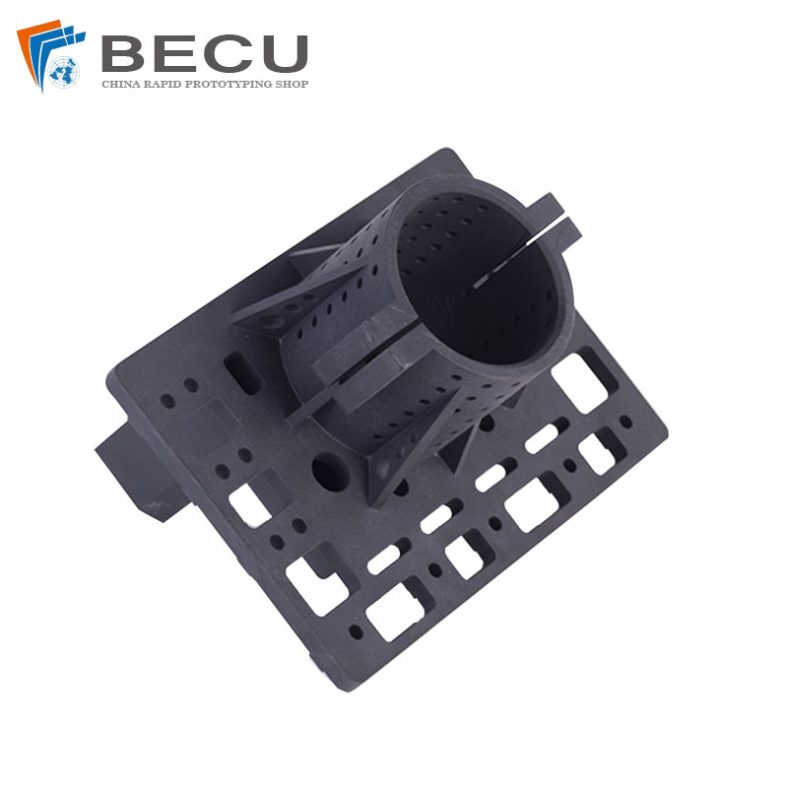
3D Printing Pool Pressure Cleaner Parts and Accessories
-
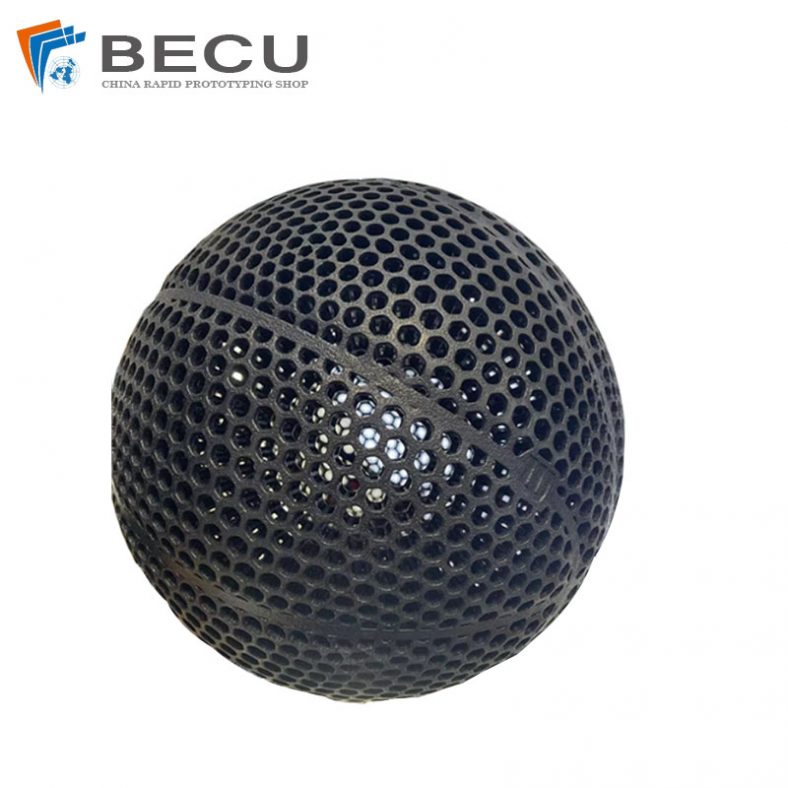
Nylon 3D Printed Size 5 Basketball
-
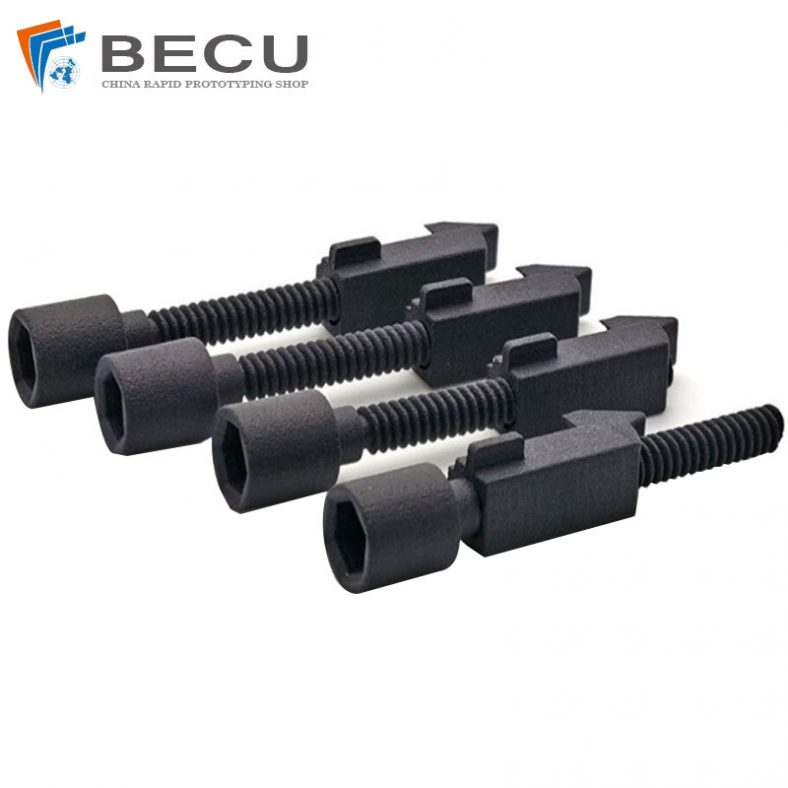
Black Nylon Medical Threaded Screw By MJF 3D Printing