
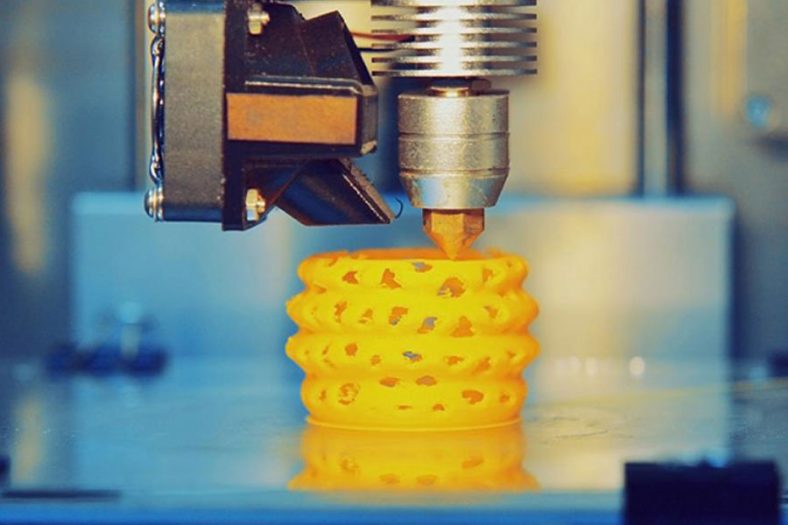
Polylactic acid (PLA) and its enhanced variant, PLA+, are two of the most widely utilized materials in the field of additive manufacturing, particularly within fused deposition modeling (FDM) 3D printing. These thermoplastic polymers, derived from renewable biological sources, have garnered significant attention due to their biodegradability, ease of use, and versatility in hobbyist, prototyping, and industrial applications. While PLA serves as a foundational material in the 3D printing ecosystem, PLA+—often marketed under names such as PLA Plus, Tough PLA, or PLA Pro—represents an evolution of the base polymer, incorporating additives to improve specific mechanical, thermal, and printing properties. This article provides an in-depth exploration of the differences and comparisons between PLA and PLA+, emphasizing their chemical composition, physical properties, printing characteristics, environmental impact, and practical applications. Detailed tables are included to facilitate a clear, data-driven understanding of these materials.
Chemical Composition and Structure
PLA, or polylactic acid, is a biodegradable thermoplastic polyester synthesized through the polymerization of lactic acid, a monomer typically produced via the fermentation of plant-based starches such as corn, sugarcane, or cassava. Chemically, PLA is classified as an aliphatic polyester with the repeating unit [-O-CH(CH₃)-C(O)-], where the chirality of the lactic acid (L- or D-lactide) influences its crystallinity and mechanical behavior. The polymer is semicrystalline in its pure form, though commercial PLA filaments for 3D printing are often processed to remain amorphous, enhancing printability by reducing shrinkage and warping during cooling. The molecular weight of PLA typically ranges from 50,000 to 200,000 g/mol, depending on the manufacturing process, which impacts its viscosity and melt flow characteristics.
PLA+ builds upon this foundation but introduces proprietary additives to modify its properties. Unlike PLA, which adheres to a relatively standardized chemical composition, PLA+ is not a singular, well-defined material; rather, it is a marketing term encompassing a family of PLA-based filaments enhanced with various modifiers. These additives may include plasticizers (e.g., glycerol or polyethylene glycol), impact modifiers (e.g., acrylic polymers or elastomers), fillers (e.g., calcium carbonate or talc), nucleating agents, or small fractions of other thermoplastics such as polybutylene succinate (PBS) or thermoplastic polyurethane (TPU). The exact formulation varies by manufacturer—eSun’s PLA+, for instance, reportedly contains approximately 2% calcium carbonate, while Polymaker’s PolyMAX PLA incorporates acrylic polymers—yet the proprietary nature of these blends often obscures a precise chemical breakdown. The base polymer remains PLA, typically comprising 90-98% of the filament, with additives constituting the remainder to enhance toughness, flexibility, or heat resistance.
The structural implications of these additives are significant. In standard PLA, the polymer chains are relatively rigid and tightly packed, contributing to its brittleness. The introduction of plasticizers or elastomeric modifiers in PLA+ disrupts this rigidity, increasing chain mobility and reducing intermolecular forces, which manifests as improved ductility and impact resistance. Fillers like calcium carbonate may also increase stiffness or thermal stability, though excessive filler content can compromise printability by raising viscosity. These modifications distinguish PLA+ from PLA at a molecular level, though both retain the core biodegradability and bio-based origin of polylactic acid.
Mechanical Properties
The mechanical properties of PLA and PLA+ are a primary point of differentiation, influencing their suitability for various applications. PLA exhibits moderate tensile strength, typically ranging from 40-60 MPa, with a Young’s modulus of approximately 2,000-2,500 MPa, reflecting its stiffness. However, its elongation at break is low, often 3-5%, indicating brittleness under tensile or impact loading. The flexural strength of PLA, which measures its ability to resist bending, averages 80-90 MPa, while its notched Izod impact strength is modest at 2-3 kJ/m². These characteristics make PLA well-suited for rigid, non-functional prototypes or decorative items but less ideal for parts subjected to mechanical stress or dynamic loads.
PLA+, by contrast, demonstrates enhanced mechanical performance due to its additives. Tensile strength may increase to 50-70 MPa, depending on the formulation, while the Young’s modulus remains comparable to PLA (2,000-2,600 MPa), preserving stiffness. The most notable improvement lies in elongation at break, which can rise to 10-20% or higher, reflecting greater ductility and flexibility. Flexural strength often exceeds 90-100 MPa, and impact resistance is significantly bolstered, with notched Izod values reaching 10-22 kJ/m²—up to eight times that of standard PLA in some formulations (e.g., BCN3D Tough PLA). This enhanced toughness stems from the incorporation of impact modifiers that absorb energy and prevent crack propagation, a critical limitation in pure PLA.
Thermal properties also differ subtly. PLA has a glass transition temperature (Tg) of 50-60°C and a melting temperature (Tm) of 150-160°C, limiting its use in high-temperature environments where it softens or deforms. PLA+ typically raises the Tg to 60-80°C and may slightly increase the Tm to 160-170°C, depending on the additives, offering marginal improvements in heat resistance. However, neither material rivals engineering plastics like ABS or PETG in this regard, as their polyester backbone remains susceptible to thermal degradation above 200°C.
| Property | PLA | PLA+ |
|---|---|---|
| Tensile Strength (MPa) | 40-60 | 50-70 |
| Young’s Modulus (MPa) | 2,000-2,500 | 2,000-2,600 |
| Elongation at Break (%) | 3-5 | 10-20 |
| Flexural Strength (MPa) | 80-90 | 90-100 |
| Notched Izod Impact (kJ/m²) | 2-3 | 10-22 |
| Glass Transition Temp (°C) | 50-60 | 60-80 |
| Melting Temp (°C) | 150-160 | 160-170 |
Printing Characteristics
Both PLA and PLA+ are compatible with FDM 3D printers, but their printing behaviors diverge due to differences in composition and rheology. PLA is renowned for its ease of printing, requiring nozzle temperatures of 190-220°C and functioning well without a heated bed (though 50-60°C is often used to improve adhesion). Its low shrinkage rate minimizes warping, and its amorphous nature ensures dimensional stability during cooling. Bed adhesion is excellent on surfaces like glass, PEI, or blue painter’s tape, and PLA’s low viscosity facilitates smooth extrusion, making it a favorite among beginners and hobbyists. Printing speeds of 40-100 mm/s are typical, with higher speeds possible on well-calibrated systems.
PLA+ demands slightly more attention. Its recommended nozzle temperature is higher, typically 200-240°C, reflecting the increased viscosity and melting point induced by additives. A heated bed (50-70°C) is often necessary to prevent warping, particularly with formulations containing fillers that increase shrinkage. While PLA+ retains good bed adhesion, its denser consistency can lead to stronger bonding with the print surface, occasionally requiring more effort to remove parts. Layer adhesion is a standout feature of PLA+, with additives improving interlayer bonding and reducing delamination compared to PLA, resulting in smoother surfaces and better overhang performance. However, the higher extrusion temperature and viscosity may limit printing speeds to 30-80 mm/s and increase the risk of stringing if not properly tuned.
Post-processing also varies. PLA’s glossy finish and brittleness make it prone to cracking during sanding or drilling, whereas PLA+’s matte texture and toughness allow for easier mechanical modification without compromising structural integrity. Both materials can be glued with cyanoacrylate or epoxy, though PLA+’s enhanced durability may improve joint strength in assembled parts.
| Parameter | PLA | PLA+ |
|---|---|---|
| Nozzle Temperature (°C) | 190-220 | 200-240 |
| Bed Temperature (°C) | 0-60 (optional) | 50-70 |
| Print Speed (mm/s) | 40-100 | 30-80 |
| Shrinkage/Warping | Low | Moderate |
| Bed Adhesion | Excellent | Excellent (stronger) |
| Layer Adhesion | Moderate | High |
| Stringing Risk | Low | Moderate |
Environmental Impact and Biodegradability
A key advantage of PLA and PLA+ lies in their bio-based origin and biodegradability, distinguishing them from petroleum-derived plastics like ABS. PLA is compostable under industrial conditions (temperatures above 60°C, high humidity, and microbial activity), breaking down into carbon dioxide, water, and biomass over 6-12 months. In natural environments, however, degradation is slower, often taking years, and requires specific conditions rarely met in household compost or landfills. PLA’s environmental footprint is further reduced by its renewable sourcing, though energy-intensive fermentation and polymerization processes temper its “green” credentials.
PLA+ retains much of this biodegradability, as its PLA base remains dominant. However, the additives—particularly synthetic polymers or inorganic fillers—may hinder decomposition rates or introduce non-biodegradable residues. For instance, calcium carbonate is inert and persists in compost, while plasticizers like TPU may degrade more slowly than PLA itself. Consequently, PLA+ is generally less environmentally benign than pure PLA, though it remains far more sustainable than fossil-based alternatives. Neither material is widely recyclable in municipal systems due to limited infrastructure for bioplastics, though some manufacturers offer recycled PLA+ variants (e.g., Filament PM’s RePLA+).
Cost and Availability
PLA is the most affordable and accessible 3D printing filament, with prices ranging from $15-25 per kilogram for standard grades and a wide array of colors available from countless suppliers. Its ubiquity stems from its simplicity of production and dominance in the hobbyist market. PLA+, being a premium product, commands a higher price—typically $20-35 per kilogram—reflecting the cost of additives and more complex manufacturing. Availability is slightly more limited, with fewer color options (often restricted to basic shades like black, white, and red), though brands like eSun and Overture are expanding their palettes. Specialty PLA+ blends, such as those with enhanced toughness or heat resistance, can exceed $40 per kilogram, positioning them as a mid-tier option between PLA and engineering filaments like PETG or ABS.
| Aspect | PLA | PLA+ |
|---|---|---|
| Price per kg (USD) | 15-25 | 20-35 |
| Color Options | Extensive | Moderate |
| Availability | Ubiquitous | Common (brand-specific) |
Applications
The distinct properties of PLA and PLA+ dictate their practical uses. PLA excels in aesthetic and low-stress applications, such as decorative models, educational prototypes, and short-shelf-life packaging (e.g., food containers or disposable cutlery). Its biocompatibility also makes it suitable for medical implants or scaffolds, though sterilization limitations restrict its use. PLA’s brittleness and low heat resistance preclude it from functional parts or outdoor exposure, where UV degradation and thermal softening become issues.
PLA+ expands the scope to include semi-functional components. Its improved strength and flexibility suit mechanical assemblies, such as gears, brackets, or tool handles, while its heat resistance (albeit modest) allows limited use in warm environments, like car interiors or near electronics. PLA+ is also favored for cosplay props and wearables, where durability and post-processing ease are paramount. However, for high-stress or high-temperature applications, materials like PETG, ABS, or nylon remain superior.
Conclusion
Both PLA and PLA+ are considered non-toxic and safe for indoor printing, emitting minimal volatile organic compounds (VOCs) compared to ABS. PLA’s plant-based composition ensures it is food-safe in principle, though pigments and manufacturing contaminants may compromise this unless certified (e.g., FDA-approved filaments). PLA+ inherits this safety profile, though its additives introduce uncertainty; most manufacturers assert non-toxicity, but users should verify with material safety data sheets (MSDS) for specific formulations. Both materials are hygroscopic, absorbing moisture from the air, which can lead to brittleness or printing defects like bubbling if not stored in sealed containers with desiccant.
PLA and PLA+ represent a spectrum of capabilities within the realm of bio-based 3D printing materials. PLA stands as a cost-effective, user-friendly option for beginners and non-demanding projects, leveraging its simplicity and environmental advantages. PLA+, with its enhanced mechanical properties and printing finesse, bridges the gap between PLA and more robust engineering plastics, offering versatility for users seeking durability without sacrificing ease of use. The choice between them hinges on project requirements—PLA for aesthetics and prototyping, PLA+ for functional resilience—underscoring the importance of matching material properties to application demands. As additive manufacturing evolves, ongoing refinements in PLA+ formulations may further blur the lines, cementing its role as a staple in the 3D printing toolkit.
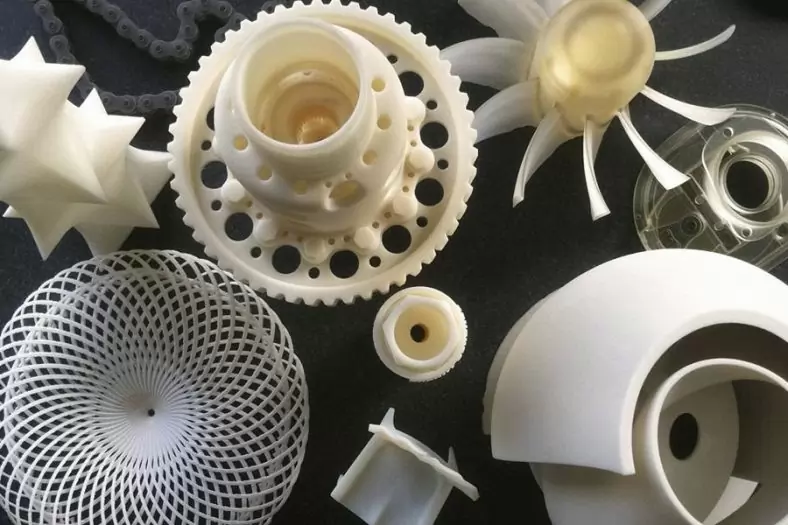
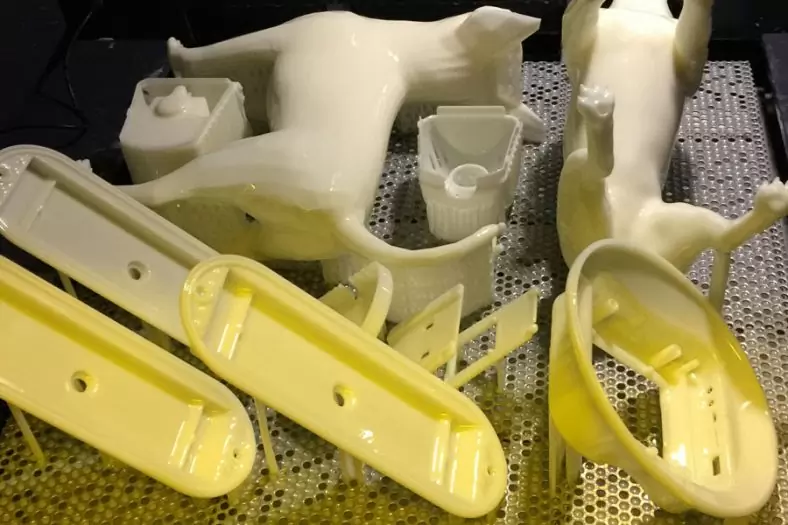
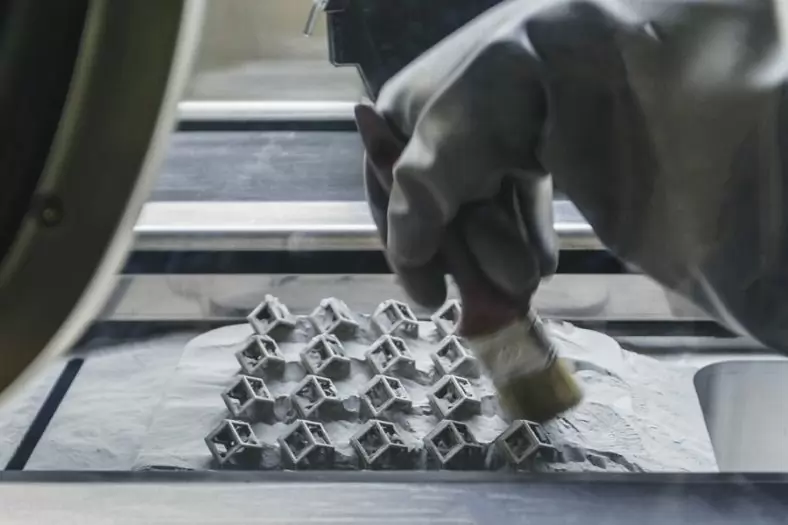
The Detail Of BE-CU 3D Printing Company
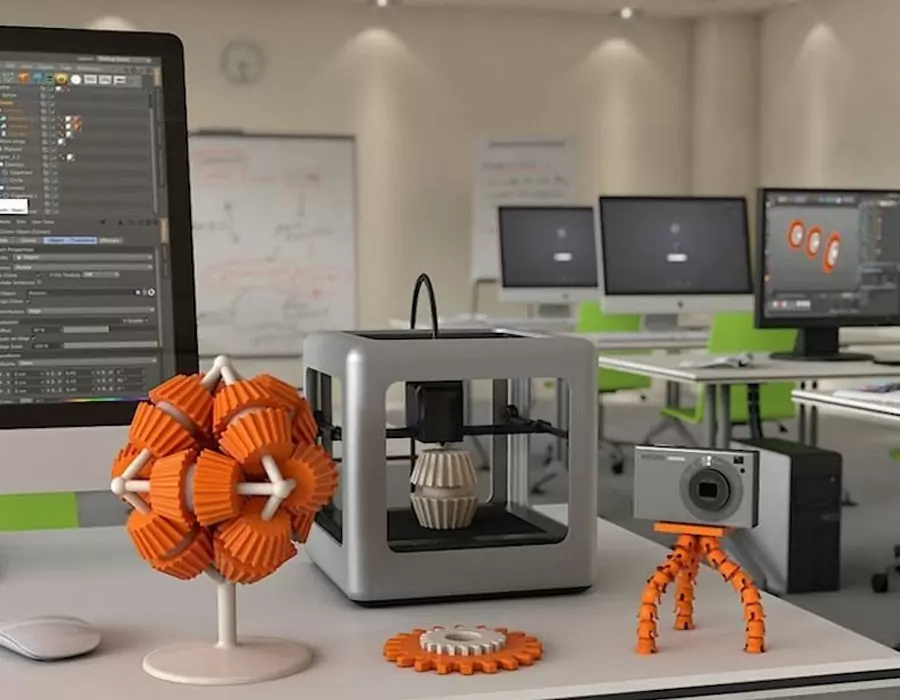
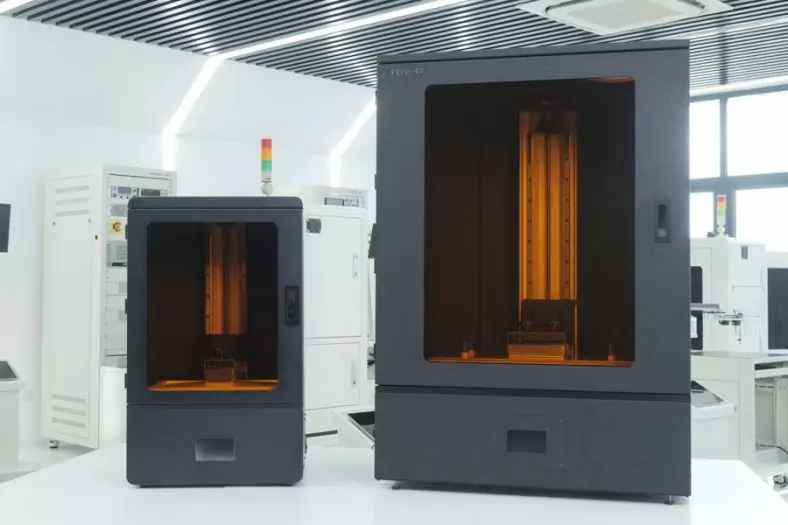
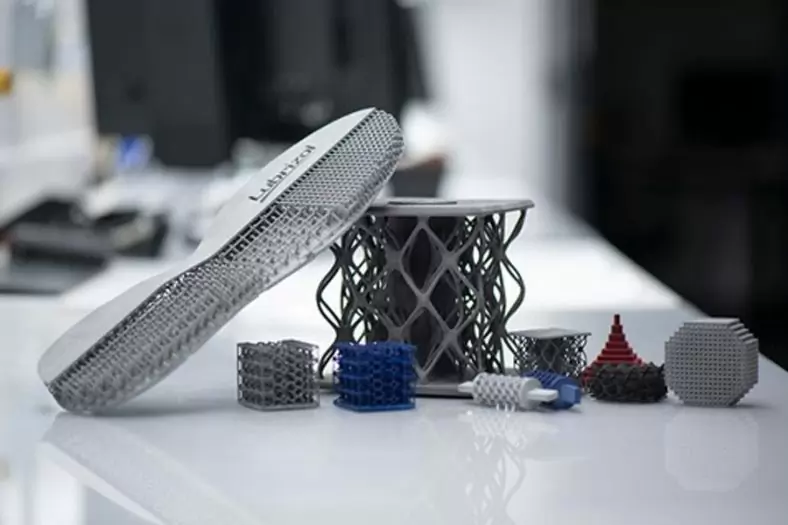
BE-CU.COM offers online 3D printing services for rapid prototyping and production in volume. Our clients are across a wide variety of industries and companies, including automotive, construction, aerospace, defense, electronics, machinery, industrial automation, medical, healthcare, consumer production, oil & gas, etc. Accelerate your product development and manufacturing process with our industry-leading metal & plastic 3D printing service and 3D printed parts. We’ll find the best 3D printing solution for your projects, to lower your cost and shorten the lead time based on your needs, while maintaining the quality. From 3D prototyping to end-use parts production, multiple materials are available for custom 3D printing parts. Need an alternative to the traditional solution? Submit your 3D CAD file to get an online quotation quickly. Our 3D printing service ensures accuracy and speed. We can help you choose the most appropriate technology and material to match your applications or request.
-
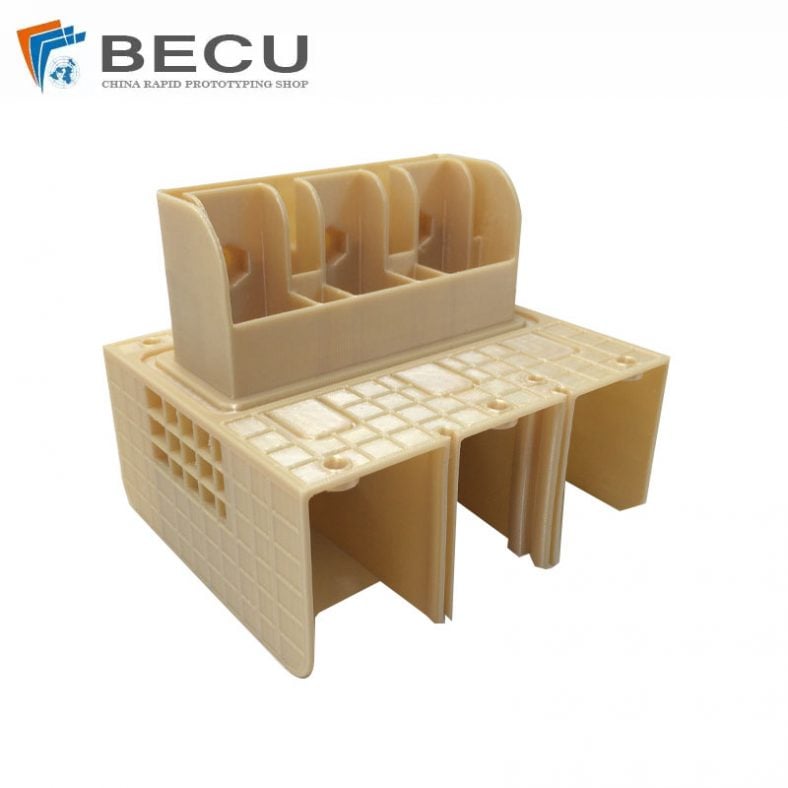
FDM 3D Printing Ultra-High Voltage Strong Electrical Connector
-
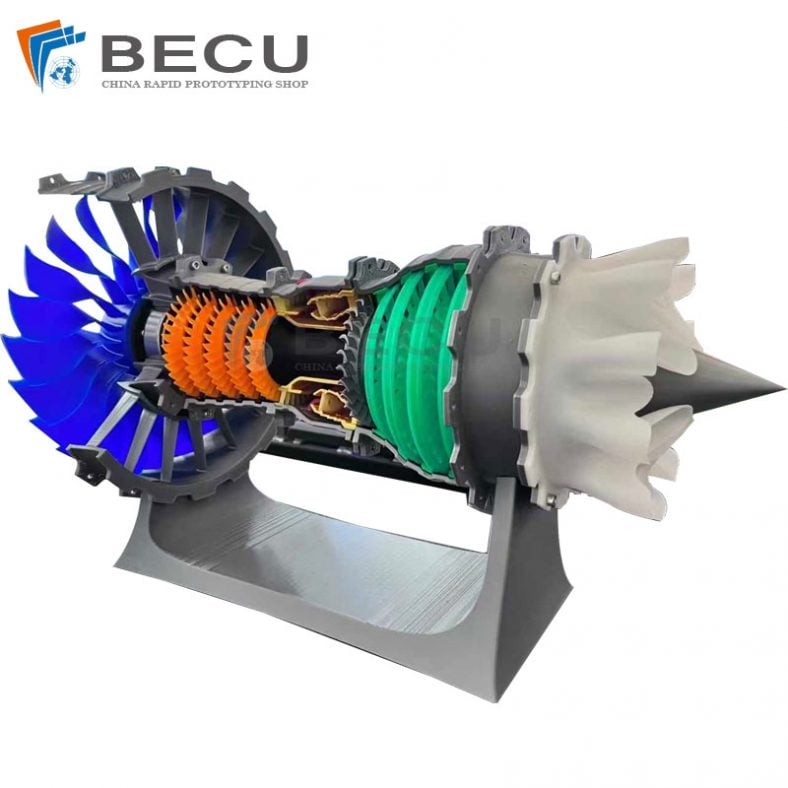
3D Printed Jet Engine Model
-
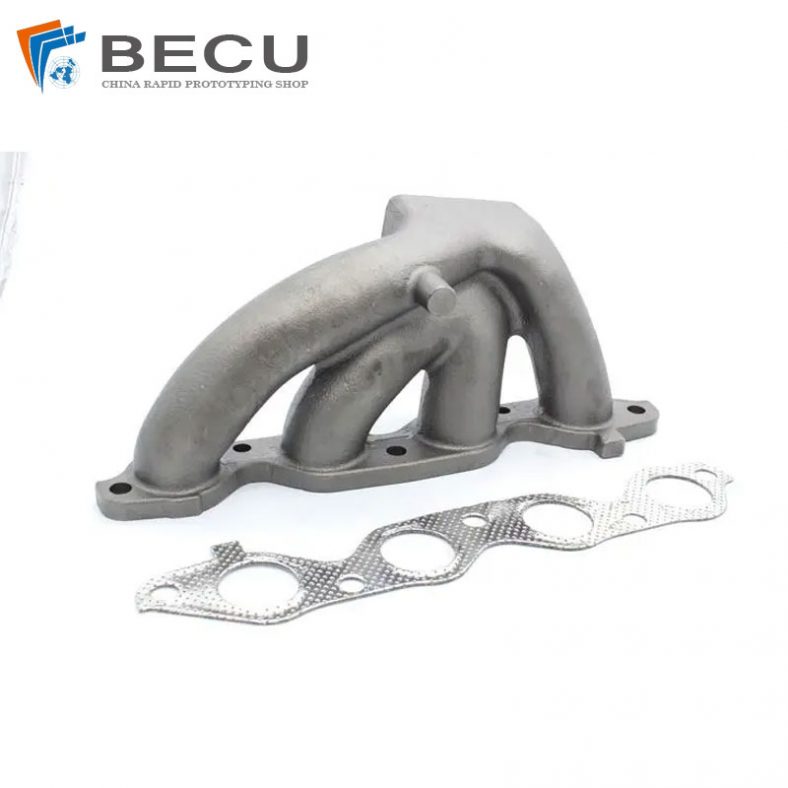
3D Printed Inconel Exhaust Manifold
-
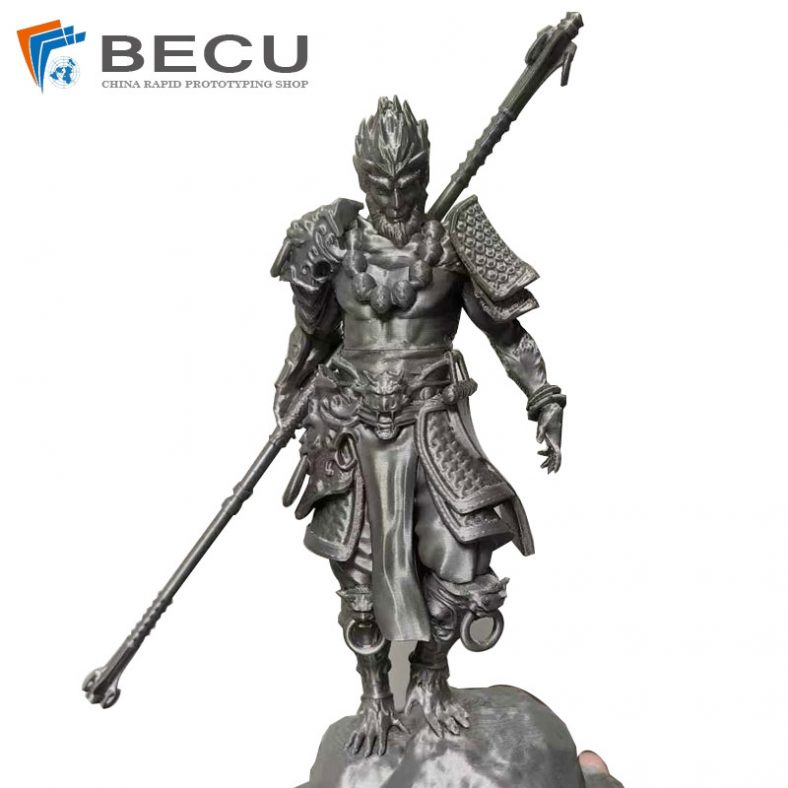
3D Printed Black Myth: Wukong Model
-
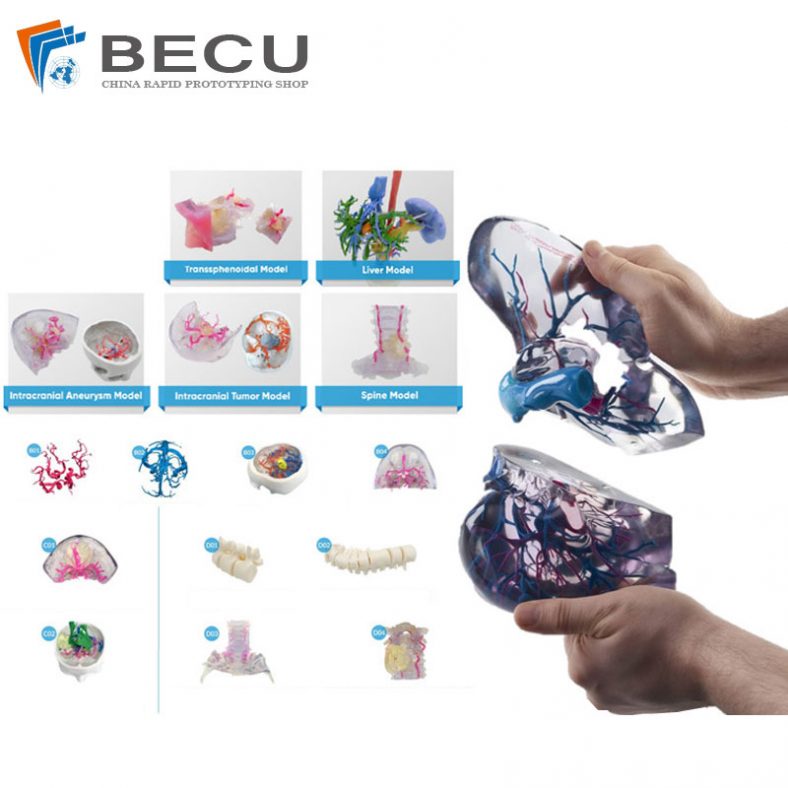
Omni-Directional Surgical Planning Medical Models
-
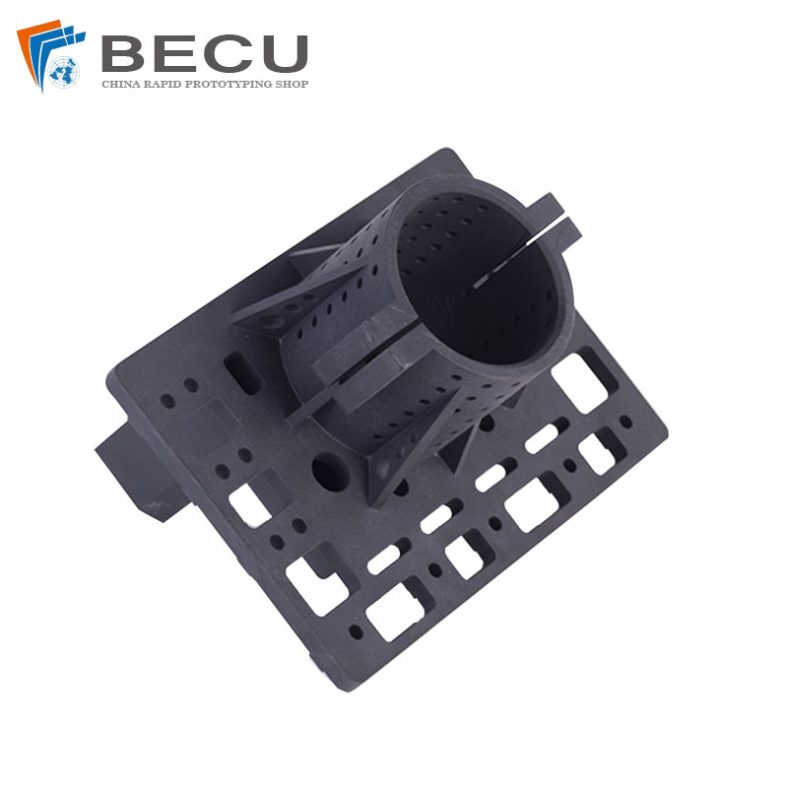
3D Printing Pool Pressure Cleaner Parts and Accessories
-
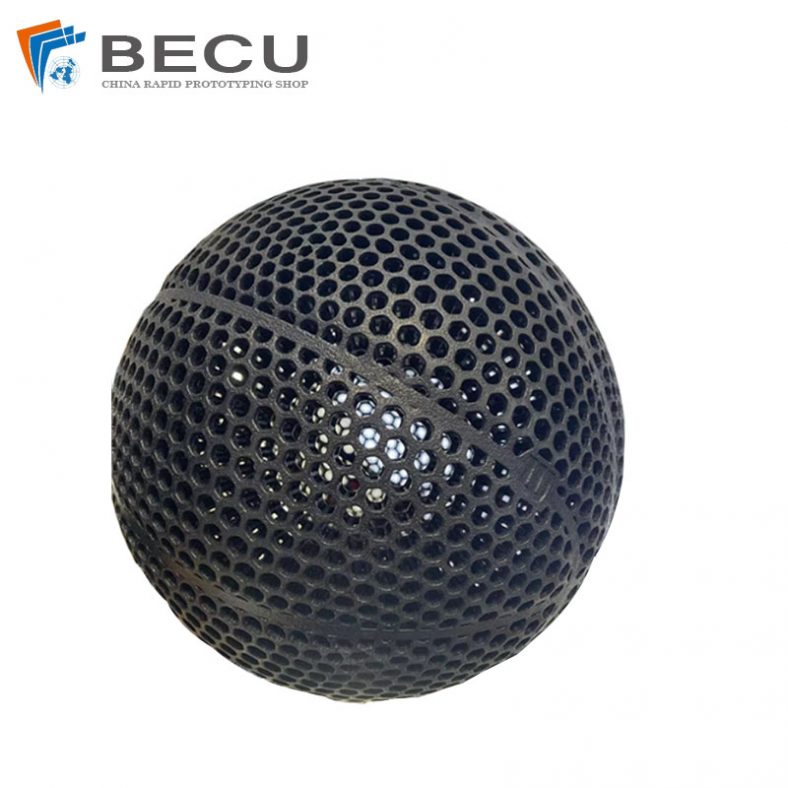
Nylon 3D Printed Size 5 Basketball
-
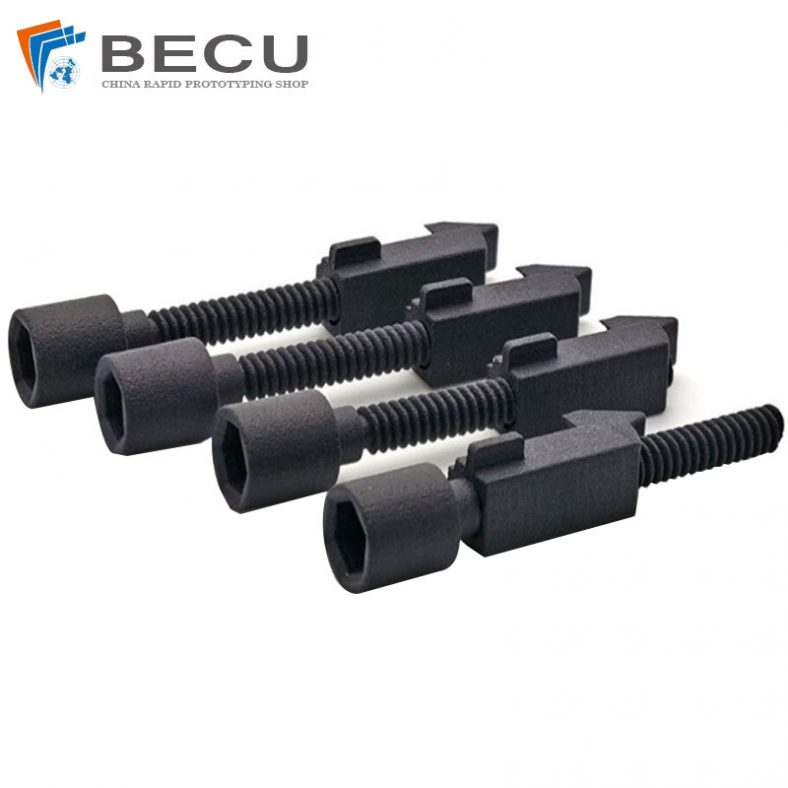
Black Nylon Medical Threaded Screw By MJF 3D Printing